
If Your Lawn Turns Brown And Crispy In The August Heat, Here Are 13 Fixes Before The Damage Spreads
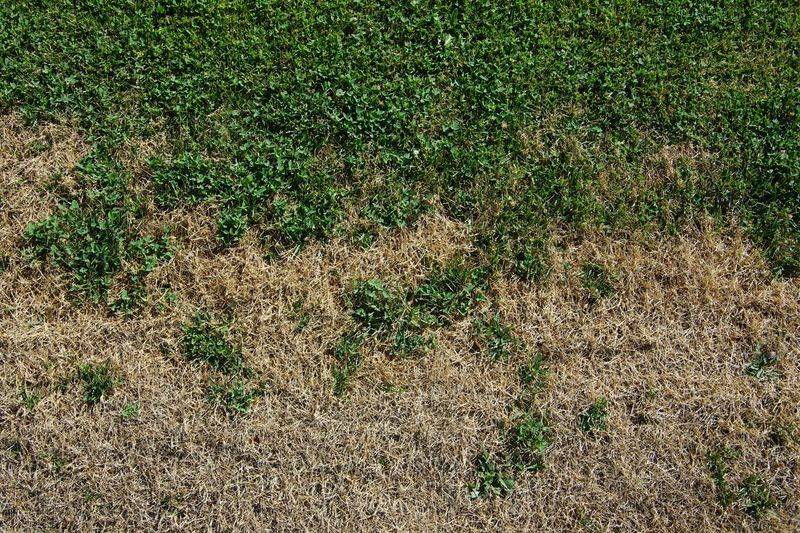
Walking outside to find your once-green lawn looking brown and crunchy underfoot can feel like a punch to the gut. The good news is that a crispy August lawn is often stressed or dormant, not dead, and small changes can bring it back.
Before you panic or rip out the whole yard, try these simple fixes that protect the grass you still have. Here are 13 easy ways to help your lawn survive the heat and bounce back stronger.
1. Water Deeply and Infrequently
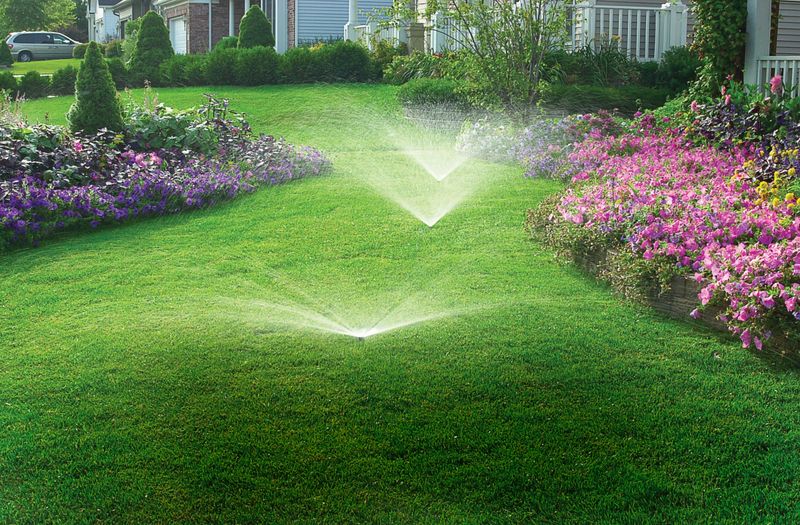
Splashing a little water on the grass every single day feels helpful, but it actually trains your lawn to grow lazy, shallow roots that fry the moment the sun beats down.
Aim for 1 to 1.5 inches of water each week, applied all at once or across two soakings, so the moisture sinks 6 to 8 inches into the soil. Deep roots reach cooler, wetter dirt and shrug off heat far better than a thirsty surface layer.
An easy trick to measure it: set an empty tuna can on the lawn while you water and stop when it fills to about an inch. Your grass will thank you with a tougher, more drought-proof root system.
2. Water in the Early Morning
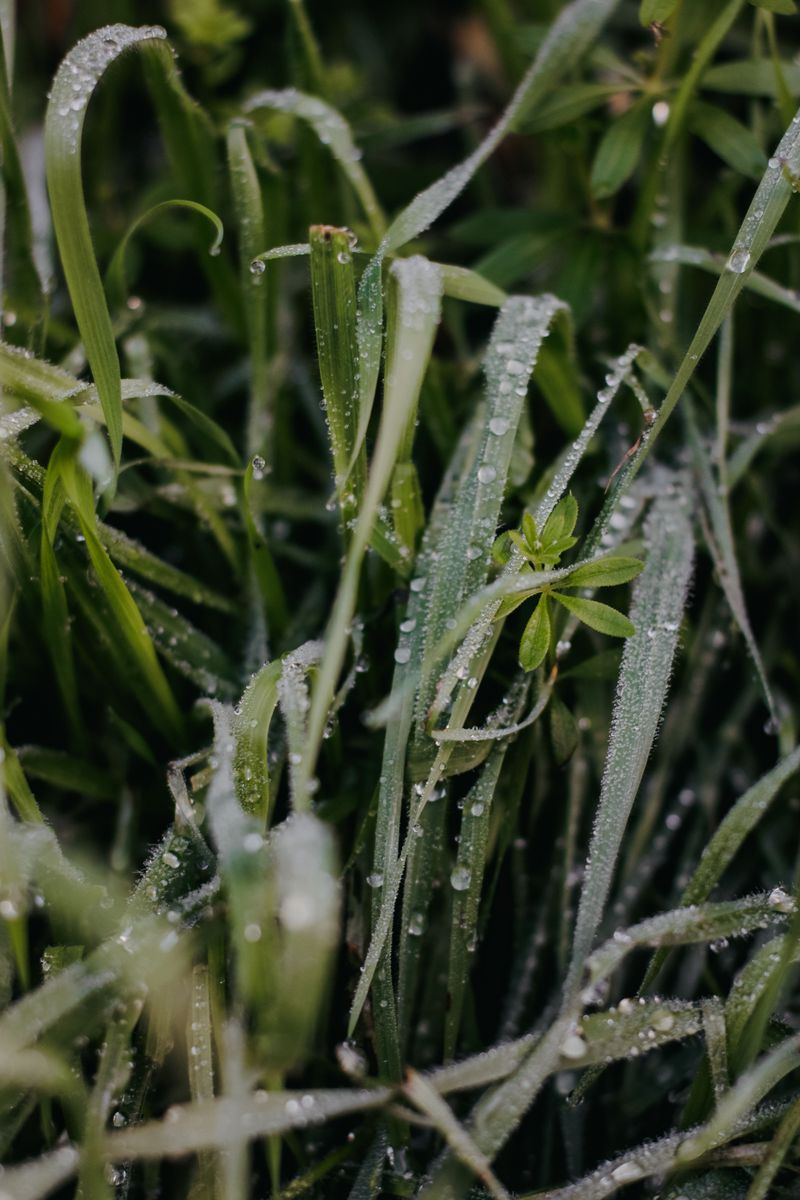
Timing matters just as much as the amount, and the clock between 5 a.m. and 10 a.m. is your lawn’s best friend.
During those cool, calm hours, hardly any water is lost to evaporation, so nearly every drop reaches the roots instead of drifting off as steam. Watering at midday wastes water, and soaking the grass at night leaves it damp for hours.
That lingering dampness after dark is an open invitation for fungal diseases to move in. Give the blades all day to dry out, and you close that door completely.
3. Mow at a Higher Setting
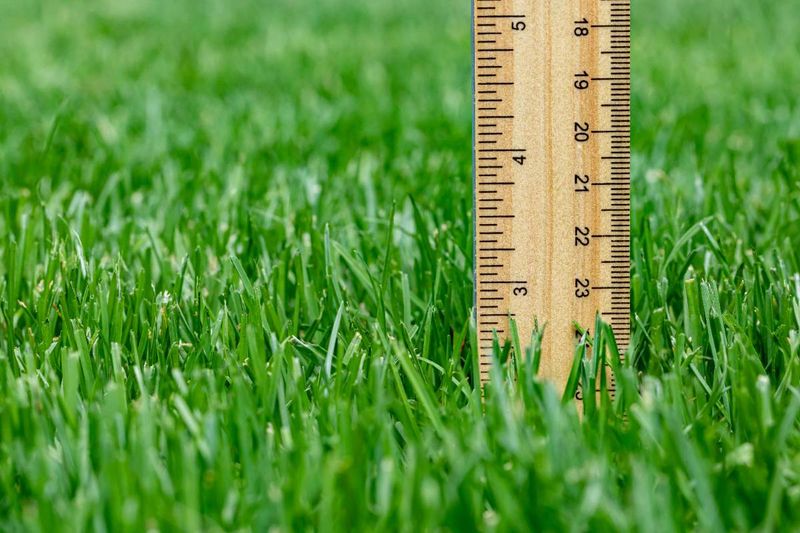
Cutting your grass short might look neat and tidy, but in August it is one of the fastest ways to stress an already struggling lawn.
Raise the mower deck to 3 to 3.5 inches for cool-season grasses and around 2 to 2.5 inches for warm-season types. Those taller blades act like a leafy umbrella, shading the soil so it stays cooler and holds onto moisture longer.
Taller grass also grows deeper roots, which is exactly what you want when the heat refuses to break. Think of the extra height as free sunscreen for your yard.
4. Follow the One-Third Rule
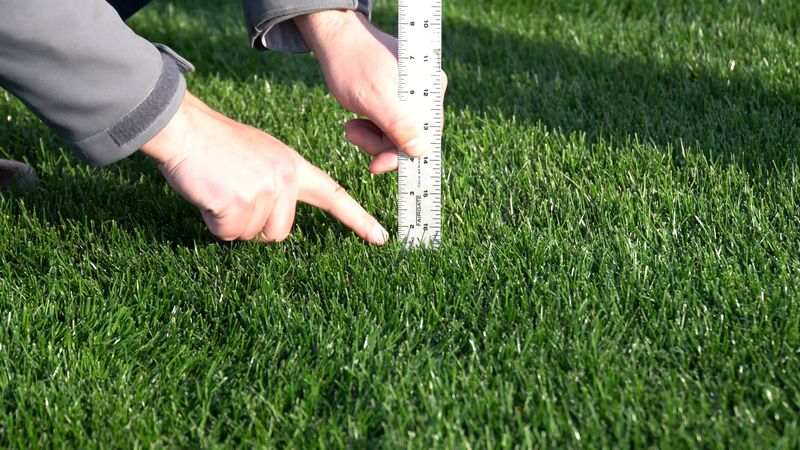
Ever taken off way too much grass in one pass and watched it turn pale and sad afterward? That is the one-third rule reminding you it exists.
Never cut away more than a third of the blade length in a single mowing. Scalping the lawn shocks the plant, exposes bare soil to the sun, and forces the grass to pour energy into recovery instead of survival.
If your grass got long between mows, sneak up on the ideal height over two or three sessions spaced a few days apart. Slow and steady keeps the lawn green.
5. Keep Mower Blades Sharp
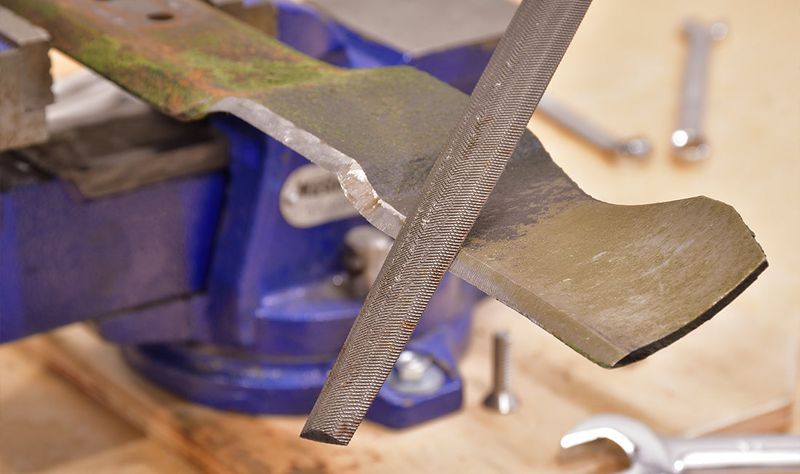
Here is a sneaky culprit hiding under your mower: a dull blade that tears grass instead of slicing it clean.
Ragged, shredded tips lose water faster and give diseases and insects easy entry points, which is the last thing a heat-stressed lawn needs. A sharp blade leaves a crisp cut that heals quickly and keeps the whole yard healthier.
Plan to sharpen the blade about once a month during mowing season, or after every 8 hours of use. Run your finger along the grass tips after mowing, and if they look frayed and brown, it is sharpening time.
6. Minimize Foot Traffic
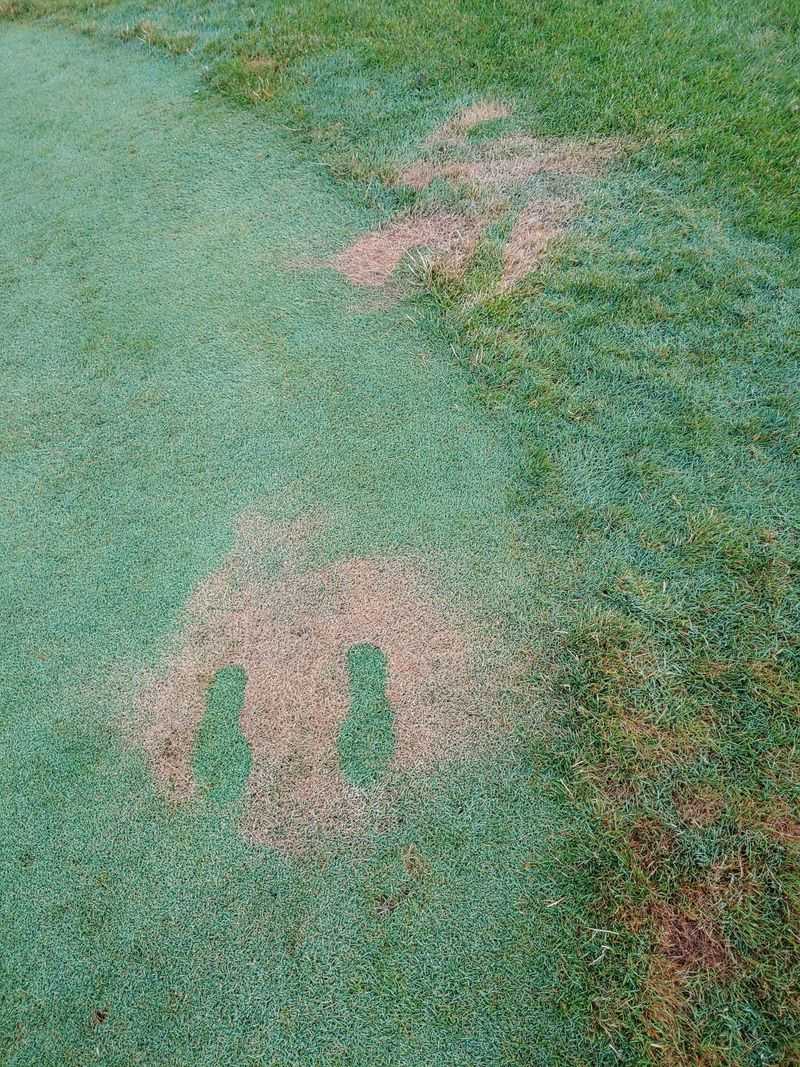
A backyard is made for barbecues and kids running around, but when the grass is crispy and dry, all that stomping does real harm.
Dry, stressed blades snap under pressure instead of springing back, and repeated foot traffic packs the soil down so tightly that water and air can barely get through. Compacted soil then makes the whole recovery process harder.
Try steering games, pets, and shortcuts to a patio or path until the lawn perks back up. Giving the grass a break from the crowd is a fix that costs you nothing.
7. Determine if Grass is Dormant or Dead
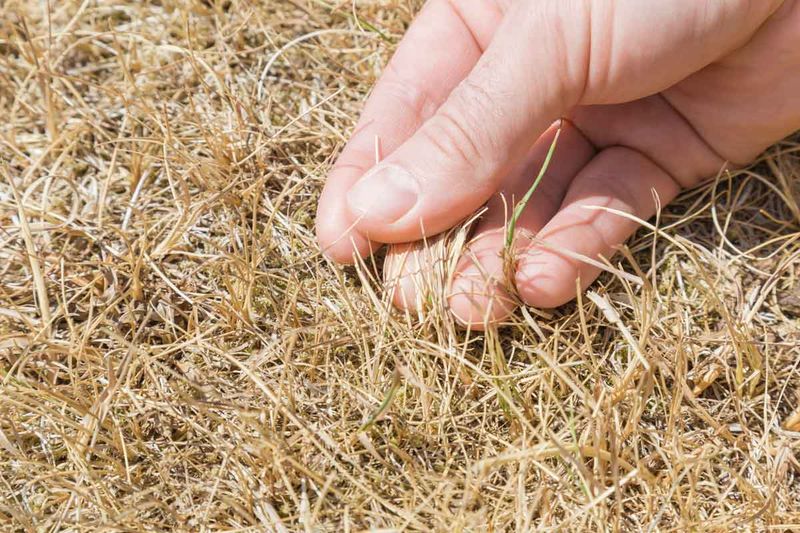
Before you spend a dime or lose any sleep, figure out whether your brown lawn is merely napping or truly gone.
Try the tug test: grab a handful of the brown grass and pull firmly. If it holds tight and resists, the crown is alive and simply dormant, waiting for cooler weather.
If it slides right out with little or no root attached, that patch has likely died.
Dormant grass usually greens up again with autumn rain, or you can keep it alive with about half an inch of water every two to four weeks during a long drought. Many cool-season lawns go brown on purpose as a survival trick, so do not give up too soon.
8. Avoid Fertilizing in August
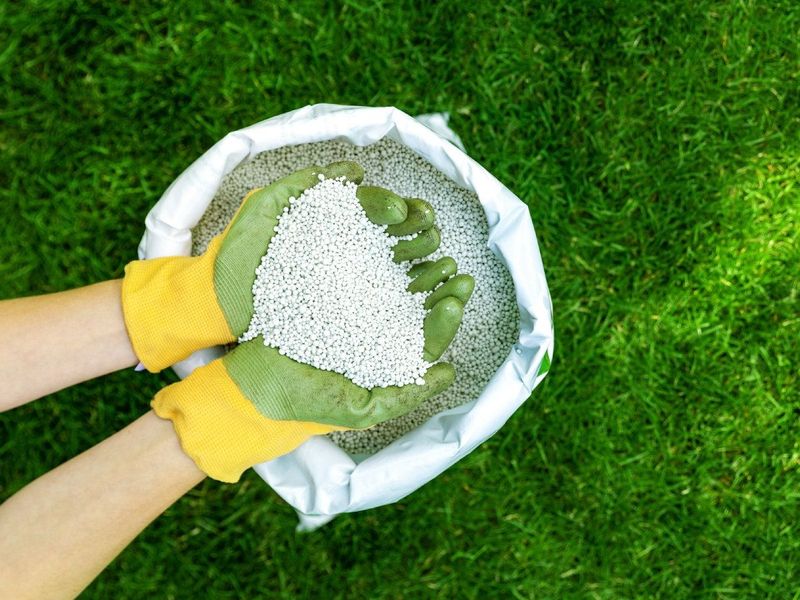
Reaching for the fertilizer bag when your lawn looks sickly seems logical, but in August it can backfire badly.
Heavy fertilizer pushes stressed grass to grow when it has no water to support that growth, and the salts in many products can chemically burn already fragile turf. Instead of helping, you may scorch the lawn brown even faster.
Hold off until temperatures cool and the grass is actively growing again, usually early fall for cool-season lawns. If you grow warm-season grass and fed it earlier in summer, just make sure that product was labeled for summer use.
9. Consider Aeration (with Proper Timing)
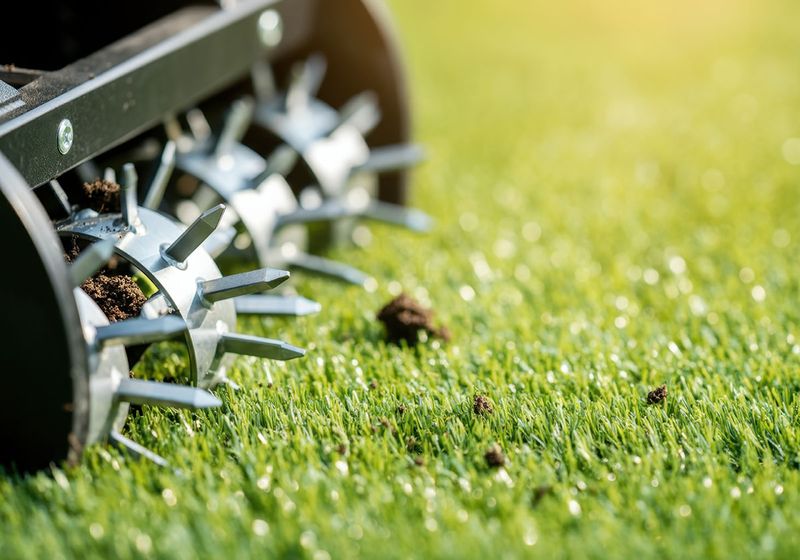
Compacted soil chokes a lawn by blocking the water, air, and nutrients roots crave, and aeration is the cure that opens things back up.
Pulling small plugs from the soil lets moisture soak in deeper and encourages roots to stretch down where it is cooler. The catch is timing, because aerating at the wrong moment adds stress instead of relief.
For warm-season grasses, early summer through July works well, while cool-season lawns recover best when aerated in late summer or early fall. Whatever you do, skip aeration during a brutal heat wave or drought, when the grass has no energy to spare.
10. Leave Grass Clippings on the Lawn
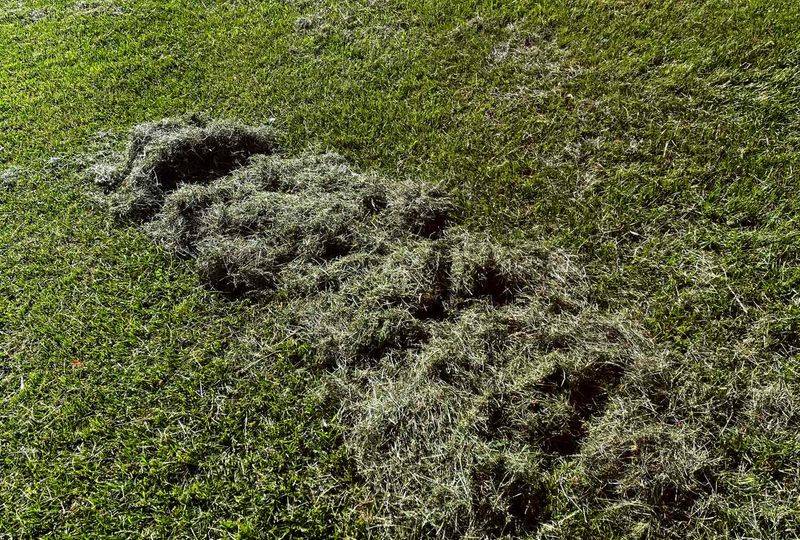
Bagging up clippings after every mow might feel like good housekeeping, but you are hauling away free food and free moisture.
When you leave the clippings in place, they break down quickly and return nitrogen and other nutrients right back into the soil, working like a gentle natural fertilizer. They also form a thin layer that shades the ground and slows evaporation.
Grasscycling, as it is called, will not create thatch when you follow the one-third rule and keep clippings short. Fewer trips to the yard bin and a happier lawn is a win worth taking.
11. Address Uneven Irrigation and Hot Spots
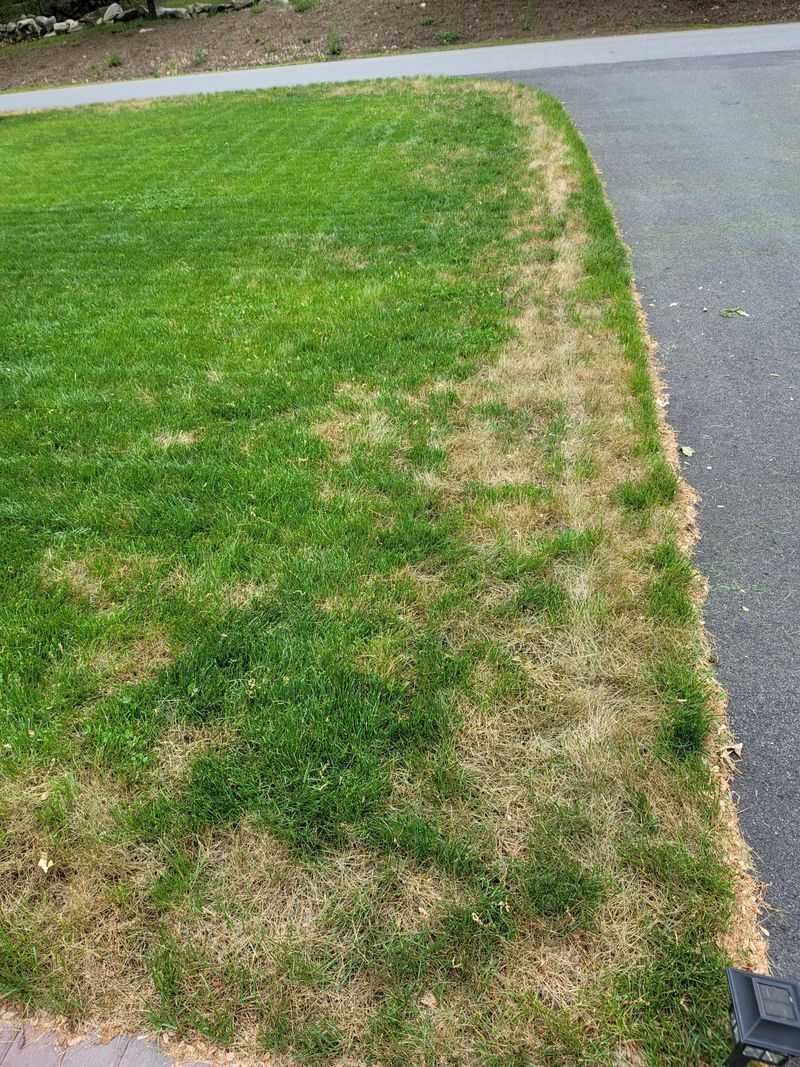
Notice how the strips along your sidewalk or driveway always crisp up first? Those hot spots are getting cooked from two directions at once.
Concrete and asphalt soak up heat and radiate it right back onto nearby grass, while shallow soil in those edges dries out in a hurry. On top of that, sprinkler heads often miss corners and edges, leaving thirsty zones behind.
Walk your yard while the sprinklers run and look for spots that stay dry or get double-hit. Give those trouble areas a little extra hand-watering, and adjust or fix any sprinkler heads that spray unevenly.
12. Improve Soil Health with Amendments
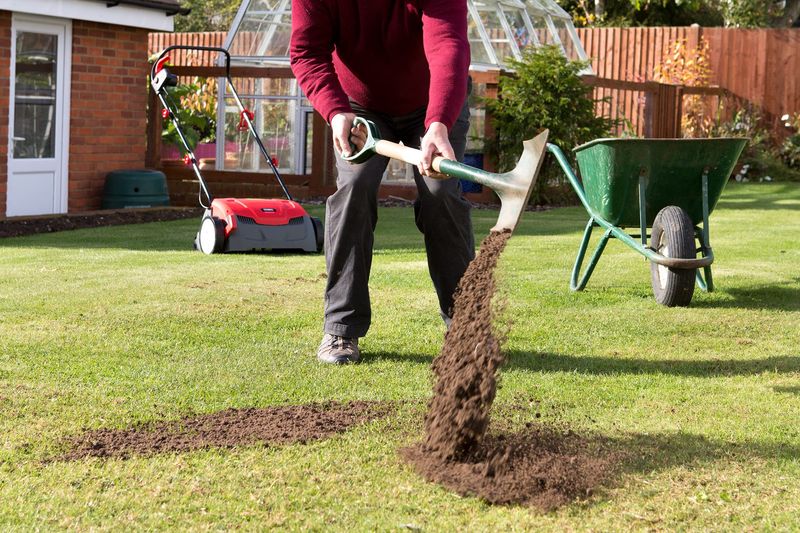
A lawn is only as strong as the dirt beneath it, and sandy or worn-out soil simply cannot hold water when the heat rolls in.
Spreading a thin layer of compost or organic topdressing over the lawn builds up the soil’s ability to soak up and store moisture. Over time, that richer soil feeds beneficial microbes and gives roots a friendlier place to grow.
You do not need a mountain of material, just a quarter-inch layer raked evenly across the surface does wonders. Fall is often the ideal season to topdress, so the improvements settle in before next summer’s heat arrives.
13. Monitor for Pests and Diseases
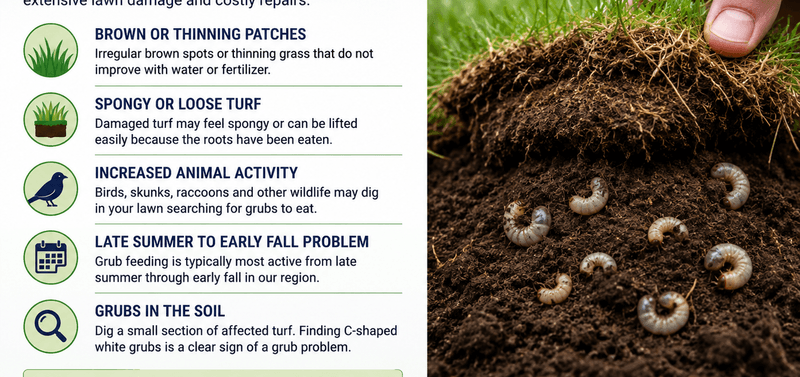
Sometimes brown grass is not the heat’s fault at all, and knowing the difference can save your whole yard.
Keep an eye out for patches that spread quickly, form odd rings or shapes, or feel spongy underfoot. If a section of grass peels back like loose carpet with roots chewed away, grubs may be dining on the roots below.
Fungal diseases love the same stressed, humid conditions that August brings, so catching them early makes them far easier to manage. Spotting trouble promptly and treating the right cause keeps a small problem from taking over the entire lawn.