
If Your Peonies Flopped And Faded This Year, Here Are 7 Things To Do Now So Next Summer Blooms Big
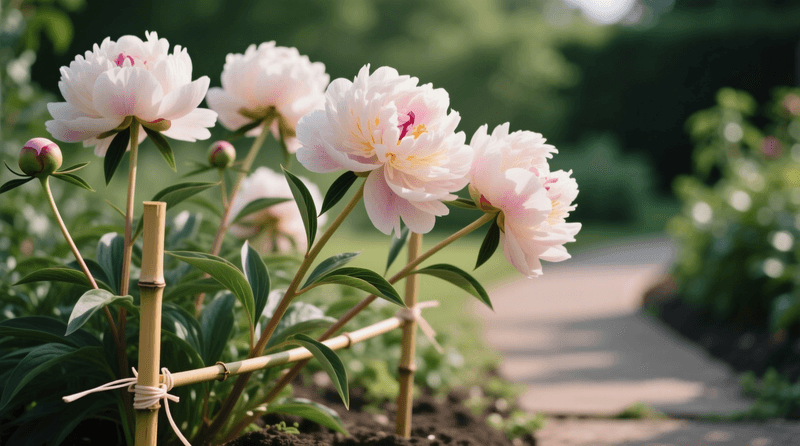
Peonies can be heartbreakers when their heavy flowers flop over or barely show up at all. The good news is that most peony problems come from a few small mistakes you can fix with a little late-summer and fall attention.
What you do now, while the plant is settling in for winter, decides how big and strong those blooms come back next year. Grab your pruners and let’s set your peonies up for a showstopping summer.
1. Deadhead Spent Blooms
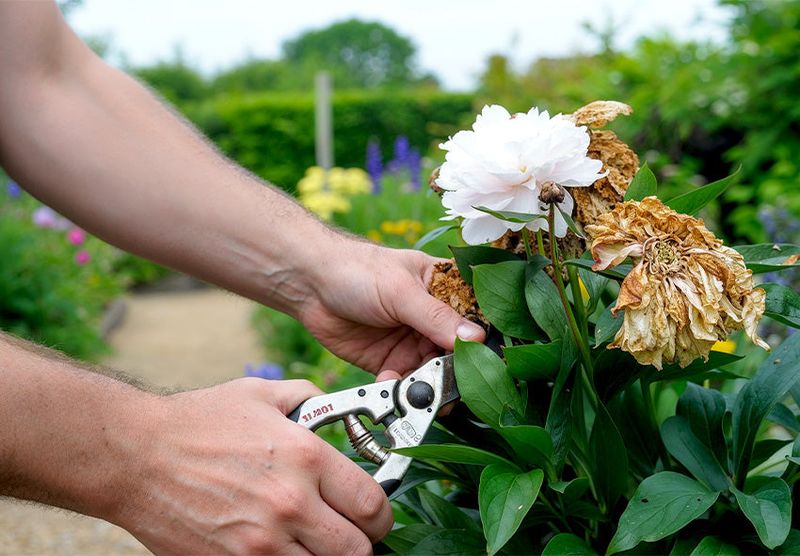
The moment those big blooms fade and turn to mush, your peony wants to do one thing: make seeds. That takes a surprising amount of energy, and every bit spent on seeds is energy stolen from next year’s flowers.
Snip each spent flower off just below the head, leaving the stem and leaves in place. You are not shaping the plant here, you are simply telling it to stop wasting fuel on seed pods it does not need.
All that redirected energy heads straight down into the roots, where the buds for next spring are quietly forming. Think of it as banking energy for the show to come.
It is a two-minute job that pays off huge, and it also tidies up the plant so it does not look messy for the rest of the season.
2. Maintain Healthy Foliage Throughout Summer
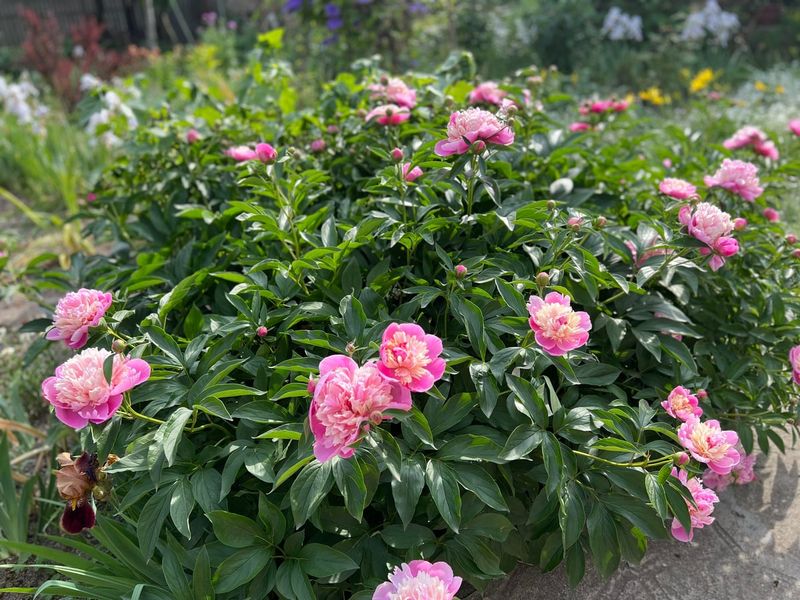
Once the flowers are gone, that leafy green clump might feel like it has done its job. Please resist the urge to chop it down.
Those leaves are tiny solar panels. All summer long they soak up sunlight and turn it into stored food that fills the roots and powers next year’s buds.
Cut them early and you starve the plant right when it is trying to build its comeback.
Keep the foliage watered during dry spells and watch for any spotting or mildew, but otherwise leave it be. A peony that looks a little plain in July is a peony busy stockpiling energy for a spectacular June.
Patience here is not laziness, it is strategy. The greener and healthier those leaves stay into fall, the more fuel your plant packs away.
3. Cut Back Foliage in Late Fall

When the leaves finally yellow, flop, and die back, or after the first hard frost knocks them down, that is your cue to clean house.
Cut herbaceous peony stems down to about one or two inches above the soil. Leaving tall stubble or rotting leaves through winter gives fungal troubles like botrytis blight and hungry pests a cozy place to hide.
Here is a step people often skip: do not toss those clippings on the compost pile, especially if you spotted any spots or mildew. Bag them or burn them so you are not saving disease spores to reinfect the plant come spring.
A clean crown going into winter means fewer problems and stronger, healthier growth waiting under the soil.
4. Verify and Adjust Planting Depth
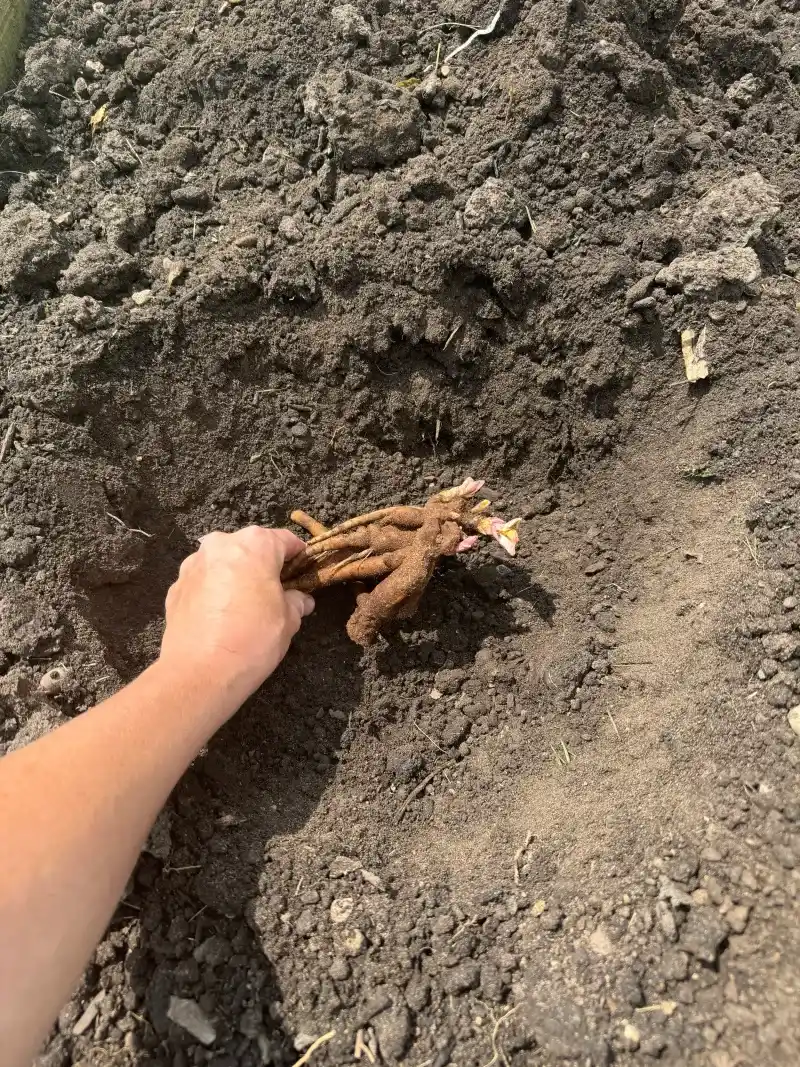
Here is the sneaky culprit behind a peony that grows plenty of leaves but hardly any flowers: it is buried too deep.
Peony eyes, the little pinkish buds on the root crown, should sit only one to two inches below the soil surface. Plant them deeper and the plant sulks, throwing out lush greenery while refusing to bloom.
Fall is the perfect time to check. Gently brush away the top layer of soil and find those eyes.
If they are sitting three, four, or more inches down, carefully lift the whole clump and replant it higher.
It feels a little scary to dig up an established plant, but peonies are tough. Getting that depth right is often the single fix that turns a stubborn non-bloomer into a generous one.
5. Assess and Improve Sunlight Exposure
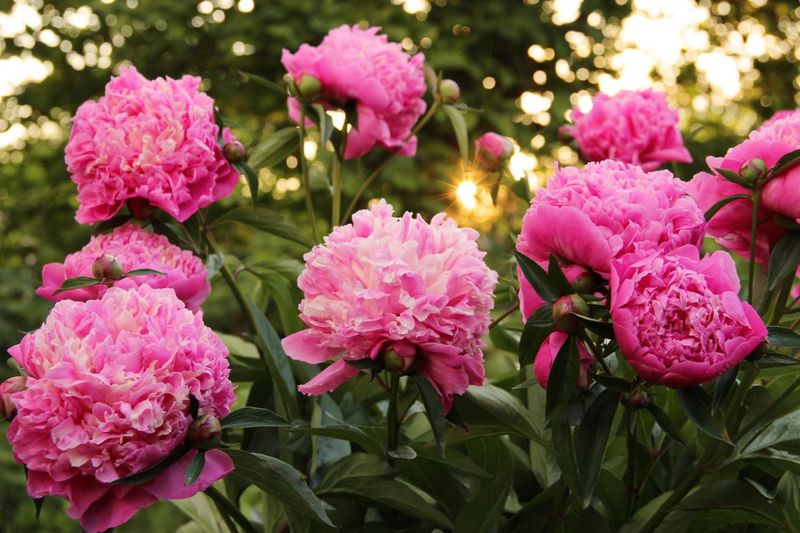
Peonies are sun worshippers, plain and simple. They want at least six hours of direct sunlight a day to pump out those fat, full blooms.
The trouble is that gardens change. A shrub or tree that was small when you planted your peony may now be casting a long afternoon shadow, quietly cutting off the light your plant depends on.
Take a look over the course of a day and notice where the shade falls. If a nearby branch is the problem, a little pruning might solve it.
If the whole spot has gone dim, fall is your chance to move the peony to somewhere brighter.
More sun almost always means more flowers, so chasing the light is well worth the effort.
6. Fertilize Judiciously in Fall or Early Spring

Peonies are not greedy eaters, so forget about heavy feeding. A light hand is exactly what they want.
Reach for a balanced granular fertilizer or one leaning toward phosphorus and potassium, something like a 5-10-10. Those nutrients support root growth and bud formation, which is precisely what builds next year’s blooms.
Steer clear of high-nitrogen products. Too much nitrogen pushes leafy growth at the expense of flowers, so you end up with a bushy plant and no show.
Bone meal is a classic peony favorite thanks to its phosphorus, and fall is a great time to work a little into the soil around the crown. Just a gentle boost sets the stage without overwhelming the plant.
7. Improve Air Circulation and Consider Dividing Crowded Plants
A peony packed in tight with other plants is a peony asking for trouble. Stale, damp air trapped around the leaves is exactly what fungal diseases like botrytis blight love.
Give your plant some breathing room. Make sure neighboring plants are not crowding it, and if the clump itself has grown dense with weak, floppy stems and fewer flowers, it may be time to thin things out.
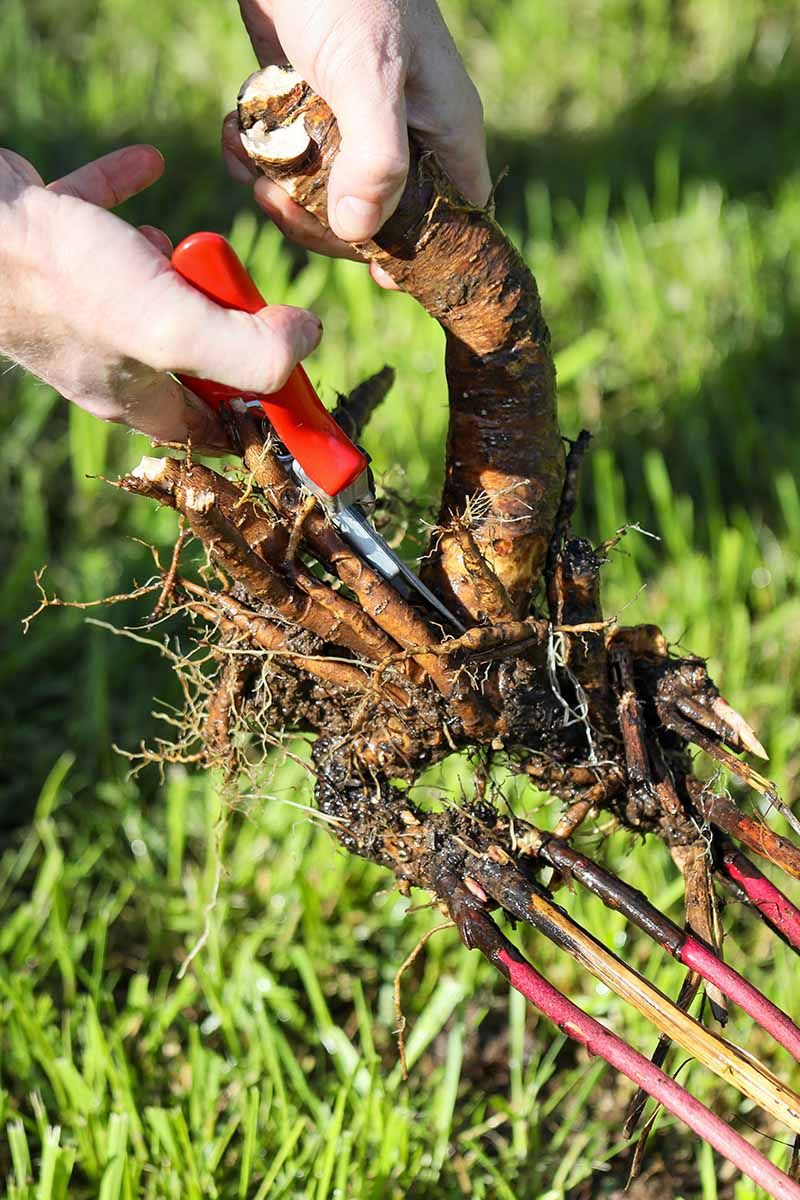
You can thin a few stems in early spring, or go bigger and divide the whole plant in fall. Digging it up, splitting the crown into chunks with three to five eyes each, and replanting them gives you better airflow and fresh vigor.
Dividing every eight to ten years reinvigorates older plants that have started slacking off. It is more work than the other tips, but for a tired, overgrown peony it can be the reset that brings the flowers roaring back.