
If Your Petunias Are Struggling And Fading, Here Are 15 Easy Steps To Rescue Them (And Keep The Problem From Coming Back)
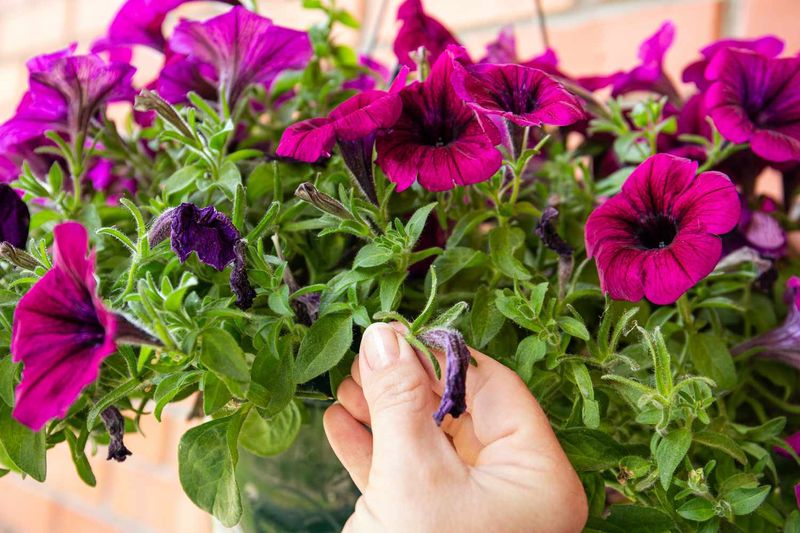
Petunias start the summer looking full and bright, then somewhere around midsummer they get leggy, pale, and sad. The good news is that fading petunias are almost never a lost cause, and most of the fixes take just a few minutes.
Below are 15 simple steps to bring your plants back to life and stop the same slump from happening again. Grab your scissors and let’s rescue those blooms.
1. Prune Leggy or Overgrown Stems
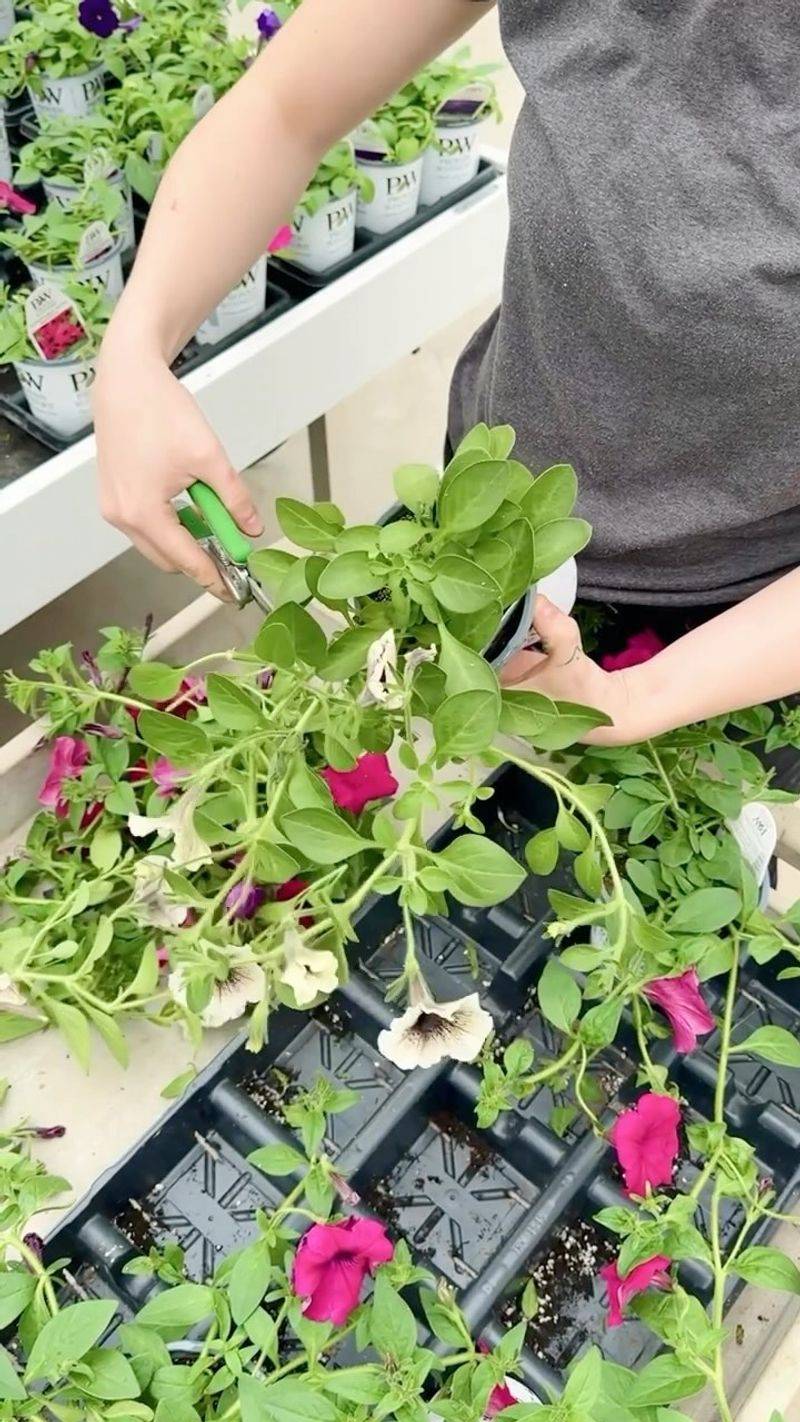
By the time July rolls around, a lot of petunias turn into a tangle of long, floppy stems with a lonely flower stuck on the very end. Heat, natural growth, and used-up nutrients are all working against you, and no amount of hoping will fix bare middles.
The rescue is bolder than most people expect. Give the plant a real haircut, cutting stems back by a third to a half, and go as far as two-thirds if it is truly out of control.
Always snip just above a leaf node, because that is where fresh, bushy branching will sprout.
It feels brutal to remove blooms, but the plant bounces back fuller than before within a couple of weeks. Keep it going by trimming lightly every couple of weeks all season, and your petunias stay compact instead of gangly.
2. Deadhead Spent Flowers Regularly
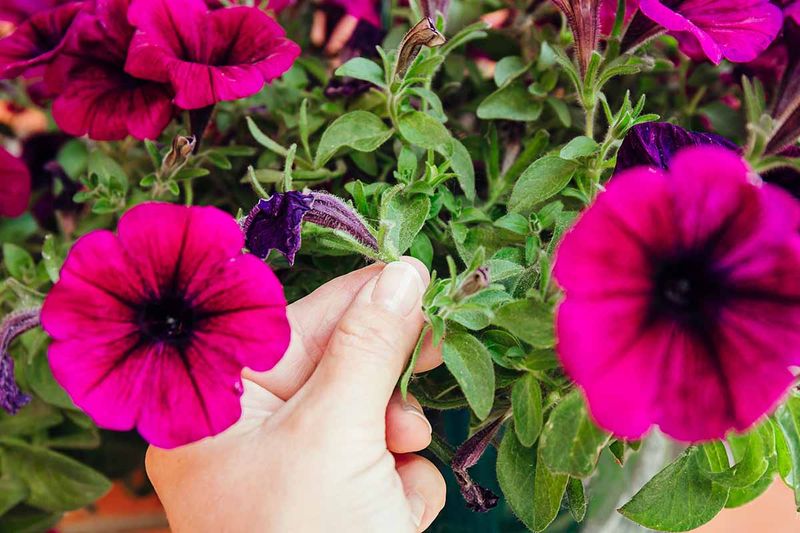
Here is a sneaky energy drain most gardeners miss: every faded flower left on the plant becomes a seed factory. Once a petunia thinks it is making seeds, it stops bothering to make new blooms, and you end up with fewer flowers overall.
Individual petunia flowers only last a few days anyway, so old blooms pile up fast. When you deadhead, do not just pull the papery petals.
Pinch off the entire spent flower plus the little swollen stalk behind it, right down to the base, so the seed pod goes too.
A quick pass once a week keeps the plant focused on flowering instead of setting seed. It is oddly satisfying work, and the payoff is a steady stream of fresh color instead of a fizzle.
3. Ensure Proper Watering
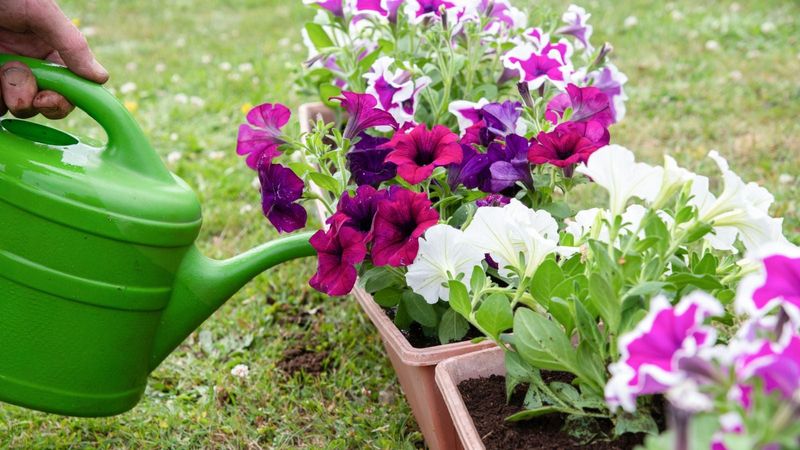
Watering trips up more petunia growers than anything else, mostly because both too much and too little look the same at first: wilting, yellow leaves, and a droopy, sad plant. The trick is to stop guessing and start checking.
Poke your finger into the top inch or two of soil before you reach for the hose. If it feels dry, water.
If it is still damp, wait. Container soil that has gone bone dry can be stubborn and let water run straight past the roots, so soak the whole pot in a tub of water to rehydrate the root ball from the bottom up.
Going forward, water deeply and consistently, aiming for moist but never soggy soil. Pots in summer heat may need a drink daily, sometimes twice, and always aim at the base of the plant to keep the leaves dry and fungus at bay.
Make sure every container has real drainage holes.
4. Provide Adequate Sunlight
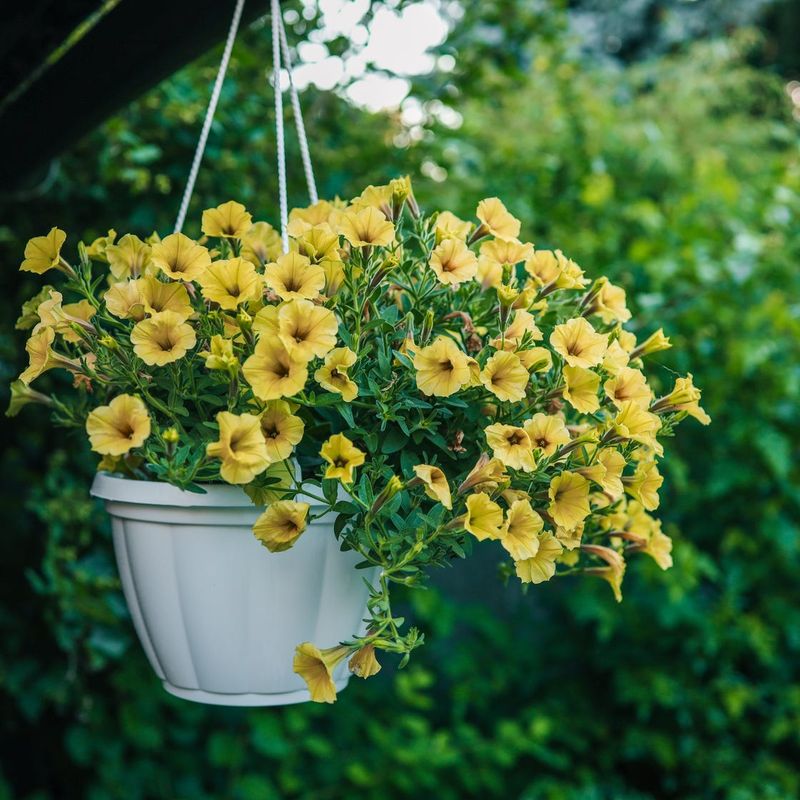
Petunias are sun worshippers, plain and simple. Tuck them in a shady corner and they respond by stretching out with weak, floppy stems and stingy flowering, as if they are reaching for light that never comes.
If yours are sulking in shade, move them to a spot that gets at least six hours of direct sun a day. Eight hours or more is the sweet spot for really generous blooming, so do not be shy about relocating pots to chase the light.
Sun angles shift as the season goes on, and a spot that was sunny in May can slip into afternoon shade by August. Keep an eye on how the light falls and adjust placement so your petunias stay bathed in the rays they crave.
5. Fertilize Regularly with the Right Balance
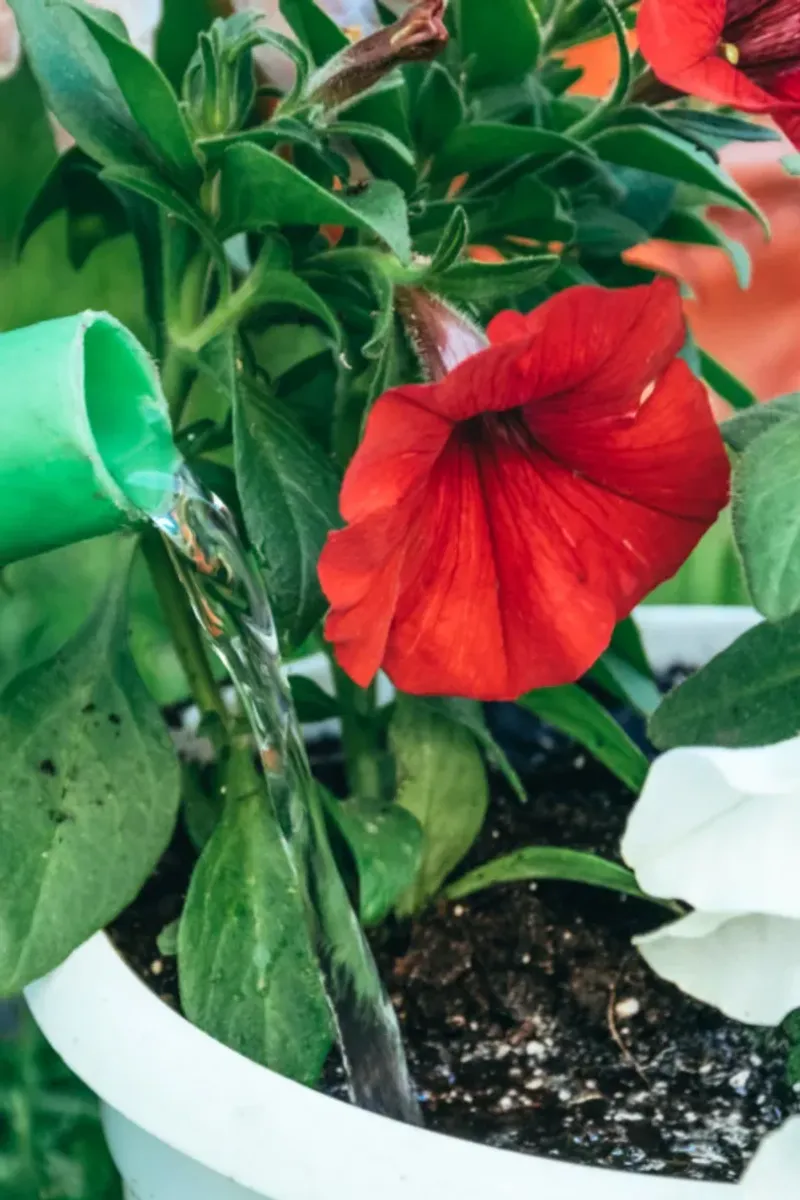
Think of petunias as hungry teenagers. They are heavy feeders that burn through soil nutrients quickly, especially in the tight quarters of a container, and when the pantry runs empty you get fewer blooms and yellowing leaves.
Feed them a balanced liquid fertilizer like 10-10-10 or 20-20-20, or reach for one higher in phosphorus, the middle number, every week or two through the growing season to push flowering. If a plant is clearly stressed, hold off on all feeding for at least seven days until you see new growth and the soil moisture settles.
Skip the high-nitrogen formulas, which pump out leafy growth at the expense of flowers. Mixing a slow-release granular fertilizer into the soil at planting time gives a steady background supply so the tank never runs completely dry.
6. Repot Root-Bound Plants
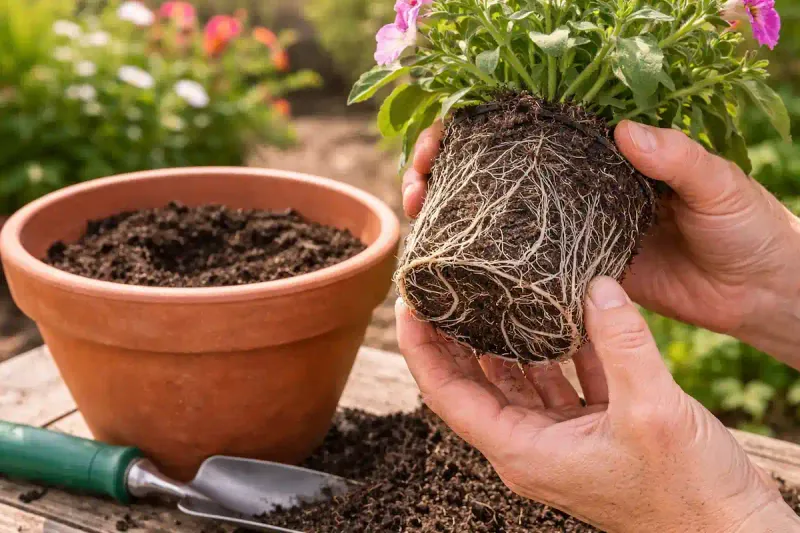
Ever notice a petunia that seems thirsty again minutes after you water it? That is a classic sign the roots have run out of room and are circling the bottom of the pot in a tangled mess.
A root-bound plant also looks stunted and tired no matter how much you fuss over it. Gently slide it out of the pot, and if you see a dense knot of roots, it is time for an upgrade.
Move it into a larger container with fresh, well-draining potting mix and give those roots space to spread.
Choosing the right pot size from the start saves you the trouble later. Keep an eye on fast-growing varieties in particular, since they can fill a container surprisingly quickly.
7. Protect from Extreme Heat
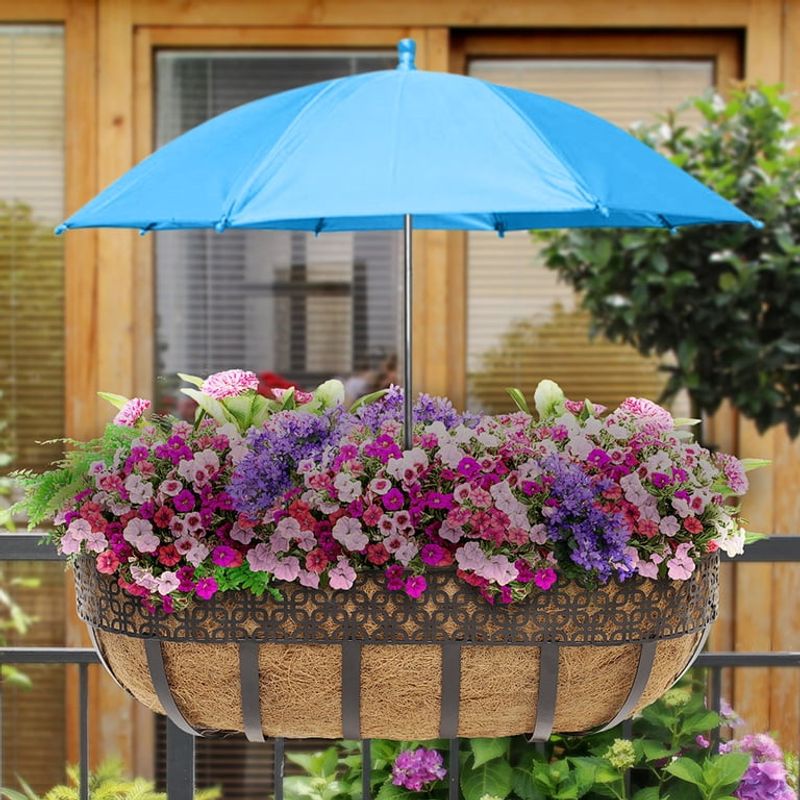
A blistering heat wave can knock petunias flat in a matter of hours. One moment they look fine, the next they are wilting dramatically as the sun bakes down, and it can be alarming to walk outside to a collapsed pot.
For potted plants, the quickest fix is to simply pick them up and carry them to a partially shaded spot during the worst afternoon heat. A little relief from the peak sun lets them catch their breath and perk back up.
When a heat wave is in the forecast, plan ahead by offering afternoon shade before things get extreme, especially for containers, which heat up far faster than ground beds. Your petunias will thank you by holding onto their blooms instead of dropping them.
8. Ensure Well-Draining Soil
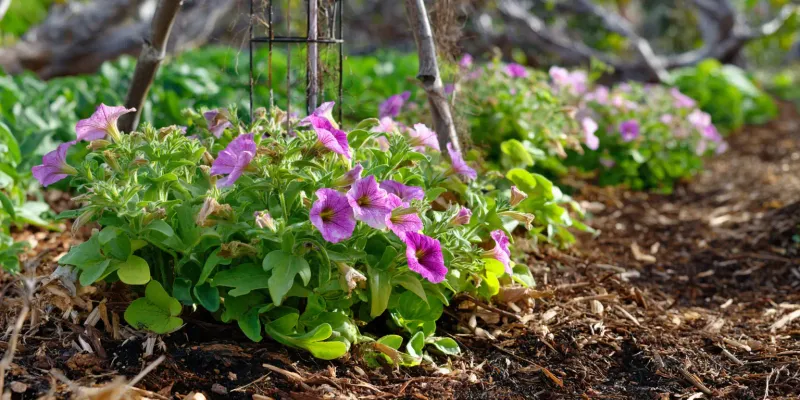
Roots need air as much as they need water, and soggy soil suffocates them. Heavy clay or a poorly draining mix traps moisture around the roots, and the result is waterlogging, root rot, yellow leaves, and a plant that slowly gives up.
If your petunias sit in stubborn, dense soil, loosen things up. Amend heavy clay beds with compost or perlite to improve the texture and let excess water escape.
For pots, double-check that every one has adequate drainage holes so water can actually flow through.
Prevention here is easy: start containers with a good-quality potting mix that is rich in organic matter and drains freely. Getting the soil right from the beginning heads off a whole category of problems before they ever start.
9. Correct Nutrient Deficiencies
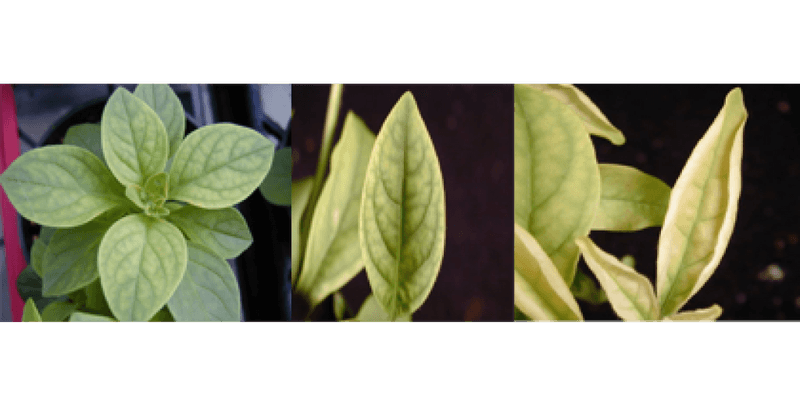
Yellow leaves are your petunia’s way of raising a hand and asking for something. Often that something is a missing nutrient, most commonly nitrogen or iron, and reading the pattern of yellowing tells you which one.
When leaves turn yellow but the veins stay green, that is chlorosis, a telltale sign of iron deficiency. For a general shortage, a balanced fertilizer usually sets things right, while a chelated iron supplement targets that green-veined pattern specifically.
The best defense is steady, balanced feeding as described earlier, which keeps the buffet stocked so deficiencies rarely get a chance to show up. Catch the yellow signal early and you can turn things around before the whole plant fades.
10. Improve Air Circulation
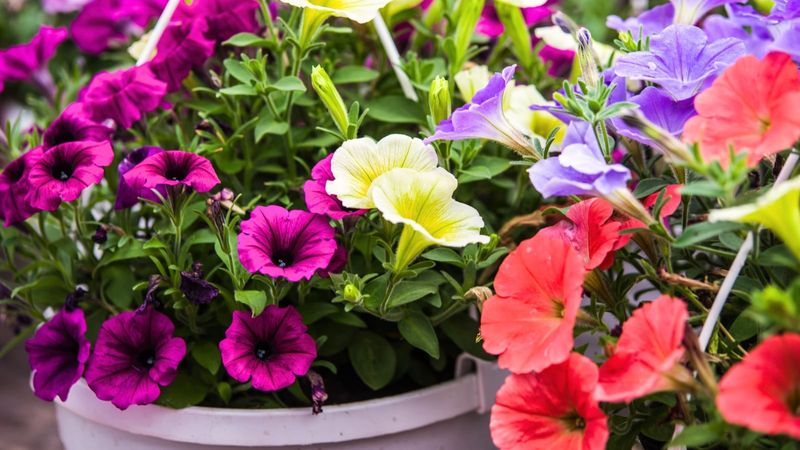
Crowded petunias are a fungus’s best friend. When plants are packed too tightly, air cannot move through the foliage, and that stagnant, humid pocket invites problems like powdery mildew and Botrytis blight to move in.
If your plants have grown into one another, thin out some of the dense inner foliage with a quick prune. Opening up the plant lets breezes pass through and dries the leaves faster after rain or watering.
Going forward, give petunias enough elbow room at planting so air flows freely from the start. Watering at the base instead of over the top also keeps leaves dry, which robs fungal spores of the moisture they need to take hold.
11. Inspect for Pests
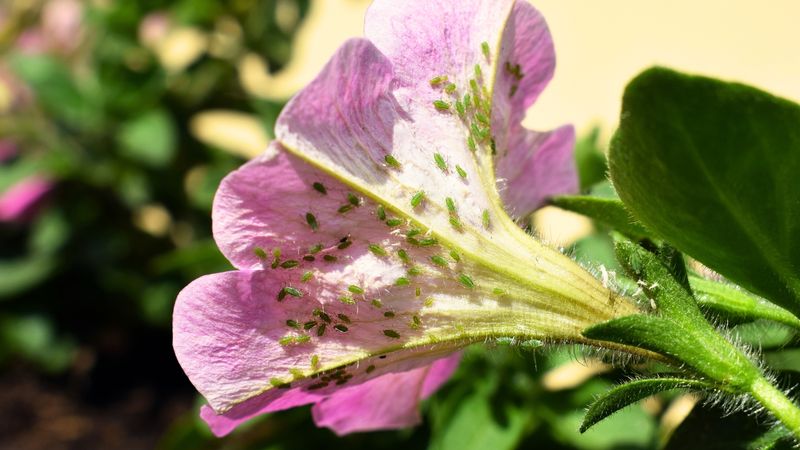
Sometimes the culprit behind a struggling petunia is not care at all, but tiny freeloaders. Aphids, budworms, and slugs all treat petunias like a buffet, chewing holes in flowers and leaves and dragging the whole plant into decline.
Make a habit of flipping leaves over and peeking into buds during your weekly rounds. Budworms can be picked off by hand, which is oddly gratifying once you spot the little offenders.
For heavier infestations, a horticultural soap or neem oil can help knock populations back, just follow the label directions closely.
The quiet secret is that a healthy, well-watered, well-fed petunia is far less appealing to pests in the first place. Good growing conditions do a surprising amount of the pest-fighting for you.
12. Use Fresh Potting Soil Annually
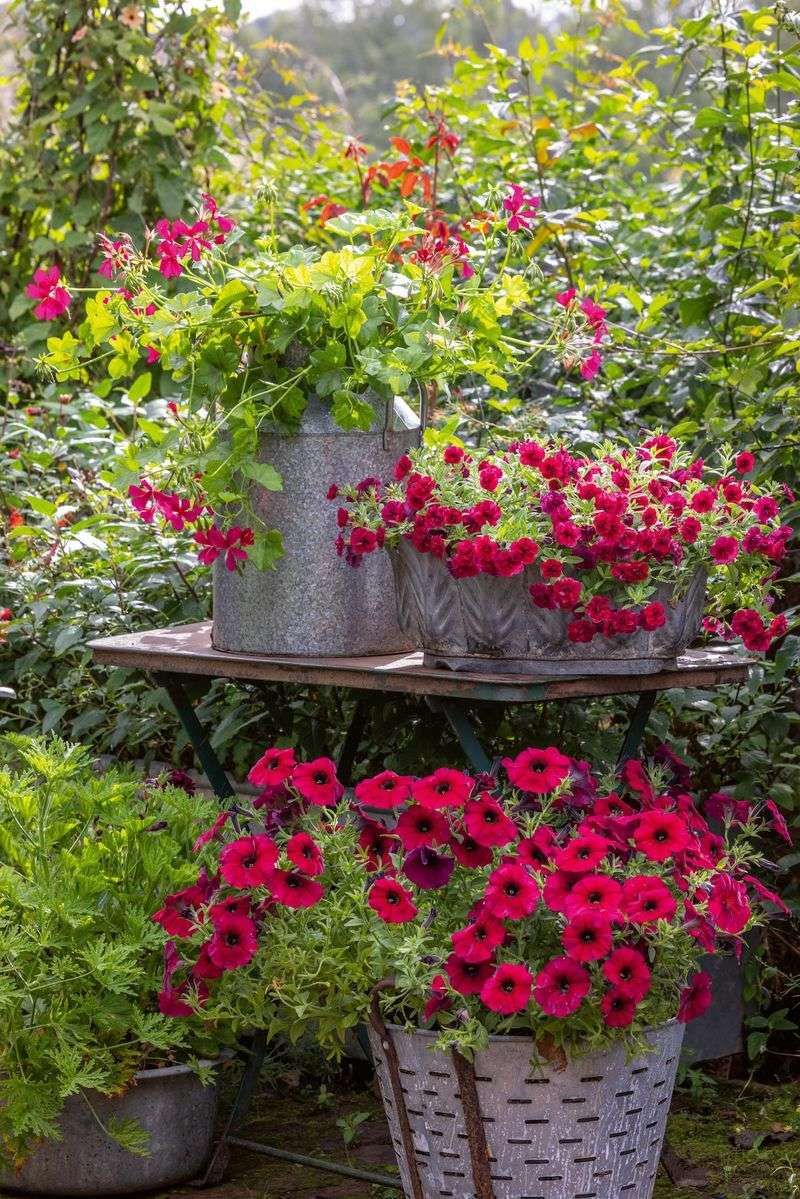
Old potting soil can carry baggage you cannot see. If a plant has battled root rot or a fungal issue, the leftover soil may be quietly hoarding spores and salt buildup, ready to hand the same trouble to next year’s petunias.
When you pull an infected plant, resist the urge to reuse that dirt. Toss it out rather than dumping it back into another pot, because those pathogens do not politely disappear over winter.
Starting each season with fresh, pathogen-free potting mix gives your petunias a clean slate. It is a small yearly expense that quietly prevents repeat disasters, especially in containers where problems concentrate.
13. Avoid Cold Soil Temperatures
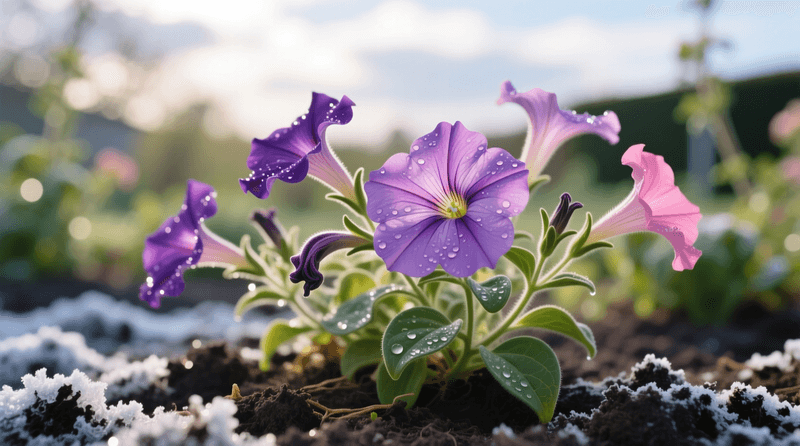
Petunias love warmth, and chilly soil throws them off before they ever get going. Cold ground stresses the roots and can trigger yellowing leaves, a problem that shows up often in vigorous types like Wave petunias.
If you can, hold off on planting until the soil has warmed to above 60 degrees Fahrenheit, roughly 16 degrees Celsius. A cheap soil thermometer takes the guesswork out and keeps you from jumping the gun on the first warm-looking day.
Waiting until the risk of cold snaps has truly passed pays off with steadier, healthier growth. Patience in spring means fewer setbacks and a stronger head start when the real growing season arrives.
14. Mulch Container Tops
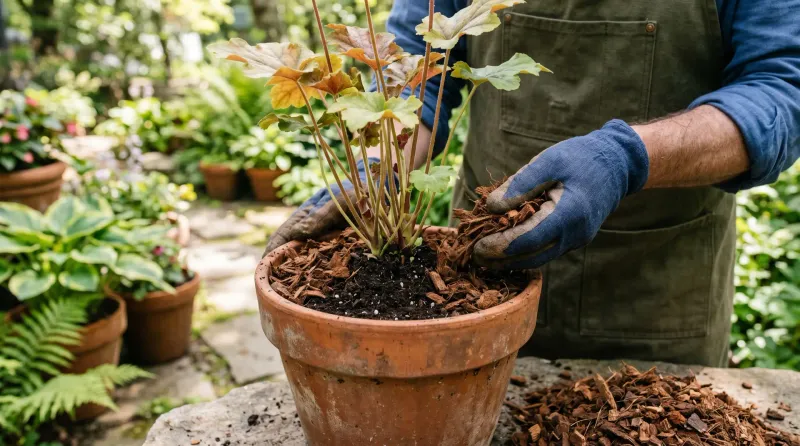
Container soil dries out shockingly fast in hot weather, and that constant wet-then-bone-dry swing stresses petunias. A simple layer of mulch acts like a blanket, slowing evaporation so the roots stay evenly moist.
Spread a bit of shredded straw or bark across the top of the container soil. It is a two-minute job that cuts down on how often you are running out with the watering can during a heat wave.
Beyond holding moisture, mulch also helps steady the soil temperature, buffering roots against the wild swings that pots go through. Cooler, steadier roots mean a happier, more consistent bloomer all summer long.
15. Practice General Garden Hygiene
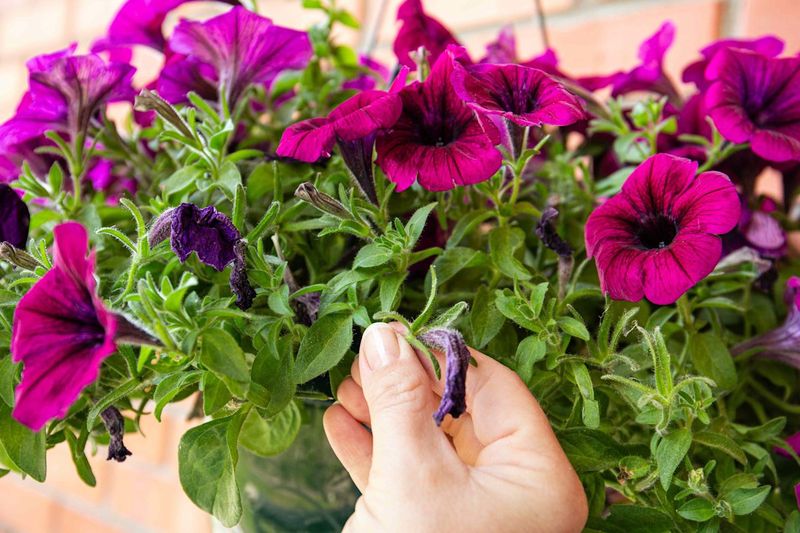
Tidiness turns out to be more than looks when it comes to petunias. Decaying flowers and leaves left lying around release ethylene, a plant hormone that makes petunia blooms wilt and fade before their time.
Clearing away that dead and rotting material promptly cuts off the ethylene and keeps your blooms lasting longer. A quick tidy-up of the pot and the ground beneath it does more good than it seems.
Regular cleanup also slams the door on diseases that love to breed in leftover debris, and it lowers the overall stress load on your plants. Keep the space clean and your petunias spend their energy blooming instead of fighting off trouble.