
If Your Petunias Fizzled Out In The Heat, Here Are 13 Tougher Flowers That Handle Hot Spots Better
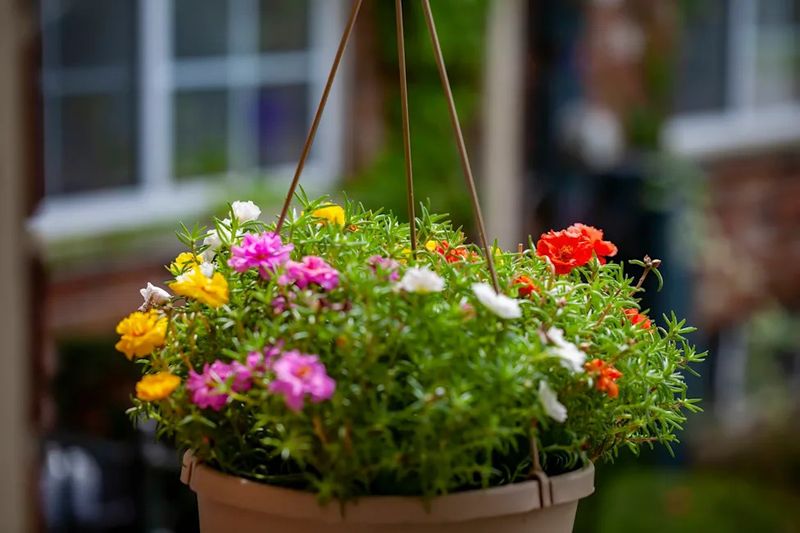
Petunias look amazing in early summer, but once the thermometer climbs past 90 degrees they often wilt, fade, and stop blooming just when you want color the most. The good news is that plenty of tougher flowers laugh at hot weather and keep going strong all season long.
If your petunias gave up in that sunny, baking spot by the sidewalk or patio, these 13 swaps will fill the gap beautifully. Let’s look at the flowers that actually love the heat your petunias hated.
1. Sedum (Stonecrop)
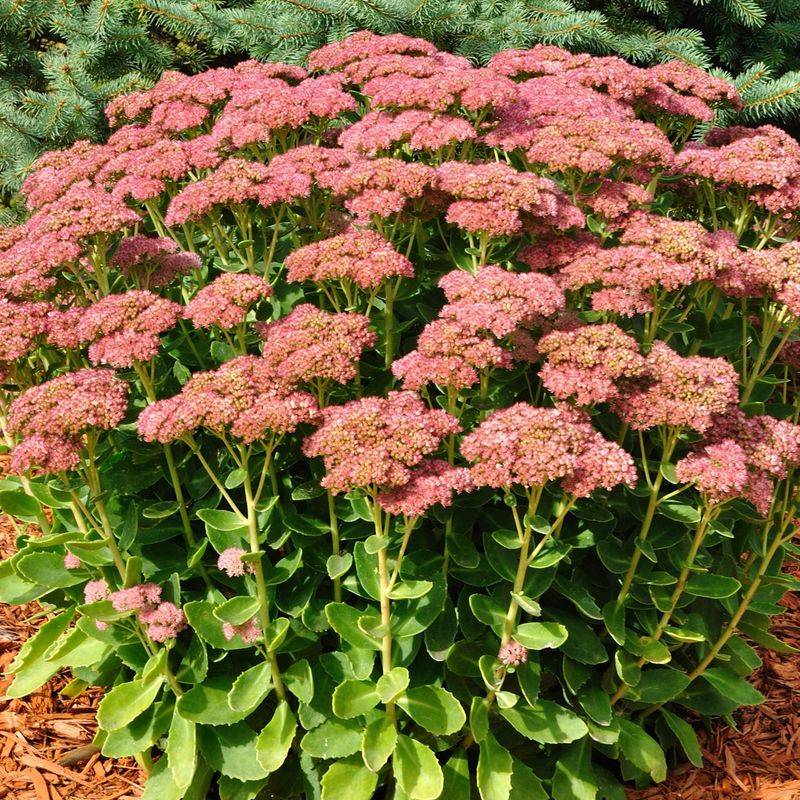
Think of sedum as the camel of the flower world. Its thick, fleshy leaves store water like little reservoirs, so while your petunias were begging for a drink every afternoon, sedum just shrugs off the heat.
Stonecrop thrives in dry, baking conditions and even survives poor soil where other plants sulk. Late-summer varieties push out clusters of pink and rusty-red blooms that bees adore.
Once established, you can basically ignore it. Skip the watering can, skip the fuss, and let this tough perennial handle the hottest corner of your yard without complaint.
2. Black-Eyed Susan (Rudbeckia fulgida)
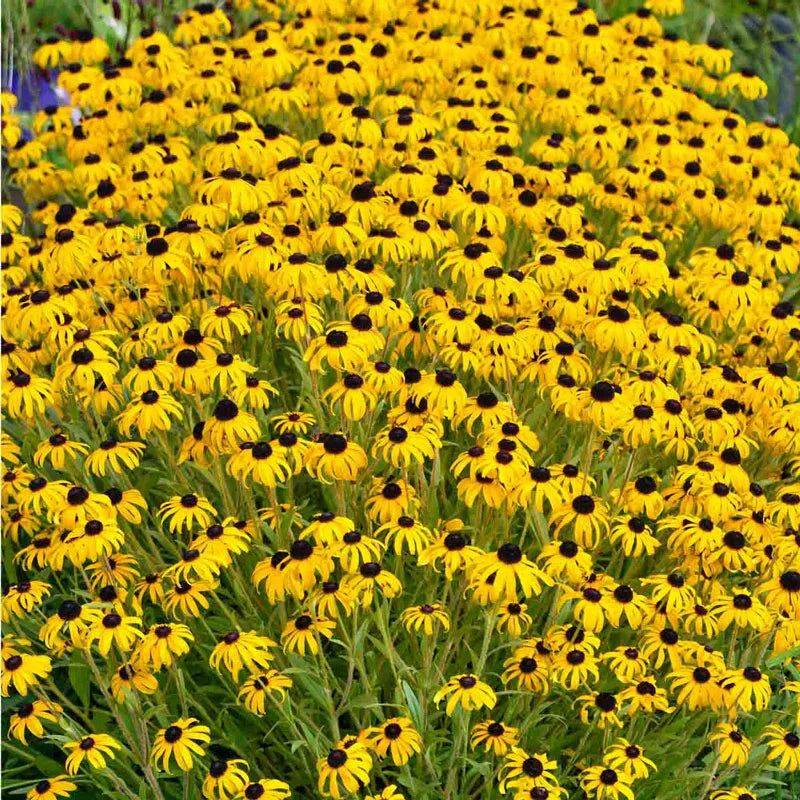
Golden petals wrapped around a chocolate-brown center, black-eyed Susan looks like a burst of sunshine planted in the ground. It grew up on North American prairies, so scorching summer heat feels like home.
Blooms roll in from summer straight through fall, and butterflies treat the flowers like a favorite diner. You get color for months with almost no babysitting.
Plant it in that hot, exposed spot where nothing else survives, and watch it thrive. Rudbeckia is proof that tough and cheerful can live in the same plant.
3. Coneflower (Echinacea purpurea)
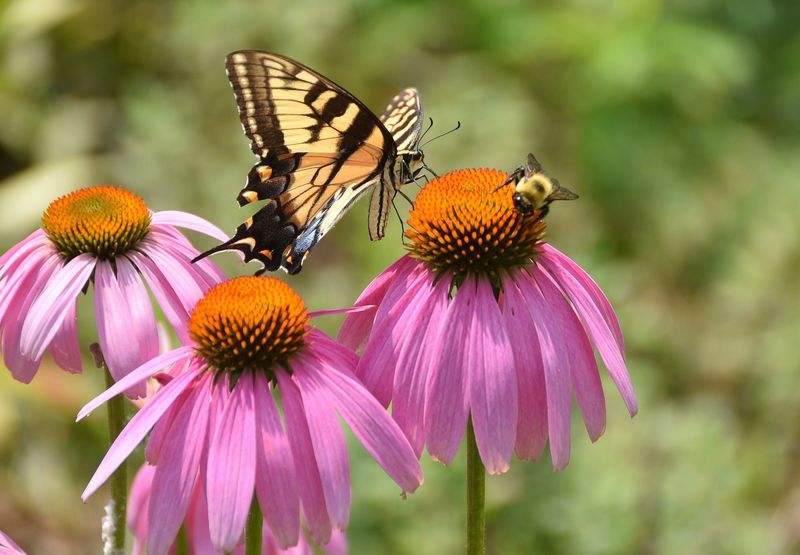
With daisy-like petals that droop just slightly around a spiky orange cone, coneflowers have a personality all their own. Native to North America, they’re built for hot, dry summers that would leave petunias flattened.
Pollinators go wild for them. Bees, butterflies, and even goldfinches munching on the seed heads in fall turn your garden into a busy little wildlife stop.
Fun bit of trivia: echinacea has long been used in herbal remedies, which is why you’ll spot it on tea and supplement shelves. In the garden, though, its real superpower is blooming from summer to fall without missing a beat.
4. Salvia (Salvia nemorosa, Salvia greggii)
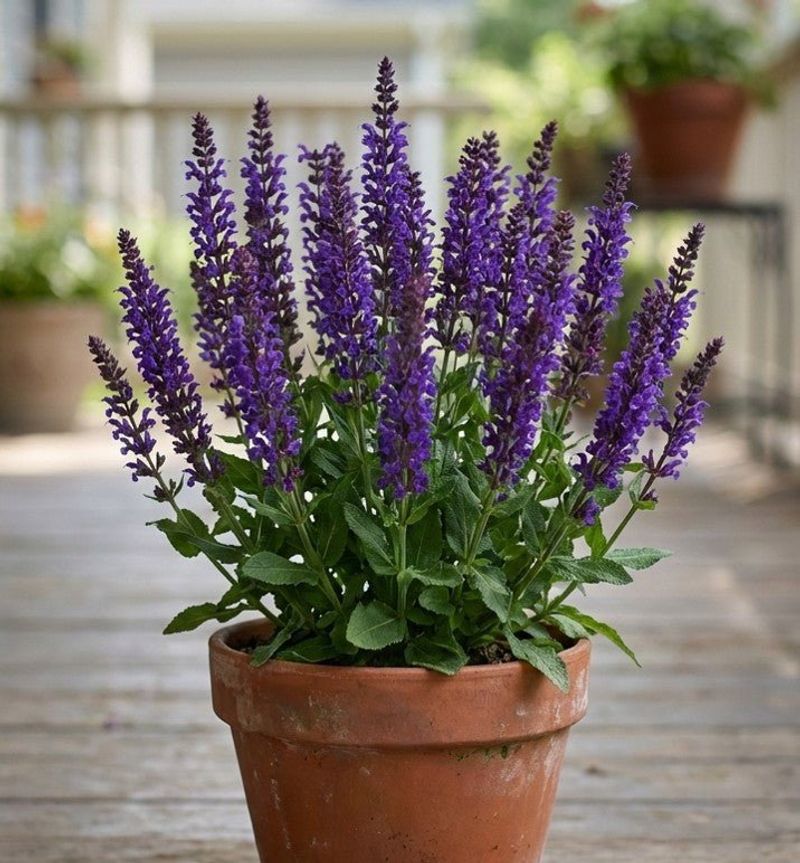
Tall spikes of purple, blue, and red make salvia one of the most dramatic performers in a hot garden. Where petunias flopped in the heat, salvia stands up straight and keeps flowering.
Its blooms stretch from spring all the way through fall, especially if you snip off the spent spikes to encourage more. Hummingbirds treat those tubular flowers like personal fuel stations.
Heat and sun only make salvia happier. It’s the kind of plant that rewards a little neglect with a whole lot of color.
5. Coreopsis (Tickseed)
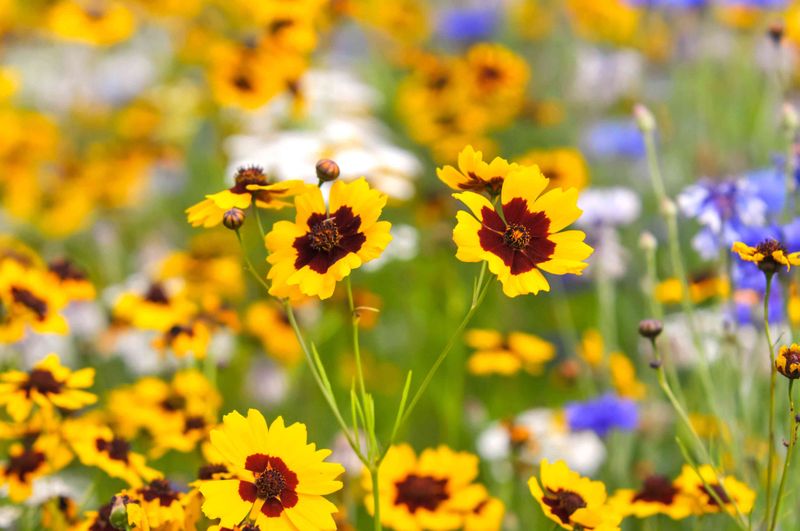
Sunny yellow blooms scattered across airy stems give coreopsis a cheerful, wildflower feel. Nicknamed tickseed thanks to its little seeds, this perennial is one of the easiest flowers you’ll ever grow.
Hot, dry weather is exactly where it shines. Varieties like Coreopsis grandiflora flower from spring through summer and barely notice a heat wave.
Beginners love it because it forgives mistakes. Forget to water, plant it in mediocre soil, or ignore it for weeks, and coreopsis just keeps smiling back at you.
6. Gaura (Oenothera lindheimeri)
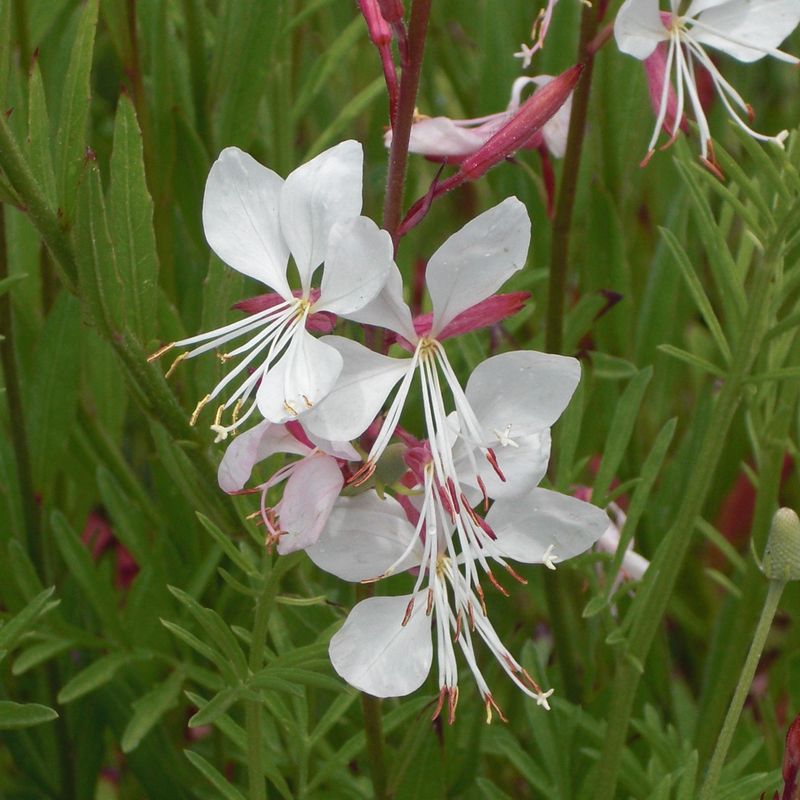
Sometimes called whirling butterflies, gaura sends out slender wands topped with dainty pink and white blooms that seem to dance in the breeze. It looks fragile, but don’t be fooled.
Underneath that airy appearance is a tough, heat-loving perennial that flowers from late spring through fall. The delicate movement adds a soft, romantic texture to beds that can feel stiff.
Pair it with bolder flowers like coneflower or salvia, and gaura fills the gaps with graceful motion. It handles the sun and heat while looking effortlessly elegant.
7. Daylily (Hemerocallis spp.)
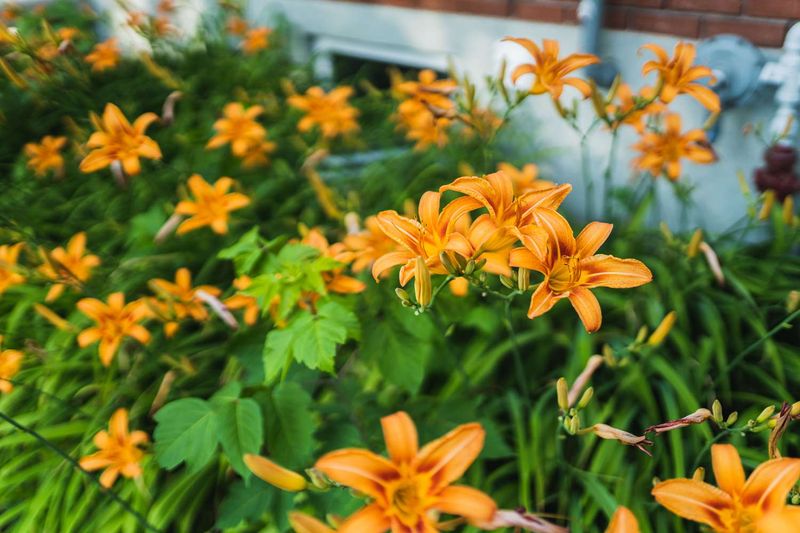
Each daylily bloom lasts just a single day, but the plant makes up for it by pumping out fresh flowers again and again. That relentless replacement act is why they never seem to stop showing off.
Heat, drought, poor soil, neglect, none of it bothers a daylily much. Gardeners sometimes joke they’re almost impossible to kill, which is exactly what you want after petunia heartbreak.
Colors range from soft peach to fiery red, so there’s a shade for every taste. Plant them once and enjoy years of tough, reliable color in the hottest spots.
8. Blanket Flower (Gaillardia × grandiflora)
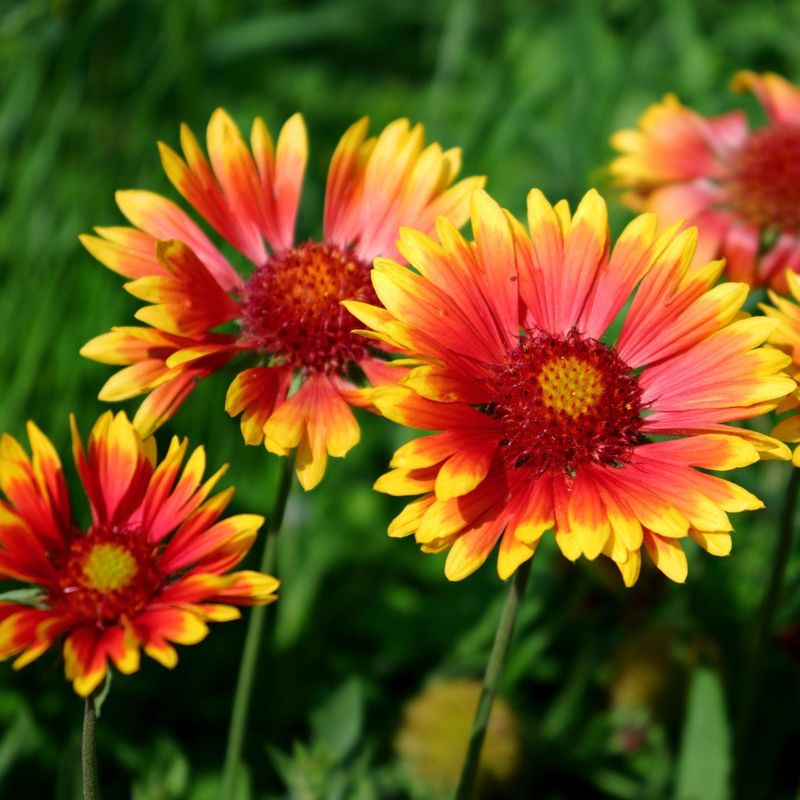
Fiery reds fading into sunny yellow give blanket flower the look of a warm campfire blanket, which is exactly how it earned its name. The bold color instantly warms up any sunny bed.
Heat and drought are no match for this rugged perennial. It blooms cheerfully through the toughest part of summer while other flowers throw in the towel.
Butterflies flock to it, and the more you deadhead, the more it blooms. Gaillardia is living proof that heat-tolerant doesn’t have to mean boring.
9. Russian Sage
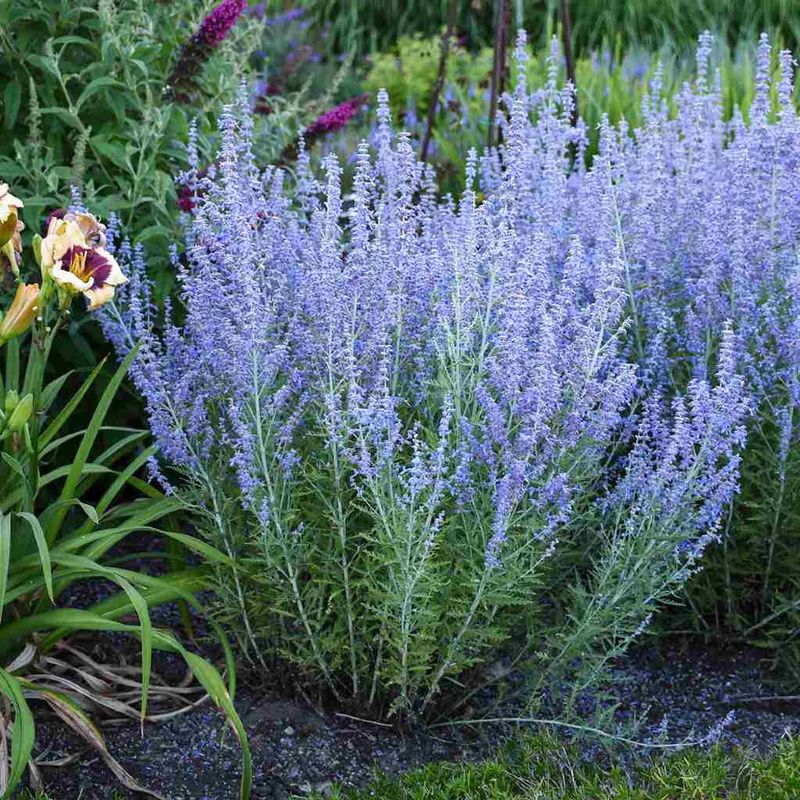
Clouds of hazy blue-violet flowers floating above silvery stems make Russian sage look almost like a soft purple mist in the garden. It’s stunning and surprisingly rugged.
Drought-resistant and deer-resistant, it asks for practically nothing. Blooms arrive mid-summer and hang around until fall, giving you cool-toned color when everything else is fried.
The aromatic foliage keeps browsing critters away, which is a bonus if deer treat your yard like a salad bar. Low maintenance and high impact, Russian sage is a set-it-and-forget-it winner.
10. Lavender
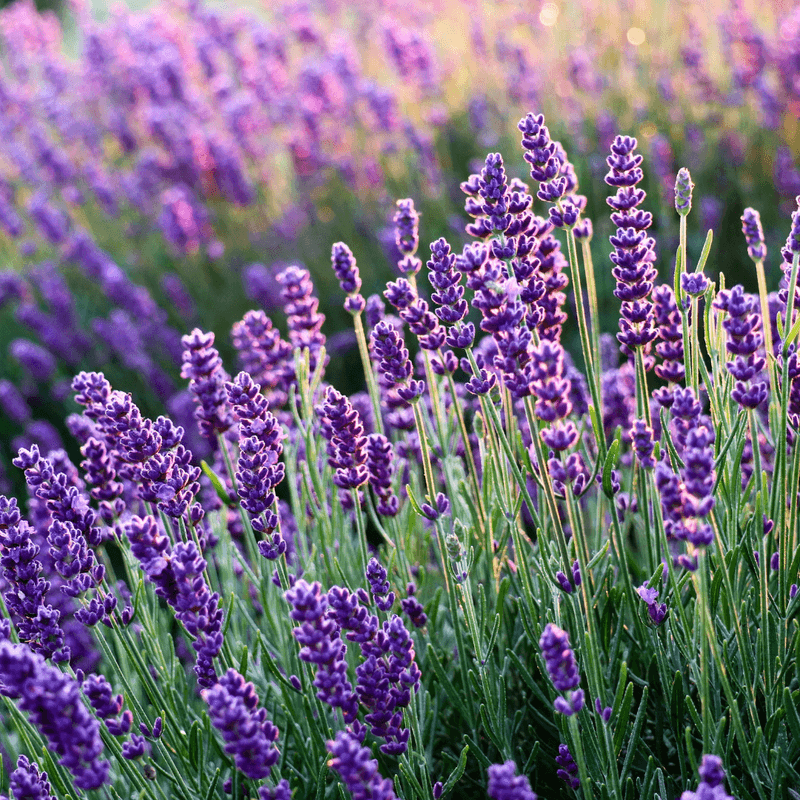
Run your hand across lavender and that unmistakable calming scent fills the air instantly. Beyond the fragrance, this hardy little shrub is a heat champion that originally thrived in dry Mediterranean hillsides.
Baking sun and lean soil are exactly what it wants. In fact, too much water and rich soil can spoil it, so a hot, neglected corner suits it perfectly.
Bees and butterflies swarm the purple spikes all summer. Snip a few stems to dry indoors and you’ll enjoy the scent long after the garden season ends.
11. Arkansas Blue Star (Amsonia hubrichii)
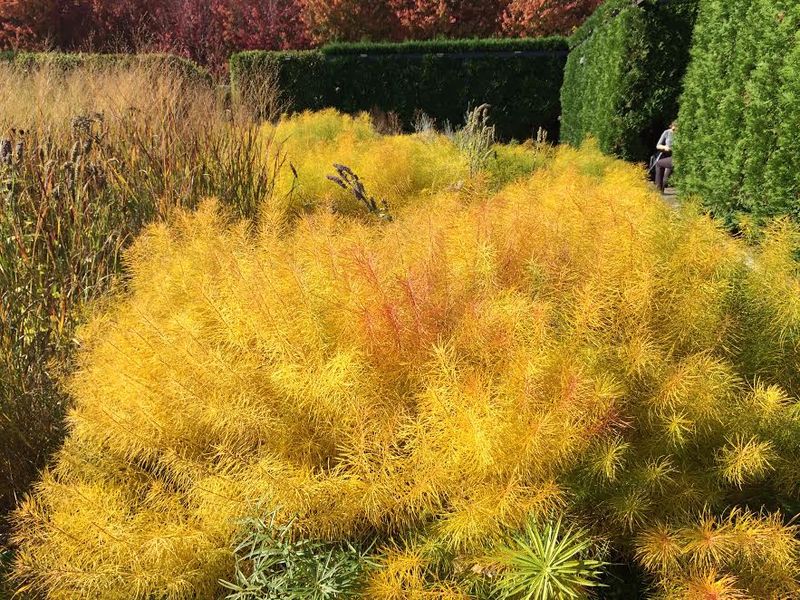
Named for its home turf in Arkansas, this blue star truly loves summer heat instead of just tolerating it. Delicate light-blue, star-shaped flowers cover it in spring, and the feathery green foliage stays handsome all season.
Then comes the encore. In fall, that fine-textured foliage turns a brilliant gold, giving you a second show most flowers can’t match.
Low-maintenance and deer-resistant, Amsonia asks for very little attention. If you want a heat-lover that earns its keep through two seasons, this native perennial is hard to beat.
12. Shasta Daisy (Leucanthemum)
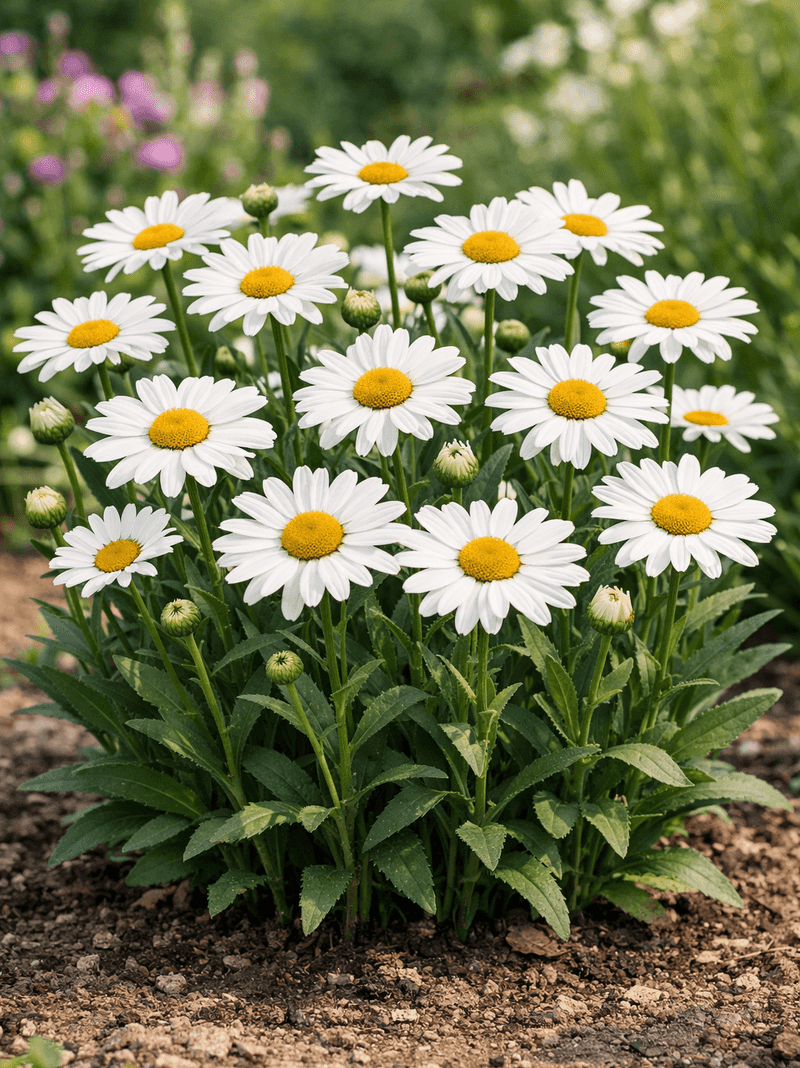
Crisp white petals around a sunny yellow eye, the Shasta daisy is the classic flower kids draw when they picture a daisy. Simple, bright, and endlessly charming.
What sets it apart is how strong those blooms stand in summer heat. While delicate flowers droop, Shasta daisies hold their heads high and produce blooms in generous numbers.
They make fantastic cut flowers too, so you can bring that fresh farmhouse look straight to your kitchen table. Reliable, tough, and timeless, they’re an easy yes for any hot bed.
13. Yarrow (Achillea millefolium)
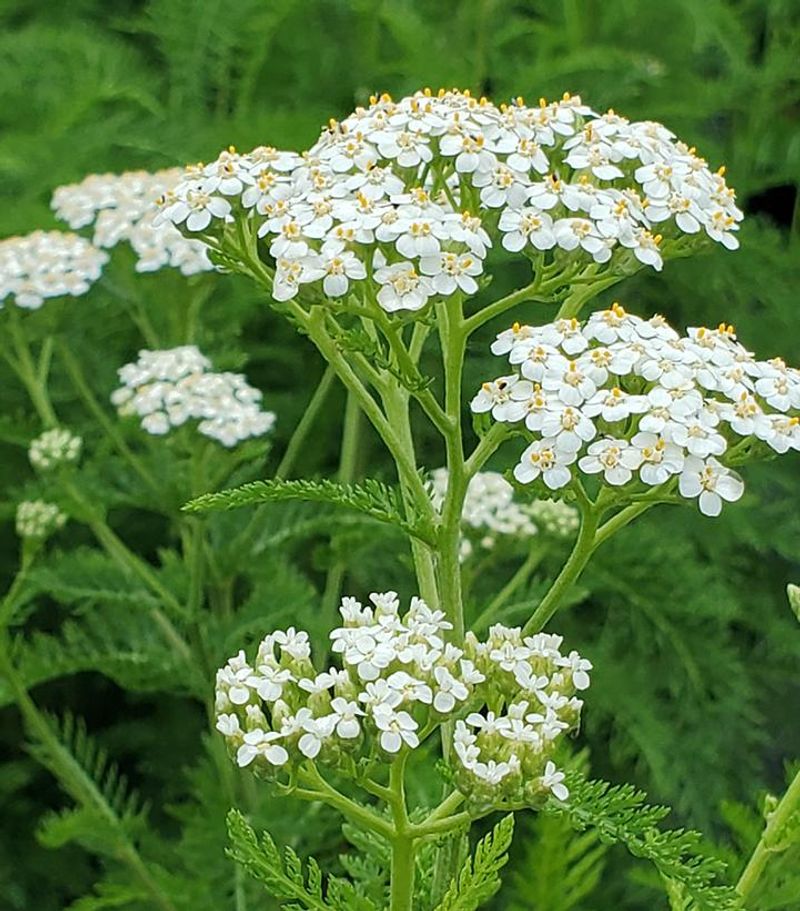
Flat-topped clusters in yellow, pink, red, and white give yarrow a soft, landing-pad look that pollinators absolutely love. The ferny foliage adds a lacy texture even when it isn’t blooming.
Heat and drought barely register with this rugged perennial. It flowers from late spring through summer and keeps going with almost no help from you.
Legend says its scientific name honors the Greek hero Achilles, who supposedly used it to treat soldiers’ wounds. In your garden, its real claim to fame is thriving in hot spots where petunias never stood a chance.