
If Your Hydrangeas Still Aren’t Blooming, Here Are 18 Habits That Reset Them Before Summer Ends
Nothing is more frustrating than a hydrangea covered in healthy leaves but not a single flower in sight. The good news is that most bloom problems come from small, fixable mistakes in how the plant is watered, pruned, or fed.
Once you know what your hydrangea actually needs, you can nudge it back on track this season and set it up for a big show next year. Here are 18 simple habits that can wake up a stubborn plant before summer wraps up.
1. Assess Sunlight Exposure
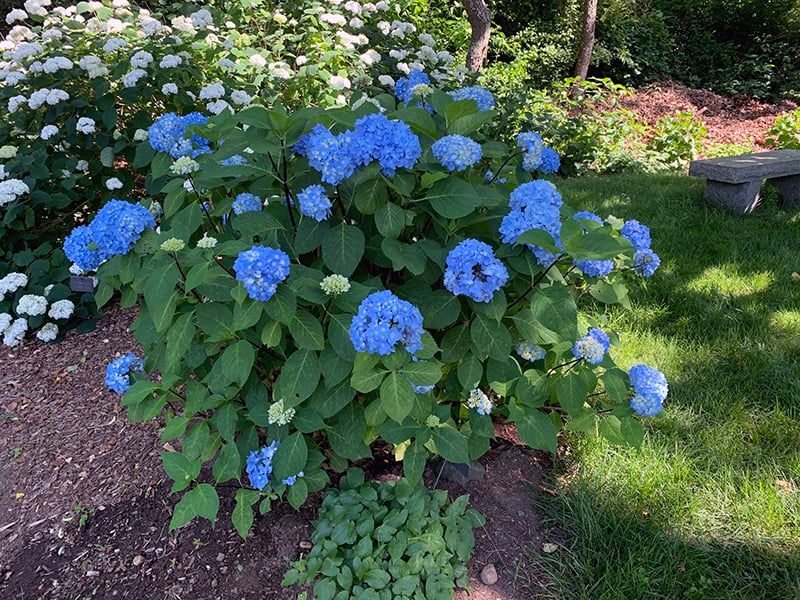
Light is the quiet reason behind a lot of bloom failures, and it is the first thing worth checking. Most hydrangeas want a mix: soft morning sun followed by cooler afternoon shade.
Too much blazing sun stresses the plant and fries the buds, while deep shade leaves it too weak to form flowers at all. Spend a day watching where the sunlight actually lands on your shrub.
If it sits in full afternoon glare or under a thick tree canopy all day, you have likely found your culprit before touching anything else.
2. Provide Adequate Morning Sun
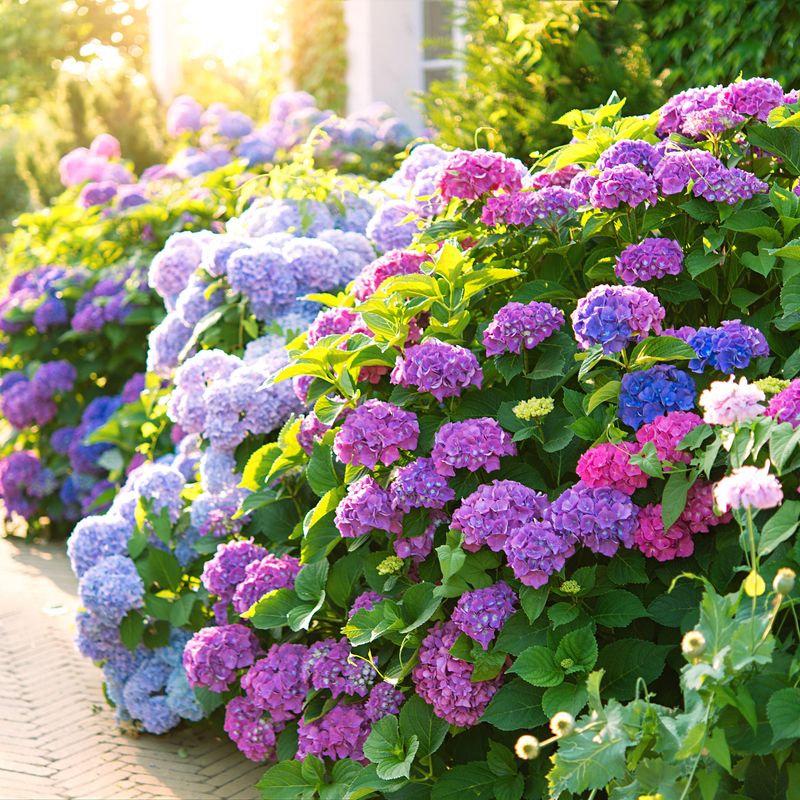
A hydrangea buried in shade often grows lush and leafy while refusing to flower, because buds need energy that only decent light can provide. Morning sun is the sweet spot, gentle enough to avoid scorching but strong enough to fuel blooms.
Trim back overhanging branches or nearby shrubs that throw shade across your plant in the early hours. If pruning the neighbors is not enough, plan a move to a brighter spot.
Even a few extra hours of morning light can be the difference between an all-green bush and one dotted with color.
3. Offer Afternoon Shade
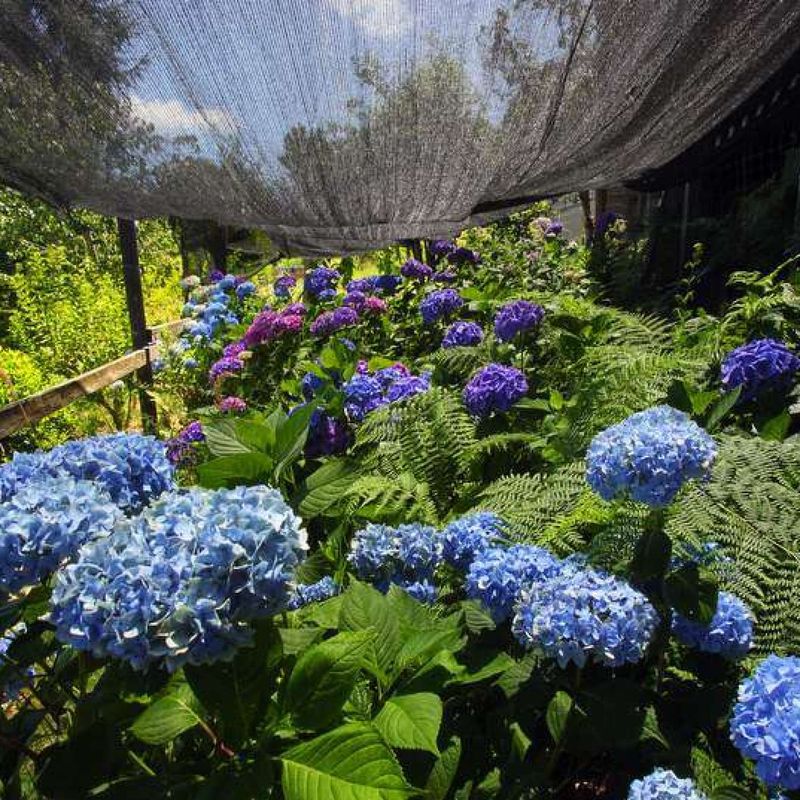
Scorched leaf edges and a droopy midday slump usually mean your hydrangea is taking too much harsh afternoon sun. Heat like that saps moisture faster than the roots can replace it, and stressed plants pour their energy into survival instead of flowers.
A temporary shade cloth strung above the plant during the hottest hours can give it quick relief. For a permanent fix, mark the spot and relocate it to somewhere shadier once the plant goes dormant.
Think of afternoon shade as a cool drink at the end of a long, hot day.
4. Identify Your Hydrangea Type
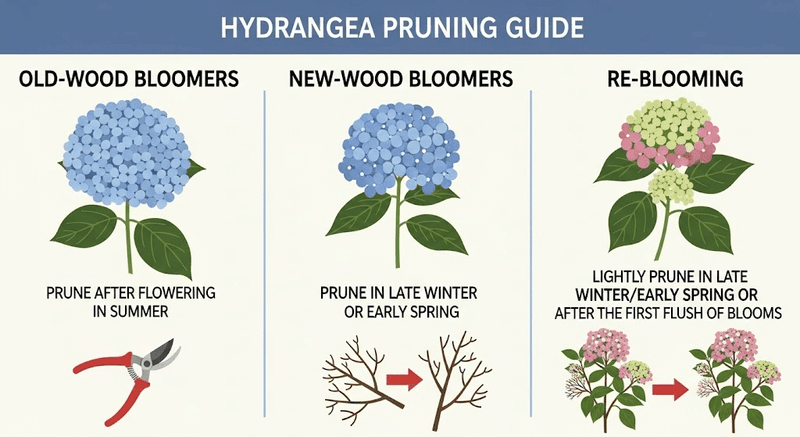
Here is the single most important thing to figure out: does your hydrangea bloom on old wood or new wood? The answer changes everything about how and when you should prune.
Bigleaf, Oakleaf, Climbing, and Mountain types set their buds on last year’s stems, so those buds are already waiting on the plant. Panicle and Smooth hydrangeas grow their flowers on fresh stems each spring.
Fun fact: many gardeners who chop back a bigleaf hydrangea every winter are unknowingly cutting off next summer’s entire flower show. Knowing your type saves you from that heartbreak.
5. Prune Old Wood Bloomers Correctly
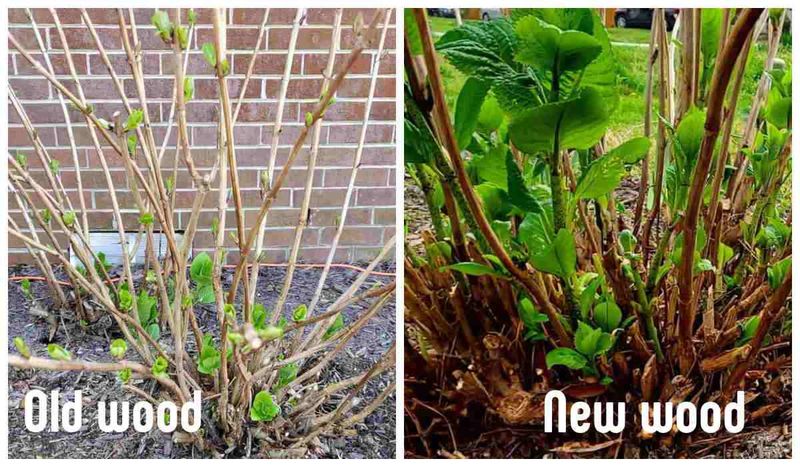
Timing is the secret with old wood types like bigleaf and oakleaf hydrangeas. The only safe window to prune them is right after the flowers fade, usually in mid to late summer.
Cut too late and you will snip away the buds that have already formed for next year without even realizing it. A quick tidy-up now, removing spent blooms and shaping the shrub, keeps it neat without sacrificing future flowers.
When in doubt with these plants, the gentlest rule is to prune less rather than more.
6. Avoid Late-Season Pruning for Old Wood Bloomers
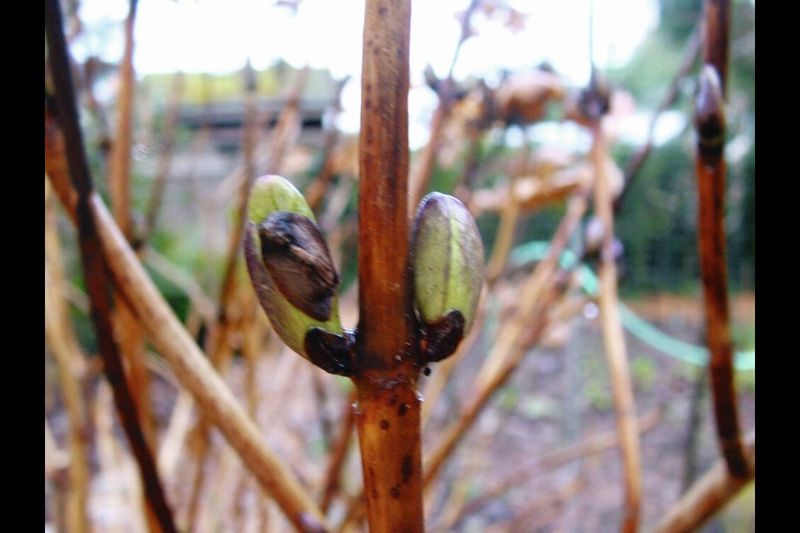
If your bigleaf or mountain hydrangea keeps leafing out beautifully but never flowers, a fall or spring haircut is often to blame. Those dormant-looking stems are quietly carrying next year’s buds.
Never cut old wood hydrangeas in late summer, fall, winter, or early spring. Slicing them back during those months tosses your blooms straight into the compost pile.
Resist the urge to clean up bare-looking stems over winter. What looks like a lifeless twig is actually a promise of flowers waiting for warmer days.
7. Prune New Wood Bloomers in Late Winter or Early Spring
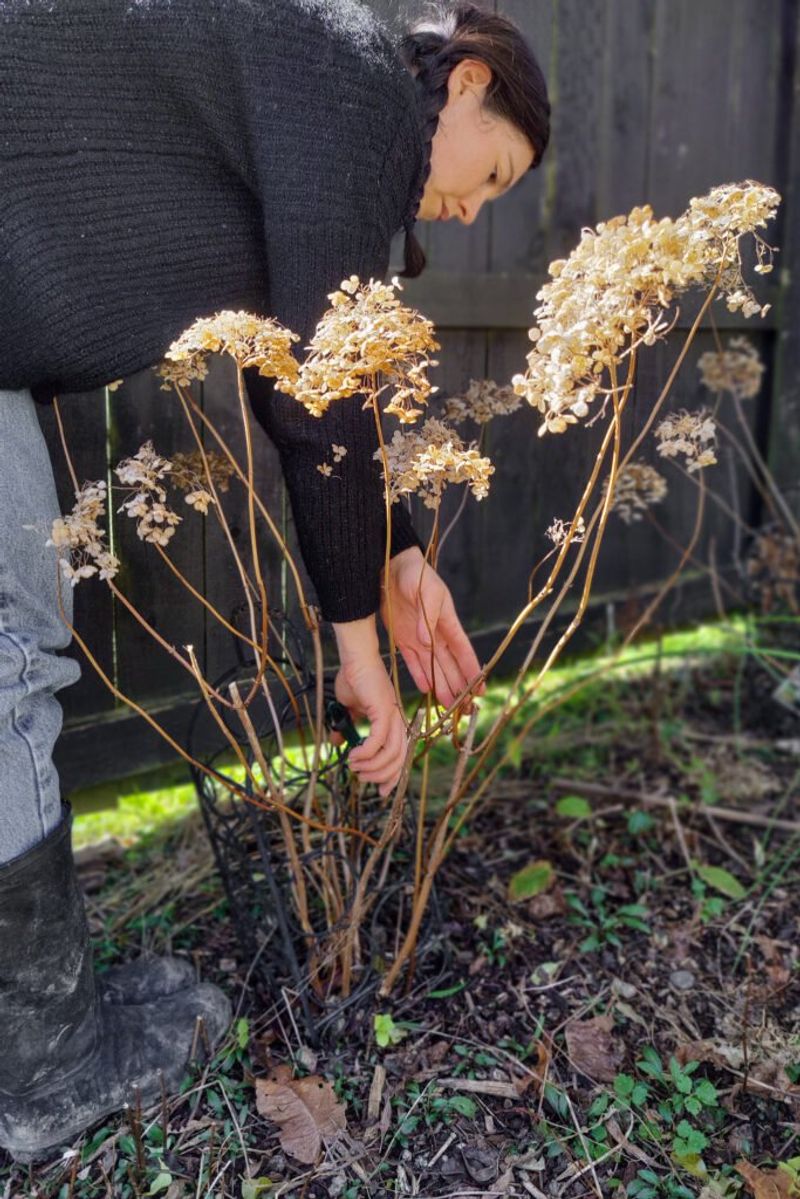
Panicle and Smooth hydrangeas play by different rules, and they actually reward a firm cut. Because they bloom on brand-new growth, pruning them in late winter or very early spring encourages strong, sturdy stems.
Cutting them back before growth kicks off gives you bigger, fuller flower heads on healthier branches. Some gardeners take these types down by a third or more for a tidier, more vigorous shrub.
Once you know your plant is a new wood bloomer, that early spring trim becomes one of the easiest wins in the whole garden.
8. Use a Bloom-Boosting Fertilizer
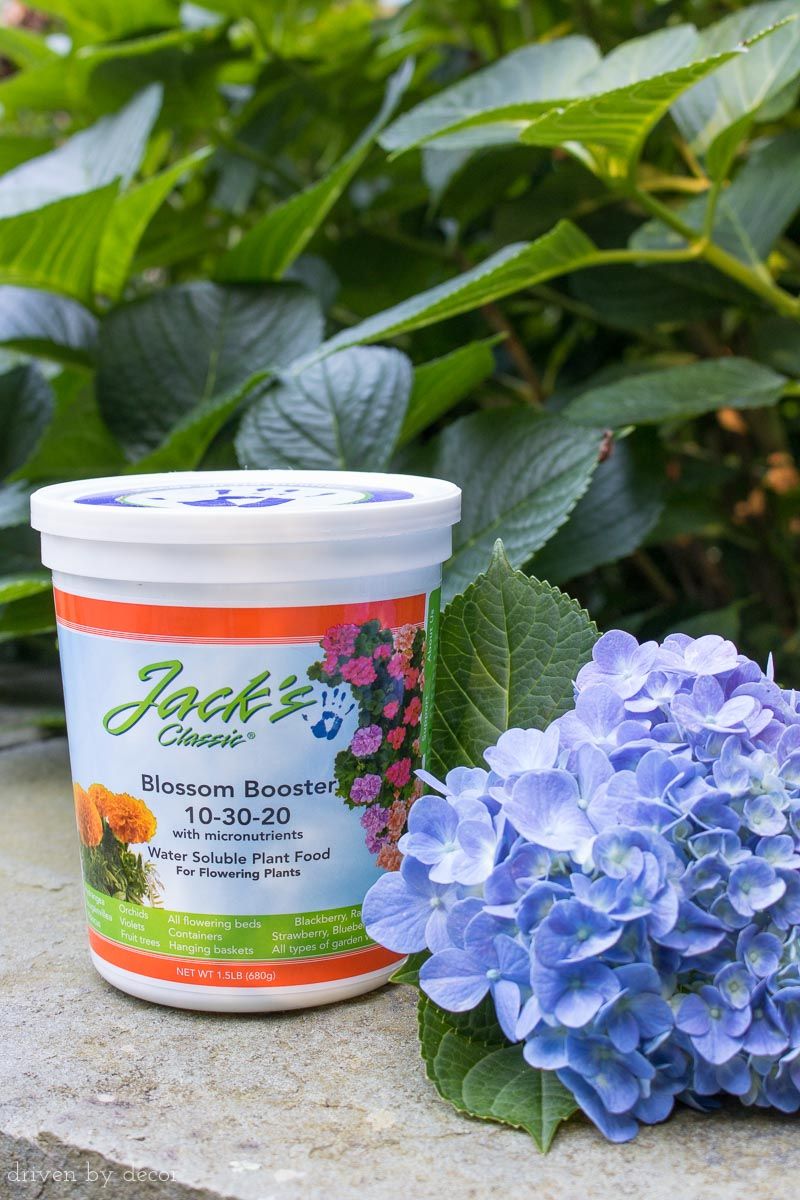
Feeding your hydrangea the right way can coax out flowers that were hiding. Start with a balanced, slow-release granular fertilizer in early spring to give the plant a steady base of nutrients.
Once buds begin forming, switch to something with more phosphorus, the middle number in the NPK ratio, such as a 10-30-10 blend. Phosphorus is the nutrient that pushes flower development along.
Go easy and follow the package directions. More is not better here, and a light, well-timed feeding beats a heavy dump every time.
9. Avoid High-Nitrogen Fertilizers
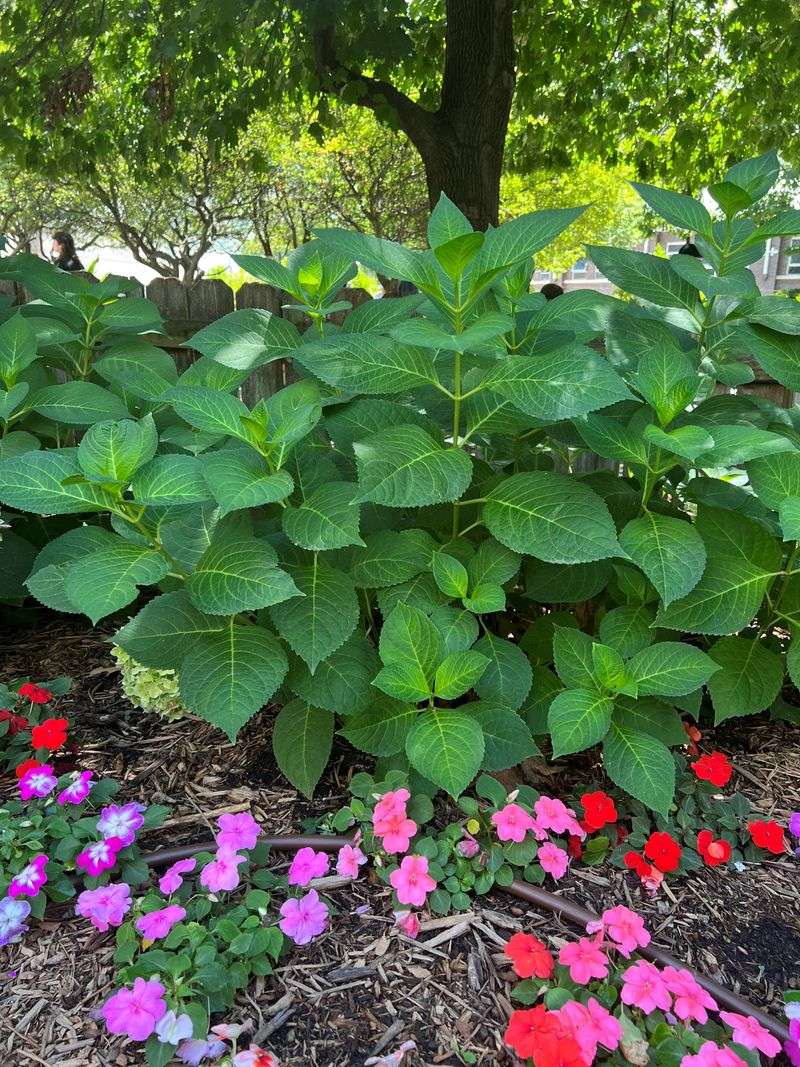
Ever notice a hydrangea that looks like a jungle of glossy leaves but barely a bloom? Too much nitrogen is often the reason.
Nitrogen fuels leafy green growth, so a lawn fertilizer or a high-first-number blend can trick your plant into building foliage instead of flowers. The bush looks healthy, yet all that energy goes to leaves.
Skip the high-nitrogen products near your hydrangeas and be careful not to let lawn feed drift into the flower bed. Balanced or phosphorus-leaning feeds keep the plant focused on the blooms you actually want.
10. Stop Fertilizing by Late Summer
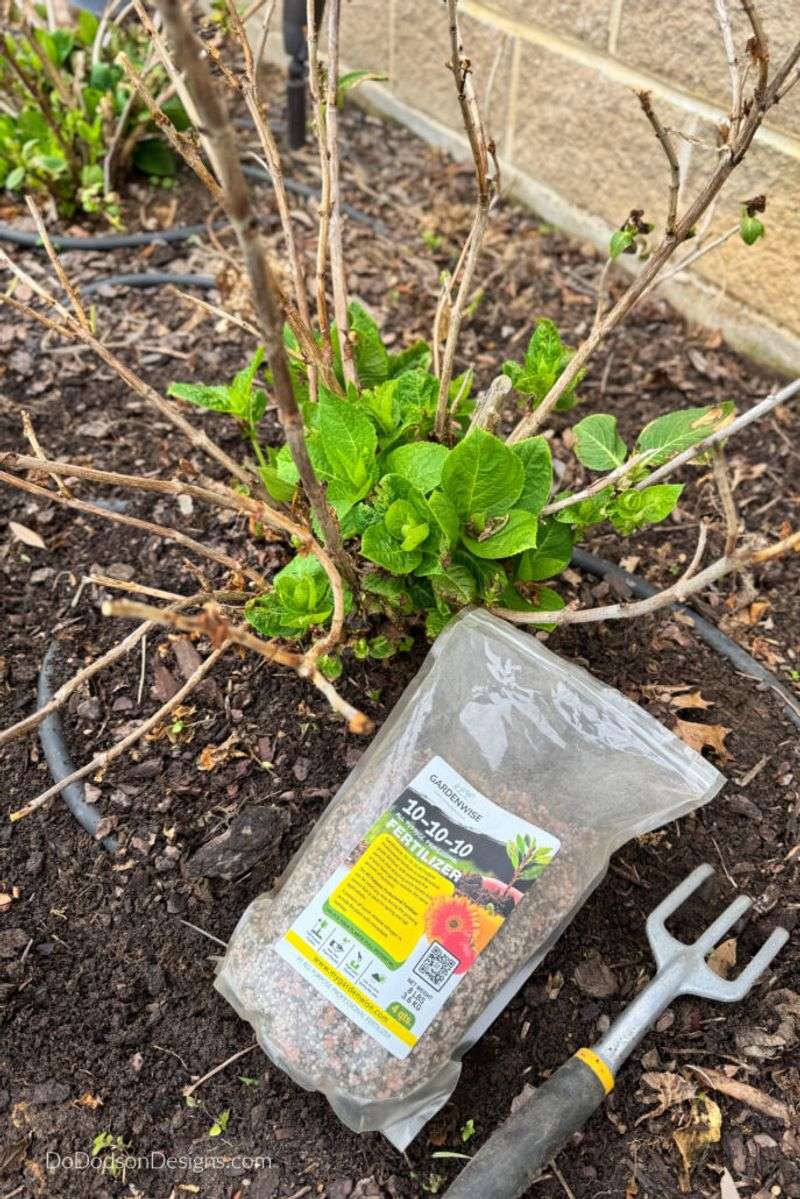
There comes a point when the kindest thing you can do is put the fertilizer away. By late summer or early fall, your hydrangea needs to start slowing down for the year.
Feeding it late pushes out tender new shoots that never toughen up before the cold arrives. That soft growth gets nipped by the first frost, weakening the plant.
Mark your calendar to stop feeding around late summer. Letting the shrub ease into dormancy protects both the roots and next year’s flower potential.
11. Maintain Consistent Soil Moisture
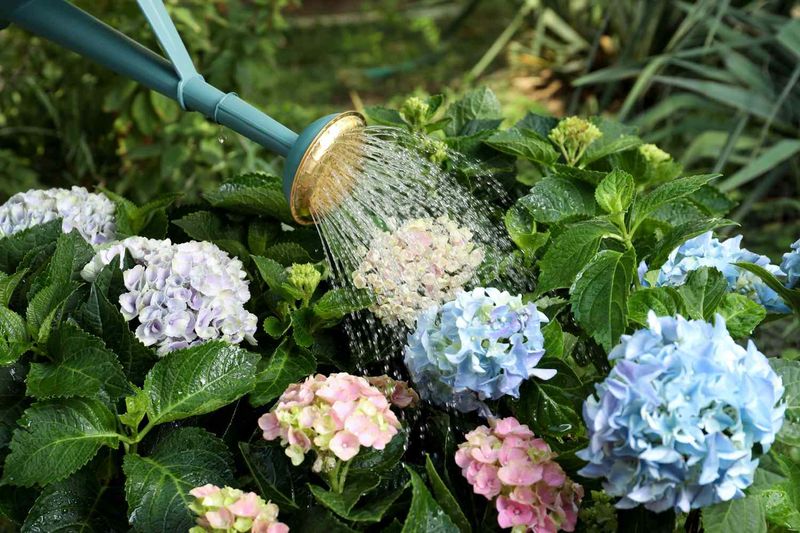
The name says it all: hydrangea comes from a word meaning water. These plants crave steady, even moisture and get cranky when the soil swings between soggy and bone dry.
Aim for roughly two inches of water a week, and water deeply at the base rather than sprinkling the leaves. A slow soak encourages deep roots that can handle dry stretches better.
During heat waves, check the soil often. Consistent moisture keeps the plant relaxed enough to spend its energy on flowers instead of just staying alive.
12. Address Underwatering Signs Promptly
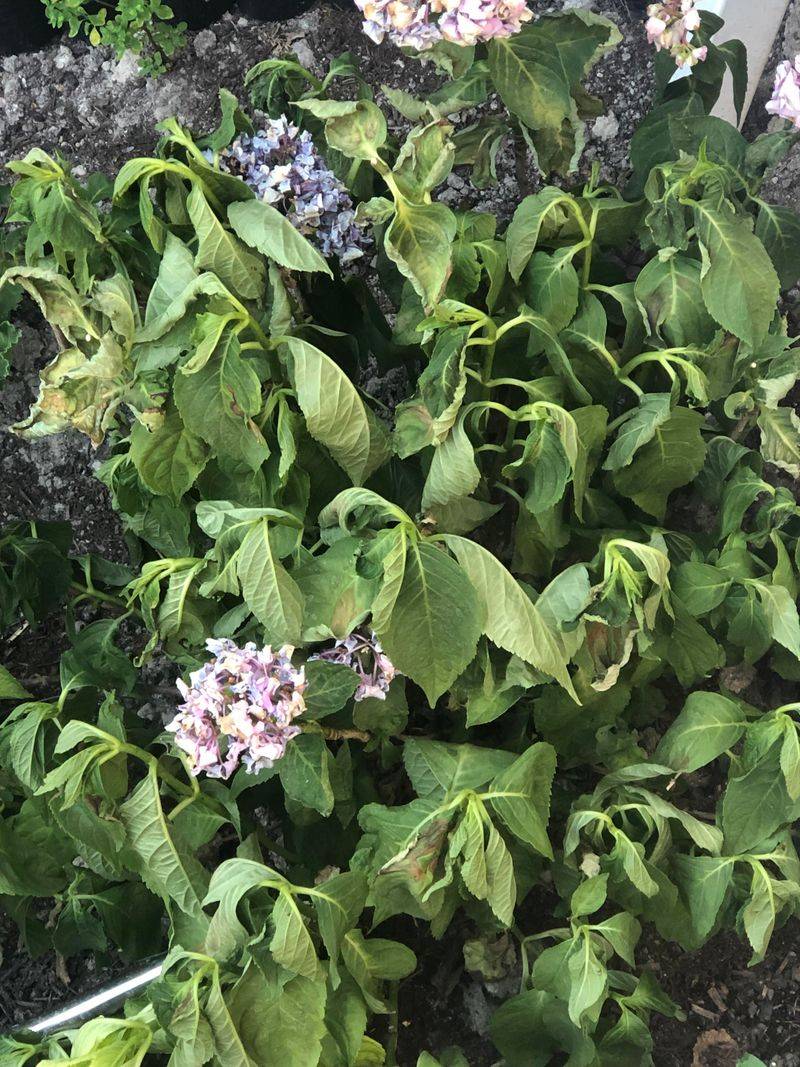
A hydrangea that flops dramatically in the afternoon heat is basically waving a little flag for help. Drooping, wilting, and crispy brown leaf edges usually point straight to thirst.
When you spot those signs, give the plant a deep, thorough soak and check whether you need to water more often during hot weather. Many hydrangeas bounce back within hours of a good drink.
Keep an eye on it over the following days. Catching dryness early keeps buds from dropping and helps the plant hold onto whatever bloom potential it still has.
13. Ensure Good Soil Drainage
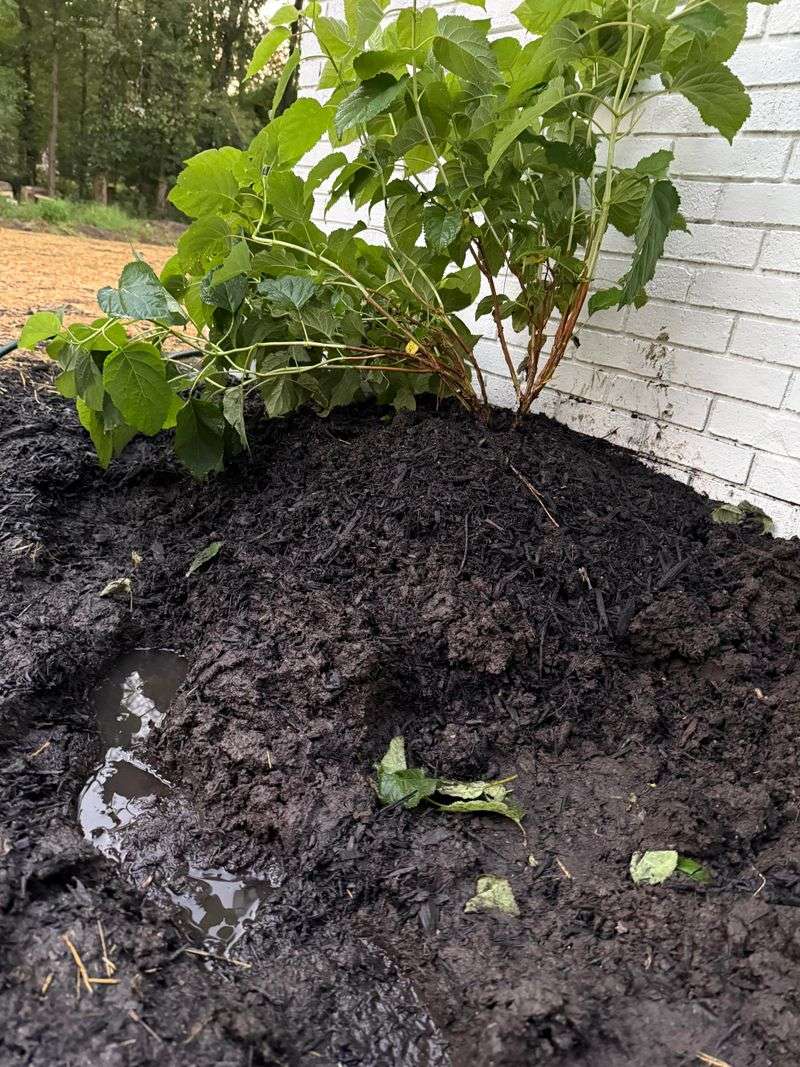
Hydrangeas love water, but they hate sitting in it. Soil that stays waterlogged suffocates the roots and can trigger rot, which quietly stops blooming in its tracks.
If water pools around your plant or the ground feels like heavy clay, drainage is likely working against you. Overly sandy soil has the opposite problem, draining so fast the roots never get a proper drink.
Work in plenty of compost or other organic matter to fix both extremes. Better structure means the soil holds just enough moisture while letting the excess escape.
14. Test Your Soil pH
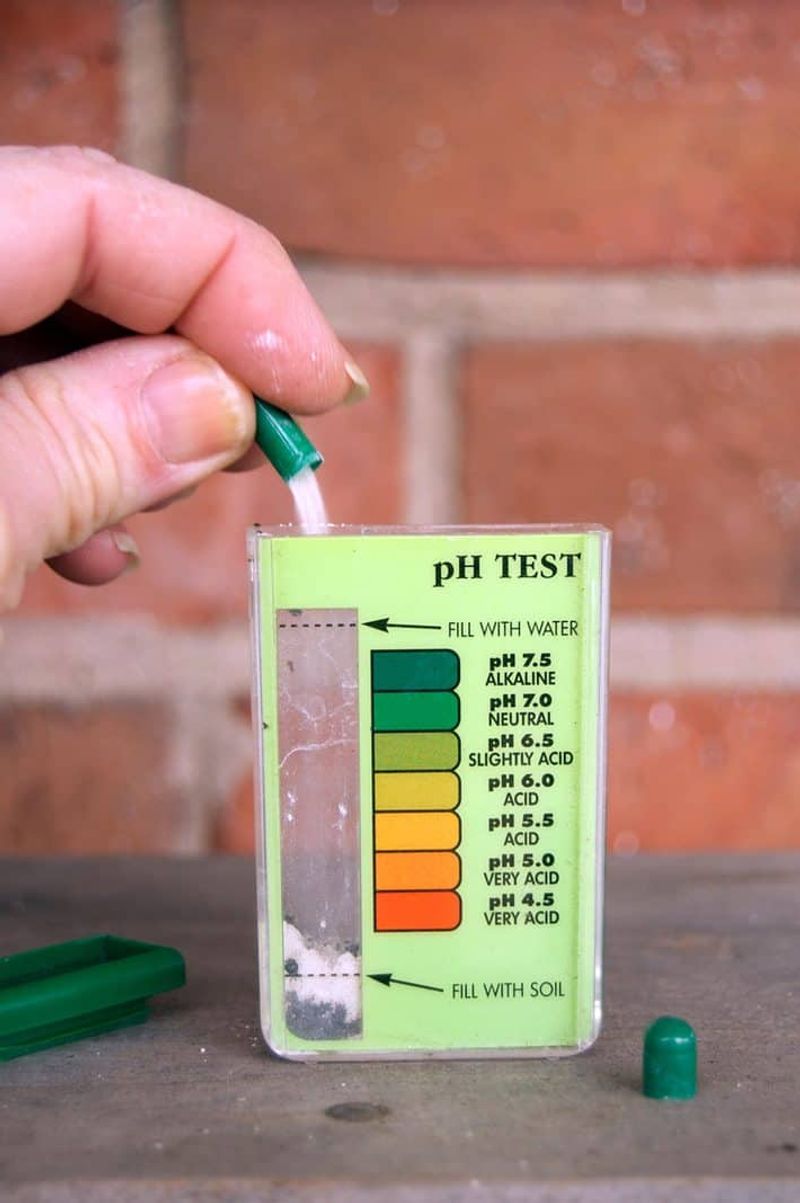
For Bigleaf and Mountain hydrangeas, soil pH does more than decide flower color. It also affects how well the plant can pull in the nutrients it needs to bloom in the first place.
Grab an inexpensive soil test kit and check where your garden lands on the acidic-to-alkaline scale. It takes just a few minutes and removes a lot of guesswork.
Once you know your number, you can make smart adjustments instead of throwing random products at the plant and hoping something sticks.
15. Adjust Soil pH for Optimal Health
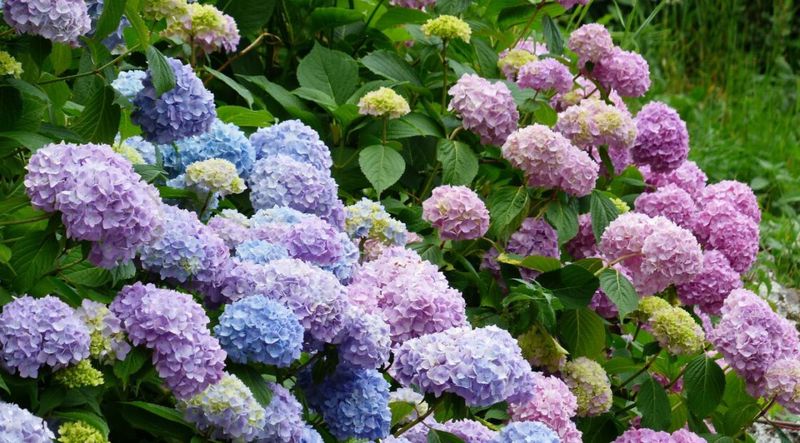
Here is where hydrangeas get delightfully science-y. On Bigleaf types, lowering the pH below 6.5 with aluminum sulfate or an acidic fertilizer nudges the flowers toward blue.
Raise the pH above 6.5 with garden lime and you steer them toward pink. Beyond the color trick, getting the pH into a healthy range helps the plant absorb nutrients properly, which supports blooming overall.
Make changes gradually over a season rather than all at once. Soil chemistry shifts slowly, and patience gives you cleaner, more reliable results.
16. Protect Against Late Frosts
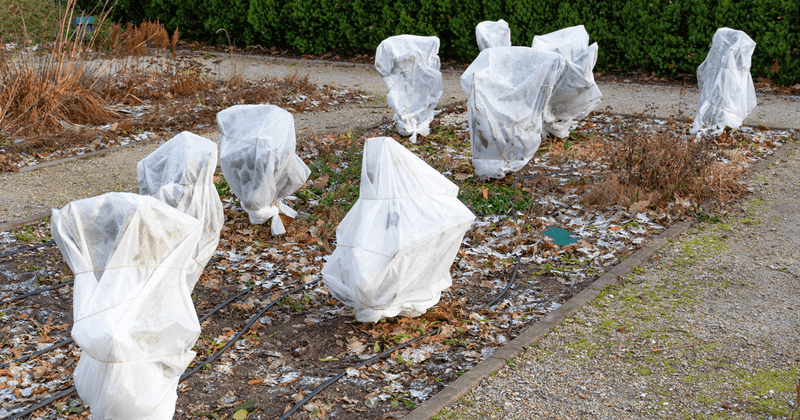
A surprise cold snap in spring can undo a whole year of good care in a single night. Late frosts are especially brutal for old wood bloomers, since their tender buds are already exposed on the stems.
When the forecast dips low after the plant has broken dormancy, drape it with an old sheet or a length of burlap before nightfall. Remove the cover once temperatures climb back up in the morning.
A few minutes of effort on a frosty evening can rescue the buds that turn into your summer flowers.
17. Prepare for Winter for Next Season’s Blooms
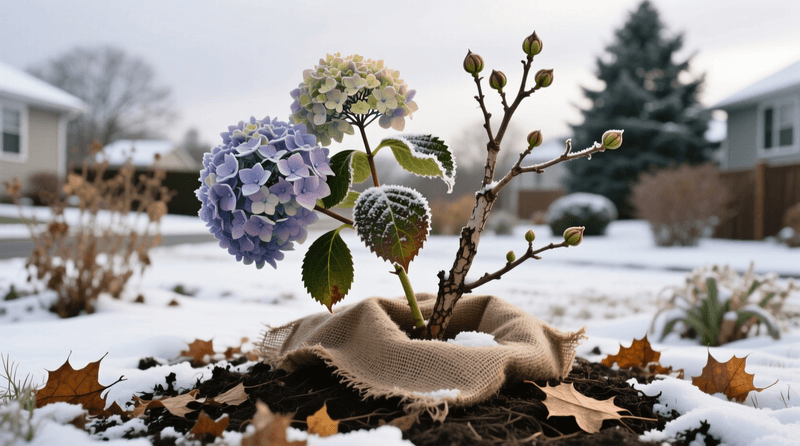
What you do in fall shapes the flowers you get the following summer, especially in colder regions. Once the ground has frozen in late fall or early winter, pile a chunky 6 to 8 inch layer of mulch around the base of the plant.
Straw or shredded leaves work beautifully for this. The mulch acts like a cozy blanket, insulating the crown and roots against wild temperature swings.
Protecting those buds through the harshest months is often the difference between a bare shrub and a plant loaded with blooms come spring.
18. Avoid Transplanting During Active Growth
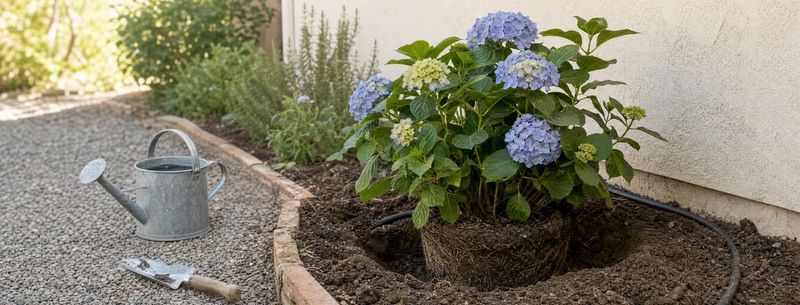
Moving a hydrangea at the wrong moment is a fast way to shock it into a flowerless sulk. When you dig up a plant that is actively growing or blooming, you disturb roots that are working hard, and the plant often responds by dropping flowers.
Save any relocation for the dormant season, either fall or very early spring, when the plant is resting. Dig a wide root ball, keep it moist, and settle it into its new home quickly.
Give a transplanted hydrangea a season to recover before expecting a full show. Patience now pays off in blooms later.