
The One Thing North Carolina Fall Broccoli Needs When You Set It Out In September Or The Heads Stay Loose And Small
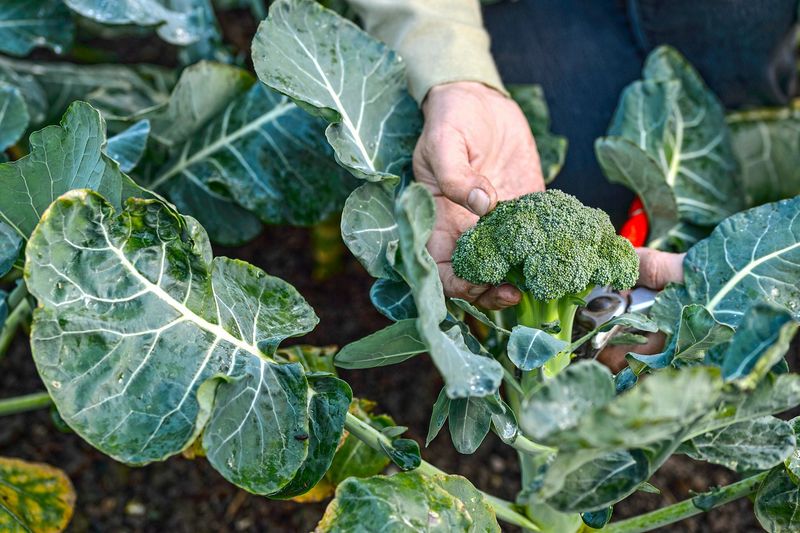
Fall broccoli can be one of the most rewarding crops in a North Carolina backyard garden, but getting tight, full heads in September takes more than just sticking a transplant in the ground. Gardeners across the Coastal Plain, Piedmont, and Blue Ridge all face a narrow planting window, lingering summer heat, and a handful of decisions that together shape whether the harvest is impressive or disappointing.
No single trick guarantees a perfect head, but knowing which steps matter most right now can make a real difference before the season slips away.
Make moisture the first priority after transplanting
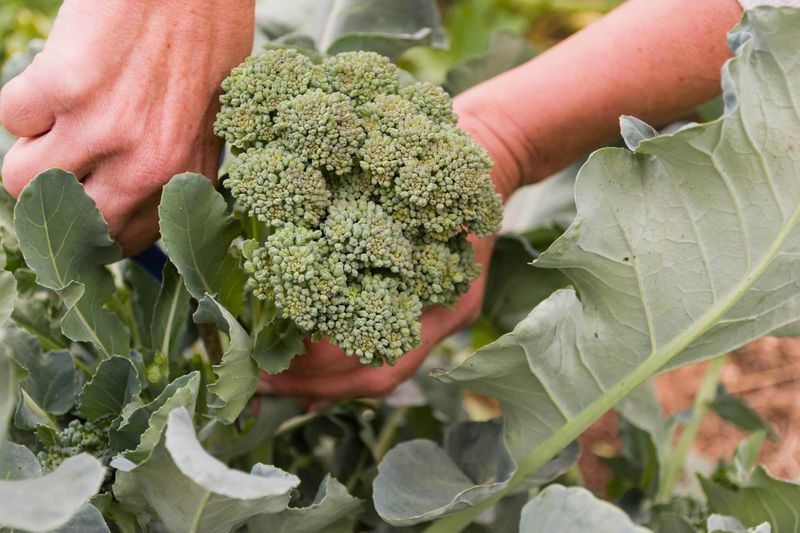
Pouring a full, slow stream of water around each transplant the moment it goes in the ground is the single most useful thing you can do on planting day. Roots that have just been disturbed and moved into unfamiliar soil need immediate contact with water to begin recovering and pulling nutrients.
Skipping or skimping on that first watering sets the plant back before it even starts.
Planting-day water is not a one-time fix, though. NC State Extension’s broccoli production guidance notes that broccoli generally requires about 1 to 1.5 inches of water per week, and that uneven or insufficient moisture during growth can reduce yield and impair development.
That means checking soil moisture every day or two during the first couple of weeks, especially when September afternoons stay warm and dry.
Uneven watering is one of the more common reasons broccoli heads develop poorly. A plant that dries out and then gets flooded alternates between stress and recovery, and that cycle can push it toward premature or loose head formation.
Keeping the soil consistently moist, not waterlogged, through both establishment and the heading stage gives the plant the stable environment it needs.
Organic mulch earns its place here. A two- to three-inch layer of straw, shredded leaves, or wood chips around each plant slows evaporation, moderates soil temperature, and reduces the speed at which surface soil dries between waterings.
Keep the mulch an inch or two away from the stem to prevent rot. NC State’s vegetable gardening handbook points out that summer transplants may also need temporary heat protection and irrigation to reduce heat stress, making mulch doubly useful in early September.
Drip irrigation or careful hand-watering at the soil surface, rather than overhead spraying, also helps reduce foliar disease risk while delivering water where roots can actually use it.
Check whether September fits your region
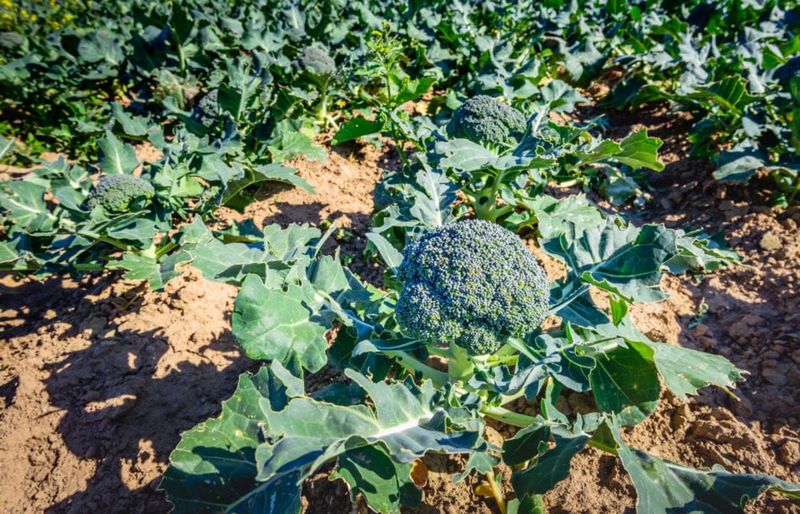
Not every corner of North Carolina gets the same fall broccoli calendar, and planting a week or two outside the right window can undercut even a perfectly watered, well-spaced transplant. Regional timing shapes how much growing season remains before cold arrives and how much heat the young plant must survive before it can settle in.
According to NC State Extension’s broccoli production guide, eastern North Carolina gardeners have a fall window running roughly from August 1 through September 15. Piedmont gardeners work with a slightly compressed window, approximately August 15 through September 15, as confirmed by NC State’s estimated planting dates for the Piedmont.
Western North Carolina is a different story: NC State’s production guidance does not recommend fall broccoli planting in the mountains at all, largely because the season is too short and cold arrives too soon for reliable head development.
These dates are starting points, not guarantees. Elevation, local frost patterns, and the maturity rating of your chosen cultivar all shift the practical window.
A gardener at 2,500 feet in the foothills faces different conditions than one near sea level in the Coastal Plain, even if both technically fall within the same broad region. Early-maturing varieties give more buffer at the edges of the window, but they still need enough frost-free days to build adequate foliage before heading begins.
If you are setting out transplants in mid-to-late September in the Piedmont or east, you are at or near the trailing edge of the recommended window. That does not mean you should skip the season, but it does mean choosing a fast-maturing cultivar, getting plants in the ground promptly, and recognizing that any delay or setback will cost time the plant may not have.
A healthy transplant set out on September 14 in the Piedmont has a reasonable chance of producing a decent head. The same transplant set out on October 5 almost certainly does not.
Choose transplants that can develop normally
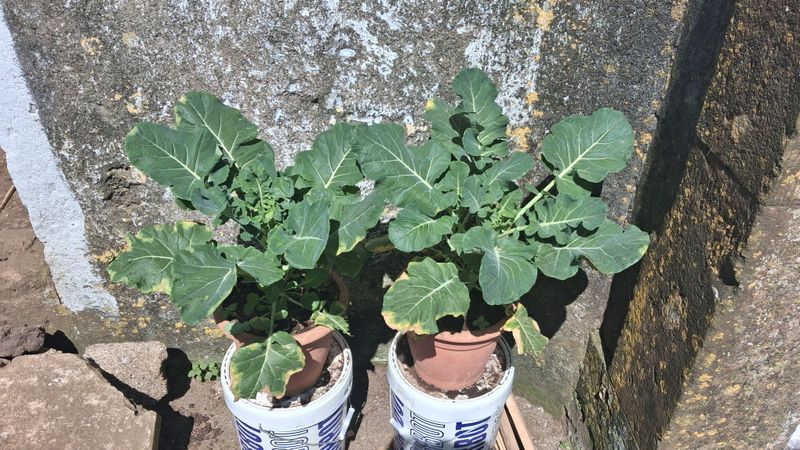
Reaching for the biggest, tallest transplant at the garden center can feel like the smart move, but with broccoli it often is not. A plant that has been growing in a small cell or pot for too long develops a cramped root system and may have already received stress signals that trigger premature behavior once it goes in the ground.
Transplants with roughly four to six mature leaves and a healthy, uncrowded root ball are the practical target. Utah State University Extension’s broccoli guide recommends this size range specifically because younger, appropriately sized plants establish more readily and are less prone to stress-triggered problems during that critical first week or two after transplanting.
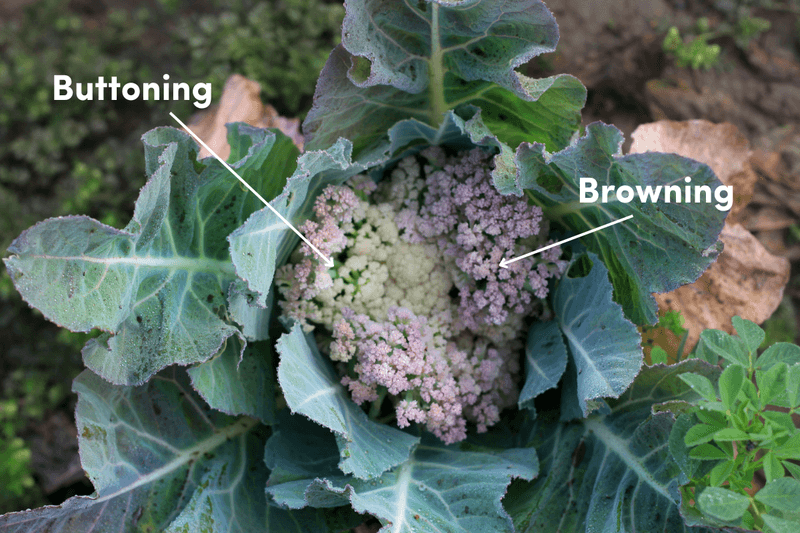
One of those stress-triggered problems is buttoning. Buttoning happens when a broccoli plant forms a tiny premature head before it has developed enough leaves and stem mass to support a full-sized crown.
The result is a small, dense nub that will not grow into the head you are hoping for. UC IPM’s resource on buttoning in broccoli and cauliflower identifies multiple contributing stresses, including heat, cold, drought, nutrient shortage, and transplant age, as factors that can push a plant into this premature response.
Transplant quality does not set a hard ceiling on how large a head can grow, but it does influence the likelihood of normal development. A young transplant with room to spread its roots is simply in a better position to respond well to good care than an older, root-bound one under the same conditions.
When buying or starting your own transplants, aim for stocky, green plants with no yellowing, no visible pest damage, and roots that hold the potting mix together without circling the bottom of the container.
Give each plant room to build its crown
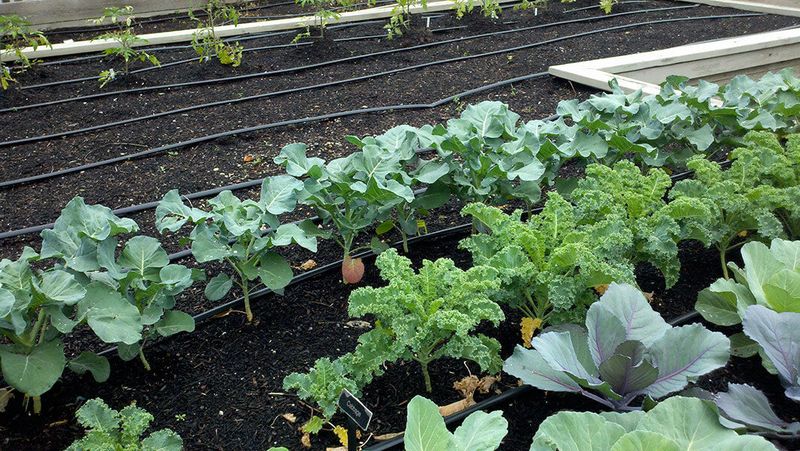
Crowded broccoli plants compete for light, water, and root space in ways that show up directly in the harvest. When leaves overlap too early, each plant gets less sun for photosynthesis, and root systems end up fighting over the same narrow band of soil moisture and nutrients.
That competition often means smaller individual heads and fewer productive side shoots after the main crown is cut.
Standard backyard spacing calls for about 12 to 18 inches between plants within a row, with rows set 2 to 3 feet apart. USU Extension’s broccoli guide supports this range as appropriate for home garden production, and USU’s spacing and thinning guidance for brassicas reinforces that adequate space between plants supports better airflow and reduces disease pressure as well.
Airflow matters more than many gardeners expect. Broccoli leaves stay wet longer when plants are packed together, and persistently wet foliage invites fungal problems that further stress an already heat-challenged September transplant.
Spacing plants properly from the start is far easier than trying to correct the problem after the garden is established.
When setting each transplant, handle the root ball gently and avoid breaking it apart. Dig the hole slightly deeper than the root ball height, set the plant so the lowest leaves sit just above the soil surface, firm the soil around the roots without compacting it, and water in immediately.
Taking an extra minute per plant at this stage pays off over the following weeks as roots extend outward into undisturbed soil. Rushing the physical setup to save time almost always costs more in recovery time than it saves at planting.
Manage September heat without trapping it
September in North Carolina can still feel like August. Daytime highs regularly push past 85 degrees Fahrenheit across the Piedmont and Coastal Plain well into the month, and that warmth puts real pressure on broccoli, which is a cool-season crop that prefers temperatures between roughly 60 and 75 degrees for steady growth and tight head formation.
When temperatures climb above that range, several things can go wrong at once. Growth slows or becomes erratic, head quality suffers, and plants already stressed from transplanting have a harder time recovering.
USU Extension’s brassica planting guidance notes that high temperatures can arrest or disrupt inflorescence development, with the specific outcome varying by cultivar. That means the variety you choose matters as much as the shade cloth you hang.
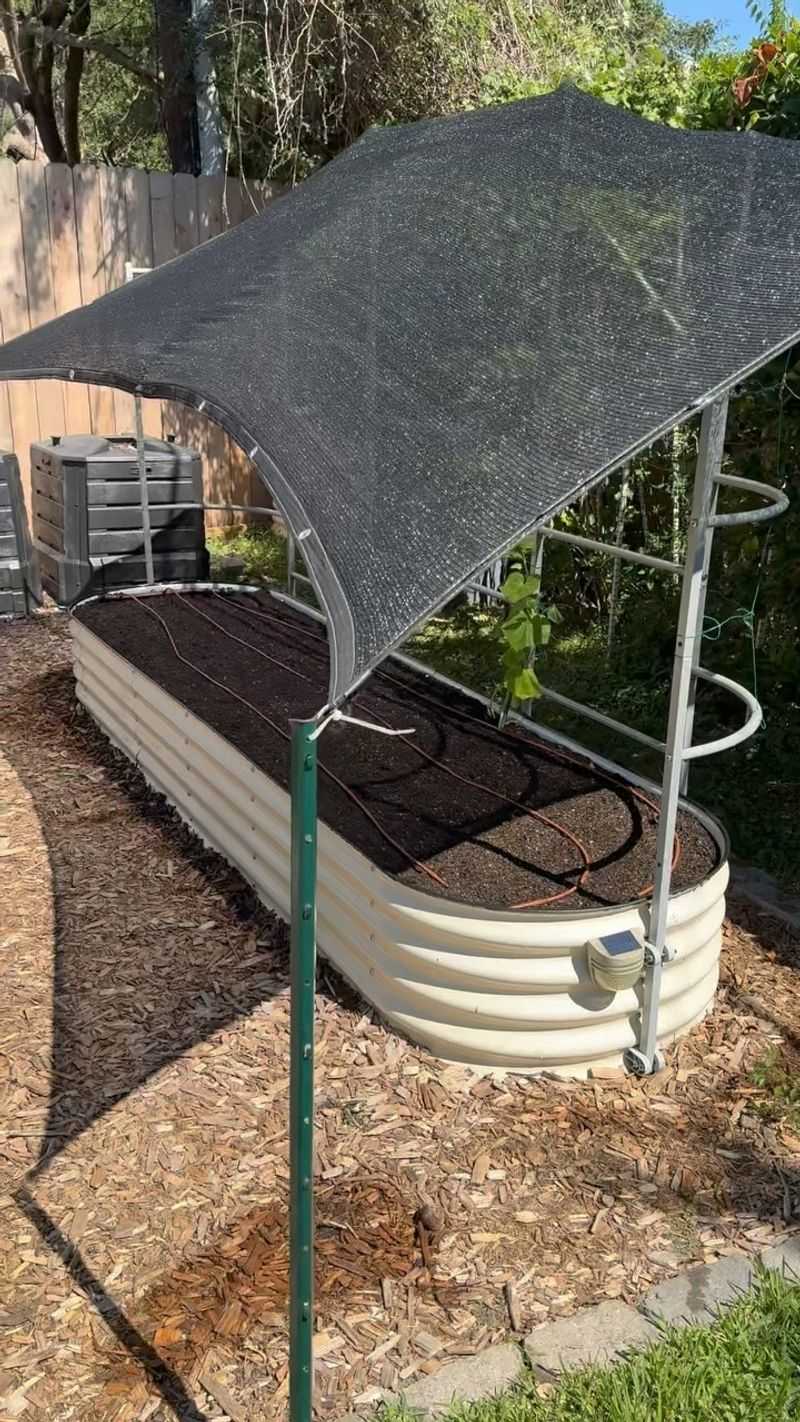
Temporary shade from a 30- to 40-percent shade cloth, supported on hoops or stakes above the plants, can reduce soil and leaf temperatures during the hottest part of the day. Pair shade with consistent irrigation, because shaded soil can still dry out faster than expected when September afternoons are windy.
NC State’s vegetable gardening handbook specifically recommends temporary heat protection and irrigation together for summer transplants, treating them as complementary rather than interchangeable strategies.
Row covers are sometimes suggested for early-season insect protection, but they require careful management in September heat. NC State’s season extension guidance warns that covers must be ventilated or removed when temperatures rise, because a sealed cover on a hot September day can cook the very plants it is meant to protect.
If you use a row cover for pest exclusion, check under it every morning and lift the edges when the forecast calls for afternoon temperatures above 80 degrees. Neither shade nor covers can rescue a crop planted too late or in a cultivar poorly matched to your local conditions.
Feed according to evidence, not a tight-head promise
Broccoli is a hungry plant, and nitrogen is the nutrient most directly tied to leaf and stem growth. That fact sometimes leads gardeners to assume that pouring on fertilizer will automatically produce bigger, tighter heads.
The relationship is more complicated than that, and getting it wrong in either direction causes real problems.
Too little nitrogen produces pale, slow-growing plants that lack the foliage mass needed to support a full crown. Too much nitrogen drives rapid, soft growth that can result in loose, open heads, hollow stems, or poor overall quality.
NC State Extension’s broccoli production guide describes split nitrogen applications or side-dressing during active growth as the appropriate approach, rather than a single heavy dose at planting. The goal is steady, consistent nitrogen availability that matches the plant’s actual growth rate.
Phosphorus and potassium decisions belong in the same category: base them on a soil test, not on a general recipe. NC State’s soils and plant nutrients handbook states plainly that adding nutrients when soil levels are already adequate wastes money and can contribute to runoff and pollution.
A soil test from the NC Department of Agriculture costs very little and tells you exactly what your garden actually needs before you buy anything.
Boron deserves specific mention because it is sometimes recommended as a cure for small or hollow broccoli heads. Brown florets, hollow stems, distorted growth, and leaf curling can all point toward boron-related problems, but those same symptoms can also have other causes.
University of Minnesota Extension’s broccoli diagnostic tool makes clear that excess micronutrients can injure plants, and boron in particular has a narrow margin between deficiency and toxicity. Apply it only when a soil or tissue test, or a qualified extension diagnosis, specifically supports doing so.
Fertilizing based on a symptom you have not confirmed can make the underlying problem worse.
Diagnose the head before changing the treatment
When a broccoli head looks wrong, the instinct is often to reach for a fertilizer or amendment. That instinct is sometimes right, but acting before you understand the symptom can waste time and money at best, and damage the plant at worst.
A few minutes of observation usually narrows the diagnosis enough to choose a useful response.
Buttoning and loose heads are two distinct problems that often get lumped together. Buttoning, as described by UC IPM’s resource on buttoning in broccoli and cauliflower, is premature head formation triggered by stress before the plant has built enough foliage for a normal crown.
The result is a small, compact nub that forms early and will not expand into a full head. Fertilizer applied after buttoning has begun may not restore a normal main head, because the plant has already committed its energy to that premature structure.
Loose or open heads tell a different story. High temperatures, insufficient moisture, and delayed harvest are the most common culprits.
USU Extension’s brassica production problems guide links loose crowns to heat stress and uneven watering, and also notes that excess nitrogen can contribute to rapid, poor-quality growth. A plant with lush, dark green leaves and a loose head is not a plant that needs more nitrogen.
It may need cooler temperatures, more consistent moisture, or simply an earlier harvest next time.
Pale, slow-growing plants with yellowing lower leaves and weak stems are a different situation. Those symptoms are more consistent with a nitrogen shortage, and a side-dressing of a balanced fertilizer at that stage makes more sense than ignoring the signs.
USU Extension’s printable broccoli guide also identifies pests and weeds as factors that can impair development and mimic nutrient stress, so check for cabbage worms, aphids, or heavy weed competition before assuming the soil is the problem.
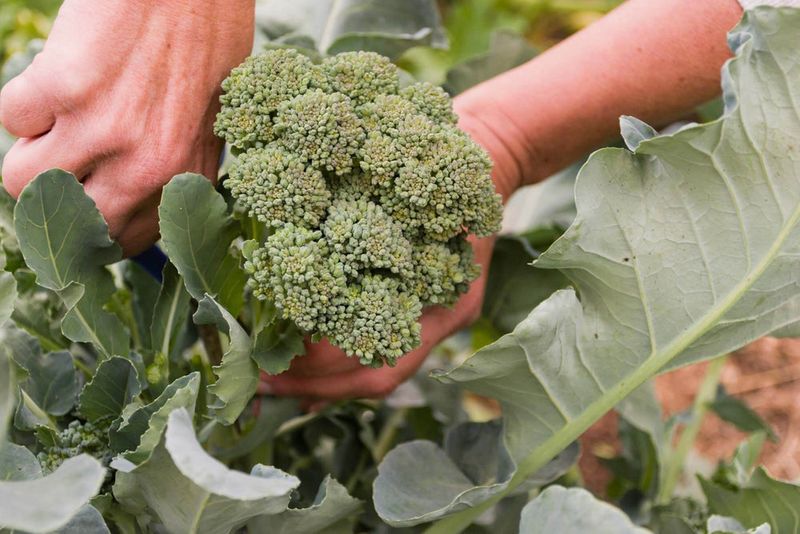
Harvest timing is part of the diagnosis too. Broccoli heads should be cut while the buds are still tightly packed and dark green, before any yellow flowers begin to open.
A head that has started to flower is over-mature, not necessarily deficient in nutrients. Harvesting at the right stage, typically when the central head is firm and the buds are still closed, prevents confusing normal maturity with a problem that needs fixing.
Start a continuing care routine on planting day
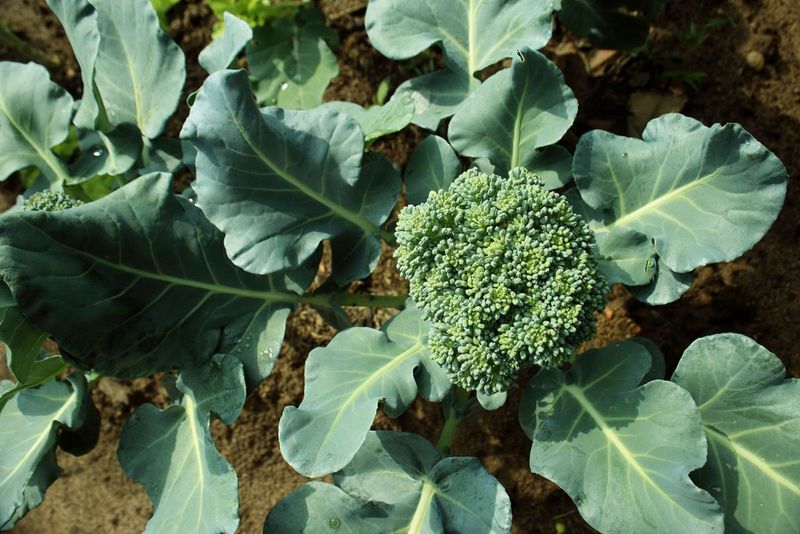
Planting day is the beginning of the routine, not the end of the work. Water each transplant thoroughly as it goes in, then plan to check soil moisture every day or two for the first two weeks.
Apply two to three inches of organic mulch around the base of each plant, keeping it clear of the stem, and replenish it as it breaks down through the fall.
Before you plant, confirm that your timing fits your region. Eastern NC gardeners have until roughly September 15; Piedmont gardeners share that same trailing edge.
Use transplants with four to six mature leaves and healthy roots, space plants 12 to 18 inches apart in rows 2 to 3 feet wide, and choose a cultivar rated for fall production. NC State’s broccoli production guide and USU Extension’s brassica irrigation guidance both support maintaining even soil moisture through heading, not just at transplanting, as a key factor in head quality.
Base your fertilizer decisions on a soil test rather than a default recipe, and watch the plants for signs of actual deficiency or stress before adding anything. If a head looks wrong, identify the symptom before treating it.
UC IPM’s buttoning resource is a useful reminder that multiple stresses can drive poor head development, and no single action eliminates all of them. These steps improve the odds of a firm, full harvest, and a garden that gets the basics right from day one rarely needs dramatic intervention later.