
If Your Potted Fig Tree Is Doing These 15 Things, It’s Ready For The Ground (Here’s How To Move It Before Winter)
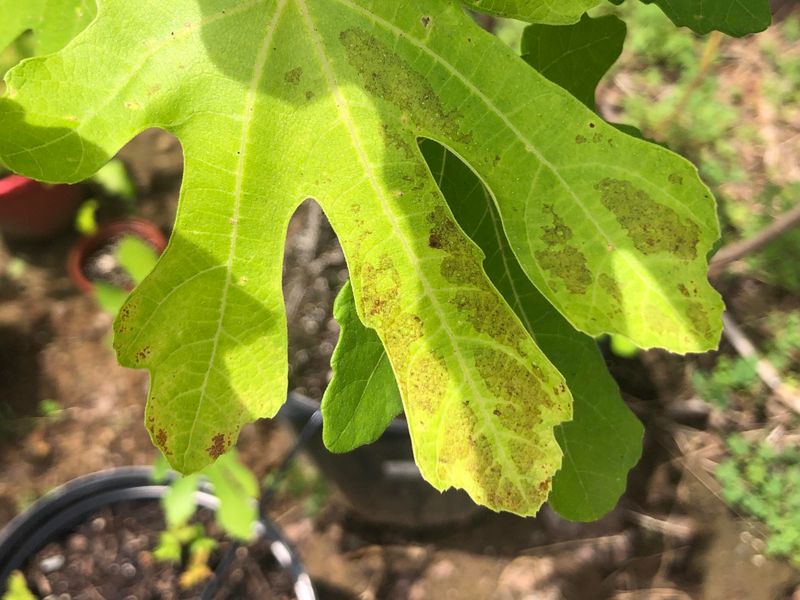
Your potted fig tree has a quiet way of telling you it needs more room. Roots poke out, leaves droop, and the fruit just stops showing up the way it used to.
Catching these signs early can save your tree from a slow, stressful decline. Here are 15 clues it’s time to move your fig into the ground, plus simple steps to do it safely before cold weather arrives.
1. Roots Sneaking Out of the Drainage Holes
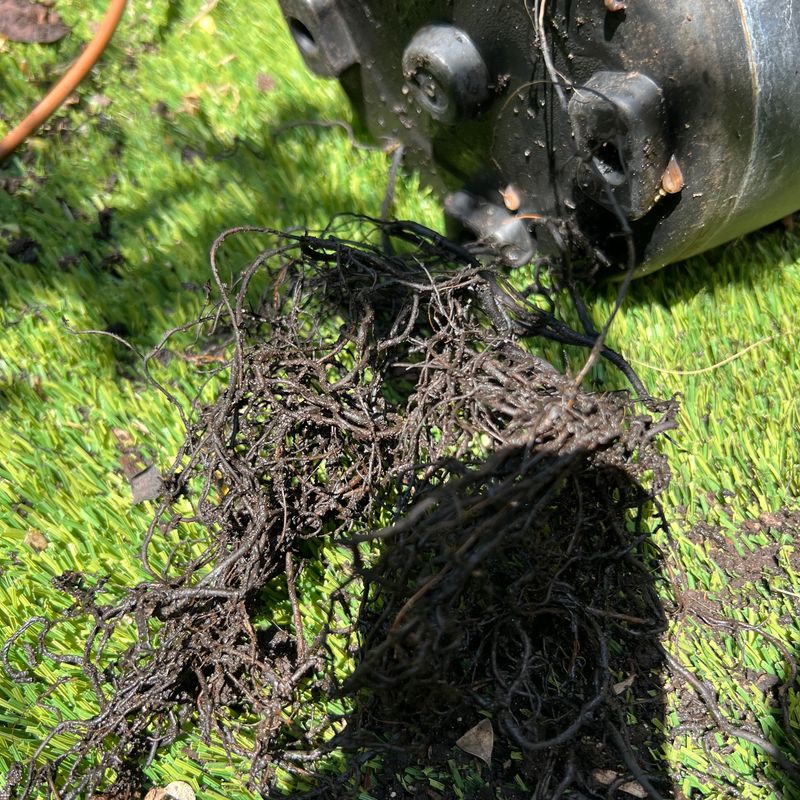
Lift the pot and peek underneath. If pale roots are wiggling out of the drainage holes, your fig has already filled every inch of soil it was given.
Roots only head for the exits when there’s nowhere else to go. They’re searching for water and space, and a pot can’t offer much more of either.
A few stray root tips aren’t an emergency, but a thick tangle poking out is a loud signal. Your fig is ready for a roomier home, and the ground offers the most room of all.
2. Roots Showing Up on the Soil Surface
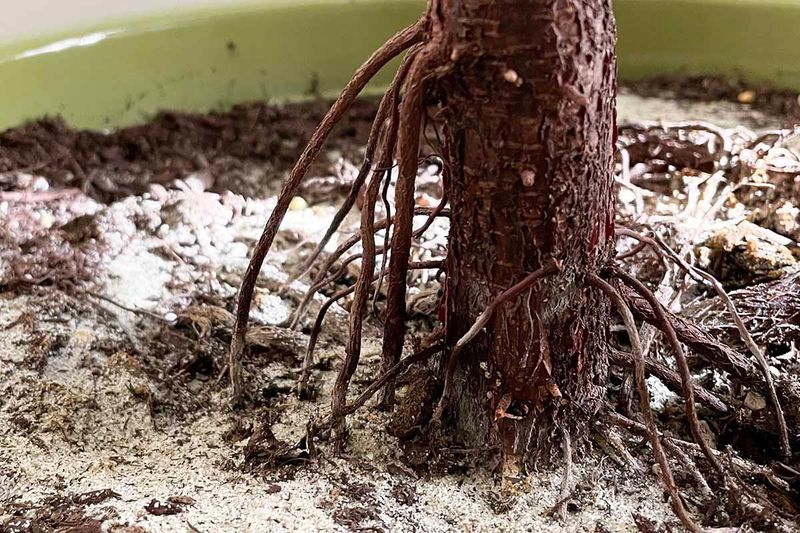
Picture a crowded elevator where people start squeezing onto the ceiling. That’s roughly what’s happening when fig roots pop up above the soil line.
Surface roots mean the bottom and sides of the pot are full. The tree is pushing upward simply because it has run out of other directions.
Exposed roots also dry out fast in summer sun. Moving your fig into the ground gives those roots a cool, moist place to spread, instead of baking on top of the pot.
3. A Tightly Circling, Root-Bound Root Ball
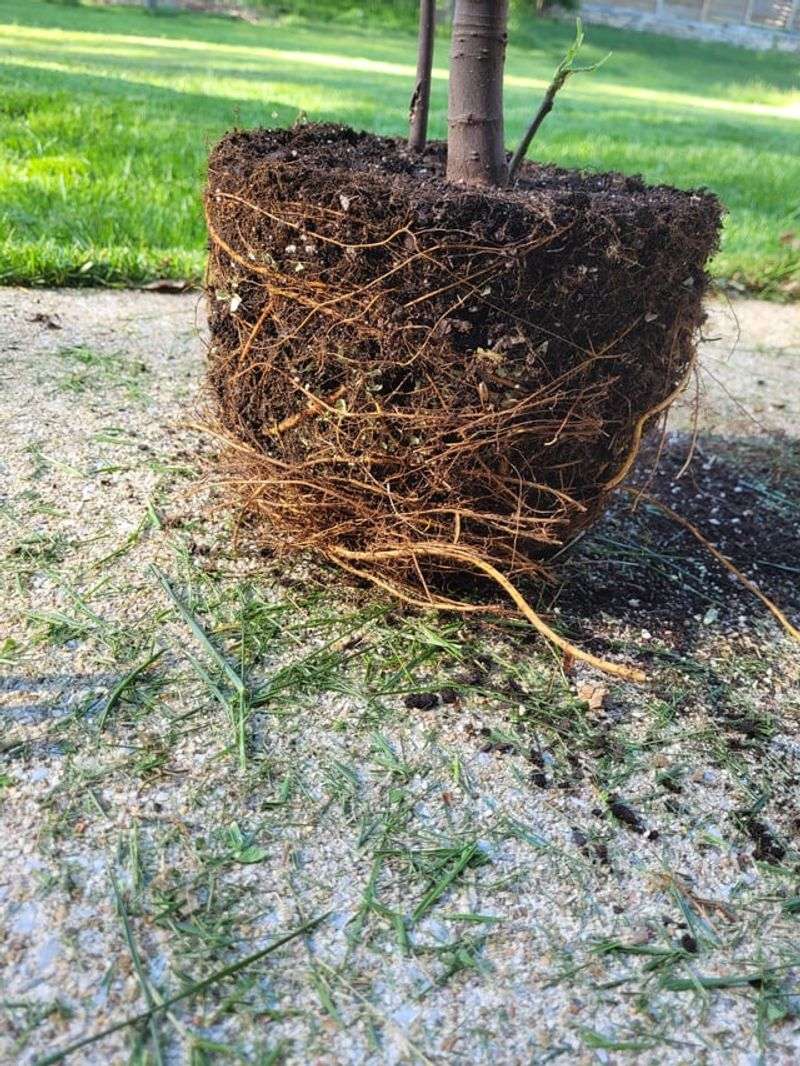
Slide your fig out of its pot on a calm afternoon and take an honest look. If you see a solid wall of roots wrapped round and round, with hardly any soil showing, the tree is root-bound.
Circling roots can eventually choke the tree’s own growth. They keep spinning in place instead of reaching out for food and water.
Here’s the good news: figs are tough. Gently teasing those roots loose and planting in open ground often gives them a fresh start, and most bounce back with surprising energy by the next growing season.
4. Wilting Soon After You Water
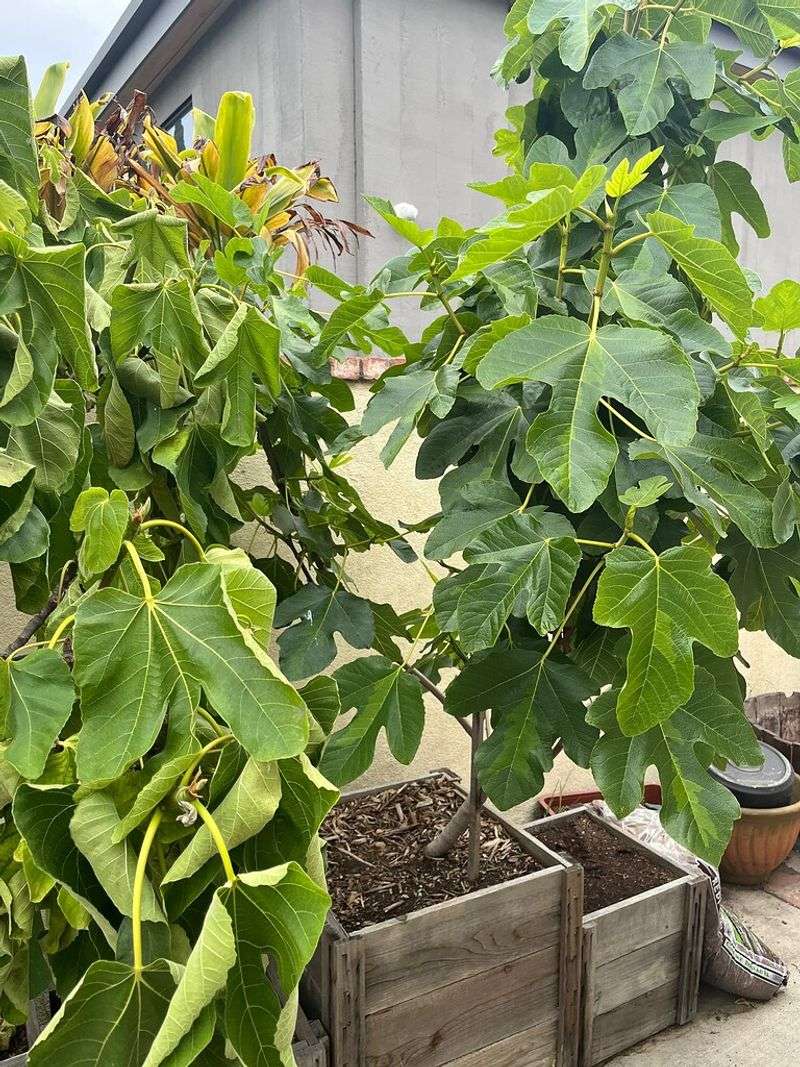
You watered this morning, and by mid-afternoon your fig looks like it ran a marathon. Frustrating, right?
A root-bound fig has more roots than soil. There’s simply not enough growing mix left to hold moisture, so water rushes through and the leaves droop again within hours.
Many gardeners assume they’re doing something wrong and water even more. The real fix is more root room.
In the ground, your fig can tap into a much bigger reservoir of moisture and stop that daily wilt cycle.
5. Yellow or Brown Leaves on Lower Branches
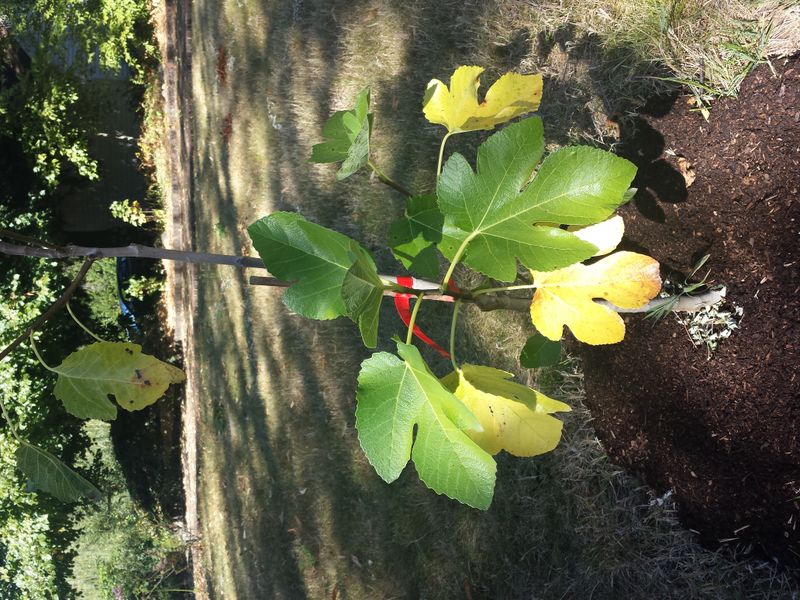
Lower leaves are often the first to complain. When a fig is short on water or nutrients, it pulls resources from older bottom leaves to feed the new growth on top.
That’s why you’ll see yellow patches and crispy brown edges creeping up from the base. A few yellow leaves in fall are normal, since figs drop their foliage before winter.
Yellowing in the middle of summer is a different story. Paired with other signs on this list, it may point to a cramped root system that can’t keep up with the tree’s needs.
6. Growth That Seems Stuck in Neutral
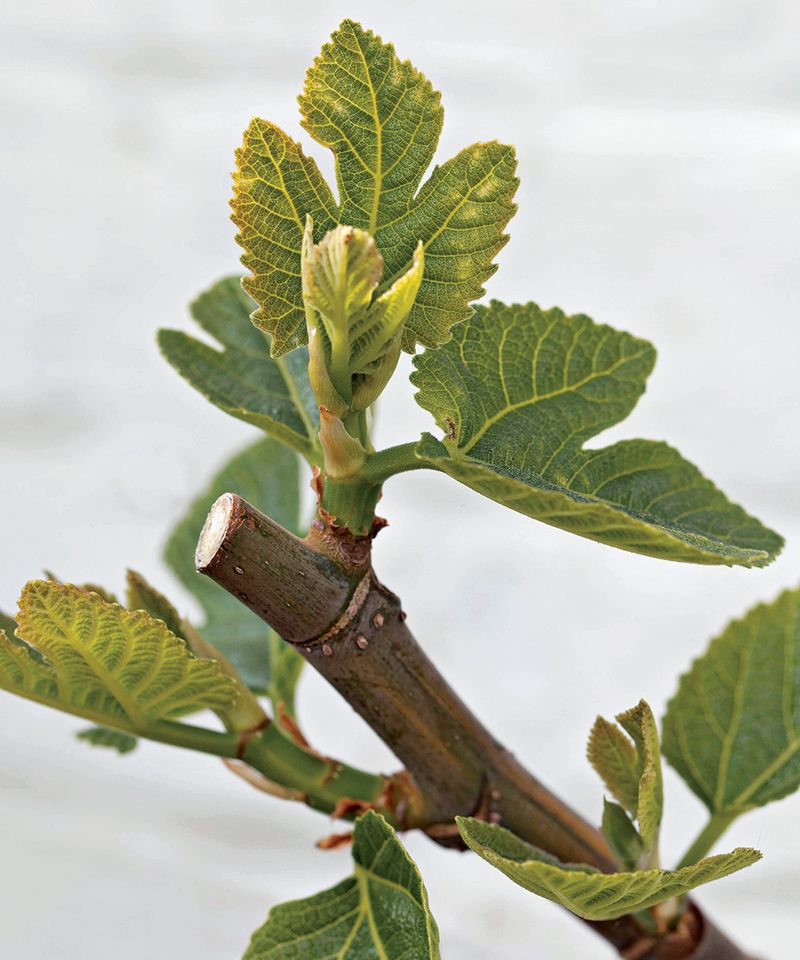
Remember when your fig pushed out long, leafy shoots every spring? If those days feel like a distant memory, the pot may be holding it back.
Healthy figs are vigorous growers. In good conditions, new branches can stretch a foot or more in a single season.
When roots have nowhere to go, the top of the tree slows down to match. Short shoots, small leaves, and a tree that looks the same year after year are all hints that it’s time to set those roots free.
7. A Bulging or Cracked Pot
Plastic pots stretching out of shape. Terracotta splitting down the side.
Believe it or not, fig roots can do that.
As roots thicken over time, they press outward with steady force. Eventually, the container gives way before the tree does.
A cracked pot also drains unevenly and can fall apart when you try to move it. Treat it as a clear invitation to plant your fig in the ground, where nothing will hem it in.
8. Watering Every Single Day
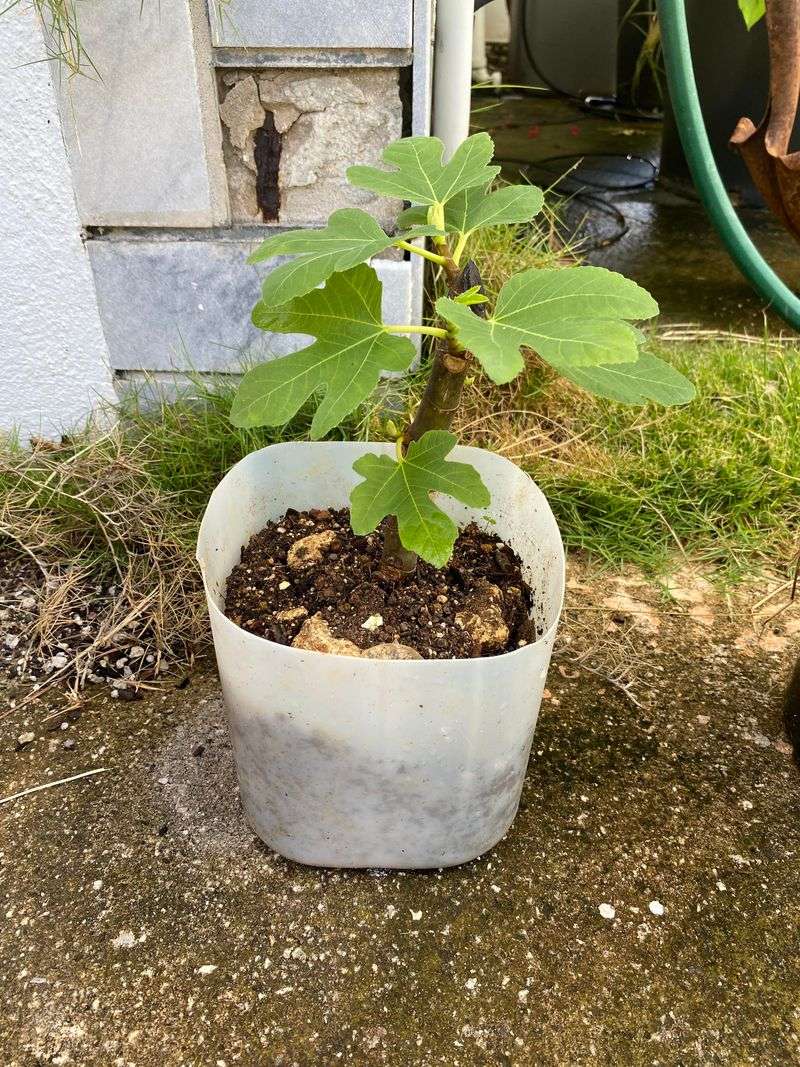
Once a week turned into every few days. Now you’re out there with the hose every morning, and sometimes again at dinner.
That shift is a classic sign of a root-bound fig. With roots taking up most of the pot, there’s very little soil left to hold water.
If summer vacations make you nervous because your fig might not survive two days alone, take note. In-ground figs, once settled, usually need far less babysitting and can handle short dry spells much better.
9. Fewer Figs or Poor Fruit Quality
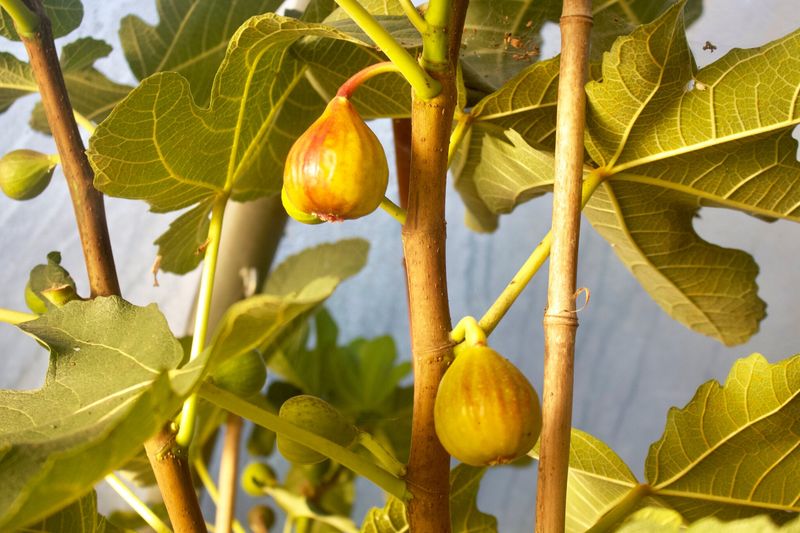
Few things sting like a fig harvest that never shows up. Maybe the fruit drops while still green, or the figs ripen small and dry.
Fruiting takes a lot of energy. A stressed, root-bound tree often sacrifices fruit just to keep its leaves alive.
Fun fact: a fig is technically an inverted flower, with tiny blossoms hidden inside the fruit. Give the tree enough root space and steady moisture, and those hidden flowers have a much better chance of turning into sweet, juicy figs.
10. A General Slump in Health
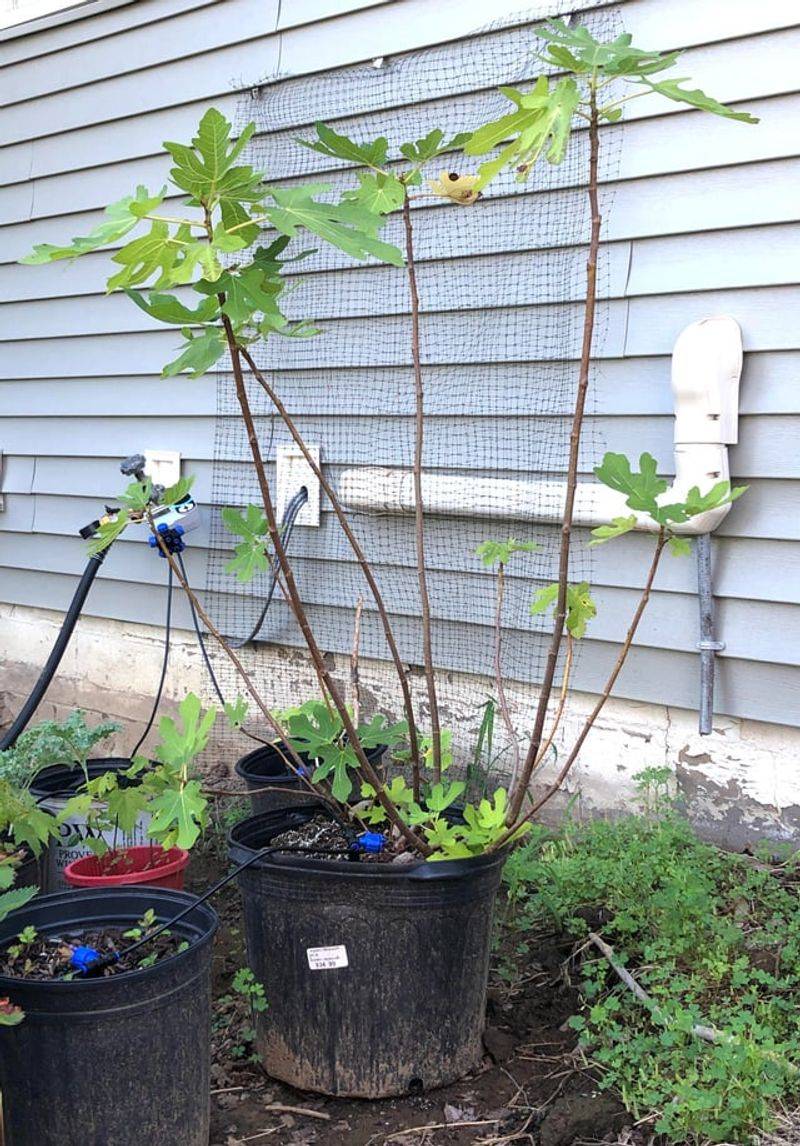
Sometimes there’s no single dramatic symptom. Your fig just looks tired, a little dull and a little sparse.
You’ve checked sun, water, and fertilizer, and everything seems right. When care is consistent but the tree still won’t thrive, the container itself may be the limiting factor.
Trust that gut feeling. A move into open ground can be the reset your fig needs to look lively again.
11. Hauling It Indoors Has Become a Workout
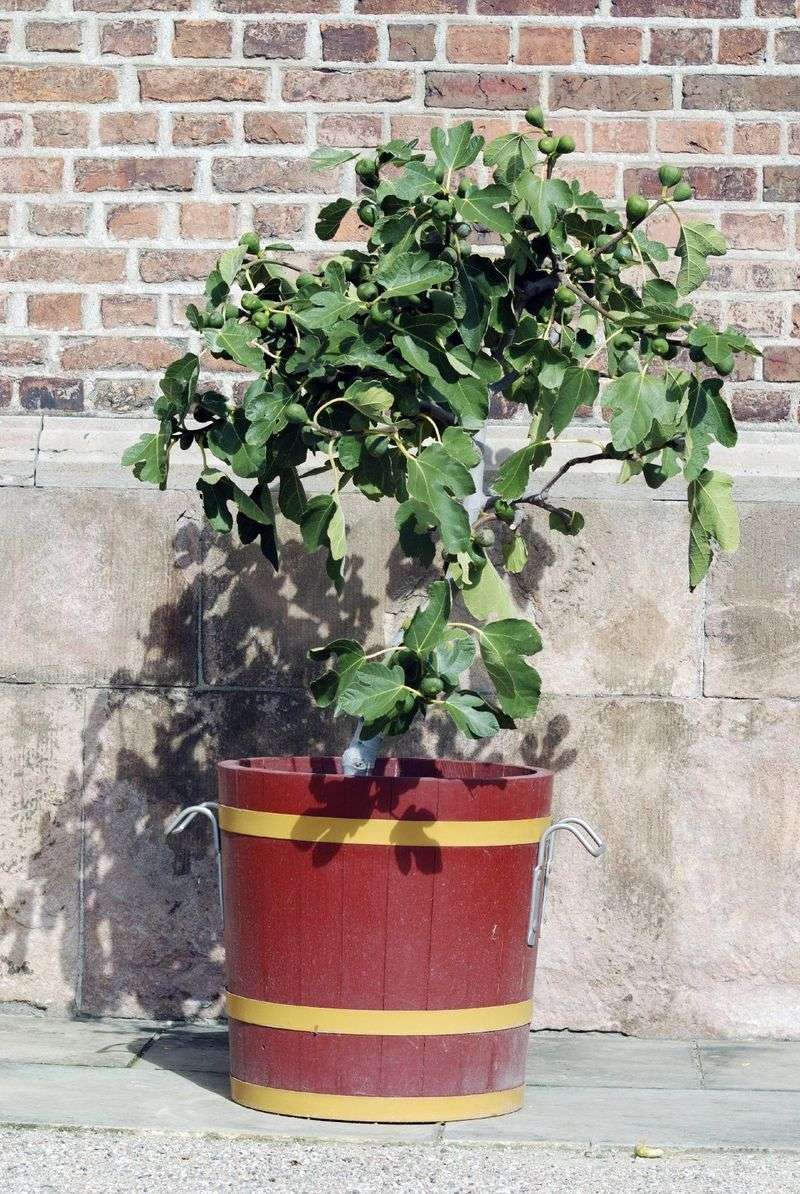
Every fall, the same ritual: tip the pot, grab the hand truck, call a neighbor, and try not to throw out your back. Sound familiar?
Big figs in big pots can weigh well over 100 pounds once the soil is wet. Wrestling that into a garage or basement every winter gets harder each year.
Planting in the ground ends the yearly struggle. With some winter wrapping in colder areas, your fig can stay put, and your back will thank you.
12. Topping Six Feet and Still in a Pot
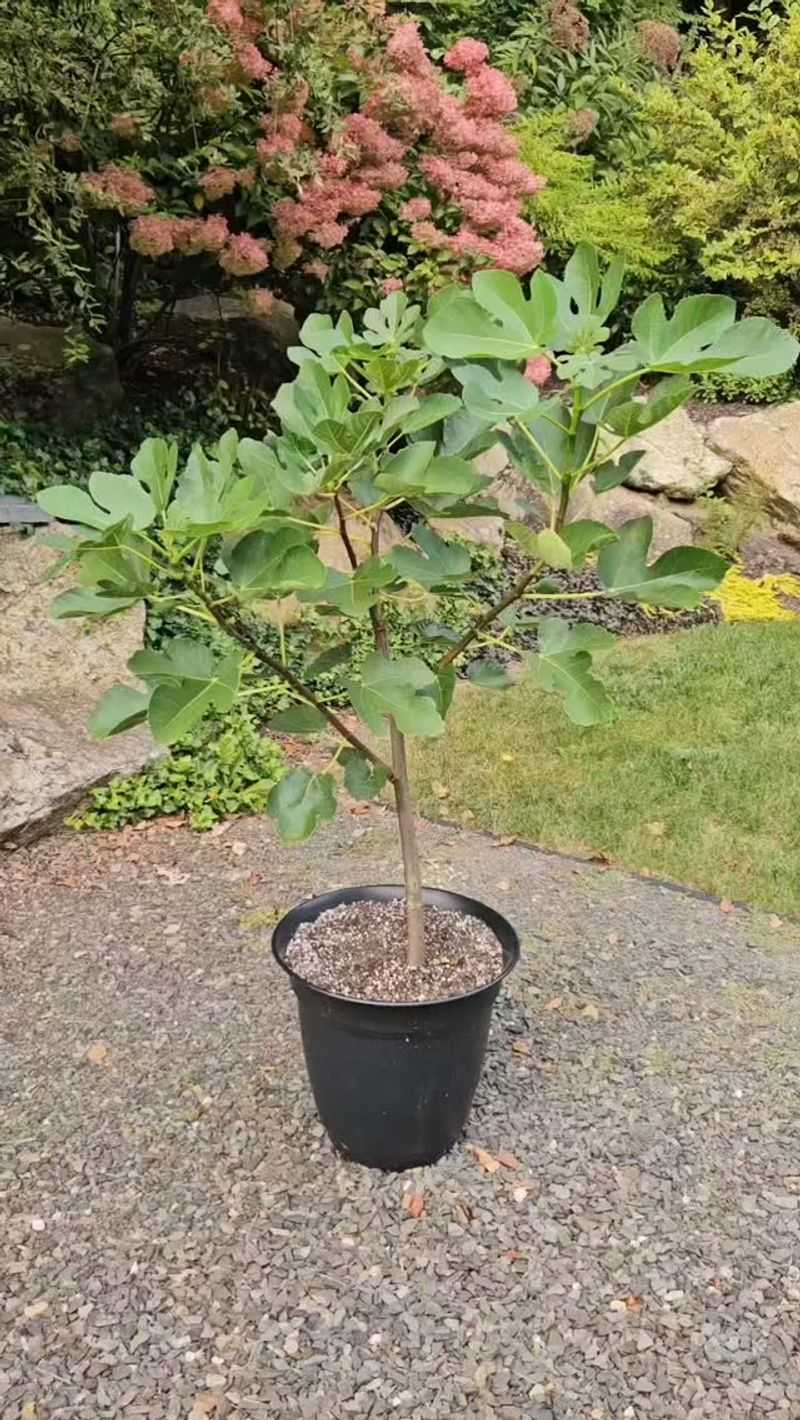
At six feet or taller, a fig in a pot starts to look a bit like a teenager in a toddler bed. It technically fits, but nobody is comfortable.
Tall figs catch more wind and can tip their containers over. Their leafy canopy also demands more water than a pot can supply on hot days.
In the ground, a mature fig gets a wide root base for stability and steady moisture. That combination helps it grow into the full, fruitful tree it’s meant to be.
13. Hungry-Looking Leaves Despite Regular Feeding
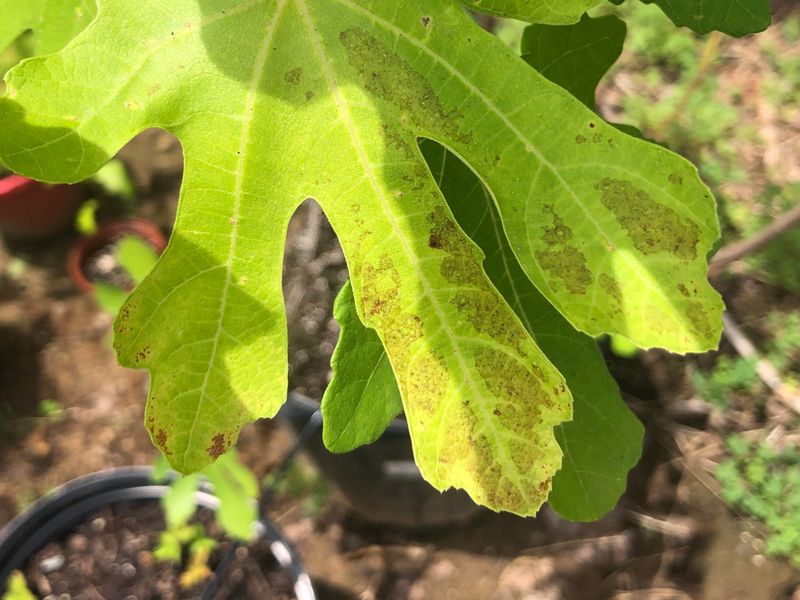
You’ve been faithful with fertilizer, yet the leaves look pale, washed out, or blotchy. It doesn’t add up.
Here’s the catch: a cramped root mass may struggle to absorb nutrients, even when they’re right there. Extra fertilizer can build up as salts and make things worse.
Before reaching for another bag of plant food, check the roots. If they’re packed solid, giving them fresh ground soil can do more good than any fertilizer.
14. Years in the Same Container
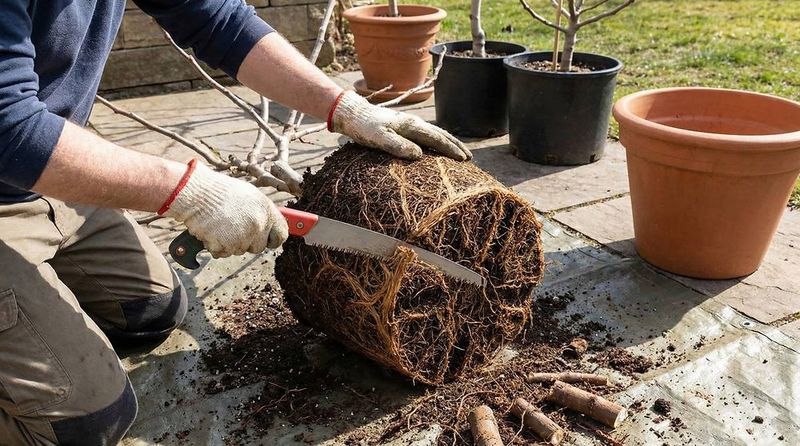
Quick question: when did you last repot your fig or trim its roots? If you have to think hard about it, that’s your answer.
Figs in containers usually need repotting or root pruning every two to three years. Skip that for several seasons, and the tree is almost certainly root-bound.
Instead of hunting for a bigger and heavier pot, consider giving it a permanent home in the yard. It’s one less chore on your list for years to come.
15. A Cold-Hardy Variety Begging for Earth
Varieties like Chicago Hardy, Celeste, and Brown Turkey are known for handling cold better than most. Planted in the ground, they get natural insulation from the surrounding soil.
Potted roots are actually more exposed to freezing than in-ground roots. Even if the top dies back, an established fig often resprouts from its roots in spring.
How to move it before winter: Wait until the tree goes dormant, or plant in early spring in Zones 5-7. Pick a sunny, well-drained spot, ideally near a south-facing wall.
Dig a hole as deep as the root ball and two to three times wider, mixing in compost.
Water the fig a day ahead, tip it gently from the pot, and loosen circling roots. Set it level with or slightly below the ground, backfill, and water deeply.
Add 1-2 inches of mulch.
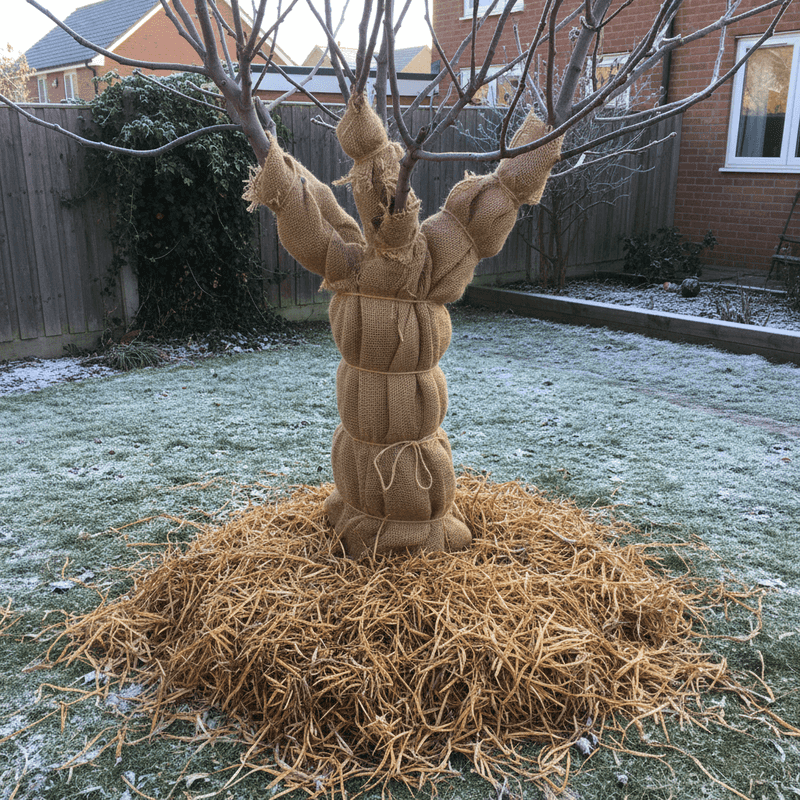
In Zone 7 and colder, pile 6-12 inches of straw or dry leaves around the base after leaf drop. Bundle the branches, wrap with burlap, and cover with a ventilated waterproof layer, then uncover after the last hard frost.