
If Your Potted Lemon Tree Drops Its Baby Fruit, Here’s The Fall Habit Behind It
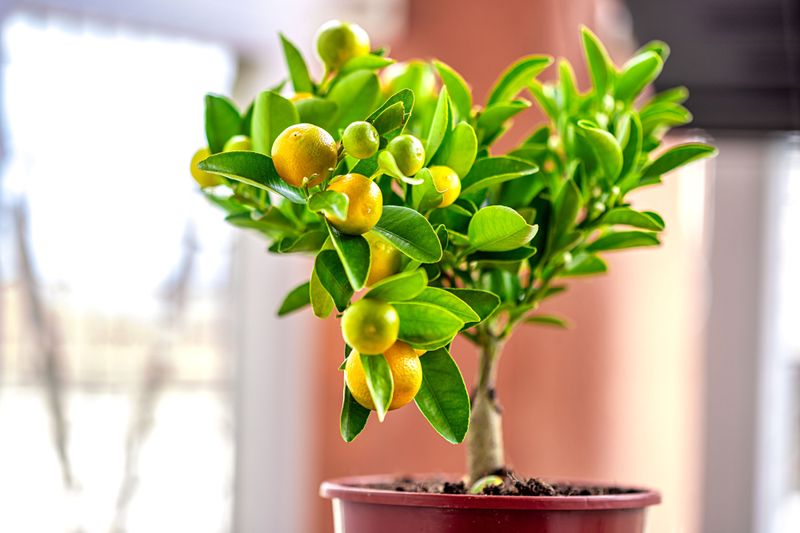
You spot tiny green lemons on the floor under your potted tree, and your stomach drops. It is a common worry, especially when the tree has just come in from the patio.
Some of that fruit loss is normal, and a few indoor changes may add to it. Here is how to tell the difference and what you can adjust.
A few dropped fruitlets can be normal
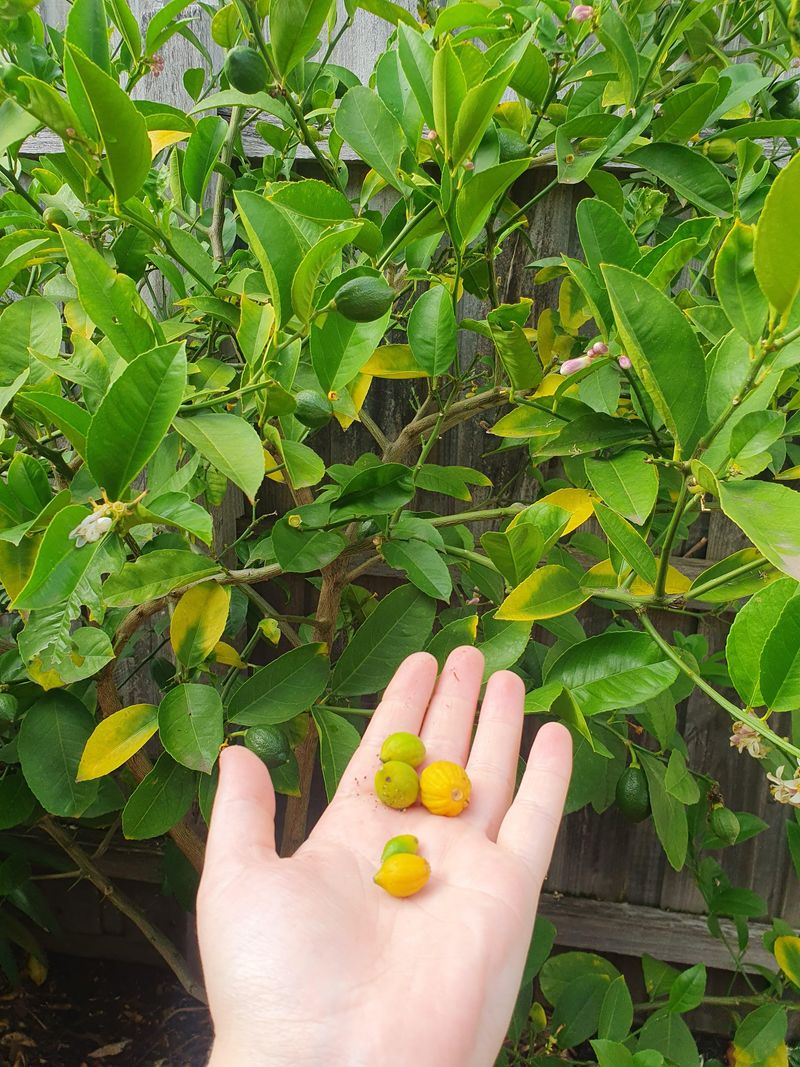
Finding a handful of pea-sized lemons on the ground does not mean you did something wrong. Citrus trees commonly shed flowers and small fruitlets as they balance how much fruit they carry against the leaves and resources available.
UC IPM guidance on citrus fruit drop describes this small-fruit shedding as often normal, and it cannot always be prevented.
Think of it as the tree editing its own workload. A potted lemon has a limited root zone and a limited number of leaves, so it cannot feed every fruit that starts to form.
Some drop may continue even when your care is spot on.
What deserves a closer look is a sudden jump. If you were seeing one or two fruitlets a week and now find a dozen, that is a signal to check the conditions around the tree.
It is a prompt to look, not proof of a specific problem.
Start by noting what changed lately. Did the pot move to a new room, did the light shift, or did your watering habits stay the same while the weather changed?
Jotting down a few observations makes the next steps much easier.
Also look at the size of the fallen fruit. Tiny ones right after bloom are the classic normal shedders, while larger fruit falling can point to different causes, which we cover later.
What changes when a lemon moves indoors?
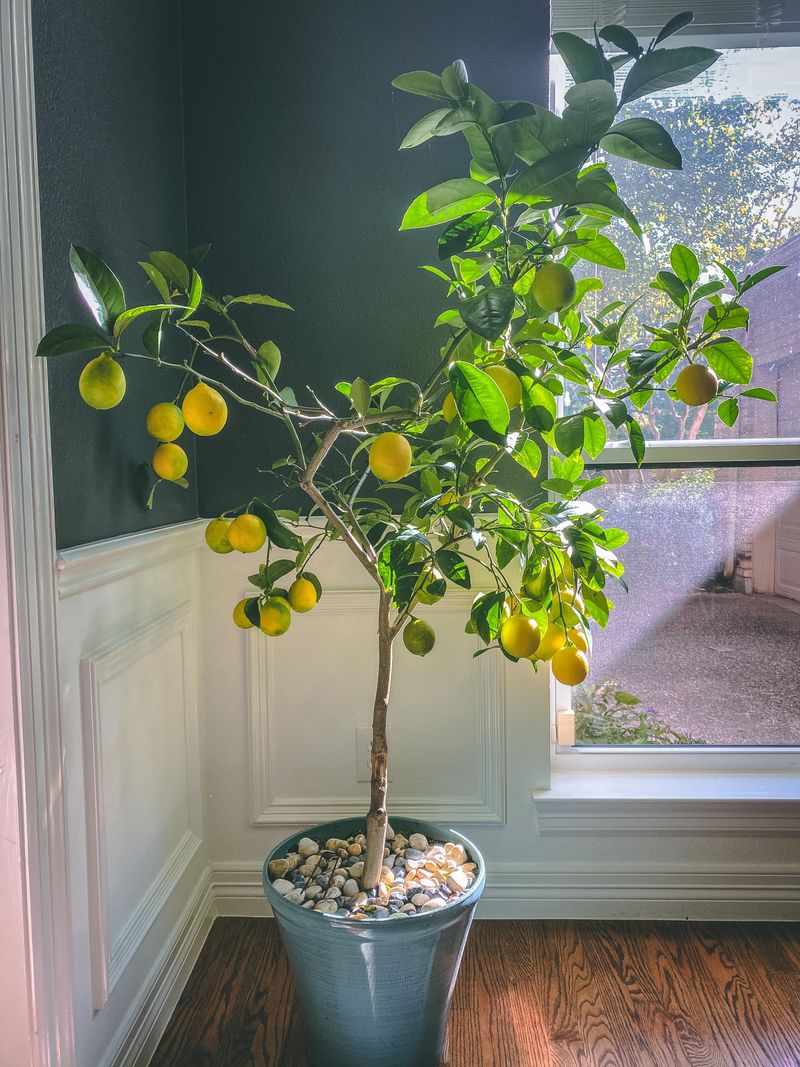
Moving a potted lemon inside swaps open sky for a window, and that is a big shift. Light drops, air gets drier, temperatures level out, and the tree’s growth often slows.
Extension guidance from University of Wisconsin Extension notes that abrupt environmental changes can cause citrus flowers and young fruit to drop.
That makes the move a plausible contributor, but not a proven culprit. Your tree could be shedding because of the move, because of normal fruit balancing, or because of both at once.
Timing is not a giveaway either. Iowa State Extension notes that lemons may flower and fruit year-round, so fruit falling in autumn does not by itself show that fall caused it.
A useful clue is whether the drop picked up soon after the pot came inside. If it did, light and watering are the easiest things to review first, since you can adjust both without buying much.
Keep in mind that your outdoor routine was built for a sunnier, breezier spot. The next two sections walk through checking the light and the soil so the routine fits the new location.
Is the indoor spot bright enough?
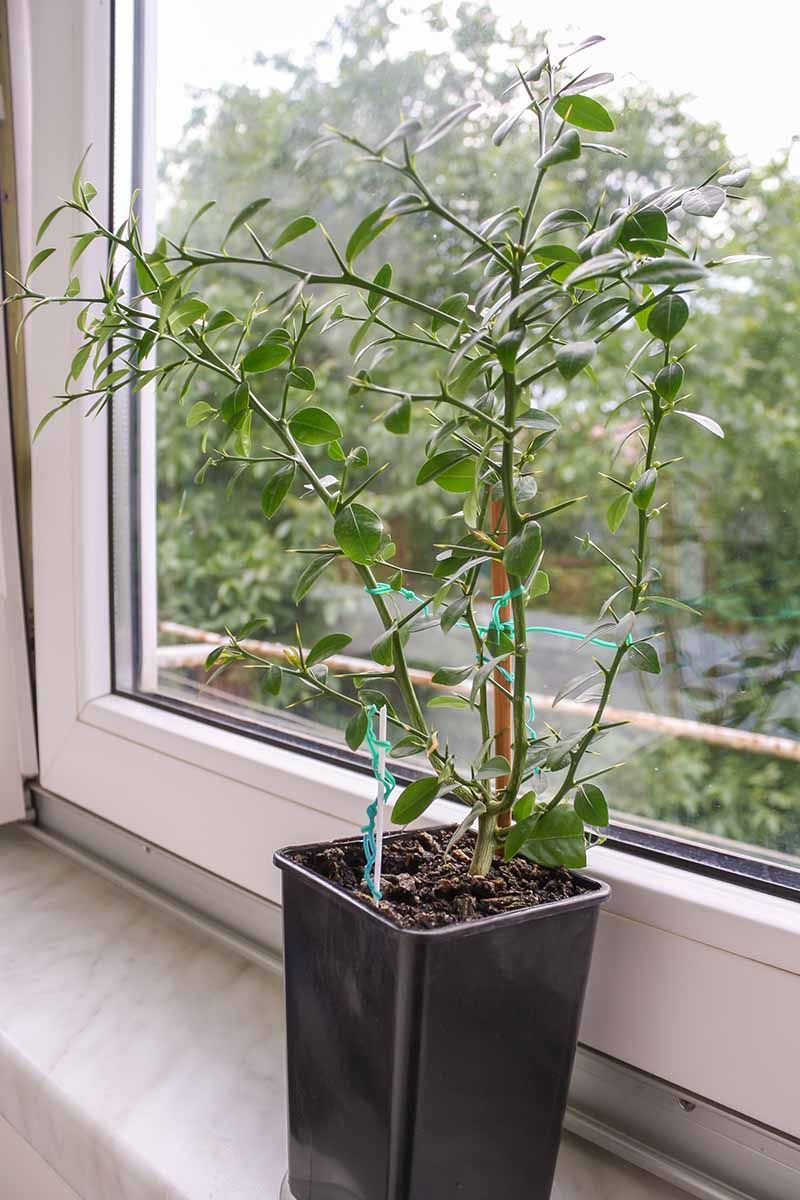
Indoor citrus wants strong light, and a typical living room corner often falls short. Iowa State guidance recommends the brightest spot you have, often a south- or west-facing window, with about six or more hours of direct light.
Try a simple check. Watch the pot through a sunny day and note how many hours direct sun actually lands on the leaves.
Trees tucked a few feet back from the glass can get far less than you expect.
If the window cannot deliver, supplemental lighting is an option. A full-spectrum grow light placed above the canopy can fill the gap, and you can run it for part of the day alongside window light.
Leaves can offer hints too. Pale, thin, or sparse foliage may mean the tree is light-starved, though other issues can look similar.
Treat light as a condition to improve rather than a guaranteed fix. More light gives the tree a better chance to hold its fruit, but some baby lemons may still fall no matter how sunny the window.
Water by the soil, not the old schedule
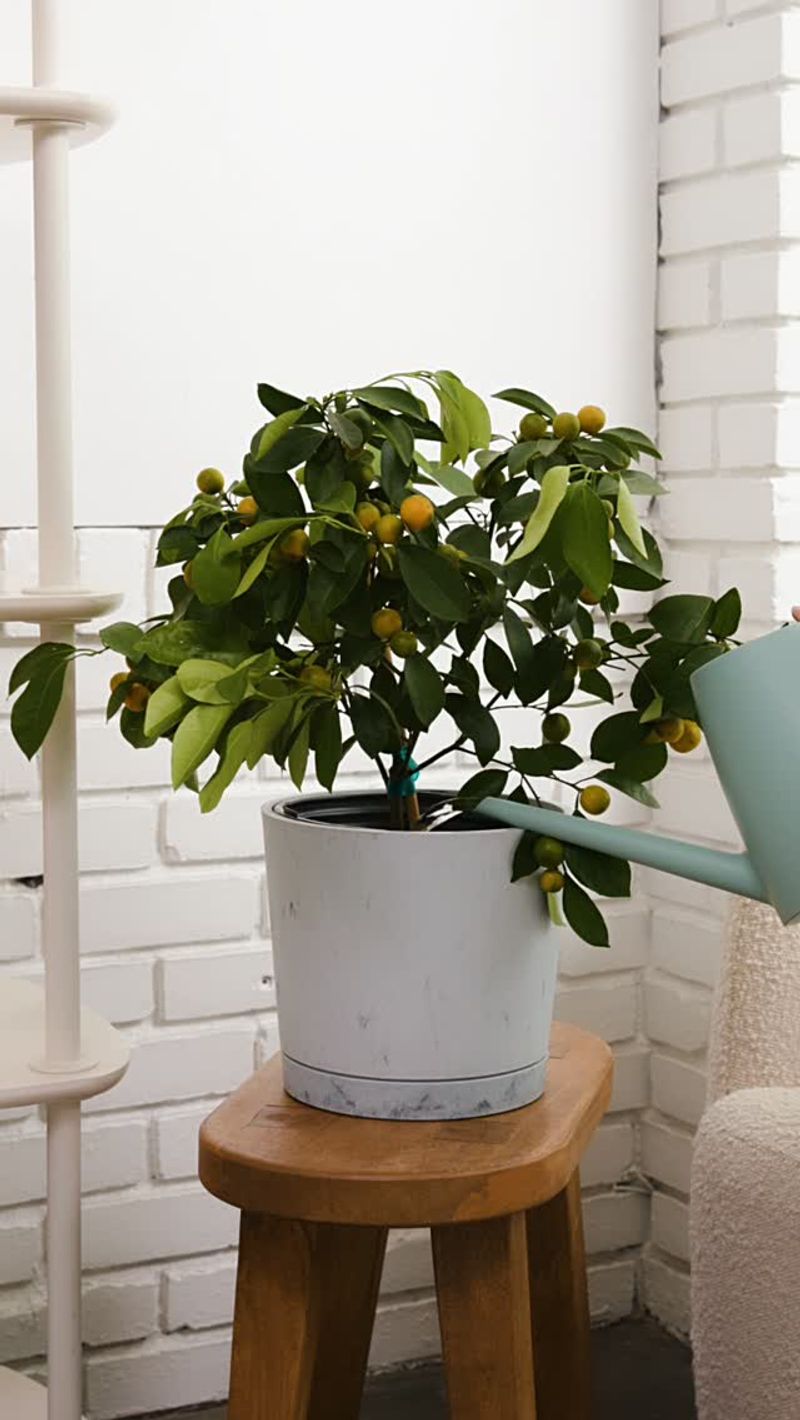
Summer watering habits can quietly cause trouble after the move. Indoors the tree grows more slowly, so the same calendar may leave the mix wetter than the roots like.
Overwatering is a common container citrus problem, and watering frequency generally needs to drop in winter, though it never stops entirely.
Let the soil tell you. Texas A&M AgriLife Extension advises letting roughly the top inch dry before watering, while University of Maryland Extension suggests checking about two inches down.
When it is time, water thoroughly until liquid runs from the drainage holes. Then empty the saucer so the roots are not sitting in a puddle.
The goal is a mix that stays moist but not soggy. How often that means watering depends on your pot size, potting mix, room warmth, and the tree itself, so a fixed weekly routine will not fit every home.
Skip the opposite mistake as well. Holding back water to keep things safe can stress the tree, and drought is one of the listed causes of fruit drop.
Acclimate the tree without risking cold damage
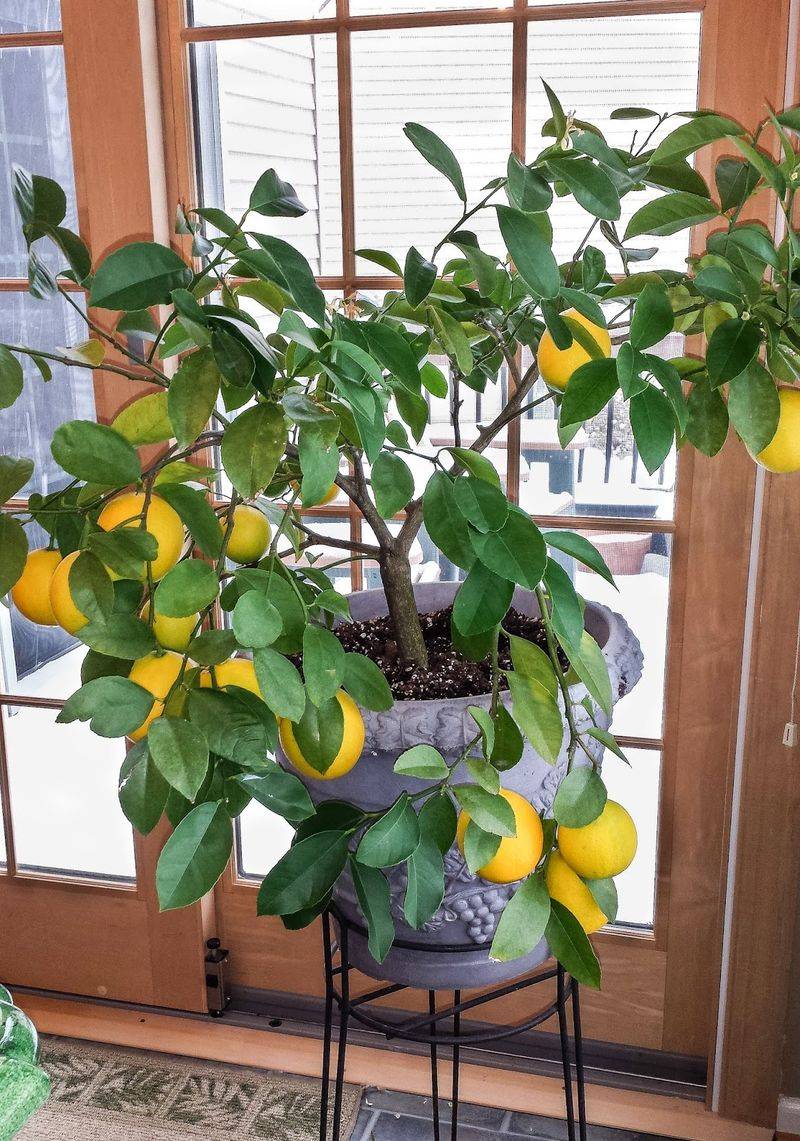
If you have time, ease the tree toward its new light level instead of changing everything in one day. Texas A&M recommends reducing light gradually for two to four weeks before a move indoors, as described in its citrus fact sheet.
That softens the jump that Wisconsin Extension links to flower and young-fruit drop.
One practical way is to shift the pot into a shadier outdoor spot for a couple of weeks. Each week you reduce the sun a little, so the tree is not shocked by dimmer indoor light.
Cold comes first, though. If frost or damaging cold is in the forecast, bring the tree in right away, even if you have not finished acclimating.
A slightly abrupt move beats cold damage.
Do not rely on one temperature cutoff. Extension advice varies, with Iowa State suggesting moving citrus in when nights fall below 50 degrees F and Wisconsin advising before nights drop into the 40s.
Check your local extension office for what fits your area.
Gradual acclimation is a helpful step when practical, not a promise that every fruitlet will stay.
When should you look beyond light and water?
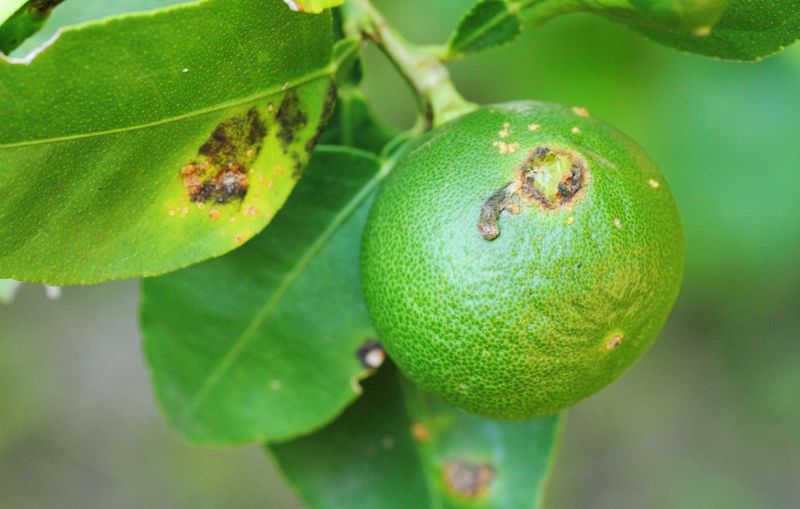
Falling fruit is a symptom, and many things can cause it. UC IPM lists drought, freezing, inadequate nutrition, wind, high temperatures, and sudden temperature changes among possible causes of fruit drop in citrus, as outlined in its fruit drop guide.
A heater vent, a drafty door, or a cold windowpane could all play a part indoors.
Fruit age matters. Normal shedding happens soon after bloom, while larger fruit dropping can have different causes, so note whether you are finding tiny fruitlets or bigger lemons.
Disease should neither be assumed nor dismissed. A few fallen fruitlets alone do not point to disease, and you need more signs for that.
Look for clues beyond the fruit. UF/IFAS describes postbloom fruit drop as a bloom disease with petal symptoms, and obvious decay on fruit can point to rot diseases.
If you see damaged petals, rotting fruit, or leaf problems along with the drop, contact your local extension office for help. Otherwise, a plain increase in fallen baby fruit is a reason to review conditions, not to panic.
Aim for a stable tree, not zero fruit drop
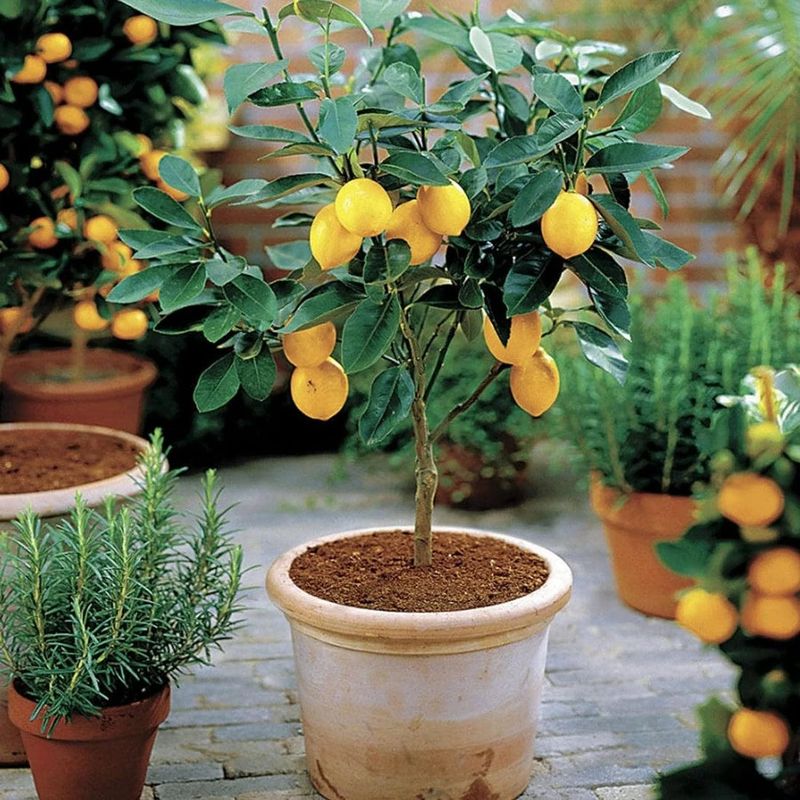
A steady tree is the realistic goal. Some shedding is normal, as UC IPM explains, so a few lost fruitlets are no failure.
Give the tree strong light, and water by checking the mix as Texas A&M advises. Those steps support good growing conditions, but they cannot guarantee every baby lemon stays.
A lemon tree rarely keeps every fruit it starts, and the ones that stay are often the ones it can truly feed.