
If Your Spring Beds Fizzle Before The Heat Hits, Here Are 15 Perennials That Kick Off The Show The Moment Winter Lets Go
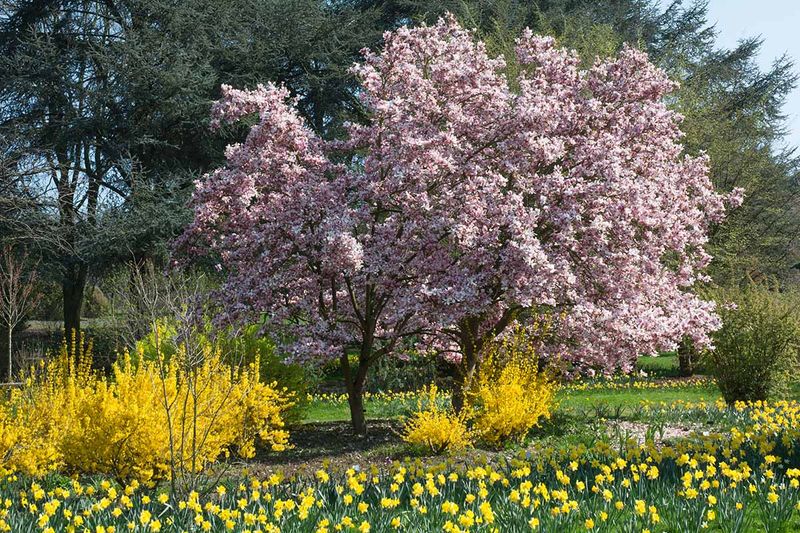
You planted for spring, but by the time the weather warms up your beds look tired and bare. The trick is choosing perennials that bloom the instant winter loosens its grip, so you get color weeks earlier than everyone else.
Below are 15 tough, early-rising plants that fill that awkward gap between snow and summer. Pick a few and your garden will be busy while the neighbors are still waiting.
1. Hellebore (Lenten Rose)
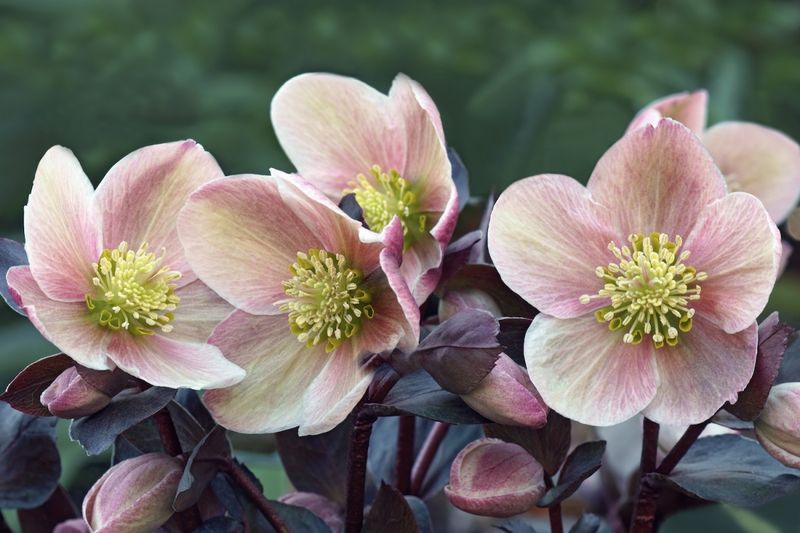
Few plants shrug off a late snowfall like the hellebore. While your other beds are still asleep, these cup-shaped flowers open in shades of white, blush pink, and rosy purple, often as early as February.
They earn their spot on this list by blooming in bright shade, that tricky woodland edge where most flowers sulk. Give them moist, compost-rich soil that drains well, and they will settle in happily across zones 5 to 9.
Care is refreshingly light. Trim away last season’s tattered leaves so the new flowers can shine, and feed lightly in early spring as fresh growth appears.
Heads up: the leaves and roots are poisonous, so slip on gloves if your skin is sensitive. Deer leave them alone, which is a bonus for anyone tired of nibbled beds.
2. Winter Aconite (Eranthis hyemalis)
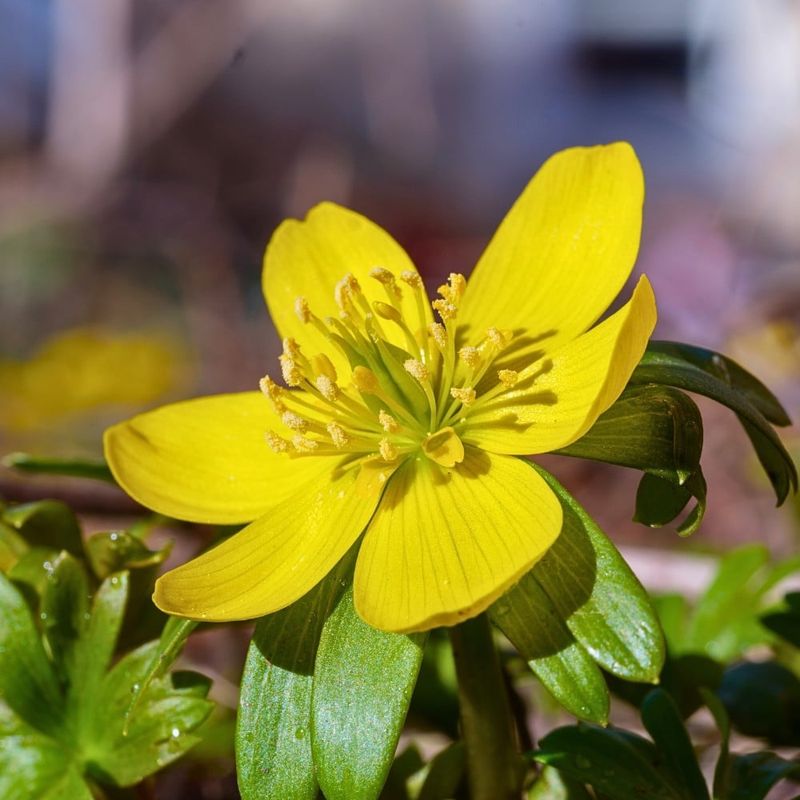
Think of winter aconite as the cheerful little firecracker that goes off before anything else. Its bright yellow, cup-shaped blooms often push through the ground even ahead of crocuses, then quietly go dormant by late spring.
What sets it apart is how it naturalizes into a glowing yellow carpet over time, all from tiny tubers. Plant them in late summer to early fall, about 2 to 3 inches deep and 3 inches apart, in humus-rich, well-drained soil that leans slightly alkaline.
They are happy in sun or partial shade across zones 4 to 7.
Keep the soil moist during their growing season and they will reward you year after year. Deer skip them, which helps.
One warning worth remembering: every part, especially the tuber, is poisonous if eaten, so keep curious kids and pets in mind.
3. Iris Reticulata (Dwarf Iris)
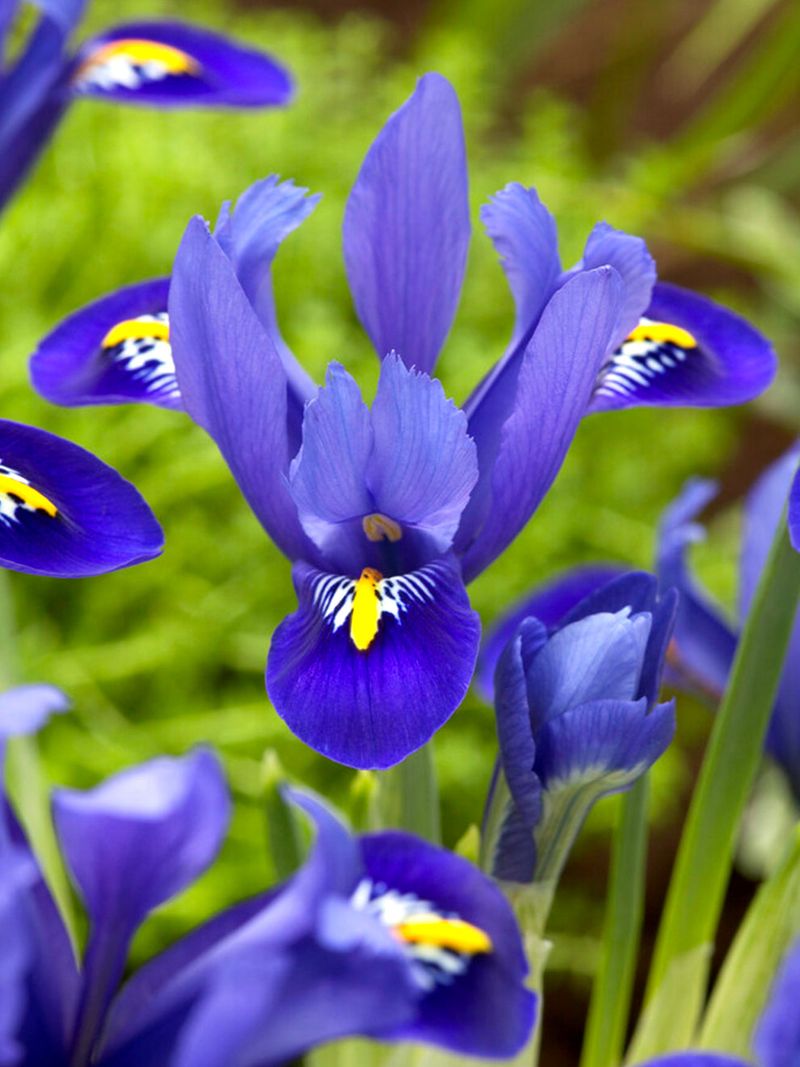
Small but mighty, the dwarf iris packs a jewel-toned punch at just 4 to 6 inches tall. Rich blues and purples with intricate yellow or white markings show up in late winter, right alongside snowdrops and crocuses.
Its low-growing, front-of-border personality is what makes it special. Tuck these bulbs where you can actually see them up close, because the detailed markings deserve a good look.
Plant in fall, 4 inches deep and 4 inches apart, in full sun to part shade with well-drained soil, and they will thrive in zones 5 through 8.
They like moisture in spring but prefer a dry rest through summer and fall. Deer, moles, voles, and rabbits all pass them by, and they naturalize quickly, so a small patch becomes a bigger show every year.
4. Crocus
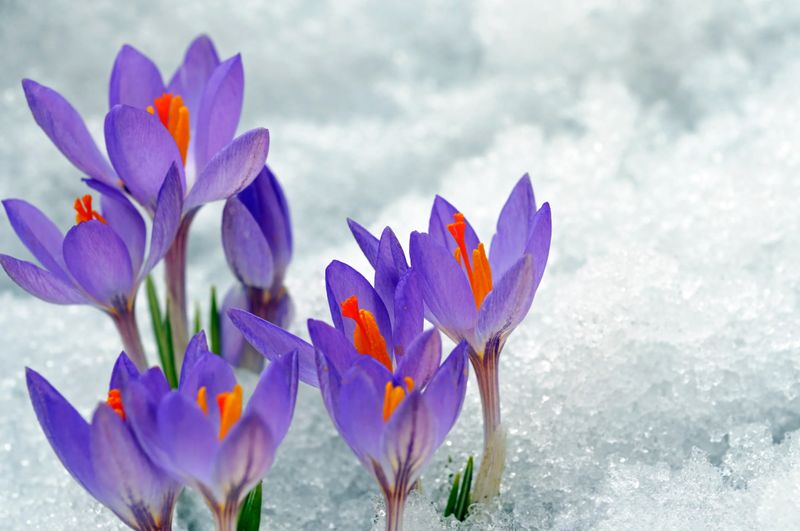
Nothing says the thaw has begun quite like crocuses poking straight through the last of the snow. Their cheerful cup-shaped flowers arrive in yellow, white, purple, lilac, and orange, often when the ground is still cold.
These hardy little corms belong on the list because they are just about foolproof and thrive almost anywhere in zones 3 to 8. Plant them in fall, 2 to 3 inches deep and 3 inches apart, pointy end up, then water well.
Here is the one rule that trips up gardeners: do not cut the foliage after blooming. Let those leaves wither and yellow on their own so the corm can stock up nutrients for next year.
Go easy on fertilizer too, since too much can cause yellowing or rot. Do it right and they will multiply into drifts.
5. Glory-of-the-Snow (Chionodoxa)
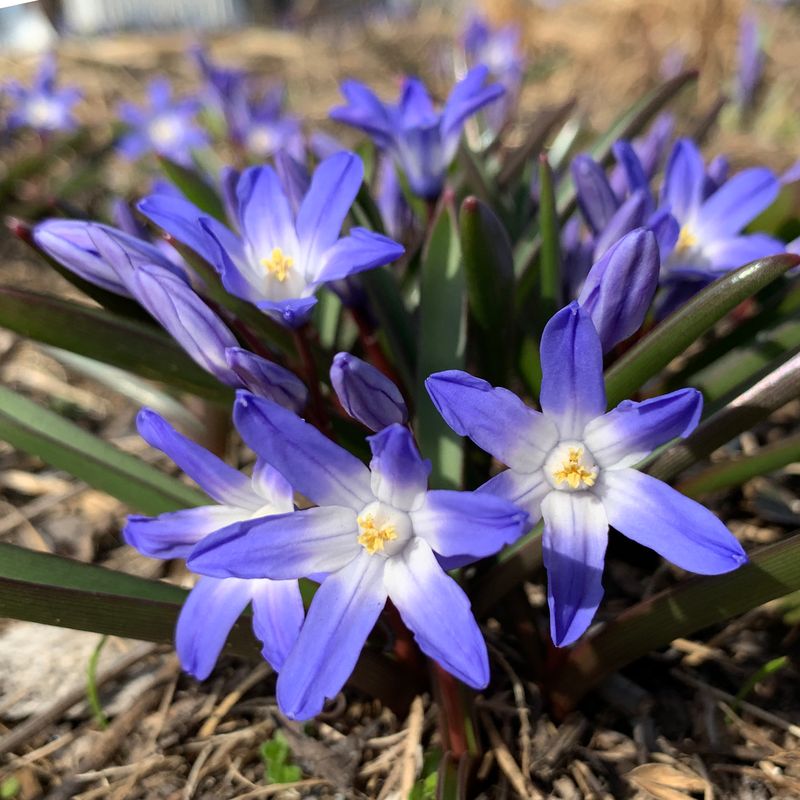
The name gives it away: glory-of-the-snow shows off while frost still lingers. Star-shaped flowers in blue, pink, or white, each with a bright white eye, open in very early spring on stems just 4 to 6 inches tall.
Its knack for spreading is the real draw. Give it a few seasons and it naturalizes freely by seed and bulb offsets, turning a modest planting into a spilling blue tapestry.
Plant bulbs in fall, 3 inches deep and 2 to 3 inches apart, in full sun to part shade with well-drained soil, and it will settle in across zones 3 to 8.
Maintenance is close to zero, and deer generally leave it be. If you want an early groundcover that does the work of filling in on its own, this is a smart, low-effort pick.
6. Pasque Flower (Pulsatilla vulgaris)
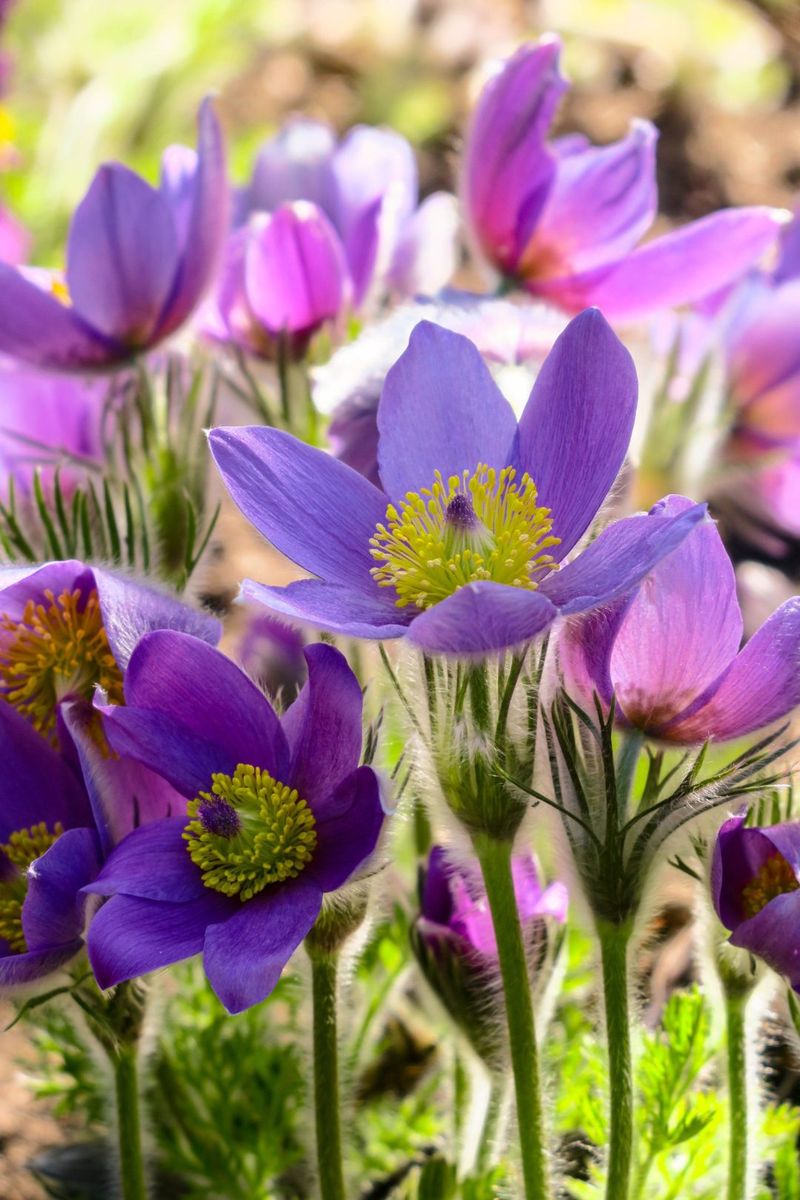
Covered in soft, silvery fuzz, the Pasque flower looks almost like it dressed warmly for its early arrival. It is one of the first herbaceous perennials to open, showing purple, pinkish-purple, or white flowers as winter fades.
The bonus feature that earns its keep: after the blooms fade, feathery seed heads hang around for months, giving you a second act. It stays low and tidy, so it shines in rock gardens or the front of a border, in full sun with well-drained, alkaline soil across zones 4 to 8.
Once established it handles drought well, but it truly dislikes having its roots disturbed, so plant it where it can stay put. Deer and rabbits avoid it, and early bees love the nectar when little else is flowering.
7. Bleeding Heart (Lamprocapnos spectabilis)
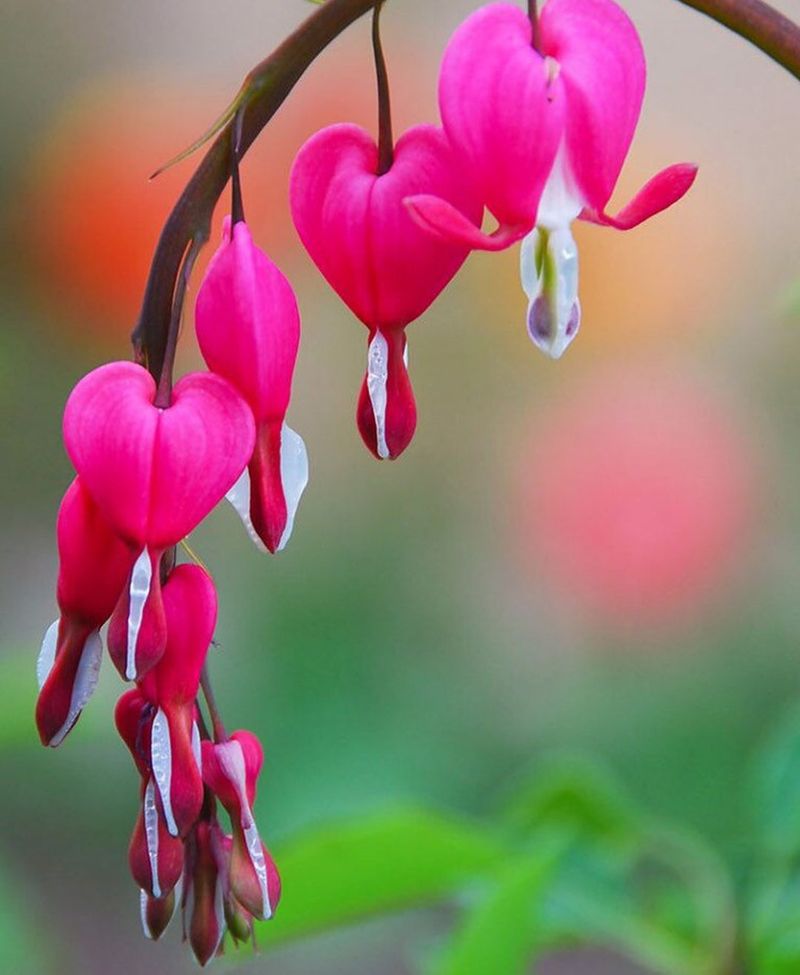
Romantic and unmistakable, bleeding heart dangles rows of pink, white, or red heart-shaped blooms from arching stems. It opens around the same time as tulips or just after, bringing a soft, storybook charm to shady corners.
What makes it different from the tiny bulbs on this list is its size and drama. It fills a shaded bed with lush foliage and those hanging hearts, then gracefully goes dormant in midsummer as the heat climbs.
It is hardy from zones 3 to 9 and loves rich, organic, consistently moist but well-draining soil, much like a forest floor.
Water regularly to keep the ground moist but never soggy. Since it disappears in summer, pair it with hostas or ferns that stay green and cover the gap.
Divide in early spring or late fall while it is dormant if you want more.
8. Grape Hyacinth (Muscari)
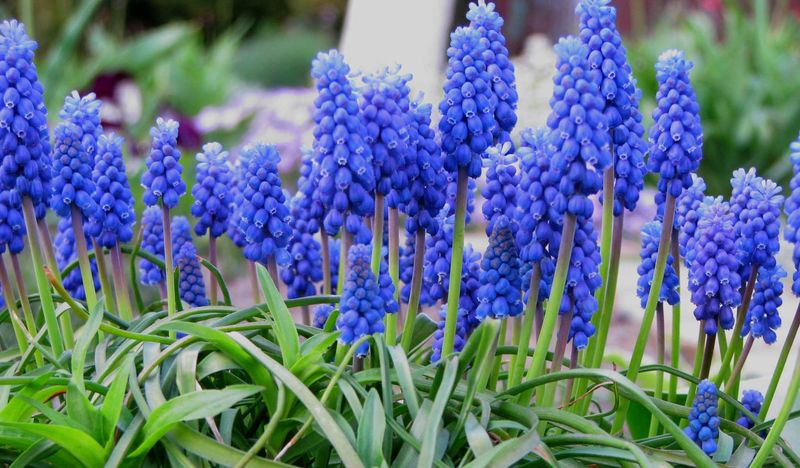
Picture tiny bunches of grapes, only blue and blooming, and you have got Muscari. These fragrant clusters arrive in early to mid-spring in blue, purple, white, or yellow, and they smell as sweet as they look.
Their superpower is multiplying. Left alone, they spread into flowing blue rivers that look stunning weaving between larger bulbs.
Plant them 3 inches deep and 3 inches apart in fall, in full sun to light shade with well-draining soil, and they will thrive across zones 3 to 9.
Water them while they are growing and blooming, then let them dry out through summer and fall. Deadhead spent blooms to keep them from self-seeding everywhere and to help the bulb bank energy.
Deer steer clear, which makes this an easy, dependable choice.
9. Virginia Bluebells (Mertensia virginica)
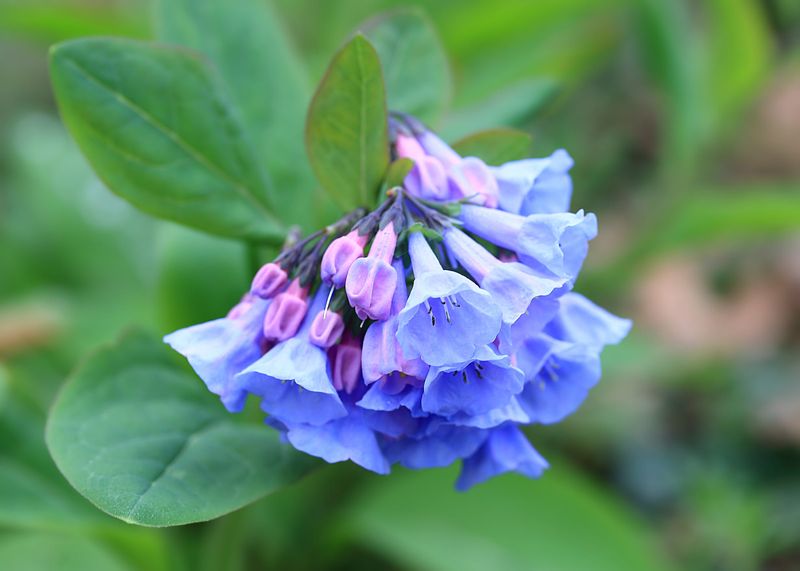
A woodland favorite with a color-changing trick, Virginia bluebells open pink at the bud stage and shift to soft sky-blue as they mature. Drooping clusters of bell-shaped flowers appear in early spring and light up shady spots beautifully.
These are ephemerals, meaning the foliage vanishes by early summer, so they fit perfectly where you want early color that politely bows out later. They prefer partial to full shade and moist, humus-rich, well-draining soil, and they are hardy in zones 3 to 8.
Set bulbs 2 to 3 inches deep and 4 to 6 inches apart in fall or spring. Water during dry spells but avoid overdoing it, since soggy roots can rot.
Bees and butterflies flock to them, so they earn their place as both a beauty and a pollinator magnet.
10. Bloodroot (Sanguinaria canadensis)
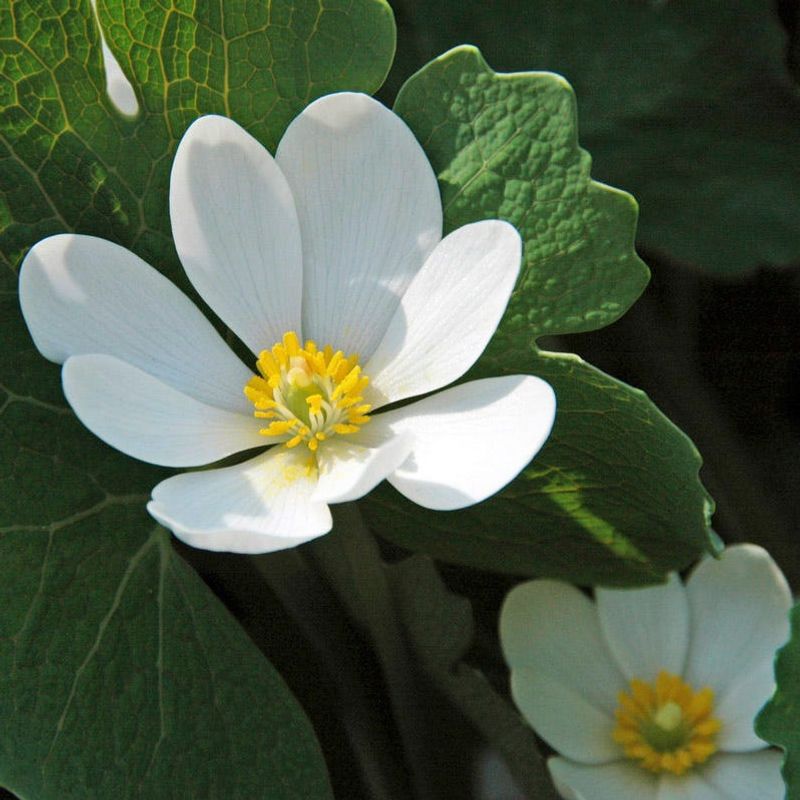
Delicate and fleeting, bloodroot rewards the patient. Its pure white flowers push up in early spring, often before the distinctive lobed leaves fully unfurl, and they last only a few precious days.
That short, showy burst is exactly what makes it a treasured native for woodland gardens. It thrives in partial to full shade with moist, well-drained soil rich in organic matter, across zones 3 to 8.
Plant dormant rhizomes about an inch below the surface in spring or fall.
If it sits in a shady, consistently moist spot, you may barely need to water it, but in partial sun or dry weather give it a weekly drink to keep it from going dormant early. Wear gloves when handling, because the reddish sap can irritate skin.
Watch for slugs and fungal trouble in damp, crowded conditions.
11. Foamflower (Tiarella cordifolia)
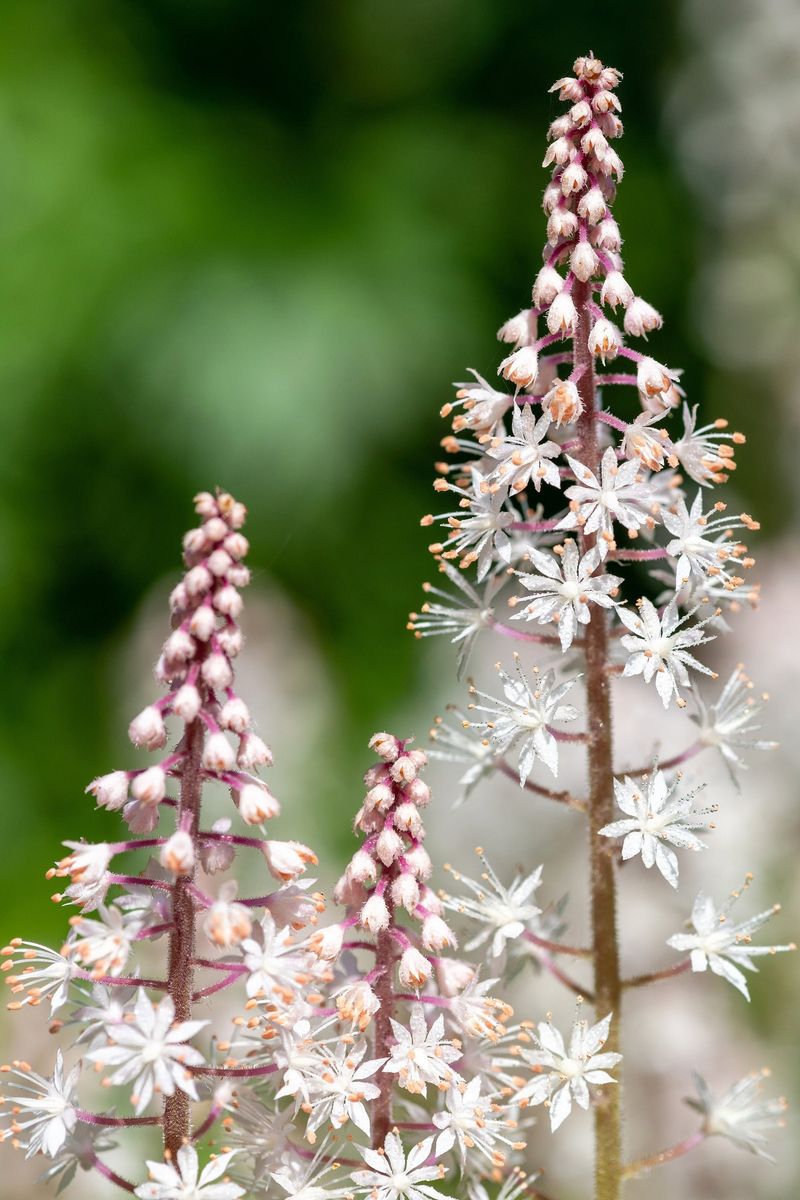
Airy and soft, foamflower sends up frothy spikes of white to pink blooms in early to mid-spring, and unlike many early risers, they linger for a full 4 to 6 weeks. That long run of flowers is a real gift when you want more than a quick flash.
Even better, the foliage often stays evergreen and can blush bronze or burgundy come fall and winter, so it works overtime. It loves part to full shade and moist, well-drained soil rich in organic matter, and it holds up in zones 4 to 9.
Keep the soil consistently moist, since this one is not drought tolerant, but avoid waterlogging that invites root rot. Once it is settled, fertilizer is rarely needed.
Keep an eye out for slugs and snails, which can be its main pests.
12. Candytuft (Iberis sempervirens)
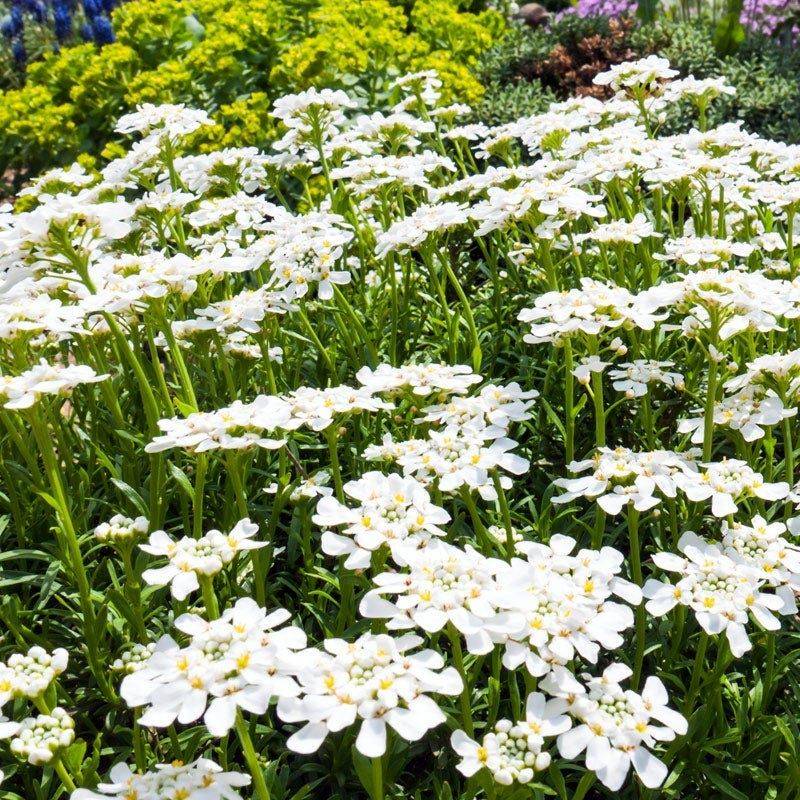
When candytuft blooms, it practically buries itself in flowers. This low, evergreen mounder gets smothered in masses of small, fragrant white, and sometimes lavender-pink, blossoms from early to late spring.
Its evergreen habit is what separates it from the here-today-gone-tomorrow crowd. The foliage stays put year-round, so you get structure even after the flowers finish.
It likes full sun, tolerates light shade, and wants moist to slightly dry, well-drained soil that leans alkaline to neutral, thriving in zones 3 to 9.
For the tidiest look and fresh growth, shear back the top third of the plant right after it blooms. It handles drought once established and is generally considered deer and rabbit resistant, though results can vary.
Draped over a wall or edging a path, it puts on a clean, dependable spring show.
13. Creeping Phlox (Phlox subulata)
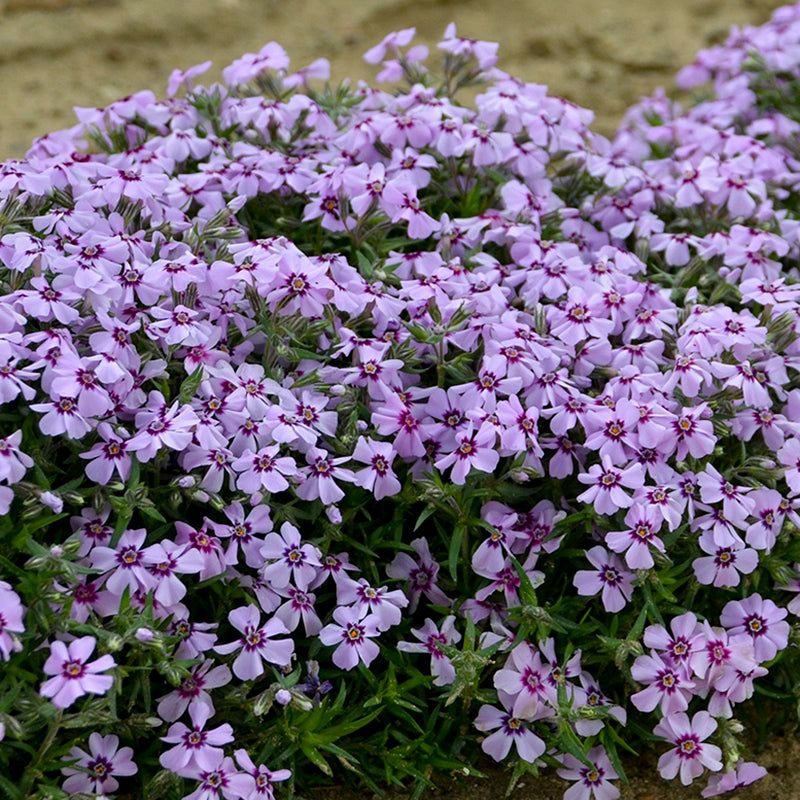
Give creeping phlox a slope and it will paint the whole thing with color. Starry flowers in pink, purple, white, or red blanket the ground in early to mid-spring, putting on a solid 3 to 4 week display.
The reason it makes the cut is its groundcover muscle. This vigorous evergreen spreads fast and knits together beautifully over rock gardens, slopes, and border edges where bare soil looks awkward.
It thrives in full sun and well-drained soil, and it is both cold-hardy and heat-tolerant across zones 3 to 9.
Deer tend to leave it alone, which is a relief. Water well after planting and keep the moisture steady through that first year while it establishes.
After that, it mostly takes care of itself and just keeps getting fuller.
14. Marsh Marigold (Caltha palustris)
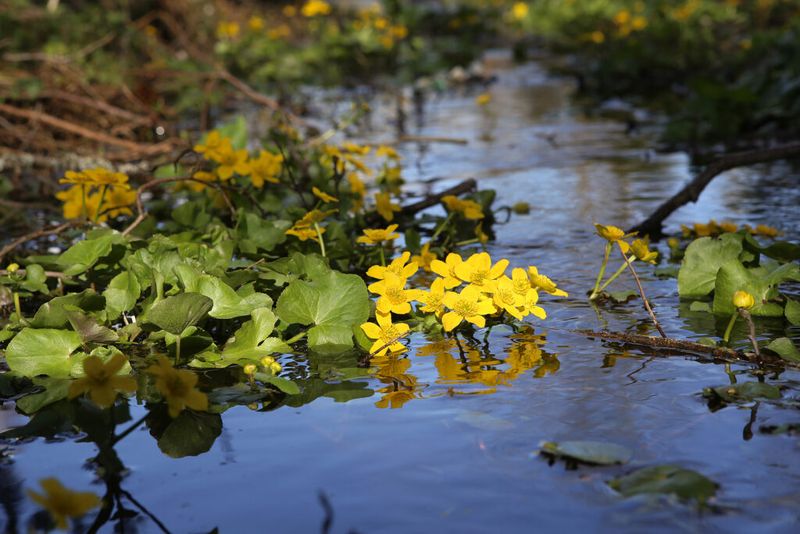
Got a soggy spot where nothing seems happy? Marsh marigold actually craves it.
Bright yellow, buttercup-like flowers glow above glossy green leaves in early spring, sometimes carrying on into July.
Its love of wet feet is precisely what makes it valuable, because it will grow in constantly moist to waterlogged, acidic soil and even in shallow standing water. That makes it a rare fix for pond edges and boggy corners.
It handles full sun to partial shade, though afternoon shade helps prevent wilting in hotter areas, and it is hardy to zone 3.
Maintenance is minimal, with no real need to fertilize or prune. Divide the rhizomes every 3 to 4 years if you want to keep its enthusiastic spreading in check.
Pests and diseases rarely bother it, and animals usually leave it alone.
15. Snowdrop (Galanthus)
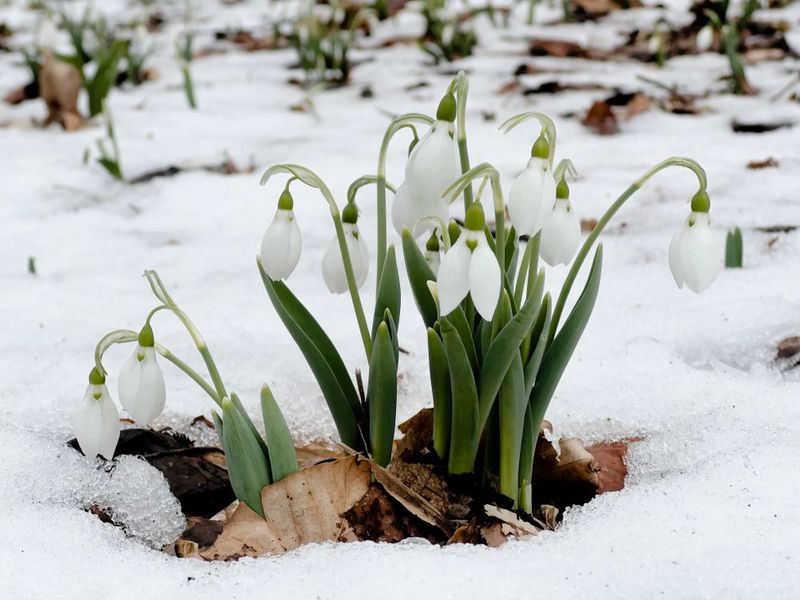
If any flower deserves the title of first responder, it is the snowdrop. Nodding white bells appear in late winter to very early spring, sometimes pushing right up through the snow while everything else waits.
Being that early is its whole claim to fame, and it makes a lovely partner for crocuses and dwarf iris that follow close behind. Snowdrops prefer moist but well-drained, humus-rich soil in partial shade, and they are winter hardy in zones 3 to 8.
Plant bulbs in fall, 3 to 4 inches deep and 2 to 3 inches apart, and they will naturalize readily with almost no fuss. The one thing to remember: let the foliage die back on its own after blooming so nutrients return to the bulb for next year’s show.
Plant a generous cluster and you will have proof that spring is truly on its way.