
The North Carolina Natives That Hold The Ground Under Your Downspouts Better Than Mulch Ever Will
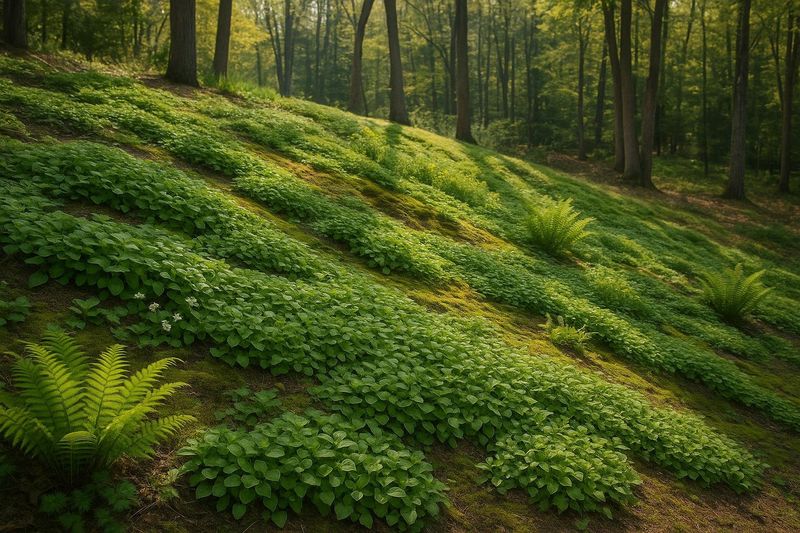
Every time it storms in North Carolina, water shoots off your roof and hammers the same spot under the downspout. Mulch just floats away, leaving a muddy, washed-out mess that you have to fix again and again.
The good news is that certain NC native plants send down deep roots that lock the soil in place while feeding fireflies, box turtles, and pollinators. Here are eight tough natives that solve your erosion problem and turn a bare patch into living habitat.
1. Inkberry (Ilex glabra)
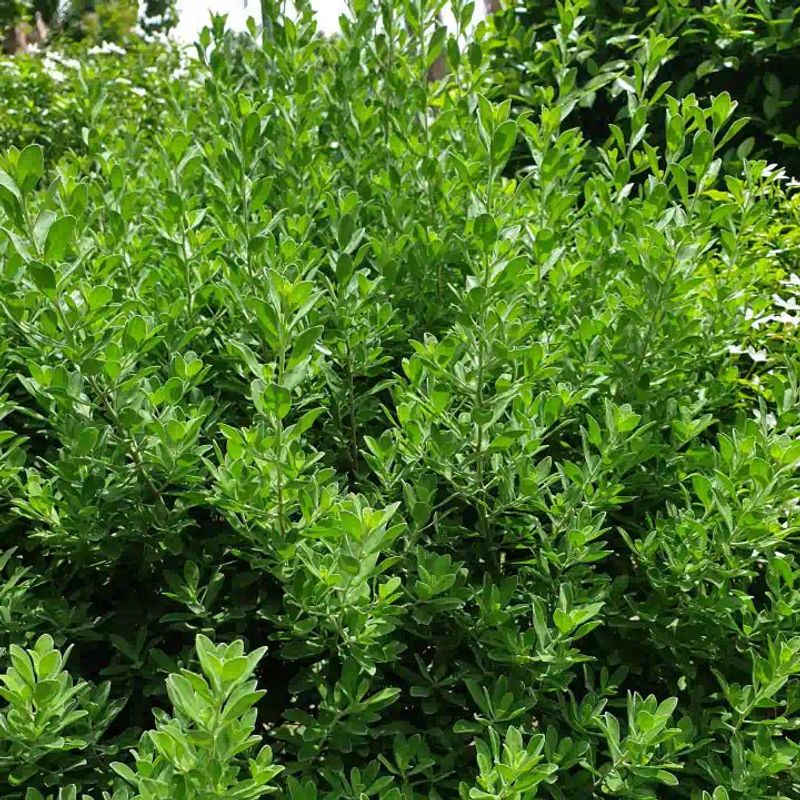
Picture a low, glossy green shrub that stays leafy all winter while everything else goes bare. That is inkberry, an evergreen holly born in the wet pine flatwoods of North Carolina’s Coastal Plain.
Because it spreads by underground rhizomes, inkberry forms a thick colony that grips soil like a net right where downspout water pounds the ground. It shrugs off wet feet and partial shade, two things that kill most fussy plants.
The winter berries feed hungry songbirds when food is scarce, and the dense base gives fireflies a shady, moist place to hide during the day. Swap it in where you might otherwise be tempted to plant invasive burning bush, and you get erosion control plus year-round cover with zero mulch runs.
2. Blue Flag Iris (Iris virginica)
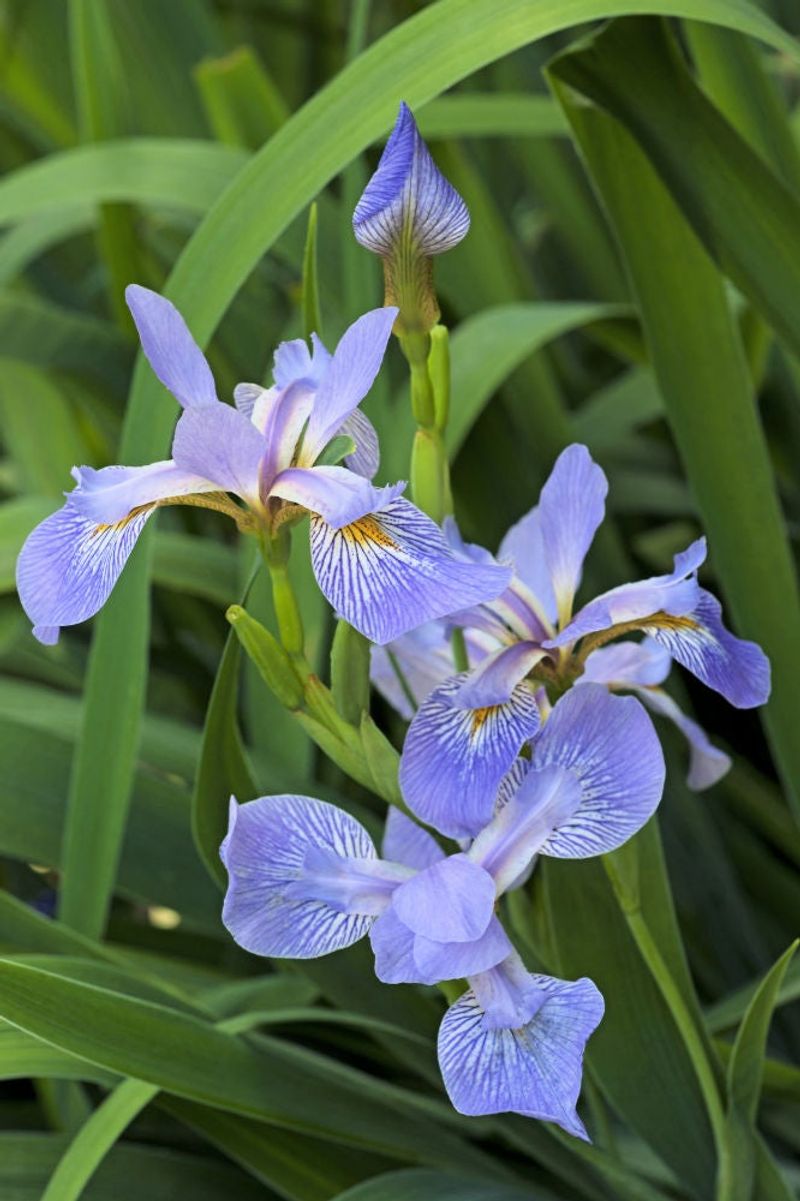
If a downspout keeps a corner of your yard soggy for days, blue flag iris will treat that as a compliment. In the wild it lines pond edges and wet meadows across the state, so a rain-soaked patch feels like home.
The plant knits the ground together with a creeping rhizome, holding wet soil that would otherwise slide during a gully-washer. Its sword-shaped leaves stand tall even after a storm knocks flimsier plants flat.
Come late spring, lavender-blue blooms open up and pull in native bees looking for early nectar. It is one of the most dependable ways to stabilize a wet zone while adding a splash of color you will actually look forward to each May.
3. Golden Ragwort (Packera aurea)
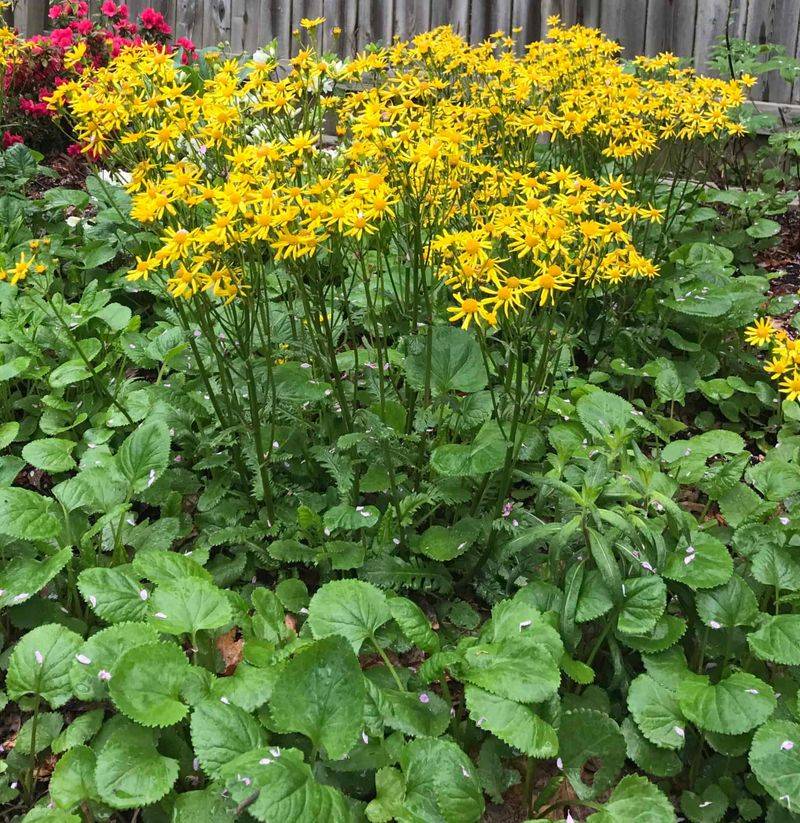
Here is a native that behaves like a living blanket. Golden ragwort spreads into a low, leafy mat that shades the soil, keeps moisture in, and crowds out weeds without any help from you.
It loves the moist, partly shaded ground you often find beside a house, and its roots hold that soil steady when runoff comes through. Once it settles in, it fills gaps on its own, so you stop buying mulch by the bag.
Early spring brings cheerful yellow flowers that offer some of the season’s first nectar to pollinators. Box turtles appreciate the cool, low cover too, using it as safe ground to move and rest under.
Reach for golden ragwort instead of invasive English ivy or vinca and your yard wins twice.
4. Cinnamon Fern (Osmundastrum cinnamomeum)
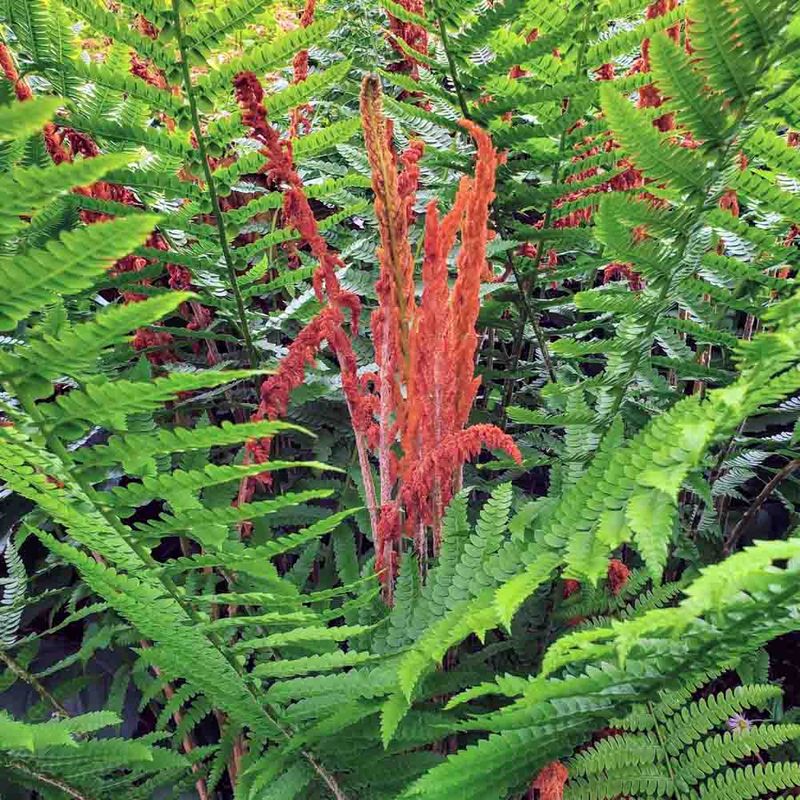
Ferns feel like they belong to some ancient, misty forest, and cinnamon fern brings that vibe to the shady, damp side of your house. Its arching green fronds circle rusty cinnamon-colored spikes that give the plant its name.
Down below, a tough fibrous root system anchors soft, wet soil that would slump without something holding it. Where downspout water keeps things dark and moist, this fern is right at home.
The real charm is the low, leafy shelter it creates. Box turtles slip through the fronds and leaf litter to stay cool and hidden, and the damp shade gives firefly larvae a place to develop.
It is a quiet, textural way to solve erosion while building the exact habitat NC wildlife needs.
5. Inland Sea Oats (Chasmanthium latifolium)
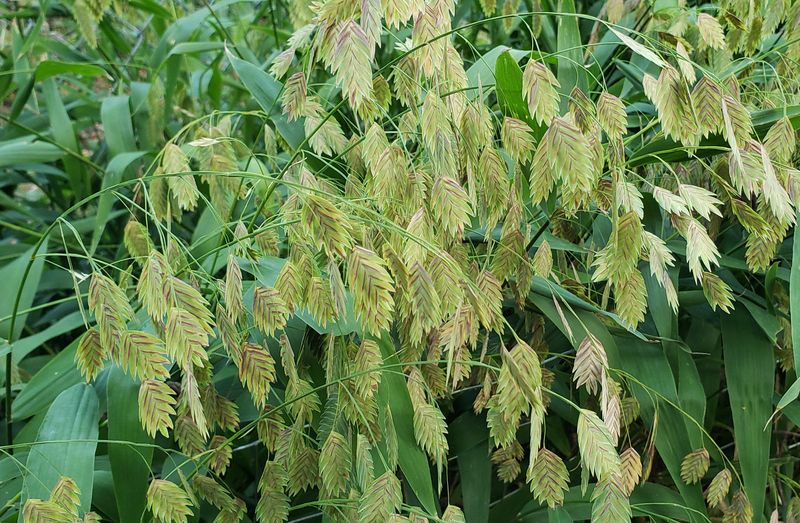
Grasses do quiet, heavy lifting underground, and inland sea oats is a champion at it. Its fibrous roots spread through the soil and lock it down right where fast water tries to carve channels.
Above ground, the flat, drooping seed heads dangle like little green oats that turn bronze in fall and rattle nicely in a breeze. It handles the dappled shade and moisture that so many other ornamental grasses hate.
Fun bit for your evenings: inland sea oats is a known firefly plant, giving both adults and larvae places to perch and hide. Plant a drift of it and you get erosion protection, movement, and a front-row seat to summer light shows.
6. Virginia Sweetspire (Itea virginica)
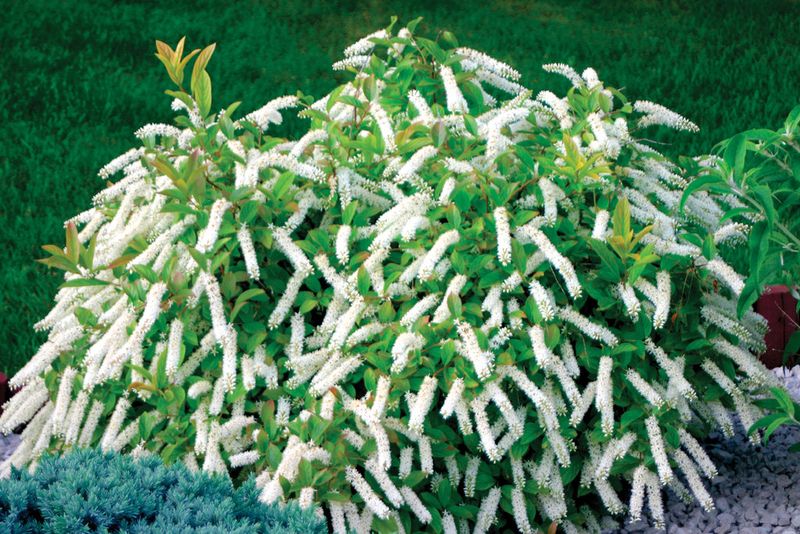
Not many shrubs will happily take both a swampy spring and a dry August, but Virginia sweetspire does exactly that. That flexibility makes it perfect for a downspout spot that floods after storms and then bakes between them.
Left to sprawl, it works as a spreading woody groundcover, its roots and low branches pinning the soil across the whole runoff path. You get real structure instead of a patch of mulch waiting to wash off.
In late spring, arching branches drip with fragrant white bottlebrush flowers that pollinators adore, and fall turns the leaves a rich crimson. Choose it over invasive privet or Japanese barberry and you trade a problem plant for one that stabilizes ground and glows in autumn.
7. Joe Pye Weed (Eutrochium spp.)
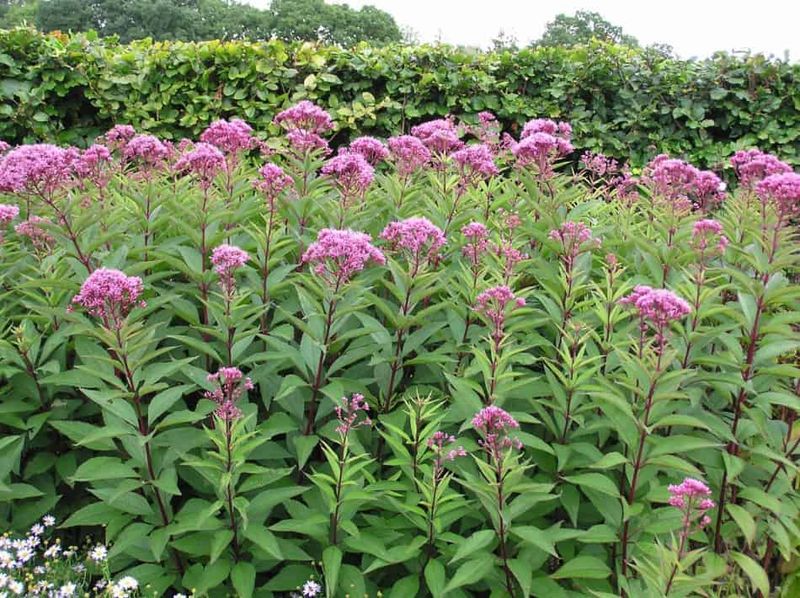
Do not let the word weed fool you, because Joe Pye weed is a showstopper. It rises tall with big mauve-pink flower clusters that hum with butterflies in late summer.
Its deep, sturdy roots make it a great pick for the inner edge of the wet zone under a downspout, where it holds soil while soaking up extra water. Deer generally leave it alone, so it stays looking full and tidy.
After the flowers fade, the seed heads feed songbirds, and the tall stems give fireflies cover to shelter in. Tuck it toward the back of your downspout planting for a plant that manages runoff, feeds wildlife all season, and never asks for a mulch top-up.
8. Mountain Mint (Pycnanthemum spp.)
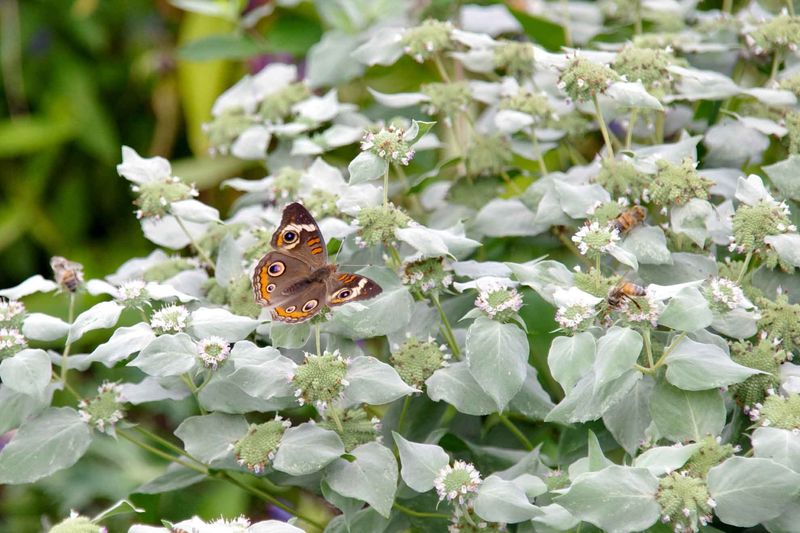
Crush a leaf of mountain mint and you get a sharp, minty scent that pollinators love and deer tend to avoid. That aroma is your secret weapon for a tick-smarter yard, since fewer browsing deer can mean fewer ticks hitching a ride into your space.
The plant forms spreading clumps whose roots help hold soil in sunnier stretches near a downspout. Its silvery bracts and tiny white flowers turn into one of the busiest pollinator magnets you can grow.
Native bees, wasps, butterflies, and beneficial insects swarm it all summer long. Set mountain mint along a sunny border where runoff meets foot traffic, and you stabilize the ground while nudging your yard toward a calmer, more balanced ecosystem.
No plant is a bug shield, but this aromatic native pulls real weight.