
If Your Tomato Leaves Curl And Cup In The Late-Summer Heat, Here Are 14 Fixes For Each Cause
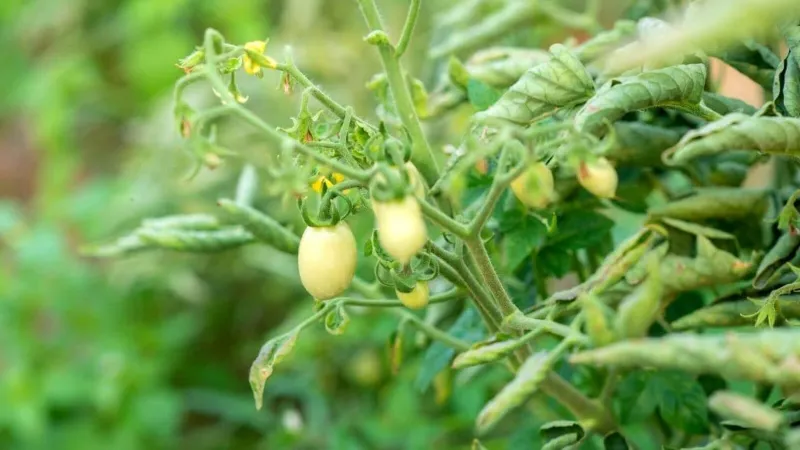
Late-summer afternoons can turn your healthy tomato plant into a curled, cupped mess almost overnight, and it is easy to panic. The good news is that curling leaves usually point to a specific cause, and most causes have a simple fix you can do today.
Below you will find 14 reasons your tomato leaves might be curling, from harmless heat protection to sneaky pests, each paired with a clear rescue. Let us match your plant’s symptom to the right solution so you can stop worrying and start fixing.
1. Extreme Heat and Intense Sun
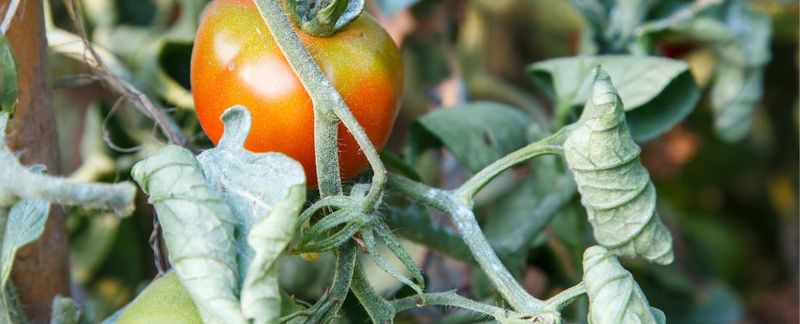
Picture your tomato plant on a scorching 95-degree afternoon, its leaves folding up like they are trying to hide. That cupping is actually a smart survival trick.
When temperatures push past 90 degrees and the sun blazes overhead, tomato leaves curl to shrink the surface exposed to harsh rays. Less exposed leaf means less water lost and less risk of sunburn.
Give your plants a break during the hottest hours by draping a lightweight shade cloth or garden netting over them. A little afternoon shade can lower the leaf temperature enough to relax the curl, and your plant keeps its energy for growing fruit instead of just coping.
2. Underwatering or Drought Stress
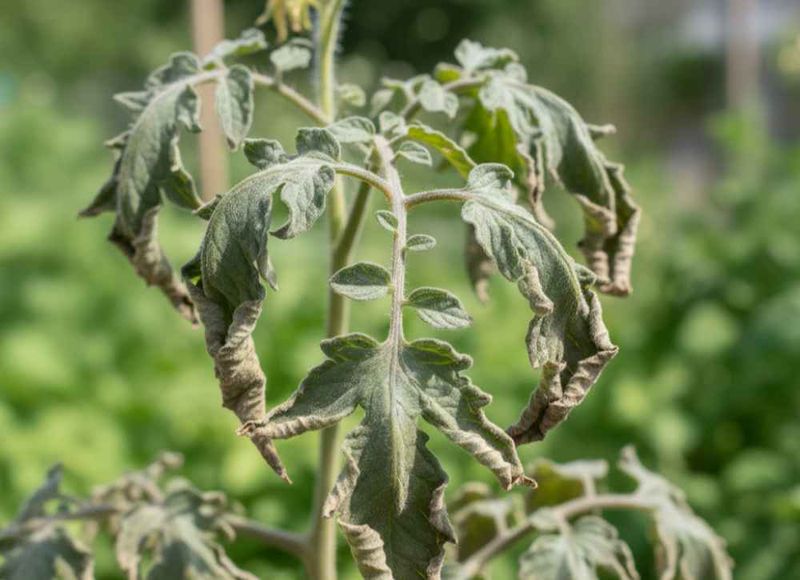
A thirsty tomato plant tells on itself fast. When the soil dries out, leaves roll inward in a desperate effort to hang onto whatever moisture is left.
Container-grown tomatoes are the biggest culprits here because pots dry out much quicker than garden beds, especially in the heat.
The fix is steady, deep watering rather than quick sprinkles. Water early in the morning and aim to soak the soil about six inches down so the roots get a real drink.
Keep the soil consistently moist, checking it with your finger, but do not turn the bed into a swamp. Consistency is what keeps those leaves flat and happy.
3. Overwatering
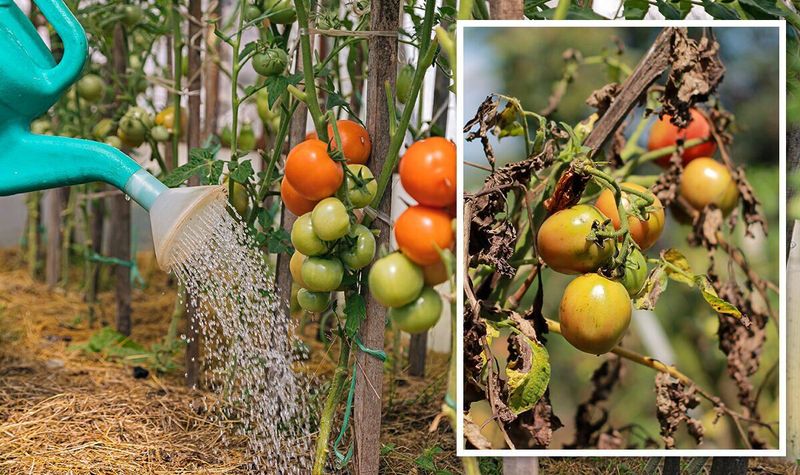
Here is the twist that trips up so many caring gardeners: too much love in the form of water can curl leaves just as easily as too little. Soggy soil suffocates roots and can invite root rot, which blocks the plant from taking up nutrients properly.
When the roots struggle, the leaves show it by curling and looking stressed.
Start by checking your drainage. Beds and pots both need somewhere for extra water to escape, so make sure containers have open holes and heavy clay soil gets loosened with compost.
Let the top inch of soil dry out before you water again. That small pause gives roots the air they need and keeps waterlogging at bay.
4. Physiological Leaf Roll
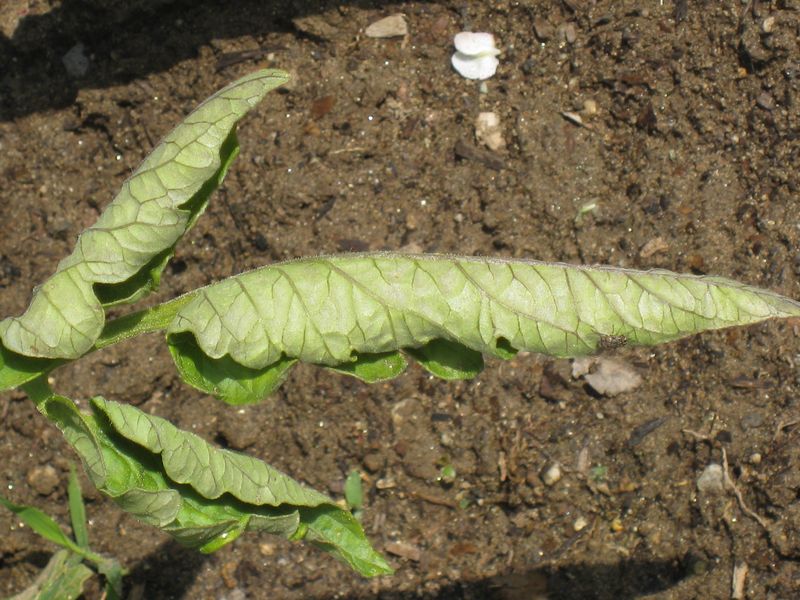
Sometimes your tomato plant is just being dramatic without anything actually being wrong. Physiological leaf roll is a natural, harmless response to stress like heat, wind, or uneven watering.
You will usually spot it on the lower and middle leaves, which roll upward and inward and feel firm and leathery to the touch. The rest of the plant keeps growing and fruiting like a champ.
Staked and heavily pruned indeterminate varieties tend to show this most often. The reassuring part is that no special treatment is needed.
Once the weather settles and your watering stays even, the leaves typically flatten back out on their own. So take a breath, keep your routine steady, and let the plant sort itself out.
5. Wind Damage
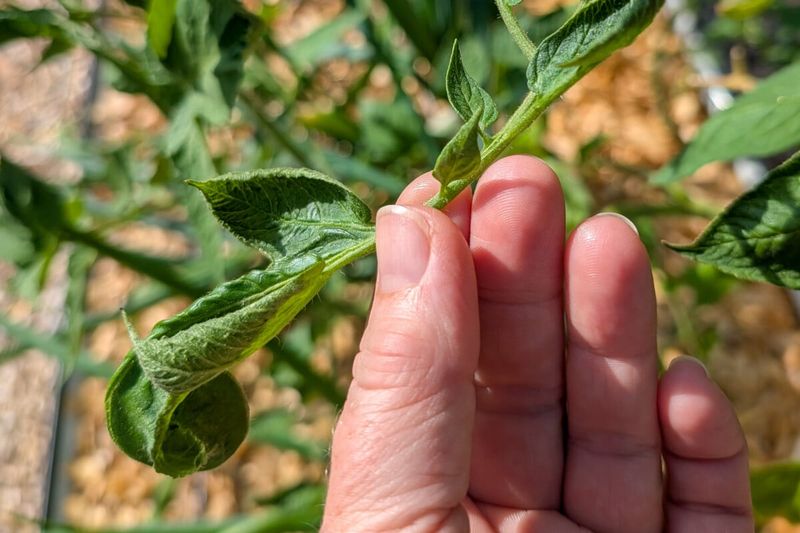
Wind is the invisible thief of moisture. Strong, dry gusts pull water right out of tomato leaves, and the plant responds by curling and twisting to protect itself.
If your tomatoes sit in an open, breezy spot, this may be exactly what is bothering them.
A simple windbreak works wonders. Set up a temporary screen, a row of stakes with fabric, or even willow hurdles on the windward side of your plants.
Blocking that constant drying breeze lets the leaves hold their moisture and relax. Bonus points if the barrier also gives a little afternoon shade during a hot, gusty stretch.
6. Excess Nitrogen
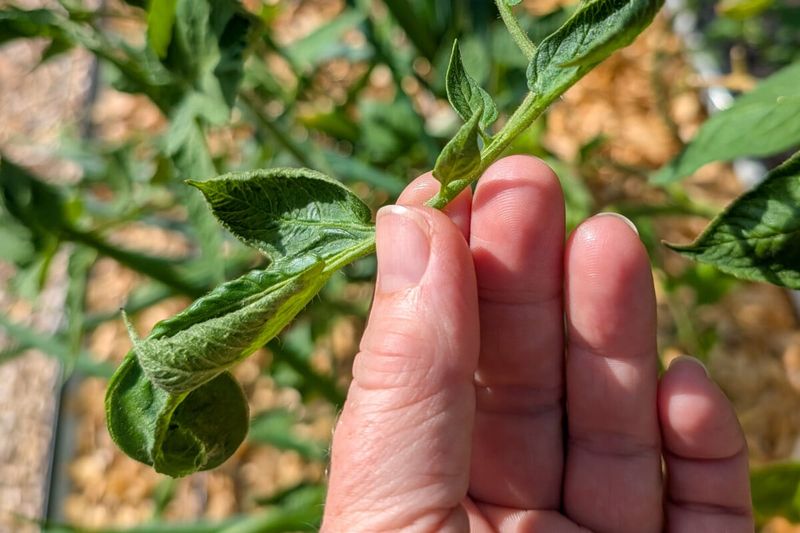
An overfed tomato can look suspiciously gorgeous, all thick green foliage and hardly any fruit. That lush growth is a red flag for too much nitrogen.
When nitrogen runs high, the plant pours its energy into leaves, and the imbalance can twist those leaves into a curl.
Ease off any high-nitrogen fertilizer once your plant hits the fruiting stage. Switch to a balanced fertilizer or simply work some finished compost into the soil to keep nutrients gentle and even.
Your tomato will redirect its effort toward setting fruit, and the frantic leafy growth, along with the curling, should calm down.
7. Potassium Deficiency
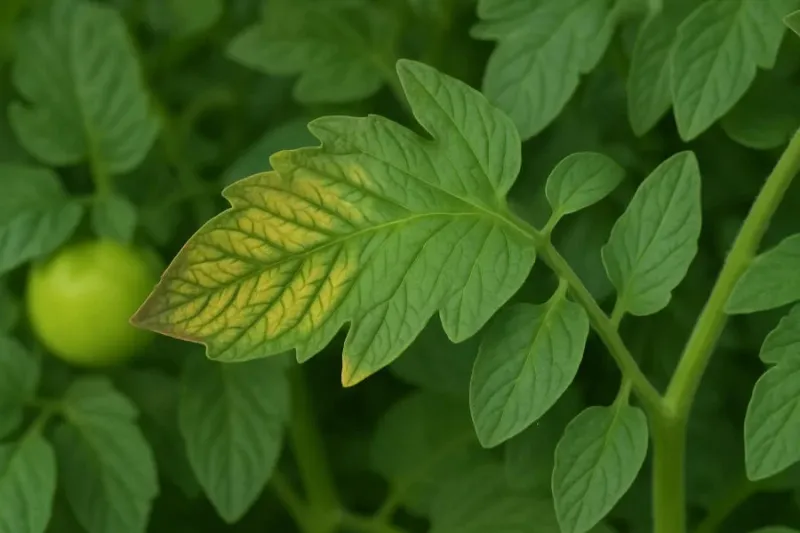
Potassium is the quiet workhorse behind strong stems and plump fruit, and when it runs short, your plant slows down. Growth gets stunted, yields drop, and leaves may yellow and curl at the same time.
Guessing at nutrient problems can waste time and money. Before you add anything, run a simple soil test to confirm potassium is actually low.
If the test points to a shortage, mix in potassium-rich compost or a balanced fertilizer formulated to correct it. Feeding the soil rather than dumping random products keeps everything in balance and gives your tomato the steady supply it needs to firm up those curling leaves.
8. Phosphorus Deficiency
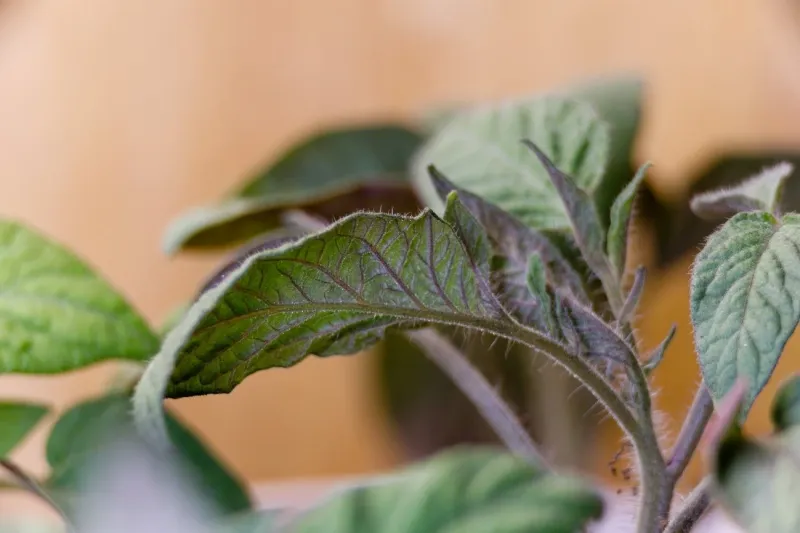
Weak, sluggish growth and disappointing fruit can trace back to low phosphorus, a nutrient the plant leans on for building energy and roots. When it is missing, leaves may curl or yellow while the whole plant seems stuck in slow motion.
Because these symptoms overlap with other deficiencies, a soil test is your best friend for pinning down the real problem.
Once you confirm the shortage, amend the soil with compost or a phosphorus-rich supplement. Working it in near the root zone helps the plant reach it quickly, so growth picks back up and the curling eases as nutrition returns to normal.
9. Calcium or Magnesium Deficiency
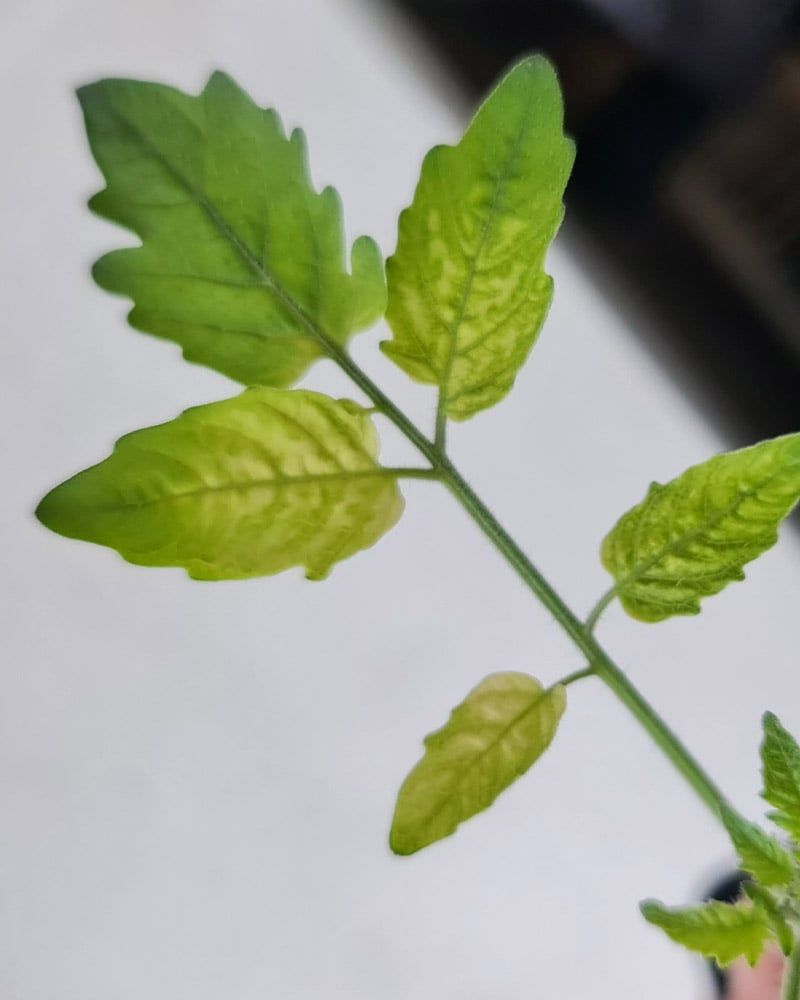
Small but mighty, calcium and magnesium keep tomato leaves and fruit working right. When these micronutrients run low, curling can join the party alongside other odd leaf symptoms.
A soil test again saves you from guessing and possibly overcorrecting.
If the results confirm a lack, dolomitic lime is a handy fix because it adds both calcium and magnesium at once. For a magnesium-only shortage, a dose of Epsom salts mixed as directed can help.
Follow the recommended amounts rather than eyeballing it, since too much can throw the soil out of balance and cause fresh headaches down the row.
10. Aphid Infestation
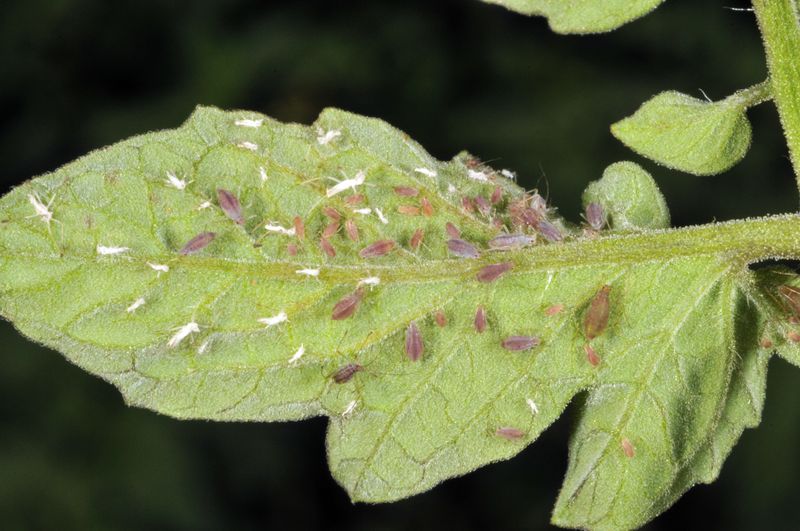
Flip over a curling tomato leaf and you might catch the culprits red-handed: clusters of tiny aphids sipping sap. These little pests drain the juices that keep leaves flat, leaving distortion, curling, and stunted growth in their wake.
Make a habit of checking leaf undersides, since aphids love to hide there.
For a light crowd, a firm blast of water from the hose knocks many of them right off. If they keep coming back, treat the plant with insecticidal soap or neem oil, coating the undersides where they congregate.
Staying on top of them early keeps a minor nuisance from turning into a full-blown invasion.
11. Whitefly Infestation
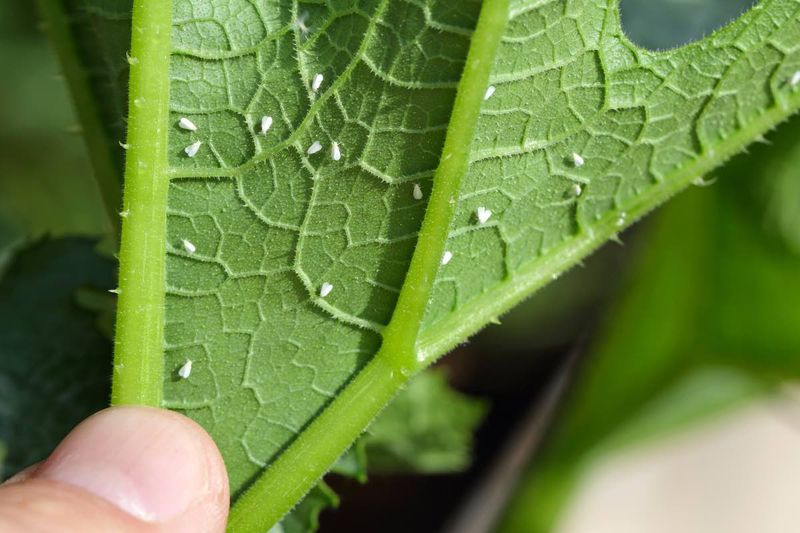
Give a suspicious tomato plant a gentle shake and watch for a puff of tiny white insects taking flight. Whiteflies feed on leaf sap much like aphids, causing curling and, worse, sometimes spreading viral diseases as they move from plant to plant.
Regular monitoring is key, so peek under the leaves whenever you water.
Knock their numbers down with insecticidal soap or neem oil, applied to the undersides where they cluster and lay eggs. Pinch off and dispose of leaves that are badly infested so the problem does not keep spreading.
Catching them while the population is small makes control far easier and protects the rest of your garden.
12. Broad Mite Damage
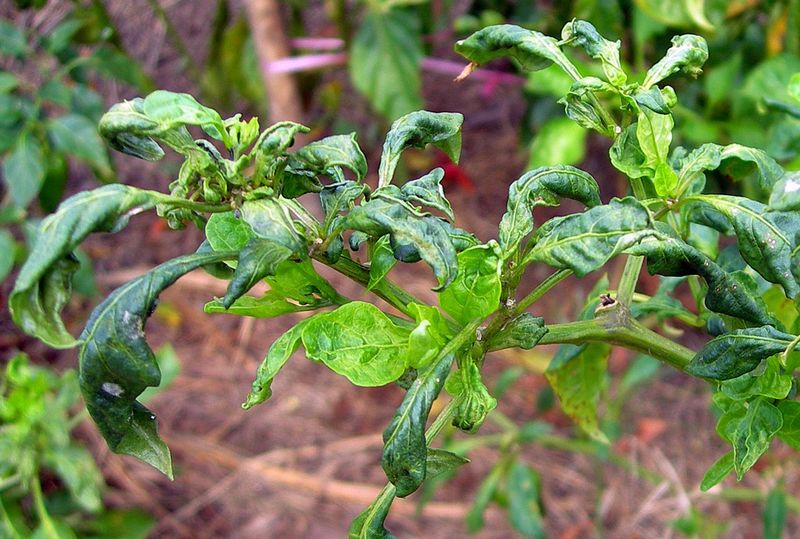
Some troublemakers are too small to spot, and broad mites are exactly that. These microscopic pests inject toxins into fresh young foliage, leaving new leaves twisted, deformed, and tightly curled in ways that look almost chemical.
Because you cannot easily see the mites themselves, watch for the clues instead: a bronzed, shiny look on leaf undersides or tiny white oval eggs.
Broad mites are tricky to identify and treat, so this is a good moment to phone a friend. Contact your local extension office for accurate identification and a treatment plan suited to your area.
Getting the diagnosis right saves you from spraying for the wrong problem and losing precious growing time.
13. Herbicide Drift or Damage
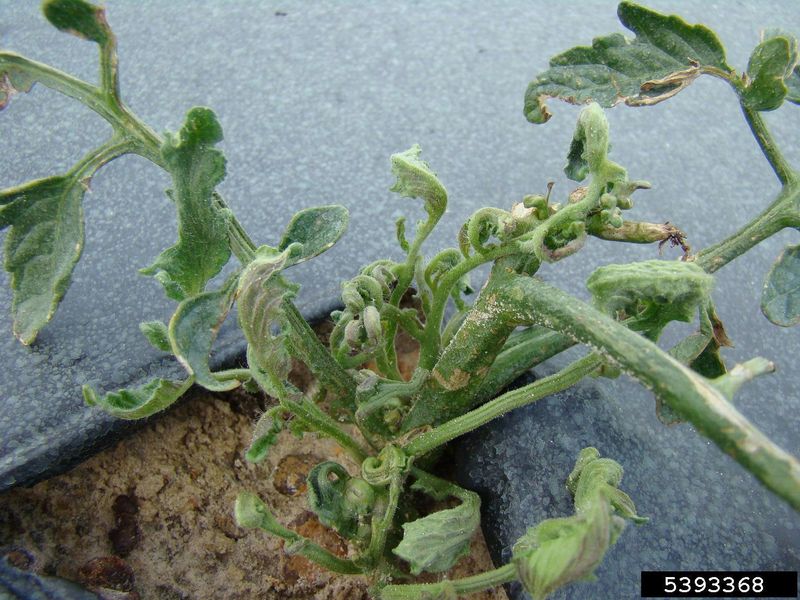
When tomato leaves curl into strange, twisted, almost fern-like shapes, drifting weed killer is often to blame. Even a tiny amount of certain herbicides carried on the breeze from a neighbor’s lawn can distort your plants dramatically.
The damage looks distinctive once you have seen it, with new growth cupping and warping in ways heat never causes.
Keep herbicides far away from your vegetable garden and pay attention to when neighbors might be spraying, especially on breezy days. There is no cure that reverses the damage already done.
Focus on supportive care, keep the plant watered and fed, and shield it from further exposure. Mildly affected plants may recover and push out normal growth once the threat is gone.
14. Heavy Pruning or Root Damage
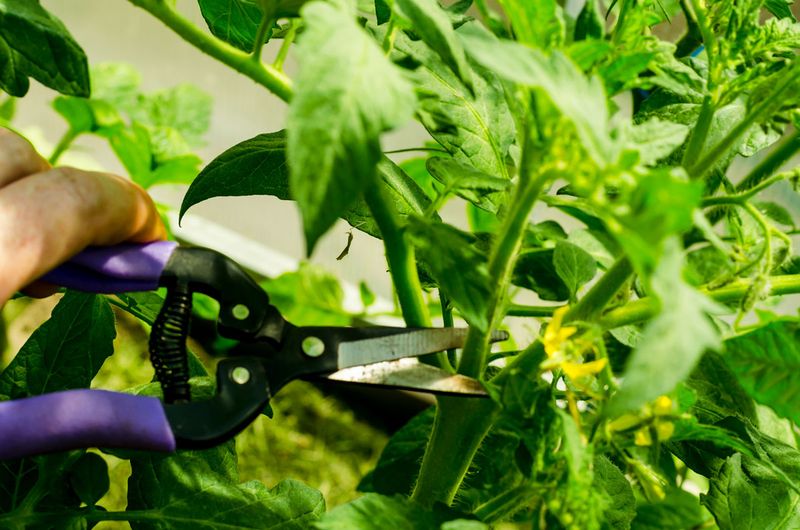
A little enthusiasm with the pruners can backfire. Stripping off too many leaves at once, or nicking the roots while weeding around the base, stresses the plant enough to trigger curling.
The plant is basically catching its breath after a shock.
Prune with a light hand, taking only the suckers you truly want gone plus any diseased or damaged foliage. Leave plenty of healthy leaves to keep photosynthesis humming along.
When you cultivate or pull weeds near the stem, work gently and shallowly to avoid tearing the roots. Treat the root zone with respect and your tomato will bounce back with flat, thriving leaves and steady fruit.