
If Your Tomato Plants Grow Big But Fruit Slow, Here Are 13 Everyday Habits Quietly Holding Them Back
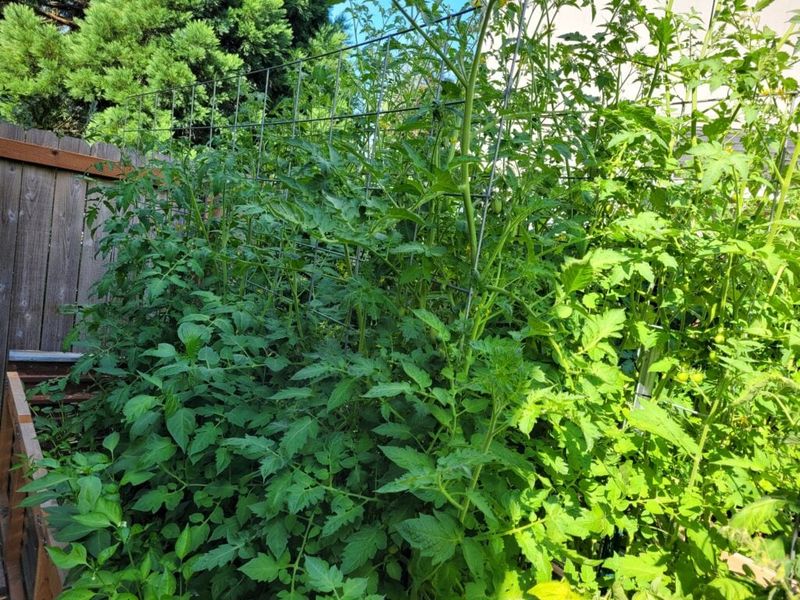
You water, you weed, and your tomato plants shoot up tall and leafy, but somehow the actual tomatoes just won’t show up. It’s frustrating, especially when the plant looks so healthy.
The good news is that slow fruiting usually comes from small everyday habits, not some mysterious disease. Fix a few of these, and you’ll likely have tomatoes crowding your kitchen counter by summer’s end.
1. Over-Fertilizing With Nitrogen
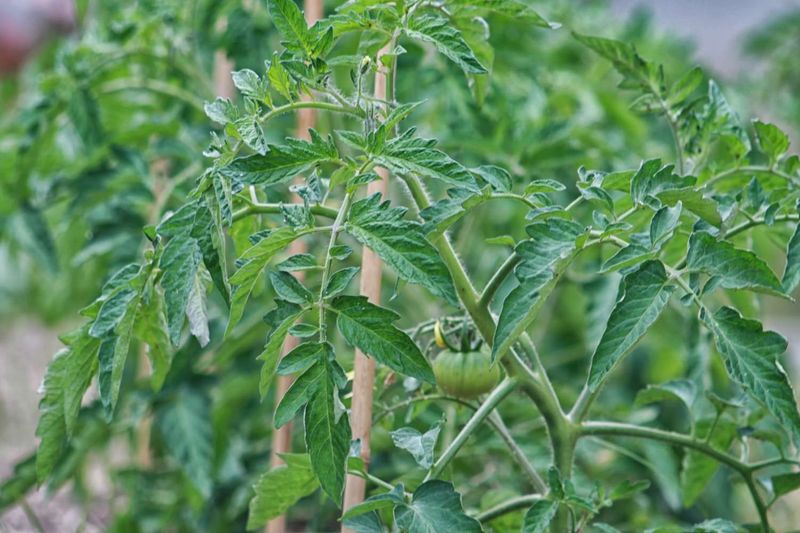
That gorgeous jungle of green leaves might actually be your plant showing off instead of getting to work. When you feed tomatoes too much nitrogen, they pour all their energy into growing foliage rather than flowers and fruit.
Nitrogen tells the plant, “Grow, grow, grow!” So it happily builds leaves and stems while ignoring your dream of a summer harvest. A tall, dark-green, leafy tomato with barely a blossom in sight is the classic sign.
Switch to a fertilizer with more phosphorus and potassium once flowering should begin, and ease off the nitrogen-heavy stuff. Your plant will finally get the message that it’s time to make tomatoes, not just show.
2. Neglecting Pollination
Here’s something a lot of folks never realize: tomato flowers need a little shake to do their job. Tomatoes are self-pollinating, but the pollen still has to physically drop from one part of the flower to another, and that takes movement.
Out in the open, wind and buzzing bees handle this for you. But in still air, a sheltered patio, or a spot with few pollinators, blossoms can bloom and then simply fall off without ever forming fruit.
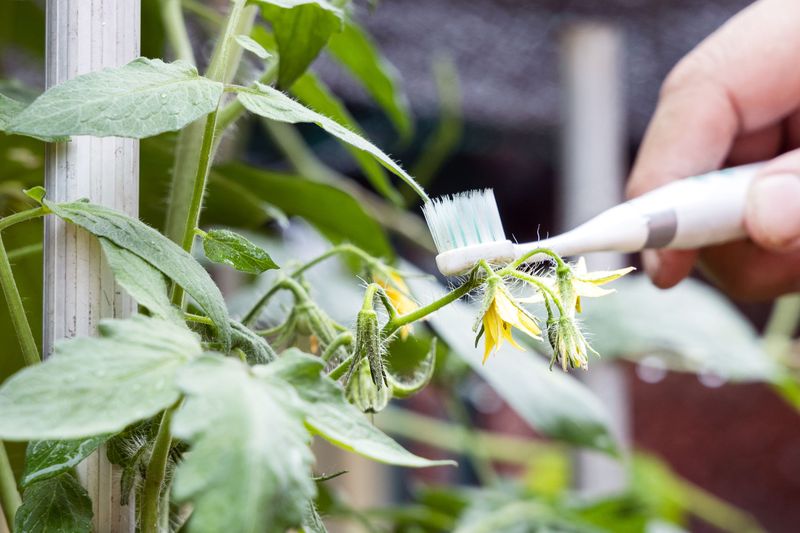
You can play matchmaker by gently flicking or shaking the flower clusters every day or two. Some gardeners even use an electric toothbrush against the stems to mimic a bee’s buzz.
3. Ignoring Temperature Extremes
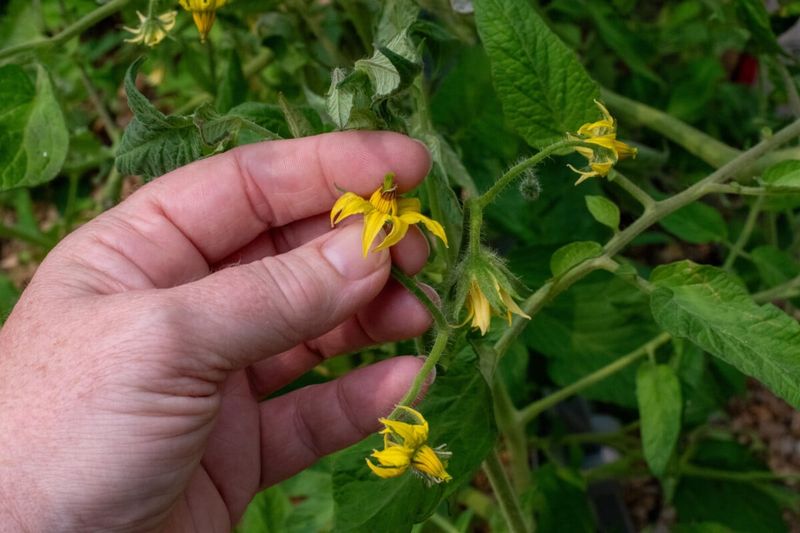
Tomatoes are pickier about temperature than they let on. When daytime heat climbs consistently above 90 degrees Fahrenheit, or nights stay above 75, the pollen can turn sterile and flowers drop before setting fruit.
Cold plays the same trick from the other direction. Temperatures dipping below 50 to 55 degrees can stall pollination just as effectively, which is why early-season plants sometimes sulk.
You can’t control the weather, but you can help. Provide afternoon shade cloth during heat waves, and hold off setting plants out until nights warm up in spring.
When the mercury settles into a comfortable range, fruit set often picks right back up.
4. Providing Insufficient Sunlight
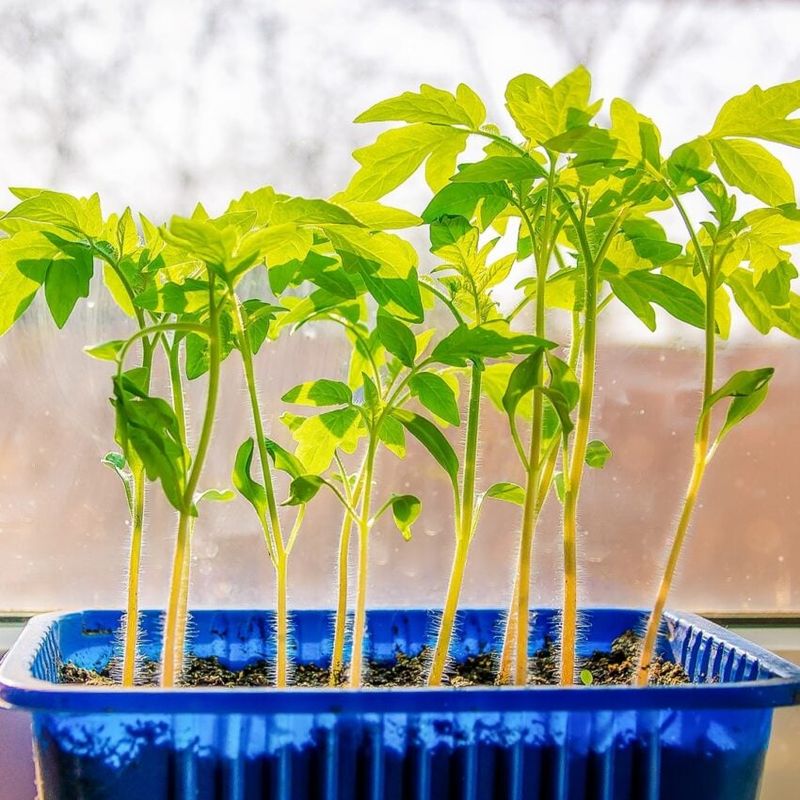
Sun-worshippers to their core, tomatoes want at least 6 to 8 hours of direct light every day. Anything less and they start stretching, growing tall and spindly as they reach for brighter spots.
A shady tomato spends its limited energy just staying alive, leaving little left over for flowers or fruit. You may get plenty of plant but hardly any harvest.
Take a look at where your tomatoes sit throughout the day. If nearby trees, fences, or buildings are stealing their light, move containers to a sunnier spot or rethink your garden layout next season.
5. Inconsistent Watering
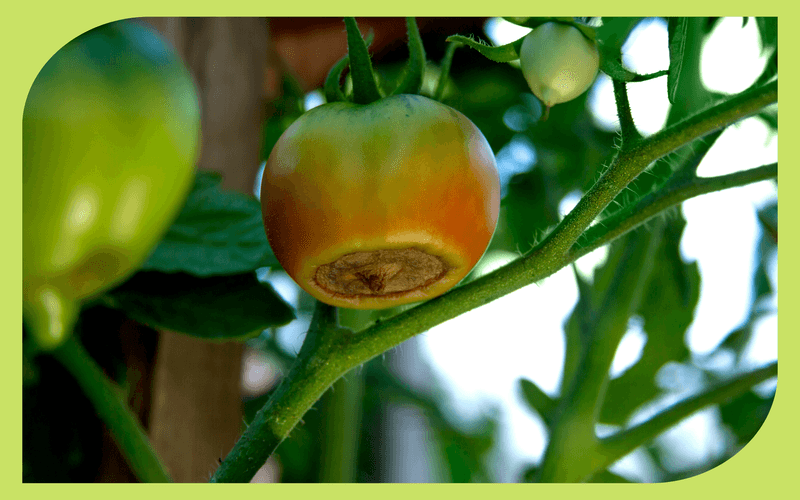
Tomatoes crave routine, and nothing rattles them like a water schedule that swings from drought to flood. When soil goes bone-dry one day and soaking wet the next, plants get stressed and start dropping their blossoms.
That same rollercoaster can trigger blossom-end rot, those ugly dark patches on the bottom of your fruit. It happens because the plant can’t take up calcium steadily when moisture keeps bouncing around.
Aim for deep, even watering a few times a week rather than quick daily splashes. A layer of mulch helps lock in moisture and keeps things steady between waterings.
6. Overwatering
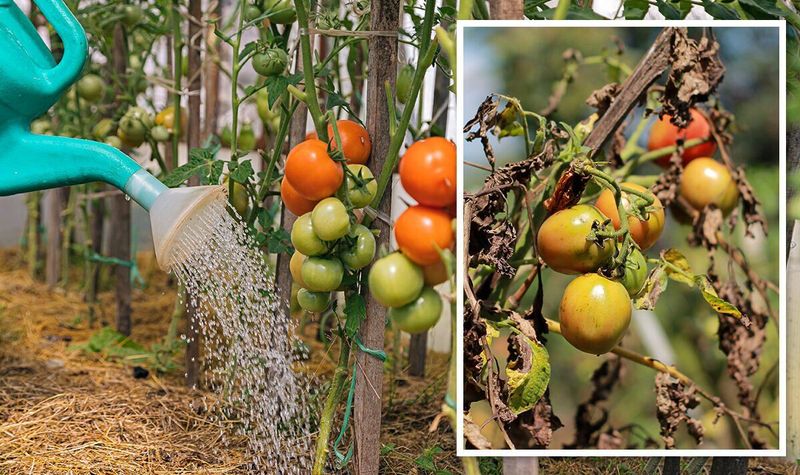
Loving your tomatoes a little too much with the hose can backfire in a big way. Roots need air pockets in the soil to breathe, and constantly soggy ground drowns them out.
Waterlogged roots can’t absorb nutrients properly, and they become an easy target for rot and disease. A plant fighting to survive underground simply won’t spare energy for fruiting up top.
Check the soil before you water by poking a finger a couple inches down. If it still feels damp, give it a rest.
Good drainage and patience keep those roots happy and productive.
7. Underwatering
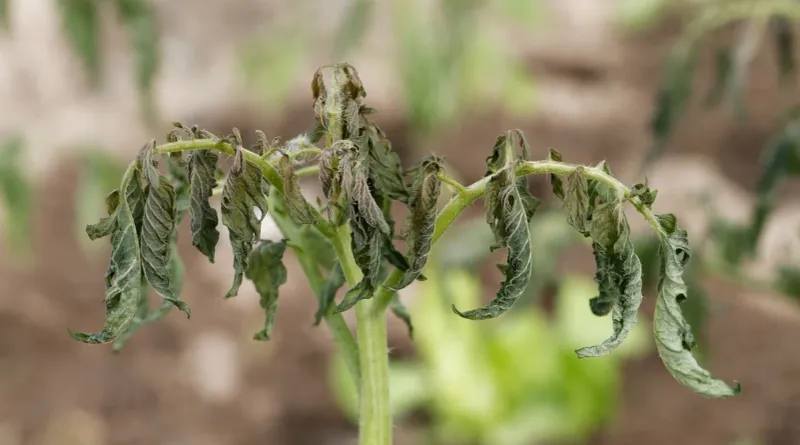
A thirsty tomato tells on itself fast, with leaves that droop and curl by mid-afternoon. If you let plants wilt again and again, that repeated stress adds up.
Chronically dry plants respond by shedding flowers to conserve resources, and they struggle to pull nutrients from the parched soil. The result is a survivor that never gets around to making fruit.
Deep, thorough watering that reaches the root zone beats frequent shallow sprinkles. During heat spells, check daily, especially for container-grown tomatoes that dry out in a hurry.
8. Planting Too Closely
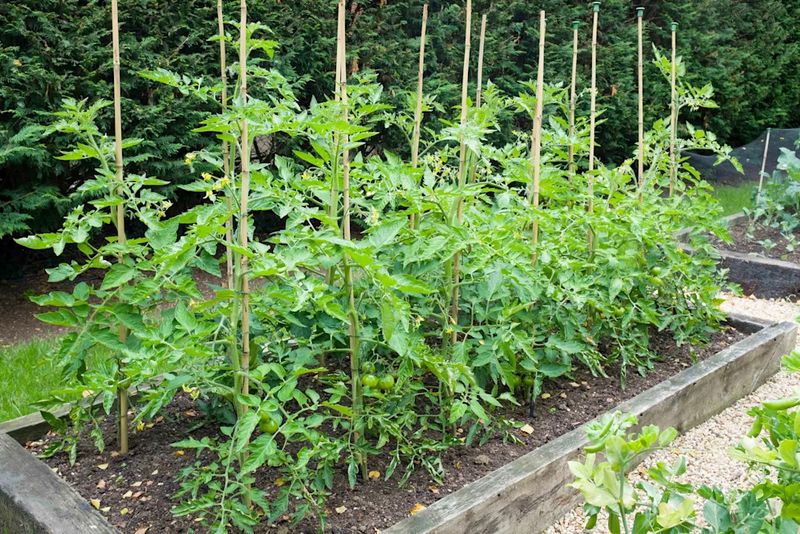
It’s tempting to squeeze in one more plant, but tomatoes hate elbow-to-elbow living. When they’re packed too tightly, air can’t move freely between them.
Stagnant, humid air around crowded plants makes pollination harder and rolls out the welcome mat for fungal diseases. Blossoms may drop, and problems spread quickly from one plant to the next.
Give each plant room to breathe, usually 2 to 3 feet apart depending on the variety. That extra space improves airflow, helps pollen move, and keeps your whole patch healthier and more productive.
9. Over-Pruning Or Incorrect Pruning
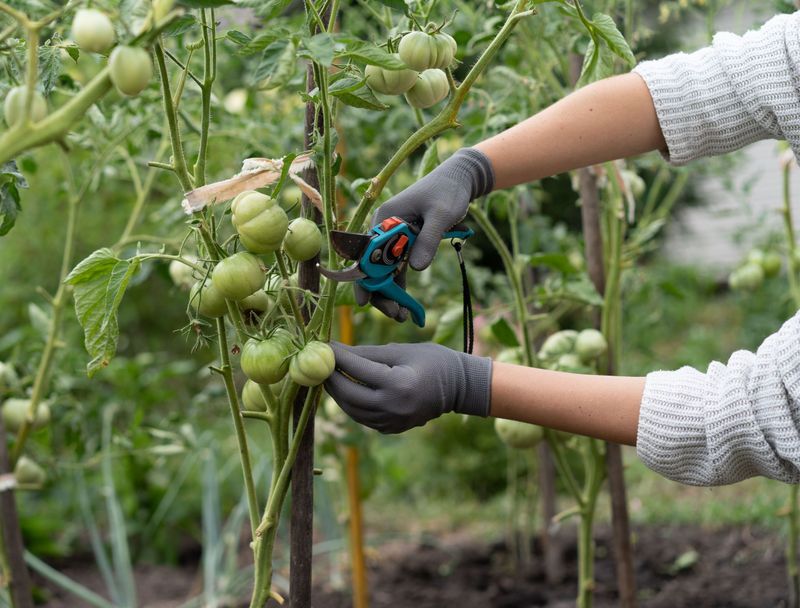
Snipping away can feel productive, but scalping your tomato plant does more harm than good. Leaves are the solar panels that convert sunlight into the energy needed to grow fruit.
Strip too many of them and the plant simply can’t power its harvest. This mistake hits determinate varieties especially hard, since they grow to a fixed size and set fruit all at once.
Learn which type you’re growing before you start cutting. For determinate tomatoes, go easy, and for indeterminate ones, remove only suckers and lower leaves as needed rather than going on a trimming spree.
10. Pruning Wet Plants
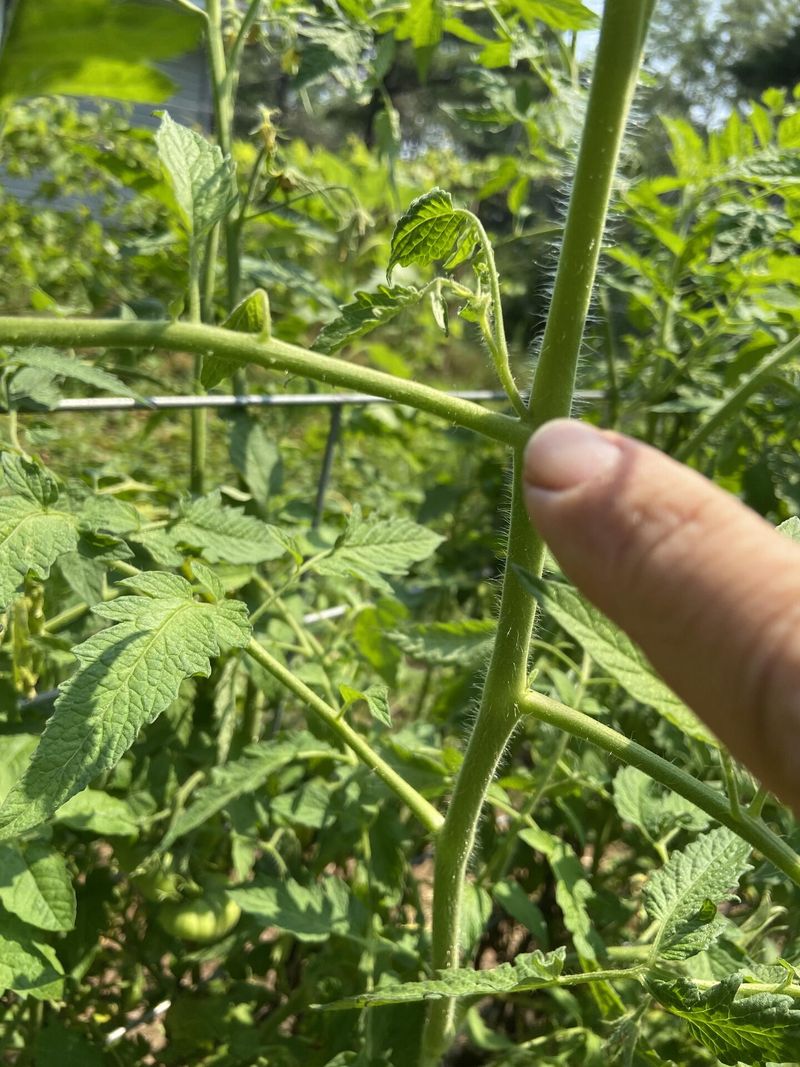
Grabbing the shears right after rain or morning dew sets up a hidden problem. Wet tomato foliage is a highway for diseases, fungus, and bacteria.
Every fresh cut becomes an open door, and moisture helps pathogens slip inside and spread from plant to plant. What starts as a quick tidy-up can leave you with a garden full of sick tomatoes.
Wait until the leaves are completely dry, usually late morning on a sunny day. Clean, dry cuts heal faster and keep trouble from creeping in.
11. Choosing The Wrong Variety For Your Climate
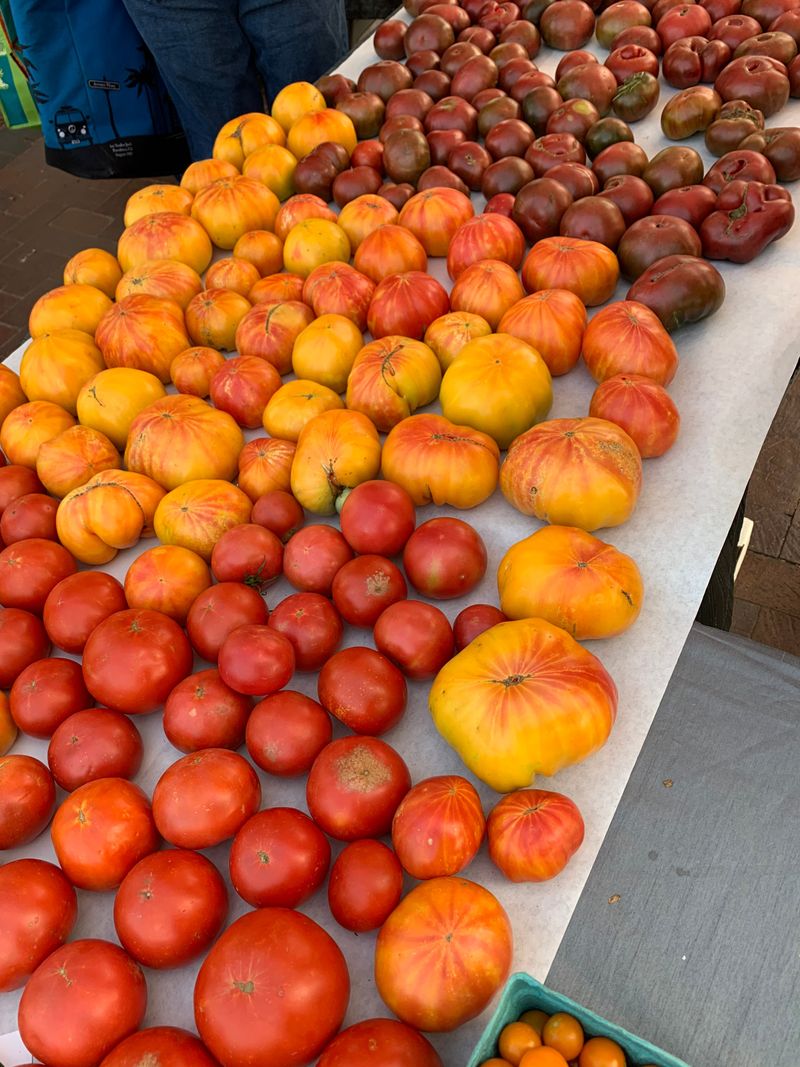
Sometimes the plant isn’t failing you, it just landed in the wrong neighborhood. Different tomato varieties are bred for different conditions, and picking one that mismatches your climate is a quiet setback.
A tomato built for cool coastal weather may sulk in scorching heat, while a heat-lover can stall where summers stay mild. The plant might grow big and green yet flower poorly and set little fruit.
Look for heat-tolerant or cool-tolerant types suited to your region, and ask local growers what thrives near you. Matching variety to climate can be the single easiest fix on this whole list.
12. Ignoring Signs Of Nutrient Deficiencies
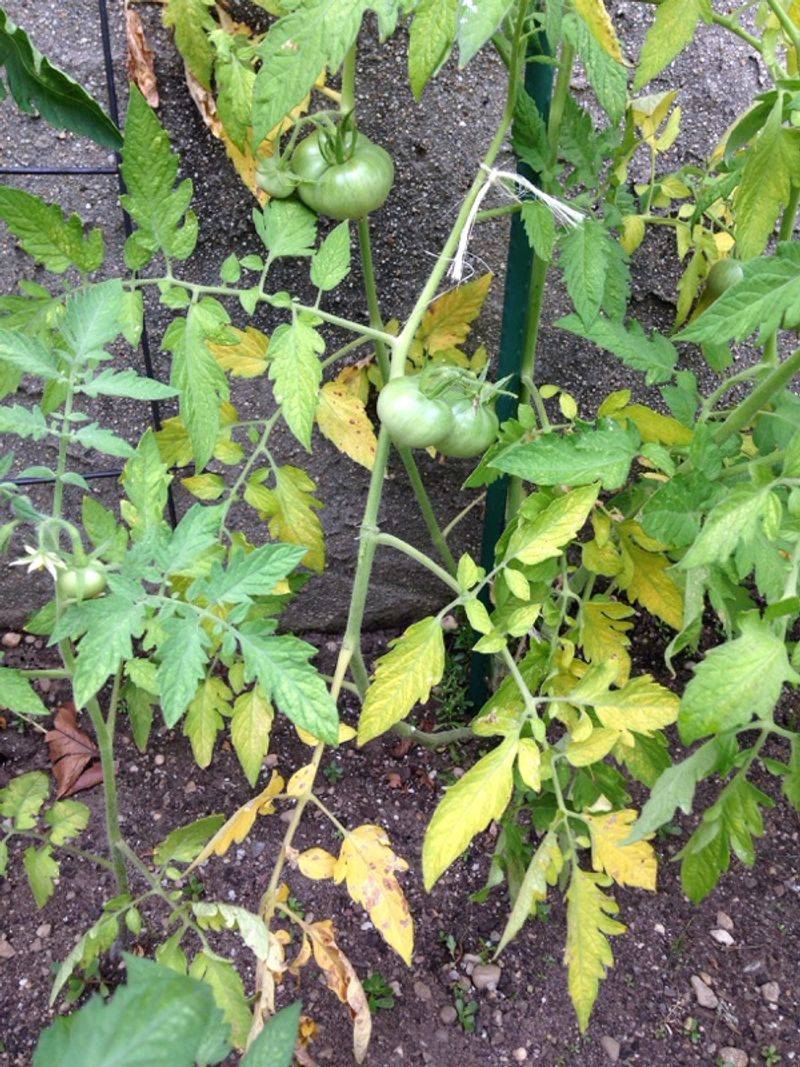
Good soil is only half the story, because your plant has to actually absorb what’s in it. Calcium is a perfect example: even soil that’s rich in it can lead to blossom-end rot if watering is uneven.
When moisture keeps swinging, the plant simply can’t move calcium up to developing fruit. Yellowing leaves, purple tints, or spotted tomatoes are your plant waving a flag for help.
Watch for these visual clues and respond to them rather than guessing. Steady watering, a soil test, and a balanced feeding routine keep nutrients flowing where they belong.
13. Not Managing High Humidity
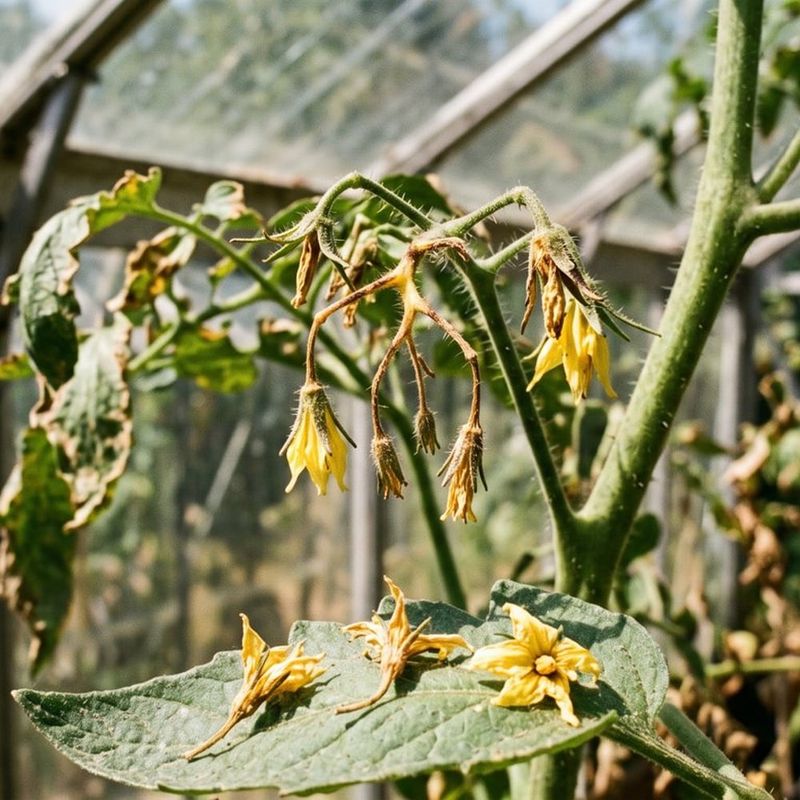
Sticky air can gum up the works in ways you’d never expect. In sheltered spots like greenhouses or tightly enclosed patios, high humidity makes tomato pollen clump and stick.
When pollen turns gluey, it can’t travel from the flower’s anther to the stigma where fruit begins. So blossoms open, then drop away without ever setting a single tomato.
Improve airflow with fans or vents, and open things up on muggy days to let moisture escape. Drier, moving air lets pollen do its job and gives your flowers a real shot at becoming fruit.