
The One Thing North Carolina Collard Greens Need Planted By Late Summer To Improve Your Long Fall Harvest
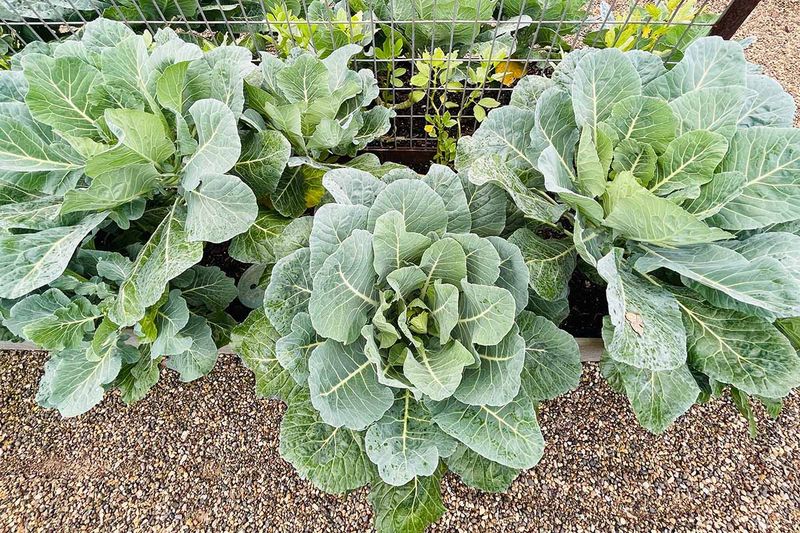
Collard greens are one of North Carolina’s most reliable fall vegetables, but they reward gardeners who plan ahead. The timing of when you put plants or seeds in the ground directly affects how large your plants grow and how long you can keep harvesting before cold weather slows things down.
Plant early enough in your region’s late-summer window and you set yourself up for months of harvesting. Wait too long and you may still get something, but the odds of a full, extended harvest drop with every week that passes.
Late-summer establishment matters more than a single deadline
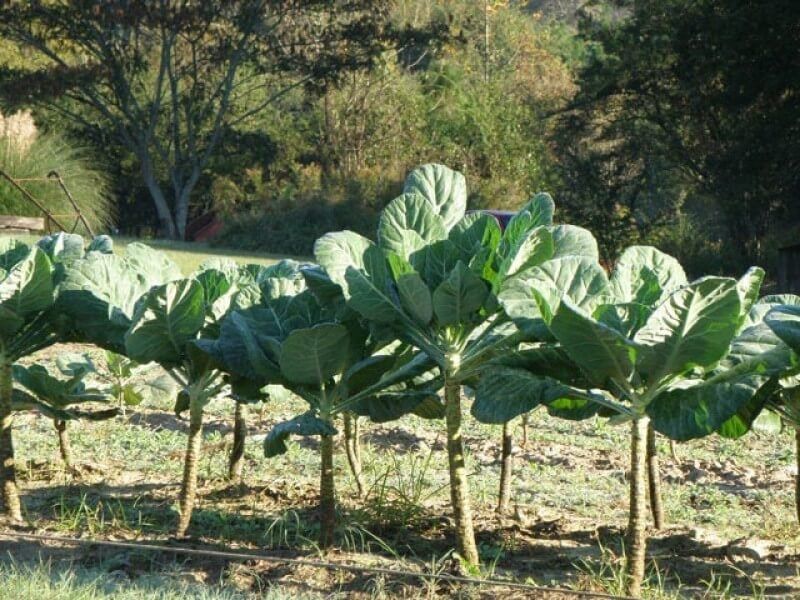
Collards are a cool-season crop, meaning they grow and taste best as temperatures drop in fall. The catch is that they still need a stretch of warm weather to get established before those cooler days arrive.
Seeds have to germinate, roots have to spread, and leaves have to develop while the soil is warm enough to support steady growth. Once shorter days and cooler temperatures set in, that growth rate slows considerably, so plants that went in the ground earlier simply have more to show for themselves when harvest time comes.
According to NC State Extension’s collard greens guide, collards grow best in cool weather and mature plants can tolerate frost and light to medium freezes, but that frost tolerance only pays off if the plant has had enough warm-season time to develop first. A tiny seedling that hits its first hard frost before it has grown enough leaves to harvest is not a productive plant, regardless of how cold-hardy the variety is.
The useful question, then, is not whether you missed some single statewide deadline. It is whether your plants will have enough time to reach the size you want before growth slows to a crawl.
That answer depends on what you are hoping to harvest. Young leaves from a smaller plant can be ready in as few as 60 days, while full-sized plants for larger, repeated harvests may take closer to 80 to 100 days depending on the cultivar and conditions.
NC State’s vegetable gardening handbook recommends counting backward from your local frost date using the crop’s days to maturity as one planning reference. Start with the harvest you want, then work backward to find your planting date.
Choose the window for your North Carolina region
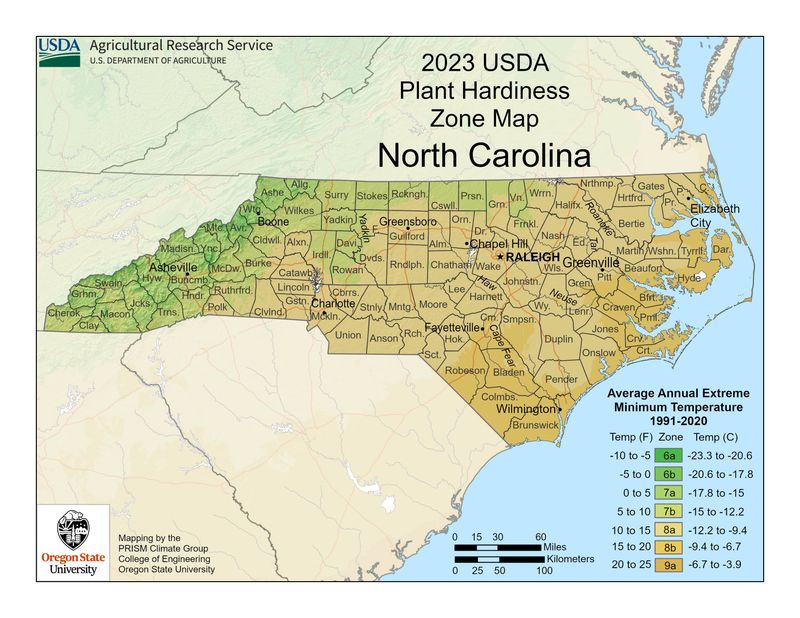
North Carolina stretches from sea-level barrier islands to mountain peaks above 6,000 feet, and that range means “late summer planting” looks very different depending on where you garden. Treating the state as one climate zone leads to mistakes in both directions: coastal gardeners sometimes plant too early when they follow mountain advice, and mountain gardeners sometimes wait too long because they followed coastal guidance.
For the Piedmont, NC State’s community food gardening handbook identifies early to mid-August as the primary time to begin fall crops, with mountain gardeners generally needing to plant roughly two weeks earlier and coastal gardeners able to continue roughly two weeks later. Eastern North Carolina has a wider window: the 2026 Southeastern U.S.
Vegetable Crop Handbook lists August 1 through September 15 as the fall collard planting period for that region. These are reference ranges, not absolute cutoffs, and your specific site can shift them further.
The same commercial handbook lists no recommended fall planting window for NC West, a conservative position based on commercial production risks in high-elevation areas. Home gardeners in lower-elevation western locations, such as the foothills or sheltered valley gardens, may have more flexibility than that commercial table implies.
However, mountain gardeners should not assume they have the same window as Piedmont or coastal growers without checking local conditions first.
Elevation, slope, and exposure all create microclimates that can make one yard meaningfully different from a neighbor’s. A south-facing raised bed in a sheltered urban yard may stay warm enough for a later planting, while a low-lying spot prone to cold-air pooling may see frost weeks earlier than the regional average.
The NC State Climate Office Freeze Date Explorer lets you look up location-specific freeze probability data, which is far more useful than relying on a single regional average when you are deciding whether to push the window.
Seeds and transplants need different lead times
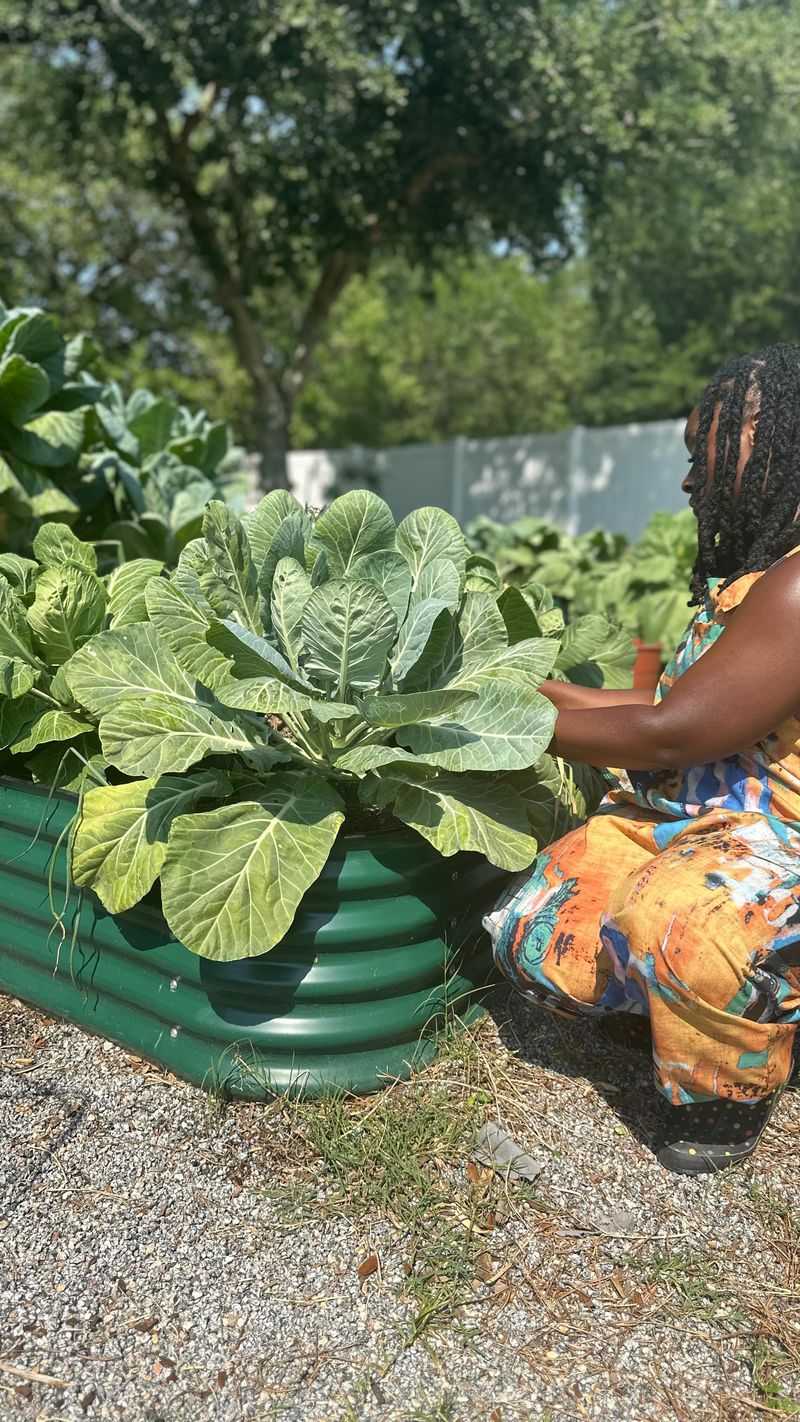
Whether you direct-seed or use transplants changes your effective deadline by a meaningful amount. Seeds dropped into the ground in August still have to germinate, push up through the soil, and spend their first weeks as fragile seedlings in the hottest part of the year.
All of that happens before the plant even begins building the leaf mass you eventually harvest. Transplants skip that phase entirely because they arrive with roots already developed and leaves already working.
According to NC State’s vegetable gardening handbook, fall direct seeding is commonly used for crops like collards, but the seedbed must stay evenly moist during germination, which can be a real challenge when late-summer temperatures are high and rain is unreliable. Seeds should go in about one-half to three-quarters of an inch deep and never deeper than one inch.
Deeper planting in warm, hard-packed soil can prevent seedlings from emerging at all.
The timing gap between seeding and transplanting is not trivial. The 2026 Southeastern U.S.
Vegetable Crop Handbook notes that seeds may need to go in the ground 15 to 20 days before a comparable transplant date to reach the same maturity timing. For a gardener planting in early to mid-August in the Piedmont, that difference is manageable.
For someone planting near the end of the regional window, those extra weeks can be the difference between a full harvest and a short one.
If you are buying transplants rather than starting from seed, NC State’s collard greens guide recommends setting them out about 18 inches apart in August or September, depending on your region. Gardeners who want to start their own transplants from seed should begin indoors five to seven weeks before the planned outdoor transplant date, giving them a head start without exposing tender seedlings to summer heat stress in the garden.
Plan for the harvest you want, then prepare the bed
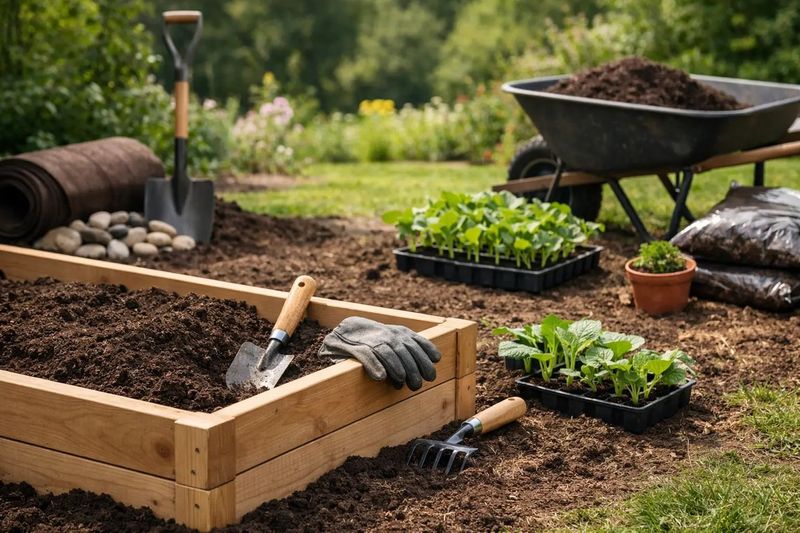
Before you put a single seed or transplant in the ground, spend a few minutes working backward from your harvest goal. Decide what you want: young, tender leaves from smaller plants, full-sized leaves for cooking, or a sustained harvest that runs from October through January.
Each target implies a different plant size at harvest time, and plant size at harvest time implies a specific number of growing days, which points you to a planting date. Use the NC State Climate Office Freeze Date Explorer to find the probability of a freeze at your specific location, then count backward from your target first-harvest date using your cultivar’s days-to-maturity range as a flexible guide, not a fixed rule.
A current NC State vegetable planting guide for the Coastal Plain and Piedmont lists collards with a 60- to 100-day harvest range and a fall planting window of July 1 through September 15. That range reflects real variability across cultivars, planting methods, and desired leaf size, so treat it as a planning bracket rather than a single number.
Some fast-maturing varieties grown for young leaves may be ready closer to 60 days, while slower varieties grown for large, full-sized leaves may need the full 100 days or more under cooler conditions.
Soil preparation matters as much as timing. NC State’s collard greens guide recommends well-drained soil with plenty of organic matter and a pH of 6.0 to 6.5.
Work about two inches of compost into the bed before planting and follow soil-test recommendations for fertilizer. A nitrogen side-dressing applied several weeks after emergence or transplanting can support continued leaf production as plants grow.
Consistent moisture is equally important, because stress from drought or uneven watering can slow growth and affect leaf quality at any stage.
Spacing also depends on your harvest goal. Full-sized plants need roughly 15 to 18 inches between them to develop properly.
If you plan to harvest young leaves from smaller plants, you can tighten that spacing, which lets you fit more plants into the same bed and pick from a larger number of plants over a shorter period.
Stagger plantings according to the remaining season
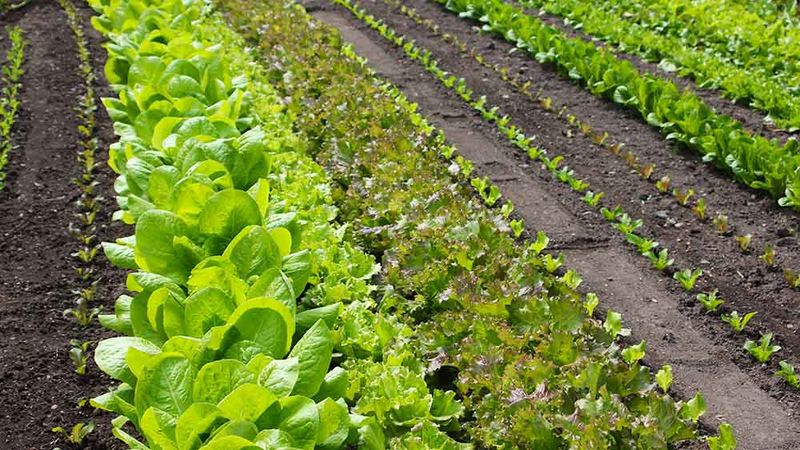
Putting all your collards in the ground on one day creates one harvest peak. If a pest outbreak, a heat wave, or an unusually early frost hits that single planting hard, you lose most of your crop at once.
Spreading plantings across a few weeks gives you insurance: if one batch struggles, the other may still produce, and the staggered growth stages mean you are picking leaves over a longer stretch of time rather than scrambling to use everything at once.
NC State’s vegetable gardening handbook identifies succession planting as a practical way to extend harvest and reduce the risk of losing an entire crop to weather or pests. The idea is straightforward: make your first planting as early as regional conditions and your garden calendar allow, then add a second planting if you have space and if enough of the favorable growing season remains to support it.
How much time you leave between plantings depends on your region, your planting method, and what you want to harvest. A one- to two-week gap between batches is a reasonable starting point for gardeners in the Piedmont or eastern North Carolina who are working within a window that still has several weeks of favorable growing conditions ahead.
Mountain gardeners or anyone planting near the end of the regional window should be more conservative, since a second planting started too late may not have enough time to reach a useful size before growth slows. The key question is whether the remaining season, after accounting for days to your intended harvest and expected growth rate, can realistically support another round.
Harvest leaves individually and protect plants as cold arrives
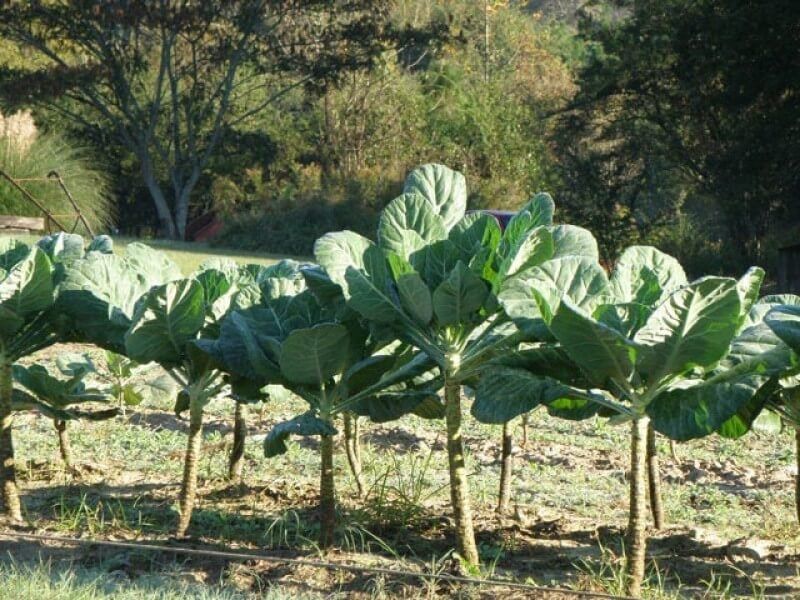
Once your collards are established, how you pick them has a direct effect on how long they keep producing. Remove older, outer leaves from the bottom of the plant first, working your way up gradually over multiple harvests.
Leave the central growing point, sometimes called the growing tip, intact. That growing point is what keeps generating new leaves, so cutting it off or damaging it ends production from that plant.
NC State’s collard greens guide describes this lower-leaf-first approach as the standard method for maintaining continued production.
Light frost does not signal the end of collard season. Mature collards are frost-tolerant and can handle temperatures below 32 degrees Fahrenheit without major injury.
Growth slows as temperatures and day length drop, and severe or prolonged freezes can damage plants, especially younger or recently transplanted ones. Some gardeners find that their collards taste sweeter after cool weather or a light frost, a result of the plant converting starches to sugars in response to cold, though flavor also depends on heat exposure, water availability, cultivar, and maturity stage.
Use the NC State Climate Office Freeze Date Explorer to track the probability of hard freezes at your specific location so you can plan protection accordingly.
Row covers and low tunnels can extend your harvest window when temperatures start dropping toward damaging levels. NC State’s season extenders guide states that row covers and low tunnels provide approximately 4 to 5 degrees Fahrenheit of frost protection.
That buffer can mean the difference between a plant that survives a cold night and one that suffers leaf damage. Secure covers tightly at the edges to prevent wind from lifting them, monitor temperature inside the cover on warm days to avoid overheating, and remove or ventilate covers promptly when daytime temperatures rise.
Leaving covers sealed during warm weather can trap pests already inside and create conditions that harm the plants.
Pest pressure is real during the fall collard season. Common culprits in North Carolina include imported cabbageworms, cabbage loopers, diamondback moth larvae, flea beetles, aphids, and cabbage maggots.
NC State’s guide to pests of crucifers recommends starting with accurate identification, then using hand removal, physical barriers like insect netting, sanitation, and crop rotation before considering any chemical treatment. If chemical control becomes necessary, follow current product labels and consult the current North Carolina Agricultural Chemicals Manual for guidance specific to collards.
The goal is a longer harvest, not a pass-or-fail date
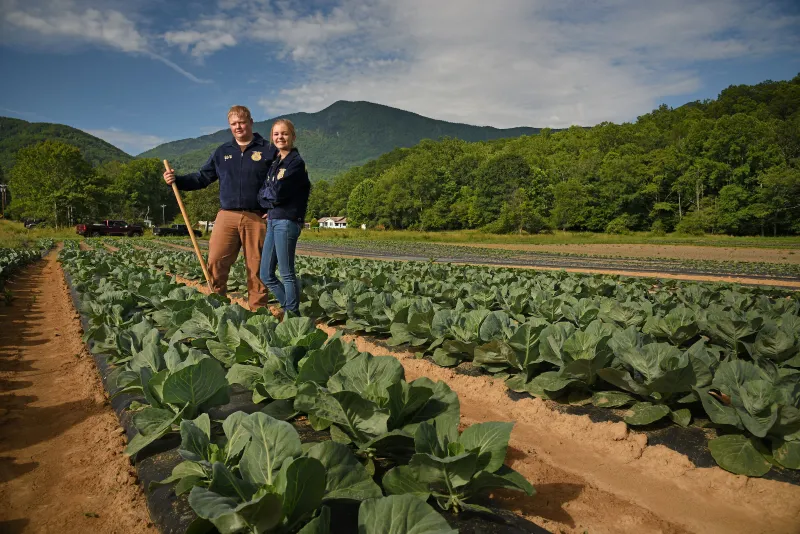
Getting a long fall collard harvest comes down to a short sequence of decisions made before you plant. First, find your region and look up your location-specific freeze probability using the NC State Climate Office Freeze Date Explorer.
Second, decide whether you are using seeds or transplants, remembering that seeds need more lead time to establish. Third, count backward from the harvest size and timing you want, using your cultivar’s days-to-maturity range as a flexible guide.
Fourth, plant as early in the regional window as your site and schedule allow, and consider a second staggered planting if the season and your space support it.
A late start does not automatically mean zero harvest. A gardener who plants transplants in mid-September in eastern North Carolina may still pick young leaves before conditions shut things down.
Someone with a sheltered, south-facing bed in a Piedmont city yard may push the season later than the regional average suggests. But delay does lower the odds of reaching full plant size and sustaining a long picking window, and that tradeoff is worth taking seriously while the window is still open.
NC State’s collard greens guide notes that established plants in favorable locations can produce from mid-November through April, which shows just how wide the potential harvest window really is for gardeners who get their timing right. The calendar does not punish you for planting – it rewards you for planting early enough to let the crop do what collards do best: grow steadily through fall and keep producing long after the summer garden has gone quiet.