
If Your Tomatoes Split And Crack Right As They Ripen, Here Are 13 Watering Fixes That Stop It
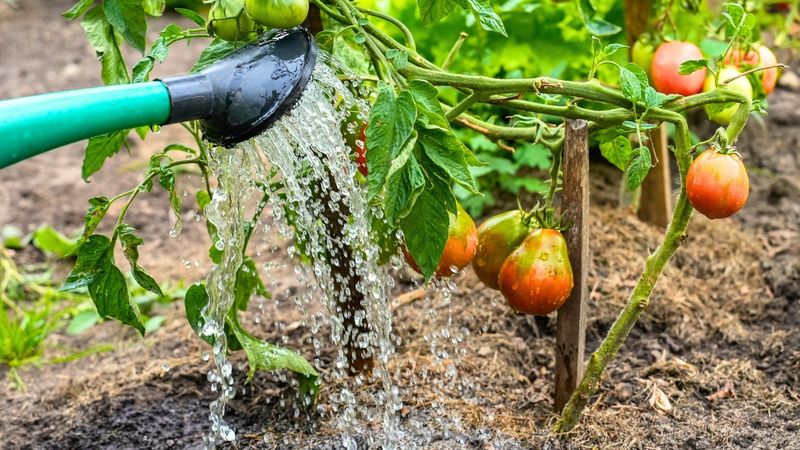
You watch your tomatoes turn red and juicy, then one morning you find them cracked wide open right on the vine. It feels like a punch in the gut after all that waiting.
The good news is that most tomato splitting comes down to how and when you water, and small changes make a huge difference. Here are 13 watering fixes that keep your tomatoes smooth, whole, and ready to eat.
1. Water Deeply and Regularly
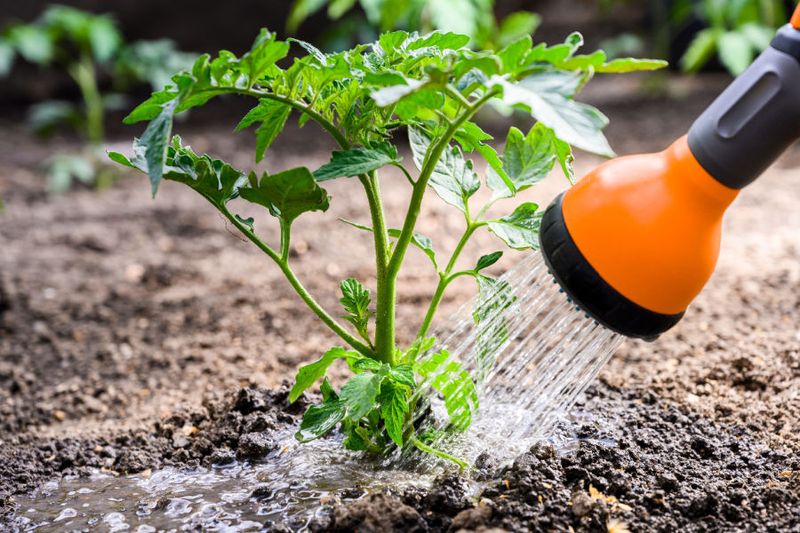
Think of your tomato plant like a person who hates surprises. When the soil swings from bone dry to soaking wet, the fruit swells too fast and the skin splits to keep up.
Deep, steady watering is the single biggest thing you can do to stop cracks. Aim for a slow, thorough soak that reaches the deeper roots instead of quick splashes that only wet the surface.
Keeping the moisture level even lets each tomato grow at a calm, predictable pace. The skin has time to stretch, so it stays whole even as the fruit fills out and ripens.
2. Water in the Morning
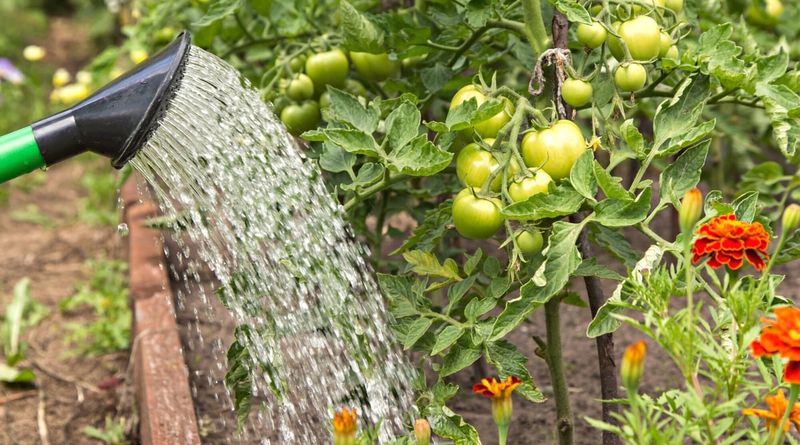
Morning is the golden hour for your tomatoes. Watering while the air is still cool means more of the water soaks in instead of evaporating away in the heat.
A good morning drink also gets the plant ready to handle the hot afternoon without stress. Less stress means fewer sudden growth spurts that pop the skin.
There is a bonus, too. When you water early, the leaves dry off before nightfall, which helps keep fungal diseases from settling in on damp foliage.
3. Apply Mulch Around Plants
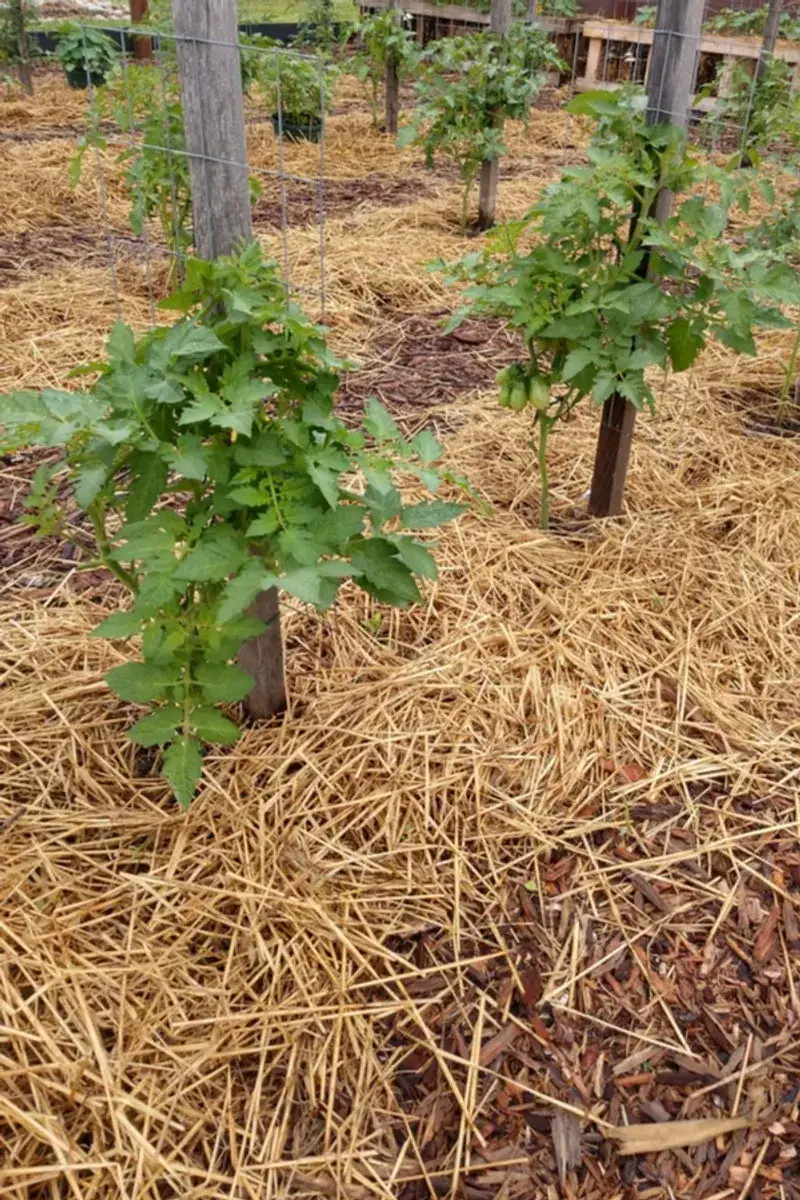
Mulch is like a cozy blanket that keeps your soil from drying out too quickly. Spread a 2 to 3 inch layer of straw, wood chips, or pine needles around the base of each plant.
That layer slows evaporation, so the moisture your roots depend on stays put much longer. It also keeps the soil temperature steady, which helps avoid the wild moisture swings that cause splitting.
As an extra perk, mulch smothers weeds that would otherwise steal water from your tomatoes. Less competition means more consistent drinks for the fruit you actually care about.
4. Avoid Overhead Watering
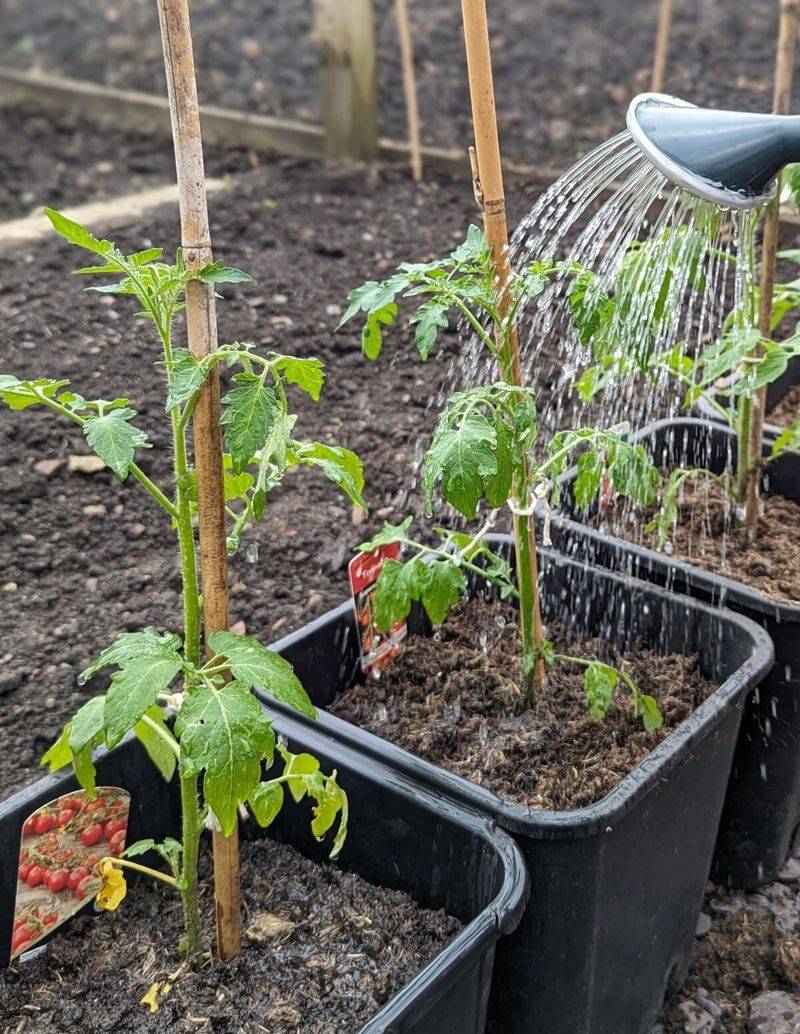
Spraying water over the top of your plants feels natural, but it often does more harm than good. The roots down below are what actually drink, and overhead spraying wets everything but them evenly.
Point your water right at the soil so it soaks straight down to the roots. That way the plant gets a steady supply and the fruit grows at a calm, even pace.
Keeping water off the leaves has a second benefit. Dry foliage is far less likely to invite fungal problems that can weaken the whole plant during ripening season.
5. Utilize Drip Irrigation or Soaker Hoses
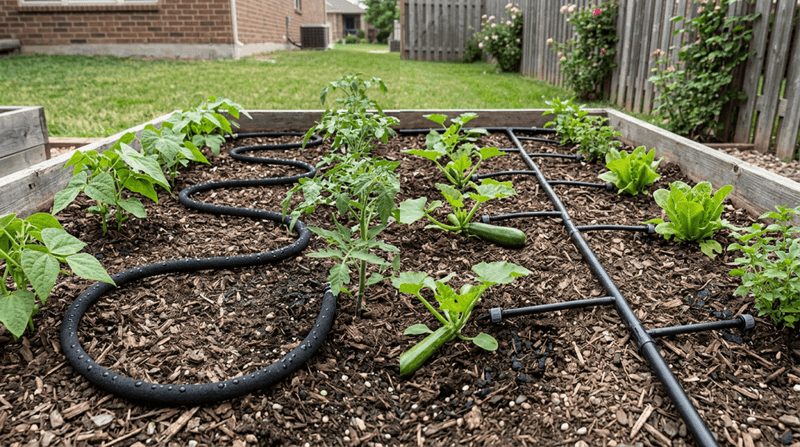
If you want a set-it-and-forget-it fix, drip irrigation and soaker hoses are your best friends. They trickle water slowly and steadily right into the root zone where it counts.
Because the water arrives gently and evenly, there is no sudden flood that makes the fruit balloon and crack. The roots grow stronger and deeper, too, which supports healthier plants overall.
You will also waste far less water since almost none of it evaporates or runs off. It is efficient for your wallet and gentle on your tomatoes at the same time.
6. Check Soil Moisture Before Watering
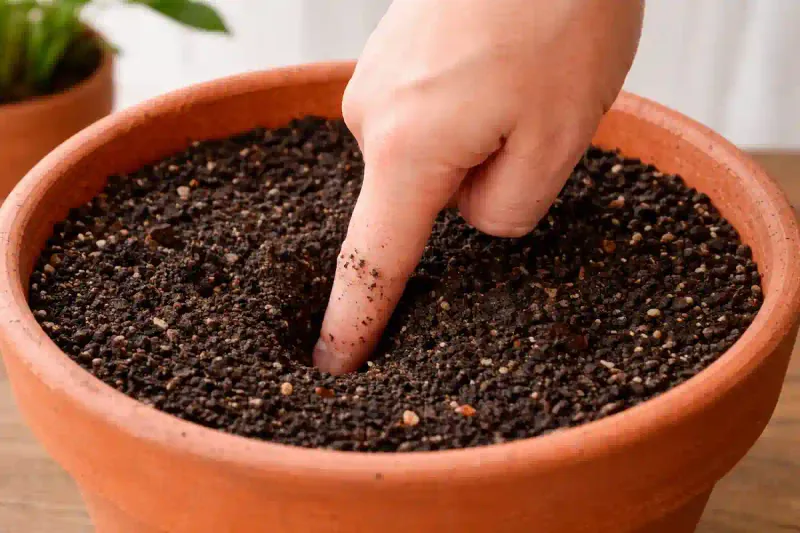
Before you reach for the hose, stick your finger into the soil about an inch or two down. It is the simplest moisture meter you will ever own, and it is free.
If the soil feels dry at that depth, go ahead and water. If it is still damp, hold off, because piling on more water when the ground is already wet can trigger the very splitting you are trying to avoid.
Getting into this quick habit takes the guesswork out of watering. Over a season you will start to sense your garden’s rhythm and water exactly when your plants need it.
7. Provide 1-2 Inches of Water Per Week
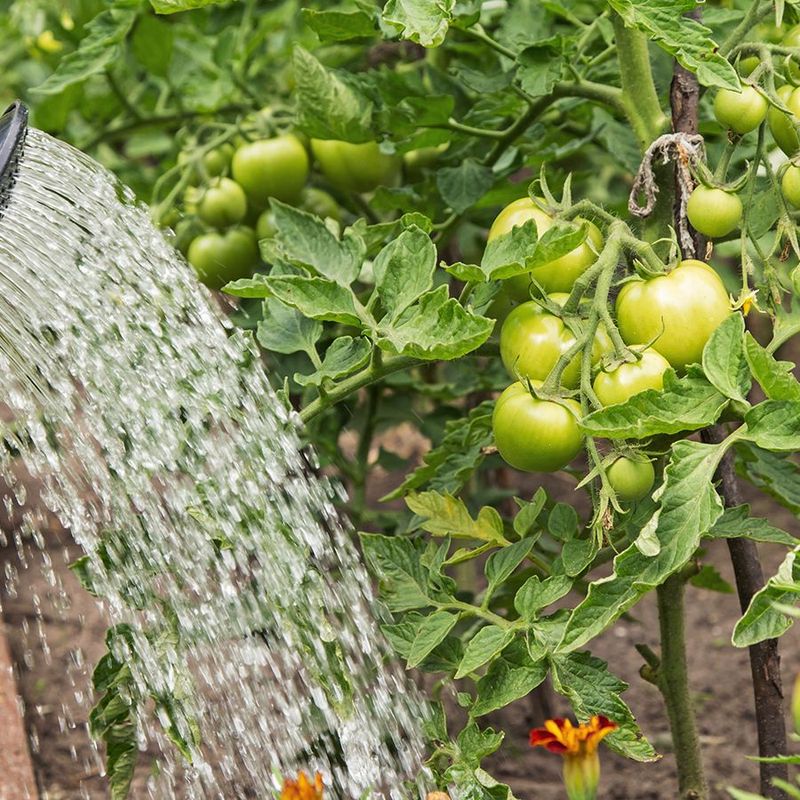
Tomatoes have a fairly predictable thirst, and the sweet spot is around 1 to 2 inches of water per week. Hitting that target keeps growth steady instead of stop-and-start.
Weather changes the math, though. During a brutal heat wave your plants may need more, while a stretch of cool, cloudy days means they need less.
A simple rain gauge or even an empty tuna can set in the garden helps you measure what falls. Once you know how much water your beds are getting, keeping it in that ideal range gets easy.
8. Split Watering into Multiple Sessions
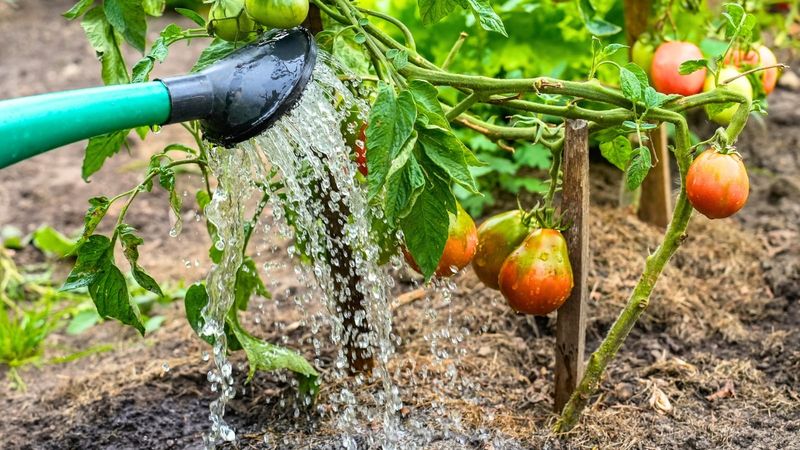
Some soils just cannot drink a big gulp of water all at once, and dumping it on leads to puddles on top and dry pockets below. Breaking your weekly water into two or three smaller sessions solves that.
Spacing out the waterings gives the soil time to soak up each round fully and evenly. The moisture spreads through the root zone without leaving the ground waterlogged.
Slow and steady wins here. When the water arrives gradually, the fruit swells gradually, and that gentle pace keeps the skin from bursting.
9. Adjust Watering After Rainfall
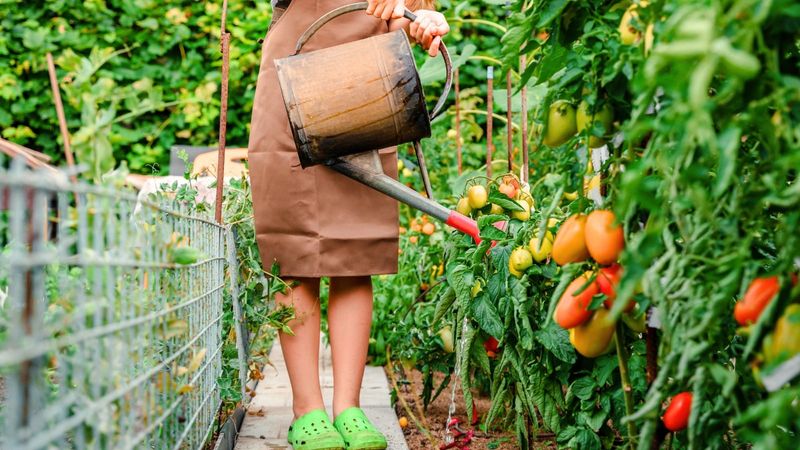
Mother Nature loves to throw a heavy downpour right when your tomatoes are almost ready. That sudden flood of water is a classic splitting trigger.
After a good rain, skip or cut back your regular watering for a few days. The soil is likely holding plenty of moisture already, and adding more could push the fruit past its limit.
Pay attention to the forecast the same way you check the soil. Letting the ground dry out a bit before you water again keeps everything balanced and your tomatoes intact.
10. Ensure Good Drainage
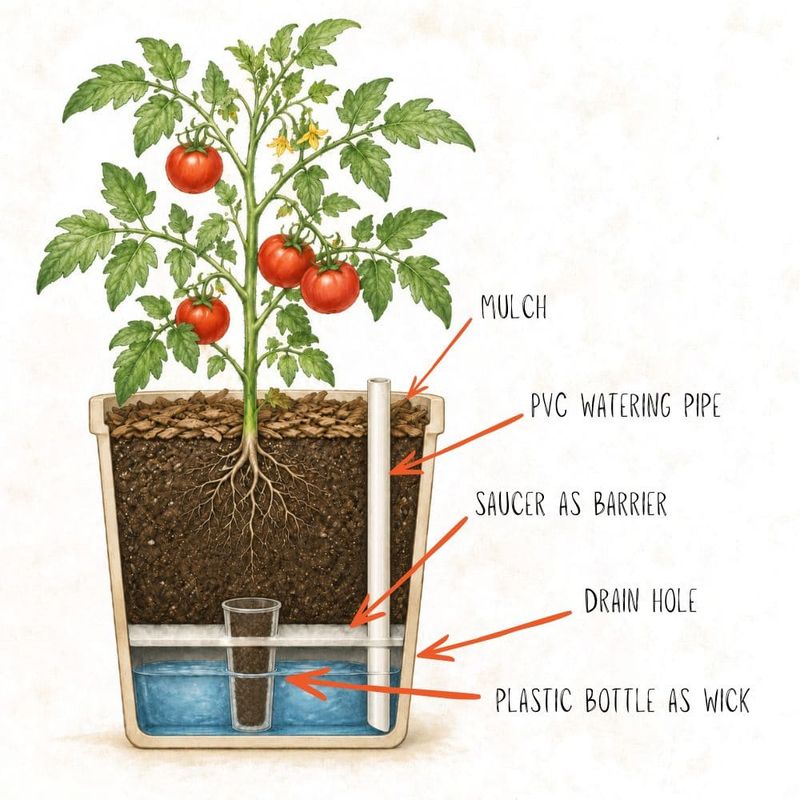
Water needs somewhere to go once your plants have had their fill. If it just sits around the roots, the soggy conditions stress the plant and set the stage for cracking.
In containers, make sure there are plenty of drainage holes so excess water escapes freely. In garden beds, loosen heavy or compacted soil and work in compost to help water move through.
Good drainage keeps the roots healthy and the moisture level even. Happy roots deliver a steady flow of water to the fruit, which is exactly what smooth, crack-free tomatoes need.
11. Harvest Ripe or Nearly Ripe Tomatoes Promptly
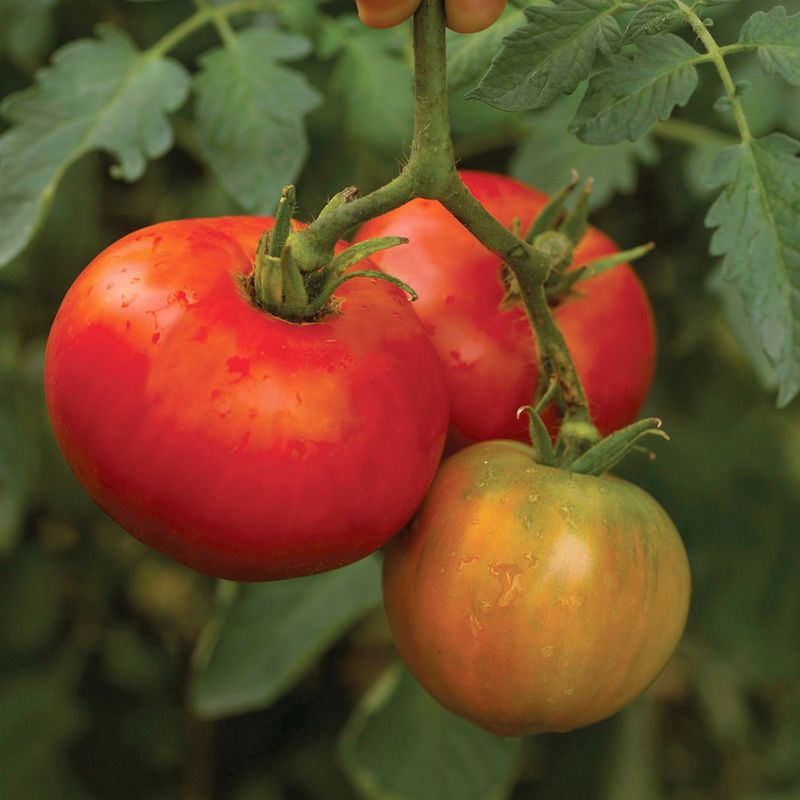
Sometimes the smartest move is to beat the split to the punch. Fully colored or slightly soft tomatoes are the most likely to crack, especially with rain in the forecast.
Pick them a touch early, right at the breaker stage when they show the first blush of pink. Set them on a sunny counter or windowsill and they will finish ripening indoors just fine.
Did you know a tomato picked at that stage tastes nearly identical to one ripened fully on the vine? You lose almost nothing in flavor and gain a whole basket saved from cracking.
12. Consider Self-Watering Planters for Containers
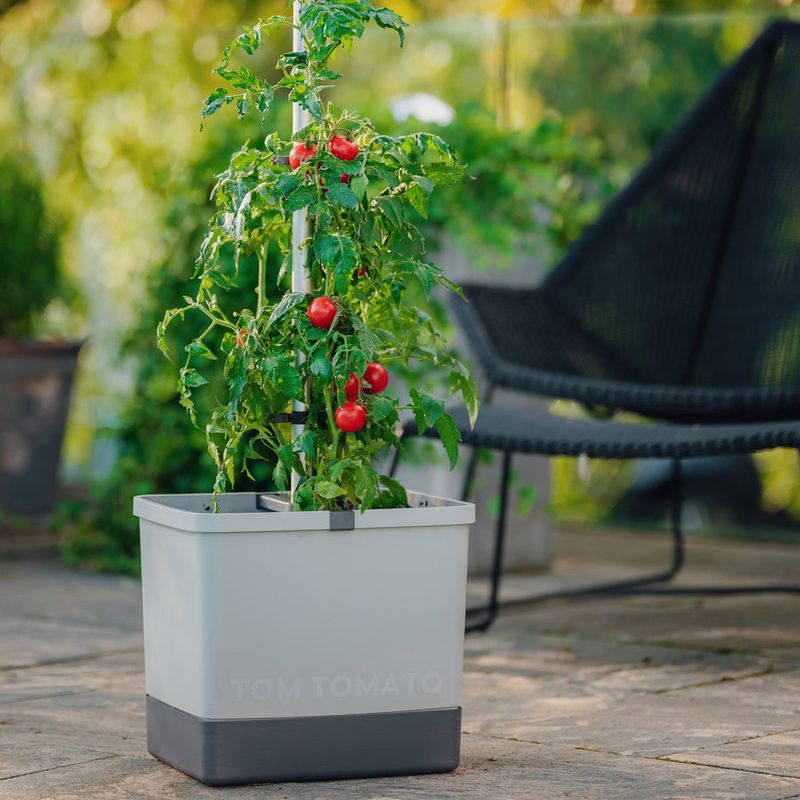
Container tomatoes dry out fast, and forgetting one hot afternoon can undo weeks of careful watering. Self-watering planters take that worry off your plate.
These pots hold a reservoir of water at the bottom that the soil sips from as needed. The plant pulls up moisture steadily, so the level stays even even when you are busy or away.
For anyone growing on a patio or balcony, this consistency is a game changer during summer heat. Steady moisture means steady growth, and steady growth means far fewer split tomatoes.
13. Improve Calcium Absorption (Indirect Watering Fix)
Here is the sneaky connection most gardeners miss: watering and calcium work as a team. When you water consistently, your plants can actually pull calcium out of the soil and use it.
Calcium is what strengthens the cell walls in the tomato skin, making it a bit more elastic and better at handling rapid expansion. Erratic watering blocks that uptake even when the calcium is right there in the ground.
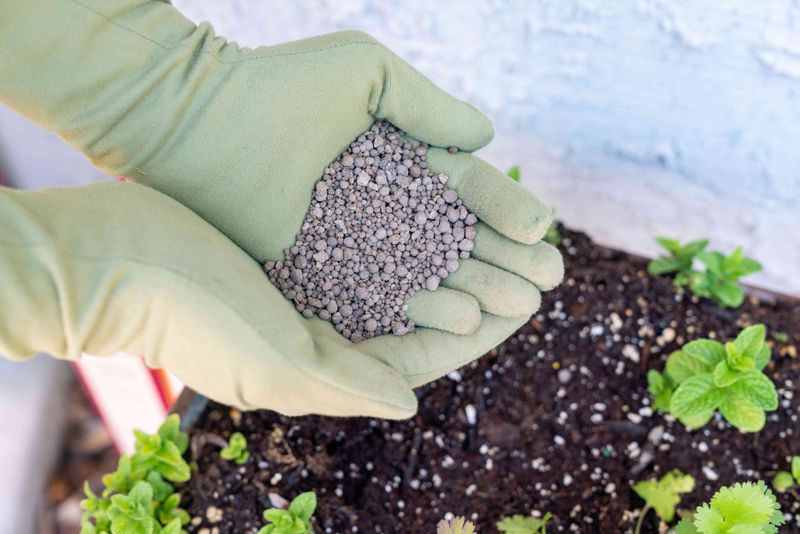
If a soil test shows a shortage, a natural boost like bone meal can help fill the gap. Pair steady moisture with enough calcium and your tomatoes get the stretchy, resilient skin that shrugs off cracks.