
If Your Tomatoes Stayed Small And Stunted This Year, Here Are 15 Causes And The Quick Fix For Each
You watered, you waited, and yet your tomato plants barely grew or gave you tiny fruit. It is frustrating, but the good news is that stunted tomatoes almost always point to one fixable mistake.
Below are 15 common reasons your tomatoes stayed small this year, each paired with a simple fix you can use right now. Find the one that matches what you are seeing, and you will be back on track by next season.
1. Cold Temperatures
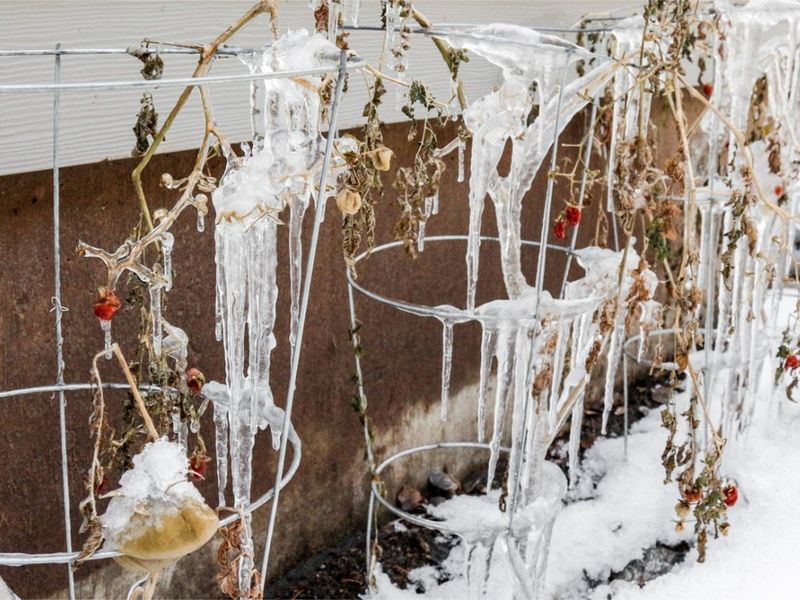
Tomatoes are warm-weather lovers at heart, and they simply refuse to grow when the air or soil turns chilly. Steady exposure to nights below 50 degrees Fahrenheit, or cold soil under 60 degrees, slows the roots and stalls everything above ground.
Even if your days feel mild, cold soil quietly blocks nutrient uptake. That is why plants set out too early often just sit there and sulk for weeks.
Quick fix: Wait until nighttime temperatures stay above 50 degrees and the soil at a 4-inch depth holds at least 62 degrees for two full days. If a surprise cold snap rolls in, drape plants with cloches or horticultural fleece overnight to keep them cozy.
2. Heat Stress
Believe it or not, tomatoes can bake in the sun just as easily as they can shiver in the cold. When daytime highs push past 90 degrees, or nights refuse to drop below 75, the plants get stressed, drop their blossoms, and produce puny fruit.
Under that kind of pressure, a tomato plant redirects its energy toward survival instead of growth. The result is a stalled plant that looks tired all summer.
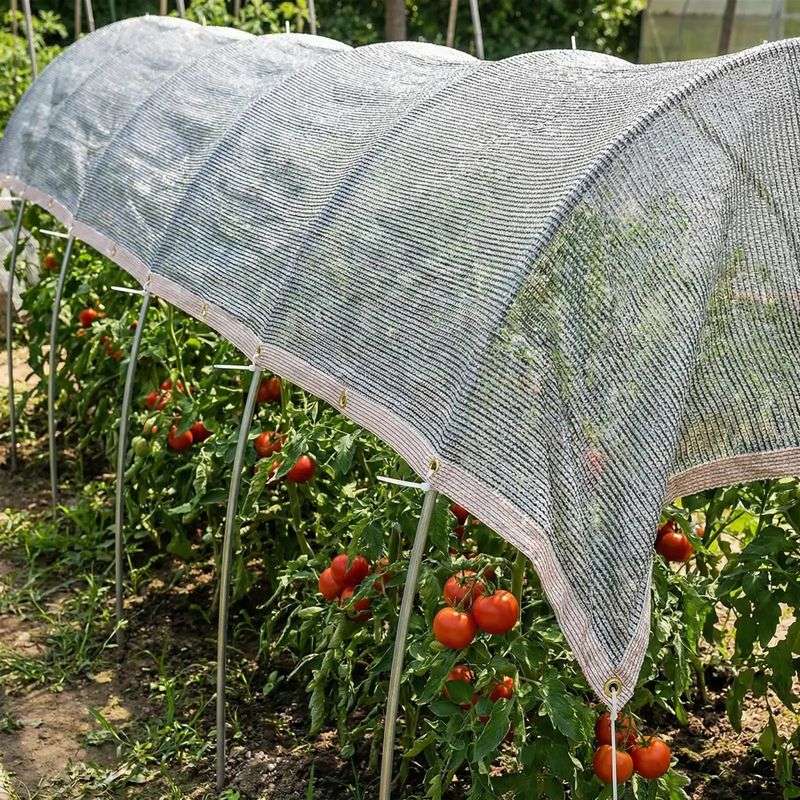
Quick fix: Give your plants a break with afternoon shade during peak heat waves. A length of shade cloth or a taller crop planted to the west can cut the worst of the blaze, and good airflow around the plants helps them cool down.
3. Insufficient Sunlight
A tomato in the shade is a tomato that never reaches its full size. These sun-worshippers need six to eight hours of direct light every day, and anything less leaves them leggy, weak, and short on fruit.
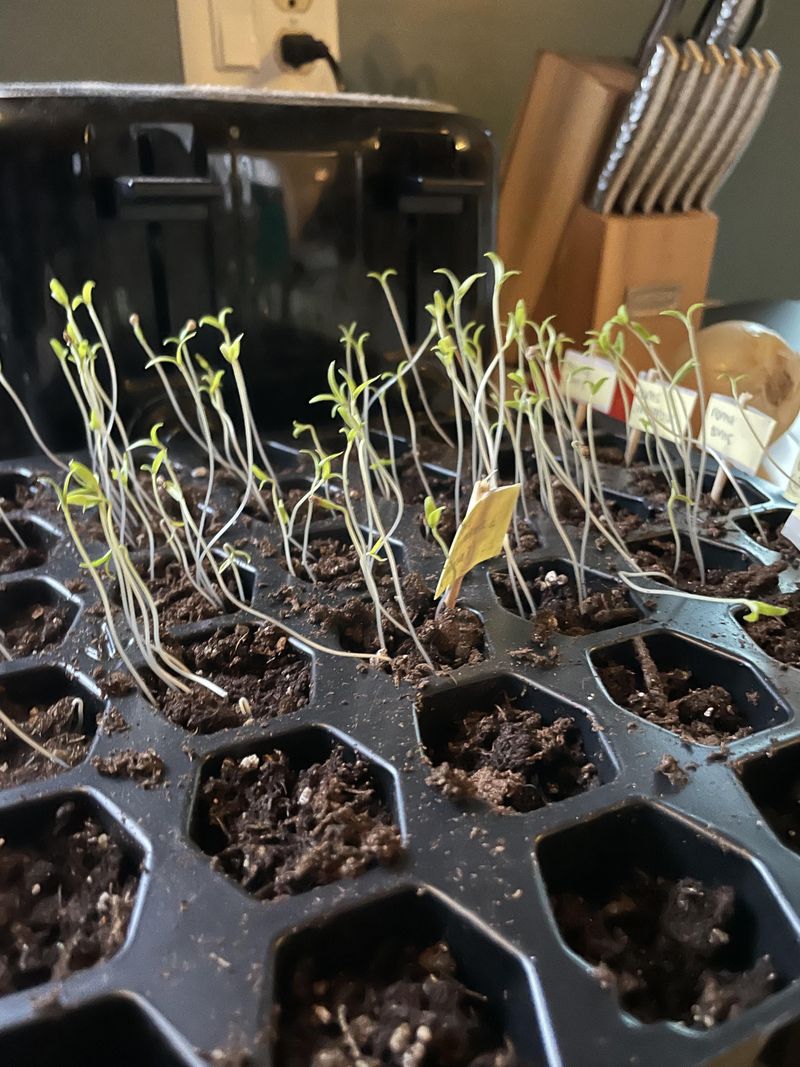
Plants stretching toward the light with pale, thin stems are practically waving a flag for more sun. Nearby fences, trees, or overgrown neighbors are often the sneaky culprits.
Quick fix: Move potted tomatoes to your brightest spot. For plants in the ground, trim back whatever is casting shade, and if you are raising seedlings indoors, keep grow lights just 4 to 6 inches above the tops, raising them as the plants climb.
4. Inconsistent Watering
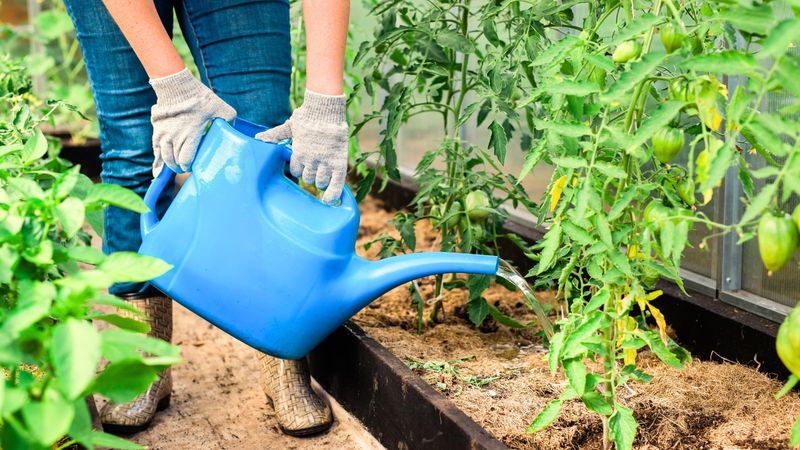
Tomatoes are creatures of habit, and nothing rattles them like a feast-or-famine watering routine. Let the soil go bone dry, then flood it, and you invite wilting, blossom end rot, and fruit that never fills out.
Chronic thirst shuts down photosynthesis, while soggy roots suffocate. Neither one leads anywhere good.
Quick fix: Aim for soil that stays evenly, moderately moist. Water deeply and on a schedule, letting just the top inch or two dry out between drinks, and never letting it turn into mud or dust.
A layer of mulch around the base works wonders for locking in that steady moisture.
5. Nutrient Deficiencies
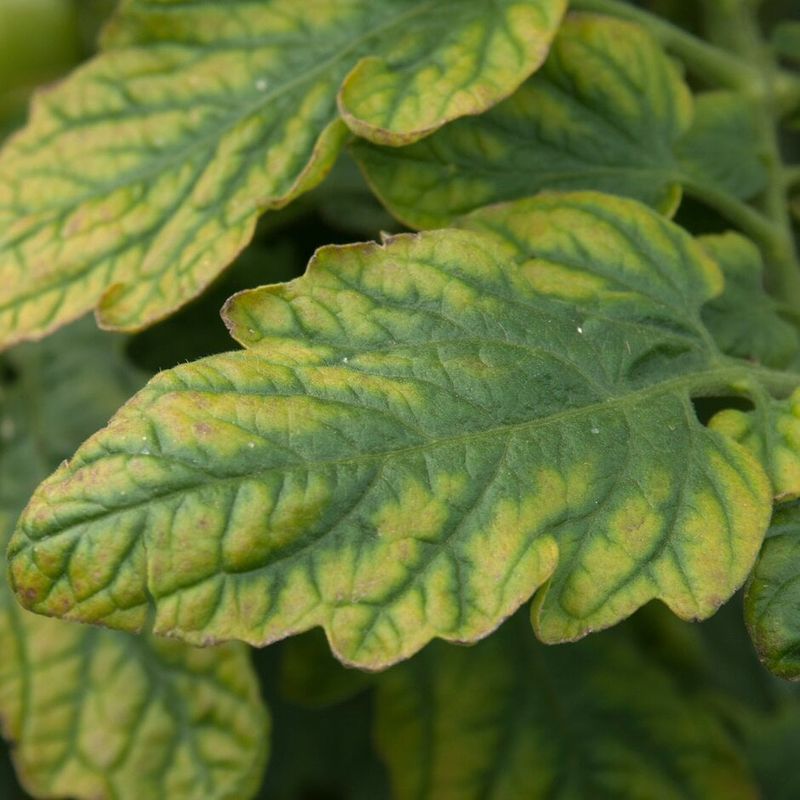
Hungry tomatoes are unhappy tomatoes. As heavy feeders, they demand a full menu of nutrients, and shortages of phosphorus, potassium, magnesium, or iron show up fast as stunted growth, yellowing leaves, and shrunken fruit.
The tricky part is that different shortages look different, so guessing rarely works. Reading the leaves takes practice.
Quick fix: Run a soil test to see exactly what is missing, then feed with a balanced tomato fertilizer. For a fast boost, Epsom salts can address magnesium and a foliar spray can help too, while working compost into the bed offers a steady, slow-release supply your plants will thank you for.
6. Excess Nitrogen
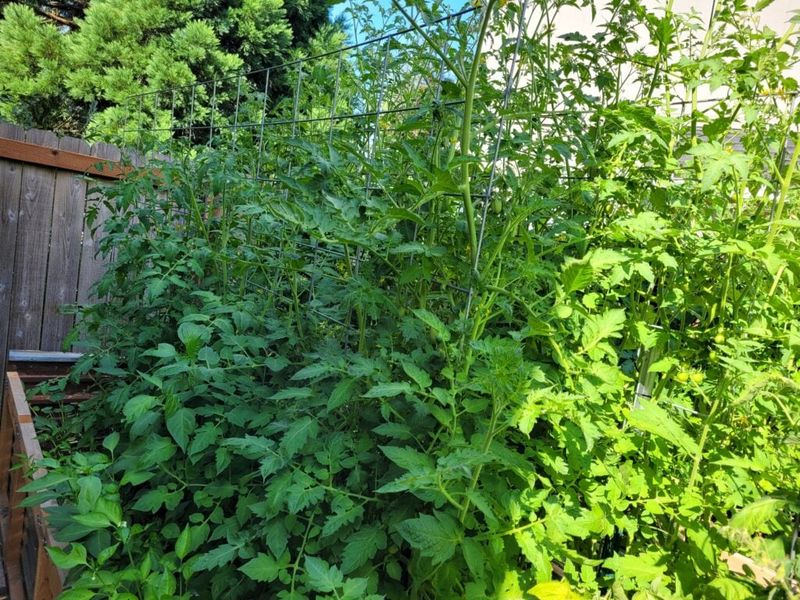
Sometimes a tomato plant looks like a jungle and still gives you almost nothing to eat. That lush, leafy monster is usually a sign of too much nitrogen, which tells the plant to grow foliage instead of flowers and fruit.
It feels counterintuitive, since a big green plant seems healthy. But all that leaf energy is being spent in the wrong place.
Quick fix: Once your plants start flowering, switch to a fertilizer that is lower in nitrogen and richer in phosphorus and potassium. Ease off nitrogen entirely during the fruiting stage so the plant can pour its energy into making tomatoes.
7. Incorrect Soil pH
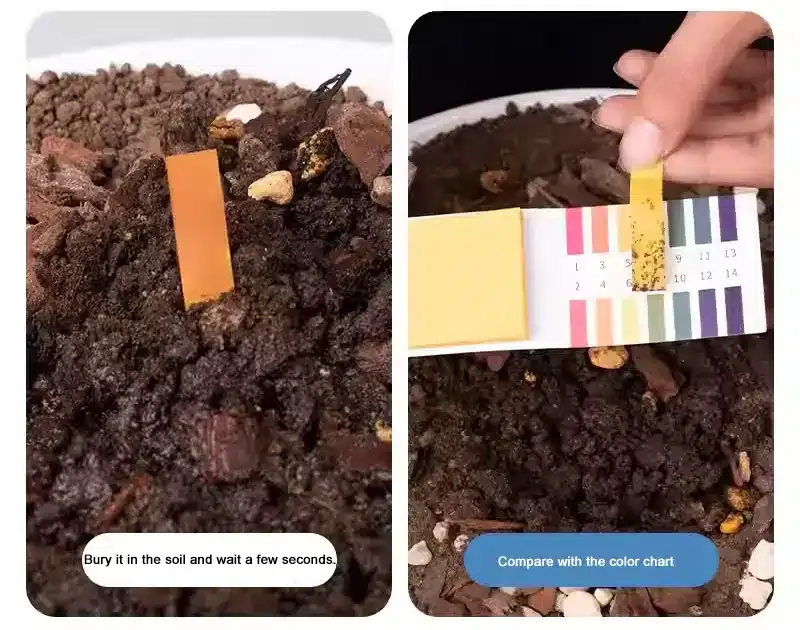
Here is a sneaky one: you can pack your soil with nutrients and still starve your tomatoes if the pH is off. When the soil is too acidic or too alkaline, those nutrients get locked away where roots cannot reach them.
Tomatoes like things slightly acidic to neutral, ideally between 6.2 and 6.8. Drift too far in either direction and growth grinds to a halt.
Quick fix: Test your soil pH with a simple kit. If it reads too acidic, work in some agricultural lime to raise it, and if it leans too alkaline, add sulfur to bring it down into that happy tomato range.
8. Root Restriction
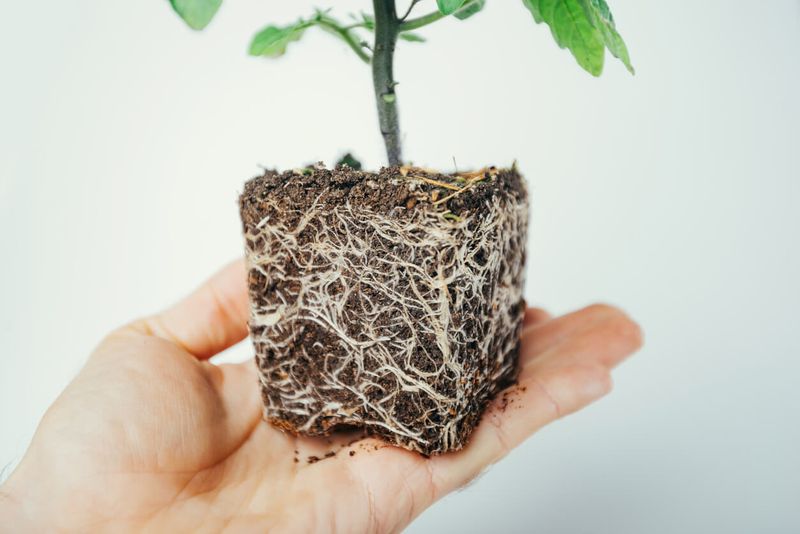
Roots need room to roam, and a tomato crammed into a tiny pot or hard, compacted ground quickly runs out of space. Once the roots circle and tangle into a dense knot, they can no longer pull in enough water or food.
The plant above ground pays the price with stalled growth and undersized fruit. It is like asking someone to run a marathon in shoes two sizes too small.
Quick fix: For containers, move your plant into a pot at least 8 to 10 inches across with fresh mix. For garden beds, loosen the soil and blend in compost before planting so roots can stretch out and drink freely.
9. Overcrowding
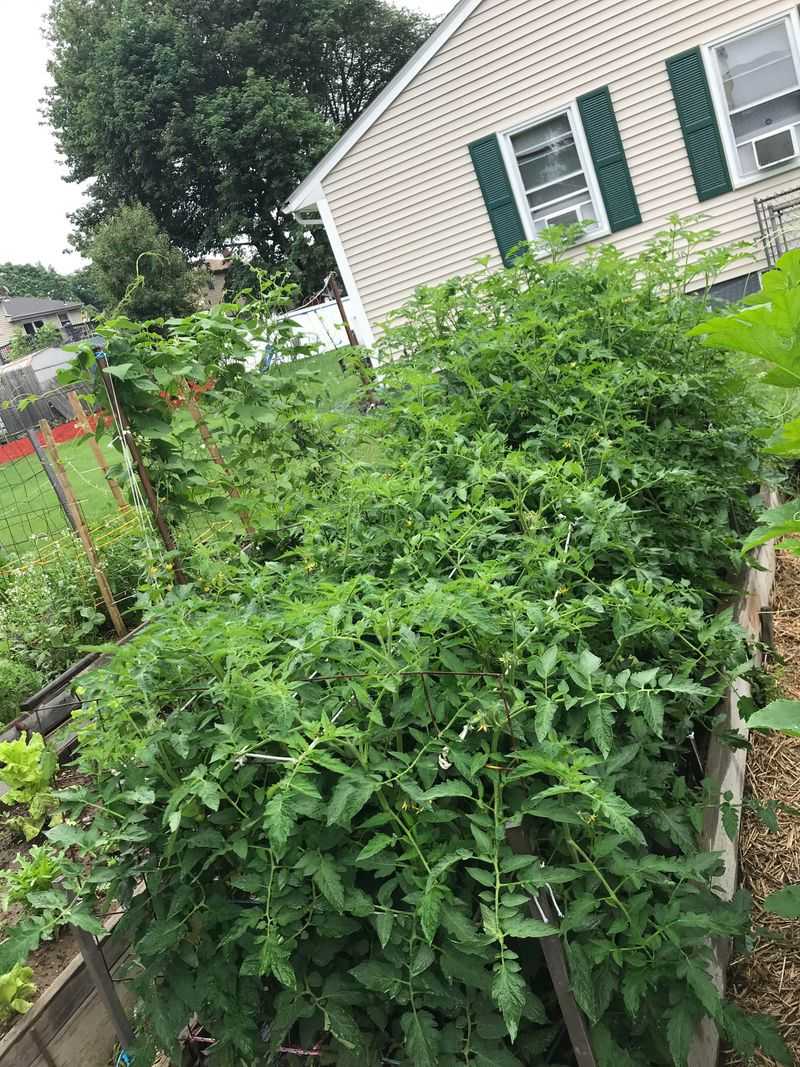
When tomatoes are jammed together, they end up fighting each other for every drop of water, every ray of light, and every scrap of nutrients. Nobody wins that battle, and the whole patch stays small.
Crowding also traps stale air between the leaves, which stresses the plants and makes pollination harder. Disease loves those tight, humid conditions too.
Quick fix: Give each plant breathing room by spacing them three to four feet apart. That extra elbow room keeps air moving, lets sunlight reach every leaf, and ensures each plant gets its fair share from the soil.
10. Poor Pollination
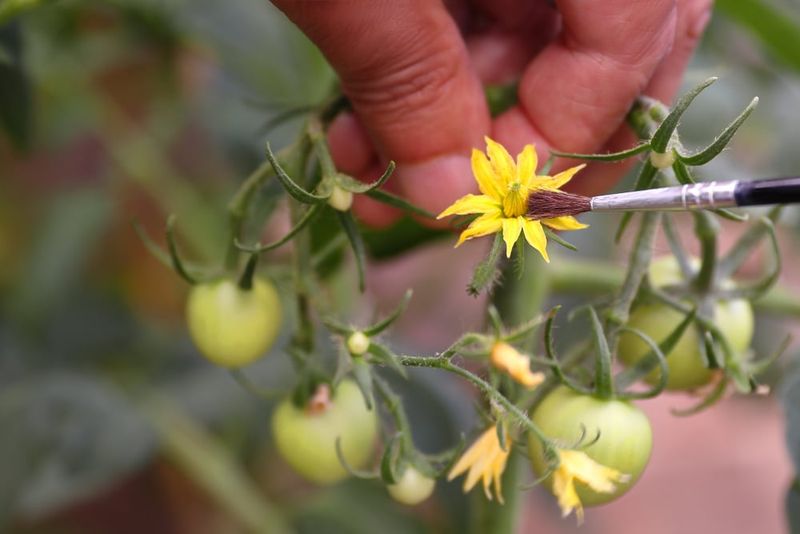
Flowers everywhere but no fruit to show for it? Poor pollination is often to blame.
Extreme heat or cold, sticky humidity, or a shortage of buzzing insects can all keep those blossoms from turning into tomatoes.
Tomato flowers rely on a little vibration to release their pollen. Without it, they simply wither and fall.
Quick fix: Try to keep growing temperatures in the sweet spot of 68 to 75 degrees. If you garden indoors or in a greenhouse, gently shake the plant or dab blossoms with a soft brush to hand-pollinate, and plant pollinator-friendly flowers nearby to invite the bees back.
11. Pests
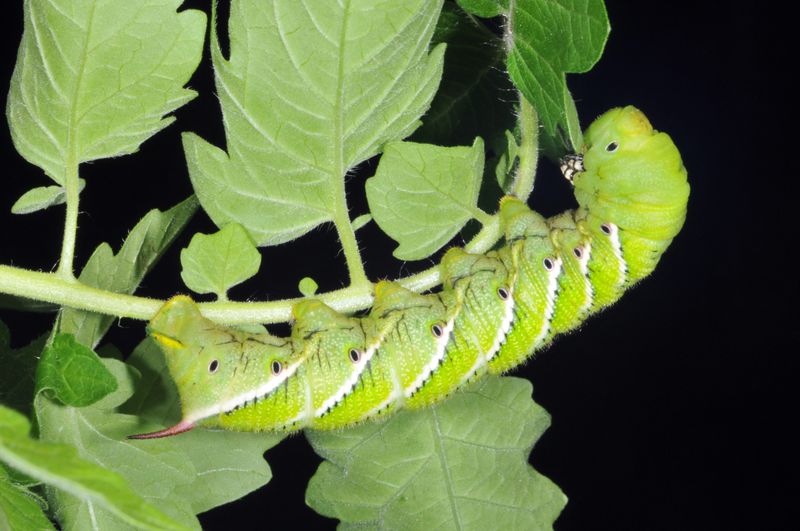
Tiny invaders can drain the life right out of your tomatoes. Aphids, whiteflies, spider mites, and the notorious hornworm feed on sap and foliage, leaving plants weak, yellowed, and short on fruit.
A big fat hornworm can strip a plant nearly bare overnight, while mites and aphids work quietly in colonies. Either way, the plant loses the energy it needs to grow.
Quick fix: Check your plants often and pick off big pests like hornworms by hand. Blast aphids and mites off with a strong spray of water, treat stubborn colonies with insecticidal soap or neem oil, and welcome helpers like ladybugs to do some of the work for you.
12. Diseases
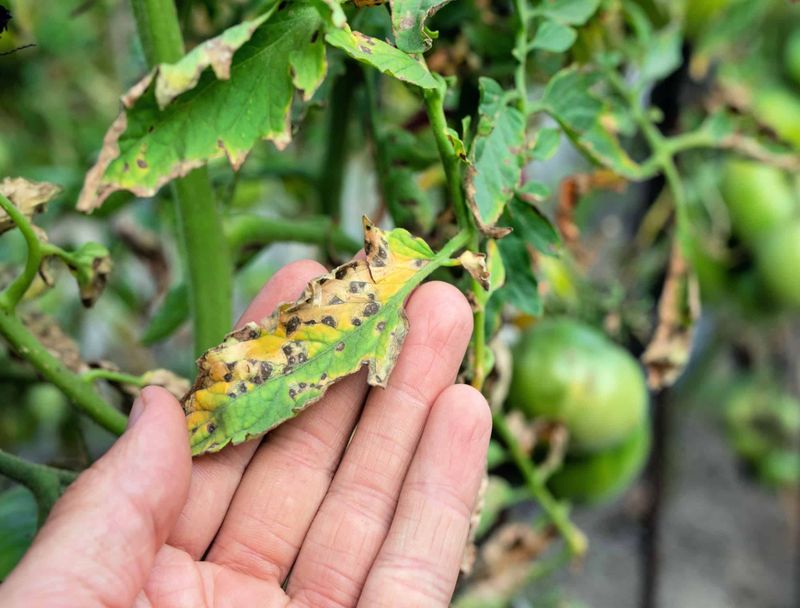
A stunted, twisted tomato with spotted or curled leaves may be battling disease. Fungal troublemakers like early blight and viruses such as tomato yellow leaf curl can distort growth and rob you of a harvest.
Once a disease takes hold, it can spread fast through your patch. Acting early makes all the difference.
Quick fix: Snip off and toss infected leaves or whole plants far from the garden to stop the spread. Choose disease-resistant varieties, rotate where you plant tomatoes each year, and keep air moving.
Copper or sulfur sprays can help manage some fungal problems when caught early.
13. Transplant Shock
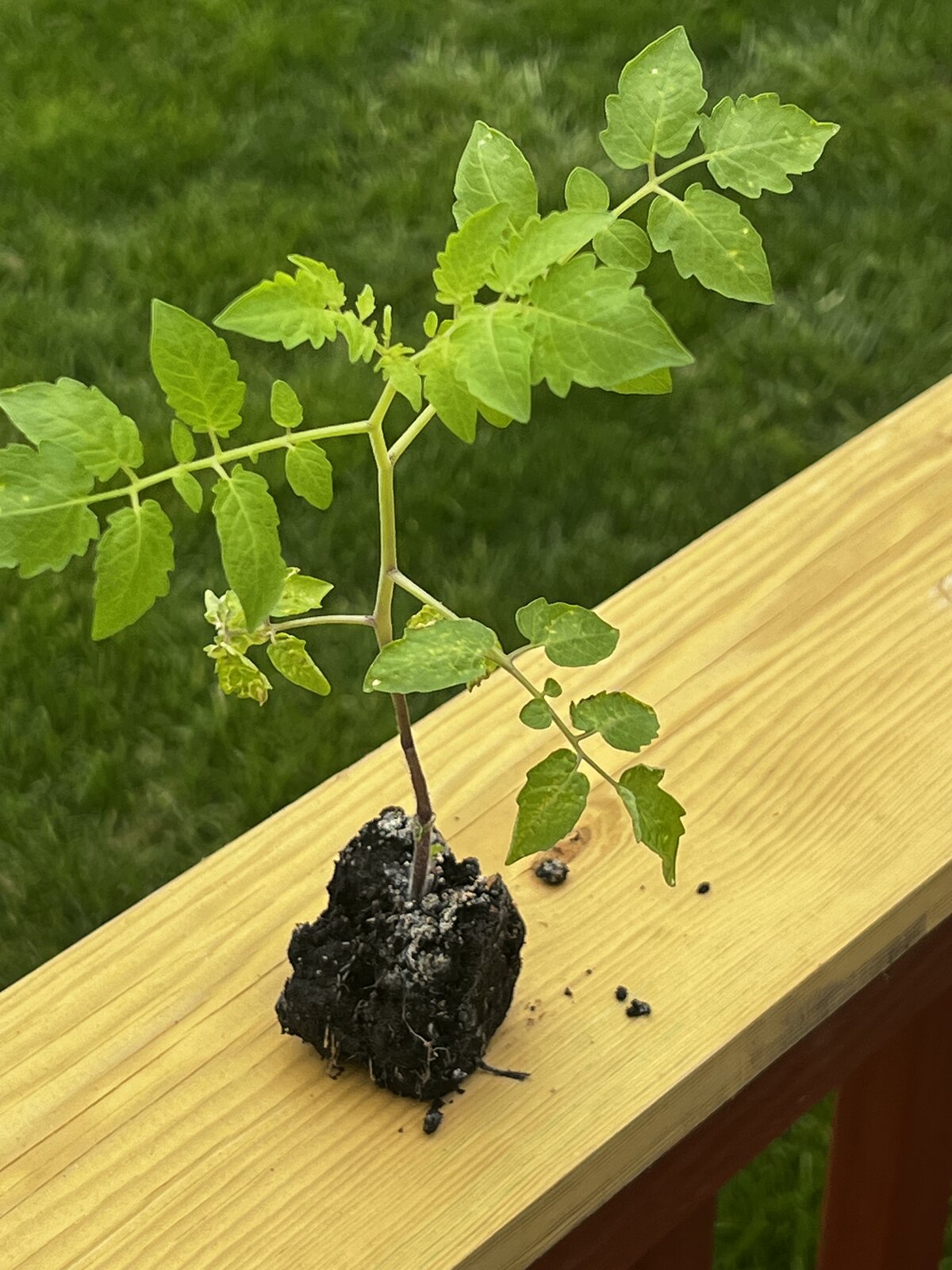
Moving a pampered indoor seedling straight into the wild outdoors is a rude awakening for a young tomato. The sudden blast of sun, wind, and temperature swings can shock the plant into a growth freeze.
A shocked seedling often sits still for a week or more, looking sad and refusing to take off. Some never fully recover.
Quick fix: Harden off your seedlings gradually over 7 to 10 days before planting. Start with a few hours in a shady, sheltered spot, then slowly build up their time in full sun and breeze so the transition feels gentle instead of jarring.
14. Herbicide Damage
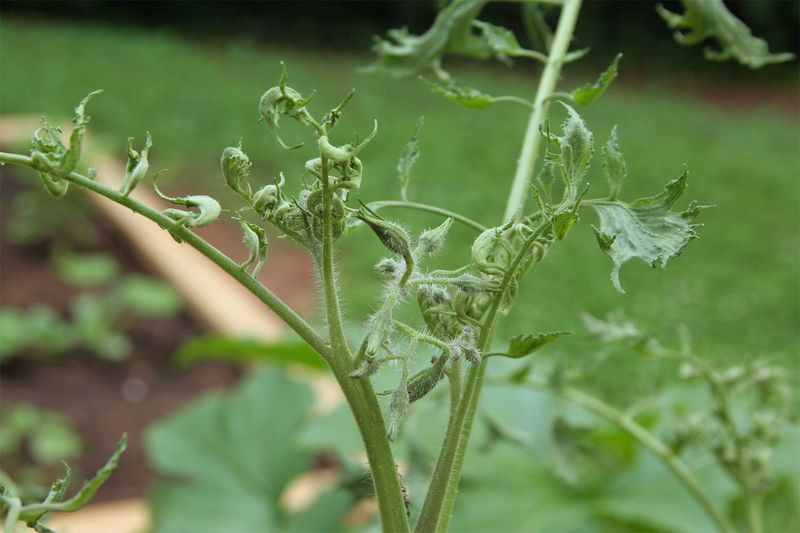
Tomatoes are shockingly sensitive to weed killers, and even a whisper of herbicide can wreck them. Drift from a neighbor’s lawn treatment, or contaminated compost and manure, causes leaves to cup, twist, and curl while growth stalls hard.
The damage looks strange, almost like the plant is deformed. Many gardeners never suspect the cause until it is too late.
Quick fix: Be extremely careful using any weed killer near your garden, and avoid spraying on breezy days. Skip compost or manure if you have any doubt about its source, since herbicide residue can linger and quietly stunt your plants for a whole season.
15. Wrong Variety for Climate
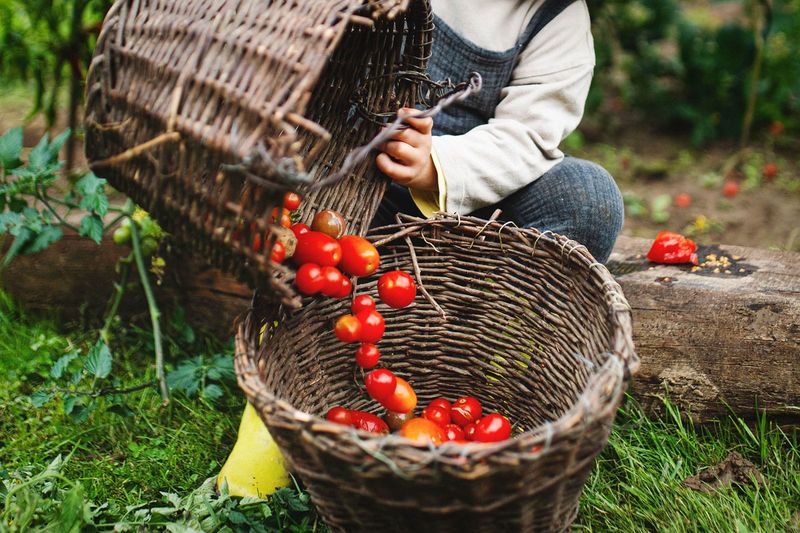
Sometimes the plant itself was set up to fail before it ever went in the ground. A variety bred for a long, warm season will struggle in a short-summer region, and a heat-sensitive type will sulk through an unpredictable spring.
No amount of water or fertilizer can make the wrong tomato thrive in the wrong place. The mismatch alone keeps plants small.
Quick fix: Do a little homework and pick varieties known to shine in your USDA hardiness zone and season length. Your local garden center or extension office can point you toward the winners that fruit reliably right where you live.