
If Your Hydrangeas Look Tired And Bloom-Light Right Now, Here Are 15 Easy Habits That Wake Them Back Up
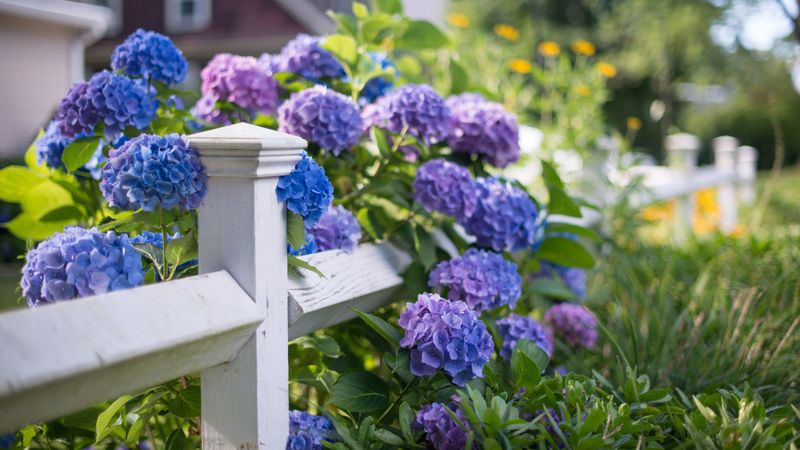
When your hydrangeas droop and skip blooms, it feels like you did something wrong, but usually the fix is small and simple. These plants send loud signals when they need help, and once you learn to read them, a tired bush can bounce back fast.
The good news is you probably already own most of what you need. Here are 15 easy habits that put the color and energy right back into your hydrangeas.
1. Water Deeply Two To Three Times A Week
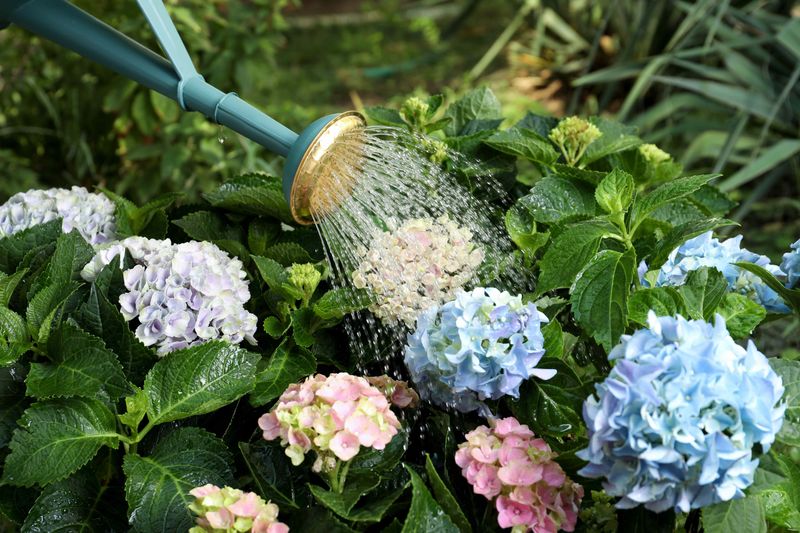
A quick splash from the hose feels like caring, but it barely wets the top inch of soil while thirsty roots sit dry below. Hydrangeas drink through a wide, shallow root zone, and that zone needs a real soaking to stay happy.
Aim for a slow, deep watering two or three times a week during warm weather instead of a little every day. You want the moisture to sink down where the roots actually live.
Deep and less often also teaches roots to grow downward and stronger. A well-soaked hydrangea handles heat far better than one trained to expect daily sprinkles.
2. Do The Finger Test Before You Water
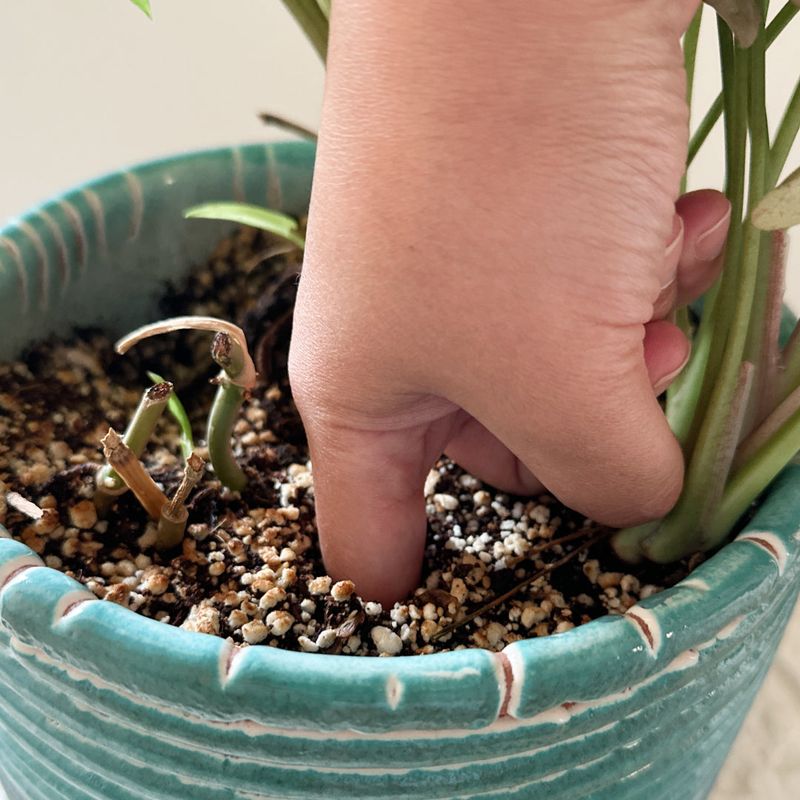
Guessing is the fastest way to overwater or underwater, and both leave your hydrangea sulking. Your finger is a better tool than any schedule.
Push it two to three inches into the soil near the plant. If it comes out dry, it is time to water.
If it feels cool and damp, wait a day and check again.
Potted hydrangeas dry out much faster, so give them a daily poke. A ten second check saves you from soggy roots and droopy leaves.
3. Water In The Early Morning Or Evening
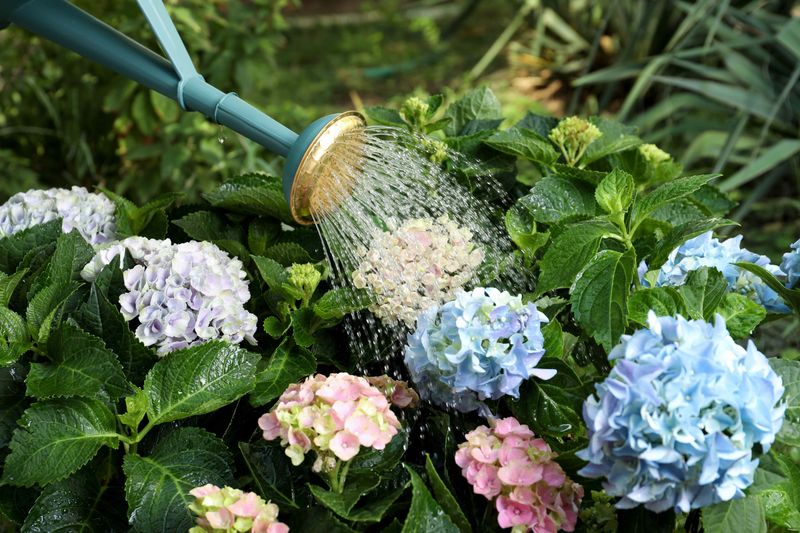
Midday watering mostly feeds the sun, not the plant, because so much evaporates before it soaks in. Timing matters more than people think.
Water when temperatures are cooler, either early morning or in the evening. The plant gets a chance to pull moisture in slowly and store it before the heat returns.
Morning is the top choice since leaves that get splashed have all day to dry. A calm, cool watering routine keeps your hydrangea steady through hot spells.
4. Aim Water At The Base, Not The Leaves
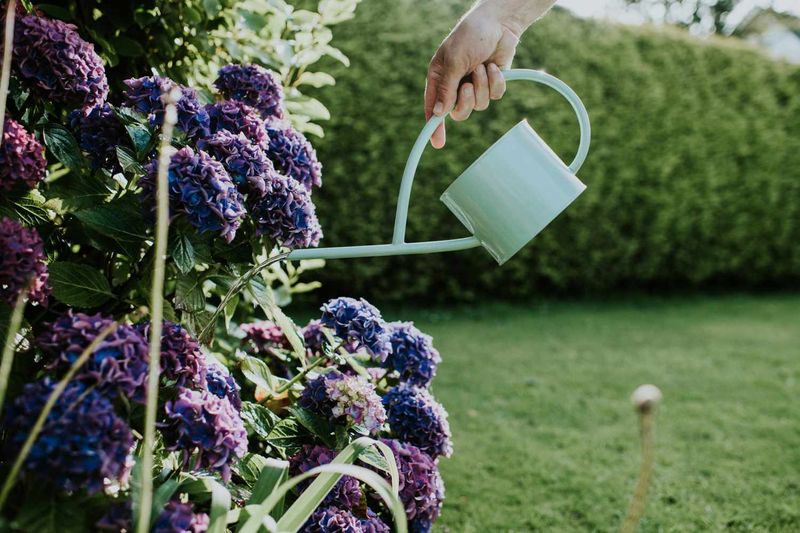
Spraying the whole bush might look thorough, but wet leaves sitting in humid air invite fungus and spotting. The roots are where the drink needs to land.
Point the hose or watering can right at the soil around the base. Keep the foliage as dry as you can, especially late in the day.
A soaker hose or a slow trickle at ground level does this job perfectly. Dry leaves mean fewer disease headaches and a cleaner looking plant.
5. Give New Plants And Heatwaves Extra Water
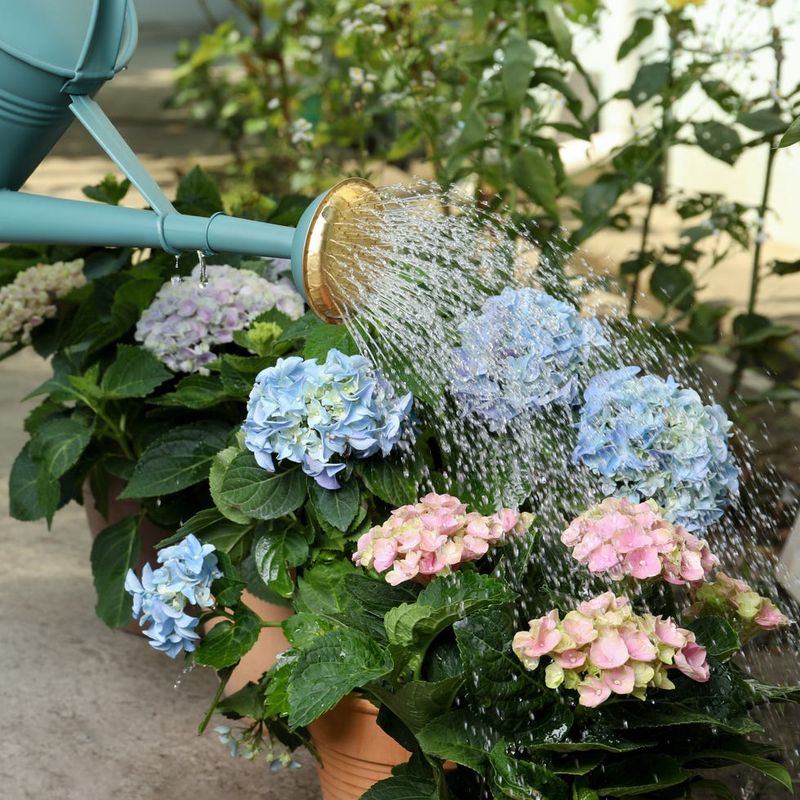
Young hydrangeas have not built the root network to fend for themselves yet, so they need babying at first. Skipping water here often kills a plant before it ever gets going.
Give newly planted hydrangeas a drink every two to three days until they settle in. During a heatwave, established plants may want daily water, and containers or sandy soil can need it twice a day.
Keep a closer eye when temperatures spike above the nineties. Meeting that extra demand for a few days can be the difference between wilting and thriving.
6. Learn The Signs Of Overwatering
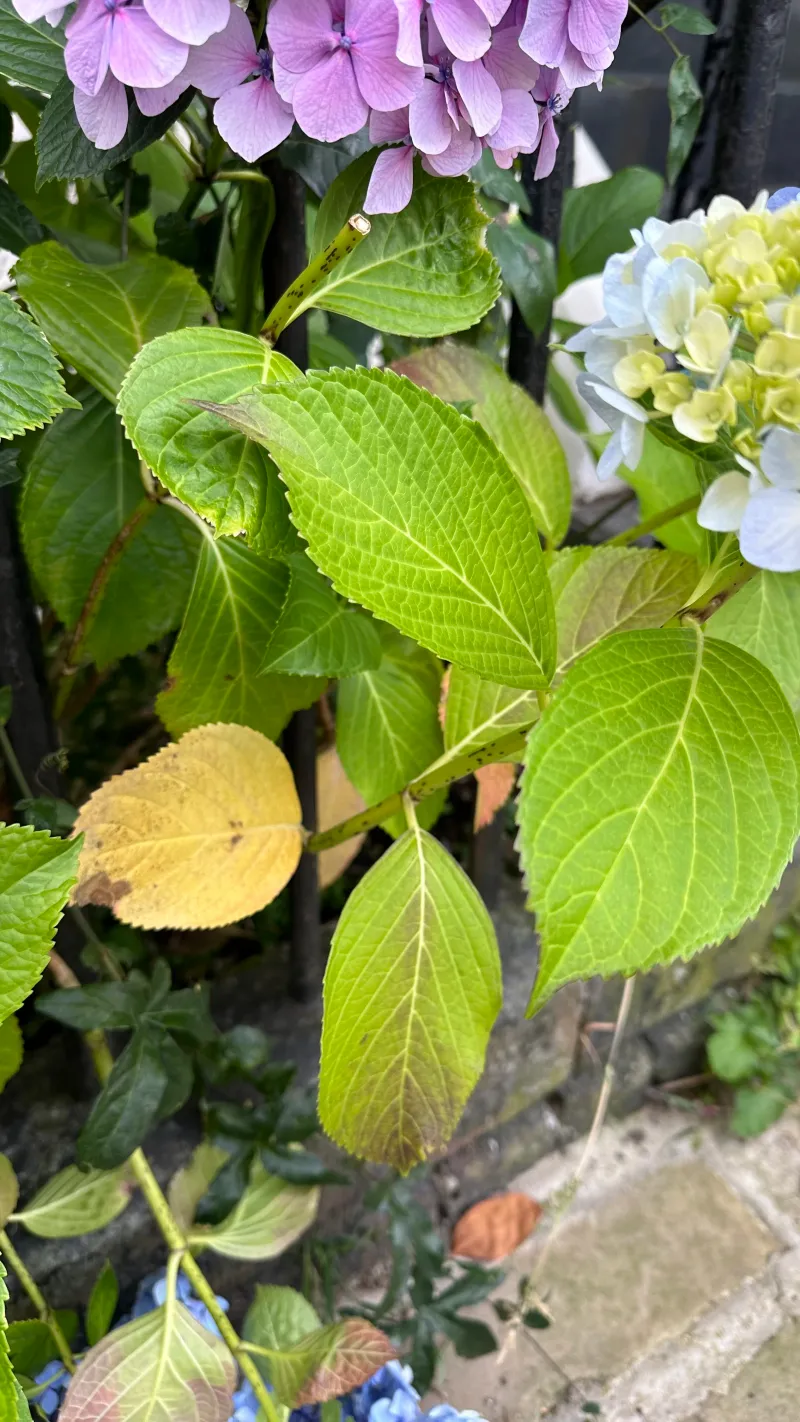
Loving your plant too much has its own set of warning lights. Overwatering can quietly rot roots while you think you are helping.
Watch for yellowing leaves that start at the bottom and soil that stays wet or spongy for two or more days after you water. Those clues point to too much moisture, not too little.
If you spot them, back off and let the soil breathe before the next drink. Roots need air pockets just as much as water, and drowning them stops blooms cold.
7. Provide Afternoon Shade
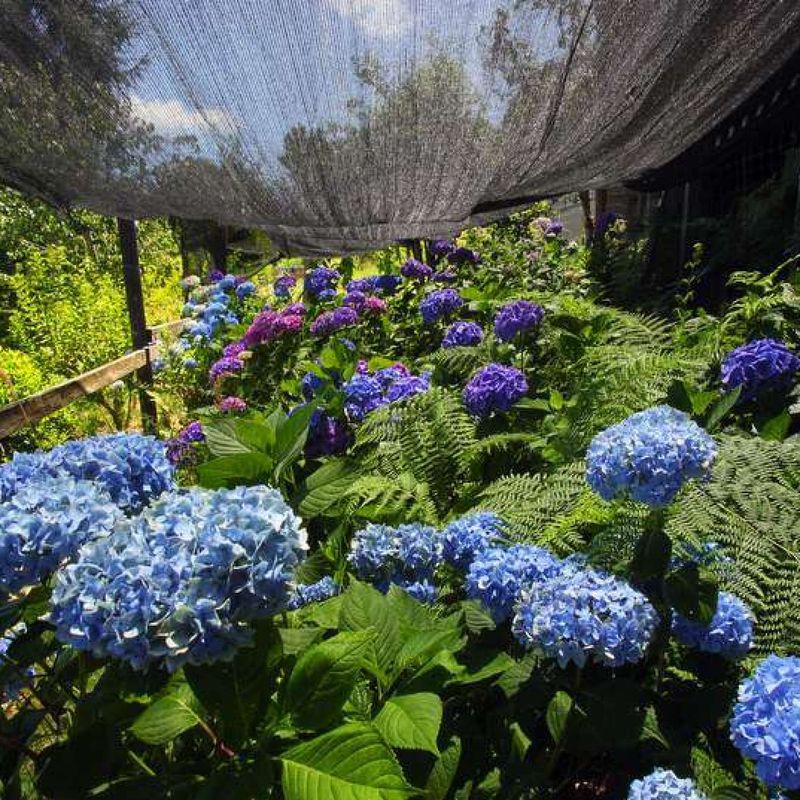
Most hydrangeas are morning people. They love a few hours of gentle early sun but wilt under the harsh punch of midday and afternoon rays.
The sweet spot is morning sun with afternoon shade, especially in warmer regions. That combo fuels blooms without scorching the leaves.
If your plant sits in blazing full sun all day, a droopy, crispy look is the result. Softening those afternoon hours keeps the foliage green and the flowers fresh.
8. Use Temporary Shade During Heatwaves

Sometimes the sun turns brutal for a stretch of days, and even a well-placed hydrangea struggles. A little quick cover buys it relief.
Drape shade cloth, pop up a patio umbrella, or lean on tall companion plants to block the strongest afternoon light. Potted hydrangeas have it easy since you can simply slide them to a shadier corner.
The shade only needs to last through the worst of the heat. Once the temperatures ease, your plant perks up without any lasting damage.
9. Relocate A Plant That Keeps Wilting
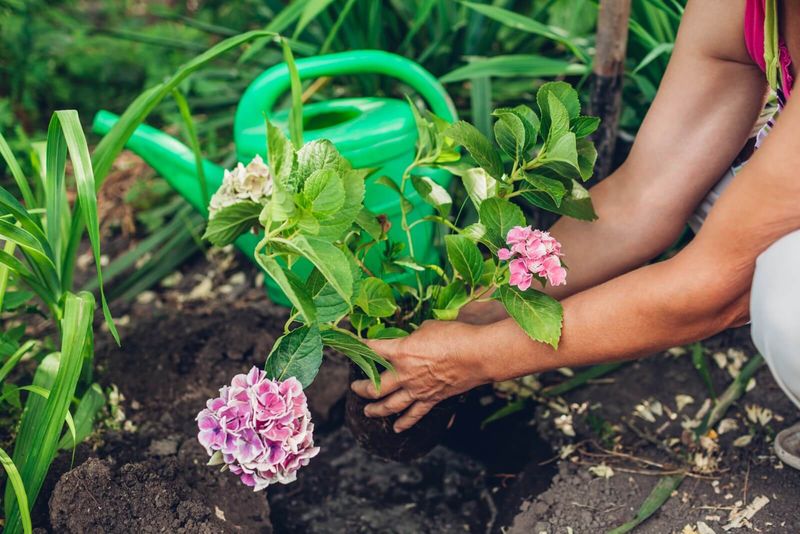
When a hydrangea wilts and scorches day after day no matter what you do, the spot itself may be the problem. Moving it is not giving up, it is a fresh start.
Pick a new home with kinder light, ideally morning sun and afternoon shade. Fall or early spring is the gentlest time to dig and replant so the roots recover.
Water it well after the move and give it a season to adjust. A plant in the right place often rewards you with the blooms it was withholding.
10. Mulch Generously Around The Base
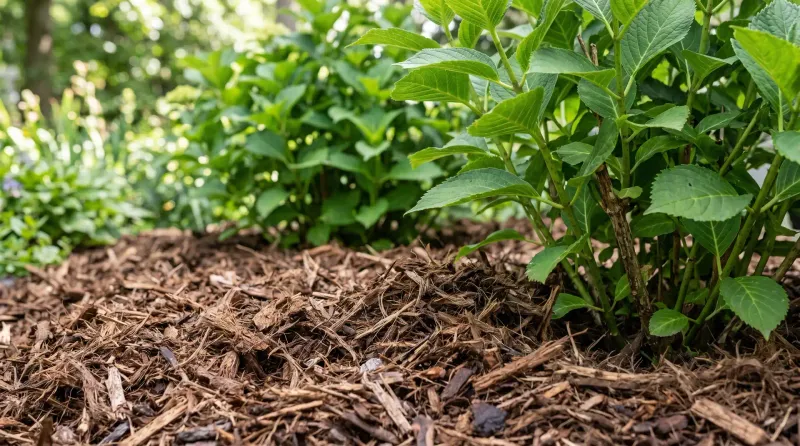
Bare soil bakes in the sun and dries out in a blink, leaving roots stressed and hot. A layer of mulch acts like a cozy blanket that solves several problems at once.
Spread two to three inches of organic mulch such as shredded bark, wood chips, pine needles, or composted leaves around the plant. It locks in moisture, keeps roots cool in summer, and breaks down into free nutrients over time.
Leave a small gap around the stems so they do not stay damp and rot. This one habit cuts your watering chores and smothers weeds as a bonus.
11. Feed With A High-Phosphorus Formula For Blooms
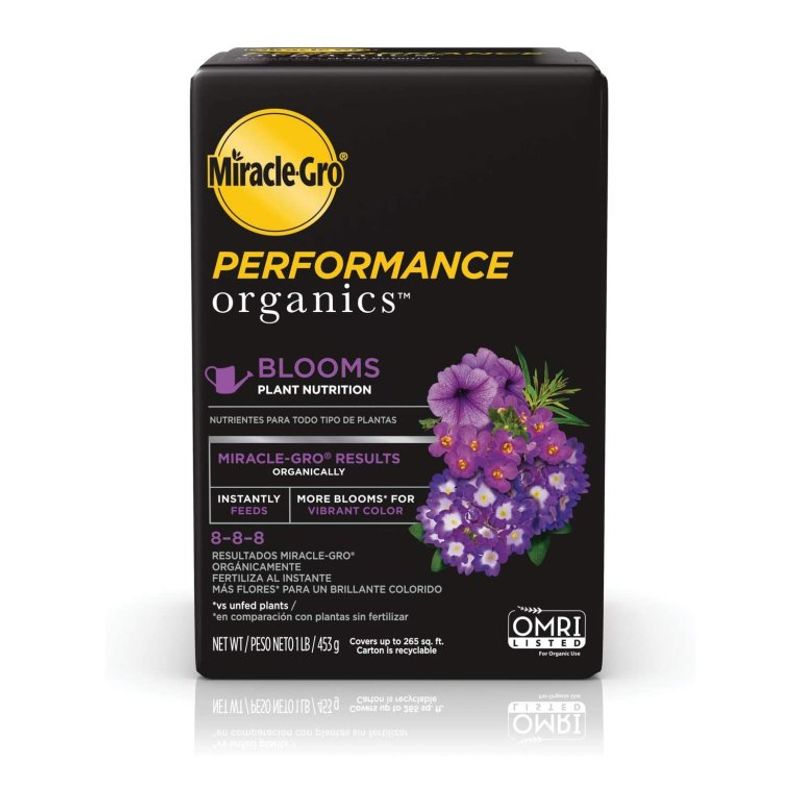
If your hydrangea grows plenty of leaves but skimps on flowers, it may be hungry for the right nutrient. Phosphorus is the one that pushes blooms.
In spring, use a slow-release fertilizer high in phosphorus, like a 15-30-15 or 10-20-10 blend, to encourage bigger, fuller flowers. Slow-release rose foods and a thick layer of finished compost work well too.
Feeding early gives the plant time to use that boost as buds form. A little help at the right moment can turn a bloom-light bush into a showstopper.
12. Go Easy On Nitrogen
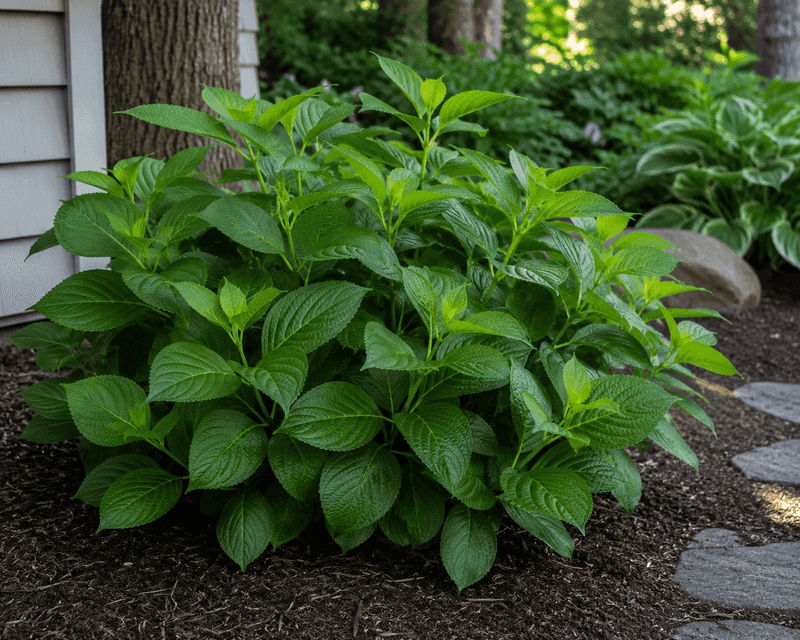
More fertilizer is not always better, and nitrogen is the sneaky culprit behind all-leaf, no-flower plants. Too much of it tells the hydrangea to grow foliage instead of blooms.
Skip the heavy nitrogen feeds and never fertilize while the plant is stressed from heat. A sunburned, thirsty hydrangea cannot use the food and may burn instead.
Keep feeding light and balanced, and time it for cooler, calmer stretches. Restraint here often unlocks the flowers you have been waiting for.
13. Test And Adjust Your Soil pH
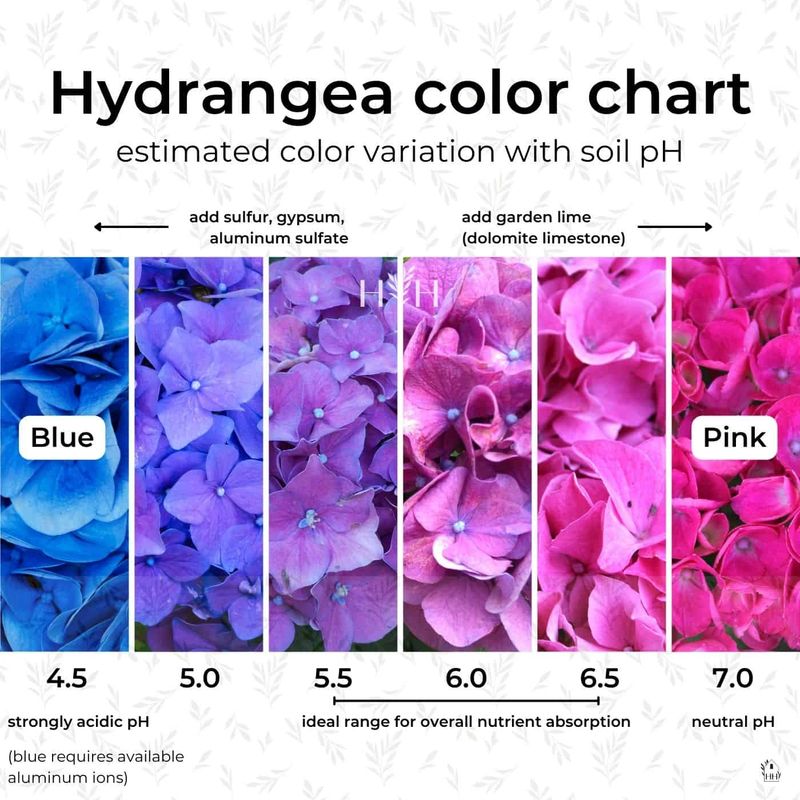
Hydrangeas are famous for changing color with the soil, and that magic comes down to pH. Getting it right also keeps the plant healthy overall.
Most prefer slightly acidic soil in the 5.5 to 6.5 range. A simple soil test tells you where you stand, and it takes the guesswork out of feeding.
To nudge blooms bluer, amendments like elemental sulfur or aluminum sulfate can lower the pH. Adjust gradually over a season rather than all at once so you do not shock the roots.
14. Address Nutrient Deficiencies
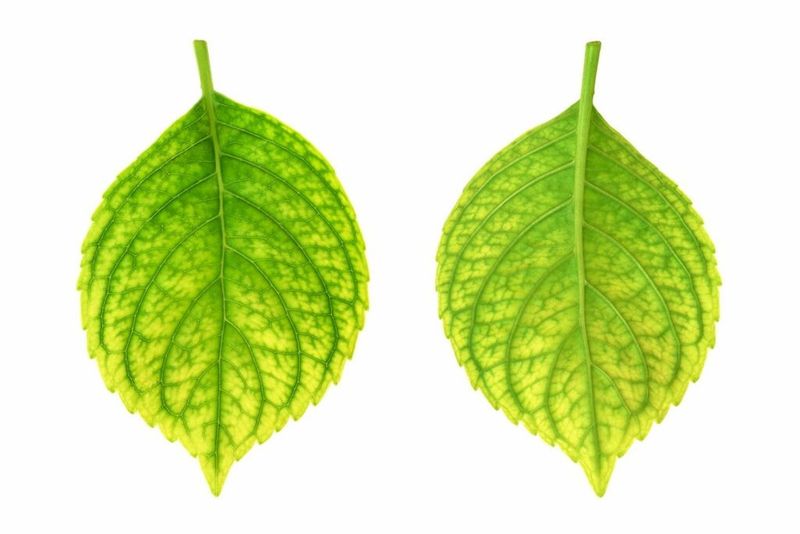
Yellow leaves are your hydrangea trying to talk, and the pattern tells you what it is missing. Reading that signal points you to the fix.
Leaves that turn yellow while the veins stay green usually mean an iron shortage, often caused by high soil pH. A soil test is the smart long-term move, and chelated iron can green things up quickly in the meantime.
Overall pale, yellowing growth can instead hint at low nitrogen, which a balanced feed or compost helps correct. Match the treatment to the symptom and the color returns.
15. Prune Correctly For Your Hydrangea Type
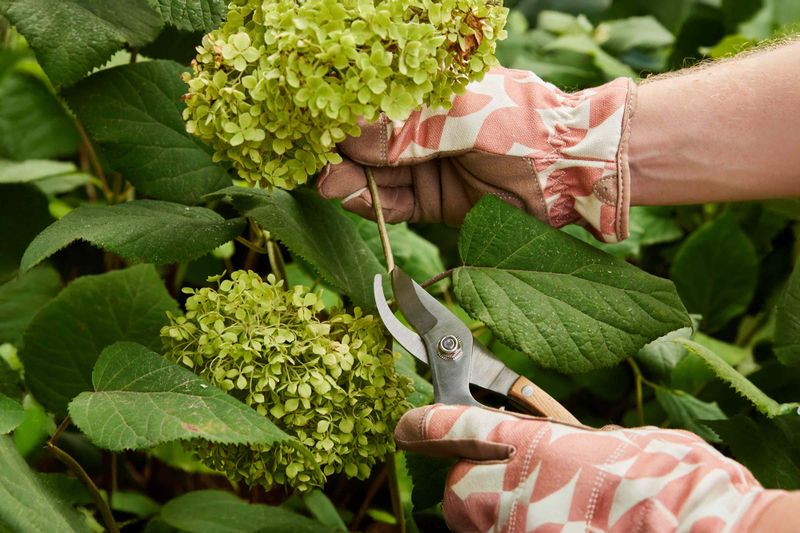
Bad pruning is one of the most common reasons a healthy plant refuses to bloom. Cut at the wrong time and you snip off next year’s flowers without knowing it.
Old wood bloomers like Bigleaf, Oakleaf, and Mountain hydrangeas set buds on last season’s growth, so prune them right after they finish flowering. Avoid cutting them in late summer, fall, winter, or early spring.
New wood bloomers like Panicle and Smooth hydrangeas flower on fresh growth, so trim them in late winter or early spring before new shoots appear. When you are unsure which you have, identify the variety first and let that guide every cut.