
If Your Tomatoes Stopped Setting Fruit In The Heat, Here Are 13 Fixes To Get Them Producing Again Before Fall
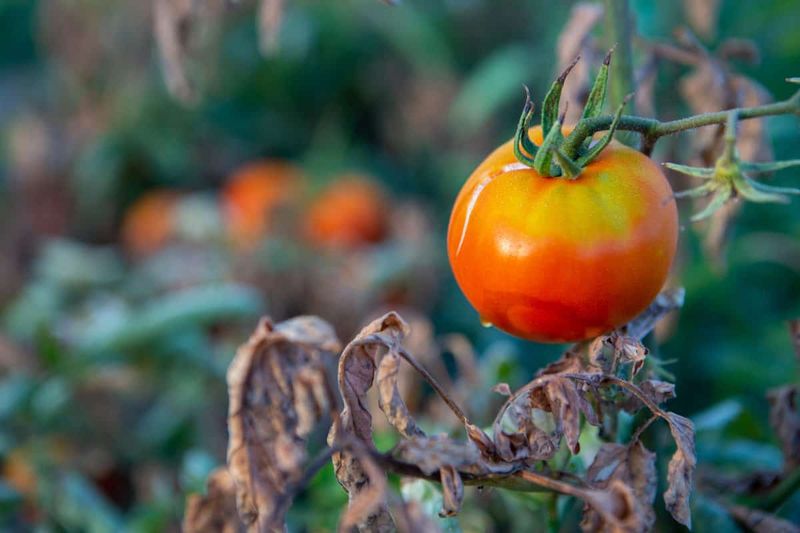
Your tomato plants look big and green, but suddenly the flowers keep falling off before any fruit shows up. When summer temperatures climb past 90 degrees during the day and stay above 70 at night, tomatoes get so stressed that their pollen stops working.
The good news is that this problem is fixable, and your plants can bounce back to producing once you make a few smart changes. Here are 13 practical fixes to get your tomatoes setting fruit again before the fall season arrives.
1. Provide Afternoon Shade
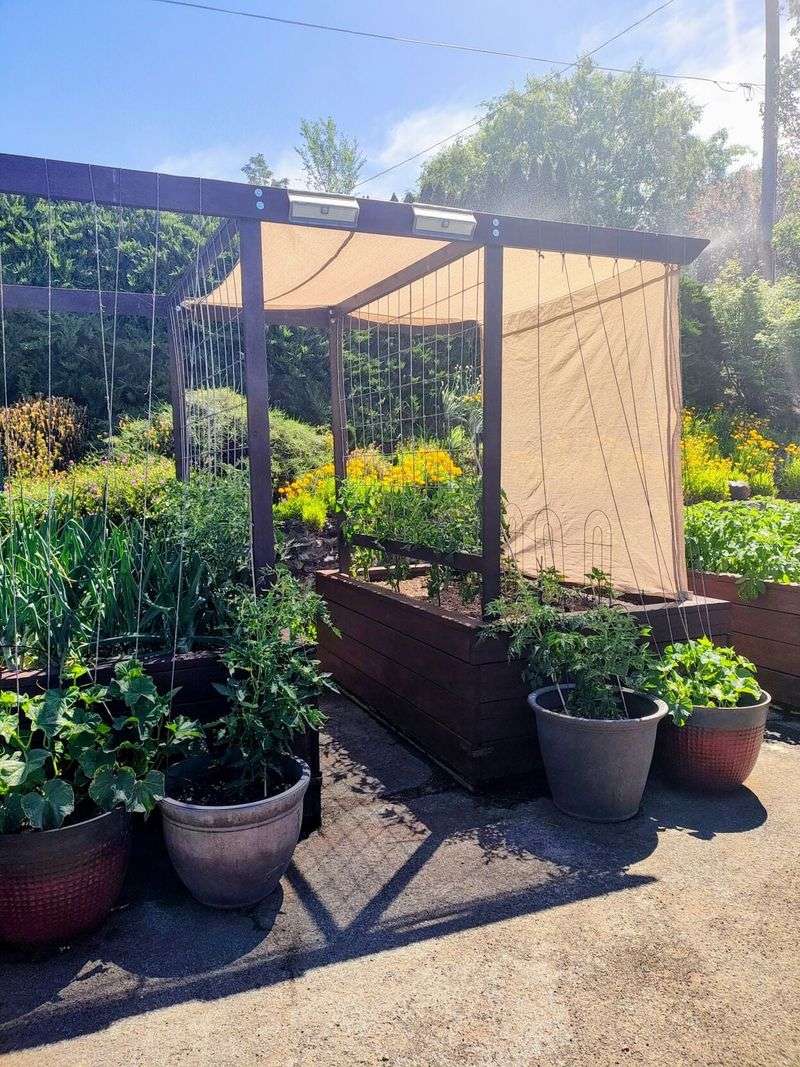
Picture your tomato plants baking under the noon sun like they are stuck on a hot skillet. That relentless afternoon light is often the exact reason blossoms shrivel and drop before fruit can form.
Hanging a shade cloth that blocks 30 to 50 percent of sunlight during the hottest stretch, roughly noon to 4 PM, can drop the temperature around your plants by as much as 10 degrees. Position it on the southwest side where the strongest heat comes from.
Even an old bedsheet or a patio umbrella works in a pinch. The goal is simply to take the edge off the blast without cutting out light entirely, giving those flowers a fighting chance to hold on and set fruit.
2. Water Deeply and Consistently
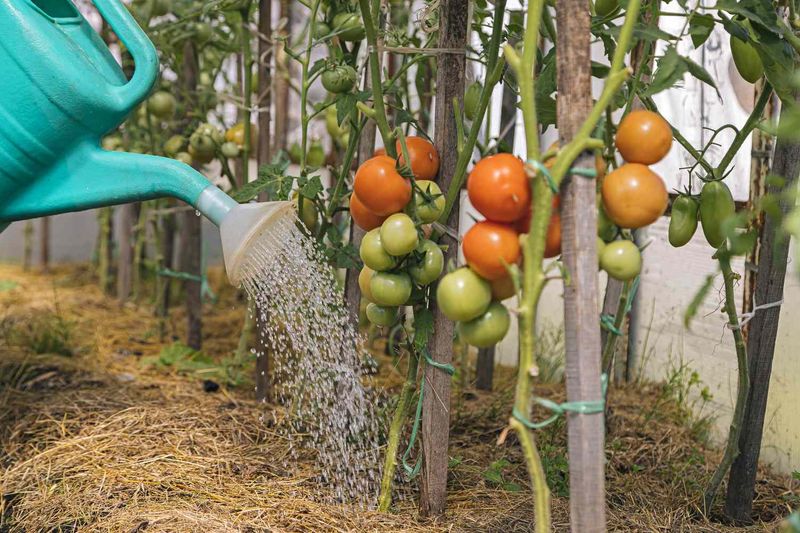
Tomatoes hate surprises when it comes to moisture, and swinging between bone-dry and soggy soil is a fast track to dropped blossoms. Steady, reliable water keeps the plant calm enough to focus on making fruit.
Aim for 1 to 1.5 inches of water per week, and bump that up during a brutal heat wave. Deep soaking that reaches down into the root zone beats a quick daily sprinkle every time, because deep roots handle stress far better.
Stick your finger a couple inches into the soil to check. If it feels dry down there, it is time for a good long drink rather than another shallow splash.
3. Water in the Morning
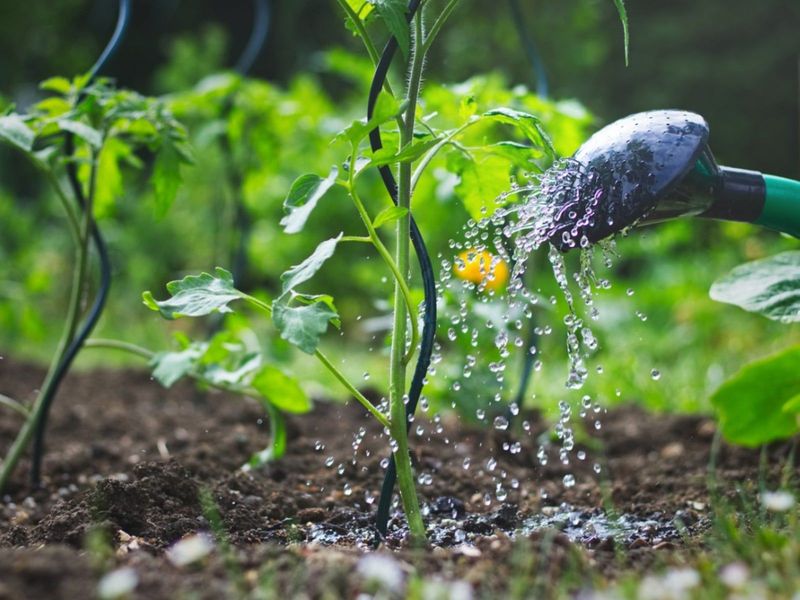
The clock matters more than most gardeners realize. Watering first thing in the morning gives your tomatoes a full tank before the heat cranks up, so they are not fighting thirst during the worst part of the day.
Morning watering also lets the leaves dry off quickly once the sun rises. Wet foliage sitting overnight is an open invitation for fungal diseases that can pile more stress onto an already struggling plant.
If mornings are impossible for you, early evening beats midday. Just try to keep water off the leaves so they are not damp when darkness falls.
4. Use Drip Irrigation or Soaker Hoses
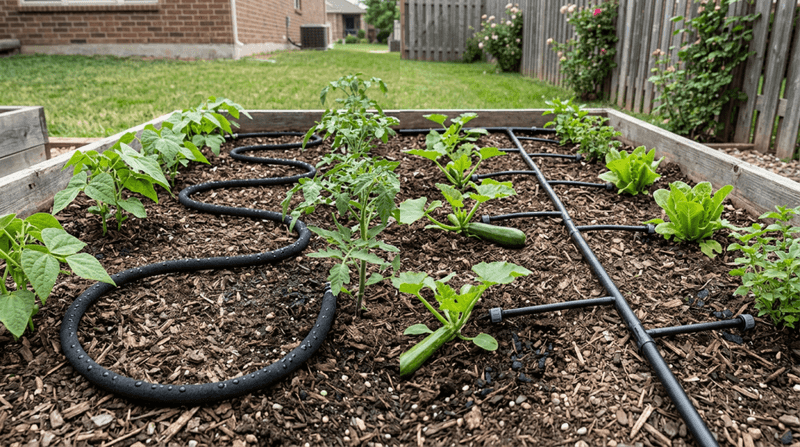
Ever notice how a regular sprinkler wastes water everywhere except where the roots actually are? Drip lines and soaker hoses fix that by dripping water slowly and directly onto the soil at the base of each plant.
Since the water goes straight to the roots, the leaves stay dry and the plant gets consistent moisture without you standing there with a hose every day. That consistency is exactly what heat-stressed tomatoes crave.
Set one up on a simple timer and your plants get a steady, even drink whether you remember or not. It is one of the easiest ways to remove the guesswork from summer watering.
5. Apply a Thick Layer of Mulch
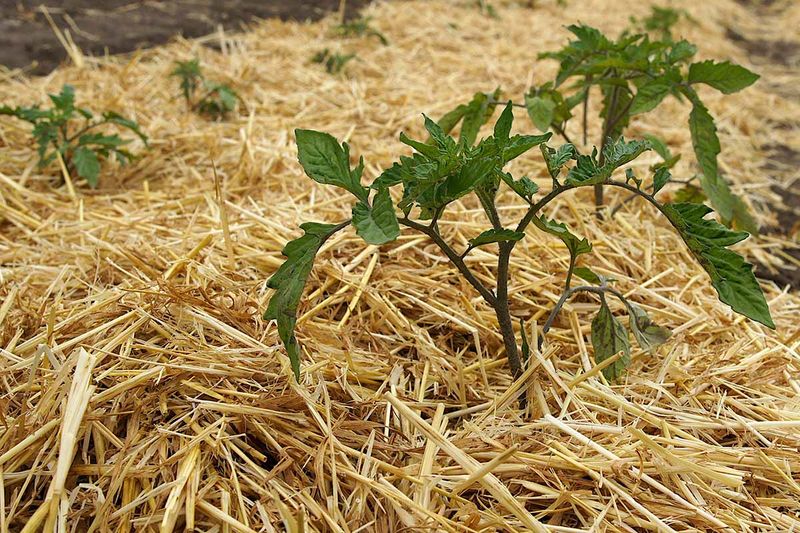
Think of mulch as a cozy insulating blanket that keeps your tomato roots from cooking. Bare soil heats up fast in the sun, but a good layer of mulch keeps things noticeably cooler down where it counts.
Spread 2 to 5 inches of organic material like straw, wood chips, or dried grass clippings around the base of each plant. It locks in moisture so you water less, and it smothers weeds that would otherwise steal water and nutrients.
Keep the mulch pulled back an inch or so from the stem to avoid trapping too much dampness against it. That small gap prevents rot while still giving you all the cooling benefits.
6. Gently Vibrate Flowers for Better Pollination
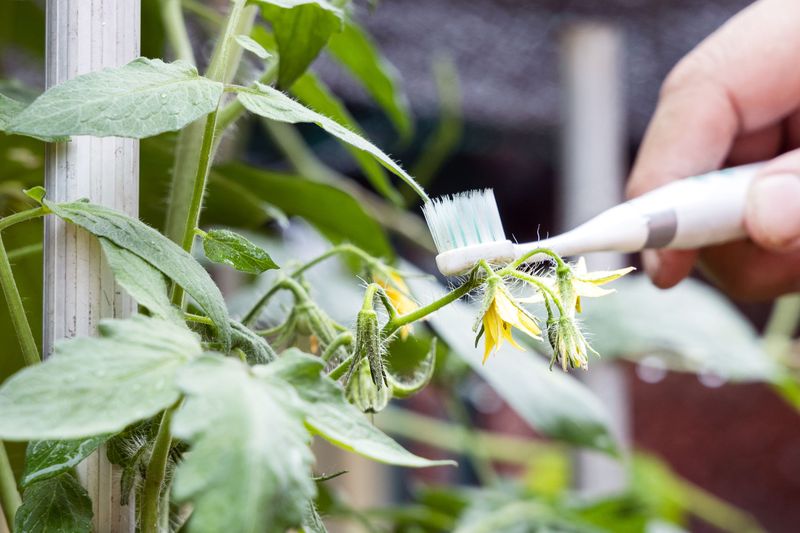
Tomatoes are self-pollinating, but they rely on a bit of movement to shake pollen loose inside each flower. When the air is still and muggy, that pollen gets sticky and stubborn, and pollination just does not happen.
Give the flower clusters a gentle tap or lightly shake the whole plant every day or two, ideally around midday. Some gardeners even use an electric toothbrush held near the base of the bloom to buzz the pollen free.
It feels a little silly the first time, but this tiny bit of help can make a real difference during low-wind, high-humidity spells. You are basically doing the job the breeze usually handles.
7. Avoid Excessive Nitrogen Fertilizer
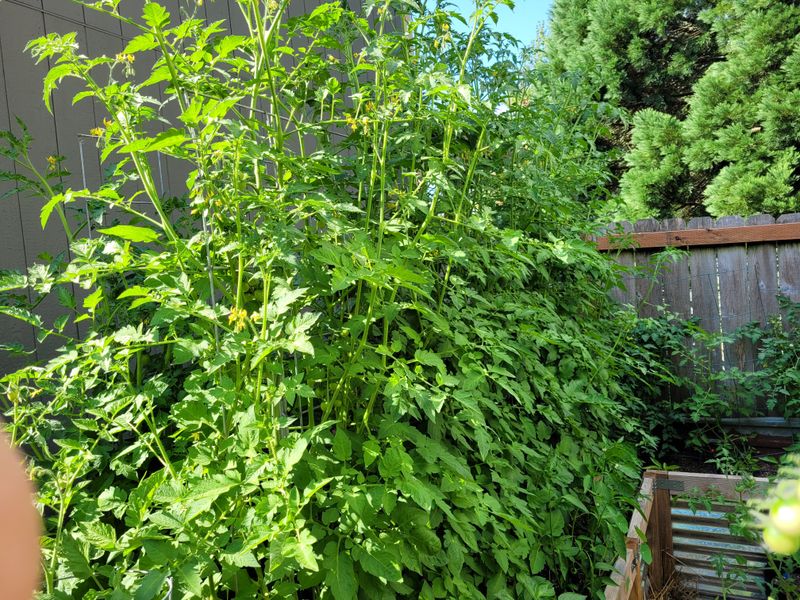
A plant drowning in nitrogen turns into a leafy green jungle with barely a tomato in sight. When it is already stressed by heat, that extra nitrogen just pushes it to grow more foliage instead of setting fruit.
Bushy top growth also demands more water, which piles onto the stress your plant is already fighting through. During a hot spell, back off the high-nitrogen feeds entirely.
Once temperatures ease up, a low-nitrogen, slow-release fertilizer can gently get things moving again. Until then, let the plant put its energy toward flowers and fruit rather than more leaves.
8. Ensure Adequate Potassium
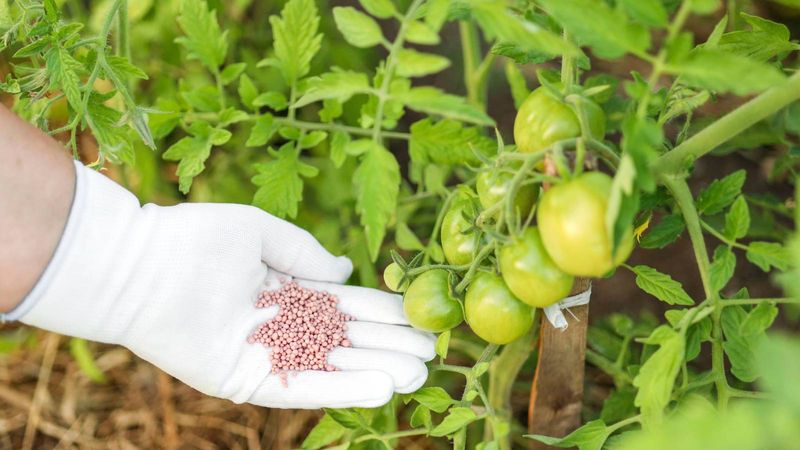
Potassium is the quiet workhorse behind good fruit. It helps tomatoes develop, ripen well, and tough it out through heat and drought when everything else is going sideways.
A balanced fertilizer with solid potassium content supports fruit set and keeps the whole plant sturdier under stress. Look at the label and make sure that third number, the K in N-P-K, is not lagging behind.
Feeding your plants proper potassium during flowering gives them the tools to actually finish the job. Strong, heat-tolerant plants tend to hang onto their blossoms instead of shedding them.
9. Address Calcium Needs to Prevent Blossom End Rot
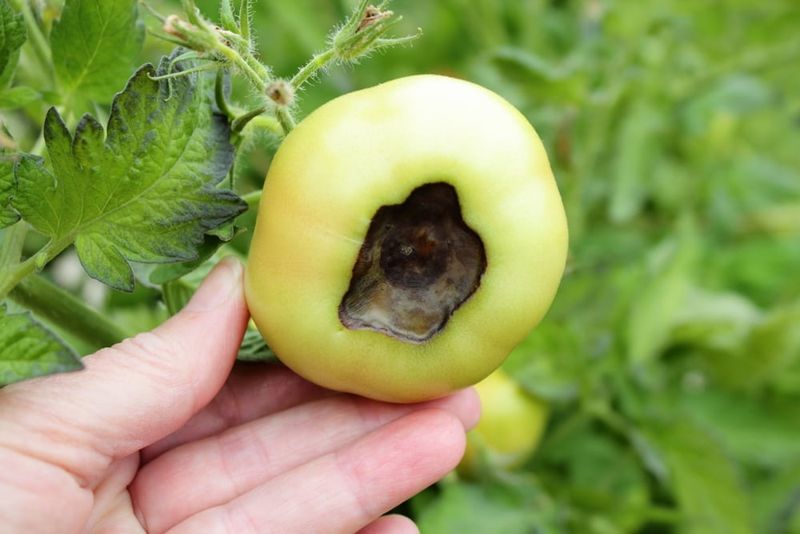
Nothing stings quite like watching a promising tomato turn dark and mushy on the bottom. That sunken brown patch is blossom end rot, and it usually traces back to calcium not reaching the fruit properly.
The tricky part is that heat and uneven watering are often the real culprits, since fast-swinging moisture stops the plant from moving calcium where it needs to go. Keeping soil moisture steady is your first and best defense.
If a soil test shows low calcium, working in gypsum or garden lime can help over time. Pair that with consistent watering and you will spare a lot of fruit from that heartbreaking rotten end.
10. Consider Magnesium (Epsom Salts)
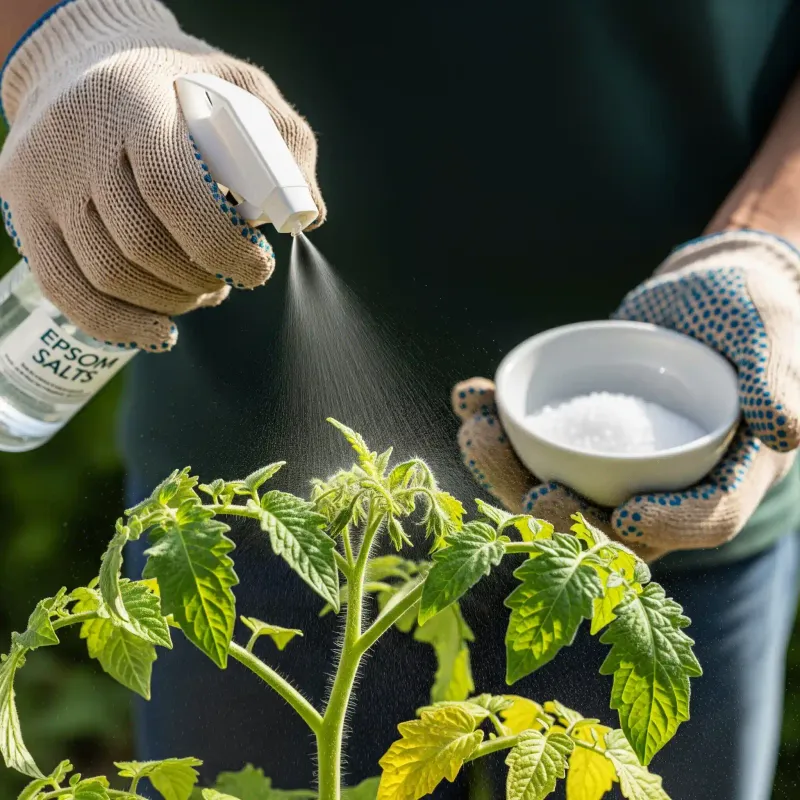
Yellowing leaves with green veins can be a sign your tomatoes are hungry for magnesium, a nutrient tied straight to healthy photosynthesis. When the leaves work better, the whole plant has more energy to put into fruit.
A tablespoon of Epsom salts dissolved in a gallon of water makes an easy foliar spray you can mist onto the leaves every couple of weeks during flowering. You can also mix it into the soil if you prefer.
Do not overdo it, since magnesium is a supporting player rather than a magic cure. Used sparingly, though, it can perk up a tired plant and nudge it back toward producing.
11. Limit Pruning
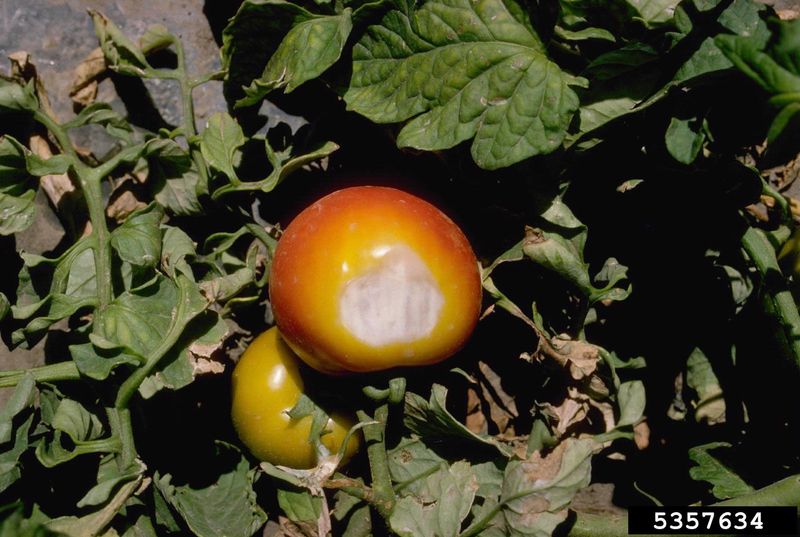
It is tempting to grab the shears and tidy up a sprawling tomato plant, but heavy summer pruning can backfire hard. Those leaves are the plant’s own built-in sunshade, protecting developing fruit from scalding sunburn.
Strip too many away and you expose green tomatoes to harsh light that leaves them with pale, leathery sunscald patches. In the middle of a heat wave, more leaves usually mean healthier fruit.
Stick to snipping off only the yellowing, dead, or clearly diseased foliage. Leave the healthy canopy alone until temperatures settle back down into a friendlier range.
12. Choose Heat-Tolerant Varieties
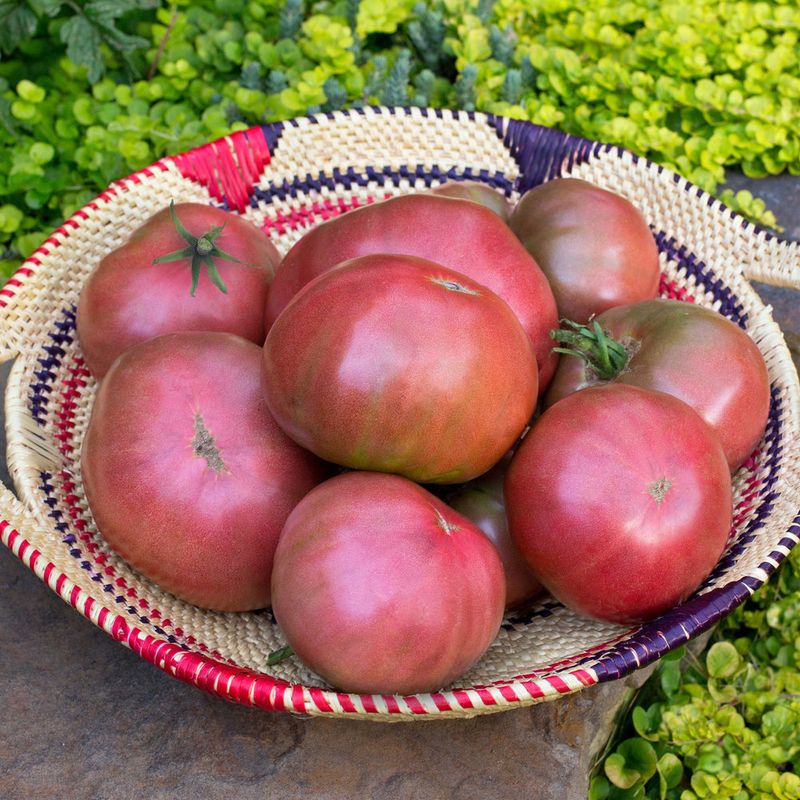
Some tomatoes simply shrug off heat that would send others into blossom-dropping panic. If your summers regularly scorch, planting varieties bred for the heat is a game-changer for future seasons.
Reliable performers include Big Beef, Black Krim, Box Car Willie, Cherokee Purple, Mortgage Lifter, and Super Sweet 100. Smaller types like cherry tomatoes tend to keep setting fruit across a wider temperature range too.
Fun fact: those tiny cherry tomatoes often stay productive long after the big beefsteaks have quit for the summer. When you plan next year’s garden, tucking in a few heat-tough varieties gives you a backup crop no matter how hot it gets.
13. Support Post-Heatwave Recovery
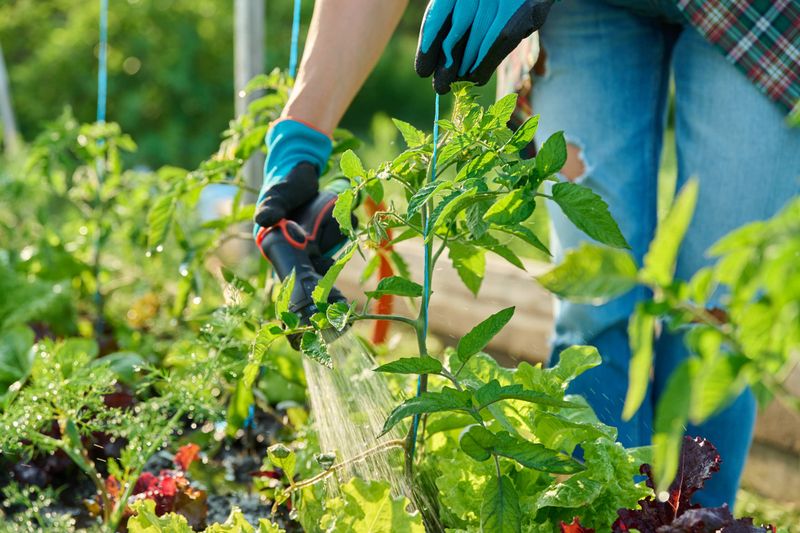
Here is the encouraging part: once the brutal heat finally breaks, tomatoes usually roar right back to life on their own. Those flowers that were dropping start holding, and fresh blossoms appear as the plant relaxes.
You can give recovery a friendly push with a light layer of compost or a balanced organic fertilizer carrying both nitrogen and potassium. That gentle feeding stimulates new growth and encourages a fresh wave of flowers.
Keep up your steady watering and mulching through the transition so the plant stays comfortable. With a little patience, your tomatoes can crank out a generous late-season harvest right up until fall.