
Leaves Piling Up On Your Lawn Aren’t Trash – 15 Ways To Turn Them Into Free Garden Gold Before Winter
Every fall, millions of Americans stuff perfectly good leaves into plastic bags and drag them to the curb. That pile on your lawn is actually free mulch, free fertilizer, and free winter protection for the hydrangeas, roses, and tomatoes you worked so hard on all year.
Using leaves the right way can help your soil hold water, keep weeds down, and shield tender roots from hard freezes. Here are 15 simple ways to put every last leaf to work before the snow flies.
1. Shredded Leaf Mulch for Garden Beds
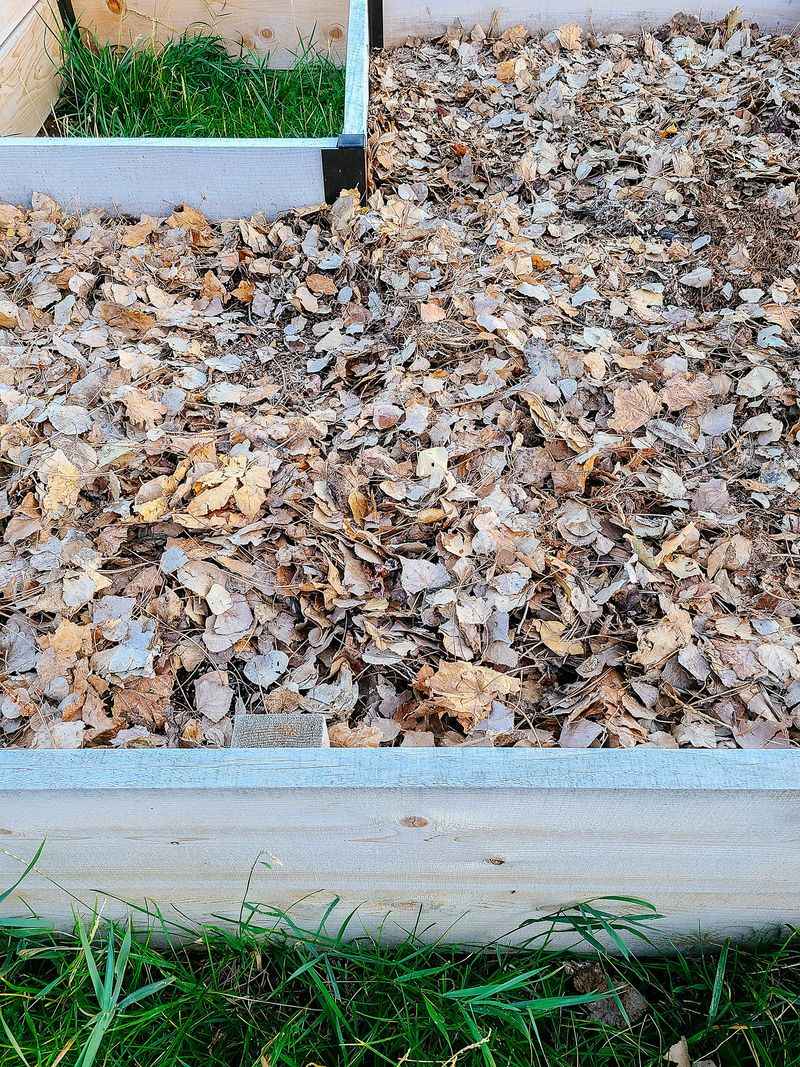
Picture a store-bought bag of mulch that costs nothing and falls from the sky. Shredded leaves do the same job, and your plants honestly can’t tell the difference.
The trick is shredding first. Whole leaves can mat into a soggy, slick layer that blocks water and air, but chopped pieces stay loose and fluffy.
Run your mower over a pile a few times, or use a leaf shredder if you have one.
Spread about 2 to 3 inches over your perennial beds once the ground starts to cool. That layer can reduce weeds, keep soil moisture steady, and soften the wild temperature swings that heave plants out of the ground in late winter.
Keep the mulch an inch or two away from plant stems so crowns don’t stay wet. Come spring, much of it will have softened into the soil already.
2. Winter Blanket for Hydrangeas and Roses
Ever had a bigleaf hydrangea leaf out beautifully in spring and then refuse to bloom? A brutal winter often kills the flower buds sitting on old stems, and that’s where leaves come to the rescue.
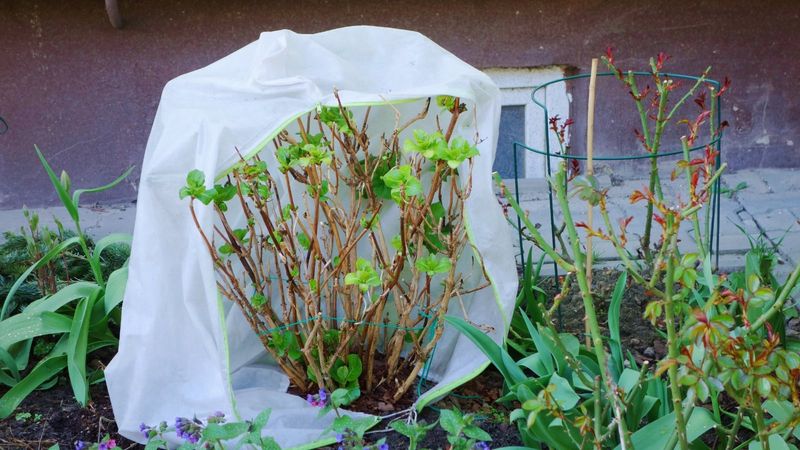
After a few hard frosts, pile shredded leaves around the base of your hydrangeas and hybrid tea roses. For hydrangeas in colder zones, some gardeners build a simple chicken wire cage around the shrub and fill it loosely with dry leaves.
That fluffy insulation may help protect roots and the lower buds from sudden freezes. In spring, pull the leaves back gradually once the danger of hard frost has passed.
It is one of the easiest bloom-saving moves you can make all year.
3. Brown Fuel for Your Compost Pile
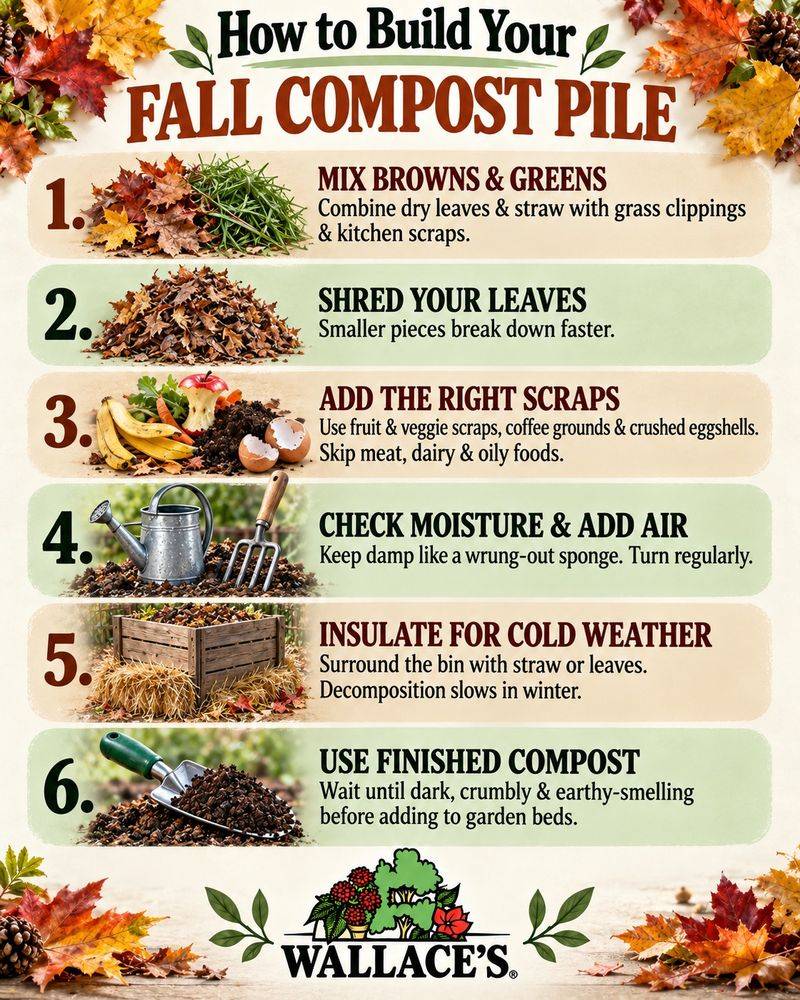
Compost needs balance, and most backyard piles are starving for carbon. Grass clippings and kitchen scraps are your greens.
Leaves are your browns, and fall hands you a year’s supply.
A rough ratio of two or three parts leaves to one part greens keeps the pile from turning slimy and smelly. Shredded leaves break down much faster than whole ones.
Here’s a smart habit: bag some extra dry leaves and stash them beside the bin. Next summer, when you’re drowning in clippings and tomato trimmings, you’ll have browns ready to mix in.
The finished compost can improve soil texture, help it hold water, and feed the plants you care about most.
4. Slow and Lazy Leaf Mold
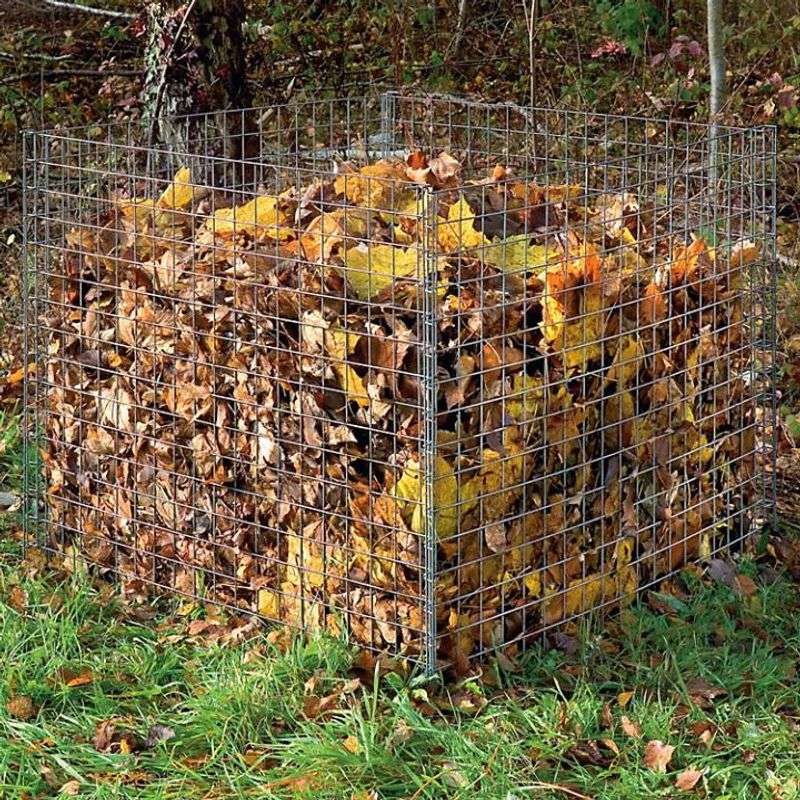
Gardeners in England have prized leaf mold for centuries, and it might be the laziest soil booster ever invented. You pile leaves, wet them, and walk away.
Build a simple circle of wire fencing or stuff leaves into black trash bags with a few holes poked in. Keep them damp like a wrung-out sponge.
In one to two years, you’ll have dark, crumbly material that smells like a forest floor. Leaf mold isn’t loaded with nutrients, but it is fantastic at holding moisture and loosening soil.
Mix it into containers for petunias or geraniums, or spread it in shady beds. Patience is the only price.
5. Dig Leaves Straight Into the Soil
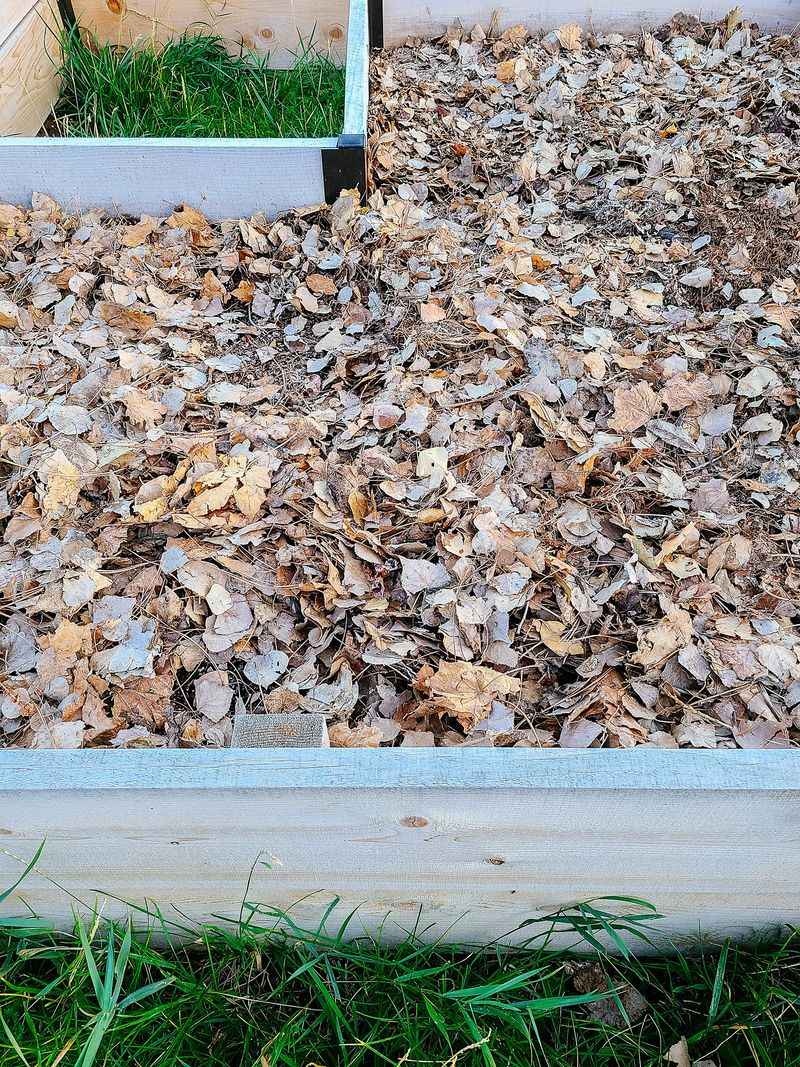
Got heavy clay that cracks in summer, or sandy soil that dries out by noon? Fall is your window to fix it for free.
Spread a few inches of shredded leaves over an empty bed and work them into the top 6 to 8 inches with a fork or spade. Over winter, worms and soil microbes get busy breaking them down.
By spring planting, clay tends to drain better and sandy soil can hold more water. Just one caution: decomposing leaves may tie up a little nitrogen early on, so do this in fall, not right before you plant tomatoes.
6. Stretch the Fall Vegetable Harvest
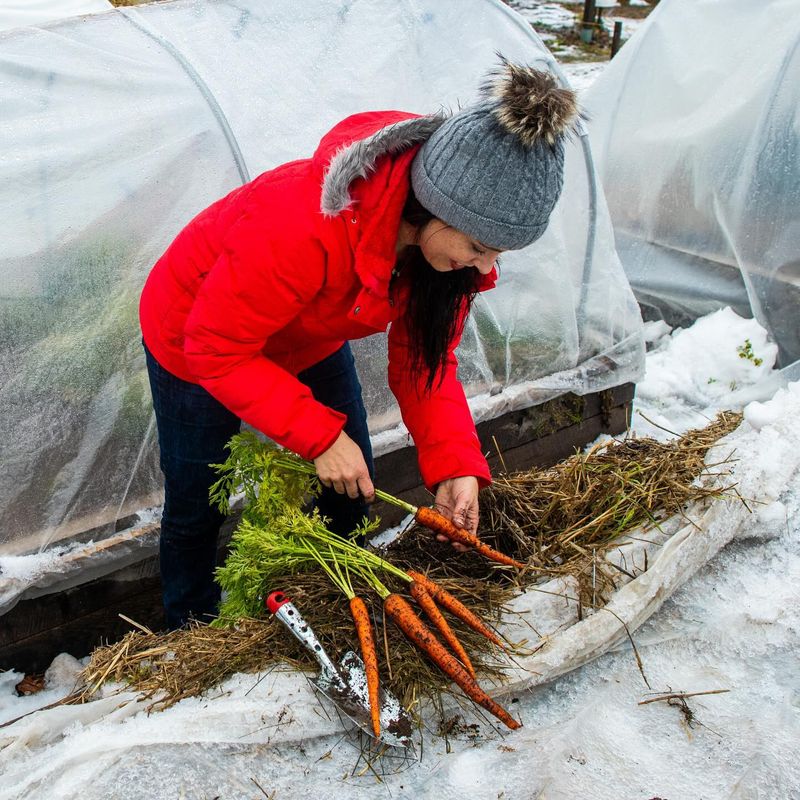
Carrots pulled in December taste sweeter than summer ones. Cold turns their starch into sugar, and a leaf blanket lets you enjoy that payoff longer.
Pile 6 inches or more of leaves over rows of carrots, beets, and parsnips. The soil underneath freezes more slowly, so you can keep digging well into early winter in many parts of the country.
Hardy greens like spinach and kale can also benefit from a loose layer tucked around them during cold snaps. Pull leaves aside when you harvest, then tuck them back.
Mark your rows with stakes so you can find them under the pile.
7. Cozy Cover for Spring Bulbs
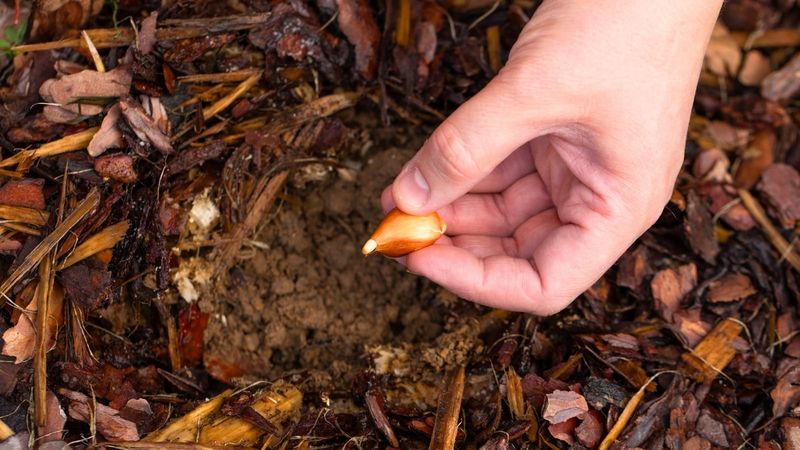
You just spent an afternoon planting tulips and daffodils. Now protect that investment.
Once the bulbs are in the ground and the soil has cooled, add 2 to 3 inches of shredded leaves on top. That layer evens out the freeze-thaw cycle, which can push bulbs upward or tempt them to sprout too early during a warm spell.
Squirrels are less likely to notice freshly dug soil, too. In early spring, rake the cover thinner as green tips appear so the shoots come up straight and strong.
8. Rings Around Trees and Shrubs
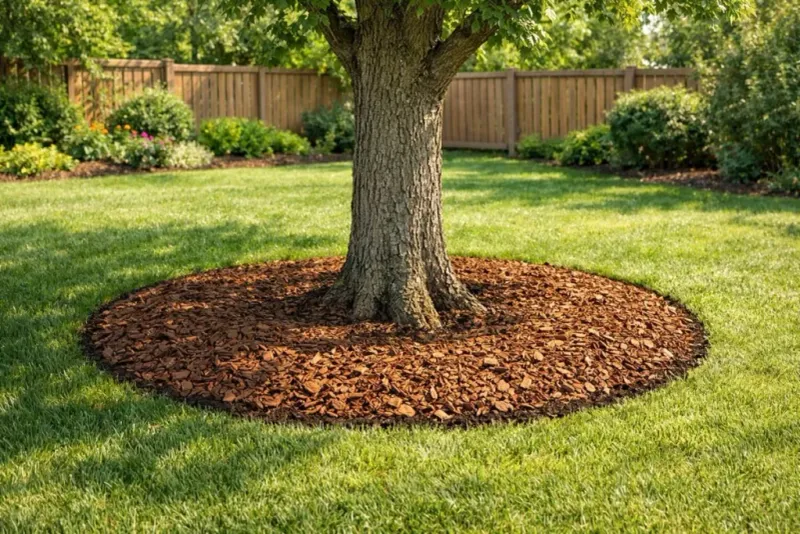
In a forest, nobody rakes. Trees drop their leaves, and those leaves feed the roots year after year.
Copy that at home by spreading a wide ring of leaves under trees and shrubs, ideally out toward the drip line. Leave a small gap right around the trunk to prevent rot.
That ring can moderate soil temperature, conserve moisture, and slowly return nutrients. It also keeps mowers and string trimmers from nicking the bark, a surprisingly common way young trees get hurt.
9. Mow Them Right Into the Lawn
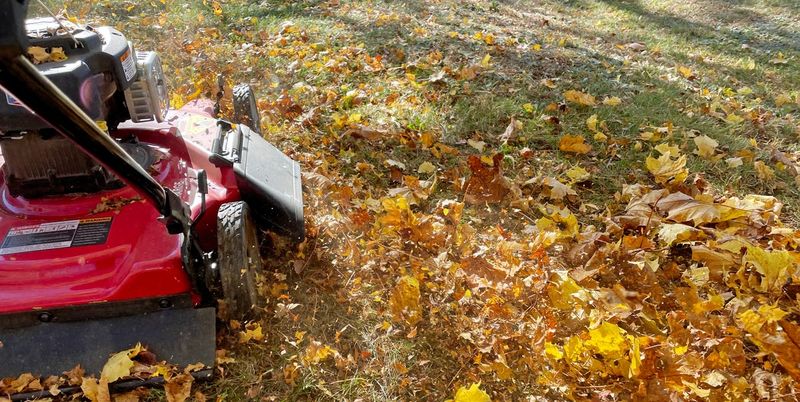
Good news for anyone who hates raking: your mower might be the best leaf tool you own.
When leaves are a thin layer, mow over them with a mulching blade until the pieces are about dime-sized. They slip down between grass blades and break down quickly.
Turfgrass studies at several universities have found that mulched leaves don’t harm healthy lawns and can add organic matter to the soil. The key is frequency.
Mow every week or so during peak leaf drop, because a thick, wet mat can smother grass. If you can still see plenty of green after mowing, you did it right.
10. Loose Whole Leaves Over Perennials
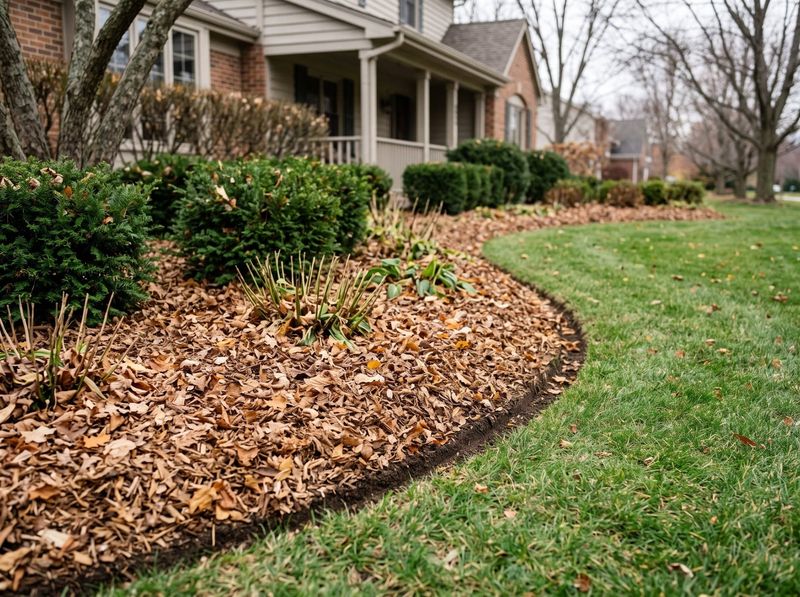
No shredder? No problem.
Sometimes the simplest fix is just a rake and a few minutes.
Toss whole leaves loosely over dormant perennial beds and around the base of clematis vines. Oak leaves are especially good here because they’re stiff and resist matting.
Avoid thick layers of soft leaves like maple, which can turn into a wet blanket. Fluff the pile now and then, and pull it back in spring before new growth gets tangled underneath.
11. Lasagna Garden for a Brand New Bed
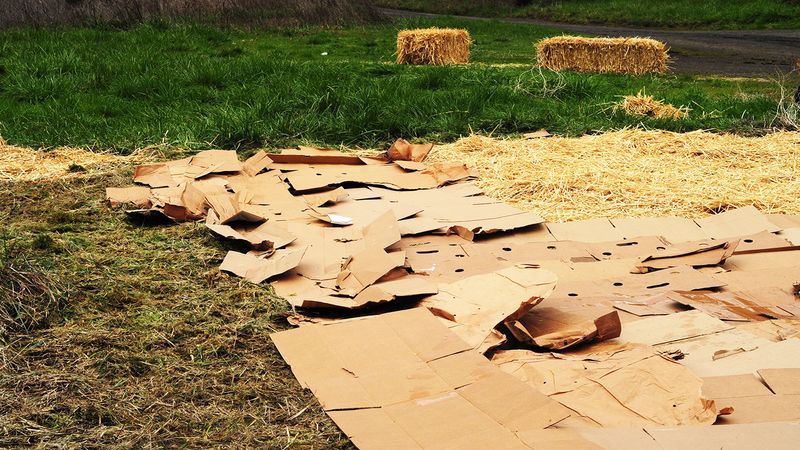
Want a new flower bed next spring without digging up sod? Build it like a lasagna.
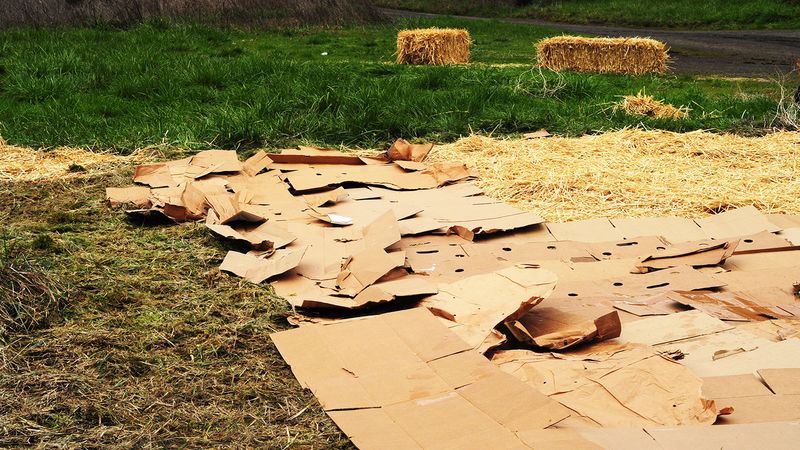
Lay flattened cardboard right on top of the grass and soak it. Then stack alternating layers of leaves, grass clippings, coffee grounds, and compost, about 12 to 18 inches high.
Over winter, the cardboard smothers the turf while the layers shrink and rot into rich soil. By spring, you can plant petunias or geraniums right into it.
Many gardeners call it the easiest bed they’ve ever built.
12. A Winter Hotel for Helpful Critters
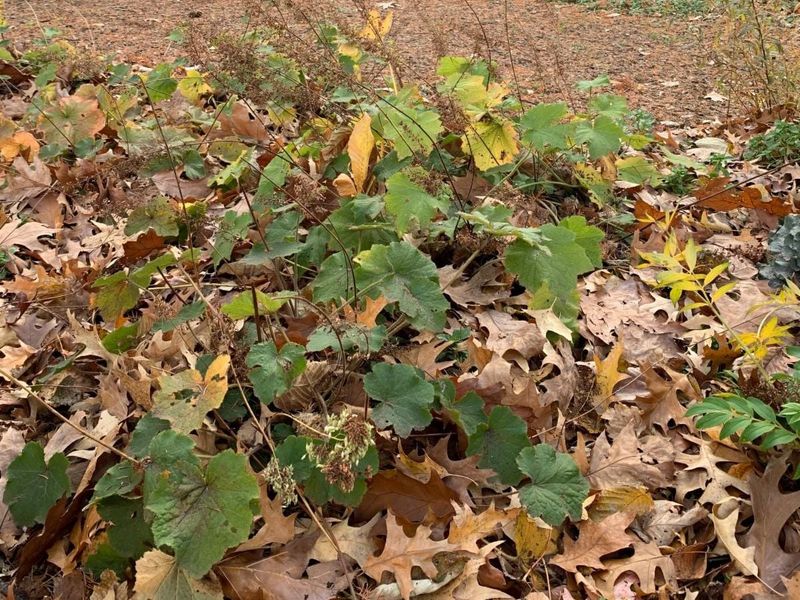
Did you know many fireflies spend their youth in leaf litter? So do plenty of butterfly caterpillars, beetles, and queen bumblebees waiting out the cold.
Leave one corner of the yard, or the space under a few shrubs, alone. A modest leaf pile there gives overwintering insects, toads, and salamanders a safe hideout.
Those creatures pay rent next summer by pollinating your tomatoes and eating pests. It’s the rare garden job where doing less really does more.
13. Stop Bare Soil From Washing Away
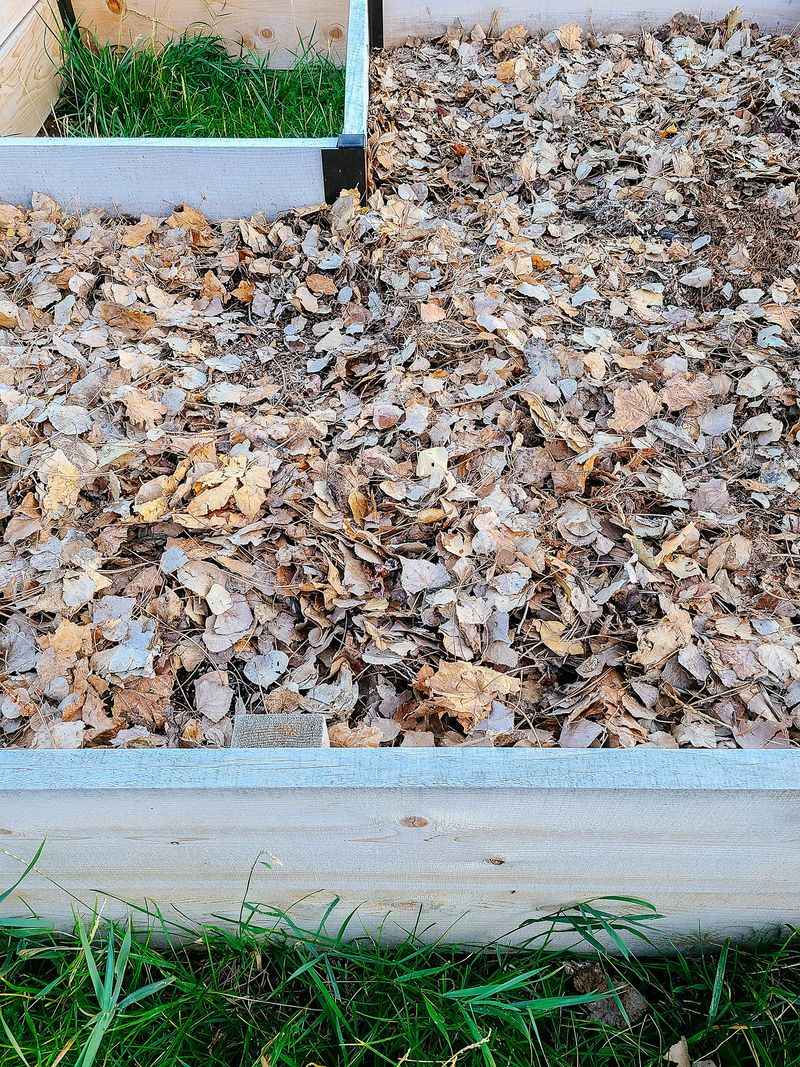
Heavy fall rain can carry off topsoil faster than most people realize. Bare beds take the biggest beating.
Spread a layer of leaves over any exposed soil, especially on slopes or in empty vegetable beds. The leaves soften raindrop impact and slow down running water.
Wind erosion drops too. Keeping that top layer in place means the nutrients you added this year are still there when you plant again.
14. Bedding for a Worm Bin
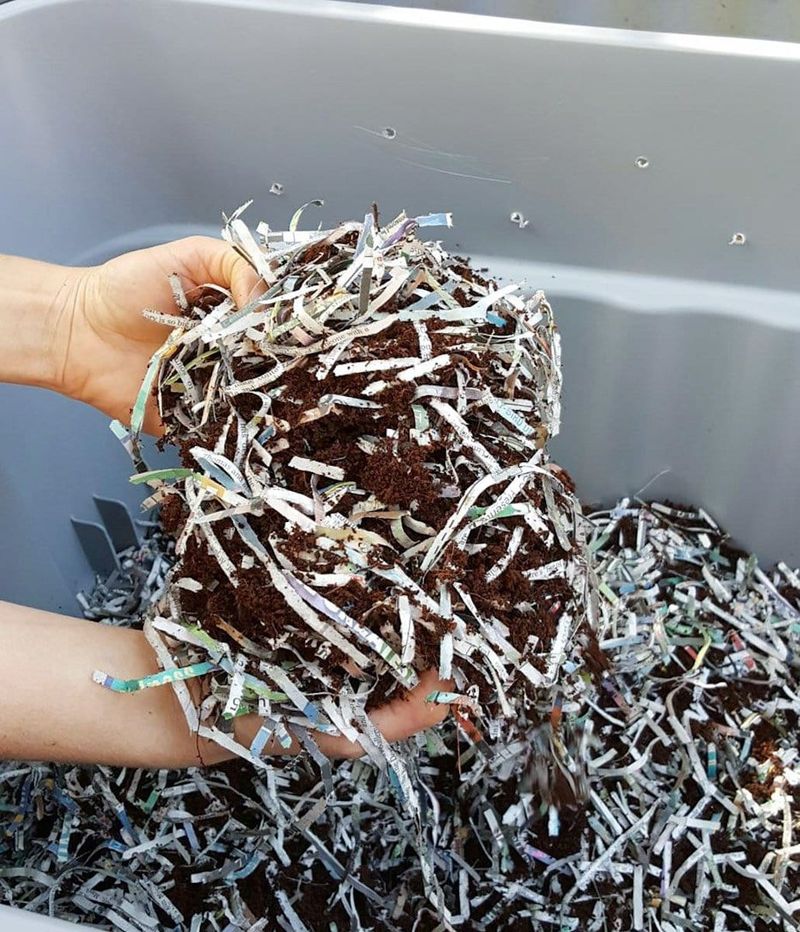
Red wigglers are fussy roommates, but they love dry, shredded leaves.
Moisten a batch of crumbled leaves and use it as bedding in your worm bin, or mix it in whenever food scraps start getting soggy. Leaves add carbon and give worms airy places to tunnel.
The result is worm castings, a rich amendment you can sprinkle around houseplants or tuck into pots of geraniums. Store a bag of dry leaves indoors so you have bedding all winter.
15. Old-School Root Vegetable Storage

Long before refrigerators, families kept root crops in cellars packed with whatever was handy. Dry leaves made the list.
Layer carrots, beets, or turnips between clean, dry leaves in a crate or bucket. Store it somewhere cool and humid, like an unheated basement or garage that stays above freezing.
The leaves cushion the roots and help prevent them from shriveling. Check now and then and remove anything soft.
It’s a charming, practical way to finish the season using the very last of your yard’s free gold.