
Little Bluestem Can Suit a Sunny North Carolina Mailbox Bed When There Is Room and Clearance
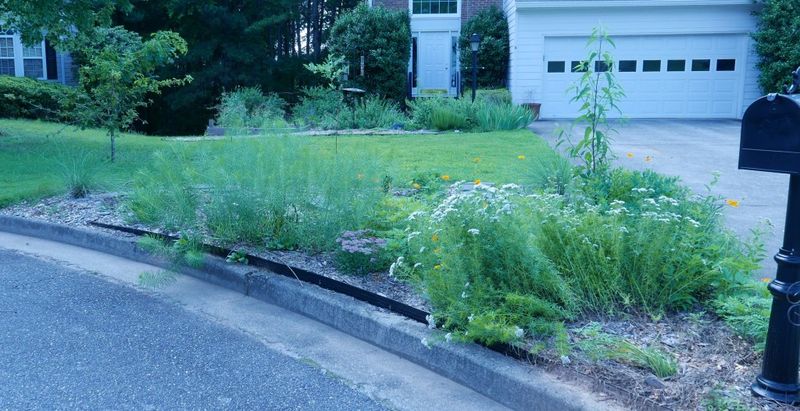
A mailbox bed sits in the hottest, driest spot in many North Carolina yards, so the grass you pick has to work hard. Purple fountain grass is a common choice, but it is usually replaced every year.
Little bluestem is a native grass that can bring copper color to the curb in fall and winter. Whether it fits depends on your sun, your space, and the rules for your roadside.
Purple Fountain Grass Is Usually an Annual in North Carolina
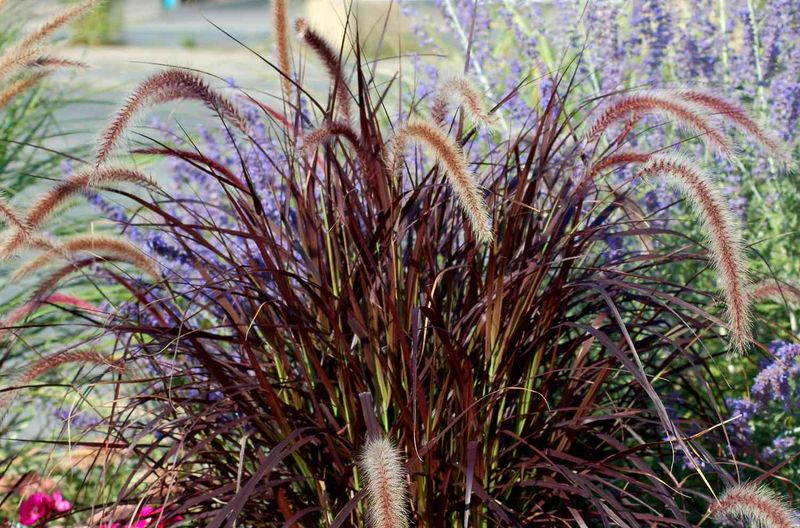
Plenty of people have heard that purple fountain grass dies at the first cold snap. That shorthand is too simple.
NC State Extension says it is normally grown as an annual in North Carolina, and its flowers last until frost.
In practical terms, that means many homeowners buy new plants each spring instead of counting on the same clump returning. If you enjoy that routine, the plant can still look great in a mailbox bed through summer and early fall.
Nothing here says you must skip it everywhere.
Climate matters a lot. University of Florida IFAS Extension notes that the ‘Rubrum’ cultivar is grown as a perennial in much of Florida but as an annual in cooler climates.
North Carolina winters fall on the cooler side of that line for most gardeners, so plan on annual treatment.
There is also the question of origin. Purple fountain grass is not native to North America and can self-seed.
NC State says it is considered invasive in some southern West Coast states, and UF/IFAS calls the ‘Rubrum’ cultivar potentially invasive in Florida, where it may reseed. Neither source labels it officially invasive in North Carolina.
So the real reason to look at another grass is simple. If you want a plant that comes back on its own and carries some interest into winter, a perennial native may suit you better.
Little Bluestem Can Add Native Winter Interest
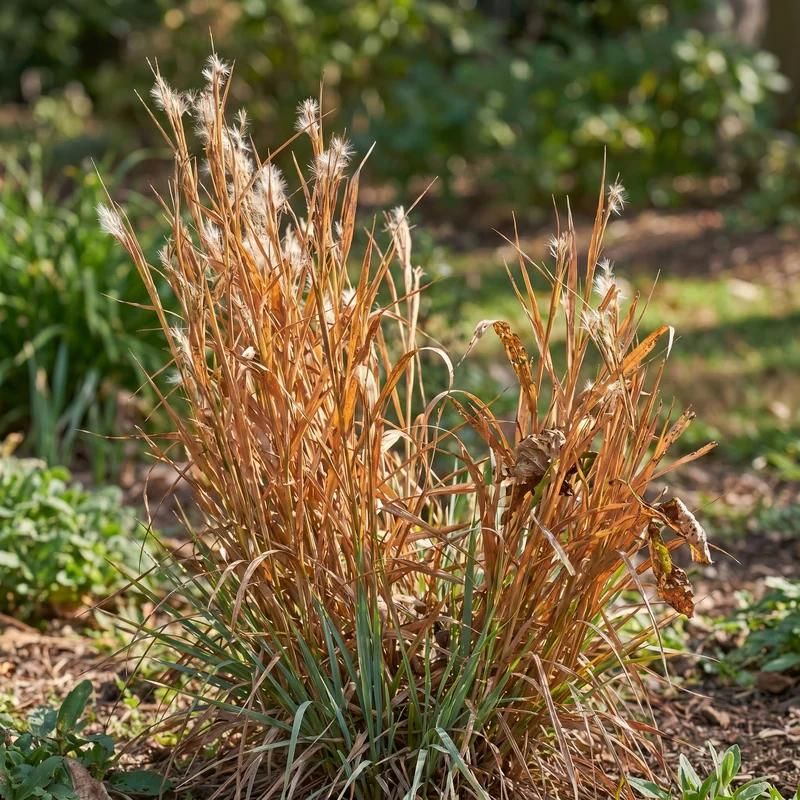
Little bluestem (Schizachyrium scoparium) is a grass that belongs here. The Vascular Plants of North Carolina flora records it throughout the state, including every county.
That makes it a familiar native for the mountains, Piedmont, and coast alike.
It is a warm-season, clumping perennial. According to NC State Extension, the foliage turns copper in fall, and that color persists through winter.
Purple-bronze seed heads add another layer of seasonal interest.
Because it grows in tidy clumps rather than spreading by runners, it stays in its spot and returns each spring from the same base. Many gardeners enjoy watching it shift from blue-green in summer to rusty orange as days shorten.
Set your expectations honestly, though. Little bluestem is not evergreen.
The leaves dry out and fade as winter goes on, and the exact shade of color varies with weather, site, and the plant itself. Think of it as winter interest, not a guaranteed blaze of color.
For a mailbox bed that looks bare from December to March, that muted copper texture can be a real step up. It simply works best when the rest of the site cooperates.
Give the Grass Sun and Well-Drained Soil
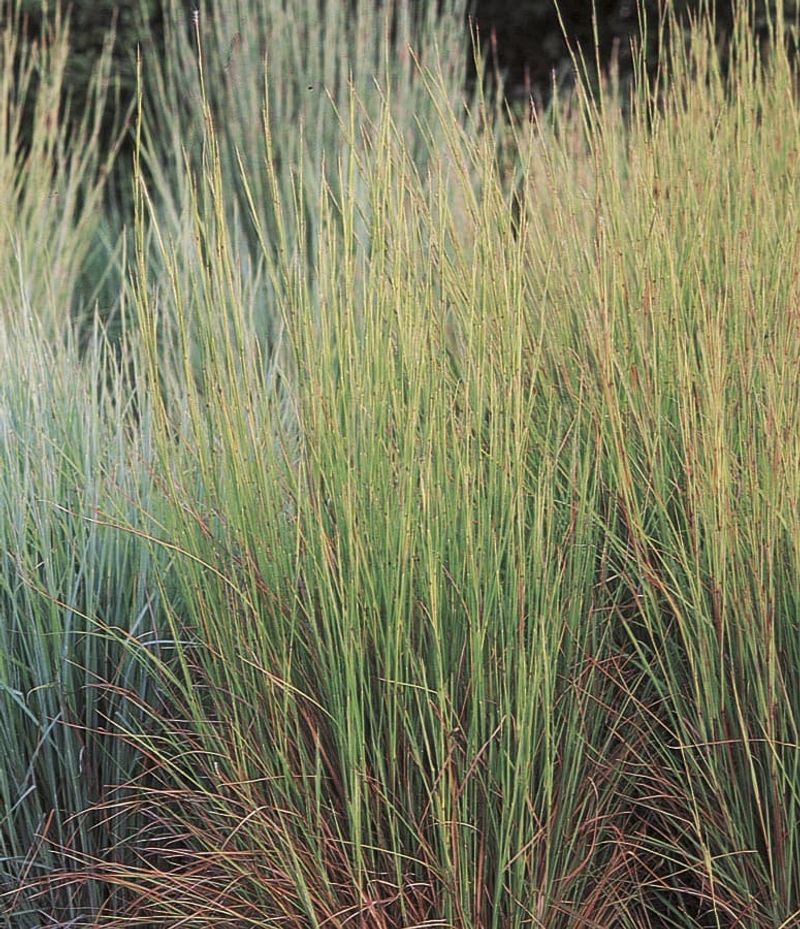
Walk out to your mailbox at noon and look at the shade. If the bed gets full sun most of the day, you are in good shape.
Little bluestem performs best in full sun, and that is the first thing to check.
Next, think about drainage. When you can choose, well-drained soil is the better option.
NC State Extension lists tolerance for dry to medium-moist conditions, clay, and infertile soil, plus heat, humidity, and salt. Once established, it is drought-resistant.
Those tolerances suit a curbside spot, where the soil is often compacted, poor, and baked by pavement heat. Road salt spray and summer humidity are less of a worry for this grass than for many fussy ornamentals.
Still, tough does not mean unbeatable. A bed shaded by a big oak or a neighbor’s fence is not a reliable fit, and neither is a low spot where water stands for days after rain.
Plants in those places may flop, thin out, or fade.
A simple test helps. After a heavy rain, check the bed the next morning.
If water is still pooling, choose a different plant or fix the drainage first.
Make Room for the Mature Clump and Carrier Access
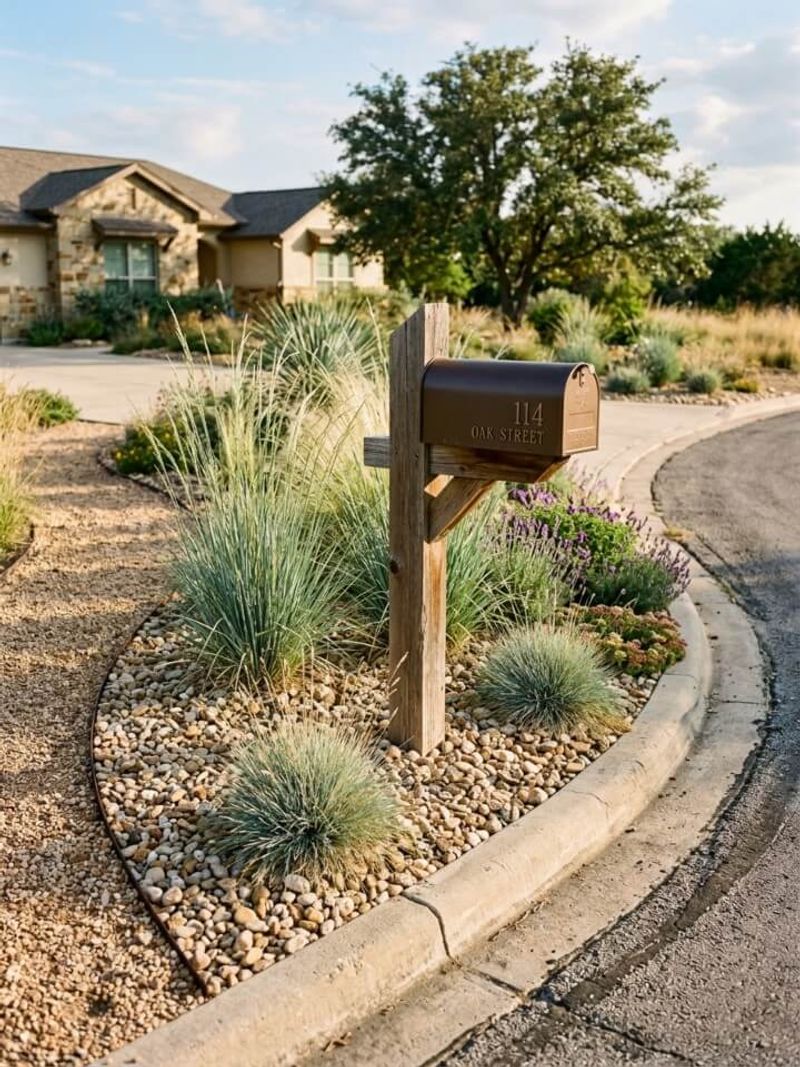
Size is where mailbox plantings often go wrong. NC State Extension gives a typical mature height and spread of 2 to 4 feet.
A small nursery pot can turn into a clump that fills a good chunk of the bed.
Sizes vary, too. A New Hanover County Extension list for coastal landscapes gives 1 to 3 feet.
Soil, sun, and the plant you buy all affect the final size, so plan for the space you actually have.
Picture the grass at full size before you dig. Mark where a 3 or 4 foot circle would land, and measure from the mailbox post.
A good rule is to keep it well to the side or back, not hugging the box.
Delivery rules matter as well. USPS rules call for mailbox approaches to be clear of obstructions so mail can be delivered safely.
Do not plant where the grass would hide address numbers, block sight lines for drivers, crowd the box door, or force the carrier to stop farther away. If the only spot you have is tight, a smaller plant is the safer pick.
Check Right-of-Way Rules Before You Dig
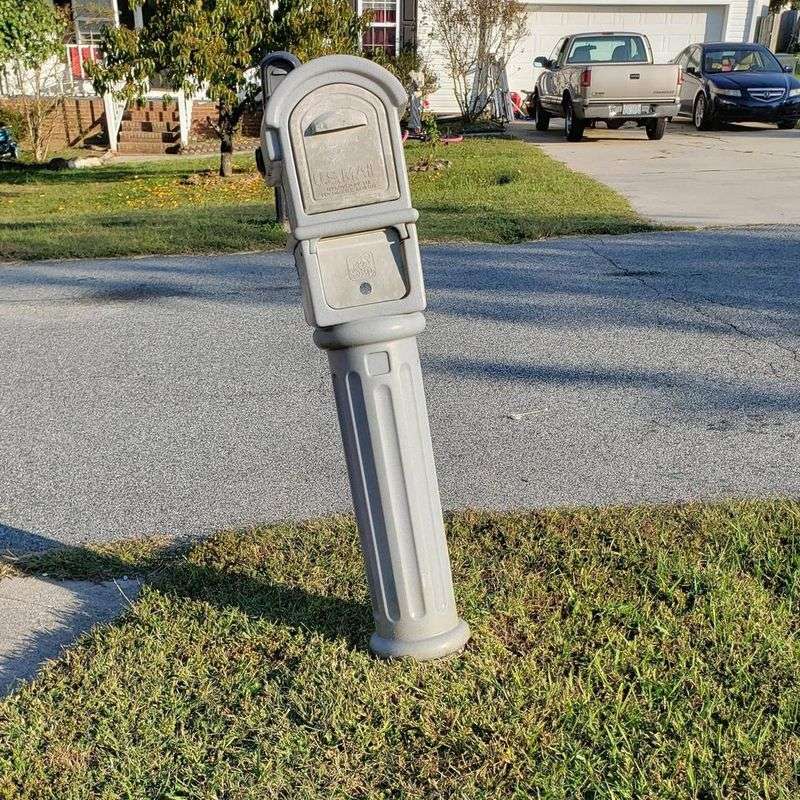
Picking the right plant is one job. Getting permission to plant is another.
Many mailboxes sit near the road, and that strip may or may not belong to you.
Not every mailbox bed is in a highway right-of-way. Some homeowners own the land right up to the pavement edge, while others have a public strip in front of the yard.
You should not assume which one you have.
If the spot might be in a state highway right-of-way, look at NCDOT guidance on aesthetic engineering. It covers planting requests and permits for work in highway rights-of-way.
Reading it before you buy plants can save you from digging up your own work later.
For town or city streets, local rules may differ, so a quick call to your municipality or a look at your property survey is worth the time. A short check now beats a removal order later.
Once you know the bed is yours to plant, or that you have approval, you can focus on the fun part of choosing and placing the grass.
Leave the Grass Standing Through Winter, Then Cut It Back
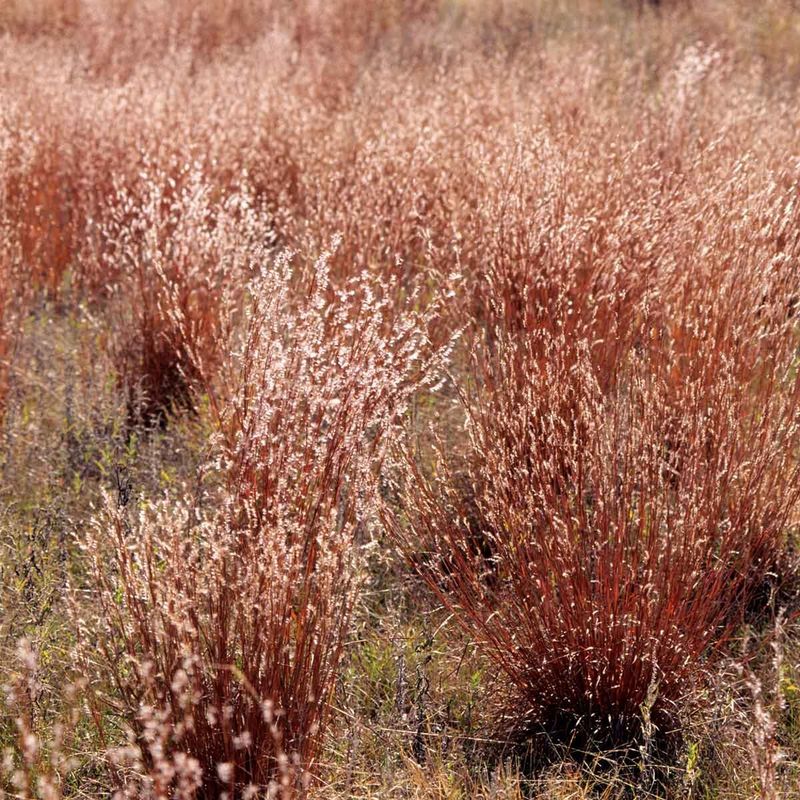
The easiest part of little bluestem care is doing nothing in fall. Leave the clump standing.
The dried stems give the bed shape, and the copper color keeps the spot from looking empty in winter.
A standing clump can also offer cover for wildlife. NC State Extension describes little bluestem as cover for wildlife and a larval host for various butterflies and moths.
A small mailbox planting will not promise any particular visitor, but leaving it intact gives small creatures a better chance of finding shelter.
Timing the haircut matters. NC State advises cutting back old growth in late winter or early spring, before or as new growth begins.
Waiting until then keeps the winter look and lets you clear space for fresh green shoots.
Use sharp hand pruners or shears, and gather the stems into a bundle first to make cleanup easier. Cut the clump down to a few inches above the ground, and stay clear of the new shoots as they appear.
Little bluestem is low-fuss, but not zero-maintenance. One trim a year and a bit of watering while young is usually enough to keep it looking neat.
Choose Little Bluestem Only If the Site Fits
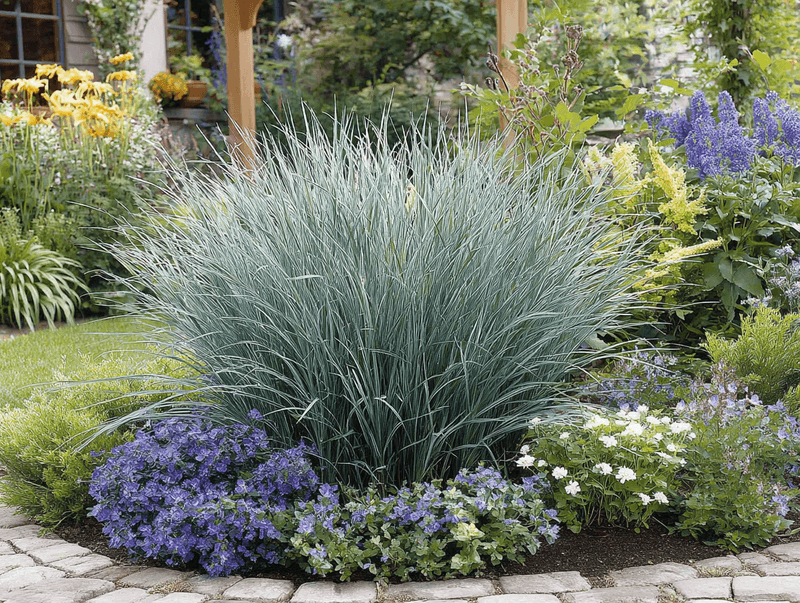
Little bluestem is a good native perennial for a mailbox when the bed is sunny, the clump has room to grow, the carrier’s approach stays clear, and any right-of-way requirements are met. Its winter interest is real, though not guaranteed.
Purple fountain grass is normally grown as an annual here, and it still has a place for people who like fresh summer color. Pick the plant that fits your curb, not the headline.