
Goats, Clover, And Leaves Aside, These 13 Native Grasses Hold Your Slope In Place Without Any Mowing
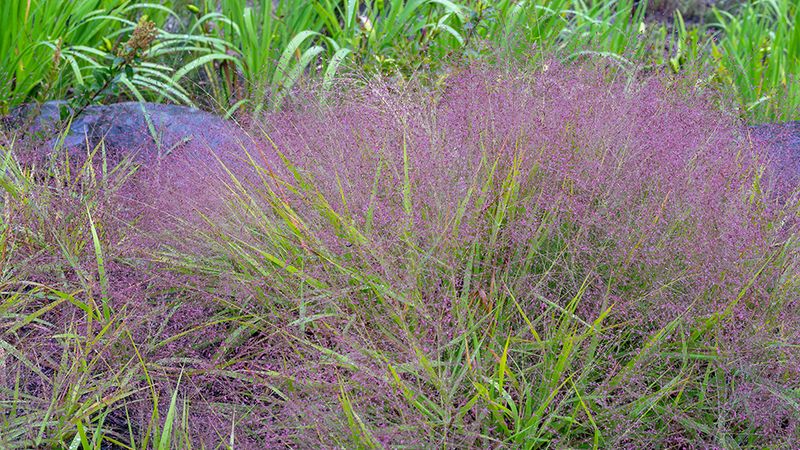
Every hard rain on a bare slope carries a little more of your yard down to the street. Goats, clover, and piles of leaves are the usual suggestions, but they all come with chores or limits.
Native grasses work differently, sinking deep roots that grip soil year after year with no mower needed. Here are 13 tough natives that can turn a washing-out hill into a living, self-managing slope.
1. Little Bluestem
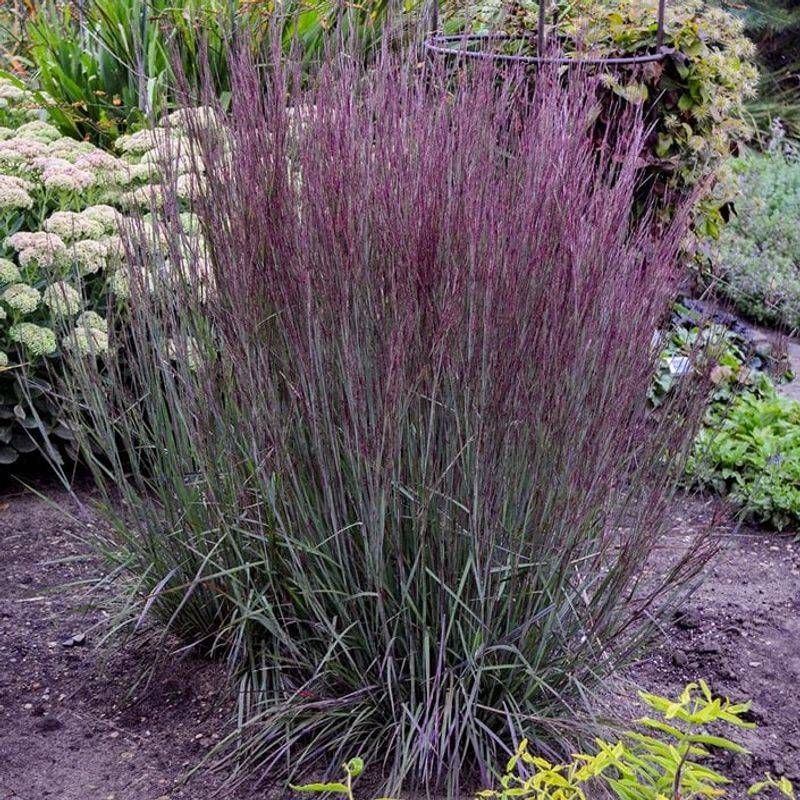
Picture a hillside that changes color like a mood ring. Little bluestem starts blue-green in summer, then shifts to gold, russet, and even purple once fall arrives.
Behind the show is serious work. Its dense crowns and fibrous roots knit together loose, sandy, or rocky soil, which is exactly where slopes tend to fail first.
Give it full sun and leave it alone after the first season. Once established, it rarely needs extra water, and you can simply cut it back once in late winter if you like a tidy look.
2. Switchgrass
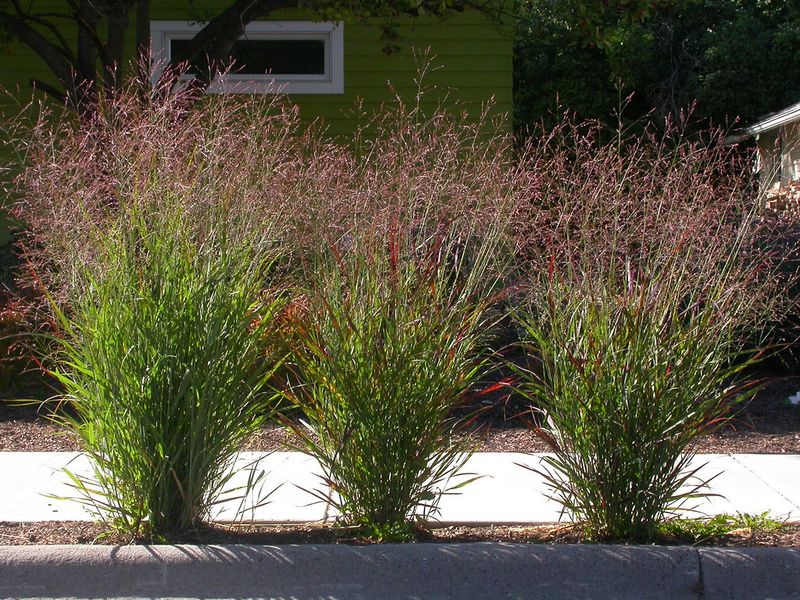
Roots up to 10 feet deep. That single fact explains why switchgrass shows up on almost every erosion list ever written.
It handles conditions that stump other plants, from heavy clay to soggy low spots at the bottom of a hill. If your slope drains into a wet area, switchgrass can cover both the dry top and the damp base.
Expect upright clumps 3 to 6 feet tall with clouds of tiny seed heads by late summer. Birds love those seeds in winter, so wait until spring to trim.
3. Indian Grass
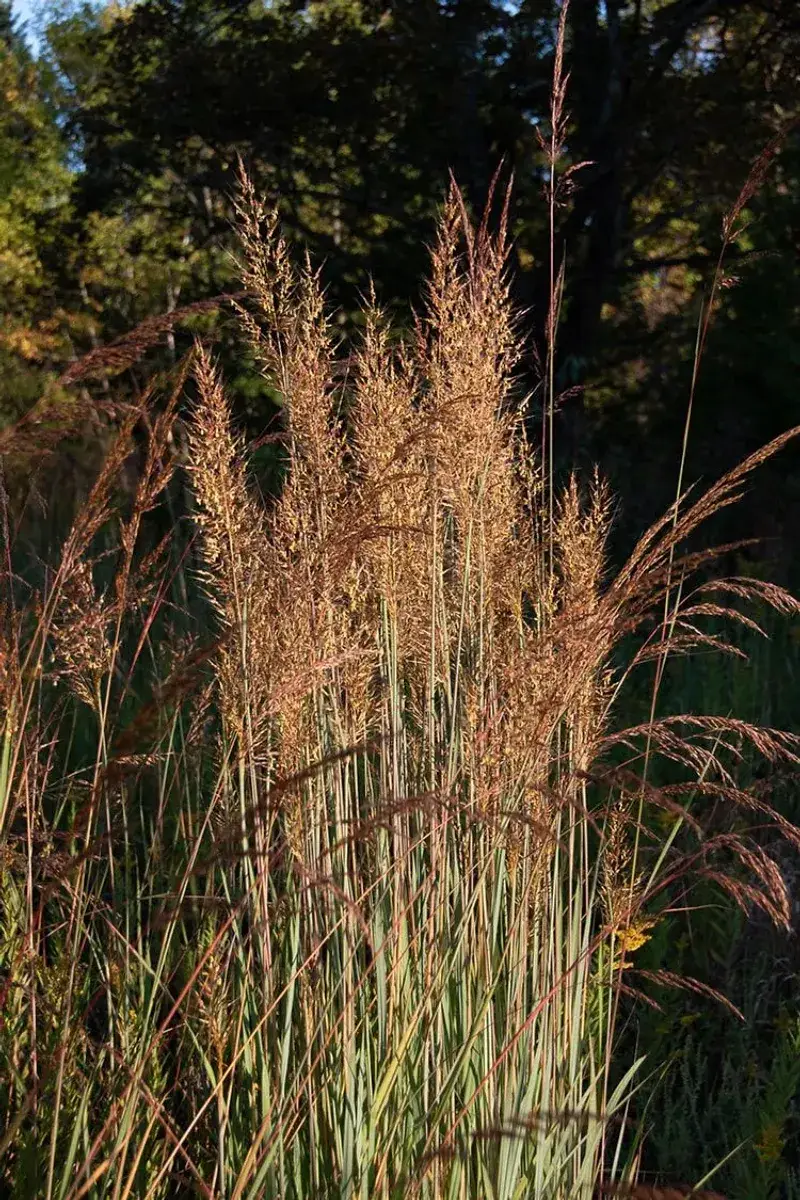
Some grasses whisper, but Indian grass practically shouts in September. Its feathery bronze-gold plumes rise above the foliage and catch the light like little torches.
Underground, a deep root system holds soil tight, making it a strong pick for the steeper, sunnier parts of a hill. It pairs nicely with shorter natives planted in front.
Fun fact: it is the state grass of both Oklahoma and South Carolina. That gives you a hint about how widely it grows across the US.
4. Big Bluestem
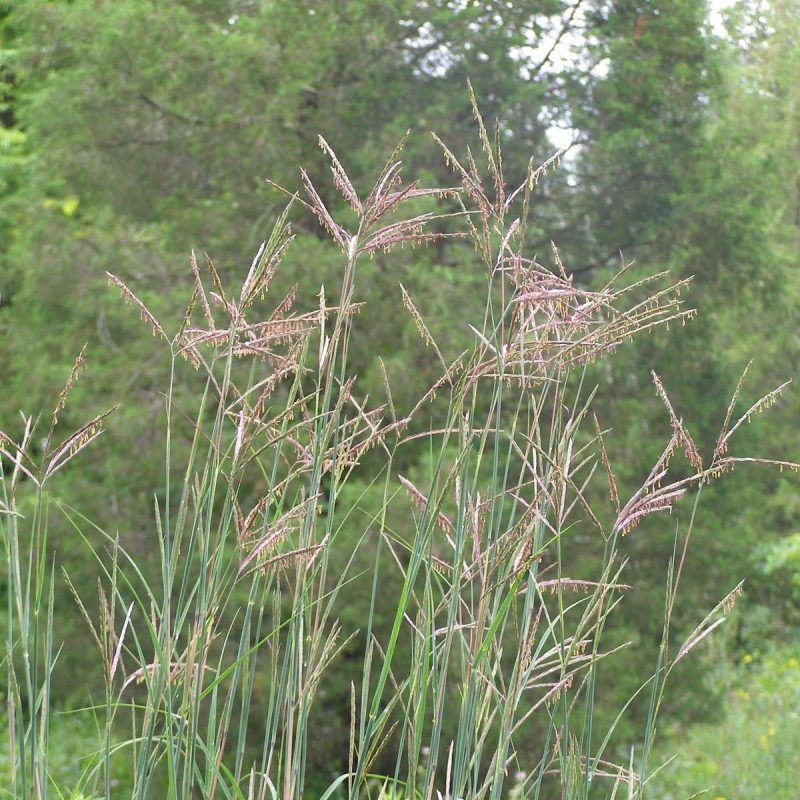
Old prairie stories say big bluestem once grew tall enough to hide a rider on horseback. In a backyard, 4 to 8 feet is more typical, which is still plenty of muscle.
Its roots dive deep and spread wide, gripping steep banks that would otherwise slump after storms. Many gardeners also use it as a living privacy screen along a property edge.
Look for the three-part seed heads nicknamed turkey feet. Because it gets so tall, plant it toward the top or back of a slope, not along a walkway.
5. Side-Oats Grama
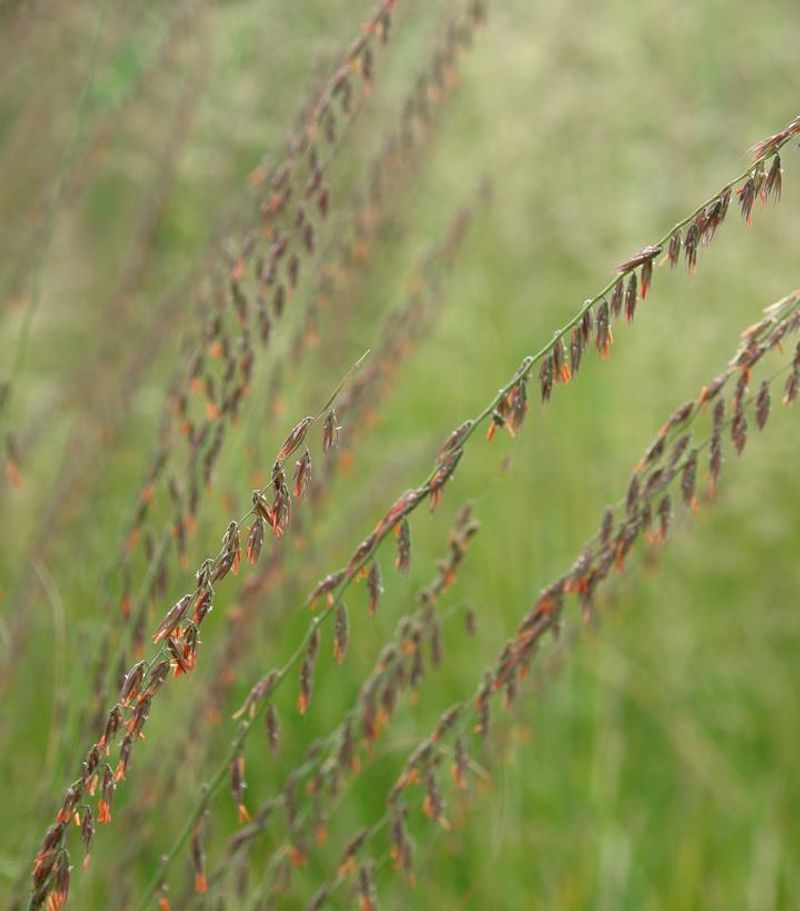
Hang tiny oats down just one side of a stem and you get the quirky look of side-oats grama. Kids and grown-ups alike tend to stop and stare.
It shines on dry, well-drained slopes where water runs off fast. Once rooted, it needs very little watering, which is a big plus during summer heat waves.
Butterflies benefit too, since several skipper species use it as a host plant. It stays medium height, so it fits mid-slope without blocking views.
6. Prairie Dropseed
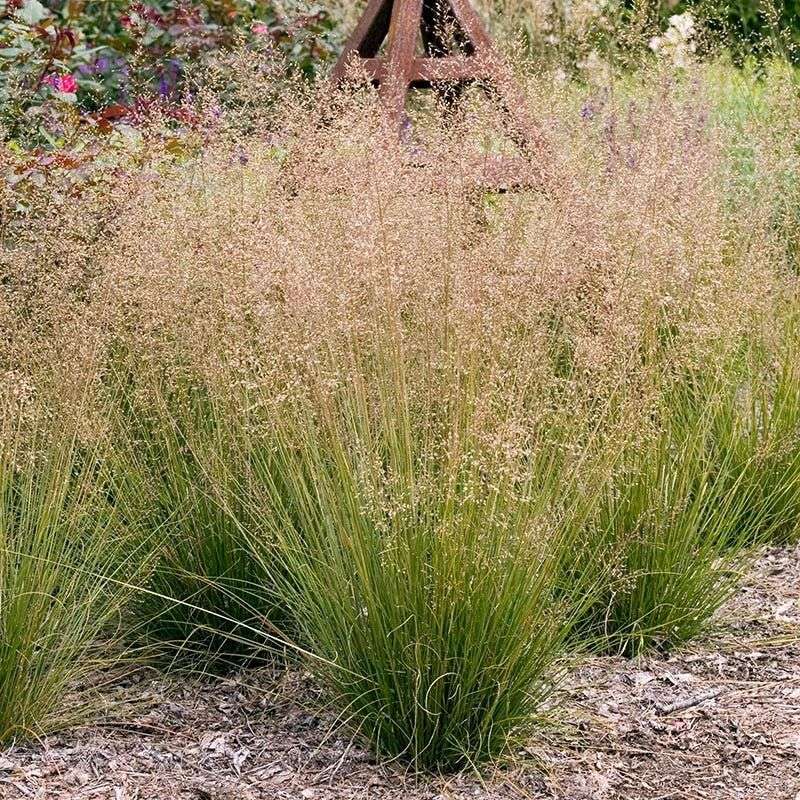
Walk past prairie dropseed in late summer and you might smell something like buttered popcorn or cilantro. That fragrance comes from its airy seed heads.
The foliage forms neat, flowing fountains, almost like green hair blowing in the breeze. Beneath those mounds is a thick mat of fibrous roots that holds steep areas well.
It grows slowly at first, so be patient the first year or two. Planted in groups along a hillside, it creates a soft, tidy look that never asks for a mower.
7. Blue Grama
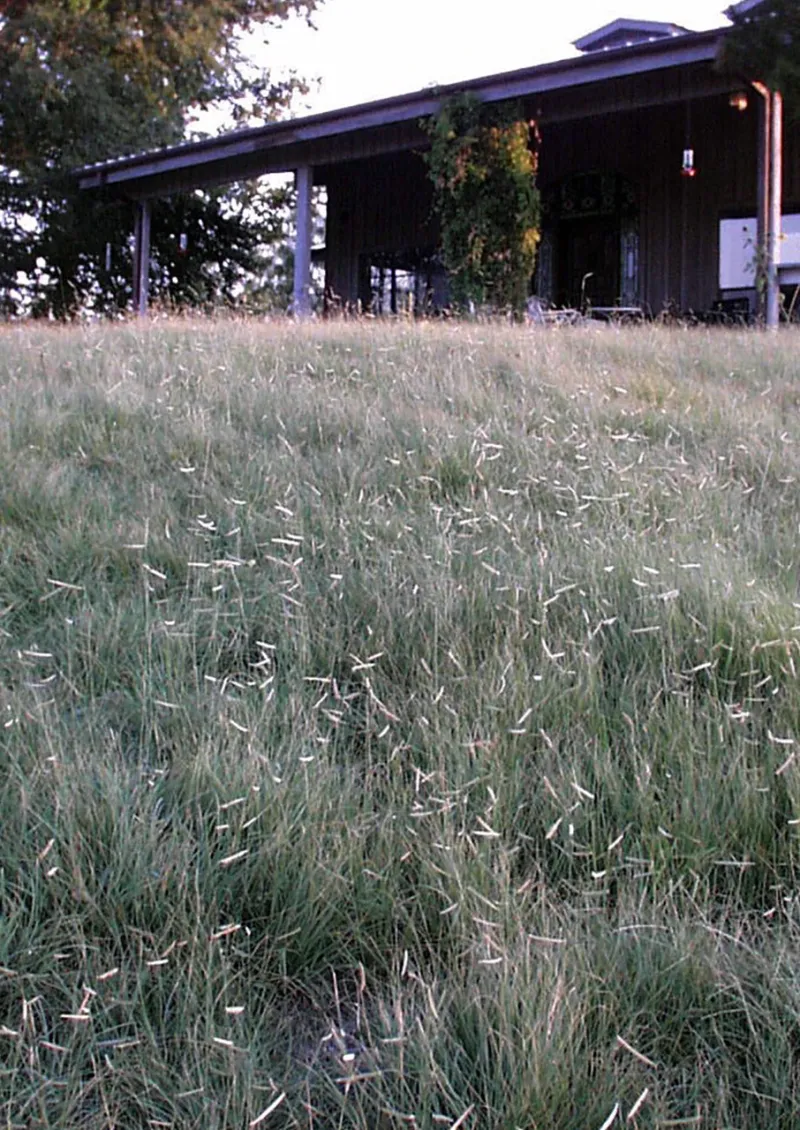
Those curly seed heads look like little eyebrows raised in surprise. Blue grama earns its nickname, eyelash grass, every summer.
Staying short, usually under a foot or so, it can act like a no-mow lawn on low-traffic slopes. That makes it a smart swap for turf on a hill that is scary to push a mower across.
Water is barely a concern once it settles in. In hot, dry regions it can go dormant in drought and green back up after rain.
8. River Oats
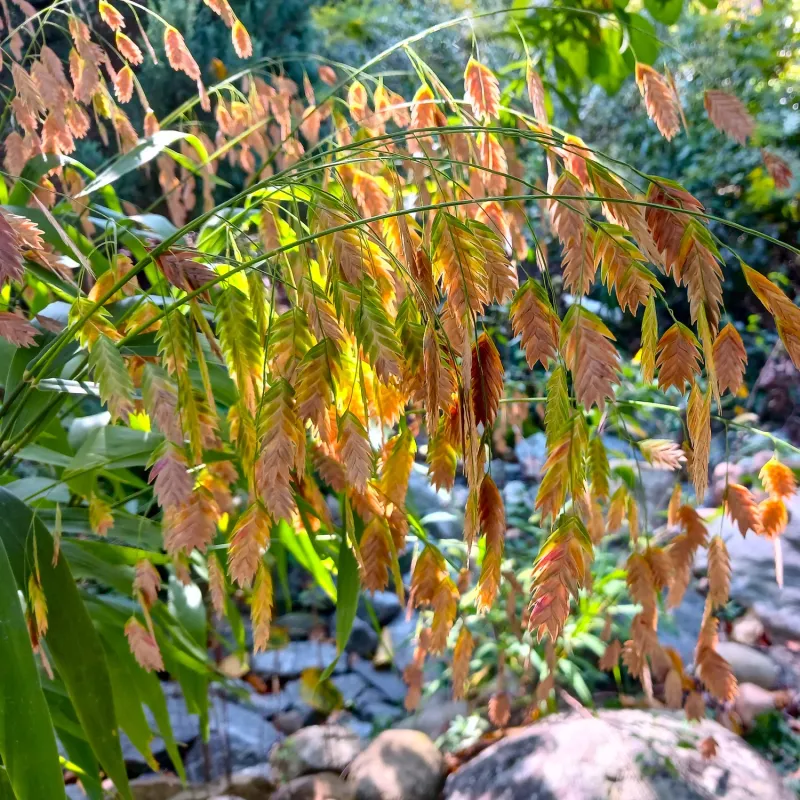
Got a shady bank where nothing seems to stick? River oats, also called northern sea oats, laughs at shade and still thrives in sun.
Its flat seed heads dangle like tiny fish and rattle in the wind. Deep roots plus spreading rhizomes help it colonize bare ground fast.
Fair warning: it self-seeds eagerly. On a slope that is mostly a gift, but keep it away from tidy flower beds where it might pop up uninvited.
9. Pennsylvania Sedge
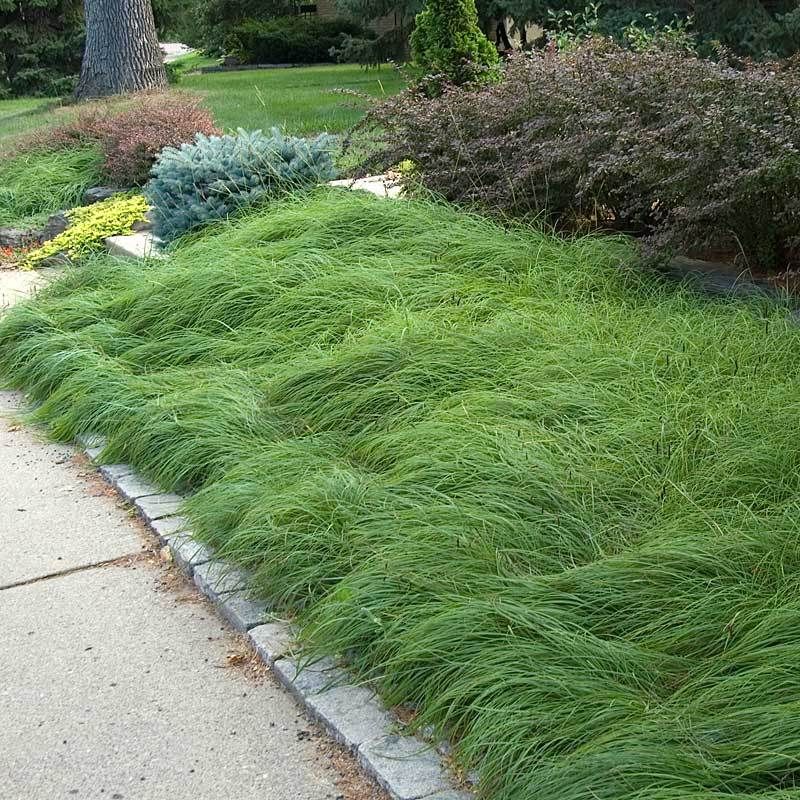
Under trees, grass seed usually fails and mulch washes away. Pennsylvania sedge is the quiet fix for that frustrating dry shade.
Technically a sedge rather than a true grass, it spreads by rhizomes into soft, low colonies. Those lateral roots weave across the soil surface and keep it from sliding.
It stays around 8 inches tall with a fine, flowing texture. Many people let it flop naturally and never trim it at all.
10. Plantain-leaved Sedge
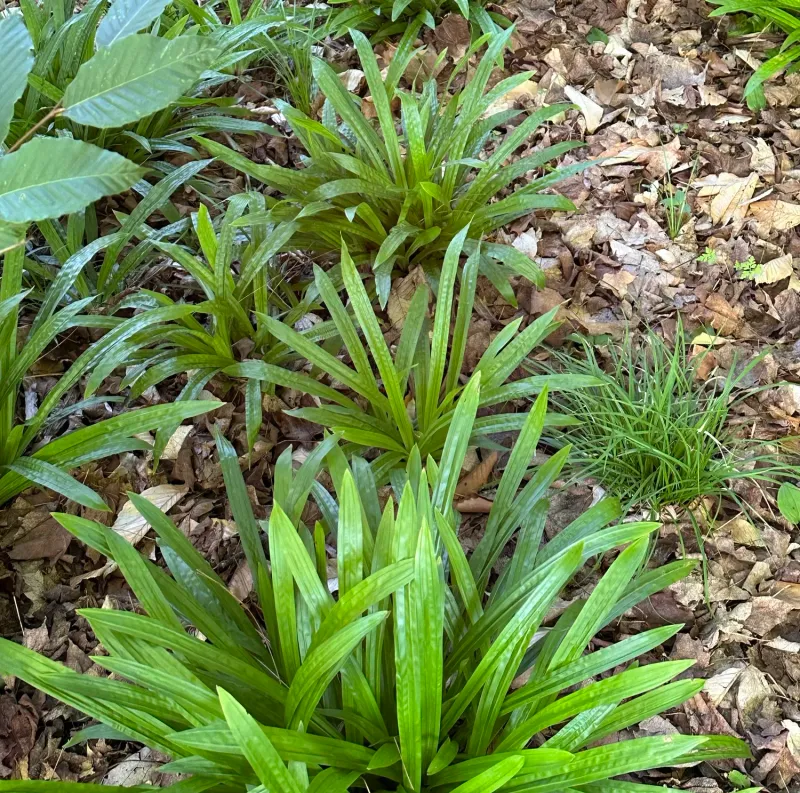
Broad, ribbed leaves make this sedge look more like a hosta cousin than a grass. It brings bold texture to woodland slopes where fine grasses can look lost.
Clumps root firmly and help hold soil in rich, moist shade. It is semi-evergreen in many areas, so the bank still has cover through winter.
Plant several clumps in a staggered pattern across the hill. That zigzag layout can slow water better than a straight row.
11. Buffalo Grass
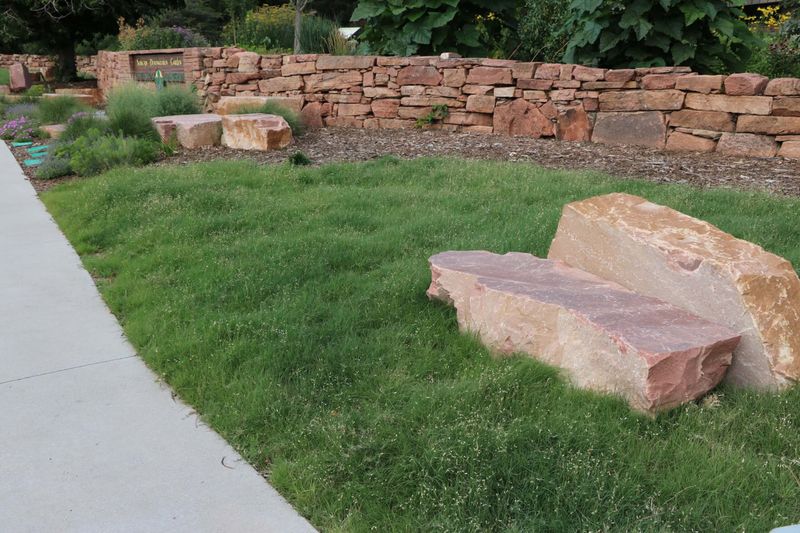
Bison grazed it for centuries on the Great Plains, and it has the toughness to prove it. Buffalo grass spreads by runners into a low, soft carpet.
Deep roots and strong drought tolerance make it one of the easiest turf-like covers for a sunny slope. Left unmowed, it stays only about 4 to 6 inches tall.
It does best in sun and drier climates. In heavy shade or very wet ground, choose a sedge or river oats instead.
12. Canada Wild Rye
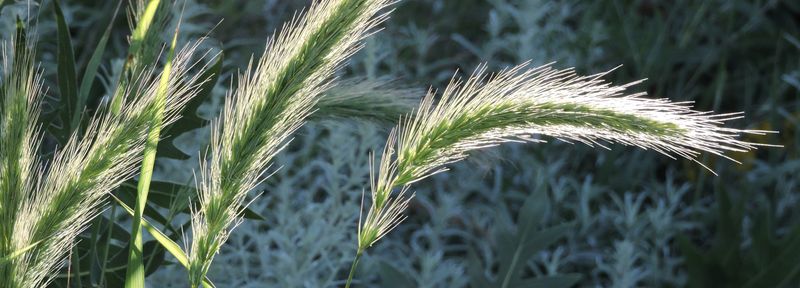
Speed matters when a slope is bare and rain is coming. Canada wild rye is a cool-season grass that sprouts and grows quickly, often filling in before warm-season types wake up.
Its fibrous roots grab soil early in the year, offering cover while slower natives establish. Nodding, bristly seed heads add a wild, graceful look.
Think of it as a nurse plant. Mix it with little bluestem or switchgrass so the slope is protected in every season.
13. Purple Lovegrass
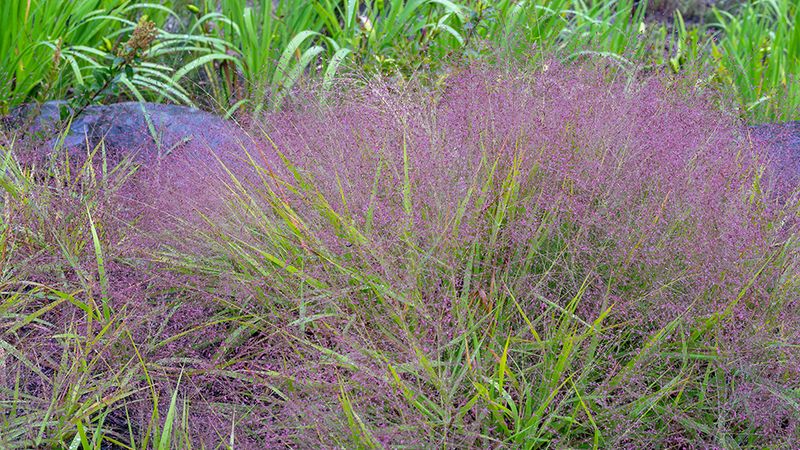
Late summer brings a pinkish-purple mist that seems to float over the ground. That is purple lovegrass in bloom, and it stops traffic.
Low and tough, it loves poor, sandy soils where richer plants struggle. Its roots help keep thin soil from washing away on sunny banks.
Plant it near the front of a slope so the color is easy to see. Its seed heads may break off and tumble in fall winds, which is part of its charm.
Mix a few of these 13 grasses based on sun, shade, and soil, and your slope can hold itself together for years with almost no help from you.