
Your Lawn Mower Needs These 9 Easy Fall Jobs Before You Park It For Winter
Your mower worked hard all summer, and now it is about to sit in the cold for months. If you shove it in the shed dirty and full of old gas, spring can greet you with a machine that sputters, smokes, or refuses to start at all.
The good news is that a single fall afternoon and a few simple jobs can keep it healthy until the grass grows again. Here are nine easy tasks that make a real difference.
1. Clean the Mower Thoroughly
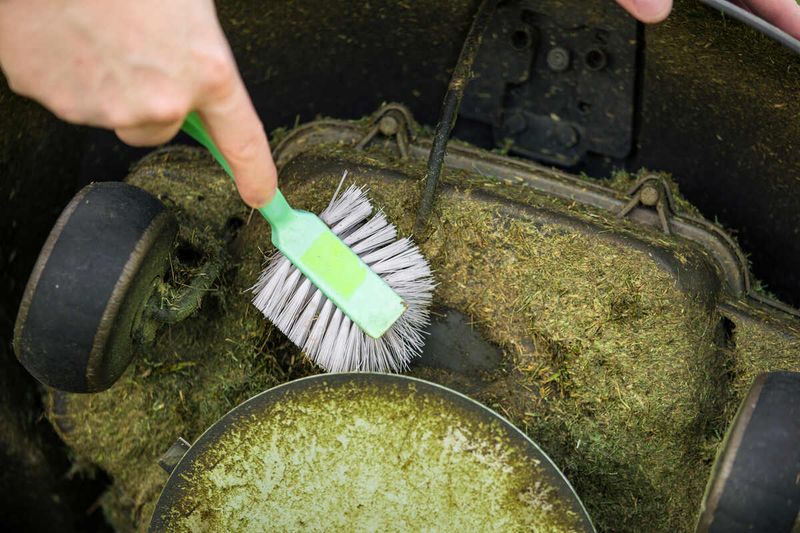
Wet grass clippings are sneaky. They cling to the underside of the deck, hold moisture against the metal, and quietly start rust all winter long.
Start by disconnecting the spark plug wire so the engine cannot fire by accident. Then tip a walk-behind mower on its side with the carburetor and air filter facing up, so oil and gas do not leak where they should not.
A plastic scraper or putty knife knocks off caked clippings, and a stiff brush handles the rest.
Do not forget the top of the engine and the cooling fins around it. Packed debris there traps heat and can make the engine run hot next season.
A quick wipe with a damp rag finishes the job.
2. Deal With the Fuel System
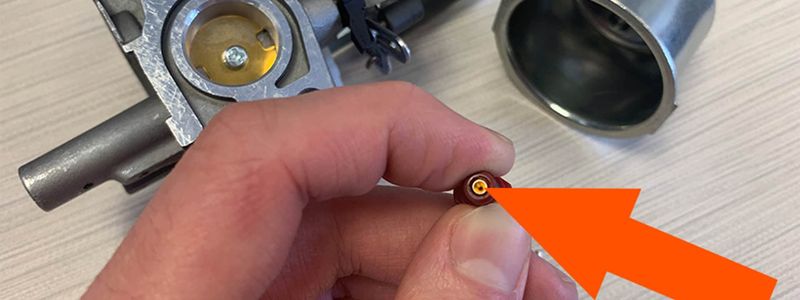
Gasoline goes stale faster than most people think, often within a month or two. Old fuel can turn gummy and clog the tiny passages in your carburetor, which is the number one reason mowers will not start in spring.
You have two good choices. For riding mowers and larger machines, fill the tank with fresh gas, add a fuel stabilizer, and run the engine for a few minutes so the treated fuel reaches the carburetor.
For smaller walk-behind mowers, many owners simply run the tank dry or drain it completely. Either way, the goal is the same: no untreated gas sitting around for months.
3. Change the Engine Oil
Think of used oil as a sponge that has been soaking up dirt and acids all summer. Leave it in over winter, and those contaminants sit against engine parts for months.
The trick is to change it while the engine is slightly warm. Warm oil flows out faster and carries more gunk with it.
Run the mower for a few minutes, shut it off, and drain into a pan.
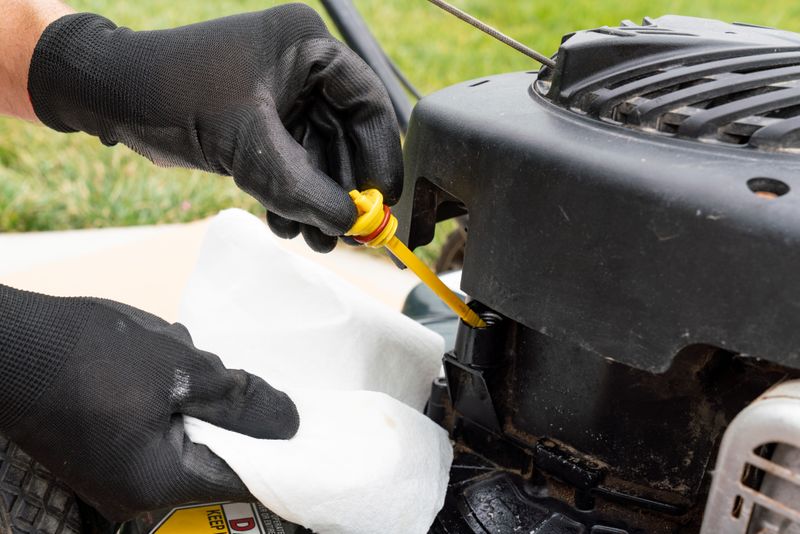
Refill with the type and amount listed in your owner’s manual, then check the dipstick. Take the old oil to an auto parts store or recycling center, since most accept it for free.
4. Remove and Store the Battery
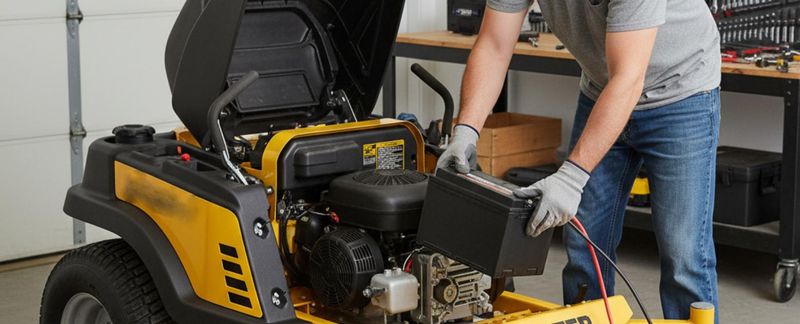
Cold weather is rough on batteries. A battery left sitting in a freezing shed can drain, and a drained battery can even freeze and crack.
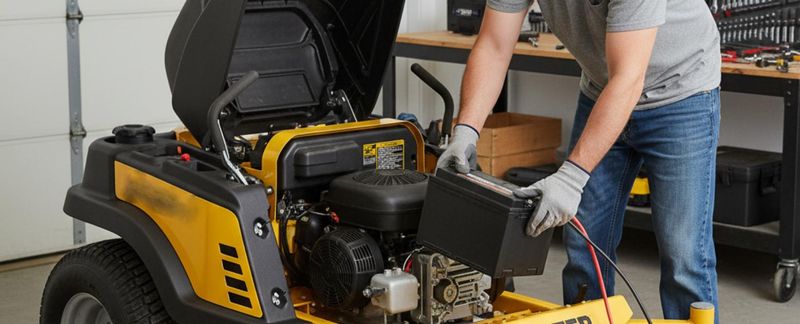
If your riding mower or electric-start model has one, pull it out. Disconnect the negative cable first, then the positive, which lowers the chance of a spark.
Scrub any white crust off the terminals with a wire brush and a little baking soda and water. Store the battery somewhere cool and dry, off the concrete if you can, and give it a charge now and then.
A trickle charger makes this almost effortless.
5. Sharpen or Replace the Blade
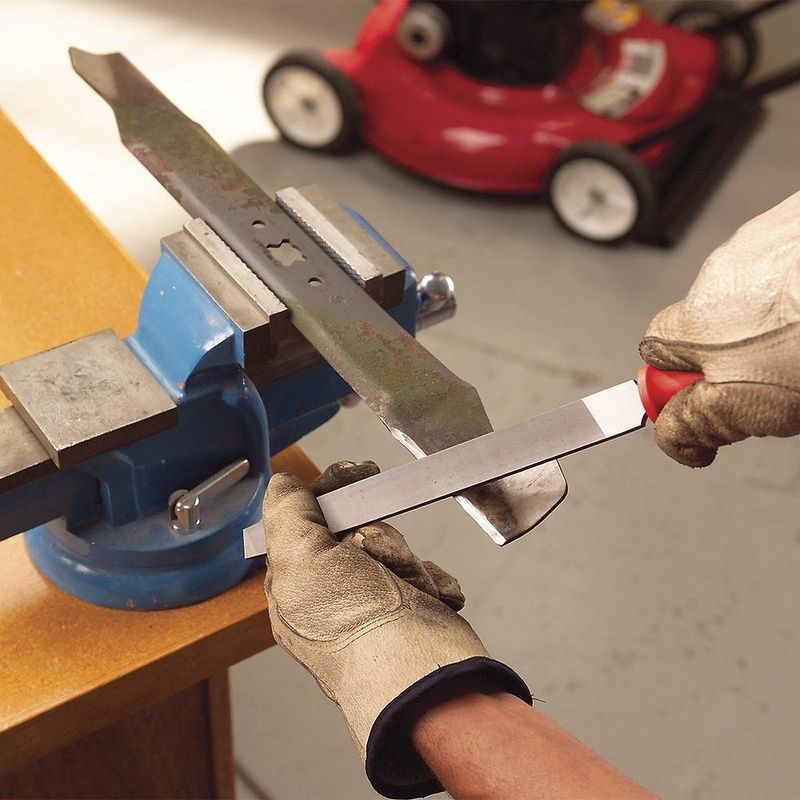
Here is a gardener’s secret: a dull blade does not cut grass, it rips it. Torn tips turn brown and leave the lawn more open to stress and disease.
Fall is the perfect time to fix that, since you will not need the mower for months. With the spark plug wire off, remove the blade and look for nicks, bends, or cracks.
A bent or cracked blade should be replaced, no debate.
Dull but healthy blades can be sharpened with a file or taken to a hardware store. Your lawn will thank you with cleaner, greener cuts in spring.
6. Check the Spark Plug
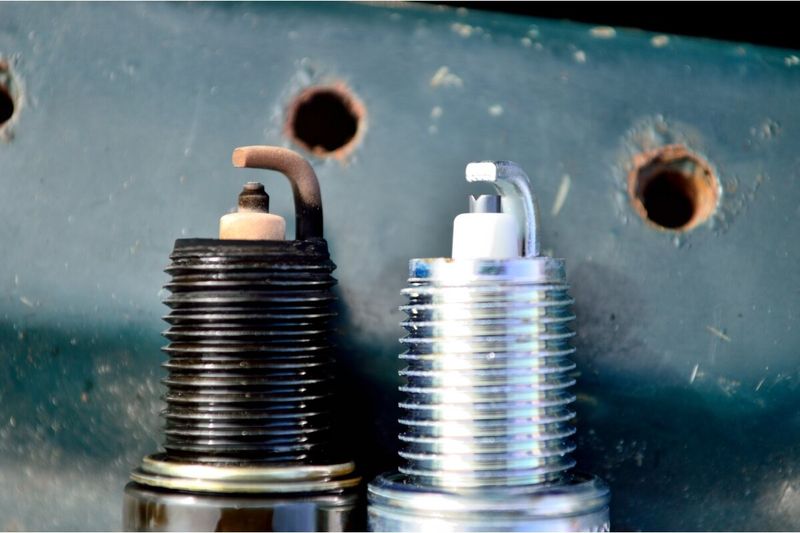
A spark plug costs a few dollars, yet it decides whether your mower roars to life or leaves you yanking the cord until your arm aches.
Pull the plug with a socket wrench and take a look. Heavy black buildup, a worn electrode, or cracked porcelain means it is time for a new one.
Swapping it now means one less chore on that first warm Saturday of spring. Just make sure the new plug matches your manual and is not overtightened.
7. Clean or Replace the Air Filter
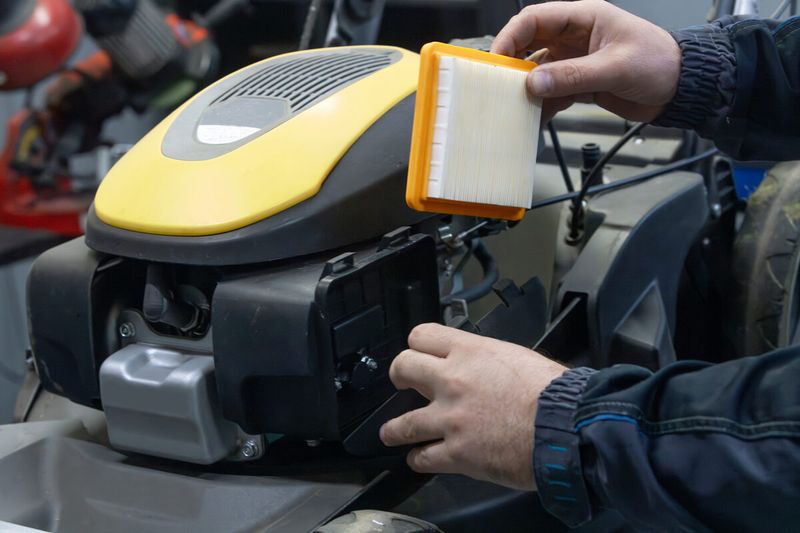
Engines breathe just like we do. When the air filter is choked with dust and grass bits, the engine struggles, burns fuel poorly, and loses power.
Pop off the filter cover, usually held by a clip or single screw. Foam filters can be washed in soapy water, dried, and lightly oiled, while paper filters should be tapped clean or swapped out if they look dark.
It takes about five minutes. Few jobs on this list give you as much engine health for so little effort.
8. Lubricate Moving Parts
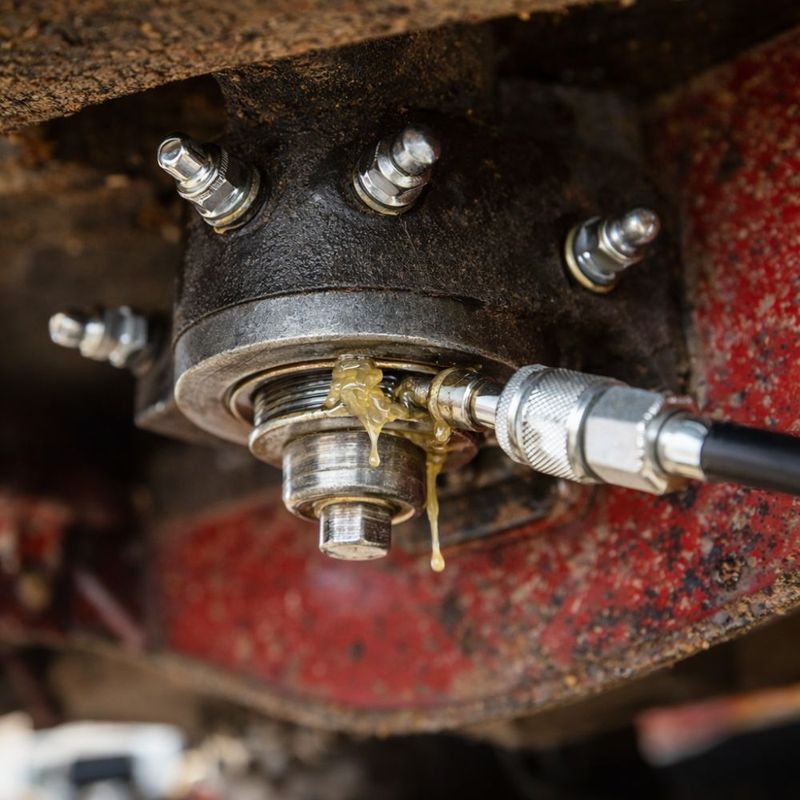
Squeaks in spring usually start with neglect in fall. Pivot points, wheels, and cables can stiffen and rust when they sit dry all winter.
Riding mowers often have grease fittings on the front axle, pivot points, and caster wheels. A few pumps from a grease gun pushes out old grease and moisture.
For walk-behind models, a light spray lubricant on wheel axles, throttle cables, and control linkages keeps things moving smoothly. Wipe off extra so it does not collect dirt.
9. Store It Dry and Covered
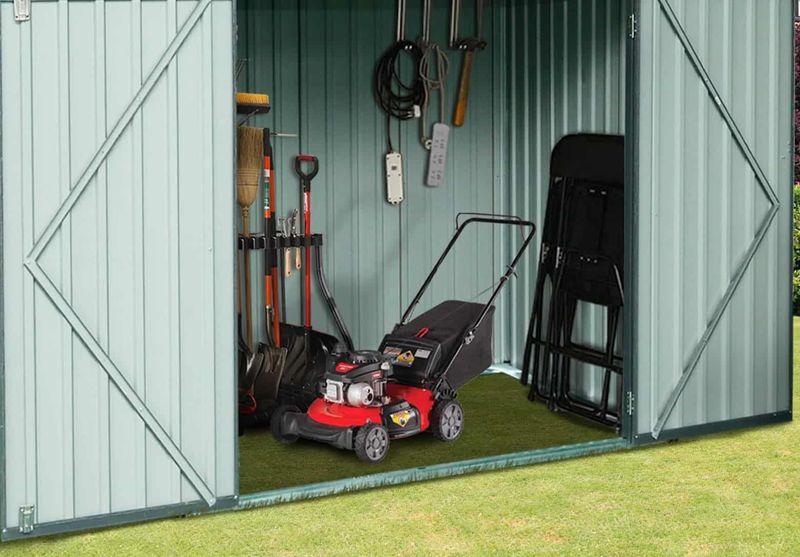
After all that work, where your mower sleeps matters. Rain, snow, and freeze-thaw cycles can undo your fall prep in a single season.
A garage or shed is ideal. If space is tight, a breathable, weatherproof cover keeps out moisture and dust without trapping condensation the way a plastic tarp can.
Park it away from fertilizer bags and pool chemicals, which can corrode metal. Then step back and enjoy knowing your mower will be ready when the grass starts growing again.