
Many Gardeners Miss This Window – 15 Vegetables You Should Sow This Winter For The Earliest Spring Harvest
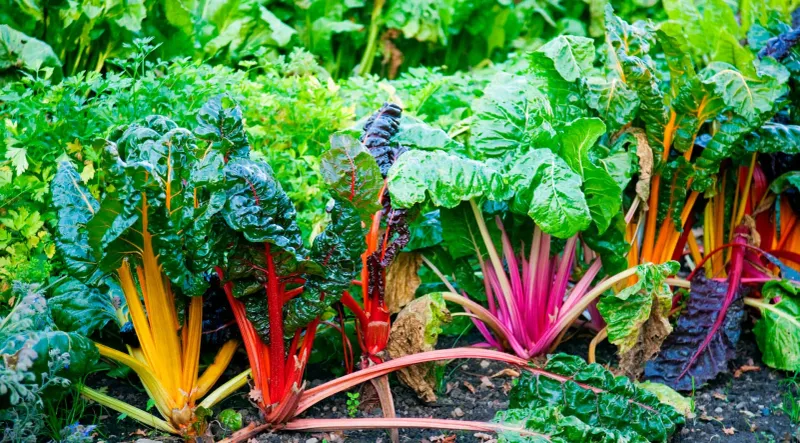
Most people wait for warm spring days to plant their vegetable seeds, but by then they have already lost weeks of growing time. Some tough vegetables actually like to start in the cold, and their seeds can sprout as soon as the soil wakes up.
If you sow them this winter, you could be picking fresh greens and crunchy roots while your neighbors are still buying seed packets. Here are 15 vegetables that are ready to beat the spring rush.
1. Spinach
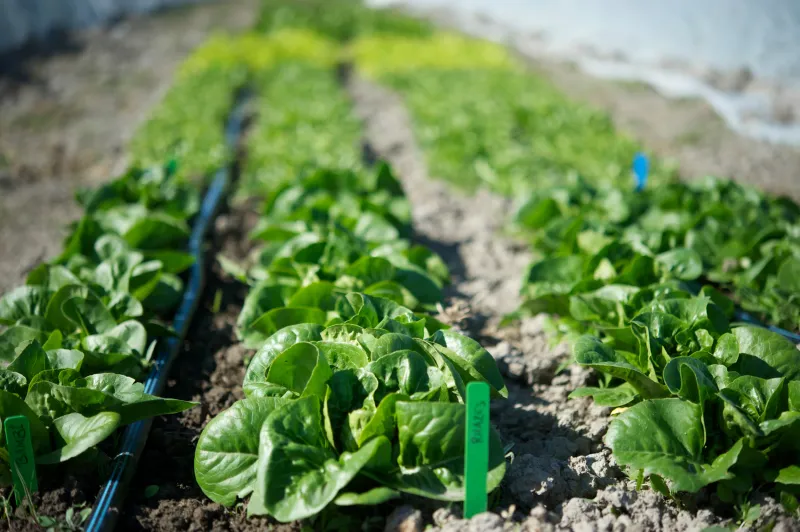
Few greens shrug off a hard freeze like spinach does. It can handle frost below 28°F and still bounce back looking fresh when the days grow longer.
The secret is how early it wakes up. Spinach seeds can sprout in soil as cold as 35°F, which means it gets to work long before most crops.
If you sow it in late winter, you may be cutting baby leaves by early spring.
Plant seeds about half an inch deep and keep the soil lightly moist, not soggy. A simple row cover or an old sheet thrown over the bed during a deep cold snap can help protect tender sprouts.
Pick the outer leaves first, and the plant will keep making more until warm weather pushes it to bolt.
2. Kale
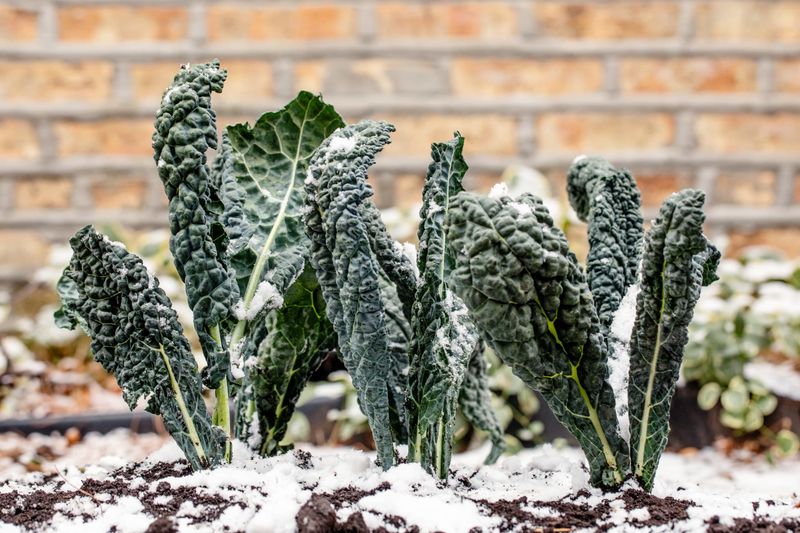
Snow on kale is not a disaster. It is practically an invitation.
This leafy powerhouse can survive temperatures down to around -10°F, making it one of the toughest plants you can grow.
Cold weather even helps the flavor. Frost turns some of the starches in the leaves into sugars, so winter kale often tastes sweeter than the summer kind.
Gardeners in milder areas can grow it right through the coldest months.
Worried your kale looks dead after a brutal freeze? Leave it alone for a few weeks.
The roots often survive and push out fresh leaves once spring arrives, so pulling it too soon is a common mistake.
3. Lettuce
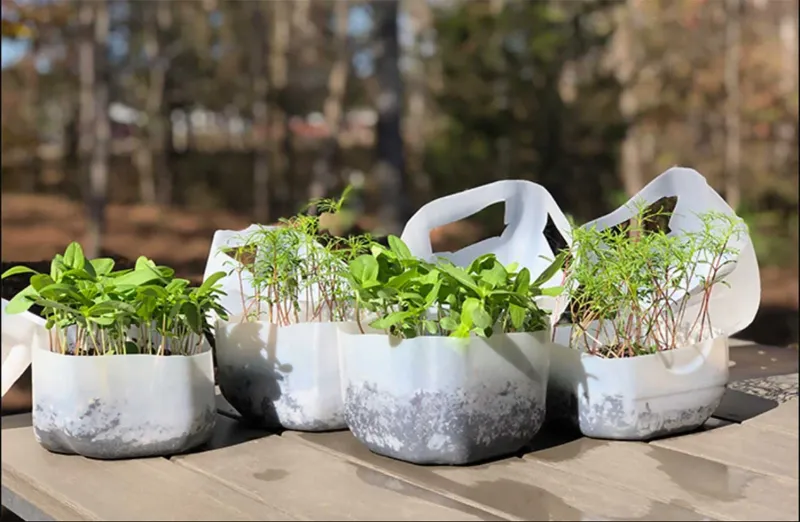
Picture a cut-open milk jug sitting in the snow, filled with tiny lettuce sprouts. That is winter sowing at its simplest, and lettuce is one of the best crops to try it with.
Cold-hardy varieties like Winter Density, Arctic King, and many romaine types can begin sprouting in soil between 35 and 40°F. The jug acts like a little greenhouse, trapping warmth on sunny days while still letting the seeds feel natural freeze and thaw cycles.
Poke drainage holes in the bottom, leave the cap off for airflow, and set the jug somewhere sunny. Once seedlings have a few true leaves and the weather softens, move them into the garden.
No hardening off is needed because they already grew up outdoors.
4. Radishes
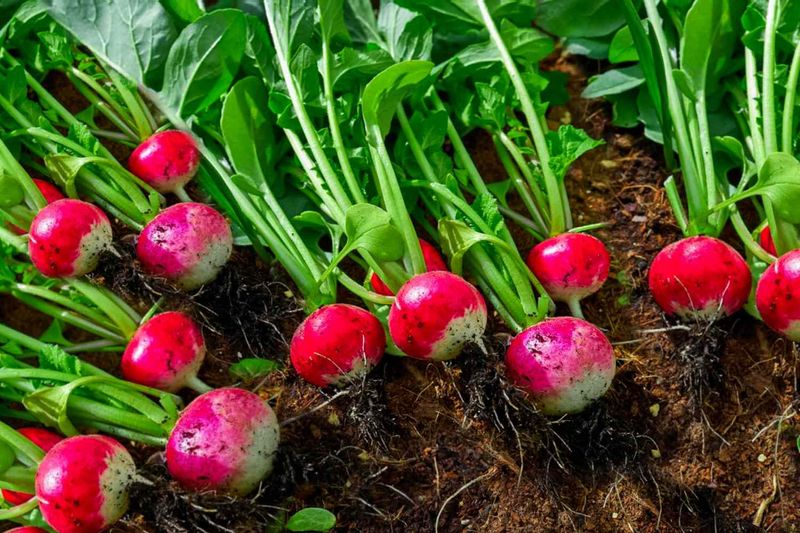
Impatient gardeners, meet your new best friend. Radishes are the sprinters of the vegetable world, with some varieties ready to eat in about four weeks.
Because they grow so fast, radishes give you an early win while slower crops are still getting started. Sow them directly in the ground, since they do not like being transplanted.
Moving them can cause stunted or split roots.
Sow a short row every week or two instead of all at once. That way you get a steady supply instead of a sudden pile.
Pull them as soon as they reach full size, because radishes left too long can turn woody and spicy.
5. Carrots
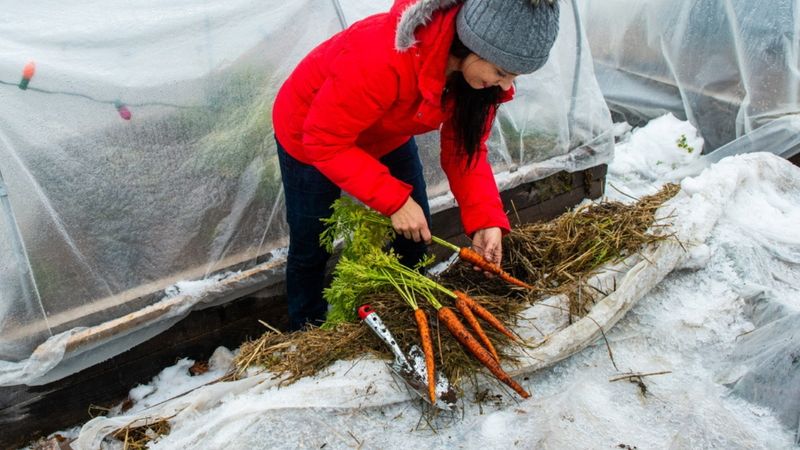
Ask any grandparent who grew carrots, and they will probably say the ones pulled after cold weather taste like candy. They are right.
Chilly temperatures make carrots store more sugar in their roots.
Timing takes a little care, though. Carrot seeds germinate best once soil reaches about 45°F, so aim for late winter in your area rather than the deepest freeze.
The tops may die back in harsh cold, but the roots usually survive below ground.
Carrot seeds are tiny and slow to sprout, sometimes taking two to three weeks. Keep the soil surface damp by laying a board or burlap over the row until sprouts appear.
Remove the cover right away once you see green threads poking up.
6. Beets
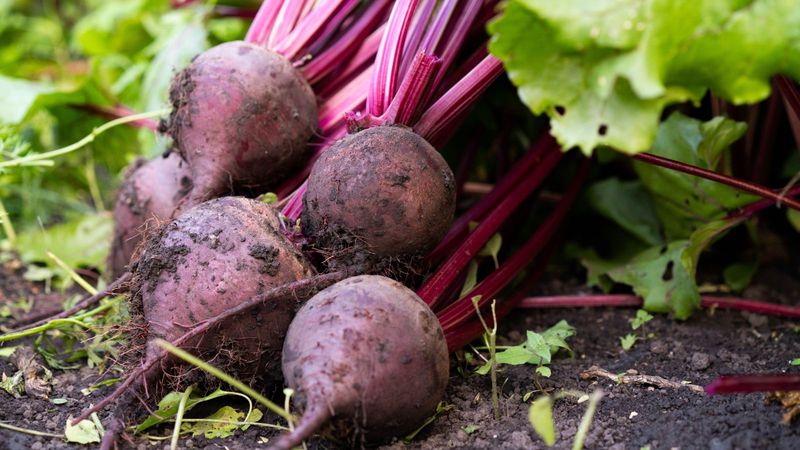
Two crops for the price of one seed packet? Beets deliver exactly that, with sweet roots underground and tasty greens on top.
Beets are semi-hardy and handle light frost in the 28 to 32°F range. Like carrots, their roots often survive even when the leaves get knocked back by cold.
A layer of straw mulch can help keep the soil from freezing too hard.
Here is a fun detail many beginners miss. Each beet seed is actually a cluster of several seeds, so more than one sprout often pops up in the same spot.
Thin them to about three inches apart, and toss the extra baby greens into a salad.
7. Swiss Chard
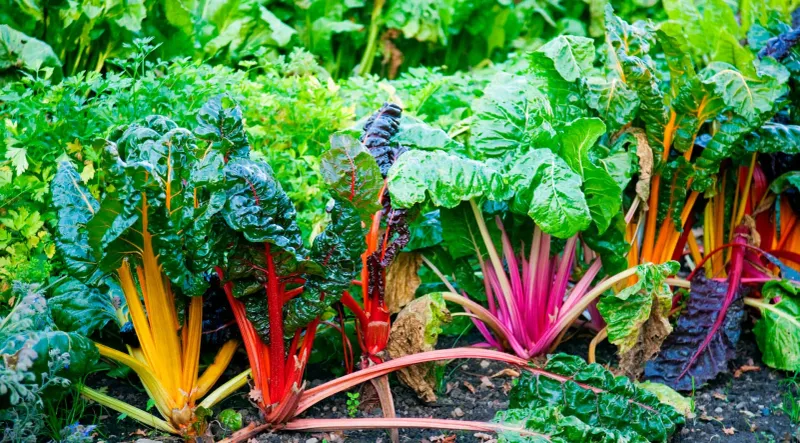
Bright red, yellow, and pink stems make Swiss chard the showoff of the cold-season bed. On a gray winter day, a patch of rainbow chard can brighten the whole yard.
Beyond good looks, chard is about as low-maintenance as vegetables get. It tolerates light frost, rarely bothers with pests in cool weather, and keeps producing for months when you harvest the outer stalks.
Sow seeds in late winter, or start them in containers outside. In mild areas, plants from a fall sowing will often keep going into spring.
Protect them with a row cover during hard freezes, and they should reward you with leaves well before summer greens show up.
8. Peas (Snap, Snow, English)
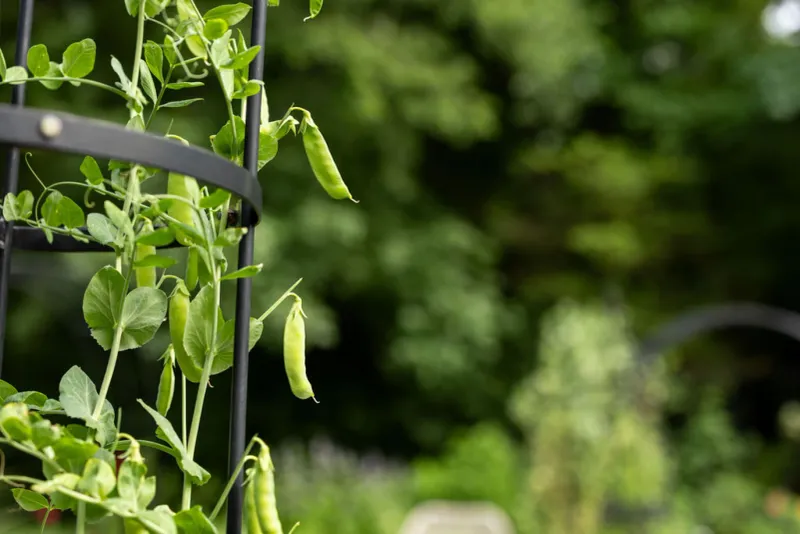
Old garden wisdom says to plant peas on Saint Patrick’s Day, but many gardeners can start even earlier. Snap, snow, and English peas all handle light frost and can germinate in soil as cool as 40°F.
Peas really dislike summer heat. Plants that start too late often stop producing once temperatures climb, so an early start gives them more time to flower and fill pods.
Set up a trellis or fence before planting so the tendrils have something to grab right away. Soaking seeds overnight may help them sprout a little faster.
If a surprise snow falls after they come up, do not panic, since young pea plants usually handle it fine.
9. Broccoli
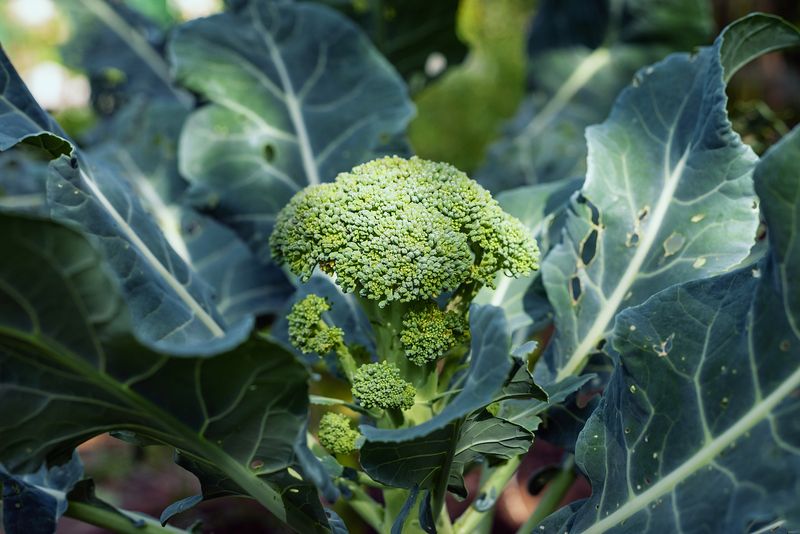
Broccoli has a problem with hot weather. When temperatures rise, it tends to bolt, meaning the heads loosen and burst into yellow flowers before you can eat them.
Winter sowing helps you avoid that letdown. Broccoli tolerates heavy frost, and starting seeds outdoors in containers lets seedlings grow sturdy while it is still cool.
By the time warm days arrive, your heads may already be ready to cut.
Harvest the main head while the buds are tight and dark green. Leave the plant in place afterward, because many varieties push out smaller side shoots for weeks.
Those bonus florets are perfect for stir-fries.
10. Cabbage
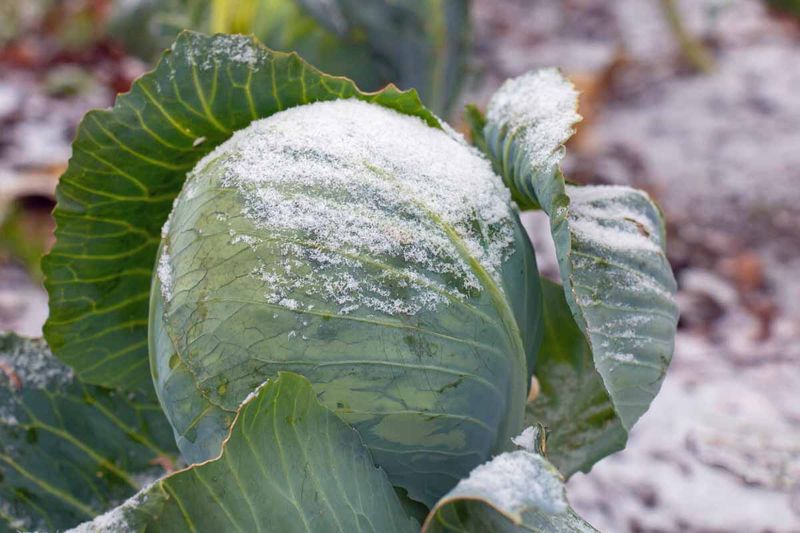
There is something satisfying about cutting a firm, round cabbage you grew yourself. It feels like a real achievement, and cabbage makes that achievement surprisingly easy in cool weather.
Cabbage handles heavy frost well, and seedlings started outside in winter tend to be tough and stocky. Early varieties such as Golden Acre or Early Jersey Wakefield mature faster, which suits a spring harvest.
Give each plant room, about 12 to 18 inches apart, so heads can size up. Keep watering steady once heads start forming.
Uneven watering, like a dry spell followed by a soaking, is a common reason heads split open.
11. Kohlrabi
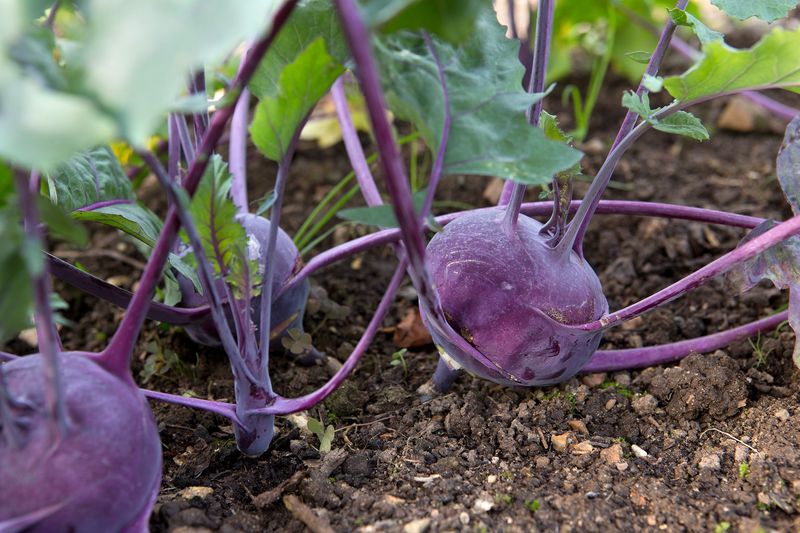
Kohlrabi looks a bit like a tiny alien spaceship sitting in the garden, round with leaves sticking out in every direction. Kids tend to love it for that reason alone.
Do not let the odd shape fool you. This brassica is cold-hardy, grows quickly, and tastes like a mild, crunchy cross between broccoli stems and a sweet turnip.
Winter sowing gives it early germination and strong spring growth.
Pick the bulbs when they reach about the size of a tennis ball. Bigger ones can turn tough and fibrous.
Peel and slice them raw for snacking, or roast them with a little olive oil.
12. Onions (Bunching, Green)
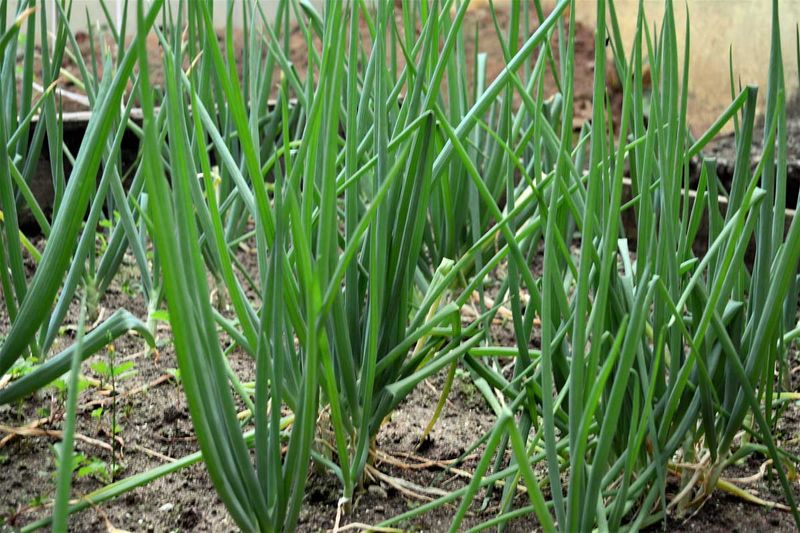
Ever bought a bundle of green onions only to use two stalks before the rest went slimy? Growing your own bunching onions fixes that, because you just snip what you need.
Bunching and green onions are cold-hardy and can grow nearly year-round. Seeds sown in containers outdoors in winter sprout when conditions suit them, and fall-planted onions often overwinter to give you harvests in spring and summer.
Cut the tops about an inch above the soil, and they will regrow. You can also pull whole clumps when they reach pencil thickness.
A few pots by the back door make it easy to grab some for eggs or soup.
13. Leeks
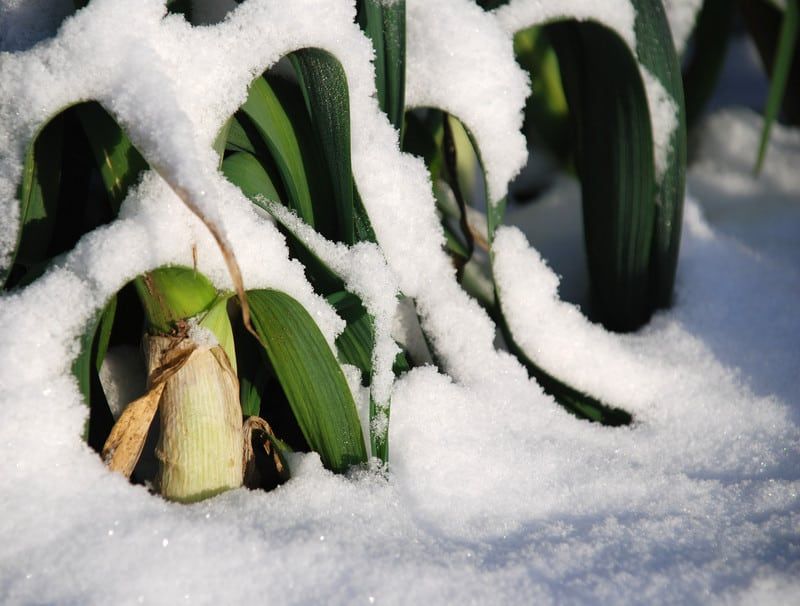
Patience pays off with leeks. They are slow growers, which is exactly why getting seeds started in winter makes such a difference.
Leeks handle heavy frost and can stay in the ground through cold spells. Starting them early gives the long, slender stalks enough time to thicken before summer.
Gardeners who wait until late spring often end up with skinny leeks.
For the classic white stems, pile soil or mulch up around the base as the plants grow. Grit can sneak between the layers, so slice and rinse them well before cooking.
14. Arugula
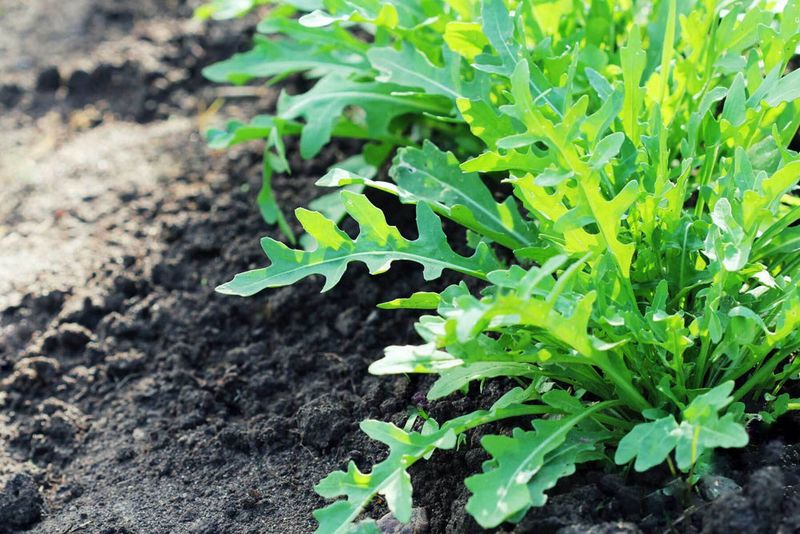
Peppery, quick, and nearly impossible to mess up, arugula might be the easiest green on this list. Many gardeners pick their first leaves in about three weeks.
Arugula tolerates heavy frost, and cool weather keeps its flavor pleasant instead of harsh. Once summer heat arrives, the leaves turn bitter and the plant flowers fast, so an early start is the best way to enjoy it.
Scatter seeds thickly over a bed or wide pot and cover them lightly. Cut leaves with scissors when they are a few inches tall.
A sprinkle of fresh arugula on pizza or eggs makes all that winter planning feel worth it.
15. Turnips
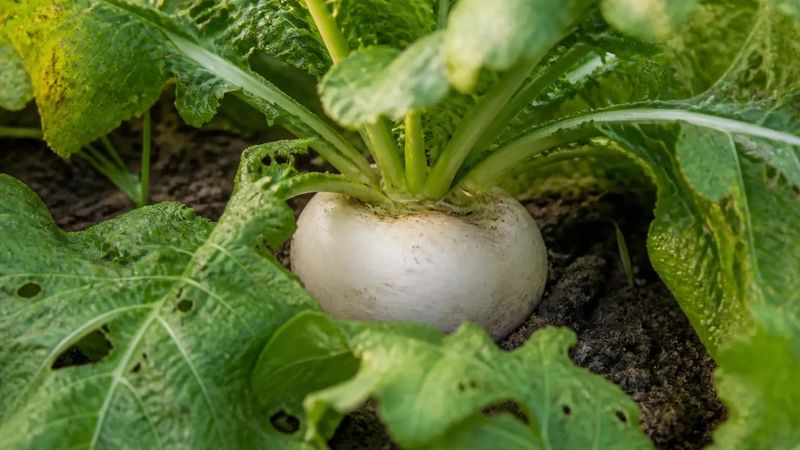
Turnips used to be a pantry staple that carried families through lean months, and they still earn a spot today. They are low-maintenance, fast, and happy in cold soil.
Plant them in late autumn or early winter, and the roots can survive cold temperatures while tucked underground. Smaller varieties like Hakurei are sweet enough to eat raw, a nice surprise for anyone who only remembers mushy boiled turnips.
The greens are edible too, with a flavor similar to mustard greens. Harvest roots when they are two to three inches across for the best texture.
Wrap up your winter planting with a row of turnips, and you will have one more early reward waiting when spring finally shows up.