
Pawpaws And Persimmons Are The North Carolina Native Fruit Trees Your Backyard Is Missing Out On
Two of the tastiest fruits in North Carolina grow wild along our creeks and fencerows, and most people have never eaten either one. Pawpaws taste like a mix of banana and mango, while ripe persimmons are sweet as pudding.
Both trees are true NC natives that feed box turtles, butterflies, songbirds, and more. Planting them is one of the easiest ways to make your yard tastier and better for the wildlife you love.
1. The Pawpaw, North Carolina’s Tropical-Tasting Native
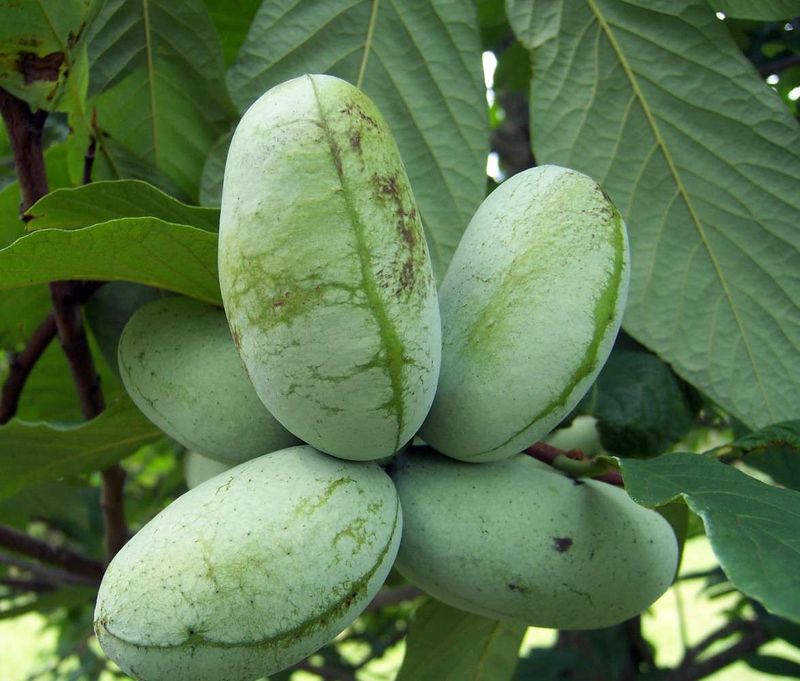
Picture biting into something that tastes like a banana married a mango, then realizing it grew beside a creek in Chatham County. That is the pawpaw, Asimina triloba, the largest edible fruit native to North America.
Wild groves pop up across the Coastal Plain, Piedmont, and lower mountains.
The trees stay fairly small, usually 12 to 15 feet tall, though some stretch toward 35 feet. Their long, droopy leaves give a backyard a slightly tropical look you would never expect from a native plant.
Fruit ripens from late August through September and sometimes into early October. A ripe pawpaw feels soft, smells wonderfully fragrant, and often drops right off the branch.
The flesh is custardy, so most folks scoop it with a spoon and skip the large seeds.
2. The American Persimmon, A Tree for All 100 Counties
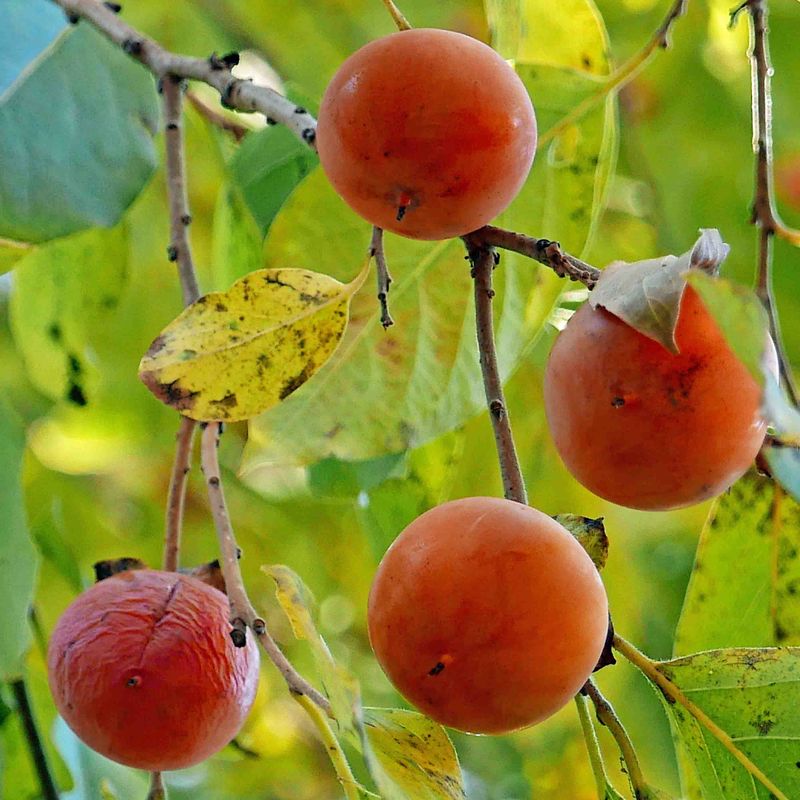
Grandparents across the state have a story about biting an unripe persimmon and puckering for an hour. Diospyros virginiana grows naturally in every single one of North Carolina’s 100 counties, from Murphy to Manteo.
You have probably passed dozens without noticing. Persimmons love fencelines and hedgerows, and their thick, dark bark breaks into blocky squares often called alligator bark.
That pattern looks handsome even in winter.
Fruit ripens anywhere from late August into December, with most ready in September and October. Here is a myth worth busting: frost is not required.
A ripe persimmon simply turns soft and jelly-like, then drops. Gather fallen fruit and you get honeyed sweetness instead of that famous chalky pucker.
3. A Host Plant for Zebra Swallowtails
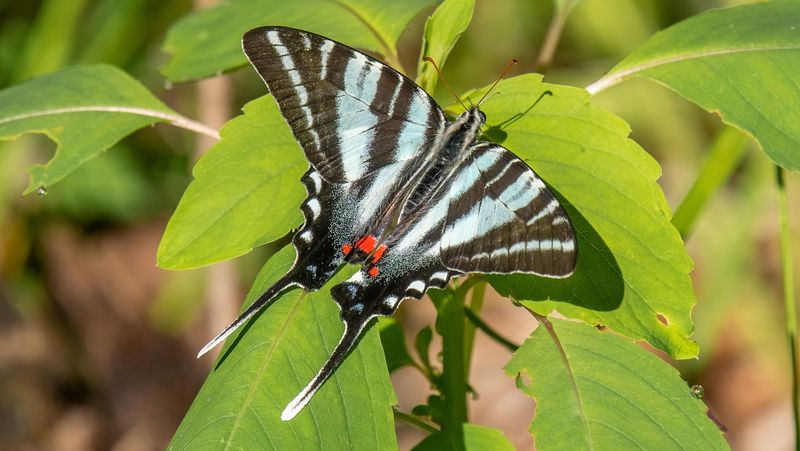
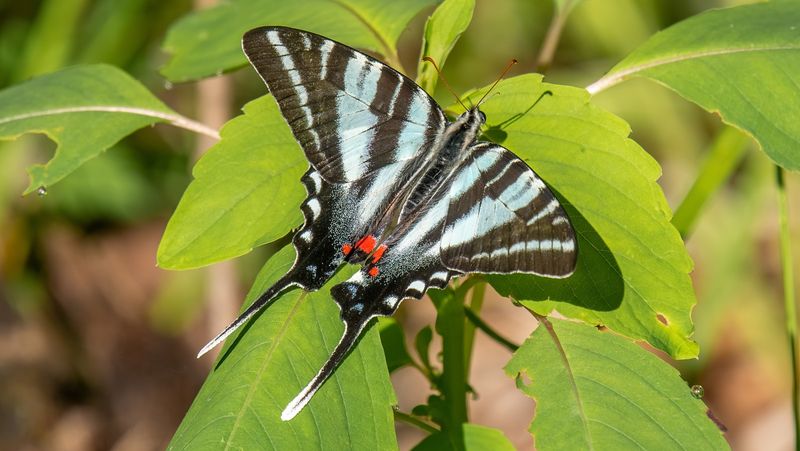
Few butterflies in our state look as striking as the zebra swallowtail, with its bold black-and-white stripes and long tails. Here is the catch: its caterpillars eat only pawpaw leaves.
No pawpaw, no zebra swallowtails.
Adding even two trees can turn your yard into a nursery for this native beauty. Caterpillars chew a few leaves, but the trees bounce back easily, so there is no need to spray or pick them off.
Pawpaw flowers bring their own quirky story. The maroon blooms smell faintly like rotting meat, which draws beetles and flies as pollinators.
It sounds gross, yet it supports a whole crowd of insects that songbirds rely on to feed their nestlings each spring.
4. Luna Moths, Bees, and Persimmon Blossoms
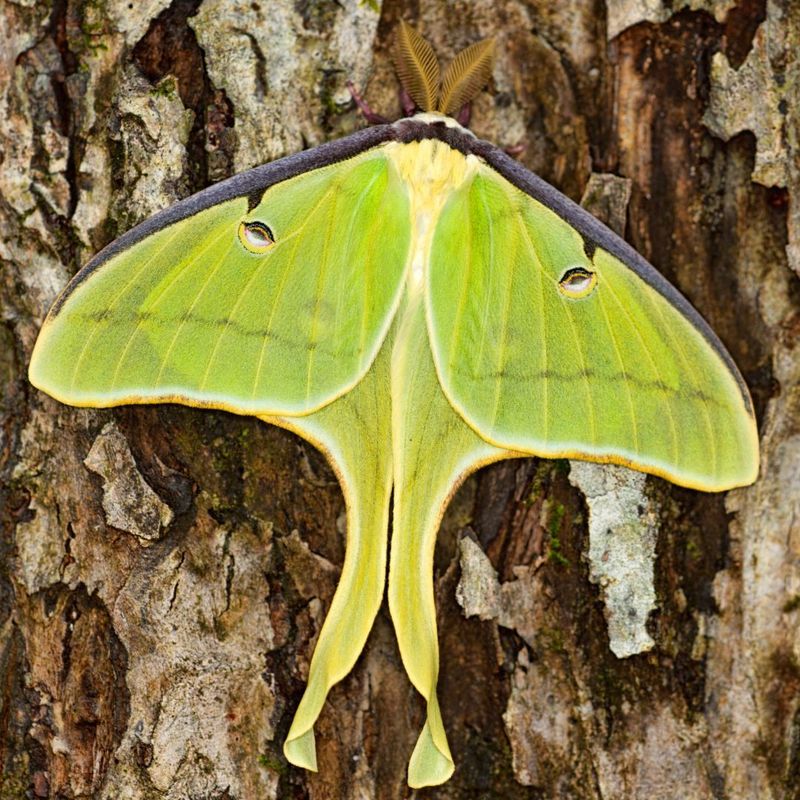
On a warm June night, a pale green luna moth drifting past your porch light feels almost magical. Persimmon leaves help make that moment possible, since the tree serves as a larval host for luna moths and several other native moths.
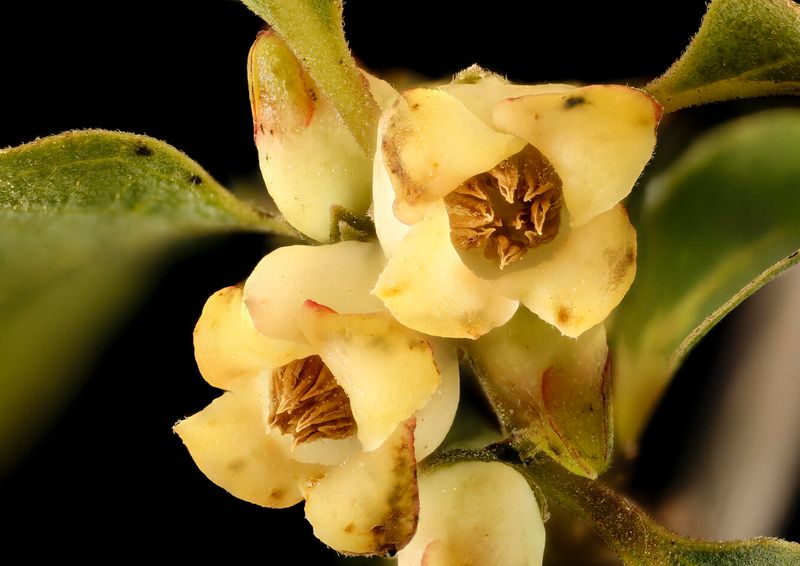
Spring and early summer bring small, creamy, bell-shaped blossoms. They smell sweet and hand out nectar to bees, butterflies, and moths at a time when pollinators need steady food.
Moths matter more than many people realize. Their caterpillars are a top food for baby birds, and adult moths feed bats on summer evenings.
One persimmon quietly links your yard’s pollinators, birds, and bats together.
5. A Fall Feast for Box Turtles and Backyard Wildlife
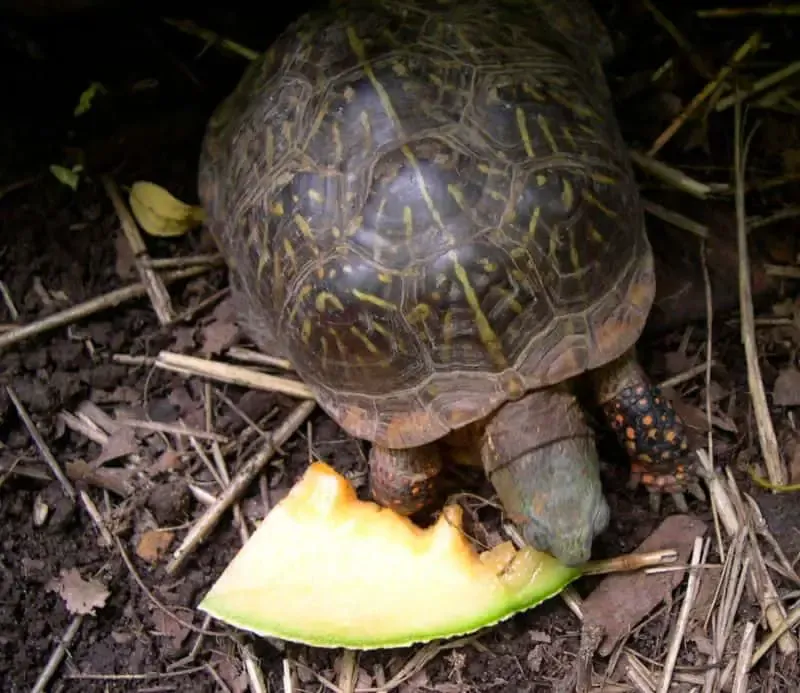
Spend an autumn morning under a fruiting persimmon and you might catch an eastern box turtle munching on fallen fruit. Box turtles enjoy pawpaws too, and both trees offer them a rich meal before winter.
The guest list stays long. Foxes, opossums, raccoons, squirrels, and wild turkeys gobble persimmons, while songbirds feast on pawpaws.
Many of these animals spread seeds across the landscape, helping native groves grow.
Leave a patch of leaf litter under your trees so turtles have cover. And if you spot one crossing your lawn, admire it and let it be.
Never relocate a box turtle, since they live their whole lives in a small home range and moving one can doom it.
6. Planting Tips for Piedmont, Coastal, and Mountain Yards
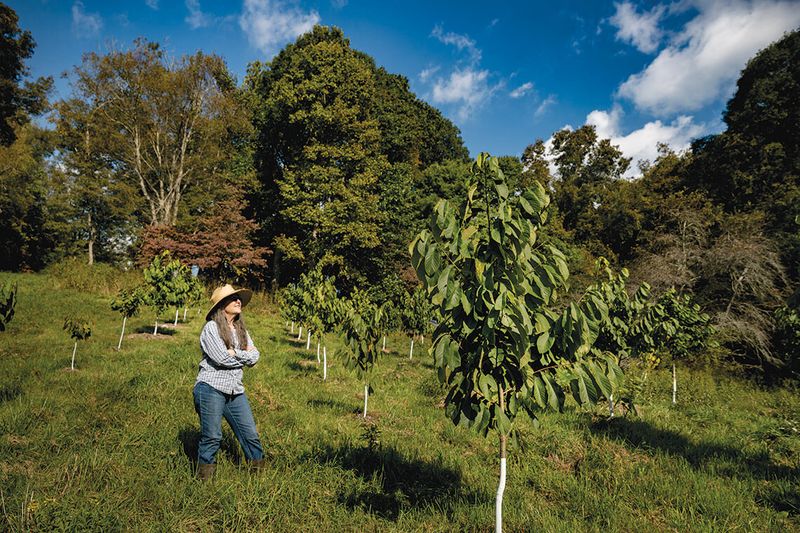
Plant while trees are dormant, in fall or early spring. Both species grow deep taproots, so choose your spot carefully and handle roots gently.
Moving them later rarely goes well.
Pawpaws handle shade but fruit best in full sun. Young seedlings, oddly enough, burn in strong sunlight their first year, so give them a little shade cloth.
Aim for moist, well-drained soil with a pH between 5.5 and 7.0.
Persimmons are tougher. They like sandy, well-drained ground yet tolerate heat, drought, wind, and poor soil, which makes them great for Sandhills or city lots.
Sun to part shade works fine.
7. Why You Need Two Trees for Fruit
Plenty of disappointed gardeners plant one tree and wait years for fruit that never comes. Both natives need a partner, just for different reasons.
Pawpaws require at least two genetically different trees for cross-pollination. Buying two named varieties or seedlings from different sources does the trick.
Persimmons are dioecious, meaning trees are male or female. Only females bear fruit, but they need a male nearby.
If wild persimmons already grow along your road, you may have a helper in place.
8. Keeping Your Fruit Trees Tick-Smart
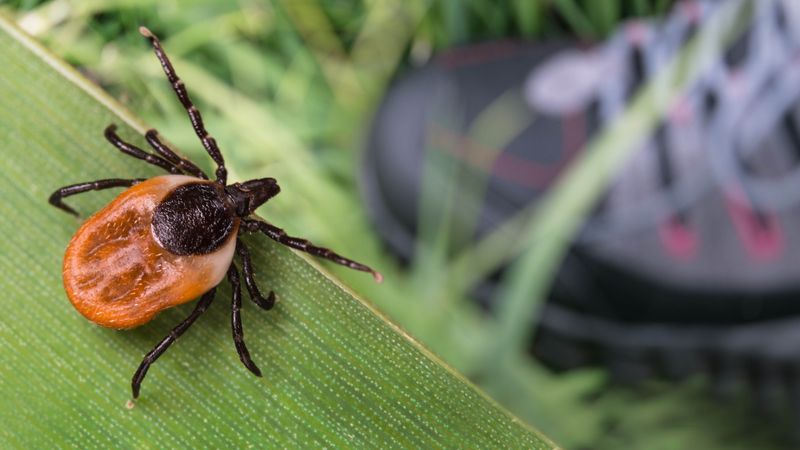
Honest talk: fruit trees draw deer, mice, and squirrels, and those animals can carry ticks into your yard. The trees do not host ticks themselves, but their visitors might.
A few habits can reduce your risk. Keep grass mowed around the trees, and lay a three-foot strip of wood chips or gravel between lawn and wooded edges, since ticks tend to avoid crossing dry borders.
Pick up fallen fruit near paths and play areas.
Plant your pawpaws and persimmons at the yard’s edge instead of beside the patio. You still enjoy the wildlife and harvest while keeping your family’s favorite spots a little safer.