
Native Wildflower Meadows and NC HOA Rules: What Your Documents and the Law Actually Say
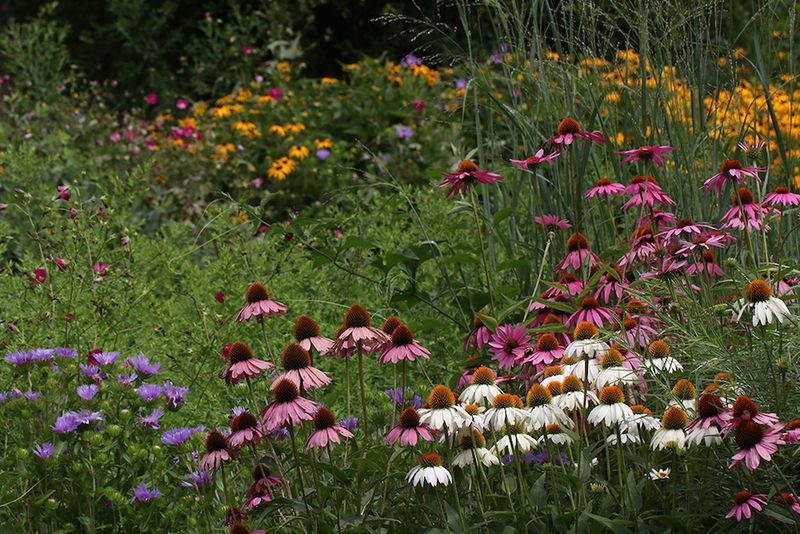
Swapping a thirsty lawn for native wildflowers can feed bees, butterflies, and goldfinches right in your own yard. But in a neighborhood with an HOA, a meadow can also bring a letter in the mail.
Whether you can plant one depends on your community’s paperwork, the law that applies to it, and the plan you bring. Here is how to sort that out before you pull up a single blade of grass.
North Carolina law does not give every homeowner a meadow exemption
Here is the plain answer: the sources reviewed for this article show no general statewide right to replace turf with a native wildflower meadow in spite of HOA landscaping rules. If you have heard that North Carolina law shields every meadow, that claim goes further than the statutes do.
The law does give associations real tools. Article 3 of Chapter 47F covers association powers, including adopting rules and, after the required process, imposing fines for violations.
That does not mean an HOA can do anything it likes, because its authority still runs through its governing documents and the required procedures.
Not every community sits under the Planned Community Act in the same way, either. Article 1 of Chapter 47F sets out the act’s scope, including rules tied to when a community was created and other exceptions.
So a Coastal Plain subdivision from the 1980s and a newer Piedmont neighborhood may not be governed identically.
One narrow provision is easy to misread. Section 47F-3-122 deals with required irrigation of landscaping during certain declared drought conditions when government water-conservation measures apply.
It is not a right to rip out turf and plant natives.
So skip both assumptions: your HOA does not automatically win, and you are not automatically protected. Start with your own recorded documents and your own community’s details.
What do your recorded documents actually require?
Before you buy a single seed packet, gather the paperwork. You want the recorded declaration and any amendments, the bylaws, the current landscaping rules, and the architectural-review procedures.
Your closing documents may include some of these, and the county register of deeds holds the recorded ones.
The North Carolina Department of Justice advises homeowners to review their covenants and to consult a private attorney for disputes. That is a sensible order of operations: read first, then get legal help if you and the board disagree about what a rule means.
As you read, mark every spot that touches your yard. Look for a requirement to get written approval before changing landscaping, since that one can decide everything.
Then check for language about appearance, plant height, weeds, grass length, or general upkeep.
Also watch for wording that sounds minor but matters, such as limits on front-yard changes versus back-yard changes, or rules about visible beds from the street. A rule that is silent on meadows is not the same as a rule that allows them.
Finally, do not assume a label does the work for you. Calling a planting native, pollinator-friendly, or a wildflower meadow does not automatically satisfy an HOA’s standards.
A native planting can still be subject to approval, height, weed, or maintenance provisions.
A written approval request can put the plan on firmer ground
If your documents require advance approval, send a written proposal before you change the lawn. Keep a copy of the application, the board’s or committee’s decision, and every email or letter along the way.
A clear paper trail helps if questions come up later.
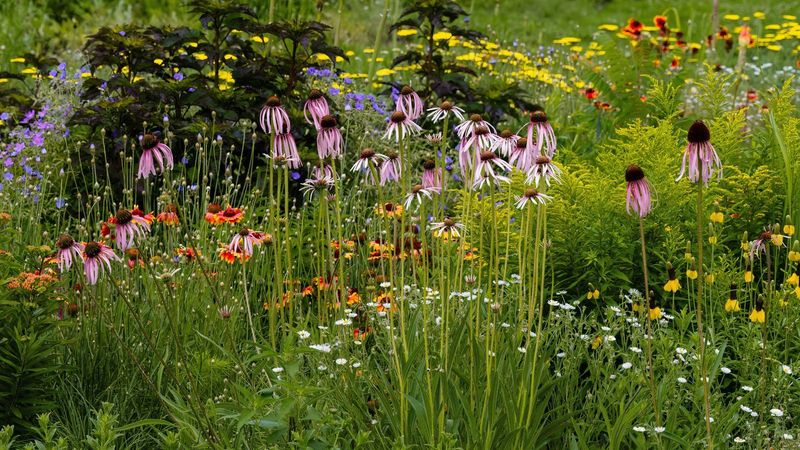
Make the planting easy to evaluate. Show where the bed goes, which species you plan to grow, where the edges are, where mowed paths run, and how you will maintain it.
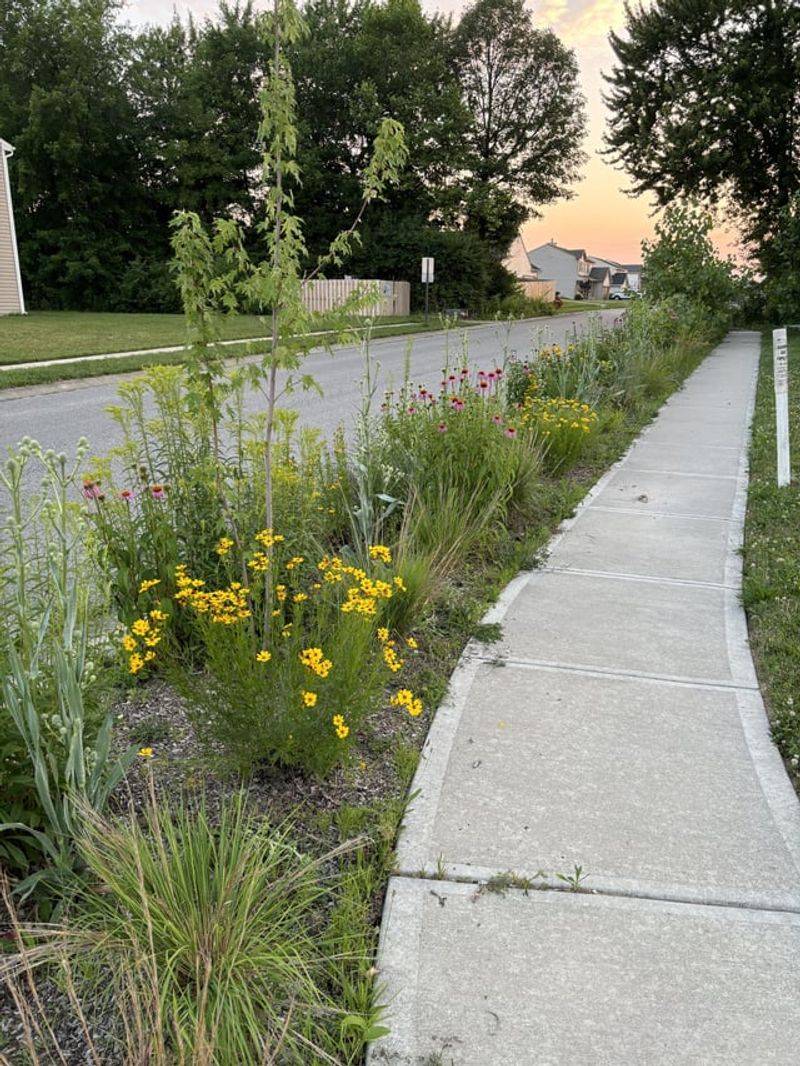
A crisp edge and a visible path help a planting read as intentional landscaping, which is practical risk management and not a legal entitlement.
Separately, know the enforcement side. North Carolina law lets associations adopt rules, and fines generally require notice and an opportunity to be heard.
The exact steps depend on the statute and your governing documents, so check both rather than relying on a summary.
If a violation letter arrives, read it closely, note any deadlines, and respond in writing. The state Department of Justice, in its homeowners’ association guidance, points owners toward their covenants and a private attorney for disputes.
None of this guarantees a yes. It does give the board something concrete to weigh, and it leaves you with a record if the conversation gets harder.
Can vague appearance language be challenged?
Some covenants say little more than that yards must be “clean and sightly” or have a “compatible aesthetic appearance.” In Harrison v. Lands End of Emerald Isle, the North Carolina Court of Appeals found that kind of language too vague to enforce in that case.
That gives a homeowner a possible argument, not a settled right. The opinion is unpublished and tied to its own facts.
It does not invalidate landscaping restrictions in general, and it does not protect every meadow.
Now compare it with a different kind of case. Martin v.
The Landfall Council of Associations shows how much specific recorded restrictions and advance-approval requirements can matter. It concerned artificial turf, not native plants, so it is not a meadow case either.
Put the two side by side and a pattern shows up. Vague wording may leave room for debate, while specific restrictions and approval rules tend to carry more weight.
If your documents name height limits, require approval, or list banned plantings, a vagueness argument may not help you.
Neither case should be treated as decisive without advice. If you are weighing a challenge, talk with a North Carolina attorney who can read your actual covenant language.
Design a meadow for your part of North Carolina
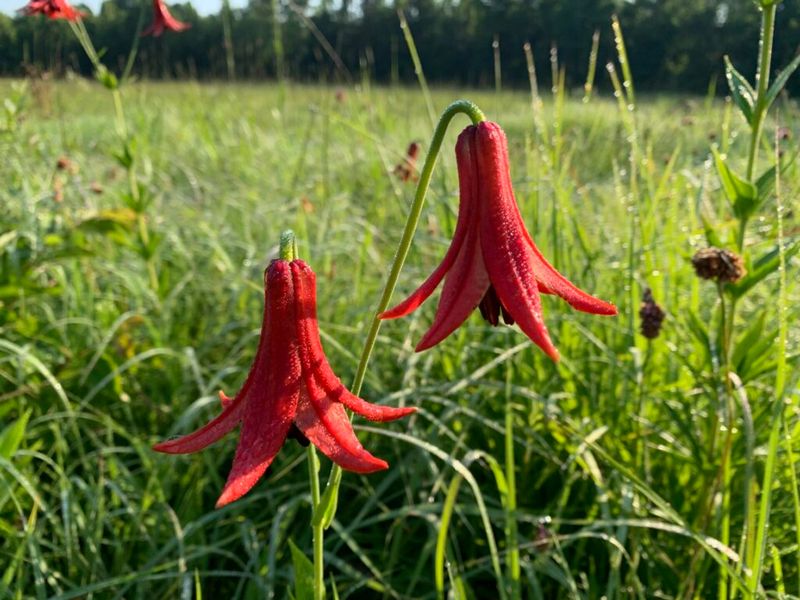
A Wilmington yard, a Raleigh cul-de-sac, and an Asheville slope do not share the same soil, moisture, or sun. That is why one mix rarely fits all three.
NC State Extension’s native-plant guidance encourages choosing plants for local conditions and ecoregion, so match your list to your site.
Start by noting your sun hours, drainage, and soil type. Sandy, fast-draining Coastal Plain ground favors different species than heavy Piedmont clay or cooler mountain sites.
Ask your county Extension office for plants suited to where you live.
Next, screen every plant or seed list for invasives. The North Carolina Forest Service advises using native plants and removing exotic invasives, and its examples include Callery pear and Japanese stiltgrass.
If a mix is vague about its contents, ask the seller for the full species list before you buy.
Be wary of generic packets labeled simply as wildflower mix. Some blend natives with non-natives, and some contain species poorly matched to North Carolina.
A mix is worth buying only when you can read what is in it.
This homework pays off in your HOA submission, too. A plan naming specific, regionally considered species is clearer to a review committee than an unspecified mix.
It still does not guarantee approval, but it shows you have thought the planting through.
Establishment takes visible, ongoing maintenance
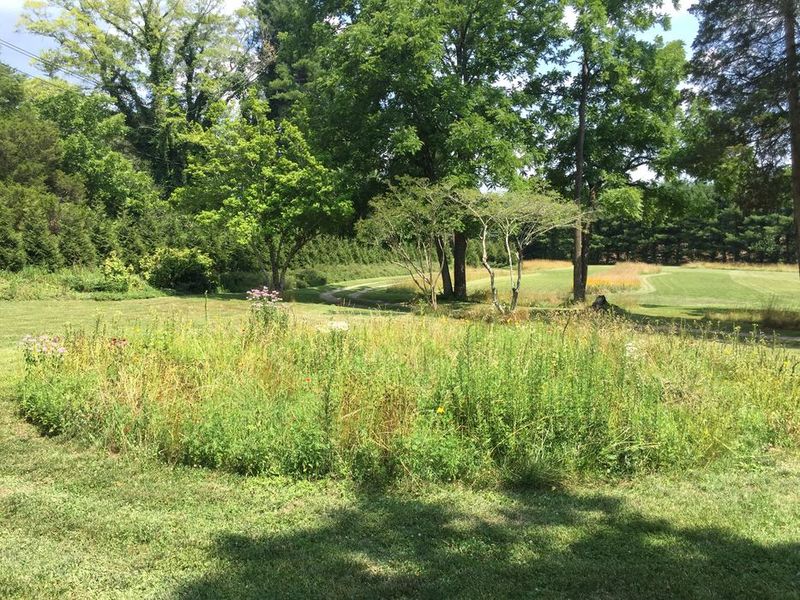
Picture year one honestly: patchy ground, small seedlings, and weeds that grow faster than your flowers. The NCDA&CS guide to establishing a pollinator plant blend says these plantings may be slow to establish and may not cover the ground in the first year.
They also need competition control, and they may need periodic mowing above the emerging native plants.
That same guidance gives planting windows for its blend: April 15 to June 30, and dormant seeding from November 1 to March 1. Treat those as dates for that blend, not universal dates for every species, site, or region of the state.
Maintenance timing depends on what you planted and which weeds you are fighting. NC State Extension’s wildflower maintenance material describes mowing for weed management during establishment, with timing tied to the planting and the target weeds.
Meadows are not plant-it-and-forget-it. A neighbor who sees bare dirt and tall weeds in May is more likely to complain than one who sees a tidy edge and regular upkeep.
So write a maintenance commitment you can keep. Spell out when you will scout for weeds, when you might mow, and who will do the work.
A credible schedule tells the HOA you plan to tend the planting, not abandon it.
Keep paths and activity areas clear of brushing vegetation
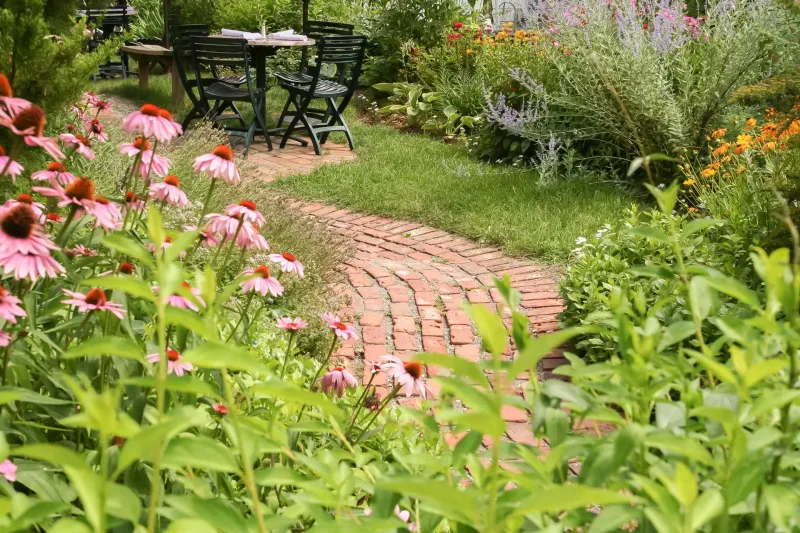
Ticks are a real worry for North Carolina families, so layout matters. Be careful about the claim itself, though: nothing here shows that a wildflower meadow raises or lowers tick risk.
What you can manage is where people walk and play relative to the plants.
N.C. Cooperative Extension’s tick landscape advice points to reducing groundcover around activity areas and clearing vegetation that brushes against paths.
Those are exposure considerations, and they translate neatly into design choices.
Start with the path. Keep high-use routes mowed and wide enough that no one has to brush through plants to pass.
A clean strip between the walkway and the first flowers helps.
Then think about location. Consider placing the meadow away from play sets, patios, grills, and the spot where the dog likes to lie, or leave a clear buffer around those places.
Showing these choices in your HOA plan can also read as thoughtful design. Keep the claims modest, though.
Describe paths and buffers as exposure management, and do not promise that the meadow is tick-safe.
Build your case around the rules and the work you will do
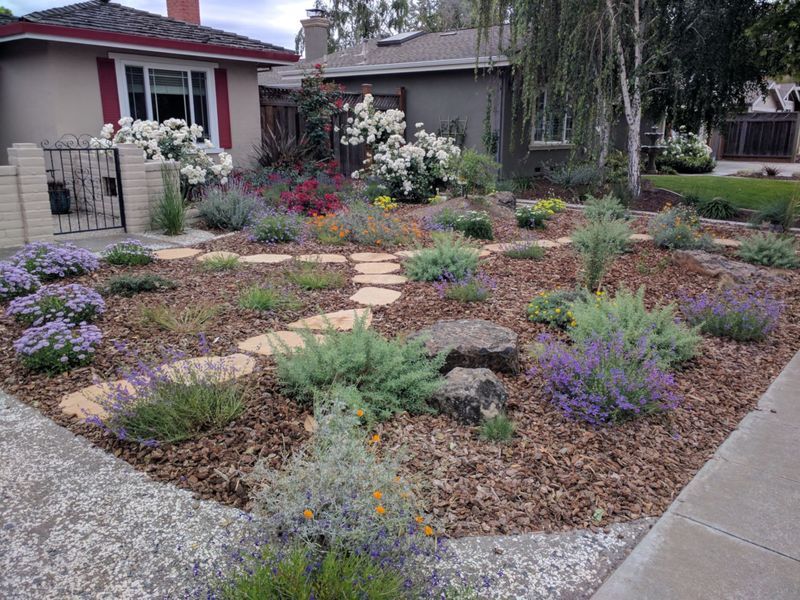
No statewide meadow exemption is waiting to rescue a planting, so your best footing comes from preparation. Read your recorded documents, follow the approval and enforcement steps in them and in Chapter 47F, Article 3, and bring a specific plant list and maintenance plan.
If a particular rule is in dispute, take the Department of Justice’s advice and consult a private attorney. No plan can promise a yes.
A meadow that earns its place usually does it one tidy edge at a time.