
Christmas Cactus Segments Falling Off? Several Causes Are Possible, So Inspect First
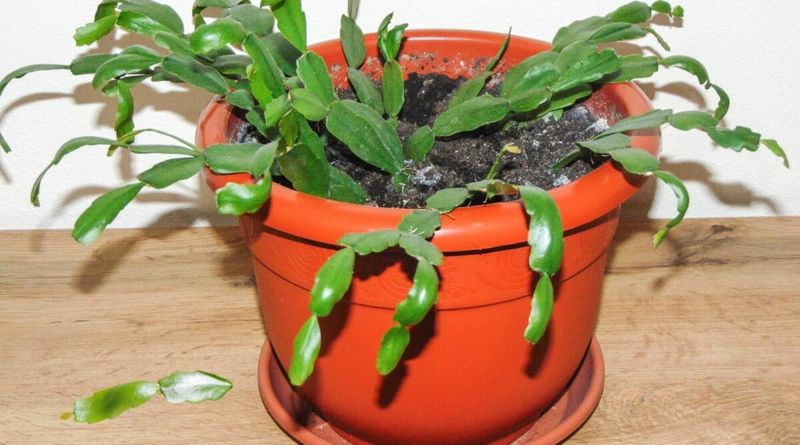
Finding little green pieces of your Christmas cactus on the floor can make your stomach drop. Is the plant sick, and will it still bloom?
The answer is not always the same, because several things can cause segments to fall. A few quick checks can tell you what your plant is dealing with.
First, tell a dropped segment from a flower bud
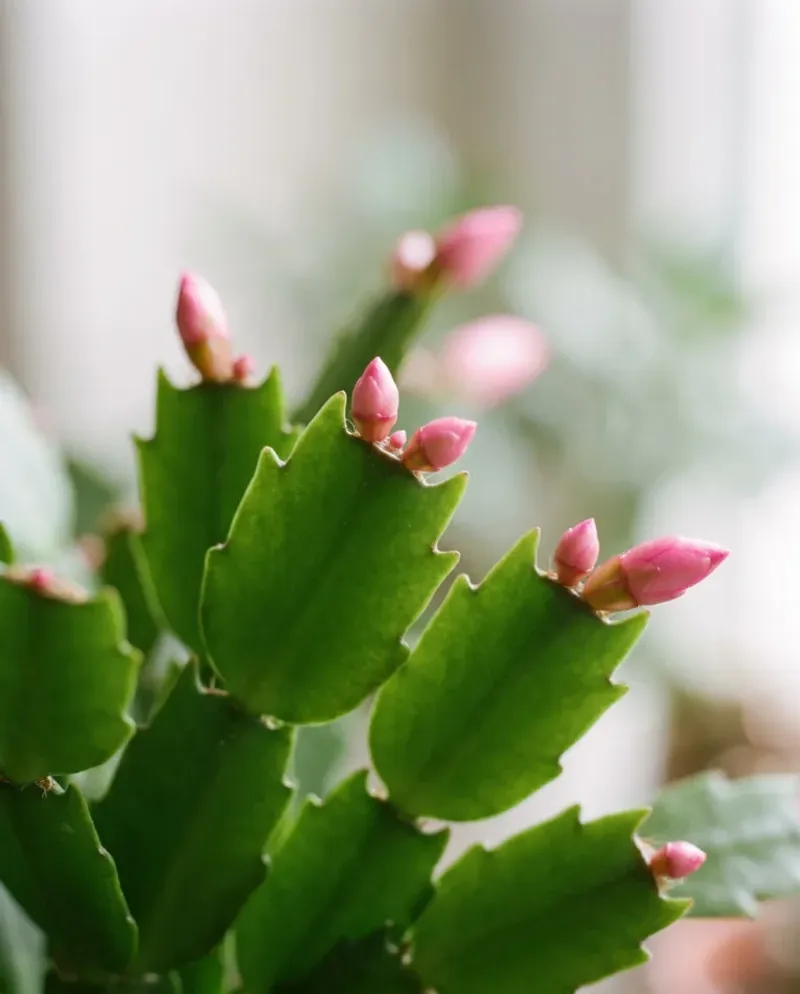
Pick up whatever fell and take a close look. Christmas cactus stems are made of flat, jointed green pieces, and RHS growing guidance describes these segmented stems.
Flower buds are smaller, rounded or tube-shaped, and form at the tips of the stems.
This quick sorting step matters because the two problems have different explanations. A fallen bud and a fallen segment are not the same event, so advice for one will not always help the other.
Segment loss is a symptom, not a diagnosis. According to a Maryland Extension response, possible explanations include water stress, an older plant trimming itself, and other problems.
Noticing that the plant is close to bloom time does not tell you which one applies, and it does not mean losing segments is a normal pre-bloom event.
A couple of dropped pieces alone do not prove anything is wrong. What matters is what else you see, so the next sections walk through the soil, the roots, the branches, and the stems themselves.
Check the mix before changing how you water
Before you reach for the watering can, press a finger into the top inch of the mix. Stems can look stressed when the soil has dried out too far.
They can also look stressed when soggy soil has damaged the roots, so the stems end up short of water either way.
The Maryland Extension response notes that dry or flat segments can signal not enough water reaching the stems, from underwatering or from overwatering that has hurt the roots. That is why guessing is risky.
Segment loss does not automatically mean the plant is thirsty.
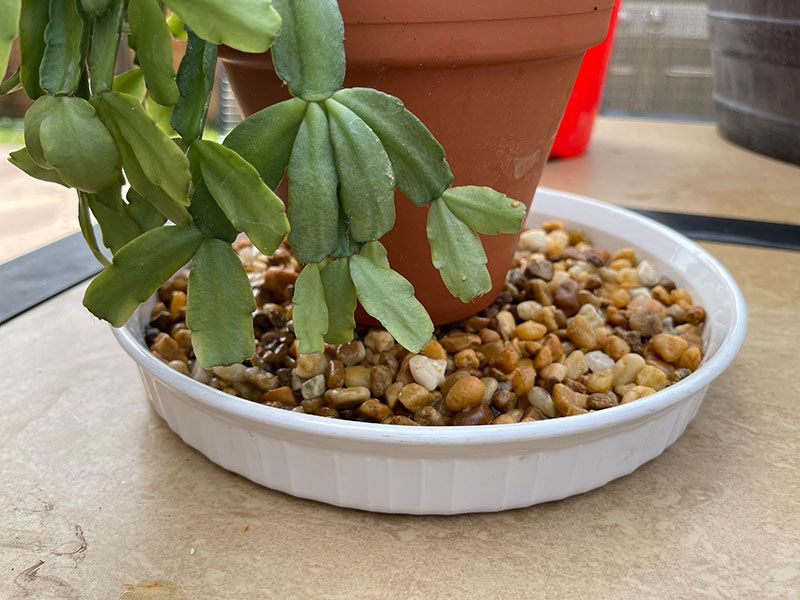
Look at the pot too. Does water run out of the drainage holes, or does it pool?
Is the pot sitting in a saucer or decorative sleeve full of runoff?
If the top inch feels dry, give the plant a thorough watering. Then empty the saucer or decorative pot so the roots are not left standing in water.
UF/IFAS Extension points out that a Christmas cactus likes some moisture but also needs well-drained, airy soil.
There is no magic watering schedule here. Your home’s light, pot size, and mix all change how fast the soil dries, so let the soil tell you what to do.
When the soil stays wet, check drainage and roots
Picture a limp, wilting plant sitting in damp soil. Adding more water feels natural, but it can make things worse.
If the mix stays wet and the plant still wilts, the roots may not be working well.
Start with the simple stuff. Make sure the pot has drainage holes that are not blocked, and that the pot is not sitting in water.
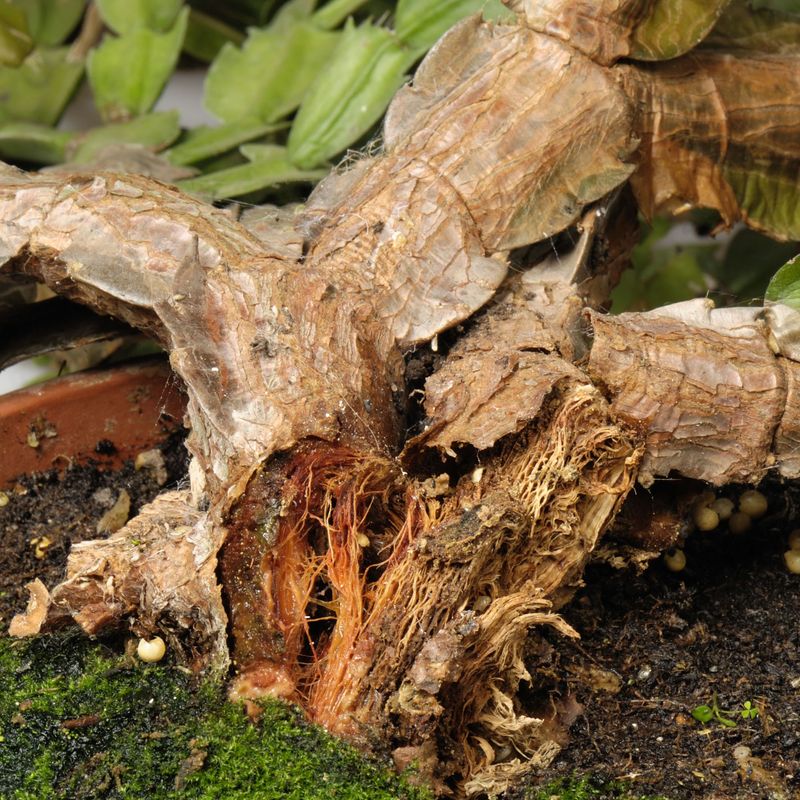
Next, think about the roots. University of Minnesota Extension connects wet, wilted growth and dark, mushy roots with root rot.
If you slide the plant out of its pot and see roots like that, root rot is a real possibility.
Keep in mind that dropped segments alone do not prove root rot. You are looking for a pattern: wet soil that never dries, a wilting plant, and roots that look dark and soft instead of firm and pale.
If everything looks healthy, you have learned something useful too. Wet soil with healthy roots points you back toward other explanations, such as plant age or branch weight.
If roots do look bad, give the plant a chance to dry out and make sure the pot drains freely before deciding on anything bigger.
Age and heavy branches can explain some losses
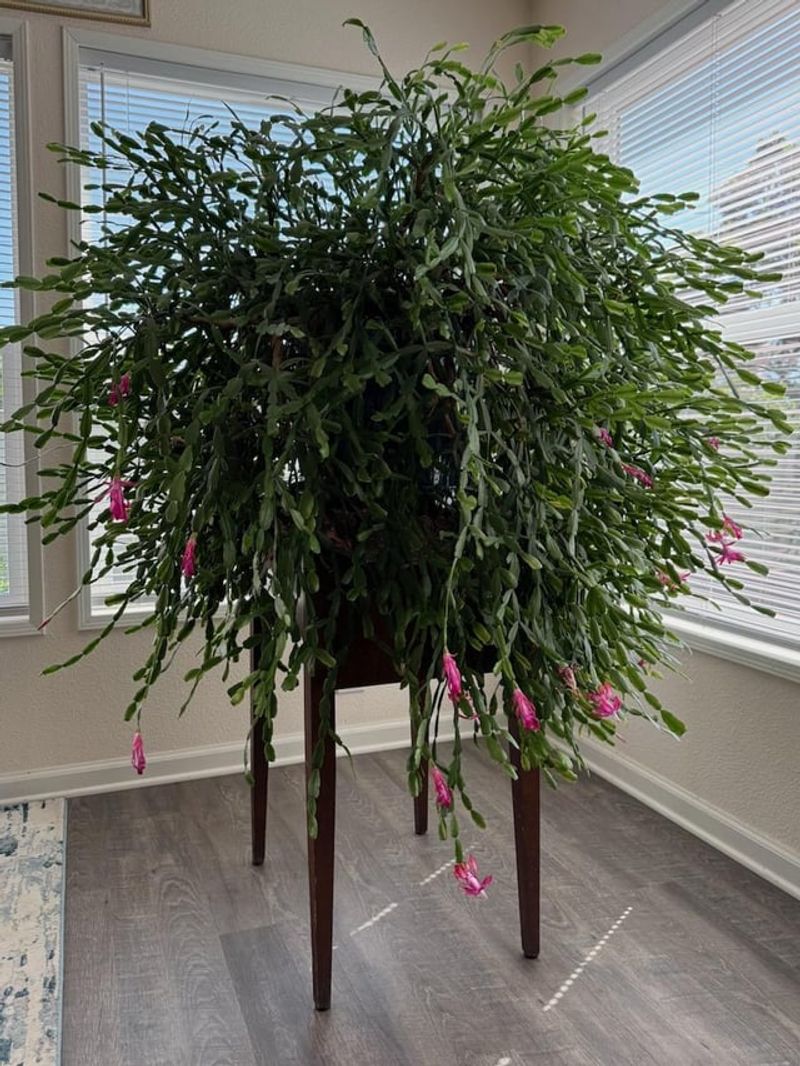
Sometimes the cause has nothing to do with your watering. Older plants may self-prune, letting a few segments go on their own, as the Maryland Extension response explains.
If your plant is a decades-old family heirloom, that could be part of the story.
Size matters too. A big, full plant can have long, heavy branches that sag and break away.
Minnesota Extension lists plant size as a factor and suggests pruning back some of the larger branches when a very large plant is losing them.
Treat this as one possibility, not an answer you can assume. Look at where the pieces are coming from.
Are they snapping off the longest, heaviest arms, or from all over the plant?
Then compare that with what you found in the soil. If the mix is fine, the roots look healthy, and the losses are limited to a big, old plant, age and weight become more believable.
Pruning is only worth considering for an oversized plant, and it is not a cure for every case of falling segments.
Watch for disease warning signs, not just dropped pieces
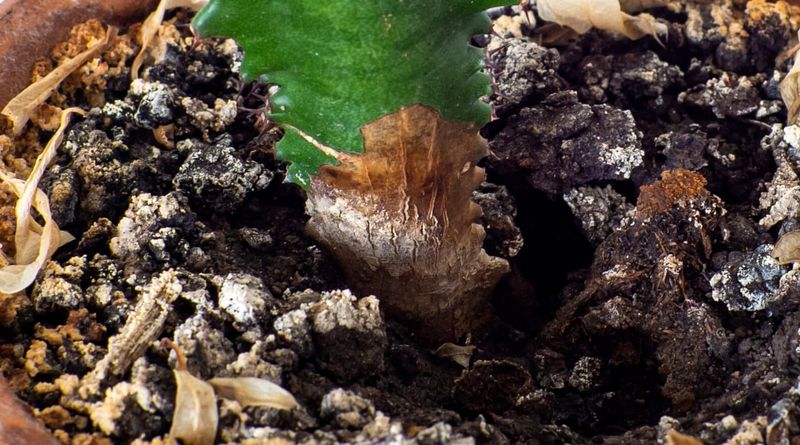
Serious disease is possible, but it is not the default explanation. One fallen segment tells you very little.
What counts is the company it keeps.
University of Minnesota Extension describes warning signs to look for. One is black, wet, slimy lesions that start near the soil line.
Another is gray-green wilting along with branches that collapse.
Check the base of the plant where stems meet the soil, since that is where the lesions are described as starting. Also look over the stems for soft, discolored patches that look different from a plain dry or shriveled segment.
If you see none of these signs, take a breath. Dropped pieces without lesions or collapse more likely point back to water, age, or weight.
If you do see them, the plant deserves a closer look and possibly advice from your local extension office, because one fallen segment cannot tell you what is going on.
Bud drop calls for a different kind of check
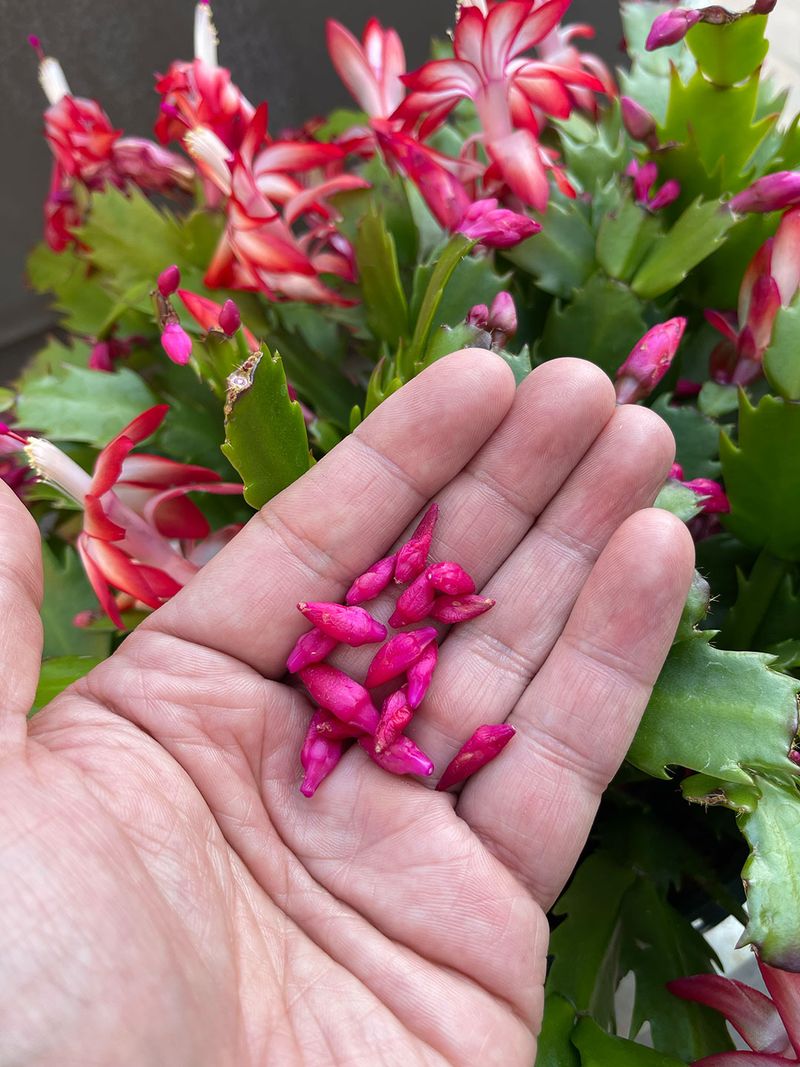
Maybe what you found on the floor were buds, not segments. That is a separate puzzle with its own advice.
Iowa State Extension stresses steady conditions for plants carrying buds.
Once buds form, avoid moving the plant. Keep it away from drafts and heaters, and try to prevent sudden swings in temperature or humidity.
Bright light is good, but harsh direct sun is not.
Minnesota Extension also stresses stable conditions and proper watering for buds. Notice how much of this is about keeping things the same.
Here is the key point. Relocation, drafts, and sudden changes are tied to bud loss, and that advice does not explain why stem segments fell.
If your plant is dropping flat green pieces, go back to the soil, roots, size, and symptom checks instead of blaming a recent move.
Flowering time also varies from plant to plant. Iowa State points to day length and temperature as the main drivers, so a late or early bloom is not by itself a warning.
Choose the next step from what you find
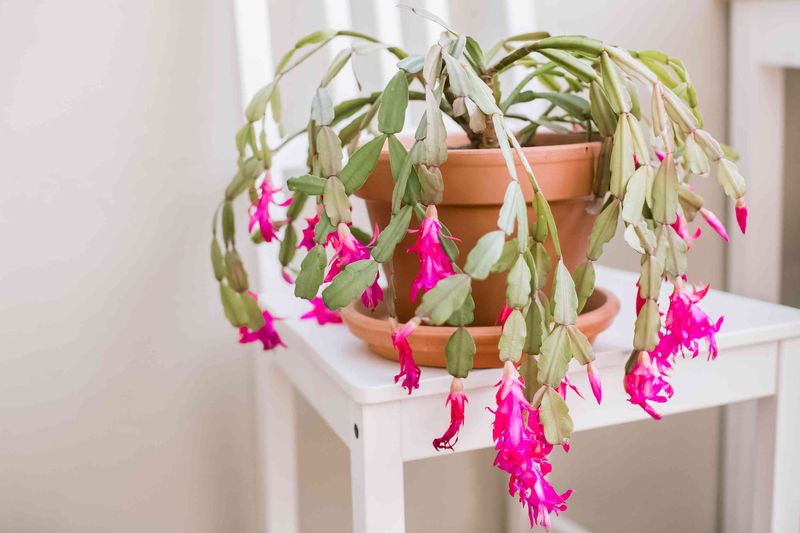
Think of this as a short checklist. First, decide whether you found segments or buds.
Second, check the soil moisture and whether the pot drains. Third, consider the plant’s size and look for the disease warning signs.
Match your response to what you see. Dry mix means a thorough watering, as UF/IFAS Extension advises.
Wet mix with a wilted plant means checking drainage and roots, and a huge old plant may simply be shedding or dropping heavy branches. Lesions or collapsing branches call for a closer look, per Minnesota Extension.
No single rescue fits every plant, so skip adding water, fertilizer, or other treatments by default. As the Maryland Extension response shows, there are several possible explanations.
Your cactus is telling you something, and a careful look is how you learn what.