
If It’s a Rat Snake: Why North Carolina Gardeners Should Think Twice Before Killing a Big Black Snake Near the Woodpile
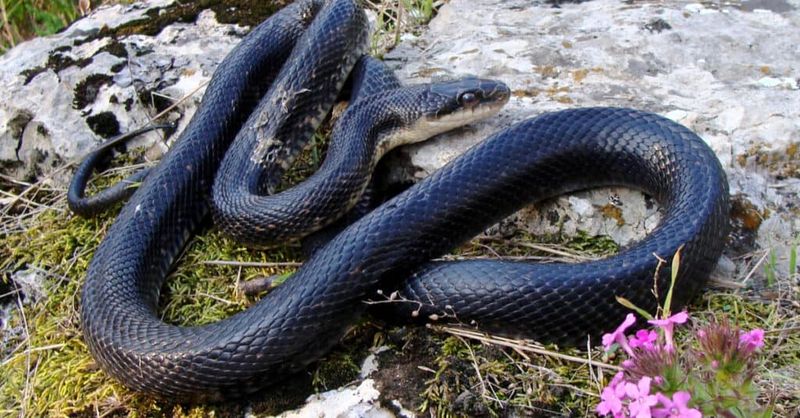
You lift a log for the fireplace and a long, dark snake slides out of the stack. Your heart jumps, and the shovel or the hoe looks tempting.
But in many North Carolina yards, that snake may be a harmless rat snake doing what native predators do. Knowing what you are looking at, and what to do next, keeps both your family and your yard wildlife safer.
If It’s a Rat Snake, Identify It Carefully
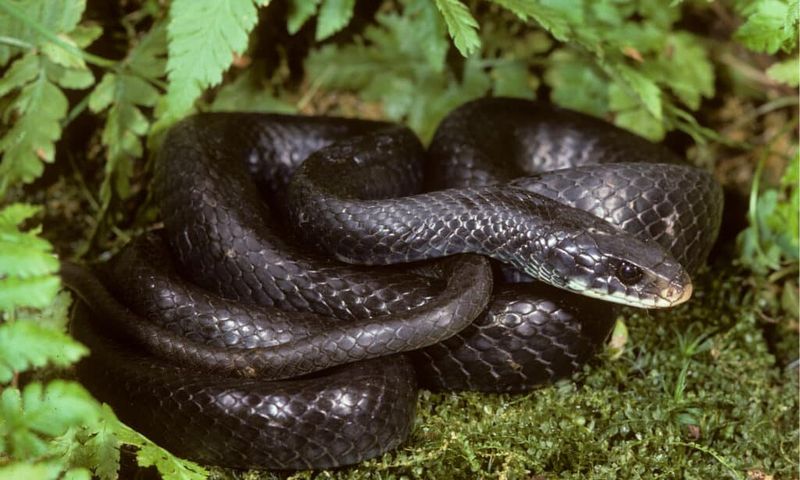
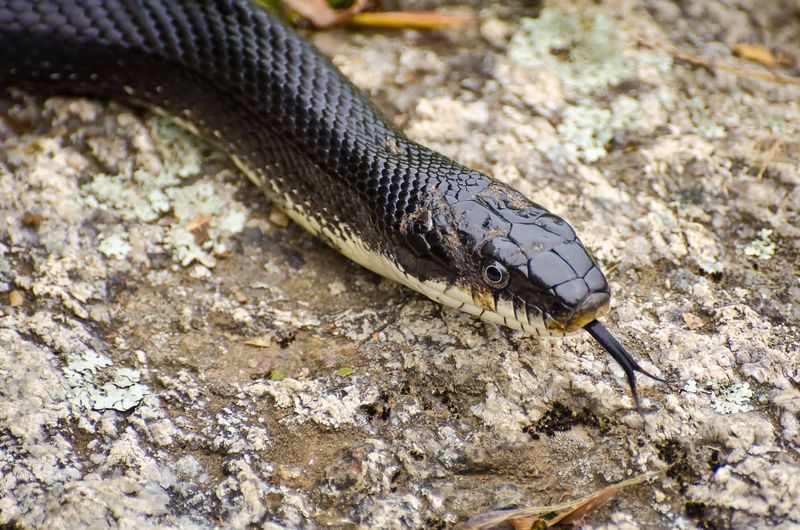
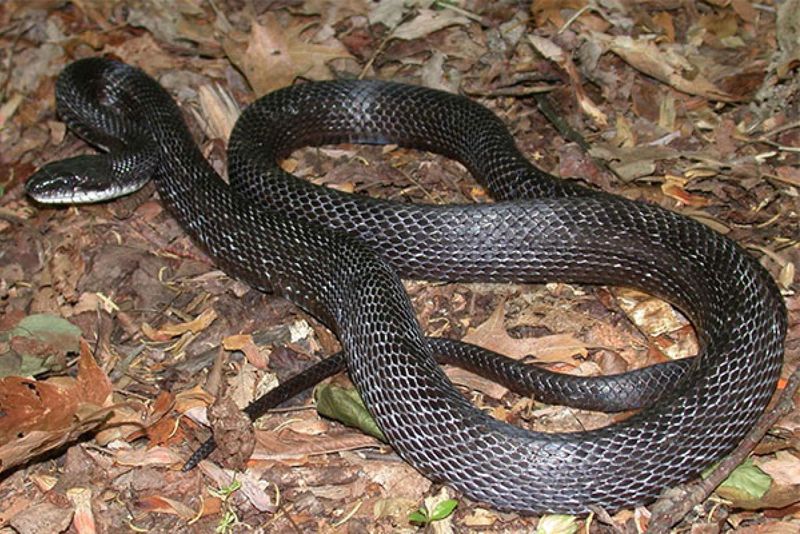
A big dark snake by the woodpile is easy to label in a split second, but that label can be wrong. North Carolina’s rat snake is often called the black rat snake, and NC Wildlife Resources Commission species information says adults are glossy black in the mountains and Piedmont.
Along the Coastal Plain, though, rat snakes can look greenish with dark stripes or vary in color.
That variety is the reason color and size are not enough to name a snake. Plenty of snakes look dark from a distance, and rat snakes commonly reach five to six feet, but length alone proves nothing.
A quick glance from across the yard cannot confirm what you saw.
Identification matters because North Carolina is home to venomous snakes too. The state’s copperhead profile shows this species is widespread, and rat snakes can be mistaken for other snakes.
So the safest premise is a conditional one: if it is a rat snake, then it is a nonvenomous native animal.
It also helps to separate two questions. One is what species the snake is, and the other is how you should respond.
The answer to the second is the same either way: stay back and give it room. NC State Extension’s snake guidance backs that approach, especially when you cannot be certain about the species.
Rat Snakes Eat Rodents, but They Are Not Pest Control
Mice and rats love a yard with stored birdseed, compost, and cozy corners. A rat snake that passes through can be a quiet helper, because rodents are a major part of its menu.
NC State Extension notes that eastern rat snakes feed heavily on rodents, which explains why gardeners often speak well of them.
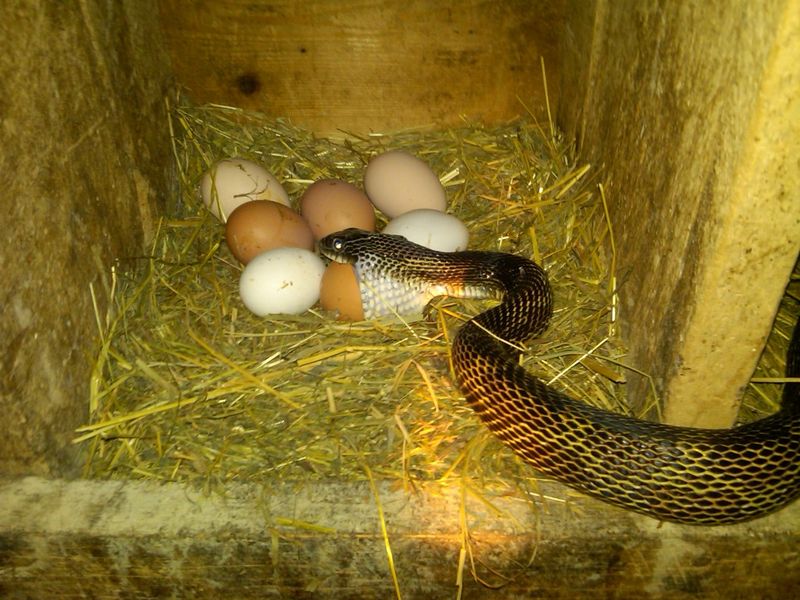
That is only half the picture, though. The NCWRC rat snake page also lists birds, bird eggs, and small mammals as prey, and it documents raids on poultry.
If you keep a chicken coop or hang nest boxes for bluebirds and wrens, a rat snake may take an interest in them.
So think of a rat snake as a native predator with mixed effects. It does a useful job, but it is not a service you can order up.
One snake will not solve a rodent problem, and nobody can promise how many mice it will eat in your yard.
If you want to enjoy a confirmed rat snake, a few simple steps help. Secure coop doors and egg-collection areas, and place nest boxes on predator-resistant poles.
That way you can respect the snake’s place in the neighborhood while protecting the birds you care about.
Why a Snake Might Use a Woodpile
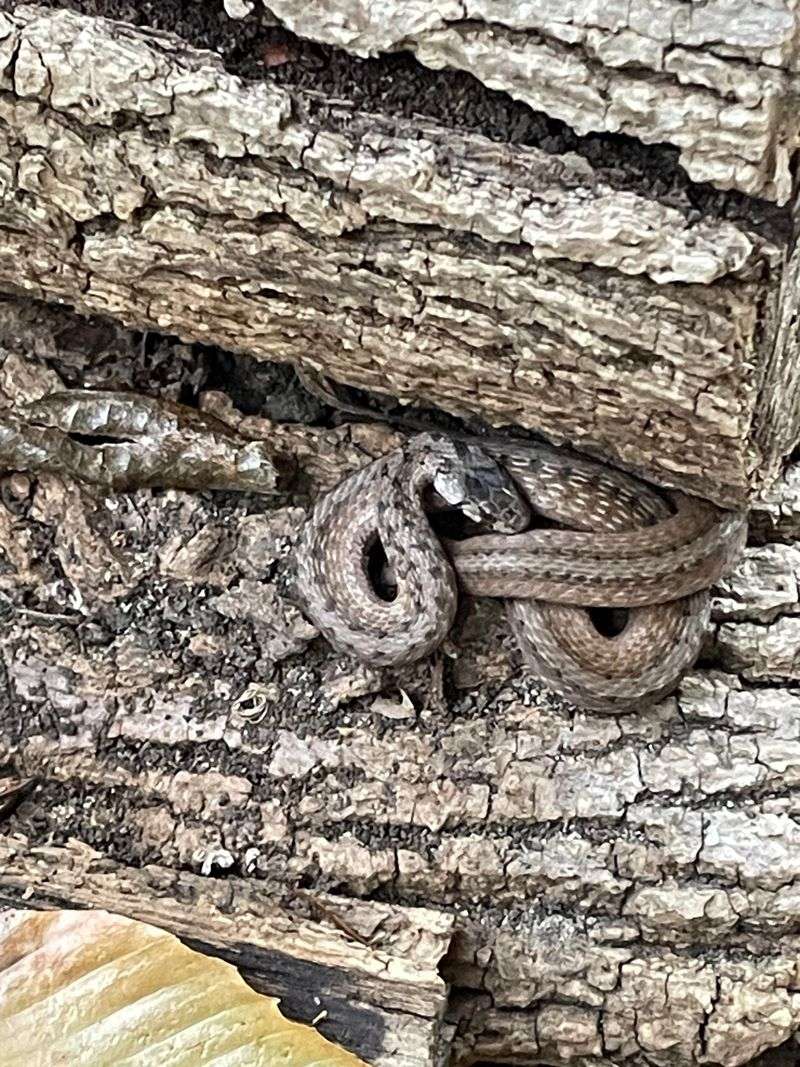
Stacked logs make a surprisingly good shelter. The gaps hold shade on hot afternoons, and the wood can soak up warmth on cool mornings.
According to NC State Extension, piles of wood and similar cover can attract snakes by offering shelter.
Seeing a snake there says very little about its temperament. It does not mean the animal is aggressive, and it does not mean it is waiting for you.
Most snakes want to be left alone, and a woodpile is simply a convenient place to hide, rest, or warm up.
A sighting also does not prove the snake lives there for good. It may be passing through, hunting nearby, or using the stack for a day or two.
Treat one encounter as a single moment rather than a permanent arrangement.
Because wood stacks can hold snakes, the North Carolina Department of Labor lists snake encounters among hazards for people working around brush and debris. Gloves and boots are sensible habits whenever you handle firewood, whether or not you have ever seen a snake there.
A little caution lets you keep your woodpile and your peace of mind.
Do Rat Snakes Keep Copperheads Away?
Here is the claim that spreads fastest: a rat snake by the woodpile will keep copperheads away. The authoritative sources reviewed do not support it.
The NCWRC copperhead profile names eastern kingsnakes and black racers among copperhead predators, and rat snakes are not on that list.
The same profile says copperheads may share overwintering sites with other snake species. So seeing one species near another does not mean one is pushing the other out.
Eating rodents is well documented for rat snakes, but that is a different thing from controlling copperheads.
You may also hear that rat snakes eat copperhead eggs. That story falls apart because, as the NCWRC copperhead page explains, copperheads give birth to live young rather than laying eggs.
This matters for safety. If you believe a big black snake is guarding your yard from venomous neighbors, you might relax around the woodpile when you should not.
NC State Extension offers the better plan: stay aware, reduce hiding places, and keep your distance from any snake you cannot identify.
Give an Uncertain Snake Room to Leave
When a snake appears, the best first move is to stop and step back. Keep a few strides between you and the animal, and bring children and pets inside or well away.
Most snakes will move off on their own if they have an open path.
Do not try to pick it up, pin it down, or carry it somewhere else, especially when you are unsure of the species. The NCWRC rat snake page advises leaving snakes alone, and NC State Extension says not to handle one whose identity is uncertain or that could be venomous.
Not knowing is a reason for distance, not for a capture attempt.
If the snake stays put and will not leave, call a wildlife professional rather than dealing with it yourself. Keep watching from afar so you can describe where it is.
Bites are uncommon, but be ready. For a suspected venomous bite, get prompt medical care.
Do not cut the wound or try to suck out venom, a point repeated in NC State Extension’s storm snake advice and the state labor department’s safe work practices.
Work Safely and Reduce Repeat Encounters
Handling firewood is where most yard snake surprises happen, so dress for it. Wear heavy gloves and sturdy boots, and never put bare hands under boards, logs, or other debris.
Use a stick or tool to shift material first, as North Carolina Department of Labor guidance on hazardous animals suggests.
You can also make your yard less inviting. NC State Extension recommends reducing nearby hiding places and prey attractants.
In practice, that means a few weekend jobs.
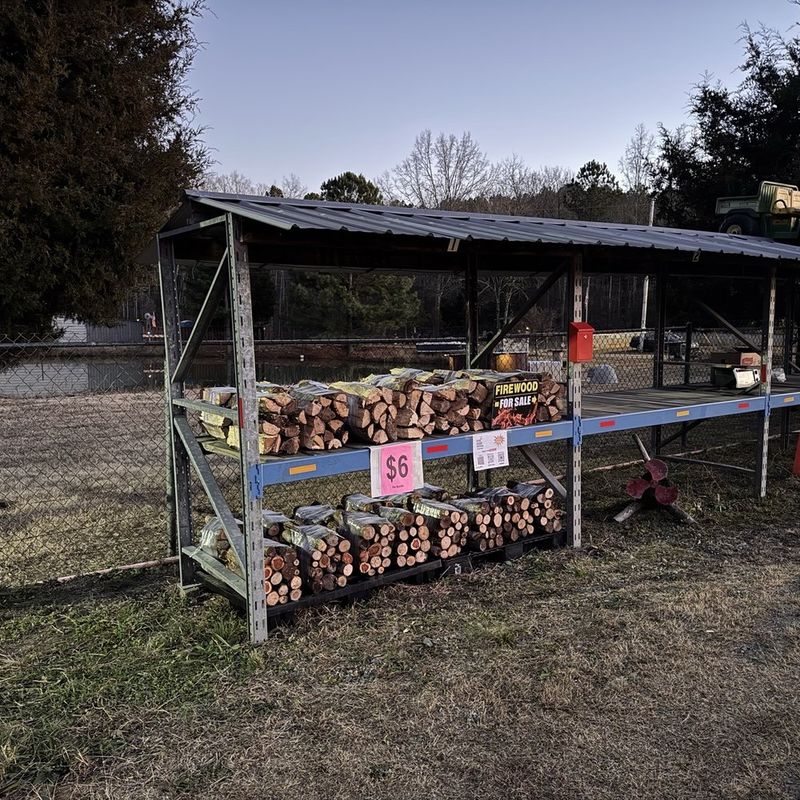
Stack only the wood you will burn soon, and keep the pile off the ground on a rack, away from the house. Clear old boards, loose tarps, and tall brush near the stack.
Seal up spilled birdseed and pet food, and keep compost lidded so mice have less reason to visit.
These steps can lower the odds of meeting a snake, but they will not guarantee that snakes disappear. Wildlife passes through every yard in the Piedmont, the Coastal Plain, and the mountains.
If a conflict keeps happening, start with the NCWRC’s Have a Wildlife Problem page. It offers guidance and referrals to licensed Wildlife Control Agents, because agency staff do not directly resolve most wildlife conflicts.
Choose Distance Over Handling
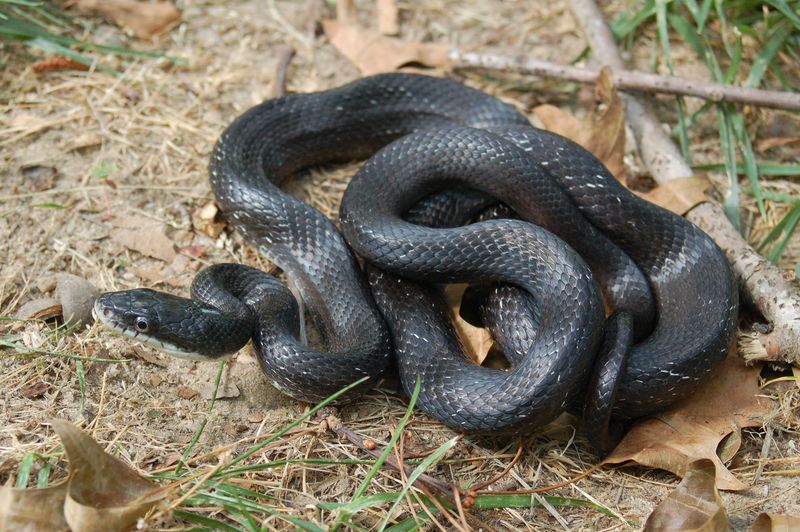
A snake’s looks and location do not tell you who it is or where it lives. If it turns out to be a rat snake, you can appreciate a native predator that eats rodents, while remembering it also eats birds and eggs.
NCWRC and NC State Extension both point toward giving snakes space.
Gloves, boots, and a tidier yard do more for your safety than any shovel. The calmest choice is also the kindest one: let it slide away.