
October Quietly Decides Next Spring’s Azalea Flowers – 7 Jobs That Protect Every Bud
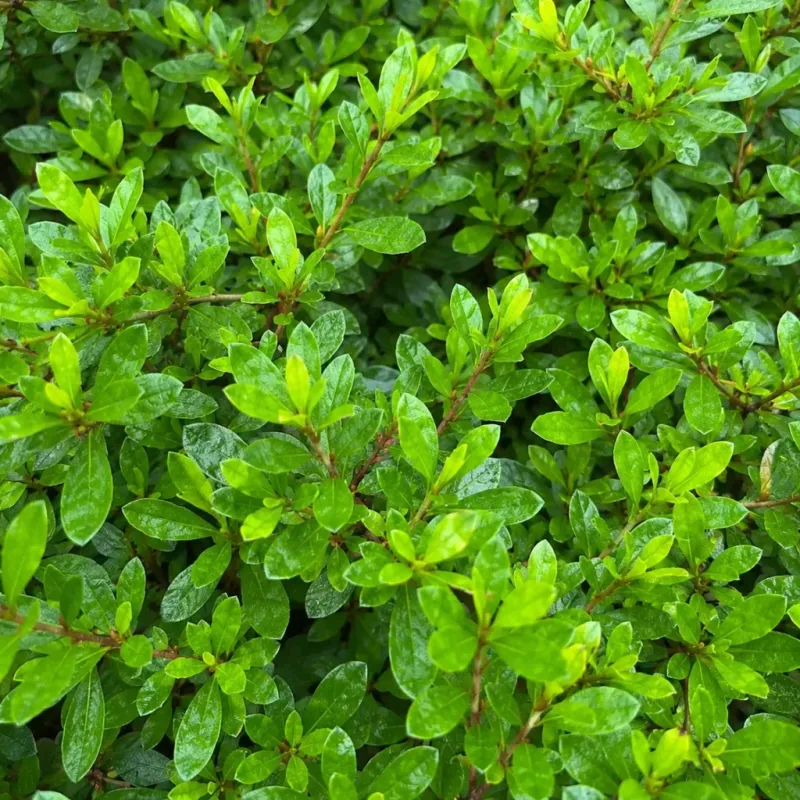
Look closely at your azalea right now and you will spot tiny, fat buds at the tips of the branches. Those little bumps are next spring’s flowers, already formed and waiting out the cold.
What you do this October can decide whether they open into a sheet of color or quietly drop off before April. The good news is that protecting them takes a few simple jobs, and most cost almost nothing.
1. Put the Pruning Shears Away
Every spring, someone asks why their azalea had green leaves but zero flowers. Nine times out of ten, a well-meaning fall trim is the culprit.
Azaleas set next year’s buds between July and September, so by October those buds sit right at the branch tips.
Cut a branch now and you cut off its flowers. That tidy shape you wanted costs you the whole show.
There is one exception. Dead, broken, or diseased wood can come out any time, so snip just that stem and leave healthy, bud-covered branches alone.
Save real shaping for right after the spring blooms fade, ideally finished by late July.
2. Give a Deep Drink Before the Freeze
Thirsty azaleas go into winter at a real disadvantage. Their roots are shallow, and cold, dry wind keeps pulling moisture from leaves and buds even when the plant looks asleep.
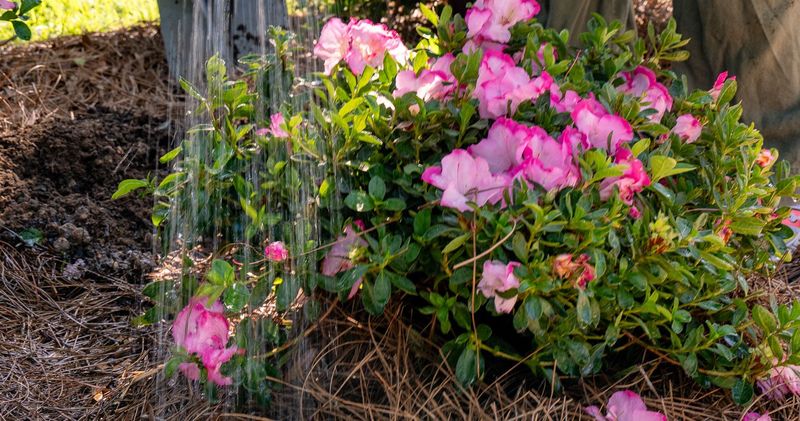
Ease back on watering as early fall cools things down, but do not let the soil turn dusty during dry spells. Then, after your first frost and before the ground freezes hard, give each shrub one slow, deep soaking.
Think of it as packing a water bottle for a long trip. Just skip the daily sprinkling, since soggy soil can rot roots.
Moist but not muddy is the goal.
3. Tuck In a Mulch Blanket
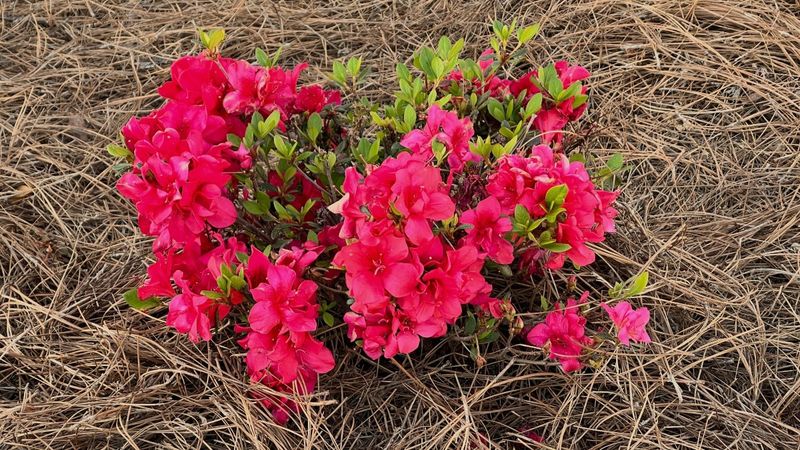
Pine straw might be the cheapest winter coat your azalea will ever wear. A 2 to 4 inch layer of organic mulch keeps those shallow roots from freezing, thawing, and heaving all winter long.
Steady roots mean a steadier plant, and a steady plant holds onto its buds. Pine straw, pine bark, shredded leaves, and oak leaves all work well and may help keep soil on the acidic side azaleas love.
Here is the trick most folks miss. Pull the mulch back a few inches from the stems, because mulch piled against bark invites rot and gives mice a cozy spot to chew.
4. Skip the Fertilizer Until Spring
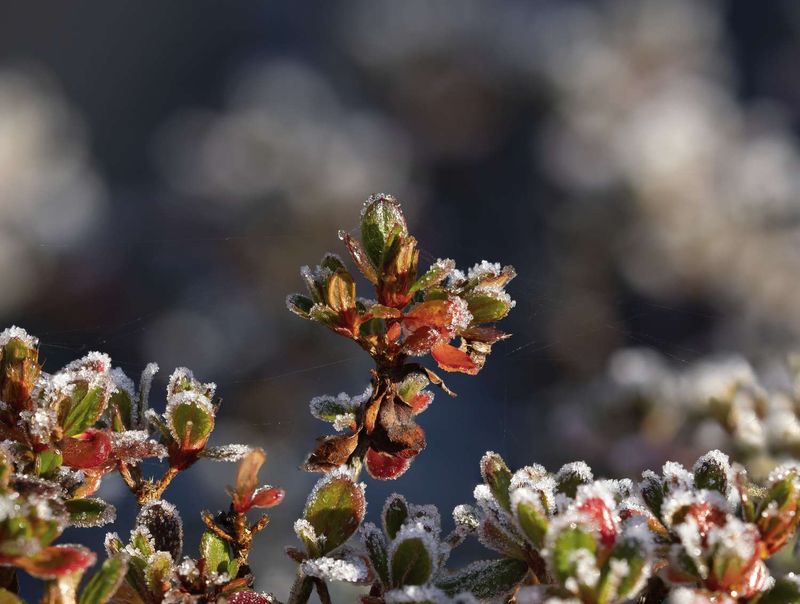
Feeding your azalea in October feels kind. Sadly, it works more like handing a kid candy at bedtime.
Fertilizer, especially the high-nitrogen kind, pushes out soft new shoots that cannot toughen up before frost. When the cold hits, that tender growth gets damaged, and the plant spends energy repairing it instead of supporting its flower buds.
Wrap up feeding by mid-August at the latest, and many growers stop as early as June. Established azaleas in a well-mulched bed often need little or no extra food at all.
5. Build a Burlap Windbreak
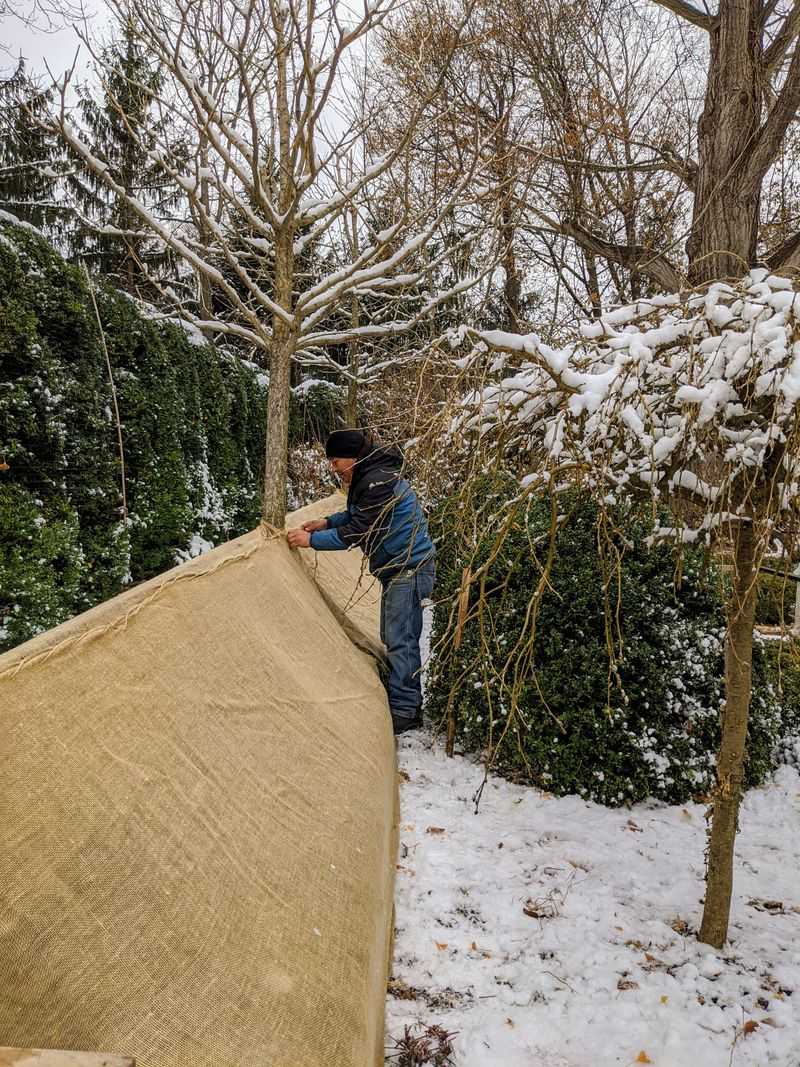
Picture standing on a hilltop in January without a scarf. Exposed azaleas feel much the same when winter wind whips across the yard, drying out leaves and browning buds.
A simple screen helps a lot. Hammer a few stakes on the windy side and staple burlap or garden fabric between them, leaving space so the cloth never presses on the branches.
Potted azaleas in colder regions can roll into an unheated garage or against a sheltered wall during hard freezes. Air still needs to move, so loose covers beat tight wraps every time.
6. Test the Soil pH
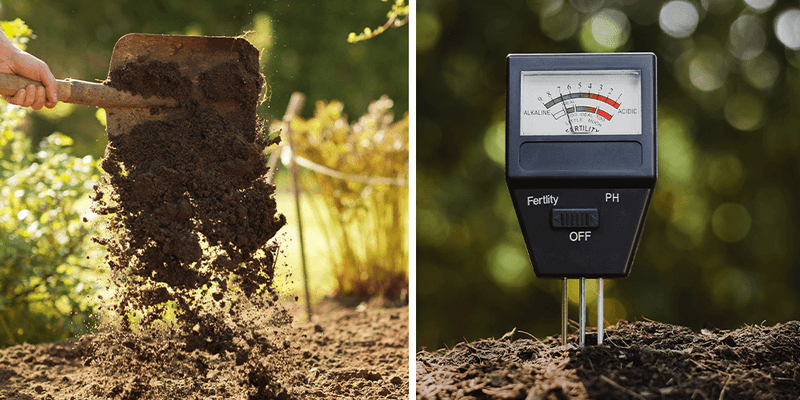
Yellow leaves with bright green veins are a classic azalea distress signal. That pattern, called iron chlorosis, often means the soil is not acidic enough for the plant to take up nutrients.
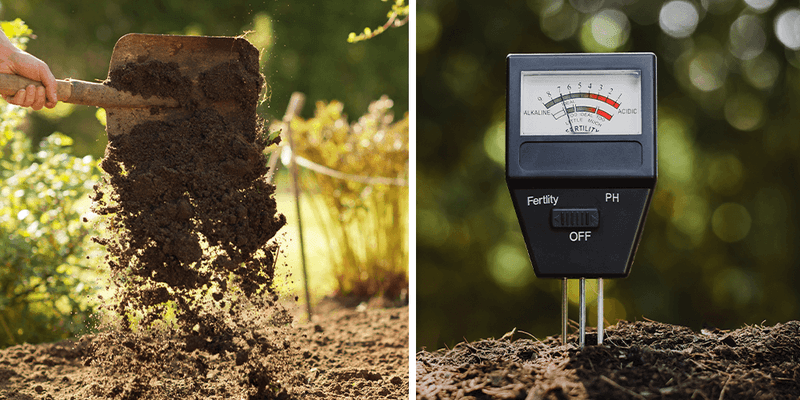
Azaleas thrive at a pH between 4.5 and 6.0. A cheap test kit or your local extension office can tell you where you stand in minutes.
Fun fact: azaleas belong to the same family as blueberries, and both crave sour soil. If your reading runs high, garden sulfur or chelated iron can help bring it down over time, giving the plant a stronger base to carry its buds.
7. Scout for Lace Bugs and Other Pests
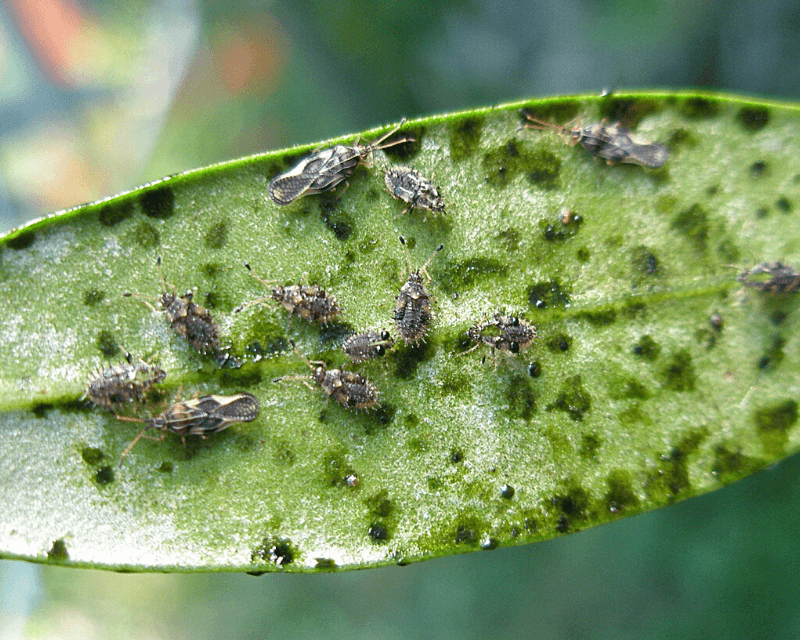
Silvery, speckled leaves can sneak up on you. That bleached look usually comes from azalea lace bugs, tiny insects that feed on the leaf undersides.
Flip a few leaves and look for small dark specks or lacy-winged bugs. Late fall may be too late for sprays, but spotting trouble now tells you what to watch for in spring.
Clean up badly damaged or diseased leaves and note which shrubs got hit hardest. A plant heading into dormancy with less stress can better hold onto its buds through a rough winter, and that is the whole point of these seven jobs.