
Plant Garlic in Fall So Roots Can Settle In Before Winter: A Region-Smart Guide to a Summer Harvest
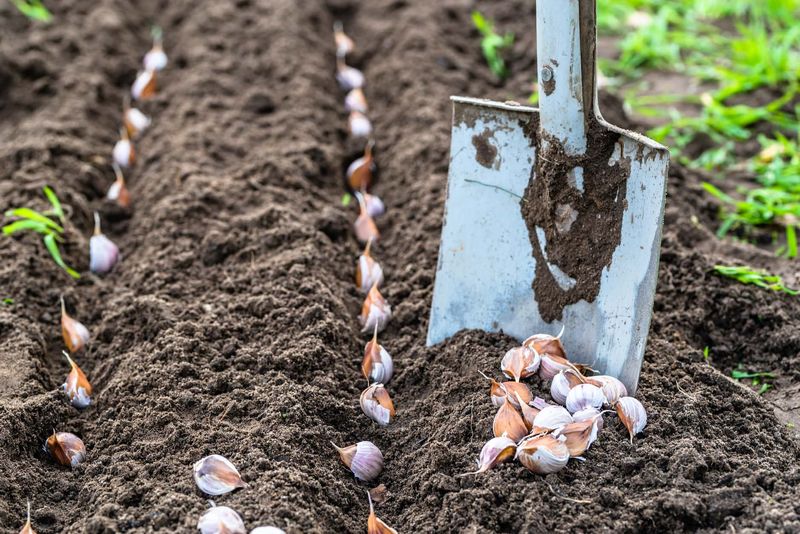
Garlic goes into the ground months before you ever pull a bulb, and that long wait is part of what makes it so rewarding. Fall planting gives cloves time to grow roots before winter, which sets up a summer harvest.
The trick is picking the right moment for your area and giving the bed a little care along the way. Here is how to do it, step by step, without any promises about bulb size.
The planting window depends on where you garden
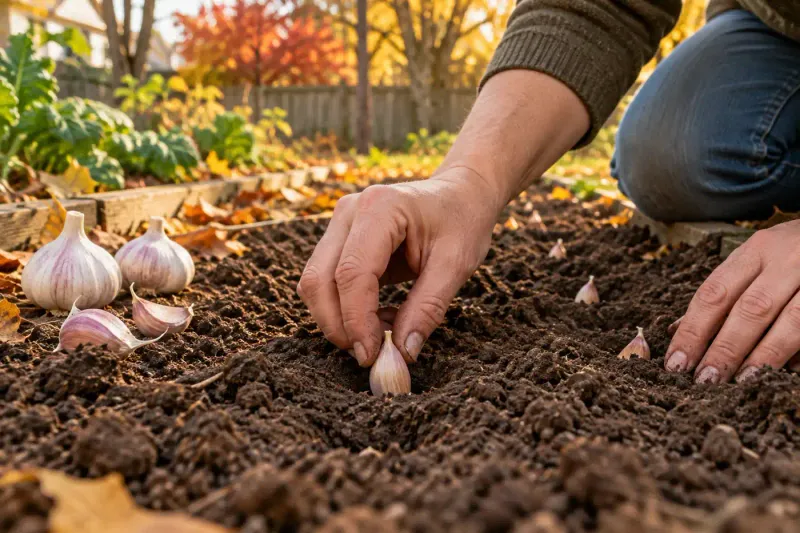
Garlic needs time to root before the soil locks up for winter, so the real deadline is about root growth, not a single date. Illinois Extension recommends planting about 4 to 6 weeks before the ground freezes, which gives roots a chance to grow before winter dormancy.
Treat that as a rule of thumb for Illinois-style climates, not a calendar date for every yard.
Other regions use different cues. Minnesota Extension advises planting 1 to 2 weeks after the first killing frost.
Farther south, Georgia Extension gives a window from late September through November, and Arizona Extension suggests September or October.
Notice that a first killing frost and frozen soil are two different events. A killing frost can arrive weeks before the ground turns hard, and in mild climates the soil may never freeze at all.
Planting at the very last moment before a hard freeze leaves cloves little time to root, so aim earlier rather than squeaking in.
Your best move is to call or search for your local extension office and ask for their garlic planting dates. Jot the window on your calendar now, and you will not be caught by a cold snap.
Choose healthy garlic that suits your region
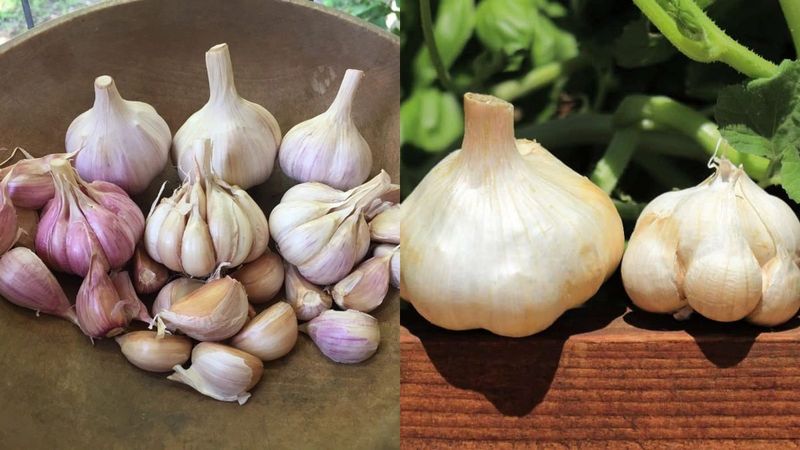
Start with planting stock that is clean and well matched to your climate. Seed garlic from a reputable local nursery or grower is the safest bet, since those bulbs are chosen to be disease-free and to perform where you live.
Minnesota Extension notes that grocery-store garlic does not do well under Minnesota conditions.
That does not mean a supermarket clove can never sprout. It means store bulbs may come from a different climate or carry disease, so results are a gamble.
Extension guides, including Maryland’s home garden guide, steer gardeners toward quality planting stock for that reason.
You will also meet two main types. Hardneck garlic sends up a curling flower stalk called a scape, while softneck types typically do not.
In Illinois, softneck garlic tends to store better but is less cold-hardy, so cold-winter gardeners there often lean toward hardneck.
Those tradeoffs are regional, so do not treat them as a national ranking. Ask a local grower or extension office which varieties have done well nearby, and pick one that fits both your winters and how long you want to store your harvest.
Large, intact cloves give each plant a stronger start
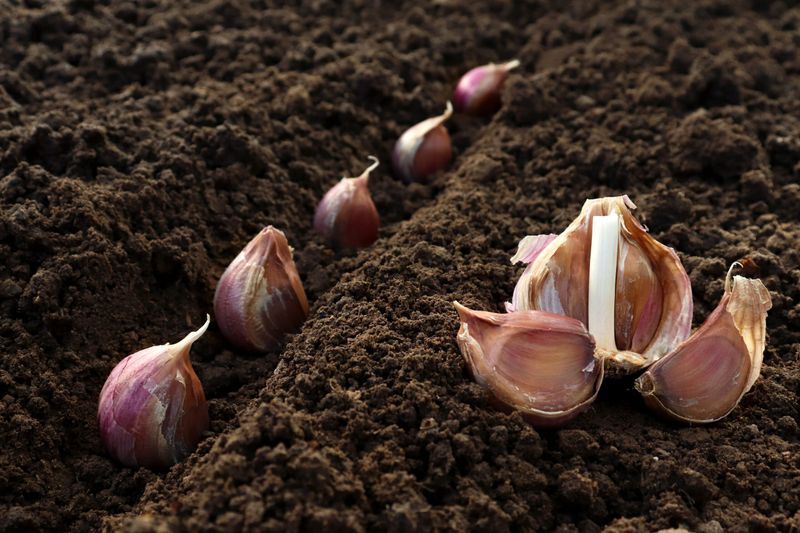
Wait to break the bulb apart until shortly before planting. Georgia Extension warns that separating bulbs too early can reduce yield.
Keep the papery skin on each clove, and set aside any that look soft, moldy, or damaged.
Choose the biggest cloves for planting and save small ones for the kitchen. Maryland Extension notes that larger cloves tend to produce larger bulbs.
Clove size is only one influence, though, so variety, soil, and weather still have their say.
Place each clove pointed end up with the flat root end facing down. Illinois Extension suggests about 1 to 2 inches deep and 4 to 5 inches apart.
Those numbers are one example, and other extension guides give somewhat different depths.
Before you plant, check what your own state recommends, since soil type and winter severity change the best depth. A clove set upside down will usually still find its way up, but it spends energy doing so, so take a moment to orient each one.
Sun and drainage set up the bed for success
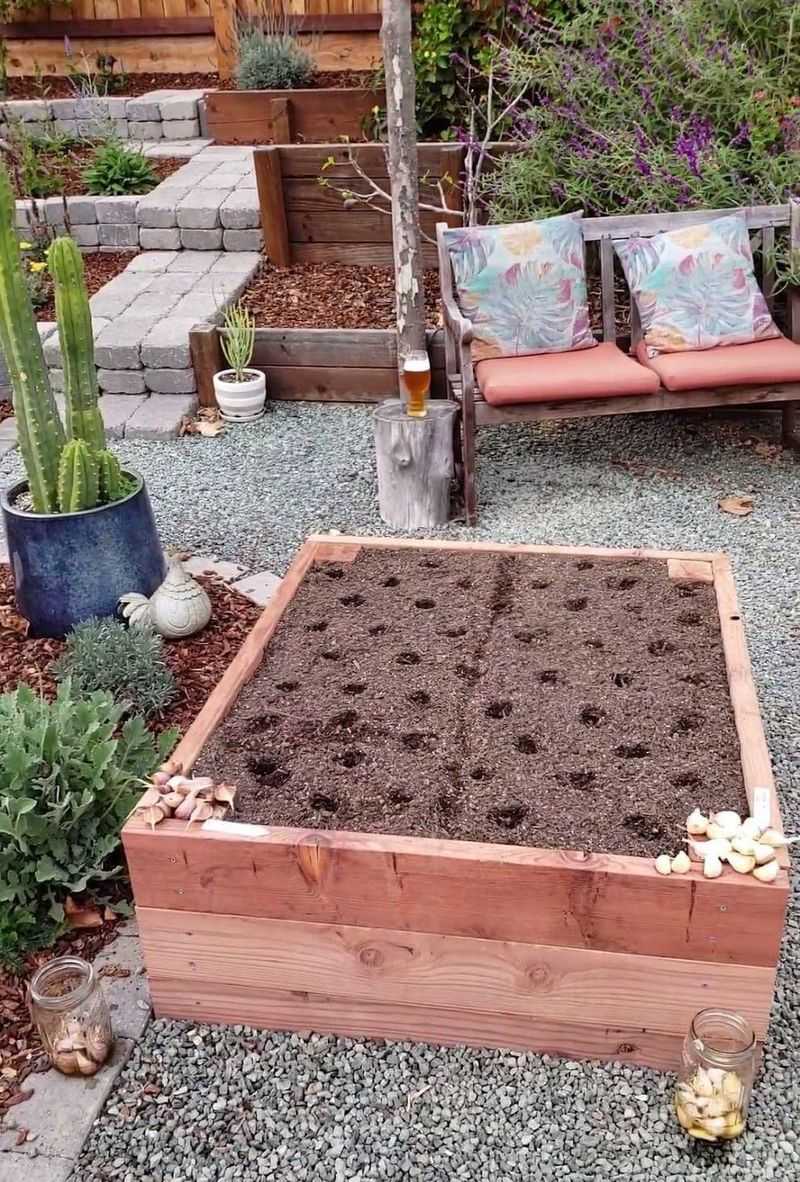
Pick a spot that gets full sun for most of the day. Garlic grows slowly through cool months and then takes off in spring, and bright light fuels that growth.
Avoid low corners where water puddles after rain.
Drainage matters just as much as light. Georgia Extension recommends well-drained soil, because cloves sitting in soggy ground can rot.
If your yard holds water, a raised bed or a mounded row lifts the roots above the wet.
Loosen the soil with a garden fork a few inches down, pull out weeds and stones, and rake the surface smooth. Mixing in finished compost adds nutrients and improves texture in both heavy clay and sandy ground.
No amendment can promise big bulbs, but a loose, fertile bed gives roots an easier path.
If you want to use manure, choose well-rotted manure rather than fresh. Minnesota Extension warns that fresh manure may carry harmful bacteria and can bring more weeds.
Compost is the simplest, safest choice for most backyards.
Mulch helps buffer the bed through winter
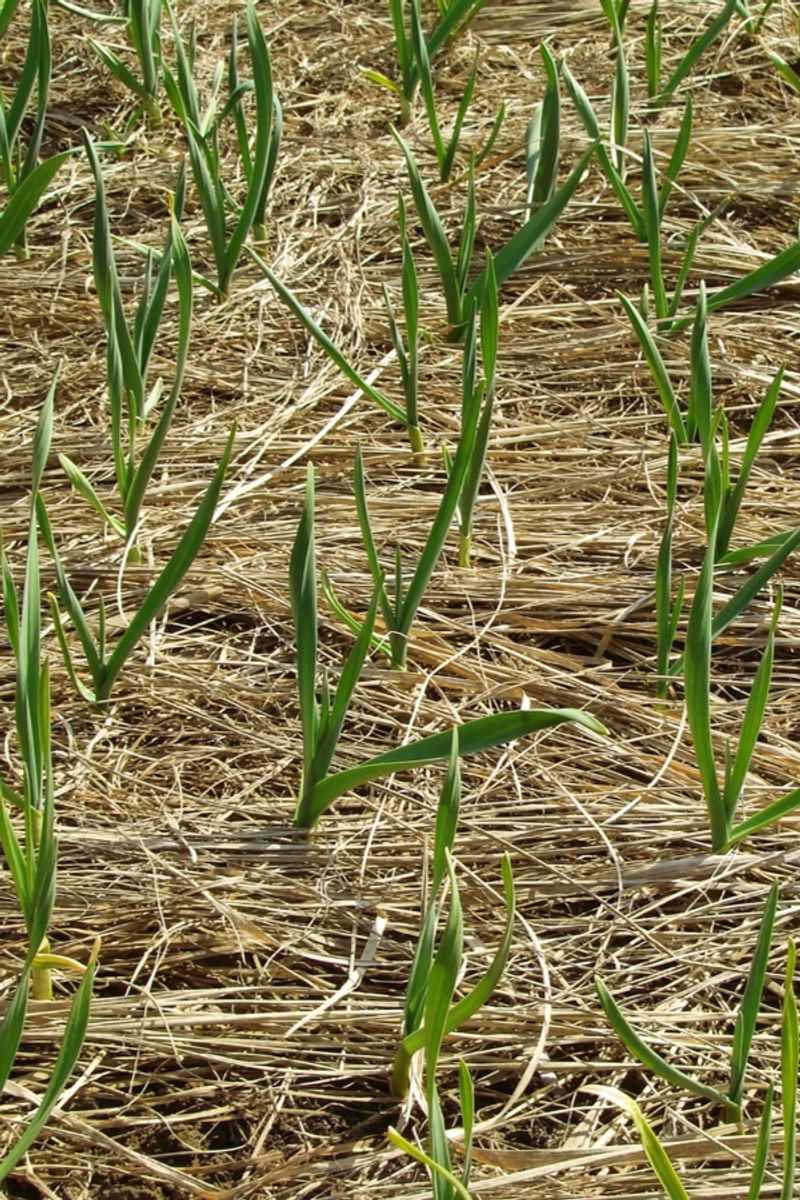
Once cloves are in the ground, a blanket of mulch acts like a cozy quilt. It can even out temperature swings, hold in moisture, and hold back weeds.
It can also limit frost heaving, the freeze-and-thaw cycle that pushes shallow cloves up toward the surface.
For cold-winter gardens, Minnesota Extension suggests 3 to 4 inches of leaves or straw. Illinois Extension also recommends straw.
Treat 3 to 4 inches as a regional starting point, and use less if your winters are mild.
Choose clean, weed-seed-free material, and shredded leaves work well if you have a tree in the yard. Pat the mulch down gently so wind does not carry it off.
Spring is when mulch needs a second look. If cold, wet weather lingers, a thick layer can keep the soil chilly and damp, so you might pull it back a little as shoots push through.
In a warmer spring, leaving it in place keeps moisture steady and weeds low.
Keep spring growth steady with water and weed control
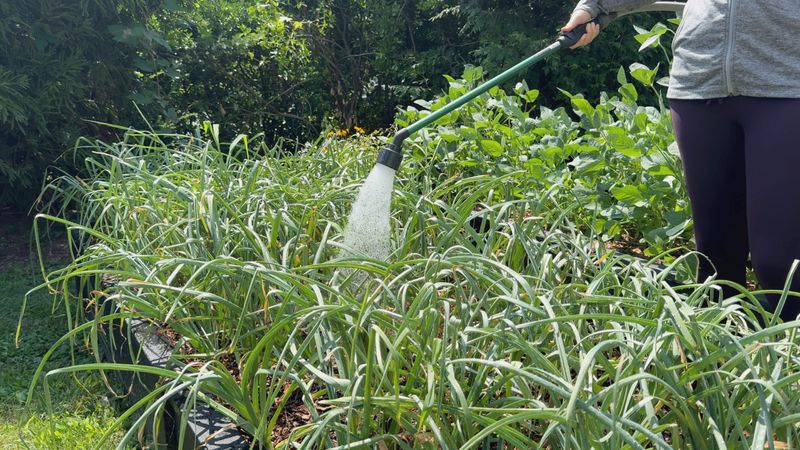
When green shoots take off in spring, garlic becomes thirsty and picky about competition. Even moisture keeps growth going without stress.
As a general benchmark, Minnesota Extension gives about 1 inch of water per week during the growing season, with more frequent watering sometimes needed in sandy soil.
Your rainfall, soil, and temperatures will shift that number, so check the soil with a finger. If the top couple of inches feel dry, it is time to water.
Soggy soil is a problem too, so ease off after heavy rain.
Weed early and often. Garlic has thin leaves and shallow roots, so it loses out quickly to aggressive weeds.
Pulling them by hand while they are small protects the roots from disturbance.
If you grow hardneck garlic, a curly scape may appear in late spring. Removing scapes is common advice, and Illinois Extension lists it as a practice.
Results vary, though: a Minnesota field study found benefits at one site but smaller or less clear effects at another. Enjoy the scapes in the kitchen either way.
Leaf color signals when bulbs are ready to harvest
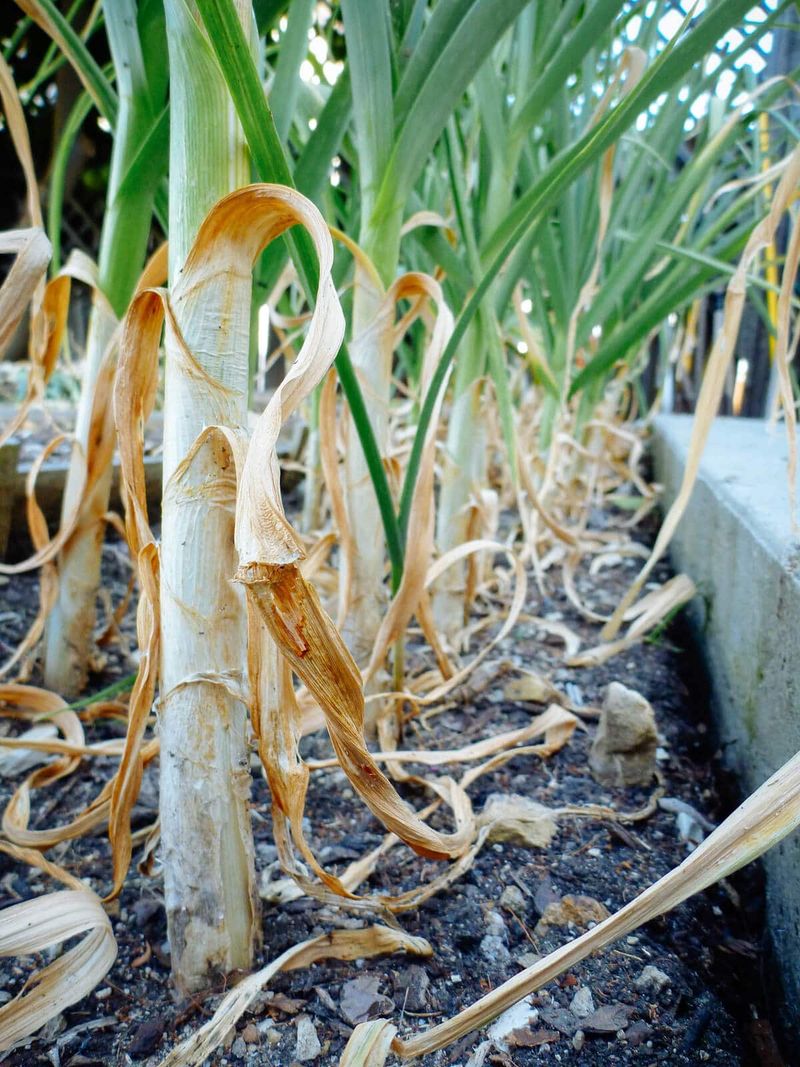
Garlic usually comes ready in early to midsummer, but the exact week depends on your climate and variety. Instead of circling a date, watch the leaves.
Minnesota Extension advises harvesting when the lower leaves turn brown while about half or slightly more of the upper leaves are still green.
Timing matters because each leaf corresponds to a papery wrapper around the bulb. Pull too early and bulbs can be smaller.
Wait too long and the wrappers break down, so cloves may begin to separate and the bulb stores poorly.
Check a few plants each week as the leaves start to yellow. You can gently dig one test bulb to see how it looks.
Loosen the soil with a fork rather than yanking by the stem, which can tear the neck.
After lifting, brush off loose soil without washing the bulbs. Cure them in a dry, airy place out of direct sun, with leaves still attached, until the wrappers feel papery.
Only then trim and store them.
Fall planting improves the odds, not the guarantee
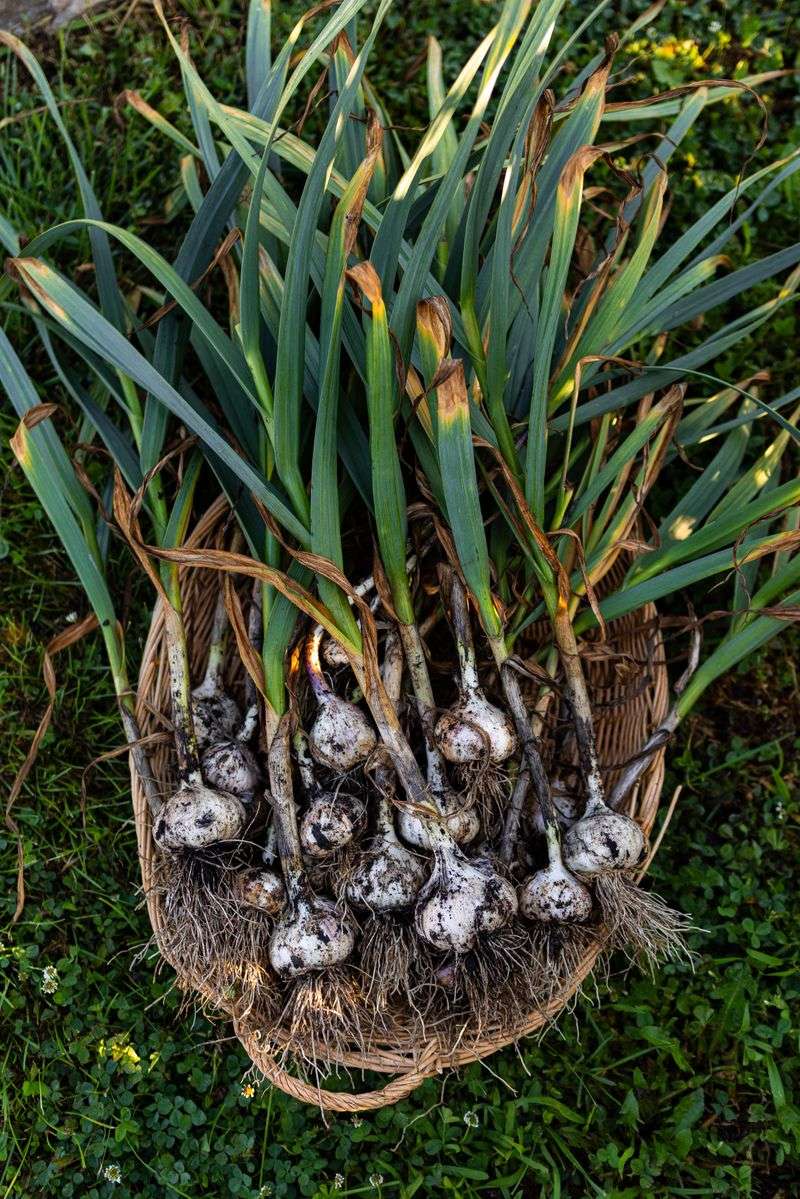
Planting in fall gives garlic a longer growing period, and that often helps. A two-year Missouri study favored fall planting overall, though the best fall window shifted from one year to the next.
Bulb size still depends on clove size, variety, growing conditions, and timing.
If autumn slips past you, there is still hope. Spring-planted garlic can produce a crop, although Maryland Extension notes the bulbs tend to be smaller.
Garlic rewards patience more than perfection.