
Plant This Native Groundcover Now And It Feeds Late Pollinators While Choking Out Fall Weeds
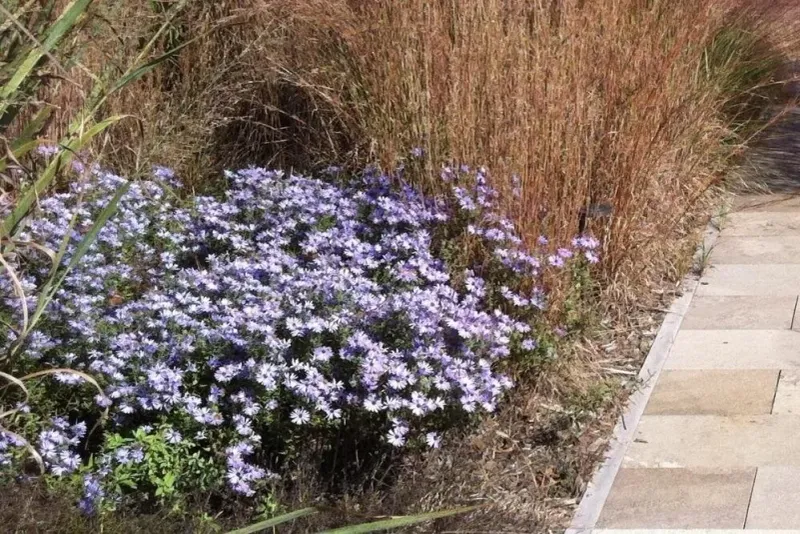
Fall is one of the best times to get a native perennial in the ground in North Carolina, and aromatic aster is a plant worth knowing. This mounding wildflower blooms with purple flowers from late summer right up to the first frost, giving late-season bees a reliable source of nectar and pollen when most other plants have stopped flowering.
As it matures and fills in, it can also crowd out open soil that weeds love to colonize. Getting there takes some real site prep and patience, but the payoff is a tough, regionally native planting that earns its keep every fall.
Aromatic aster offers a credible fall planting opportunity
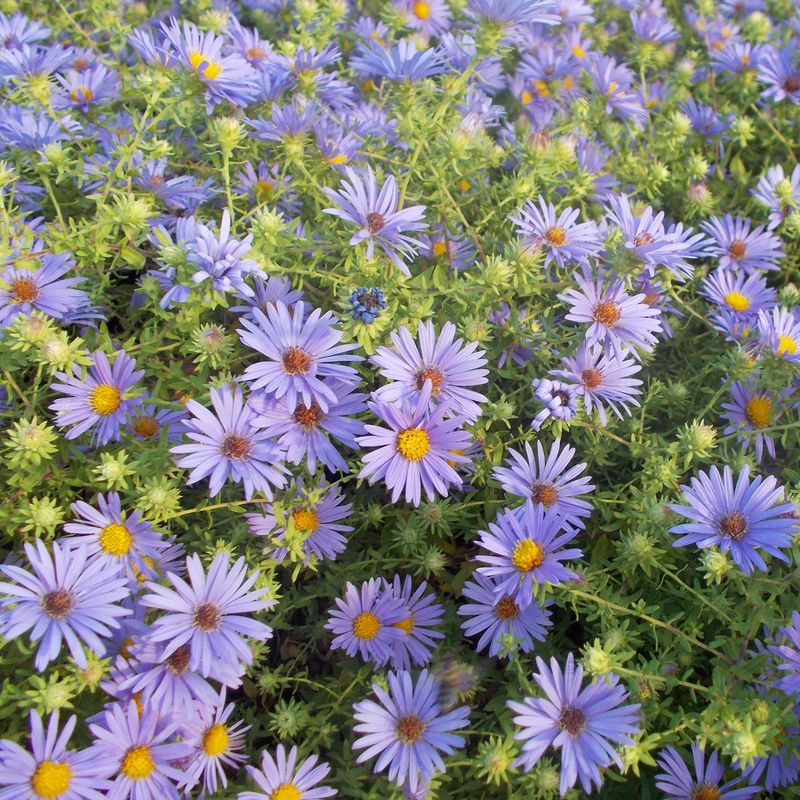
Aromatic aster, known botanically as Symphyotrichum oblongifolium, is a perennial wildflower native to North Carolina that has earned a solid reputation among gardeners who want something that works hard with relatively little fuss. NC State Extension’s plant profile describes it as a dense, mounding groundcover-forming perennial that can reach roughly 3 feet tall and 3 feet wide at maturity.
That distinction matters: this is not a flat, walkable, lawn-substitute groundcover. Picture a rounded, full shrub of soft stems and foliage that spreads outward from its center.
The plant spreads by both stolons and seed, which means a single nursery plant can gradually expand into a wider patch over multiple seasons. Given enough room and time, a group of aromatic asters can fill a sunny bed edge with overlapping mounds that leave less and less open soil exposed.
Full sun and well-drained soil are genuine requirements, not suggestions. Compacted clay, standing water, or a shady location will work against the plant and increase the risk of disease problems like powdery mildew.
Two benefits make aromatic aster worth planting in a suitable North Carolina bed. First, its purple flowers open from late summer and continue blooming through the first frost, making it one of the later-flowering natives available in the region.
Second, that dense canopy, once developed, can reduce the open ground that weed seeds need to germinate and take hold. Neither benefit arrives the week you plant it.
Fall is a well-supported planting window across much of the state, but the right local moment depends on your region, your soil conditions, and what your nearest native plant nursery has available, not a single statewide date.
Its late flowers support bees when fewer plants bloom
By September and October, the list of flowering plants in most North Carolina residential gardens has gotten short. Annuals are fading, many perennials have finished, and the landscape starts to feel quiet for pollinators.
Aromatic aster pushes back against that trend. Its purple, daisy-like flowers open in late summer and keep going until a hard frost ends the season, covering a stretch of the calendar when bees genuinely need forage.
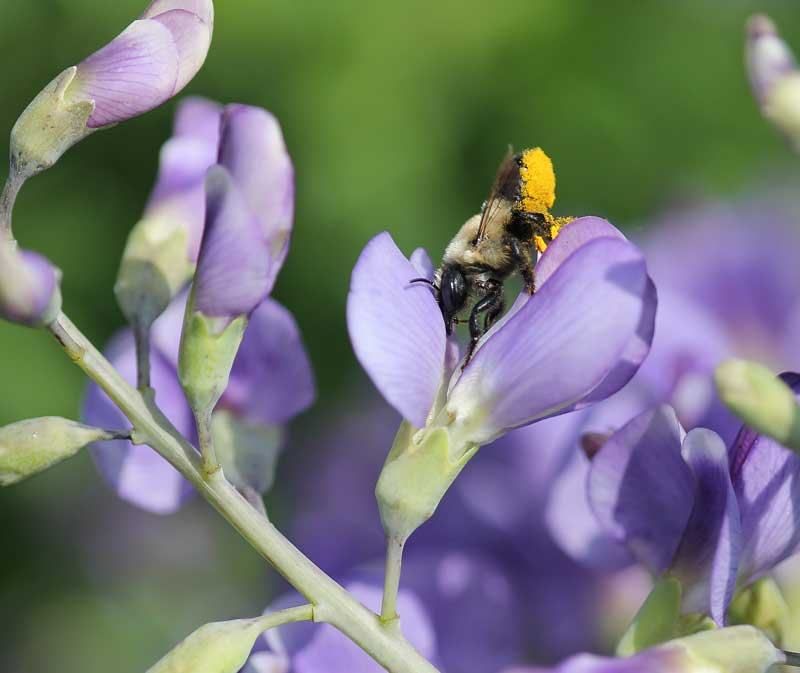
NC State Extension’s pollinator program identifies fall asters as important forage for fall bee species, including ground-nesting native bees that are still active late in the season and need to build up food stores before winter. Aromatic aster provides both nectar and pollen, which makes it useful to a range of flower-visiting insects, not just honeybees.
Bumblebees, sweat bees, and specialist native bees that prefer asters have all been documented visiting fall-blooming asters in the region.
That said, one plant or even one species cannot carry a complete pollinator habitat on its own. Bees need forage across the entire growing season, from early spring through late fall, and they benefit from a mix of flower shapes, sizes, and bloom times that no single perennial can provide.
Aromatic aster fills a specific and genuinely underserved slot in that seasonal calendar. Adding it to an existing bed extends your garden’s forage window without requiring you to start over.
Think of it as plugging a gap rather than building a complete system, and pair it over time with other NC natives that bloom earlier in spring and summer if supporting a broader range of bee species is your goal.
The weed benefit develops as the canopy fills in
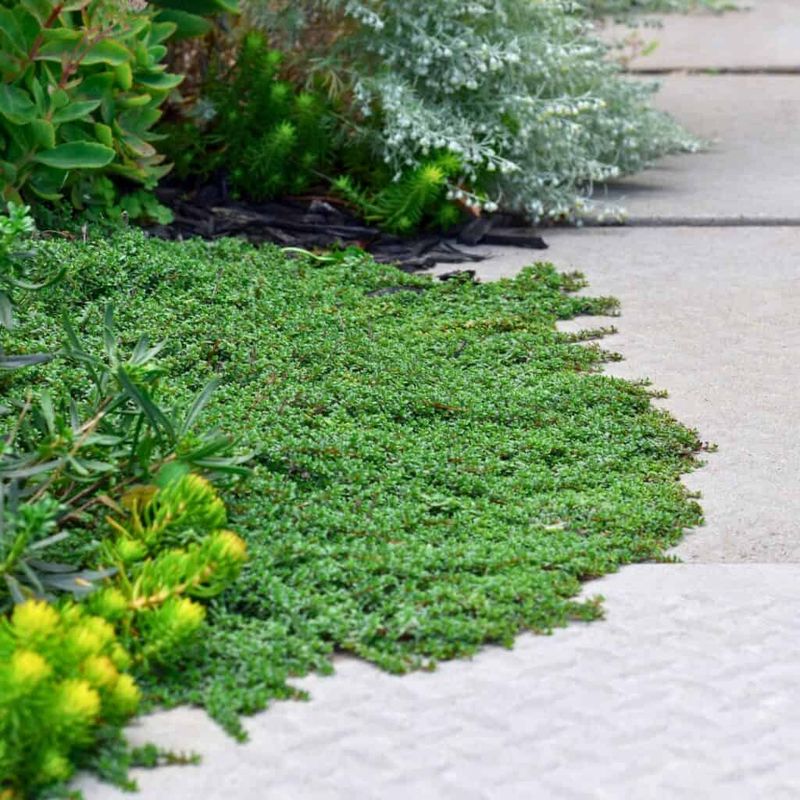
The idea that a groundcover can smother weeds is real, but the mechanism is slower and more conditional than the phrase “choke out” suggests. What actually happens is that a dense foliage canopy shades the soil beneath it, reducing the light that weed seeds need to germinate.
University of Vermont Extension’s guidance on groundcovers as living mulch explains this canopy-competition effect and notes that it develops as plants fill in, not at the moment of installation.
For aromatic aster specifically, the weed-suppression benefit is a reasonable long-term expectation rather than a guaranteed species outcome. No direct trial has measured aromatic aster against a list of fall weeds and proven it eliminates them.
What the evidence supports is the general groundcover mechanism: once enough plants have matured and their foliage overlaps, fewer open patches of soil remain for weed colonization. Getting to that point requires adequate planting density, a prepared site, and time, often a full season or more.
University of Maryland Extension’s groundcover resource is direct about what new plantings actually need: existing weeds must be removed before installation, and hand-weeding should continue while the plants establish. Skipping that step and hoping the aromatic asters will handle the weeds themselves is a common mistake that tends to produce a weedy aromatic aster bed rather than a clean one.
Closer plant spacing can speed canopy closure, but it also raises costs, increases competition between plants, and can reduce airflow in ways that invite disease. Spacing decisions should reflect the plant’s mature 3-foot spread, your budget, and your tolerance for ongoing management rather than a single rule.
UNH Extension’s native groundcover guidance reinforces that newly installed groundcovers generally need weeding for a season or more before they can hold their own.
Prepare the site before choosing a local fall window
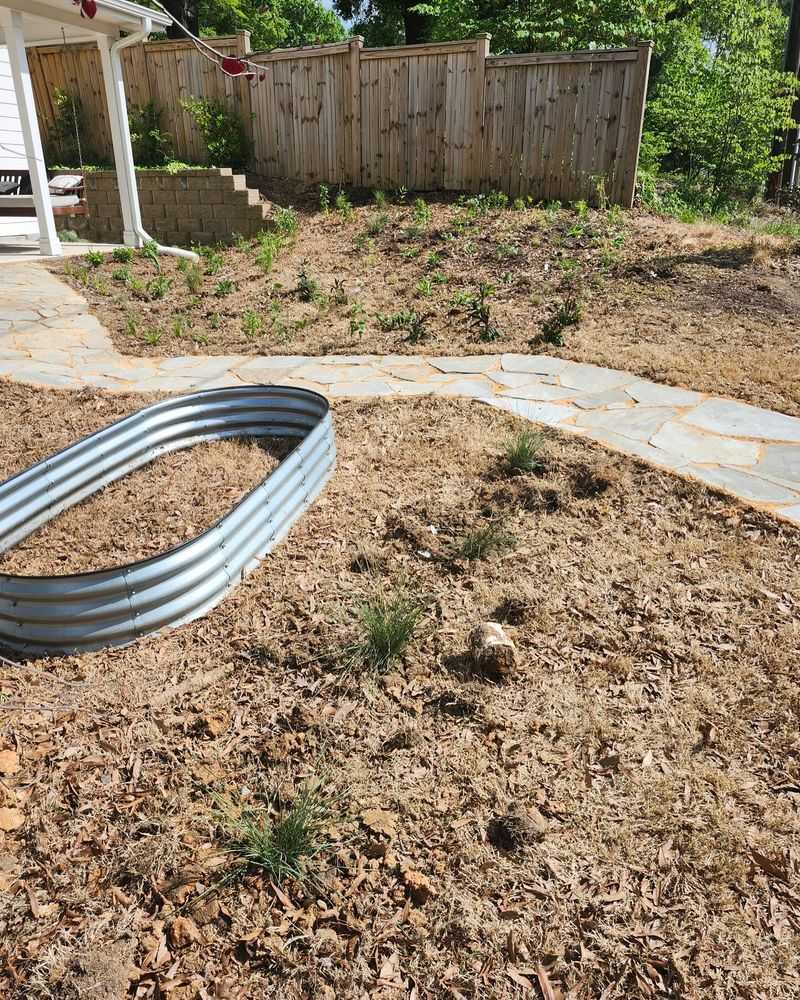
A clean bed gives young aromatic asters their best chance to establish without competing against aggressive weeds from day one. University of Maryland Extension’s groundcover planting guide is clear that existing weeds should come out before installation, because weed competition can slow groundcover establishment significantly and later removal becomes much harder once plants are growing through each other.
Pull or dig weeds thoroughly, getting as much of the root system as possible, especially for perennial weeds that will regrow from fragments.
Once the bed is cleared, assess the drainage and soil honestly. Aromatic aster needs full sun and well-drained soil, so low spots that hold water after rain are not suitable sites without genuine correction.
Compacted soil can be loosened with a fork or broadfork, and if drainage is truly poor, raised planting or a different location may be a better answer than heavy amendment. You do not need to heavily fertilize or amend a bed for aromatic aster; it is adapted to lean, well-drained conditions and performs well without rich soil.
Fall planting can be favorable when local soil temperatures remain above roughly 50 degrees Fahrenheit and air temperatures stay above 55 degrees, conditions that allow roots to establish before the ground freezes. Penn State Extension’s native plant fall tips identify these temperature thresholds as meaningful guides for root establishment.
Across North Carolina, that window plays out differently depending on where you live. Coastal Plain gardeners typically have a longer mild stretch into fall than Piedmont gardeners, and mountain gardeners in the Blue Ridge may see soil temperatures drop earlier and more sharply.
Check your local forecast, feel your soil, and see what your nearest native plant nursery has in stock rather than committing to a single early-fall date that may not match your conditions this year.
Install plants for mature coverage and steady establishment
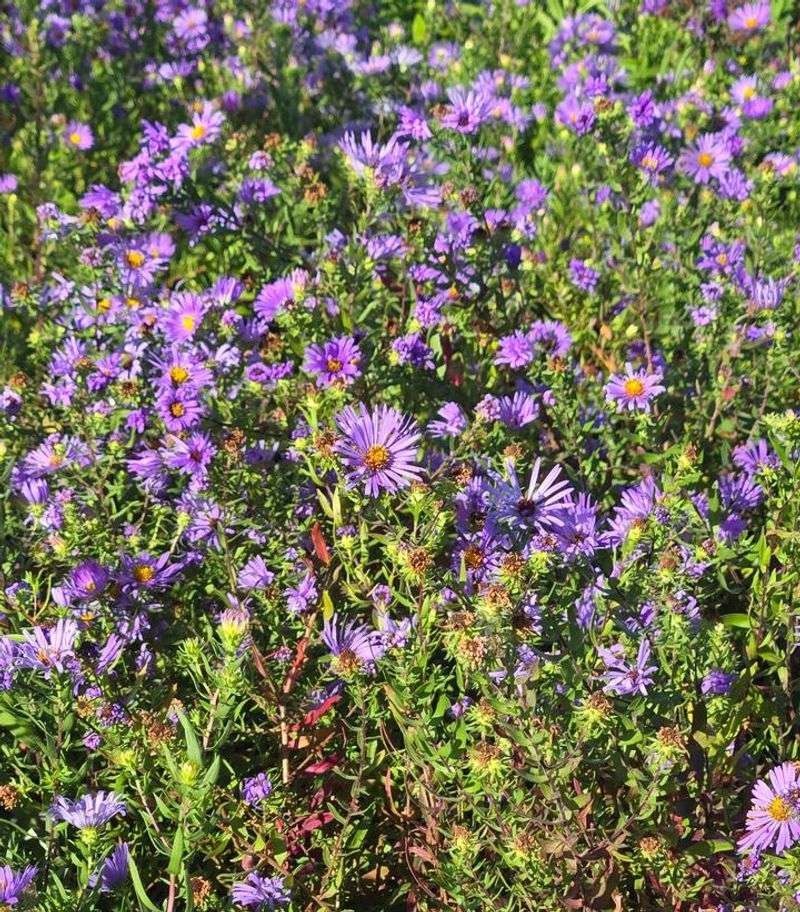
When you bring nursery plants home, resist the urge to crowd them together for faster results. Aromatic aster matures to roughly 3 feet in both height and width, and plants placed too close will compete with each other for light and airflow as they fill in.
Reduced airflow is a real concern because it contributes to powdery mildew, a fungal problem that aromatic aster can develop when air circulation is poor. A reasonable starting point is spacing plants about 2 to 3 feet apart, center to center, which allows room for mature spread while still producing a reasonably full-looking bed within a couple of seasons.
If faster canopy coverage is a priority and budget allows, closer spacing is an option, but go in knowing the tradeoffs. University of Vermont Extension notes that spacing should still reflect mature plant size and the need for air circulation, even when faster coverage is the goal.
After planting, water each plant in thoroughly to settle the soil around the roots and eliminate air pockets. During dry weather in the weeks that follow, check the soil a few inches below the surface; when it feels mostly dry at that depth, water again.
Areas where large tree roots compete for moisture dry out faster and need more frequent checks.
Bare soil between young plants is an invitation for weeds, so a shallow layer of temporary mulch, about 2 inches, can help protect exposed ground while the plants grow. University of Maryland Extension’s groundcover guidance notes that once plants are established and beginning to spread, excessive mulch can actually interfere with their natural expansion by stolons.
Pull mulch back from the crowns and reduce it as the plants grow outward. Some bare soil between plants is also beneficial for ground-nesting bees that need open, undisturbed patches of earth, so a lightly mulched or partially bare bed is not a problem to fix.
Keep hand-pulling weeds between plants throughout the first season and into the second; the canopy will not close fast enough to make that work unnecessary.
Protect pollinators and preserve useful stems
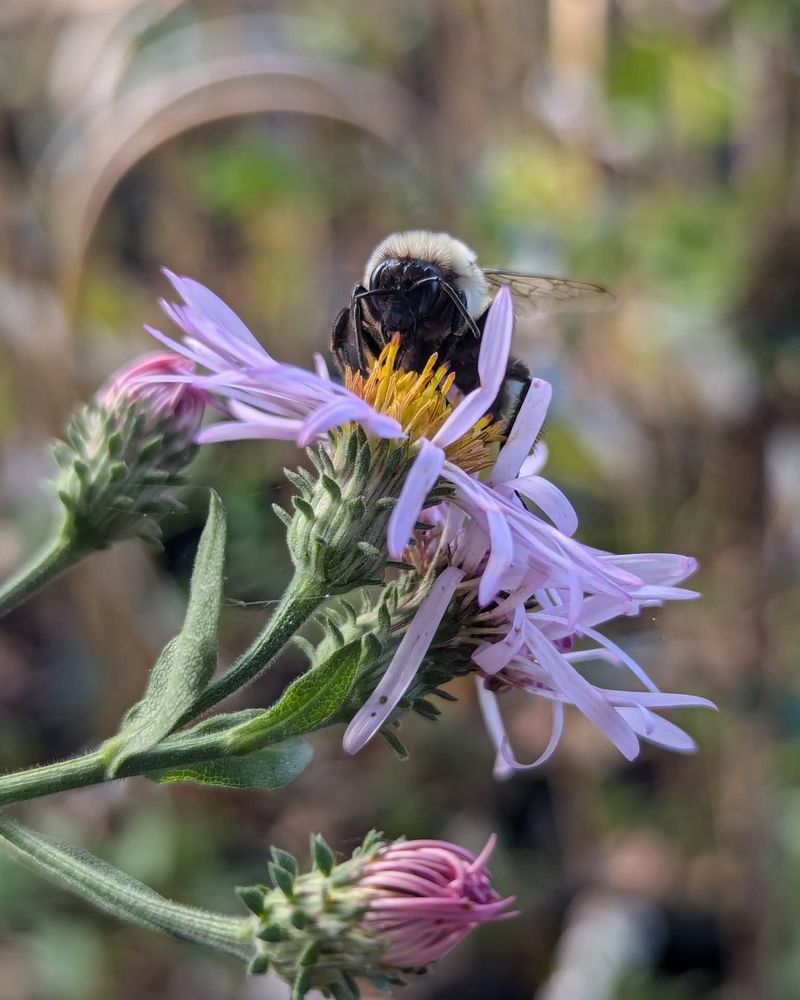
Once aromatic aster starts blooming, the maintenance decisions you make have a direct effect on the wildlife using the planting. The most important rule is straightforward: do not spray insecticides or herbicides over blooming plants or in areas where bees are actively foraging.
EPA guidance on pollinator protection strategies advises following pesticide labels carefully, minimizing spray drift onto flowering plants, and observing any timing restrictions that the label requires to protect bees. If a nearby weed needs treatment, do it before the asters open or after bloom has finished for the season, and always apply any product according to its label directions.
What you do after bloom matters as much as what you do during it. NC State Extension’s aromatic aster profile recommends leaving dead hollow stems standing through the winter rather than cutting everything to the ground immediately after flowering.
Native bees, including small solitary species, may use hollow stems as overwintering sites or nesting locations. Cutting every stem flush with the soil in November removes that potential habitat before bees have finished using it.
A better approach is to leave some stems standing through winter and cut them back to approximately 12 to 24 inches in late winter or early spring before new growth emerges.
Disease management is another reason to pay attention to airflow and drainage after the plants are established. University of Maryland Extension’s guidance on groundcovers identifies poor drainage and inadequate air circulation as conditions that increase disease pressure in established plantings.
If you notice powdery mildew developing on your aromatic asters, check whether plants are crowded, whether the site drains freely after rain, and whether surrounding structures or plants are blocking air movement. Thinning crowded clumps and improving airflow is usually more effective long-term than any spray treatment, and it avoids the risk of harming the bees that are visiting the planting.
Give the spreading mound room and monitor its reach
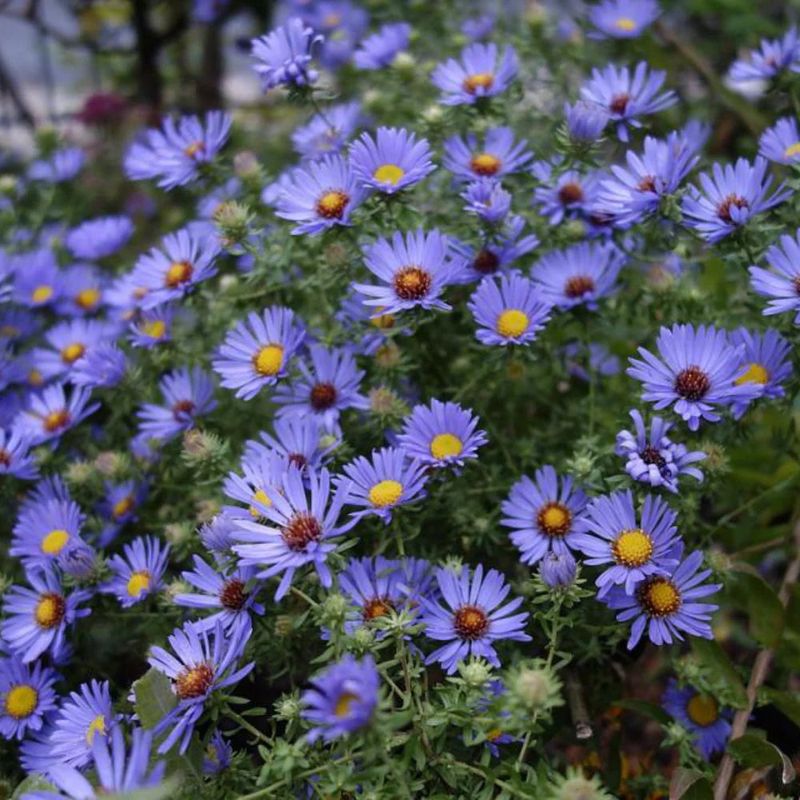
Before you plant aromatic aster, pick a spot where a 3-foot mound has genuine room to grow and spread over time. NC State Extension notes that the plant spreads by stolons as well as seed, which means it can move beyond its original footprint as it matures.
Being native to North Carolina does not make it self-limiting; it will colonize adjacent open soil if given the opportunity, which is actually part of what makes it useful as a bed-filling groundcover. The flip side is that it needs monitoring at its edges, especially near lawn areas, pathways, or beds where you do not want it to spread.
Edging along the perimeter of the planting once or twice a year, dividing clumps that have grown larger than you intended, and removing rooted stolons that have crept into neighboring areas are all reasonable ongoing tasks for a mature planting. University of Maryland Extension’s groundcover resource recommends thinking through how a spreading plant will be managed before installation rather than after it has already moved into unintended areas.
That planning step takes five minutes and saves considerably more work later.
The full care sequence is manageable for most NC gardeners: clear existing weeds before planting, install nursery plants in a suitable local fall window while soil remains warm, water thoroughly and check soil moisture during dry spells, hand-pull weeds until canopy coverage develops, and leave some stems standing through winter for potential bee habitat. What you get in return is a mature native planting that occupies open ground, extends fall bee forage into the frost season, and earns its place in the bed year after year without demanding much once it is established.
A plant that genuinely earns its keep is worth a season of careful starts.