
Pull Your Beets At Exactly The Right Moment For The Sweetest, Most Tender Roots Before Frost
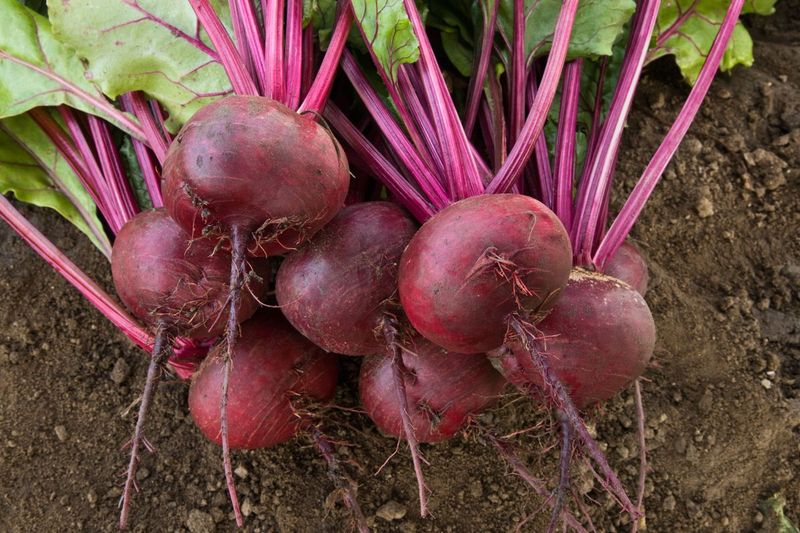
Your beet tops are leafy and green, the nights are getting cooler, and you are not sure when to start pulling. Dig too soon and the roots are tiny.
Wait too long and they can turn tough and woody. The good news is that beets give you clear signs to check, and you have a window of time to get it right.
Check the root before you check the calendar
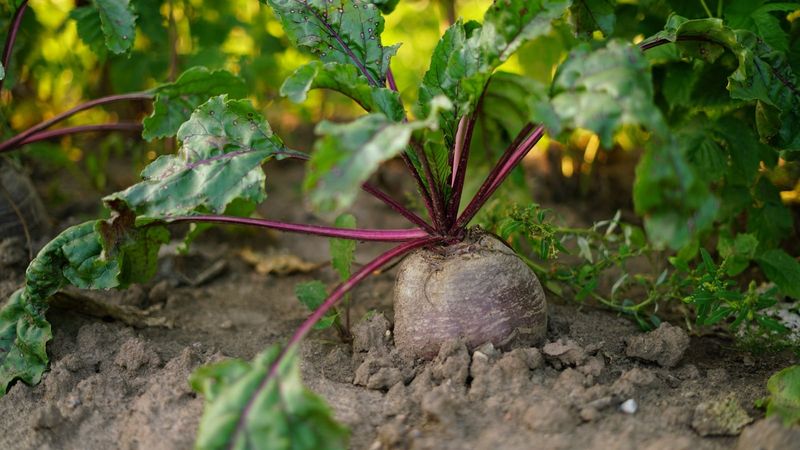
Kneel down next to your beet row and use your fingers to gently brush soil away from the top of one root. The rounded shoulder usually pokes up near the surface, so you can see how wide it is without pulling anything.
Cover it back up if it is not ready.
Size is your best clue. South Dakota State University Extension gives a broad harvest range of about 1 to 3 inches across.
Many gardeners aim for roughly 1½ to 2 inches when they want beets for fresh eating, such as roasting, grating, or slicing into salads.
Treat those numbers as guides, not hard cutoffs. Some varieties are bred to stay small, while others are meant to grow bigger, so look at your seed packet for the expected mature size.
A cylinder-shaped or baby-sized type may look different from a classic round red beet.
Your plans matter too. If you want tender little beets for a quick side dish, pull on the smaller end of the range.
If you want larger roots for pickling or cooking in chunks, you may be happy letting a few swell a bit more.
Do this check on a few beets in different parts of the row, because roots in the same bed often grow at different speeds. Crowded spots and shaded corners tend to lag behind.
Once you know what the typical beet looks like, you can decide with confidence instead of guessing from the date.
Days to maturity tell you when to start sampling
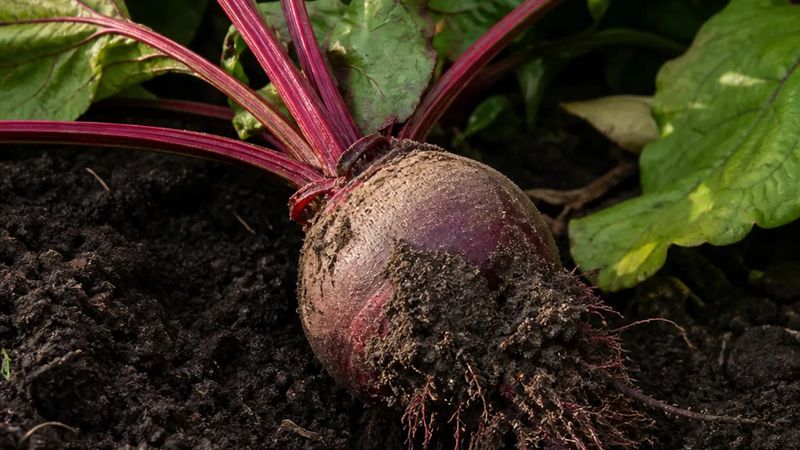
That number on your seed packet, such as 50 or 60 days, is a handy reminder. It tells you roughly when to begin poking around for ready roots.
It is not a deadline, and it is not a promise about flavor.
Extension sources list beet maturity ranges of about 42 to 70 days, depending on variety and conditions, as described by South Dakota State University Extension. Fall crops can behave differently from spring ones.
Cooling days and shorter daylight can slow growth, so your beets may take longer than the packet suggests.
Planting date plays a part as well. Illinois Extension discusses midsummer planting for a fall root crop, and beets sown in the heat of summer may size up on a different schedule than ones sown in spring.
Count forward from your sowing date and mark a week or two on the calendar when sampling should begin. Then pull one beet, check its width, and taste it.
Roast or steam it to see whether the flavor and texture match what you want.
If the sample is small, give the row another week and test again. If it is a good size and tastes right, start harvesting.
Think of the calendar as a nudge to go outside and look, and let the roots themselves have the final say.
The biggest beet is not always the tenderest
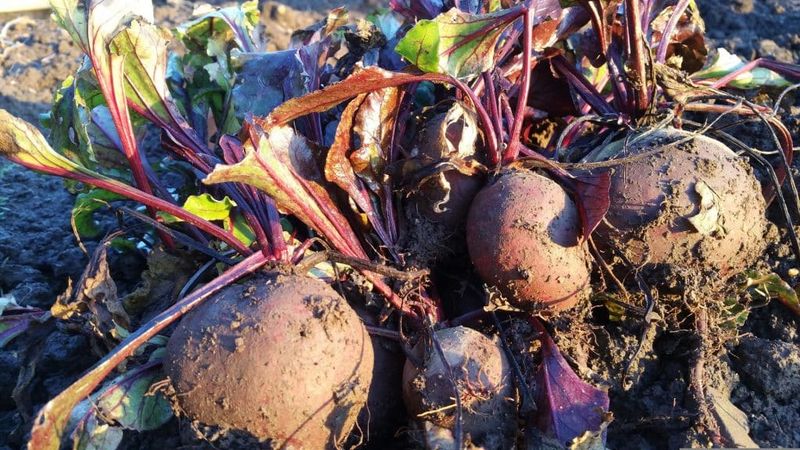
Waiting for giant beets feels like a smart move, since bigger roots might taste sweeter. SDSU Extension notes that larger roots can be sweeter.
The catch is that they may also get tougher and more fibrous.
Other extension guidance points the same way. UC IPM warns that beets left too long can turn tough or woody, and Illinois Extension says the same about oversized roots.
So size does not guarantee sweetness, and it does not guarantee tenderness either.
A simple test helps. When you pull a beet that has grown large, slice it open.
Visible pale rings, a stringy feel, or a hard core suggest it has gone past its best for fresh eating, though it may still be fine in slow-cooked dishes or soups.
Think about how you plan to eat your harvest. If you love a mild, soft beet for salads, lean toward the smaller end of your size range.
If you enjoy a deeper, sweeter bite and do not mind a firmer texture, you might let some roots grow a little longer.
You can also split the difference by sampling two sizes side by side. Taste a small one and a bigger one from the same row, and let your own palate set the target for the rest of the crop.
A light frost does not automatically mean harvest
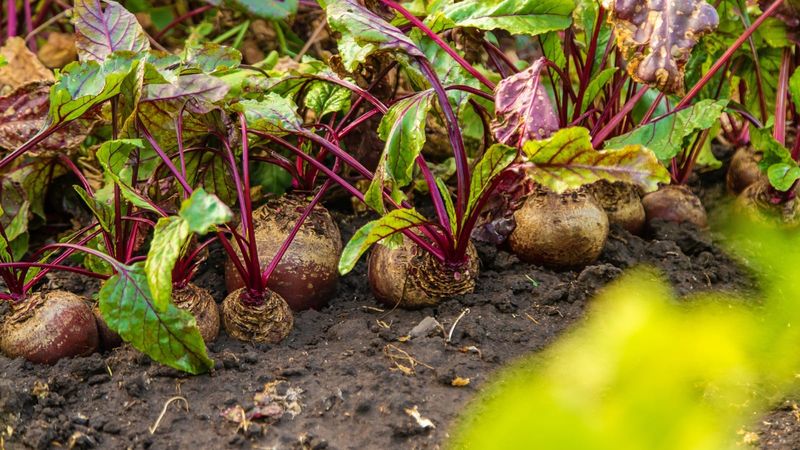
Spotting white frost on your beet leaves can trigger a small panic. Take a breath.
Beets tolerate frost and mild freezes, and UC IPM notes that a light frost does not mean the roots must come out right away.
The roots sit under soil, which acts like a blanket. The leaves may look limp or a bit damaged after a cold night, but the part you eat is usually fine.
Judge the crop by root size and taste, not by what the tops look like on a frosty morning.
Cool fall weather can actually suit beets. One Utah State University Extension page says beets taste best after several weeks of cool, frosty weather.
That is a helpful hint, but it does not mean frost is required for good flavor, and it is not a harvest trigger on its own.
Roots that are already a useful size do not need to wait around for a frost. If your beets measure up and taste good, pulling them is a perfectly fine choice.
If they are still small, a light frost is no reason to rush.
Reassurance has limits, though. Beets cannot stay in the ground forever, and colder conditions eventually change the picture.
Keep an eye on your local forecast and soil, which is the next thing to watch.
Frozen ground is the more important deadline
Frost on the leaves and frozen soil around the roots are two different situations. Soil insulates roots from a light frost, which is why beets often shrug off a chilly night.
Hard cold that actually freezes the ground can damage them, as Michigan State University Extension explains in its guidance on harvesting after frost.
So the real deadline is the ground, not the air. There is no single temperature that works for every yard, because soil moisture, bed type, and local climate all change how fast the soil cools.
Watch your own conditions instead of relying on one number.
A simple habit helps. When forecasts start calling for several cold nights in a row, push a trowel or garden fork into the soil near the row.
If the top layer feels crunchy, hard, or stiff, it is time to harvest whatever is a useful size.
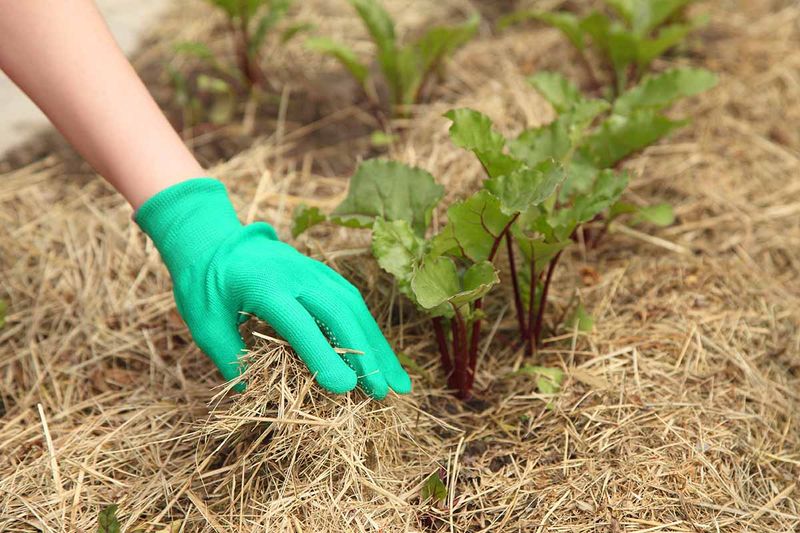
Mulch can buy you a little time. A thick layer of straw or fallen leaves can delay soil freezing, which may give small beets a few extra days to grow.
It is not guaranteed protection, and it will not hold up through severe or prolonged cold.
As noted by UC IPM, beets may survive mild freezes, but that is not the same as being safe in frozen soil. Plan to have your harvest done before the ground locks up.
Pull ready roots and leave smaller ones to grow
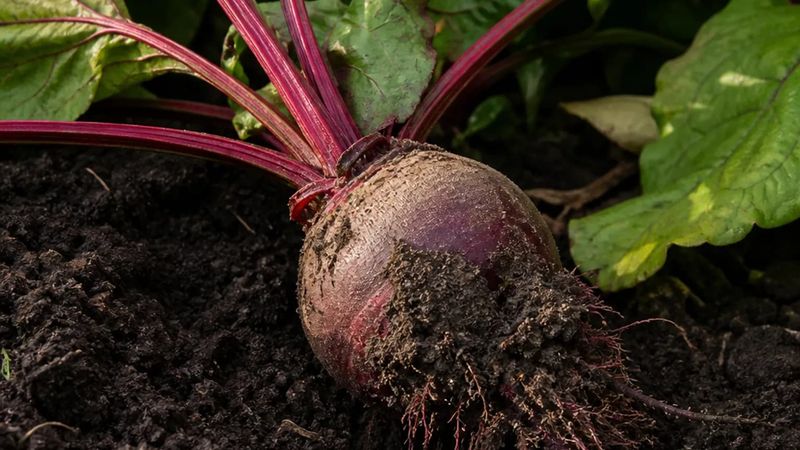
You do not have to harvest the whole row in one afternoon. Walk the bed, check shoulders, and pull the beets that have reached the size you want.
Leave the smaller ones in place so they can keep growing.
This works because beets can be eaten at different stages, as Illinois Extension describes. Removing the big ones also gives their neighbors more room and light.
Just keep an eye on the soil, since this plan only makes sense when frozen ground is not right around the corner.
When it is time to lift a beet, go easy. Push a garden fork into the soil a few inches away from the root and rock it gently to loosen things up.
Then grasp the leaves near the base and lift, using the fork to help rather than yanking hard.
UC IPM recommends loosening the soil and lifting carefully to reduce damage to the roots. Nicks and breaks are easy to avoid if you take your time, especially in dry or heavy soil.
Tuck the soil back around any neighbors that got disturbed. Come back every few days to check the leftovers.
Once the forecast starts hinting at a hard freeze, pull every root that is a useful size.
Use a harvest window, not a magic date
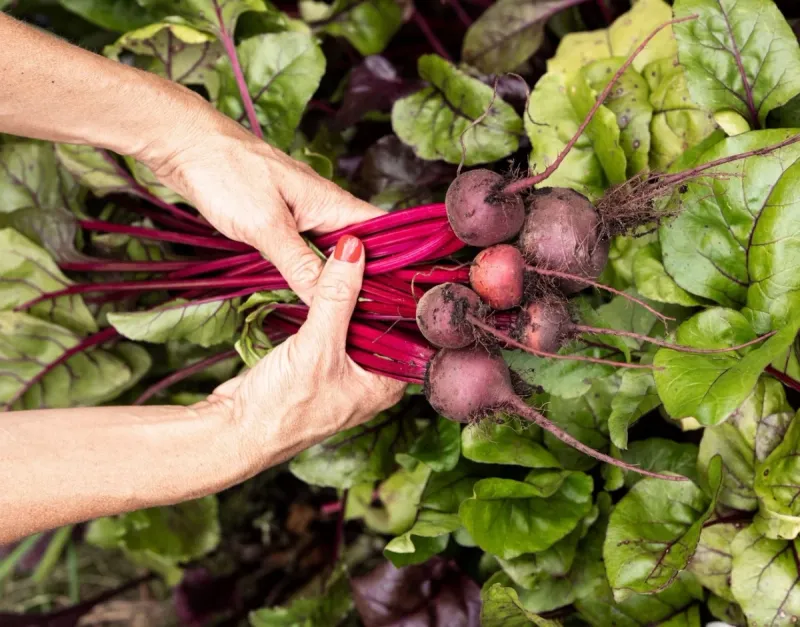
Here is a rule you can use: check root size, taste a sample, pull the ready ones, and finish before the ground freezes. A width near 1½ to 2 inches is a common fresh-eating target, within the broader 1 to 3 inch range.
Light frost is not a reason to panic, and you do not need to find one perfect day. Beets leave you a window, and your own taste buds can tell you when you are inside it.
Pick a good one, and the rest will follow.