
Redroot Pigweed in Your Garden: What Its Red Root Can and Can’t Tell You
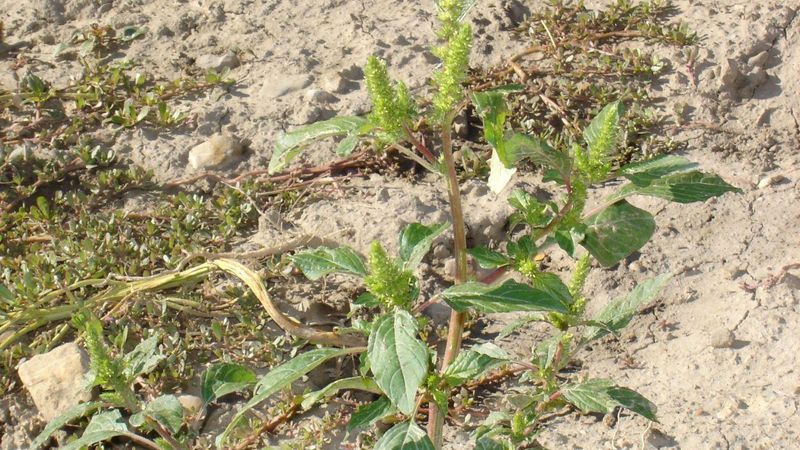
That weed with the pinkish-red base might be redroot pigweed, and its name makes people think the root is the whole story. It is a useful clue, but it is not the main thing to worry about.
Knowing what the root can and cannot tell you helps you weed smarter and protect your plants. Here is what really keeps this common garden visitor under control.
What does the red root actually tell you?
Pull up a redroot pigweed (Amaranthus retroflexus) and you will usually see how it got its name. Penn State Plant Science lists its root type as a taproot, a single main root that grows straight down, often with a reddish tint near the base.
Before you call it a match, hold on. A red taproot is a hint, not proof.
Penn State Extension notes that smooth pigweed and Powell amaranth can also have a red taproot, so the color alone will not settle the question.
Young plants make things trickier. Small pigweeds look a lot alike, and even experienced gardeners can have a hard time telling them apart in the seedling stage.
Better clues show up above ground. Cornell’s pigweed identification guide points to features such as hairs on the stems, leaf traits, and the structure of the flower head as more useful for confirming which pigweed you have.
The good news is that you do not need a perfect ID to act. Most pigweeds are handled with similar habits, so treat the red root as one piece of the puzzle and look at the whole plant.
The taproot isn’t the main long-term control concern
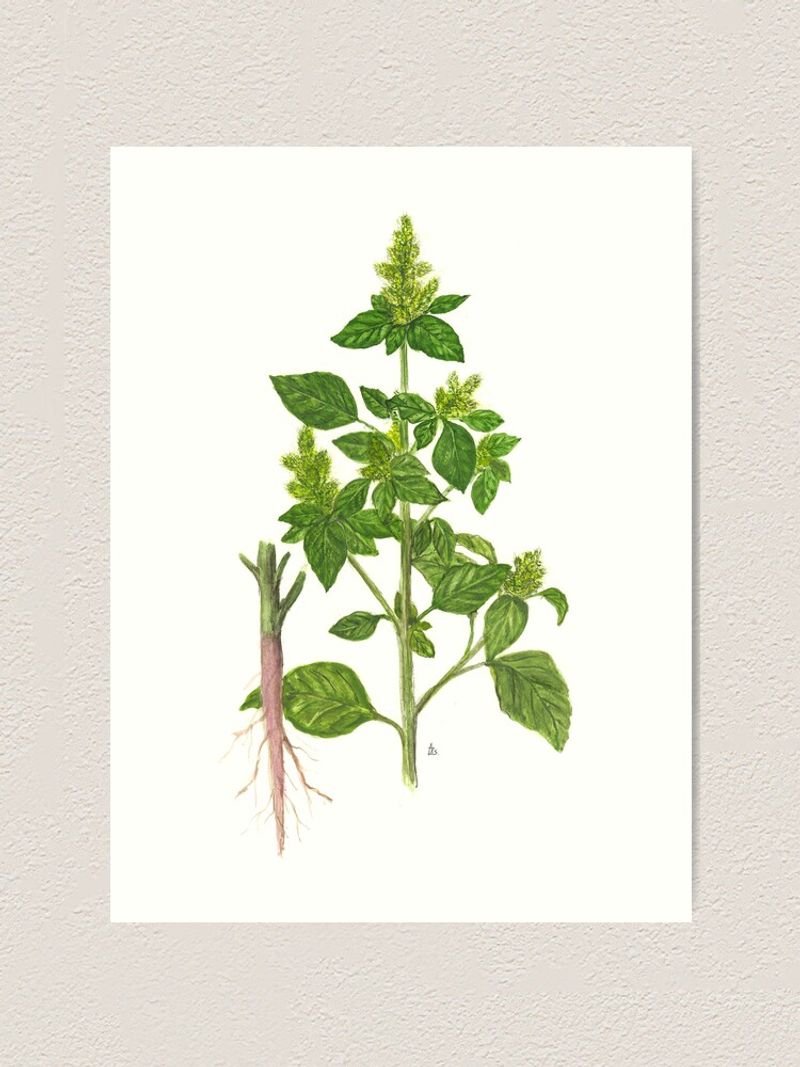
A taproot sounds serious, like something that digs in for the long haul. But a taproot is simply one main root, and it does not make a plant a deep-rooted perennial.
Redroot pigweed is a summer annual, which means it grows, sets seed, and dies within one season.
Penn State Plant Science describes it as reproducing by seed. It does not creep along underground and pop up somewhere new the way some perennial weeds do.
Here is a separate fact worth knowing. Rutgers NJAES describes mature pigweeds as having a short taproot.
So you are not fighting some giant root system hiding under the soil.
What guidance focuses on is the seeds. Penn State Extension says pigweeds produce an average of 13,000 to 35,000 seeds per plant, and that is an average range, not a top-end number.
Seed numbers in the soil can take years to drop, though that does not mean every seed survives that long.
Because each plant can leave so many seeds behind, the smart move is stopping plants before mature seeds form. That is the goal the next sections help you reach.
Pull seedlings while they are small
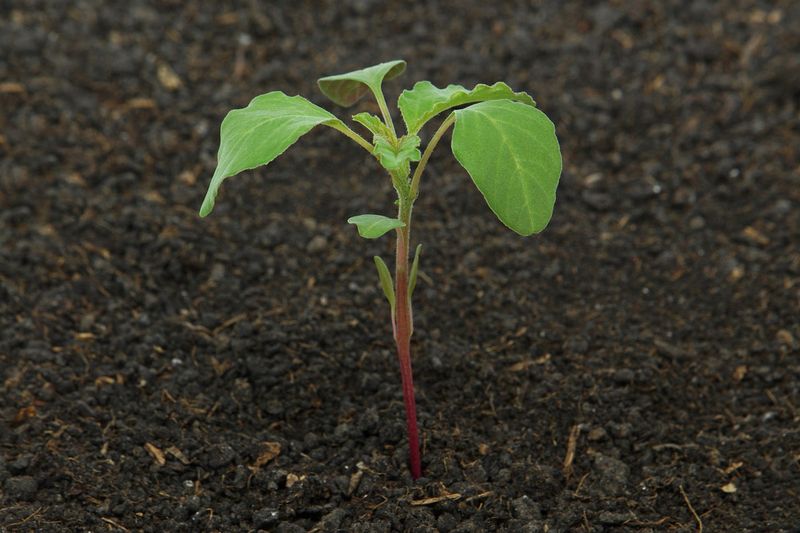
Spring and early summer offer the easiest win you will get all season. Tiny pigweed seedlings slide out of the ground with barely a tug, and a few minutes of weeding now can save you hours later.
Penn State Extension explains that pigweed seedlings germinate in the top inch of soil. Because they start so shallow, they can be readily removed by hand.
Soil moisture makes a big difference. If the ground is dry and hard, water the bed first and wait a bit.
You can also weed right after a rain, when the soil is loose and roots release easily.
Grab each seedling low, near the soil line, and pull steadily instead of yanking. Getting the little taproot out with the plant is nice, but you do not need to hunt for every tiny piece.
Pulling the seedling early is what counts.
Check your beds every week or so, especially after watering or rain. New seedlings often appear in flushes, so a quick walk-through helps you catch the next batch before it gets ahead of you.
Toss the pulled seedlings in a bucket or the trash, or on a dry paved spot, rather than leaving them on damp ground.
Stop larger plants before they produce mature seeds
Missed a few this summer? It happens to everyone.
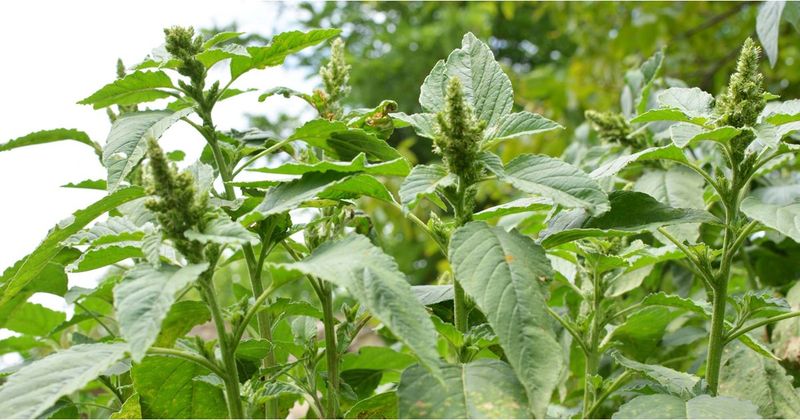
Once a pigweed grows tall and sturdy, hand-pulling gets harder, and the goal shifts to one thing: stop it from making mature seeds.
Penn State Extension recommends cutting larger plants at the base before seeds develop. A sharp pair of loppers or a hoe can do the job quickly, and you do not have to dig out a deep root.
Rutgers NJAES gives similar advice, suggesting you pull or mow plants before they produce mature seeds. Mowing makes sense along fence lines or in open patches away from your vegetables.
Timing is the real lesson here. A plant removed before its flower heads fill with seed is a plant that will not restock your soil.
A plant left until late summer may already have done its damage, even if you eventually get every inch of root.
Make a habit of looking for flower spikes forming at the top of the stem. When you spot them, act soon.
Bag or carry away plants that already have seed heads so the seeds do not scatter as you move them.
Why shouldn’t you leave a pulled plant on damp soil?
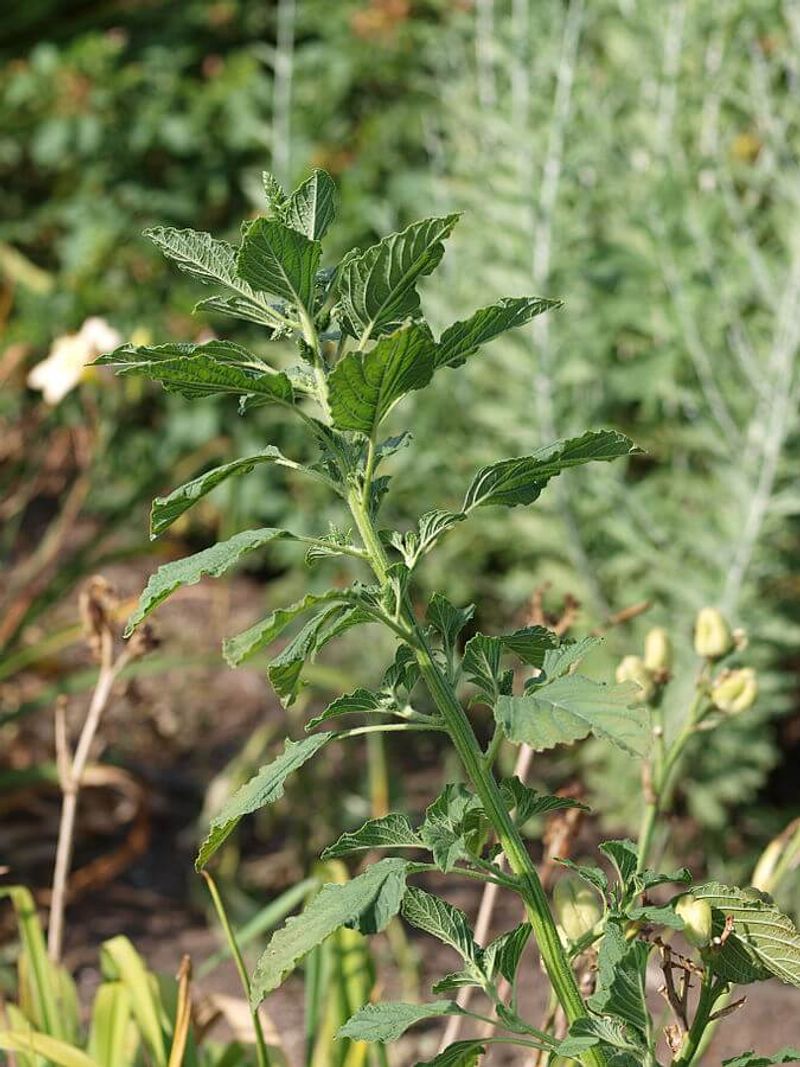
Tossing a pulled weed onto the soil feels harmless. With pigweed, though, it can backfire when the ground is wet.
Cornell’s weed profile reports that moderate-size or larger pigweed plants can re-root readily in moist soil. A plant left lying in a damp bed after a rainy day may settle back in and keep growing.
The same profile says pigweeds can resprout if they are cut above the seed-leaf node, the spot near the base where the first two seed leaves attached. That is why a high cut can leave a stump that grows back with new branches.
So the practical steps are simple. Move pulled plants out of the bed and into a bucket, wheelbarrow, or trash bag.
Or lay them on a hot, dry surface such as a driveway until they dry out. When you cut, cut low.
Here is a reassuring detail. These cautions apply to whole plants of moderate size or larger, and to cuts made too high.
They do not mean every scrap of root left behind will sprout into a new weed. You can relax about a broken root tip and focus on getting the plant itself out of the garden.
Use mulch to suppress new seedlings
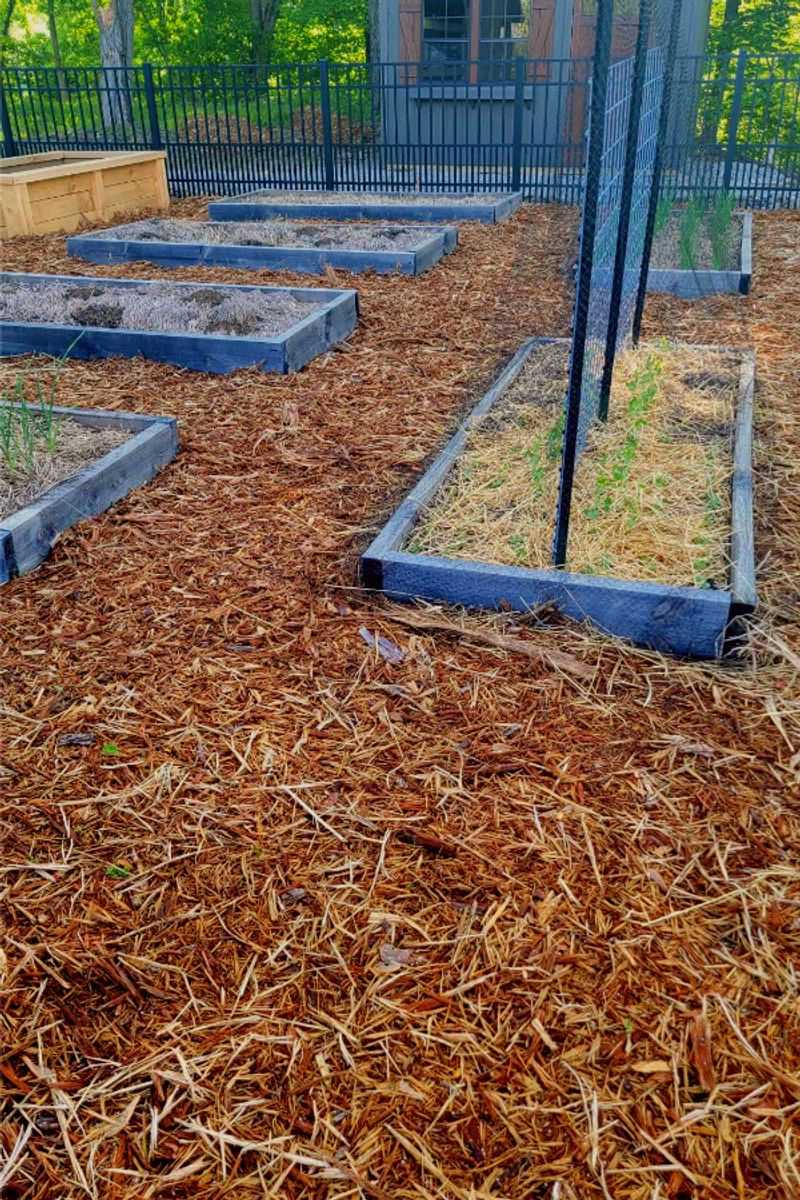
Once your beds are clear, mulch helps keep them that way. A blanket of shredded bark, wood chips, or straw blocks light and makes it harder for tiny seedlings to get started.
Penn State Extension recommends mulch as part of managing pigweed in home gardens. It works especially well because pigweed seeds sprout near the soil surface.
Utah State University Extension lists a 3-inch mulch layer for planting beds. That depth is a handy target to aim for when you refresh your beds.
Spread mulch after you have pulled the weeds that are already up, and keep it a little back from the stems of your plants so they can breathe. Top it off as it breaks down or thins out.
Keep your expectations realistic. Mulch can suppress seedlings, but it will not wipe them out completely, and a few may still poke through.
Keep pulling any that appear while they are small, and mulch and quick weeding will work well as a team.
If you ever think about herbicides, follow the product label. Penn State cautions against using post-emergent products around vegetable gardens or sensitive plants, so hand removal and mulch are safer choices near your crops.
Recognize the root; focus on preventing seeds
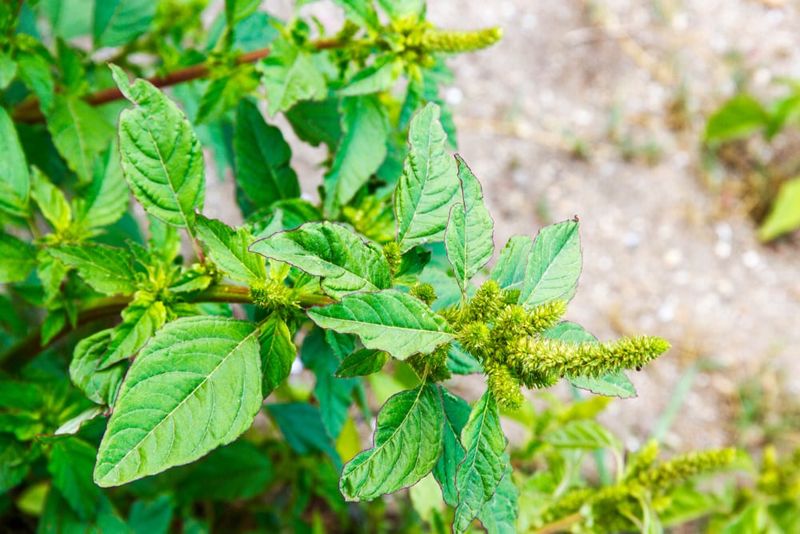
Yes, the red taproot is a fun clue, and it does explain the plant’s name. Just remember that other pigweeds can share it, so look at hairs, leaves, and flower heads too.
What keeps your garden calm is timing. Penn State Extension and Rutgers NJAES both point toward stopping plants before mature seeds form.
The root tells you who showed up, but the seeds decide who returns next year.