
Don’t Wait Until December – 7 Christmas Cactus Steps To Start Now For Holiday Blooms
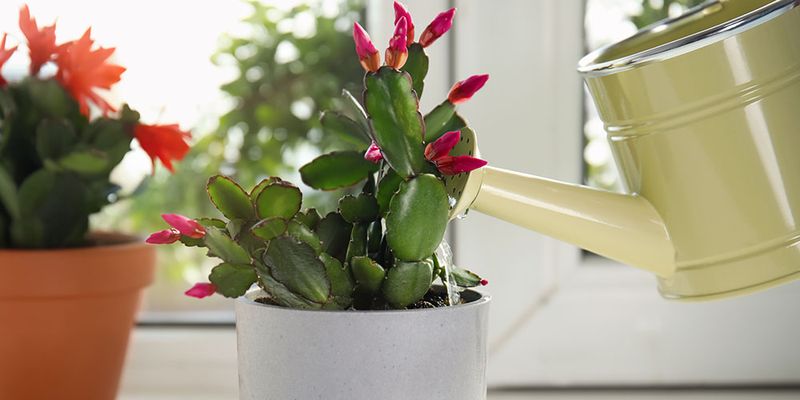
Your Christmas cactus decides whether it will bloom for the holidays long before you hang a single stocking. The flower buds start forming in early fall, based on how much darkness, cool air, and water the plant gets.
If you wait until December to pay attention, it is usually too late to fix a plant that refuses to flower. The good news is that seven simple steps, started now, can turn a plain green plant into a pink and red showstopper.
1. Give It Long, Unbroken Nights
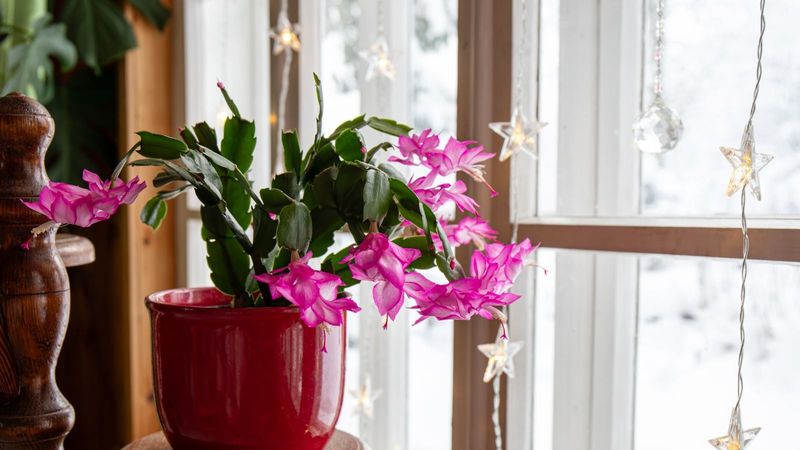
Picture your cactus sitting next to a reading lamp every evening, happy as can be, and never blooming. That lamp might be the whole problem.
Christmas cacti are short-day plants, which means they need long stretches of real darkness to start making flower buds.
Starting in mid-September to early October, aim for 12 to 14 hours of complete darkness every night for about 6 to 8 weeks. Even a quick flip of a light switch or a glowing streetlight through the window can interrupt the signal.
A spare bedroom, a closet, or a simple cardboard box placed over the plant from early evening until morning works well.
Consistency matters more than perfection with the setup. Missing several nights in a row can stall bud formation, so set a phone reminder if you tend to forget.
Once you see tiny buds forming at the tips of the stems, you can relax the routine a bit.
2. Let It Feel the Fall Chill
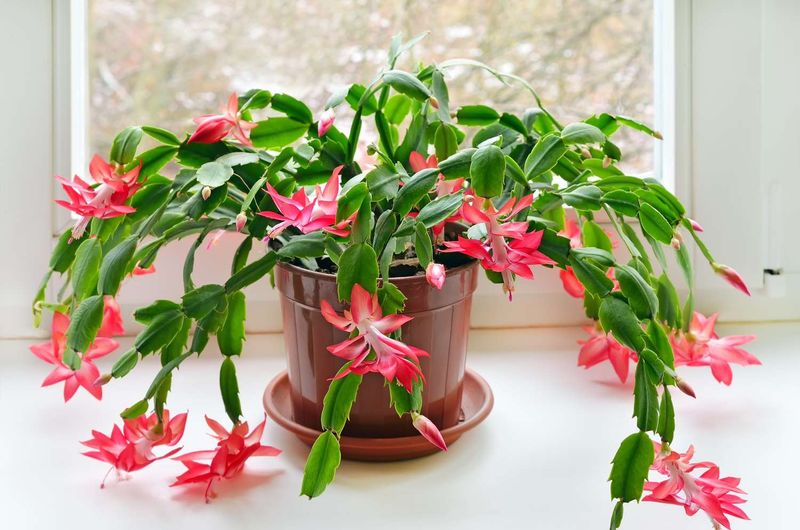
Here is a fun bit of trivia: the Christmas cactus comes from the mountain rainforests of Brazil, where nights turn noticeably cooler. Your plant still remembers that.
A drop in temperature works hand in hand with darkness to tell it that bloom season is coming.
For 6 to 8 weeks in fall, try to keep nighttime temperatures around 50 to 55 degrees Fahrenheit. Daytime can stay a comfortable 60 to 70 degrees.
A cool guest room, an enclosed porch, or a spot near a chilly window often does the trick.
Just watch out for extremes. Heat vents, fireplaces, and icy drafts from an outside door can shock the plant and may cause buds to drop before they open.
Cool and steady is the goal, not cold and blasted.
3. Water Less, But Water Right
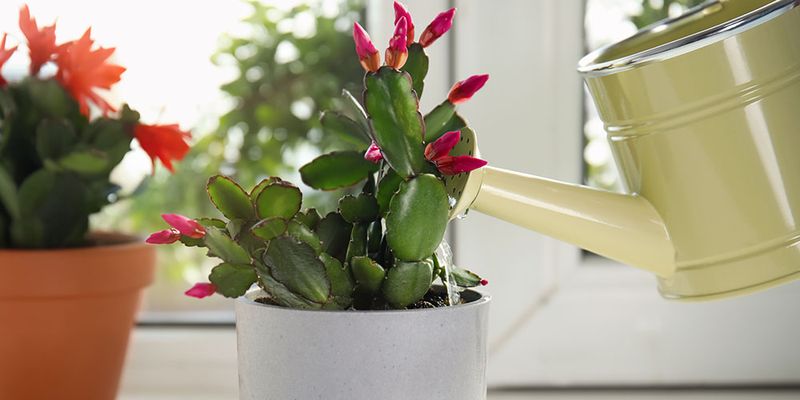
Overwatering quietly kills more Christmas cacti than almost anything else. Soggy roots rot, and a stressed plant simply will not set flowers.
Around October, cut back how often you water. Push your finger into the soil and only water when the top inch feels dry.
When you do water, soak it thoroughly and let all the extra drain out the bottom.
Never let the pot sit in a saucer of standing water. Dump it after about 15 minutes.
Once buds appear and the plant starts blooming, you can water a little more often, keeping the soil lightly moist but never mushy.
4. Find the Bright, Gentle Window
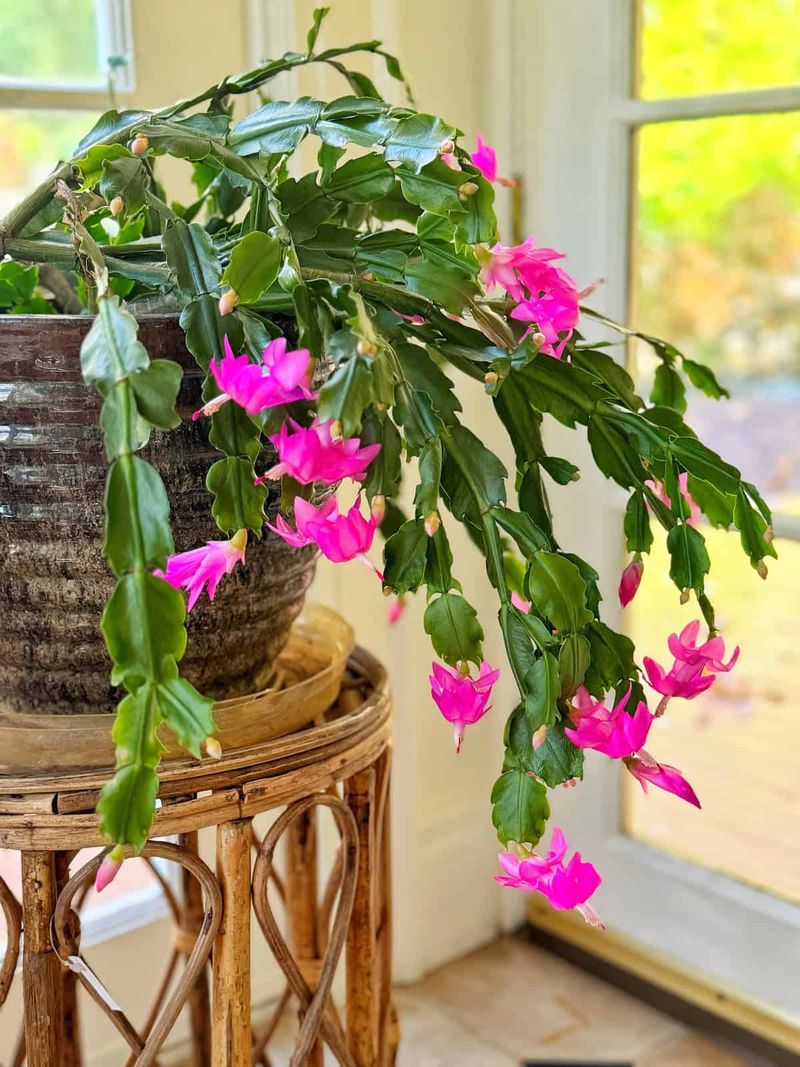
Darkness at night gets all the attention, but daytime light matters just as much. A plant that sits in a gloomy corner all day may not have the energy to produce many flowers.
Bright, indirect light is the sweet spot. An east or north-facing window is often ideal, giving plenty of glow without harsh rays.
A sheer curtain can soften a sunnier window.
Watch the stem segments for clues. If they start turning reddish or looking scorched, the plant is getting too much direct sun.
Slide it back a foot or two and it should recover its healthy green color over time.
5. Put the Fertilizer Away
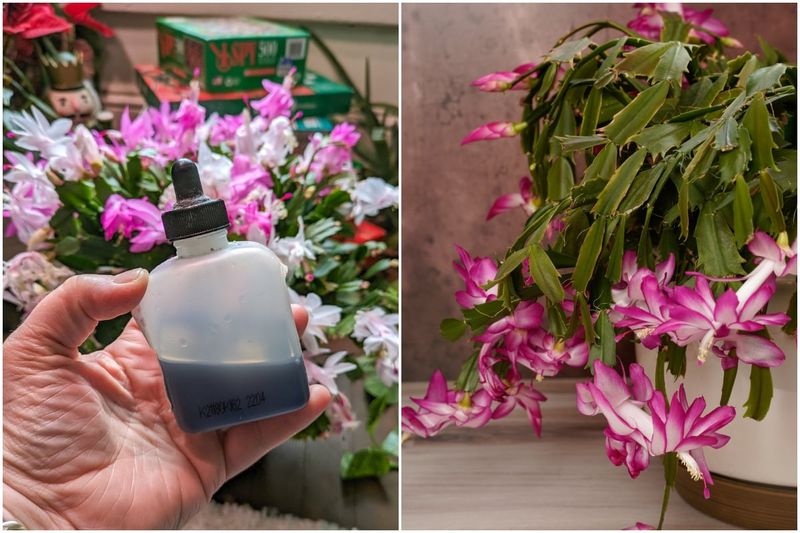
Good news for busy gardeners: this step is all about doing less. Feeding your cactus in fall pushes it to grow more leaves instead of focusing on flowers.
During spring and summer, a balanced water-soluble fertilizer, such as 20-20-20, mixed at half strength once a month keeps the plant strong. By late summer or early October, stop feeding completely.
Think of it as letting your plant switch gears from growing to blooming. You can start fertilizing again after the flowers fade in winter, when it gets ready for its next round of growth.
6. Boost the Humidity
Once the furnace kicks on, indoor air can get as dry as a desert. That is rough on a plant that grew up in a humid rainforest, clinging to trees in the mist.
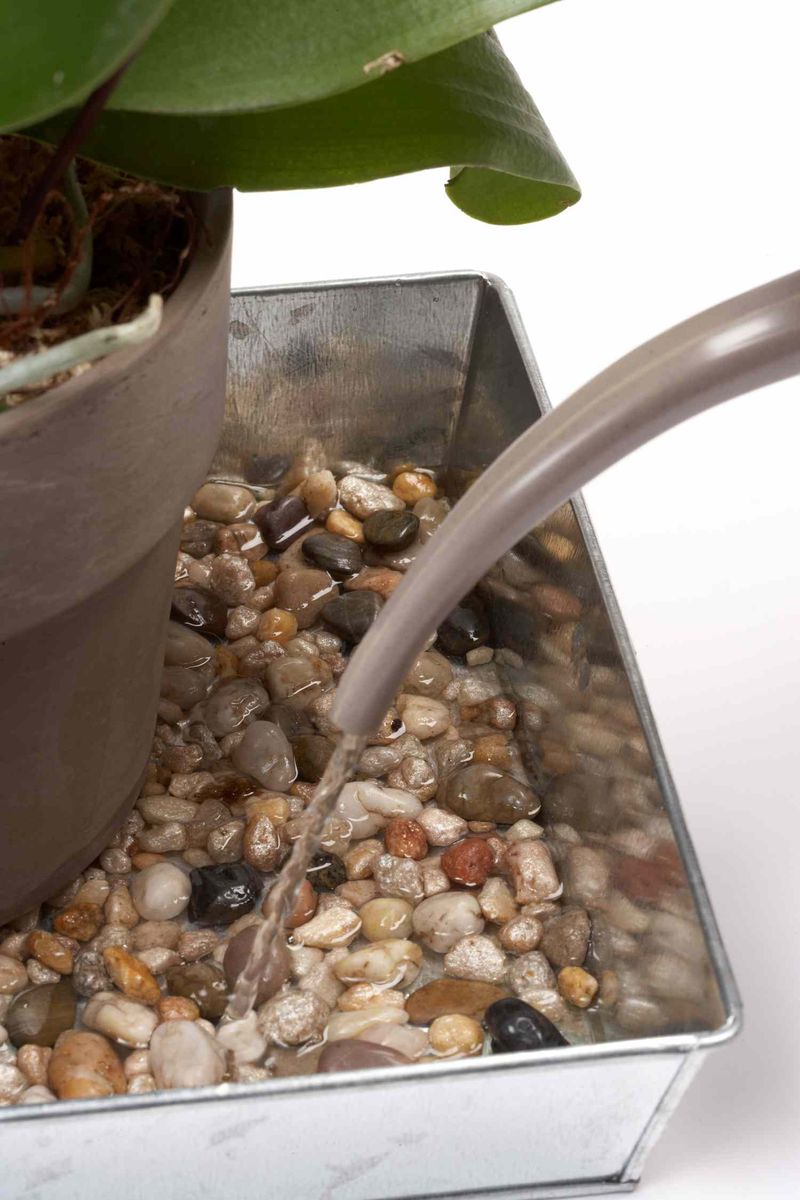
Dry air can make developing buds shrivel before they ever open. An easy fix is a pebble tray: fill a saucer with pebbles and water, then set the pot on top.
Keep the water line below the bottom of the pot so the roots stay dry.
A light daily misting can also help. Grouping your cactus with other houseplants creates a small pocket of moist air, too, which may help buds stay plump.
7. Stop Moving It Once Buds Show
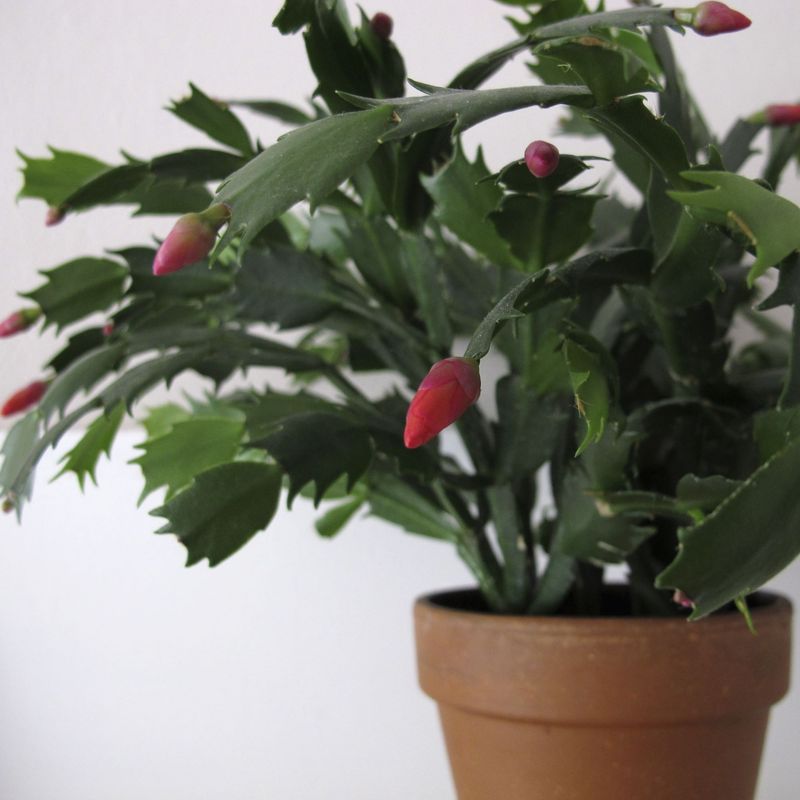
You finally spot those tiny pink buds and want to show them off in the living room. Resist the urge!
Sudden moves are one of the top reasons buds fall off right before the big show.
A new spot often means different light, temperature, and humidity all at once. That shock can make the plant drop its buds to protect itself.
Pick its blooming spot before buds form, then leave it there.
Even turning the pot around can confuse some plants, so keep things steady. A little patience now pays off with a cascade of holiday flowers that can last for weeks.