
Rosemary in the North Carolina Vegetable Garden: A Culinary Herb and Possible Companion Plant
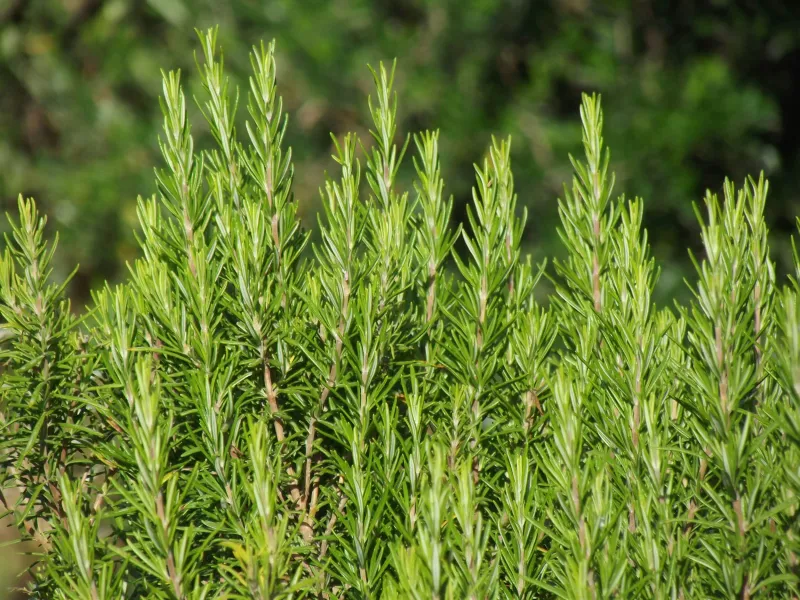
Some gardeners say one fragrant herb can help guard a vegetable patch. That herb is rosemary, and North Carolina Extension materials do mention it in connection with a few garden pests.
The story is more limited than the rumors, though. Here is what rosemary can realistically do in your yard, and what to rely on instead.
Rosemary is a culinary herb and possible garden companion
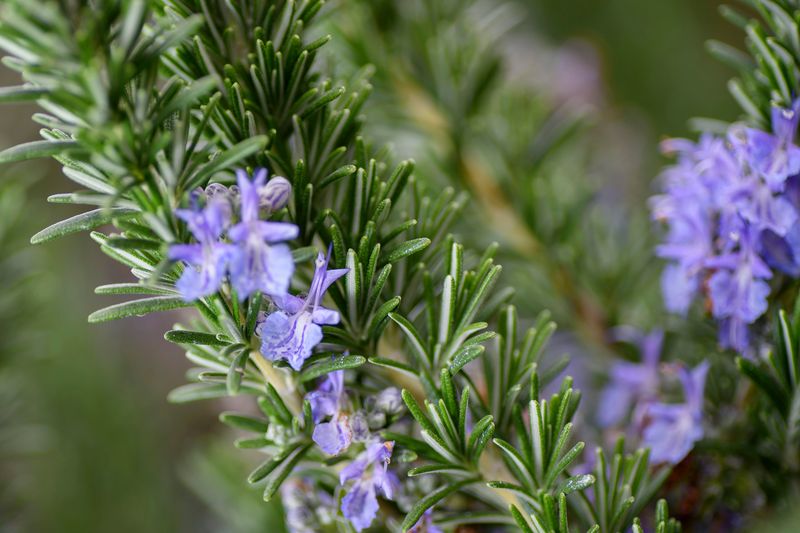
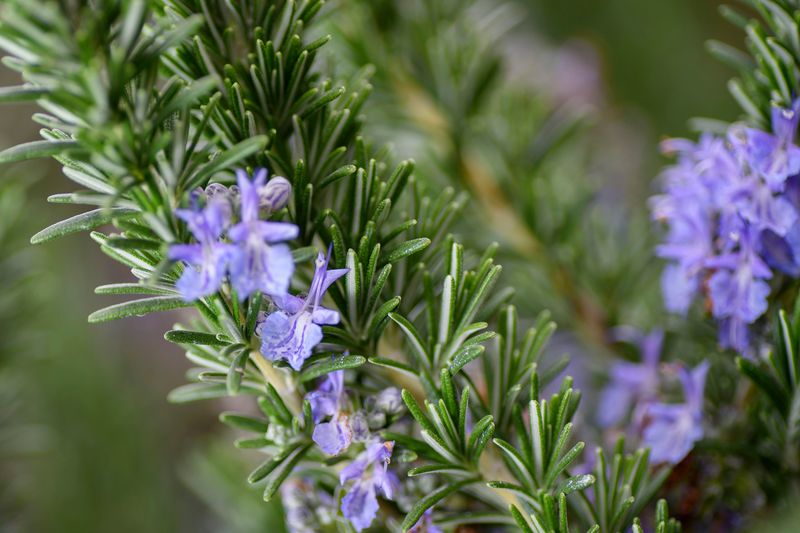
Rosemary (Salvia rosmarinus) is the herb at the center of this story. NC State’s Plant Toolbox describes it as a fragrant evergreen shrub grown as a culinary herb.
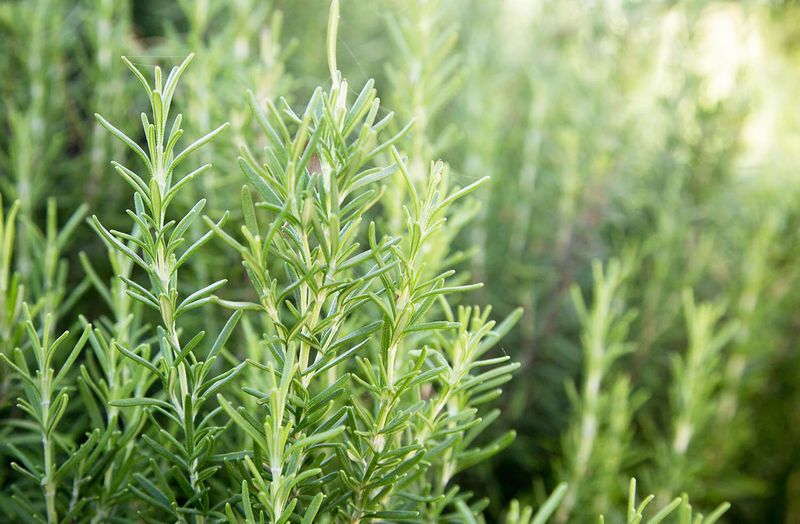
Its needle-like leaves stay on the plant through the year, which gives gardeners something green to look at when other beds are fading.
That evergreen look is one reason home gardeners tuck rosemary near the kitchen door or at the edge of a vegetable patch. Snipping a sprig for cooking is easy when the plant is only a few steps away.
You may also have heard that rosemary keeps bugs out of the vegetable bed. That idea is worth a closer look, but it is a possibility to test, not a guaranteed payoff.
Some Extension material suggests rosemary near certain vegetables, and one research team saw fewer pests on peppers grown beside it. Neither one shows that rosemary will shield a whole North Carolina garden.
The sections ahead sort out what is suggested, what was actually tested, and which steps give steadier results. Think of rosemary as a useful kitchen plant first.
Any pest benefit is a bonus that may or may not show up in your own beds.
Give rosemary sun and freely draining soil
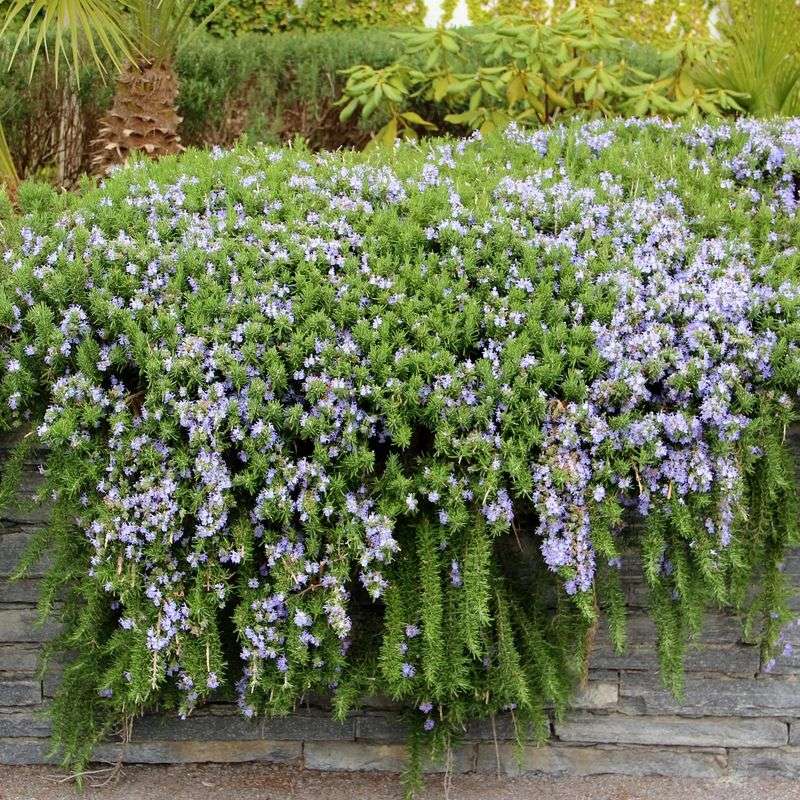
Where you plant rosemary matters more than who its neighbors are. NC State recommends full sun and well-drained soil.
It also notes that rosemary has low tolerance for wet, humid conditions.
That last point is a big deal in North Carolina. Summers in the Piedmont and Coastal Plain can be muggy, and heavy rain can leave clay soil soggy for days.
Roots that sit in wet ground often struggle, so rosemary does not belong in every vegetable bed.
Many vegetables want steady moisture and rich soil. Rosemary prefers the opposite, so a spot that suits your tomatoes may not suit it.
Putting it in a bed you water often can set the plant up for trouble.
A few practical options can help. Choose a sunny corner where water drains away quickly, or plant it on a small mound of loosened soil.
A large pot with drainage holes is another good choice, and you can set it right beside the vegetable bed.
Even with good placement, success is not guaranteed everywhere in the state. Mountain winters, coastal humidity, and clay soil all change the odds.
Start with one plant, watch how it handles your yard, and adjust from there.
A local planting list is a suggestion, not a guarantee

A handout from the Ashe County office of NC Cooperative Extension lists rosemary as a helpful neighbor. The raised-bed gardening handout suggests planting it near cabbage moths, bean beetles, and carrot flies.
In plain terms, it points gardeners toward rosemary near cabbage, beans, and carrots.
That is a planting suggestion. It is not a controlled test showing that rosemary stops those pests in North Carolina home gardens.
A handout like this is a handy starting point for experimenting, but it cannot tell you how well the idea works in your backyard.
Companion planting results are famously uneven. University of Minnesota Extension warns that many online charts of pest-repelling plants have no research behind them.
Where herb pairings were tested, they affected particular pests in particular settings, not pests in general.
So the outcome can depend on the crop, the pest, and your growing conditions. A rosemary plant that seems to help one season may do nothing the next.
If you want to try it, treat your garden like a small experiment. Plant rosemary near one bed of cabbage or carrots and keep another bed without it.
Compare the damage you find, and keep notes. That tells you far more than any chart will.
What the pepper study actually found

Researchers once grew sweet peppers with rosemary planted among them. The peer-reviewed study was a greenhouse experiment, and it linked rosemary interplanting with lower numbers of aphids, thrips, and whitefly on the peppers.
That is encouraging, but look at the details. The crop was sweet pepper, and the setting was a greenhouse.
It was not a North Carolina backyard bed with its weather, soil, and mix of insects.
The pests also differ from the ones named in the Ashe County handout. Fewer aphids on greenhouse peppers does not tell us what happens with cabbage moths or carrot flies outdoors.
Why might rosemary have made a difference? The researchers discuss disrupted host-plant finding as one possible explanation.
The idea is that strong plant odors may make it harder for insects to locate the crop they want to eat.
That is a proposed explanation, not proof. The experiment does not show that rosemary’s scent alone chased pests away.
For a home gardener, the takeaway is modest. Rosemary beside peppers is a fair thing to try, and you might see fewer insects.
Just keep checking your plants rather than trusting the herb to do the job.
Use scouting and row covers for steadier protection
If you want protection you can count on, start with habits that work whether or not rosemary does. NC State Extension’s pest management guidance stresses prevention and monitoring.
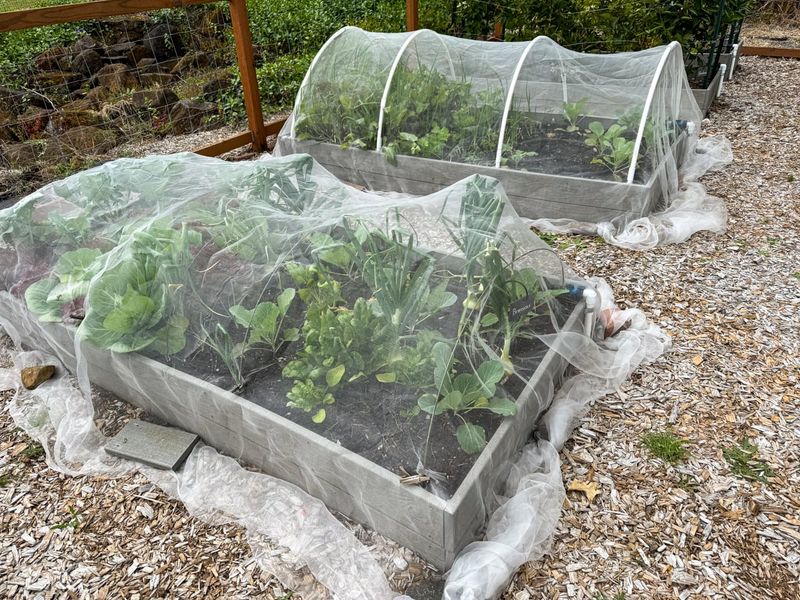
It says floating row covers can effectively exclude insects.
A floating row cover is a light fabric laid over a crop, usually held up by hoops or simply draped on top. Edges get weighted down with soil or boards so insects cannot slip in.
Cabbage, broccoli, and kale are good candidates, since the covers keep egg-laying moths off the leaves.
Covers need a bit of thought. Crops that need pollinators, such as squash, must be uncovered at flowering time.
Make sure the fabric is sealed before pests arrive, because covering a bed that already has insects can trap them inside.
Scouting is the other half. Walk your beds every few days and flip leaves over.
Look for chewed edges, sticky residue, small eggs, and clusters of insects.
Catching damage early lets you act with a hand-picked pest or a quick change of plan before a problem spreads. A weekly walk with a cup of coffee works well.
Rosemary can sit nearby as an optional companion. It just should not take the place of a cover or a regular look at your plants.
Plan for winter and distinguish rosemary from native plants
Winter can be the hardest test for rosemary here. Survival cannot be promised across the whole state, since a mild Coastal Plain winter and a Blue Ridge cold snap are very different.
NC State’s herb winterizing advice notes that wet soil can reduce rosemary’s winter hardiness, which ties back to choosing a freely draining spot.
Cultivars also differ. An NC State Extension Gardener feature on rosemary describes differences in cold hardiness among varieties.
Check the plant tag, ask your local garden center which types do well nearby, and consider keeping a potted plant where you can move it to shelter.
There is one more thing to keep in mind if you care about backyard wildlife. Rosemary is native to parts of Africa, Europe, Western Asia, and the Mediterranean, according to NC State’s Plant Toolbox.
It is not a North Carolina native.
Growing it for cooking is perfectly fine. But planting rosemary alone will not do much to support local wildlife.
For that goal, add natives such as purple coneflower, which goldfinches visit for seed, or bee balm and mountain mint for pollinators. Rosemary can stay in its sunny spot as a kitchen herb while natives do the wildlife work.
Treat rosemary as an extra, not pest insurance
Rosemary earns its spot as a fragrant kitchen herb, and it might lend a small hand as a companion plant. The proof is thin and tied to certain crops and pests.
Steadier protection comes from frequent scouting and floating row covers.
If you grow it, pick a sunny, well-drained spot, as NC State advises. A pot beside the garden works well.
Plant it for the flavor, and let any pest help be a pleasant surprise.