
Fall Pruning Can Reduce Your Lilac’s Spring Blooms: When to Cut Instead

You tidied up the garden last weekend, and your lilac got a haircut along with everything else. Now you are wondering if you just snipped off next May’s flowers.
Lilacs make their buds on a schedule that surprises a lot of gardeners. Here is what a fall trim can and cannot do, and when to pick up the pruners instead.
A fall trim can reduce, not erase, next spring’s bloom
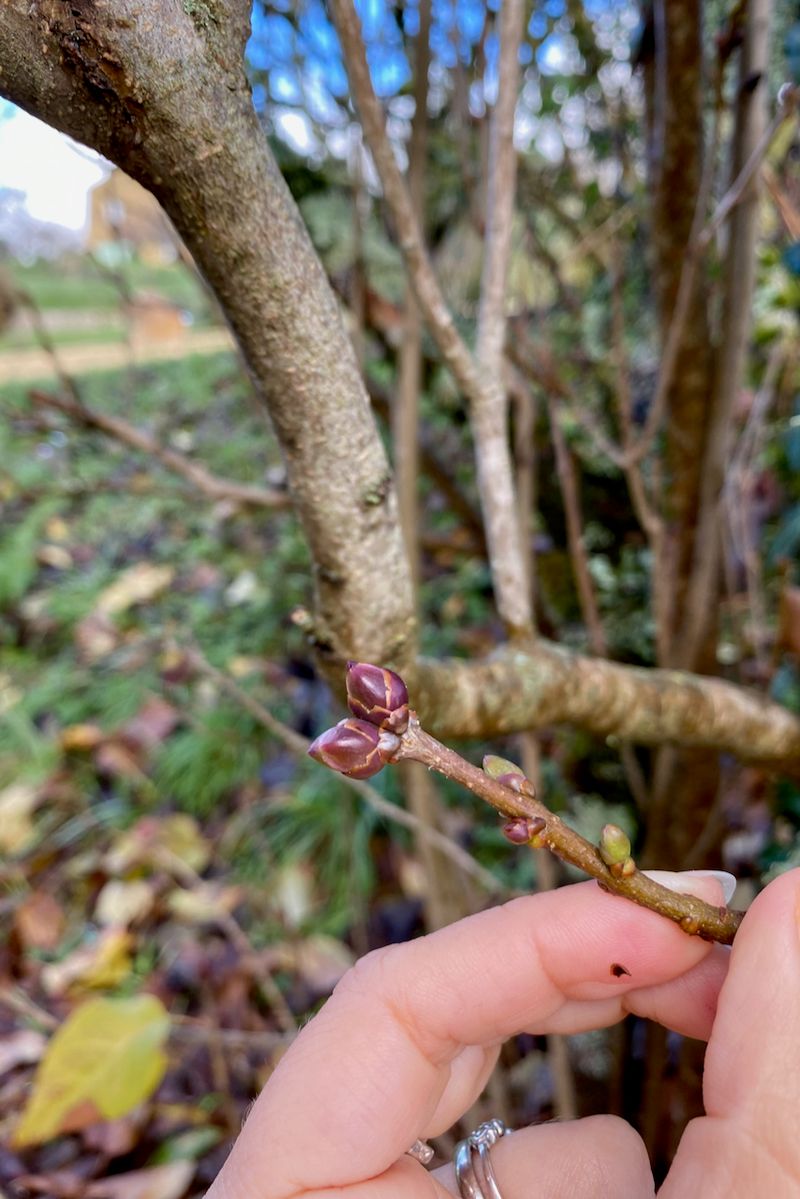
Staring at a freshly trimmed lilac can feel awful, but the news is not all bad. Cutting live, bud-bearing stems in fall can remove some or even many of next year’s flower buds, and that can shrink the spring show.
How much you lose depends on which stems you cut and how much growth came off. A light trim of a few branch tips takes far fewer buds than a heavy shearing that shortened every branch on the shrub.
Per Iowa State Extension guidance, pruning late in the season may remove many buds or diminish the floral display, which is different from a guarantee of zero flowers.
It also helps to separate live growth from dead or unhealthy wood. Taking out a broken, dead, or clearly diseased branch is a different job from shaping a healthy shrub.
A Vermont Extension Master Gardener response advises removing dead or unhealthy branches, while cautioning against early-fall pruning of a stressed lilac.
So the honest answer is this: a fall trim carries a real risk to your blooms, but it does not automatically wipe them out. The rest of this article shows how to size up the damage and when to cut next time.
Lilacs set next year’s buds after they bloom
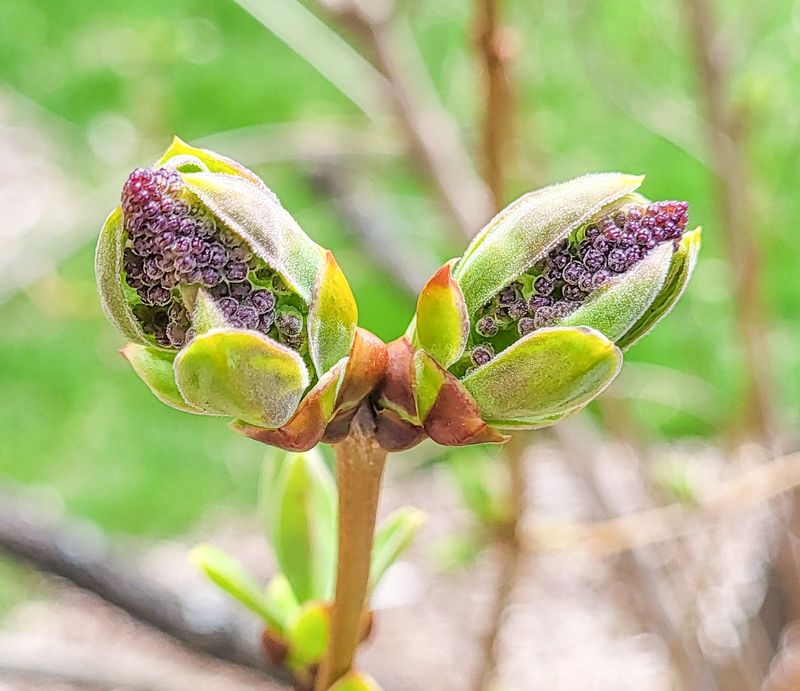
Picture the lilac calendar as a relay. The shrub flowers in spring, and soon afterward it starts forming the buds that will open the following spring.
The work for next year begins while this year’s flowers are still fading.
That is why timing matters so much. According to University of Minnesota Extension, pruning should happen just after flowering, because cutting later can remove the buds for the next bloom.
Once those buds exist, they ride along on the stems through summer, fall, and winter. A cut made in any of those seasons can take buds away with the wood.
Oregon State Extension makes the same point in its lilac pruning advice, linking the post-bloom window to protecting next year’s flowers.
Not every cut hits every bud, of course. Snip a single dead twig and the flower buds elsewhere stay put.
The risk grows with each live, bud-bearing stem you shorten, so think of every cut as a small trade.
Prune for shape just after the flowers fade
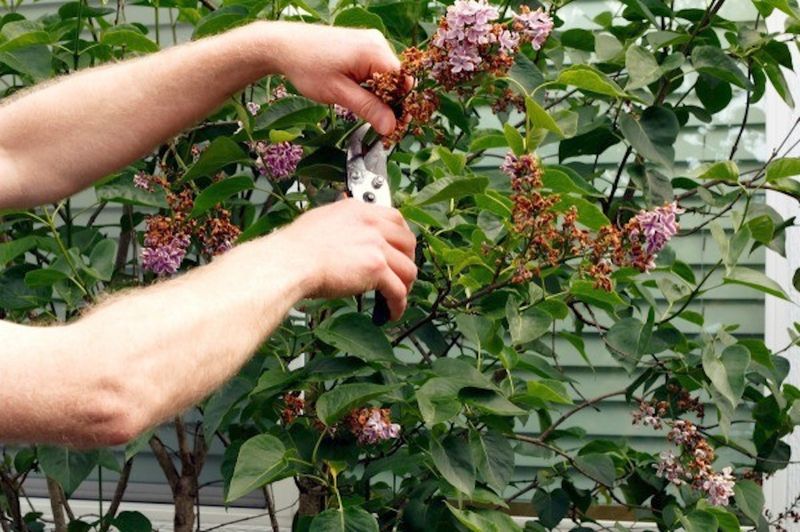
Late spring is your window. As soon as the last blooms turn brown, you can shape the shrub and tidy it up.
Waiting until summer, fall, or winter risks cutting off the buds that are already on their way.
Deadheading is the simplest job. Remove only the faded flower heads, cutting down to a pair of leaves.
The University of Minnesota suggests shearing lightly and taking off just the dead flower heads.
If the shrub is a bit too wide or tall, shape it at the same time. Oregon State Extension recommends doing this kind of regular pruning right after bloom.
Step back after a few cuts and look at the outline before you keep going.
You do not have to prune every year. A newly planted lilac usually needs no pruning for two to three years, so leave a young shrub alone while it settles in.
Even an older one may only need a deadheading pass and the removal of a few crossing or weak stems.
Here is a handy habit: put a reminder on your calendar for the week your lilac finishes flowering. That one note can save you from a fall cleanup mistake later.
Renew an overgrown shrub with care
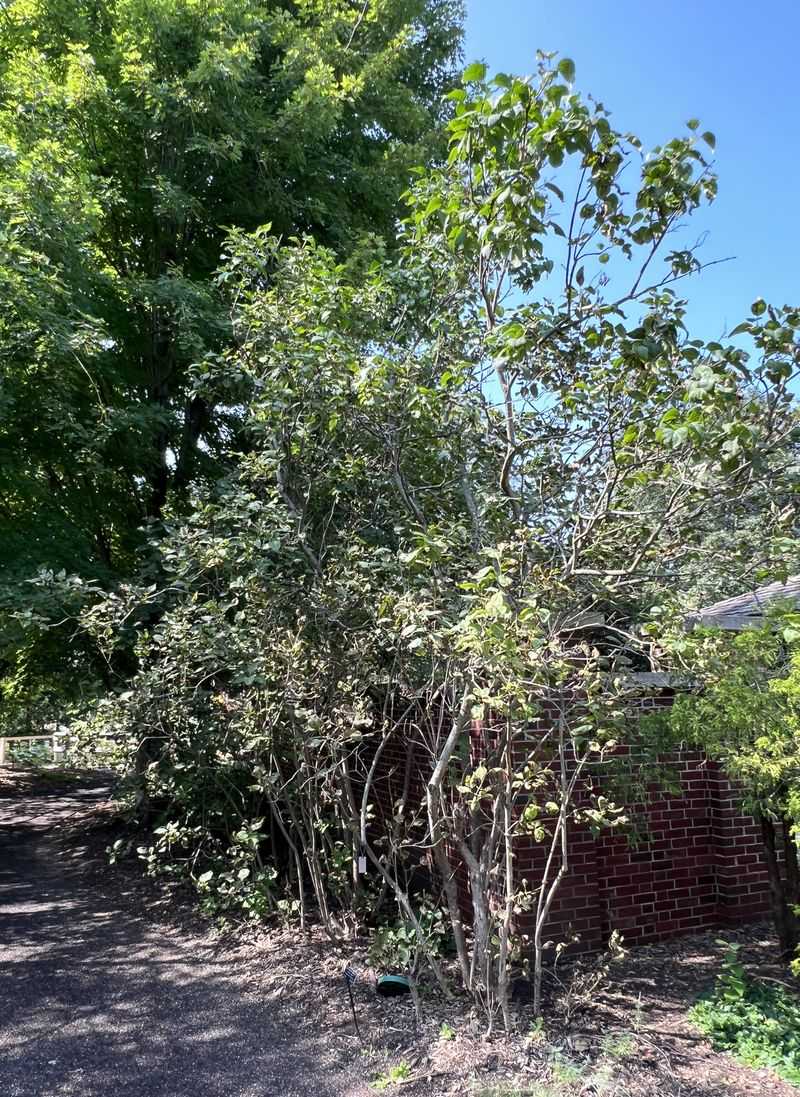
A tall, leggy lilac with flowers far out of reach is a different problem from a shrub that needs a quick shaping. That calls for renewal pruning, which is a separate job from routine care.
The gentler method is staged renewal. Each year, remove about one-third of the oldest stems at ground level, over several years.
Oregon State Extension recommends doing this just after bloom, so the shrub keeps most of its flowering wood each year.
Cut-to-ground rejuvenation is a much bigger step. The University of Minnesota describes it for certain smaller, densely branched lilacs, done in late winter, and notes that it may mean no or sparse blooms for one or two years.
Not every lilac is a candidate. Colorado State University warns in its pruning guide that grafted cultivars should not be cut to the ground, because the regrowth may come from the rootstock instead of the variety you chose.
If you are unsure whether your shrub is grafted or how dense it is, the staged approach is the more forgiving path. Either way, expect fewer flowers for a while as the plant rebuilds.
After a fall trim, wait to see what remains
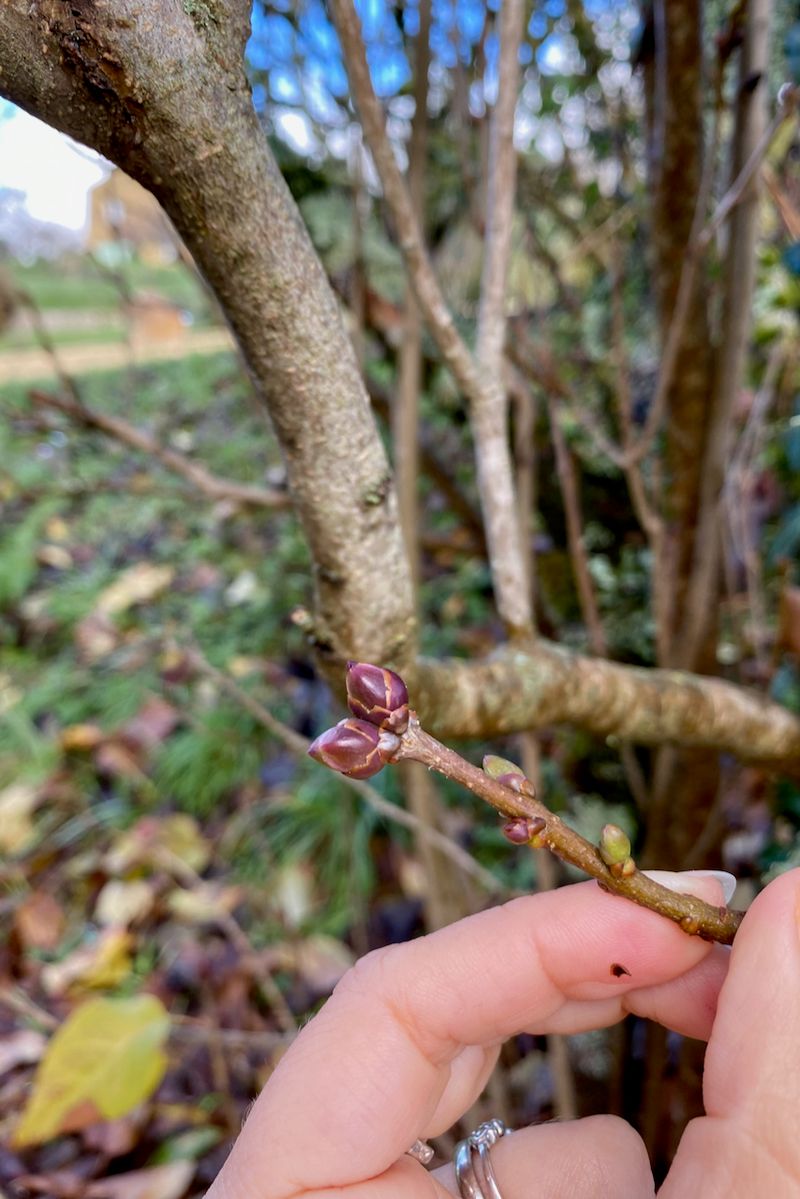
Already made the cut? Take a breath and think about what you actually removed.
If you took off a few dead or damaged branches, little or nothing has changed for your spring flowers.
If you shortened many healthy stems, more buds went with them. The amount of live, bud-bearing growth you removed is the key detail, which is why Iowa State Extension describes the result as a possible reduction in blooms and not a total loss.
There is no trick to put cut buds back, and nobody can predict an exact bloom count from here. The most useful move is simply to wait and watch.
Come spring, see which branches flower and which do not, and make a note for next year.
Resist the urge to keep trimming as a fix. More fall shaping only gives you more chances to remove buds.
Removing dead or unhealthy branches is still reasonable, and the Vermont Extension Master Gardener answer separates that task from shaping a healthy plant.
After bloom next year, you can do your regular pruning at the right time and get back on schedule.
Reblooming lilacs and autumn flowers need context
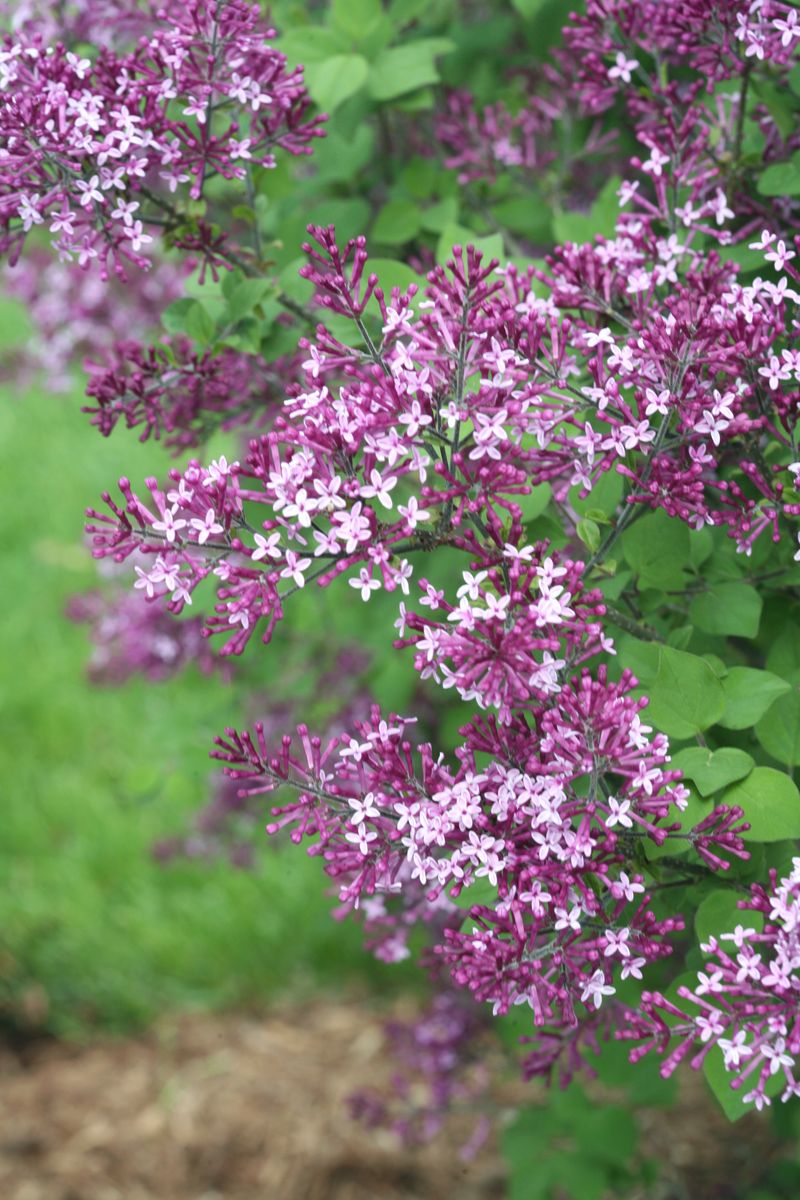
Spotting lilac flowers in October can be startling. Before you worry, consider which kind of lilac you have.
Some named cultivars are bred to rebloom. The NC State Extension page for the Bloomerang group says they can bloom in spring and again in summer or fall.
Even so, it still advises pruning right after the first bloom, since pruning at other times can diminish the following year’s display.
Ordinary lilacs do not all behave the same way, so a tip that fits a Bloomerang does not automatically fit every shrub in the neighborhood. Check your plant tag if you still have it.
Fall flowers on a non-reblooming lilac can come from stress. Iowa State Extension notes that stress-triggered fall bloom may be followed by fewer flowers the next spring.
An autumn bloom alone does not mean the shrub is dying. It is a clue to look at watering, recent weather, and other changes.
Leave those fall flowers alone, and save any pruning for just after the spring bloom.
Sparse flowers can have causes beyond pruning
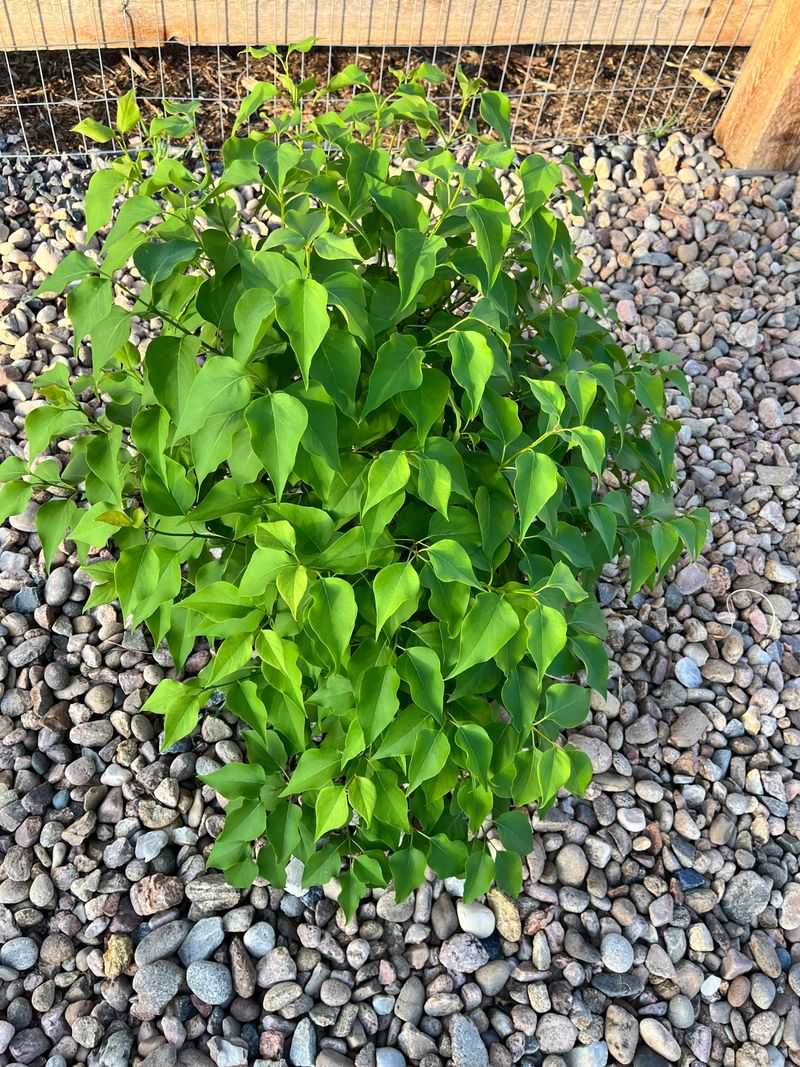
Plenty of lilacs bloom poorly in years when nobody touched them with shears. Timing is one possible reason, but it is rarely the only one.
The University of Minnesota points to several possibilities, including too little sun, a young plant, and severe pruning. Excess nitrogen is another one, since it can push leafy growth over flowers.
For common lilacs, insufficient winter chill may also play a part.
The University of Maryland Extension also covers lilac problems, which is a helpful stop if flowering troubles keep returning.
These are possibilities to consider, not a diagnosis of your particular shrub. A quick checklist can help: Does it get most of the day in sun?
Did a nearby lawn fertilizer reach its roots? Is it only a few years old?
Was it cut hard recently?
Once you have looked at those, the pruning rule is easy to remember: routine shaping belongs just after flowering. A lilac forgives a lot, but it keeps its calendar firmly in mind.