
Should You Cut Down That Dead Tree in Your North Carolina Backyard? When a Safe Snag Is Worth Keeping
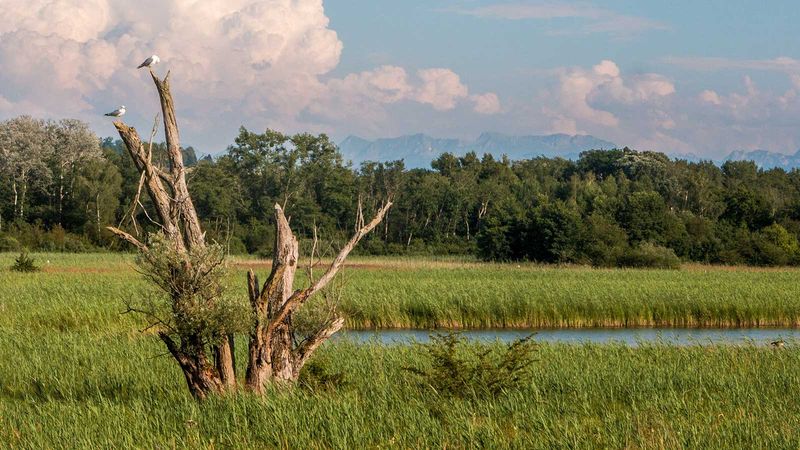
A dead tree standing at the edge of your yard might look like a chore waiting to happen. For wildlife, though, it can look like a pantry, a lookout post, and maybe a place to tuck in out of the weather.
Keeping it only makes sense if the tree is safe and fits your site. Here is how to sort out which dead trees are worth keeping and which ones need to go.
A dead tree can still support a living backyard
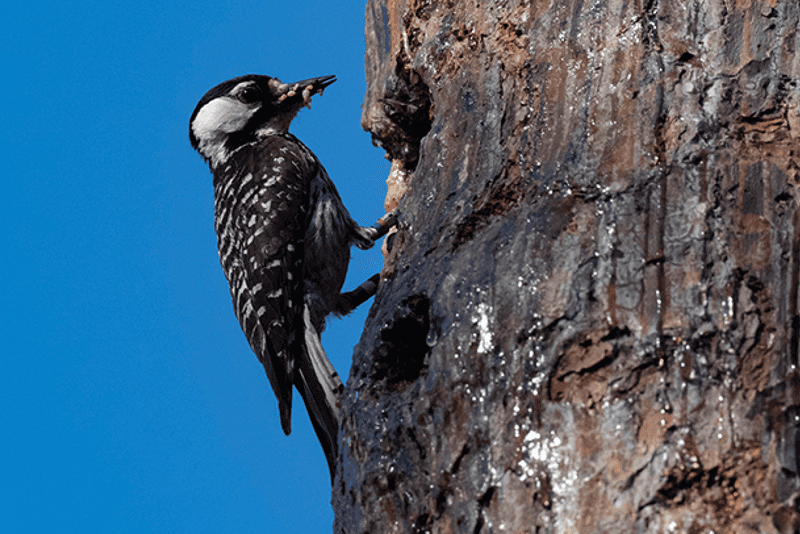
A standing dead tree, often called a snag, is not really finished doing its job. According to NC State Extension, snags can provide food, cover, perches, and cavities for wildlife.
Insects move into softening wood, and birds that eat insects follow.
Woodpeckers are the carpenters of this system. They excavate cavities in decaying wood, and those holes can later be used by other cavity users.
In North Carolina, possible users include Carolina chickadees and eastern screech owls, along with some bats.
Notice the word possible. A snag is potential habitat, not a guaranteed apartment building.
Whether a given tree gets used depends on its size, how decayed it is, where it stands, and which animals live nearby.
Even a bare snag with no holes can earn its keep. Flycatchers and bluebirds may use it as a lookout, and hawks may pause there to scan the yard.
Bark that is loosening can hide beetles and spiders that chickadees and woodpeckers love to hunt.
That is why a safe snag can be a real asset in a backyard that already has native plants, water, and shelter. And if a snag eventually falls, the log can still offer cover and foraging habitat for other wildlife on the ground.
A dead tree can be a quiet part of the yard’s ecosystem, as long as it is not a danger to anyone.
Winter shelter is a possibility, not a promise
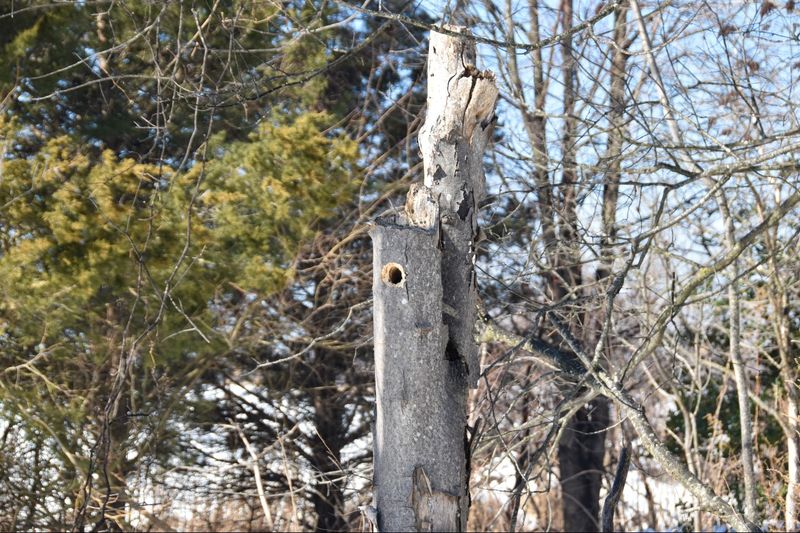
Cold nights make a cozy tree hole sound like a sure thing. In reality, a snag may offer seasonal shelter, but no animal is guaranteed to use it.
Some birds do use cavities for roosting in cold weather, and the cavities that NC State Extension describes are part of that picture.
Snags are not the only option, though. NC State’s backyard bird guidance points to evergreens and dense shrubs as nighttime roosting cover in winter.
A thick eastern red cedar or a holly hedge may shelter more birds on your property than a hollow limb does.
Bats need a separate conversation. Whether a bat roosts in a tree depends on the species and on features such as loose bark, cracks, or cavities.
NC Wildlife notes that bats in North Carolina vary in their winter behavior and generally prefer caves or mines for hibernation, and U.S. Forest Service material on forest management and bats also ties tree roosting to specific tree features.
So a typical backyard snag should not be treated as winter housing for bats. A better way to think about it is year-round habitat.
In summer it may hold roosting spots and insects, and in winter it may sometimes offer a cavity, but only for the animals that fit its features.
What could the tree hit if it fails?
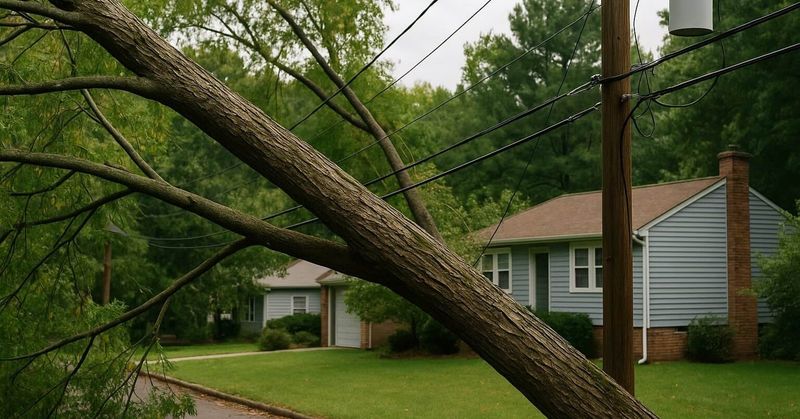
Many people judge a dead tree by one question: could it reach the house? That is too narrow.
A tree can miss the roof and still hit a neighbor’s fence, a parked car, a play area, or a path where people walk.
NC State Extension’s citizen guide to community trees points to several kinds of risk. These include structural defects that could harm people or property, trees that block sightlines, and conflicts with utility lines.
A snag that cannot reach your home may still be a poor fit for its spot.
Walk the yard and picture the tree dropping a limb, or the whole tree. Look at what sits beneath each side of the crown.
Then note where people gather, where cars park, and where lines run overhead.
Warning signs can include large dead limbs, cracks, leaning, fungus at the base, or loose, peeling wood. You may not be able to judge how serious they are.
A certified arborist can look at the tree’s condition and the targets around it and tell you whether it is reasonable to keep.
Resist the urge to handle a questionable tree yourself. Felling a tree is dangerous work, and a dead one can behave unpredictably.
Keeping a snag is a good choice only when someone qualified has found it safe.
A shorter snag or fallen log may preserve habitat
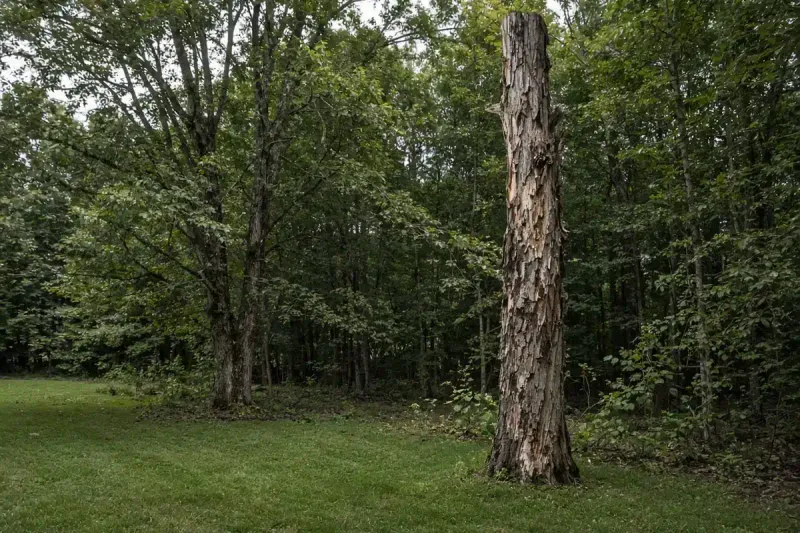
Sometimes the full-height snag is the problem, but the habitat does not have to disappear with it. If an arborist finds that the tall tree presents a risk, ask whether a shorter wildlife snag is feasible.
University of Florida IFAS Extension describes this idea in its guidance on woodpecker poles and habitat wood.
A shorter snag is not an option at every site. It depends on the tree’s species and condition, how sound the remaining wood is, and what stands nearby.
That judgment belongs to the arborist, not to a weekend chainsaw project.
If the tree must come down altogether, the wood can still do some good. A log left in a place where it will not create another hazard can keep some habitat value.
As NC State Extension explains, fallen logs can still offer cover and foraging habitat for other wildlife.
Placement matters. A log tucked along a back fence line or under shrubs is very different from one rolled onto a slope above a neighbor’s yard or stacked near the house.
Fire and pests are also reasons to be thoughtful about where the wood rests.
Ask the crew you hire about these options before the work is scheduled. A few sentences with your arborist can turn a full removal into a smaller, wildlife-friendlier plan.
Check for nests, rules, and utility lines before work
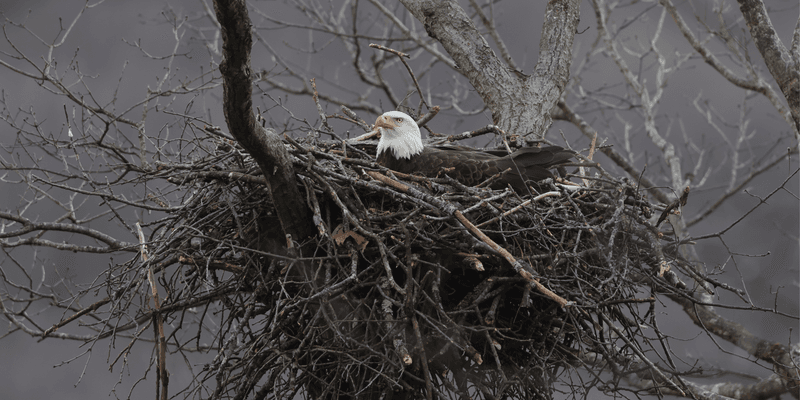
Once safety is sorted, a second set of checks comes before anyone picks up a saw. First, look for nests.
Federal guidance from the U.S. Fish and Wildlife Service says that destroying a migratory bird nest containing eggs or dependent young is illegal without authorization.
Cavities can be hard to spot from the ground, so a quick look is not always enough.
That rule is narrow, and it does not mean every nest has the same legal status. It does mean that timing and a careful check matter, especially in the spring and summer breeding season.
If you are not sure whether a cavity is active, say so when you talk with your arborist.
Next, find out which local rules apply. NC State Extension’s guide to trees in the community notes that permits or limits may apply to trees in riparian buffers, under easements or covenants, or covered by local ordinances or HOA rules.
A call to your town or county, and a read through your HOA documents, can save trouble later.
Finally, look up. The same guide says work within 10 feet of overhead high-voltage lines requires contacting the utility first.
Do not trim, climb, or fell near those lines on your own.
Defensible-space needs can change the decision
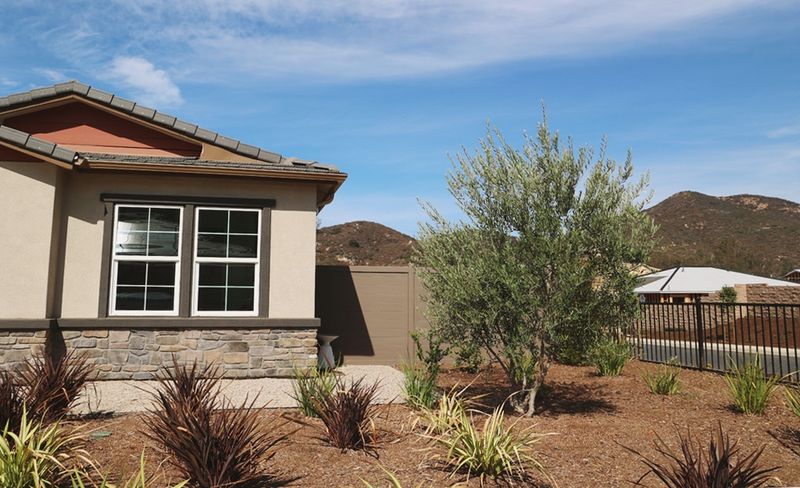
Wildfire is a real concern in parts of North Carolina, and it can change the answer for a dead tree. A 2025 NC State Extension guide to fire-resistant landscaping advises removing standing dead trees within defensible space.
It suggests keeping wildlife snags only at the outer edge of that zone, which the guide gives as 80 to 100 feet from the home.
That distance belongs to this guide and its fire-planning purpose. It is not a general rule for how far a dead tree must stand from a house, and it does not replace a safety assessment.
A snag can be far from the house and still be a hazard for other reasons.
The guide also says defensible-space needs vary with vegetation and terrain. A yard on a wooded slope with dry understory plants may need a different plan than a flat lot with mowed lawn.
So measuring 80 feet with a tape and calling it done is not the right approach.
If you live near woodland, ask your arborist or your local fire officials how your property fits into a fire plan. Bring up any snag you hope to keep.
If it falls inside the zone that should be cleared, the safer choice may be to remove it and use a log or a snag farther out instead.
Make the choice tree by tree
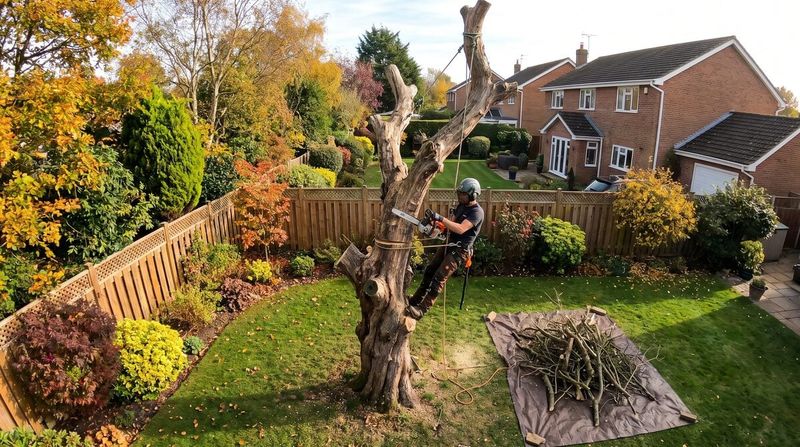
Think of the decision as a short path. Keep the snag if a qualified assessment finds it safe, and if local rules and your fire plan allow it.
If the risks are unclear, ask a certified arborist, as NC State Extension’s tree guide suggests for tree concerns.
If the tall tree has to go, ask about a shorter wildlife snag or a safely placed log, as UF IFAS guidance describes. In fire-prone sites, remember that the defensible-space advice may point toward removal near the house.
No blanket command to keep or cut every dead tree fits every yard. A dead tree is simply a tree with a question attached to it.