
Still Seeing a Hummingbird at Your Feeder in Late Fall? How to Keep Nectar Fresh and Accessible
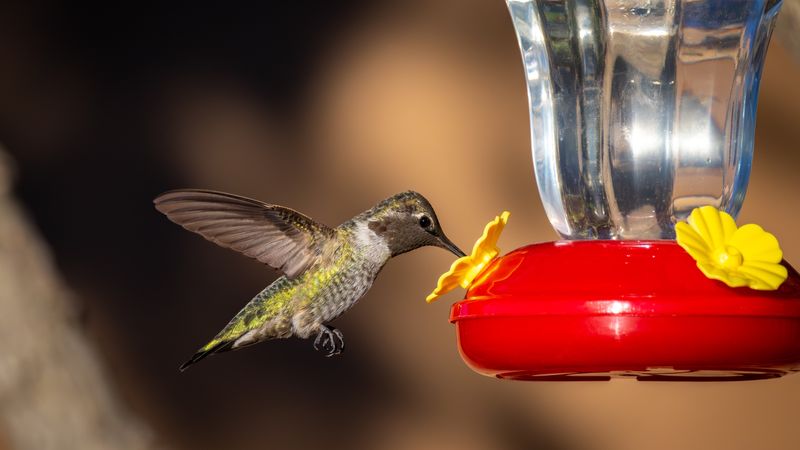
A tiny hummingbird zipping up to your feeder after the leaves have dropped can feel like a surprise gift. It can also make you wonder what you are supposed to do.
Good feeder care is something you can control, and a few simple habits keep the nectar safe and easy to reach. Here is how to handle it, one step at a time.
A late hummingbird isn’t automatically a straggler
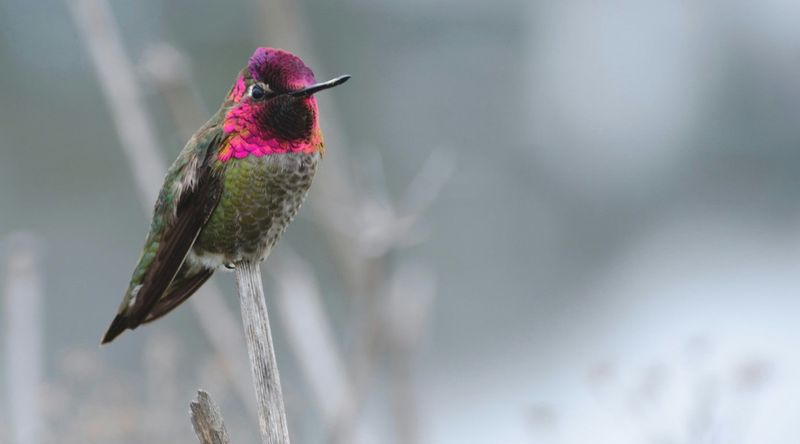
Seeing a hummingbird in late fall can tug at your heart. It is natural to picture a lost little traveler running out of time.
But one visit tells you very little about the bird itself.
Hummingbird species and their normal seasonal timing vary a lot across the United States. Some hummingbirds regularly spend the winter in parts of the country, while other species are migratory.
You can read more about how these birds move through the seasons in this U.S. Fish and Wildlife Service overview of North American hummingbirds.
A bird in your yard in November might be a local winter resident, a late migrant, or an unusual visitor that wandered far from its usual range, which birders call a vagrant.
So try not to guess the bird’s condition or destination from a single sighting. A hummingbird that zooms in, drinks, and zips away looks like a bird going about its day.
Even how birds travel is more complicated than most people expect, as Cornell Lab explains in its piece on hummingbird migration.
The good news is that you do not need to solve the mystery to be helpful. What you can control is the feeder: what goes in it, how clean it stays, and whether the nectar can be reached when the weather turns cold.
The next sections walk through exactly that.
Leaving a feeder up does not appear to delay migration
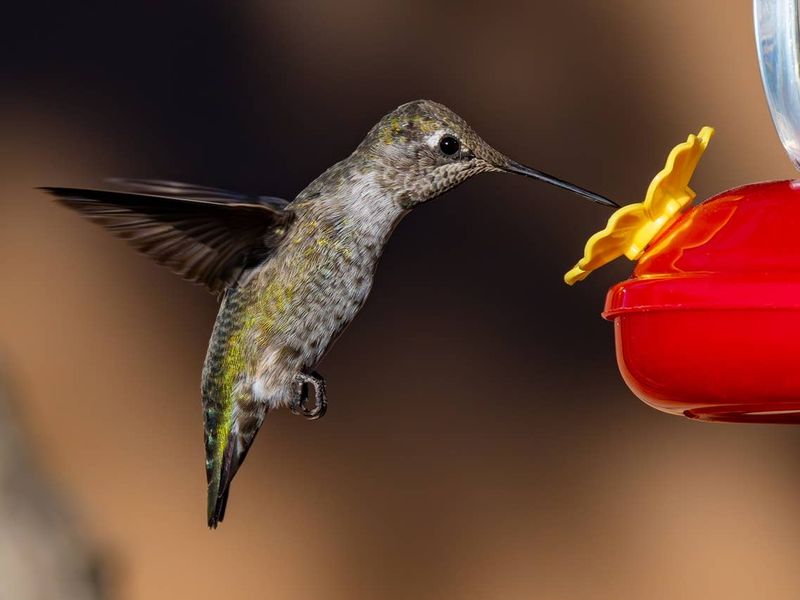
Many people worry that a full feeder will convince a hummingbird to stay when it should be heading south. That concern is understandable, but the guidance from experts is reassuring.
Cornell Lab guidance indicates that leaving a feeder up does not appear to delay migration.
Migration responds to cues, including the shortening length of the day. Birds that are ready to go tend to leave on their own schedule.
Meanwhile, a feeder can offer a useful meal to a late migrant passing through.
When to take the feeder down is where advice differs, and there is no single national date. Cornell Lab recommends leaving feeders up for several weeks after the last hummingbird you see locally.
Audubon’s yard guidance suggests two weeks.
An older U.S. Fish and Wildlife Service booklet gives different advice for places with subfreezing winters.
These recommendations do not perfectly match, so treat them as a range rather than a fixed rule.
Your own local sightings matter most. So does your honest answer to one question: can you keep the feeder clean and the nectar reachable?
If you can, keeping it up is a reasonable choice.
Use the standard nectar recipe
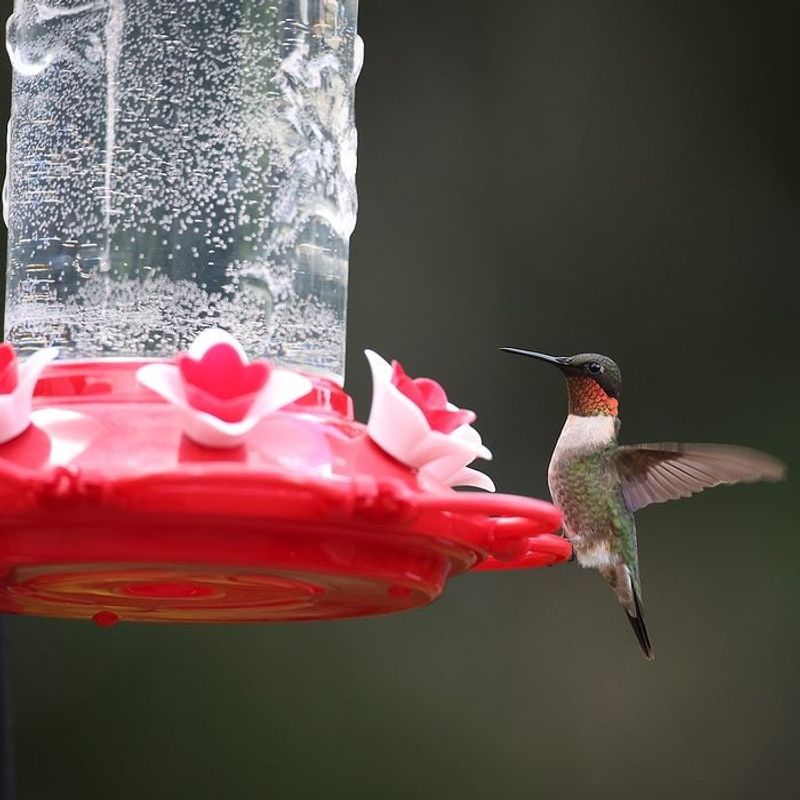
The recipe is simple: mix 1 part refined white sugar with 4 parts water. For example, that could be one cup of sugar stirred into four cups of water.
Audubon’s hummingbird-friendly yard guide uses this same ratio.
Stir until the sugar dissolves completely. Let the mixture cool before filling the feeder, so you are not pouring warm liquid into plastic parts.
It may be tempting to add extra sugar when the air turns chilly, hoping for more energy or a lower freezing point. Skip that idea.
Oregon State University Extension says to keep the same formula even in frigid conditions. Stronger nectar is not the answer.
Some ingredients do not belong in the feeder at all. Leave out honey, artificial sweeteners, red dye, and any other additives.
Clear, plain sugar water is all that is needed, and the red color on your feeder’s ports already catches a hummingbird’s eye.
Keep nectar fresh and the feeder clean
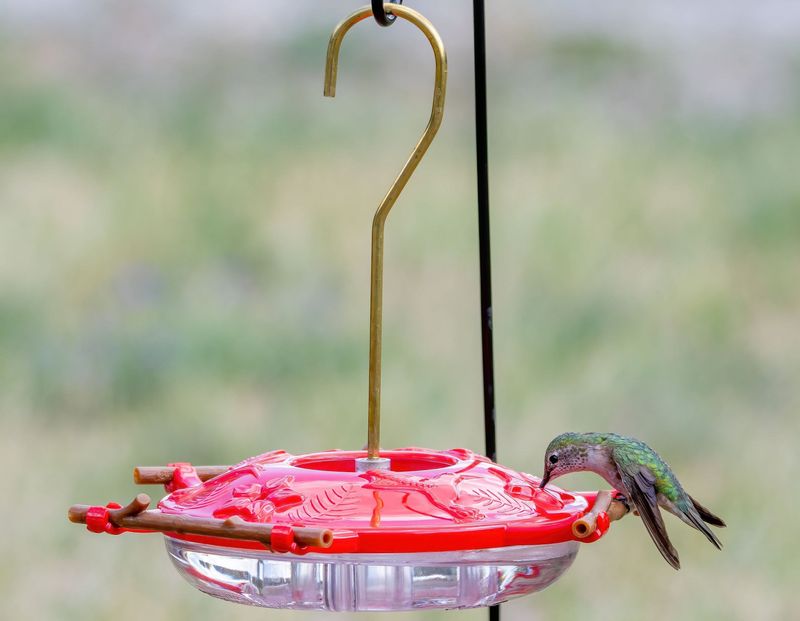
Fresh nectar matters even when the weather is cool. Plan to replace it every 3 to 5 days, and more often if you get a warm spell.
Dumping out old nectar before it spoils is easier than scrubbing a feeder that has gone bad.
The feeder itself needs regular attention too. Cornell Lab recommends cleaning hummingbird feeders at least once a week.
Mark a day on your calendar so it becomes a habit.
Watch for clues that it is time to clean sooner. Cloudy nectar is one sign.
Any visible mold, such as dark specks or fuzzy spots near the ports, is another.
When you clean, take the feeder apart and rinse every piece thoroughly. A small bottle brush helps with narrow ports and corners.
Then let everything dry fully before you refill it.
Having a second feeder or a spare set of parts makes this easier. You can hang a clean, filled one right away while the other dries.
A simple routine like this keeps the food safe for any bird that stops by.
What to do when the feeder freezes
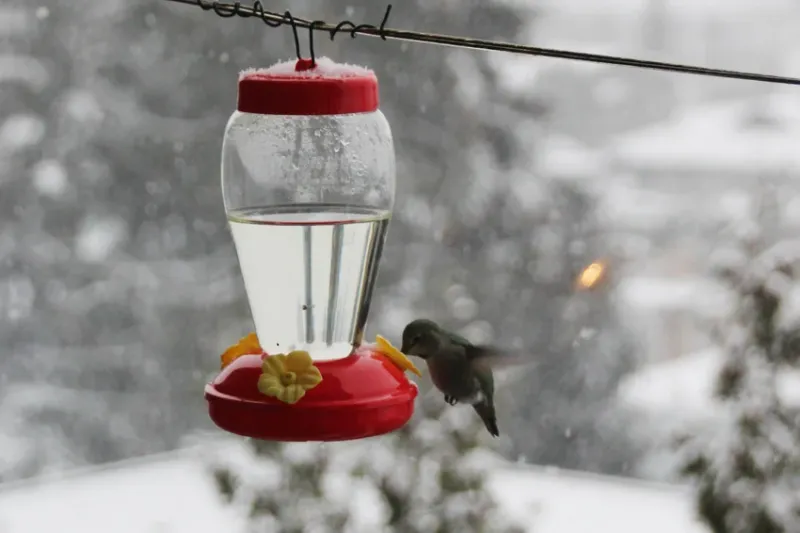
When the forecast dips below freezing, nectar and feeding ports can turn to ice. A frozen feeder is no use to a hungry bird.
Fortunately, there is an easy fix if you choose to keep feeding.
Bring the feeder indoors overnight, then hang it back out early in the morning. That timing lets any visiting bird find liquid nectar at first light.
Oregon State University Extension recommends bringing feeders inside in cold conditions to prevent freezing.
Keep the goal clear in your mind. You are keeping food accessible, not warming the bird, and nothing about a feeder can promise that a hummingbird will make it through winter.
Your job is simply to offer unfrozen nectar.
You may have heard that hummingbirds can slow their bodies down in a state called torpor to save energy. That is true, and the U.S.
Fish and Wildlife Service mentions it. But torpor does not prove a bird or a feeder setup is safe in freezing weather, so it is not a reason to relax.
If getting the feeder in and out each day is more than you can manage, that is okay. Feed only as long as you can keep it working.
Leave an ill or injured bird to wildlife experts
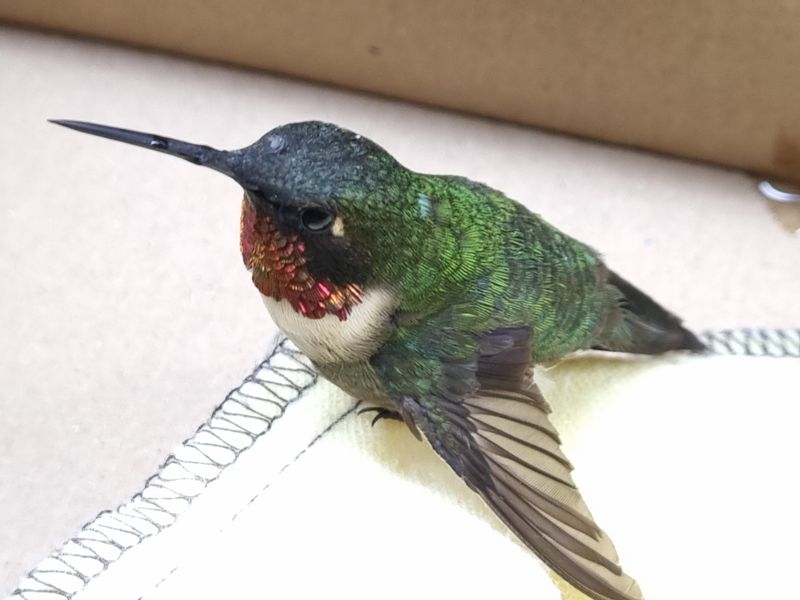
Feeder care and wildlife care are two different jobs. Filling and cleaning a feeder is something you can do confidently.
Treating a sick or hurt bird is not.
If a hummingbird looks ill or injured, do not try to feed it, warm it, or treat it yourself. Call a licensed wildlife rehabilitator and ask for instructions.
They can tell you what to do based on what you are seeing.
Audubon advises against trying to catch a sick bird that is still mobile. Chasing or grabbing it can add stress and make things worse.
Try not to read too much into one quick look. A bird that sits quietly for a moment or fluffs its feathers against the cold may not be in trouble.
Note what you see, such as how long it stays still, whether it can fly, and any visible injury, so you can describe it clearly when you call.
Keep feeding only while you can maintain the feeder safely
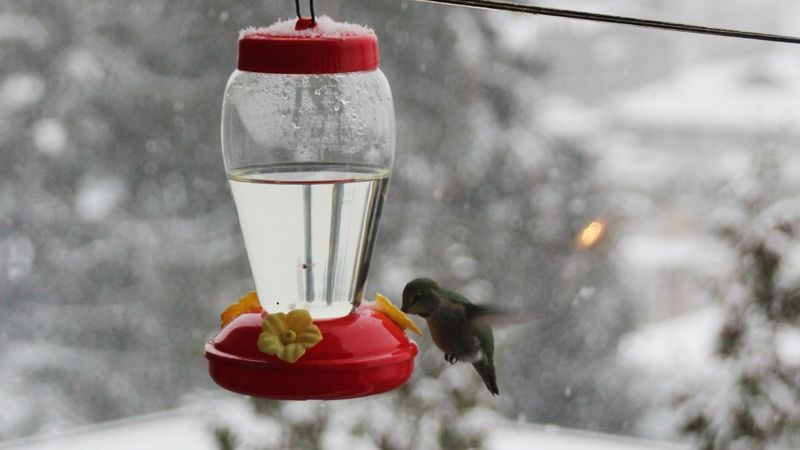
You can keep offering fresh nectar for as long as you are able to keep the feeder clean and the nectar reachable, as Cornell Lab and Oregon State Extension both suggest.
A late visit does not prove the bird needs rescuing, and no feeder can guarantee its survival.
Some birds simply keep to their own calendar, and your well-kept feeder is one small stop along the way.