
Getting Your Christmas Cactus To Bloom Isn’t Luck – 11 Timing Tricks That Set Buds Before The Holidays
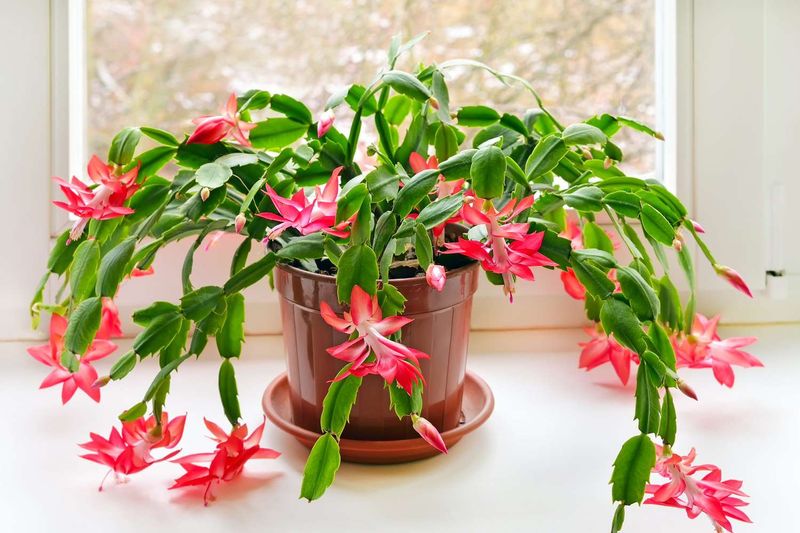
Your Christmas cactus sat green and healthy all year, so why does it refuse to flower when December rolls around? The answer is almost always timing, not bad luck or a weak plant.
A few simple changes to light, temperature, and water in early fall tell the plant it is time to make buds. Start these tricks on schedule, and your windowsill can be full of pink, red, or white blooms right when the holidays arrive.
1. Start a Rest Period in Late September
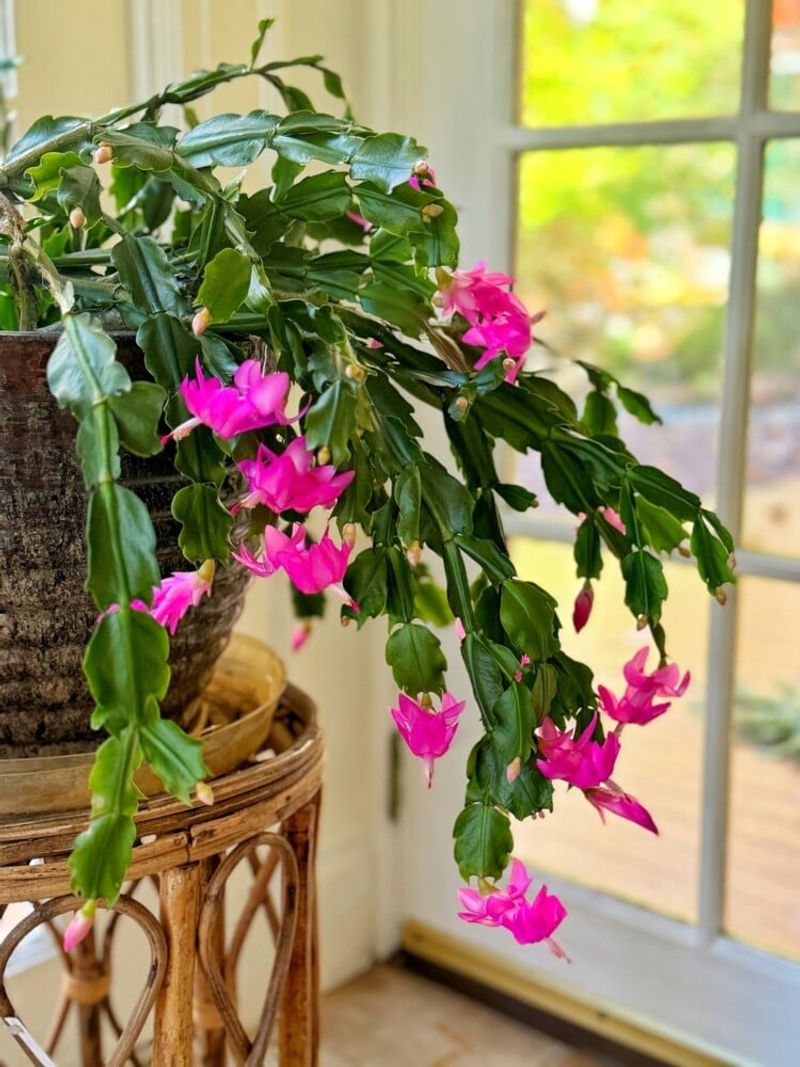
Think of late September as the moment your Christmas cactus gets its wake-up call. In its home forests of Brazil, the plant feels autumn coming through shorter days and cooler air, and it answers by making flower buds.
Indoors, it needs your help to notice the change. Plan for a rest period of about six to eight weeks, starting in late September or early October.
Count backward from the holidays if that helps. Buds usually show up roughly a month or more after the rest begins, then take several more weeks to open, so a mid-October start can still work but pushes your blooms later.
Mark the date on your calendar now so you are not scrambling in November.
2. Give It 12 to 14 Hours of True Darkness
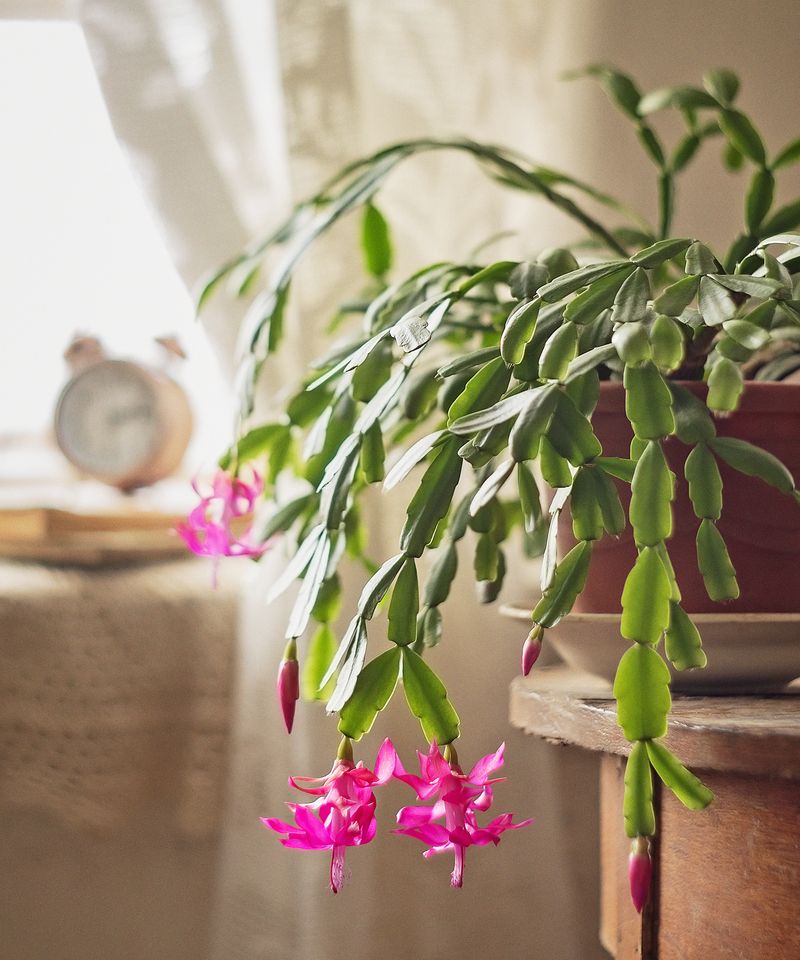
Here is the trick most people miss. A Christmas cactus counts the hours of darkness, and a single lamp flicked on at night can reset its count.
From early fall, aim for 12 to 14 hours of unbroken dark every night. A spare bedroom, a closet, or a cardboard box placed over the plant at dinnertime all work well.
Bring it back to a bright spot in the morning. Yes, it feels a little silly to tuck a plant in, but this nightly routine is often the difference between a few lonely flowers and a plant covered in color.
3. Let Nights Cool Down to 50-55°F
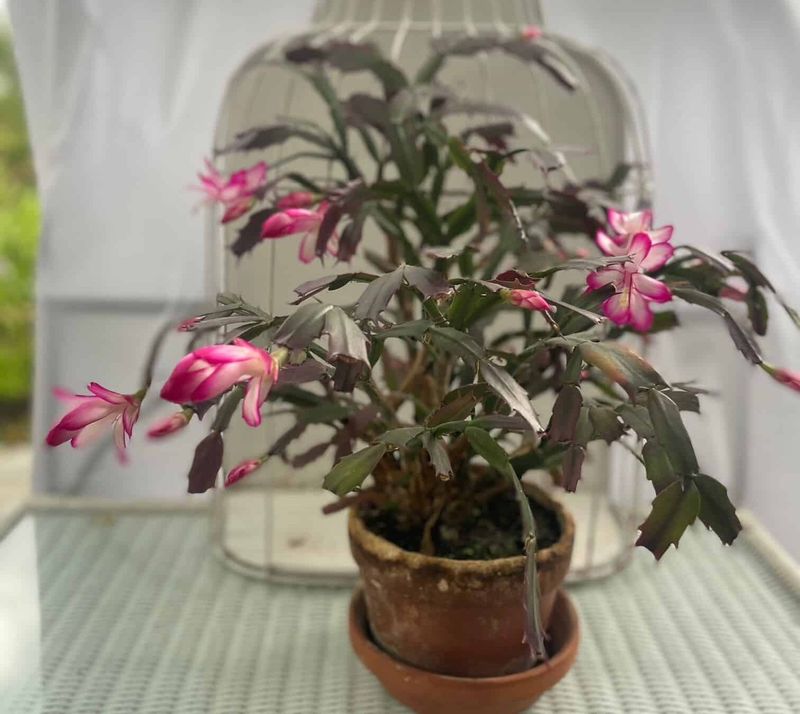
Cool nights act like a second signal on top of darkness. When evenings drop to around 50 to 55°F, bud set tends to kick into gear.
An unheated sunroom, a chilly guest room, or a basement window often lands right in that range. Some gardeners even leave the plant on a porch until nights threaten to dip below 45°F, then bring it inside quickly.
Fun fact: with cool enough nights, a Christmas cactus can set buds even without perfect darkness. Combining both cues simply makes success much more likely.
4. Keep Daytime Temperatures Moderate
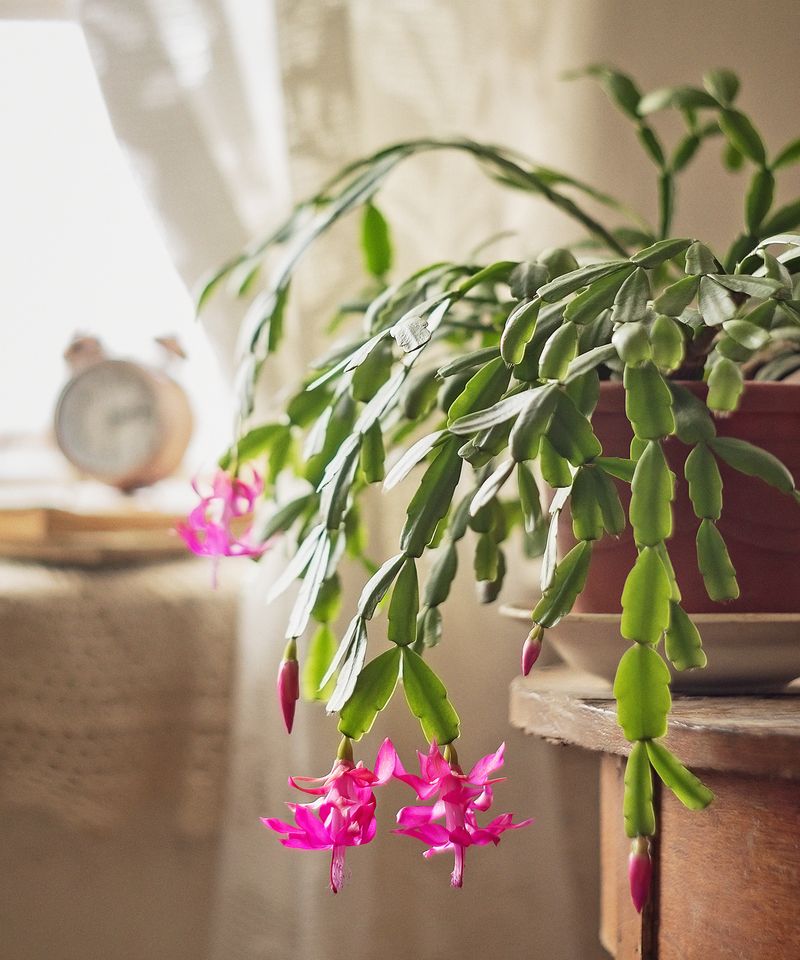
Chilly nights do not mean your plant wants a cold day too. Daytime temperatures of roughly 60 to 70°F keep it comfortable while it quietly builds buds.
Some growers prefer the cooler end, around 60 to 65°F, during bud formation. A normal fall home often fits this naturally, as long as the plant is not baking in a hot sunny window.
If your house runs warm, look for the coolest bright room you have. That small move can keep the plant steady instead of stressed.
5. Steer Clear of Heat Vents and Cold Drafts
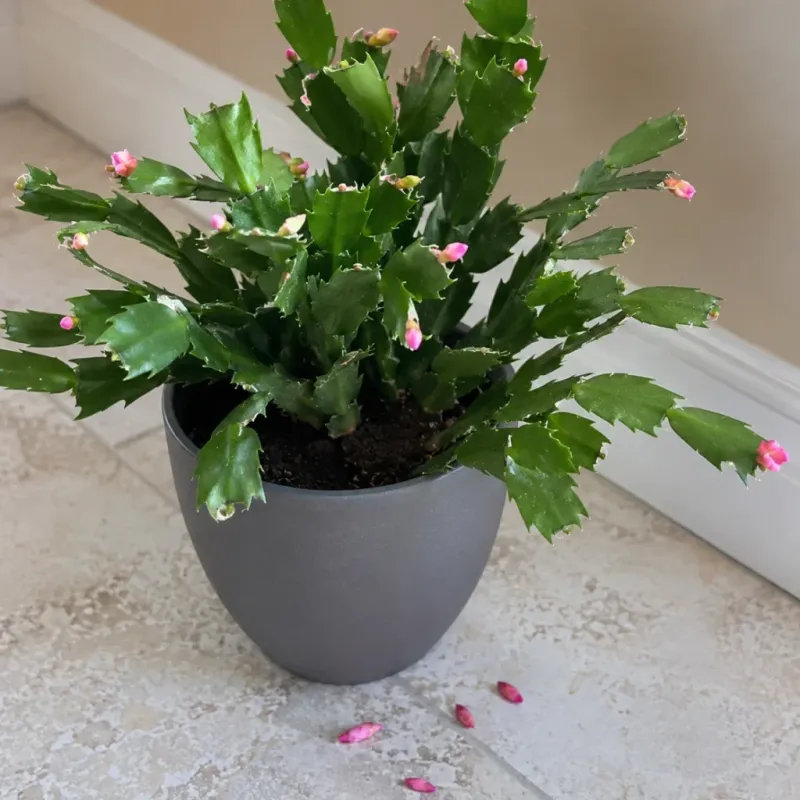
Picture this: tiny buds everywhere, then one morning half of them are lying on the windowsill. Sudden swings in temperature are a common cause of that heartbreaking bud drop.
Keep your Christmas cactus away from radiators, heating vents, fireplaces, and drafty doors. A spot that feels pleasant to you without a sweater is usually a safe bet.
Watch out for windows on frosty nights, too. Glass can get surprisingly cold, so slide the pot back a few inches when temperatures plunge.
6. Cut Back on Water by Mid-October
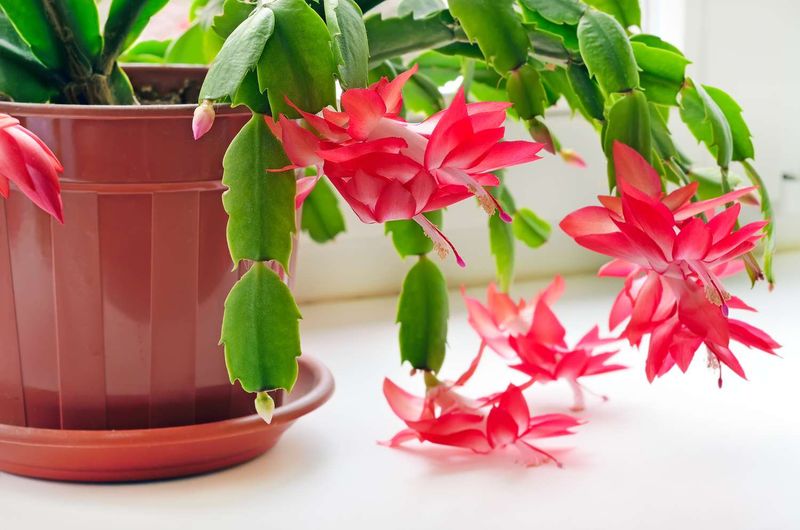
A little thirst goes a long way. Around mid-October, start watering less often and let the top inch or two of soil dry out before giving the plant a drink.
That near-drought feeling tells the plant to stop pushing new leaves and focus on flowers. Just do not let it shrivel; slightly limp segments mean it is time for water.
Your finger is the best tool here. Poke it into the soil, and if it still feels damp, wait a few more days.
7. Water More Once Tiny Buds Appear
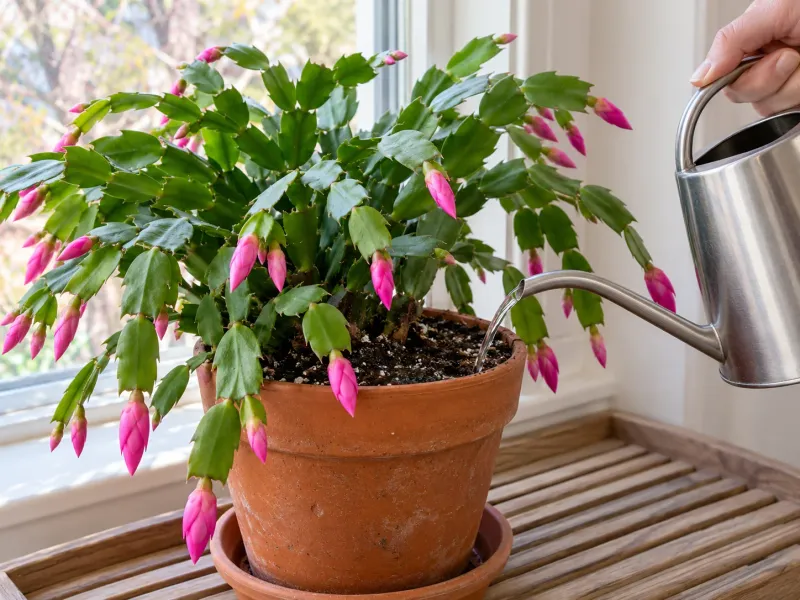
Those little pink nubs at the segment tips are your reward, usually showing up in early to mid-November. Once you spot them, the plant’s needs change.
Gradually increase watering so the soil stays evenly moist but never soggy. Developing buds use a lot of water, and dry soil now is one of the fastest routes to bud drop.
Empty any water sitting in the saucer after about 15 minutes. Wet feet can rot the roots, which undoes all your careful timing.
8. Offer Bright, Indirect Daylight
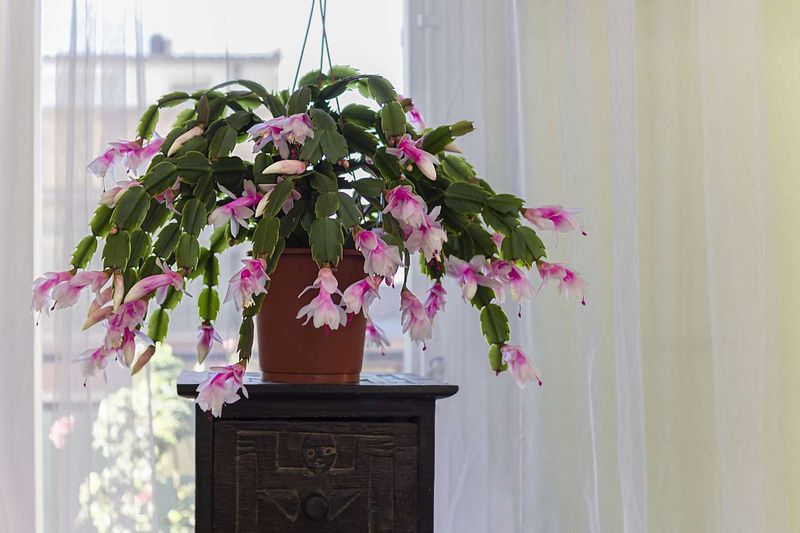
Darkness at night only works if the days are bright. Your Christmas cactus wants around 8 to 10 hours of bright, indirect light while it is building and opening buds.
An east-facing window or a spot behind a sheer curtain is ideal. Harsh afternoon sun can redden or scorch the segments, while a dim corner usually means fewer flowers.
If the leaves look washed out or reddish, pull the plant back from the glass a bit.
9. Stop Feeding in Fall
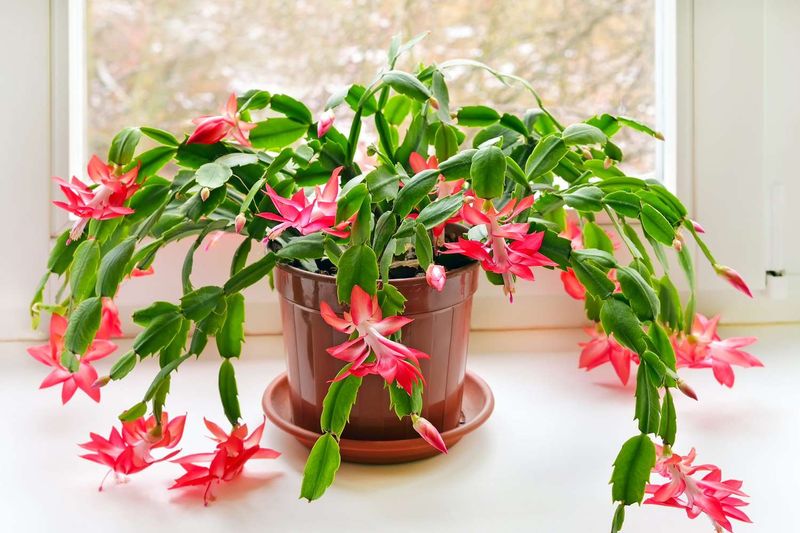
Plant food feels like kindness, but in fall it can work against you. Fertilizer encourages leafy growth, and that may get in the way of flower production.
Stop feeding when the rest period begins and hold off through the whole blooming season. Save the bottle for spring and summer, when a balanced fertilizer at half strength can help the plant grow strong.
Bonus: skipping fertilizer for a few months is one less chore during a busy season.
10. Leave the Plant Where It Is Once Buds Form
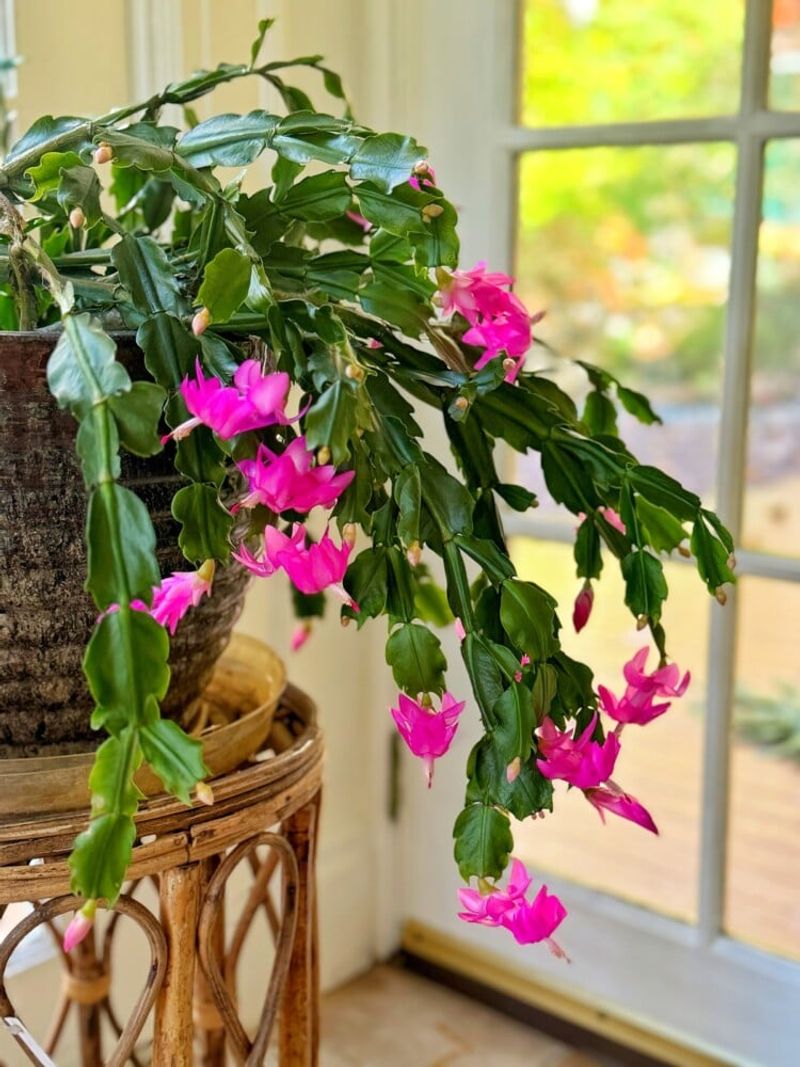
It is tempting to carry a budding plant to the dining table or a friend’s house. Resist the urge if you can.
Buds that are forming have adjusted to their current light and temperature. Moving the pot changes both, and the plant may respond by dropping buds before they open.
Even turning the pot can upset it. Pick its holiday spot before buds appear, then let it stay put until the flowers are open.
11. Boost Humidity Around the Pot
Despite the name, this cactus comes from humid tropical forests, not deserts. Dry indoor heat in winter can leave buds struggling.
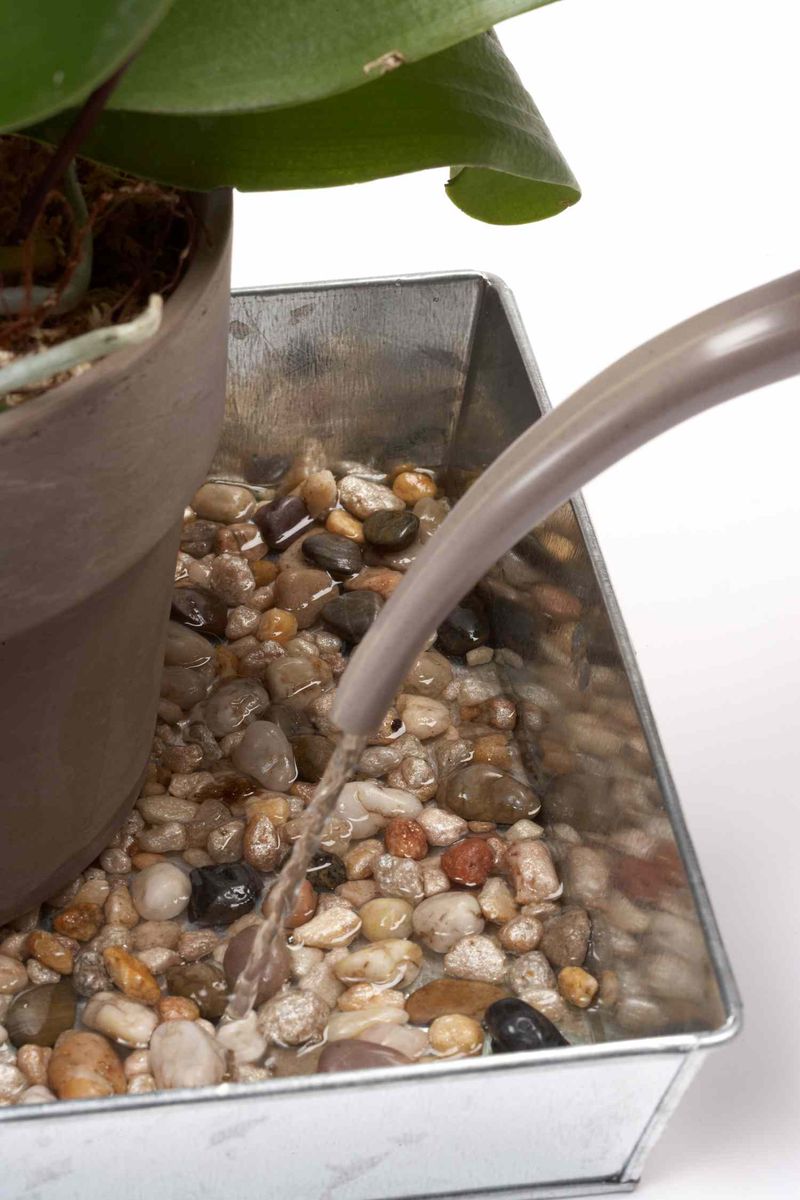
An easy fix is a tray of pebbles with a little water, set under the pot so it sits above the waterline. Light misting or grouping it with other houseplants can add moisture as well.
None of this costs much, and a bit of extra humidity may help keep buds plump right up until they open for the holidays.