
Skunks Dig Little Cone-Shaped Holes Across Your North Carolina Lawn Because The Grubs Below Are Thriving
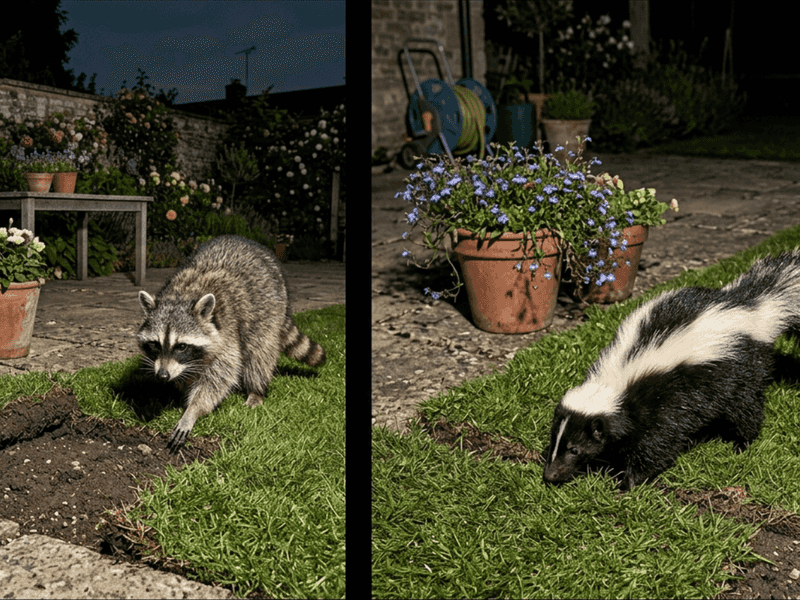
Waking up to a yard full of small, cone-shaped holes can feel alarming, especially when you have no idea what caused them overnight. For many North Carolina homeowners, a skunk quietly working through the turf is the likely culprit, but the holes alone cannot tell you that for certain.
Understanding what those divots may or may not mean is the first step toward protecting both your lawn and the wildlife passing through it.
The holes suggest foraging, not a grub diagnosis
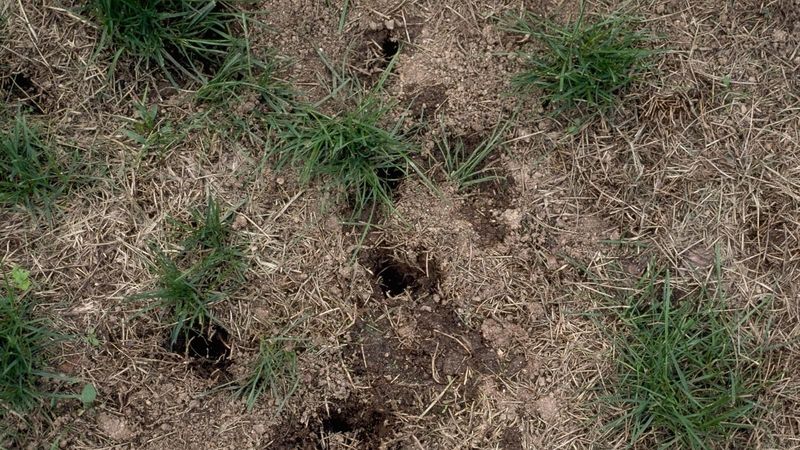
Scattered divots appearing overnight across a North Carolina lawn can stop a homeowner in their tracks, and for good reason. Shallow, cone-shaped holes roughly 2 to 4 inches across, sometimes surrounded by small clumps of overturned soil, match the foraging pattern that Penn State Extension describes for skunks.
But matching a description is not the same as a confirmed identification.
Raccoons, squirrels, birds, moles, earthworms, ants, ground-nesting wasps, and other animals can all leave behind disturbances that look similar at first glance. University of Minnesota Extension distinguishes between skunk and raccoon divots, tiny ant holes, wasp burrows, and earthworm castings, noting that size, depth, and the presence of overturned sod are all meaningful clues.
A single hole tells you very little; the full pattern tells you more.
Before settling on any explanation, walk the yard and note how many holes appeared, roughly how large and deep each one is, and whether any loose soil was pushed aside rather than simply punched down. Look for tracks in soft soil near the holes, and consider when the disturbance first appeared.
Nocturnal digging that begins in late summer or fall and leaves shallow, dead-end pockets often points toward a foraging mammal, but that still leaves several candidates.
University of Maryland Extension and the NC State arthropod pest guide both reinforce the same point: lawn holes are evidence that something found a reason to dig, not proof of what that something was or what it found. Treat the pattern as a useful clue worth investigating, not a verdict requiring immediate action.
What a skunk may be finding beneath the turf
A skunk that crosses a yard repeatedly is following a food signal, and what lies underground in a North Carolina lawn can be surprisingly varied. White grubs, earthworms, beetle larvae, and other soil invertebrates all attract foraging skunks, which means a successful dig does not automatically point to a grub infestation.
University of Maryland Extension notes that skunks also eat earthworms and other invertebrates, so even a correct skunk identification leaves the actual prey unconfirmed.
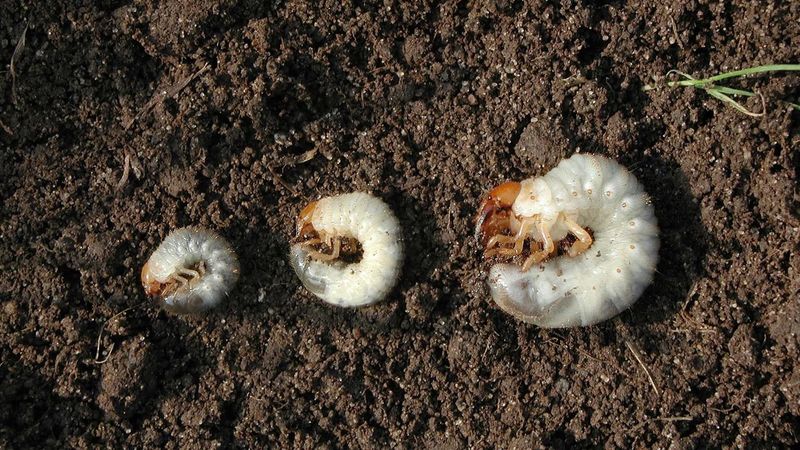
When grubs are the target, North Carolina yards can host several different scarab-beetle larvae that fall under the broad label of “white grubs.” NC State Extension’s white grubs resource identifies Japanese beetles, May and June beetles, green June beetles, and masked chafers as important turf species in the state. Most are C-shaped, cream-colored larvae with six legs, but they do not all behave the same way.
Green June beetle larvae are a useful example of why the category matters. According to both the NC State arthropod pest guide and the NC State bermudagrass production guide, green June beetle grubs may burrow extensively through soil without feeding heavily on grass roots, creating visible disturbance without causing the root damage associated with other species.
Finding a larva does not automatically mean the turf is in danger.
Knowing which species is present, how many there are per square foot, and whether the grass roots show actual damage matters far more than the presence of holes on the surface. A skunk that found a meal last night may have eaten two earthworms and one grub, which tells you nothing reliable about the overall invertebrate population in your yard.
Inspect several square feet before treating anything

Pulling back a small section of sod is the most reliable way to move from guessing to knowing. The method recommended by NC State’s turfgrass pest management manual involves cutting back roughly one square foot of turf to a depth of about 2 to 4 inches, examining the roots and surrounding soil carefully, then replacing the flap and watering it back in.
The goal is to count visible larvae, assess root condition, and note the overall health of the grass in that spot.
One sample, however, is not enough. Grub populations can be concentrated in one corner of a yard and nearly absent a few feet away, so a single square-foot cut may give a misleading picture of the whole lawn.
The NC State arthropod pest guide recommends sampling multiple areas, and the practical approach is to check both spots where holes or disturbance are visible and spots where the turf appears healthy. Comparing those results gives a much clearer sense of whether grubs are localized or widespread.
While you are examining each section, record what you actually find. Count any larvae present, note whether the grass roots look intact or have been chewed off near the crown, and observe whether the turf pulls up easily or holds firm.
Roots that lift away from the soil in a mat-like layer are a more meaningful sign of grub feeding than holes on the surface above. University of Maryland Extension and Iowa State University Extension both emphasize that holes indicate an animal found something worth eating, but only a direct soil inspection can confirm what was there and whether it was present in meaningful numbers.
Keeping brief notes from each sample location, including approximate grub count, root condition, and turf health, will help you make a clearer decision about whether any response beyond basic lawn repair is actually warranted.
The grub count matters alongside turf damage
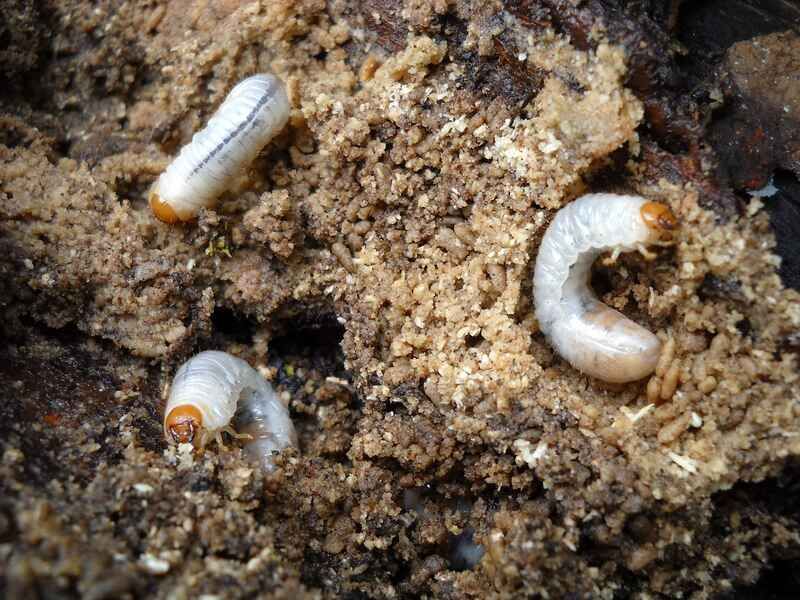
Numbers from a soil inspection only become useful when you weigh them against what the turf actually looks like. NC State’s turfgrass pest management manual suggests that roughly five or more grubs per square foot may indicate a possible control threshold, while NC State TurfFiles notes that one to five grubs per square foot commonly causes no visible injury, and that counts reaching 10 to 15 per square foot typically warrant attention.
Those figures are starting points, not universal rules.
Turf health at the time of inspection plays a large role in how much grub feeding a lawn can absorb. A well-irrigated, fertilized stand of tall fescue may tolerate a moderate grub population without showing stress, while a drought-weakened bermudagrass lawn in the Coastal Plain might show injury at lower counts.
The grass species, the grub species involved, recent weather, soil moisture, and the homeowner’s own tolerance for some animal activity all factor into whether control is genuinely justified.
Regional differences across North Carolina also matter. Piedmont yards, Coastal Plain properties, and mountain lawns can differ considerably in soil type, moisture retention, dominant turfgrass, insect species present, and the timing of peak grub activity.
The NC State arthropod pest guide and the NC State white grubs resource both reflect that variation, which is why no single statewide threshold applies precisely to every yard.
A practical summary: if your inspection turns up fewer than five grubs per square foot and the turf shows no signs of root damage or wilting patches that lift easily from the soil, the most appropriate response is usually to repair the holes and monitor. A higher count combined with visible turf injury moves the situation into a different category, one where treatment options become worth exploring carefully.
Minor digging usually calls for repair, not panic
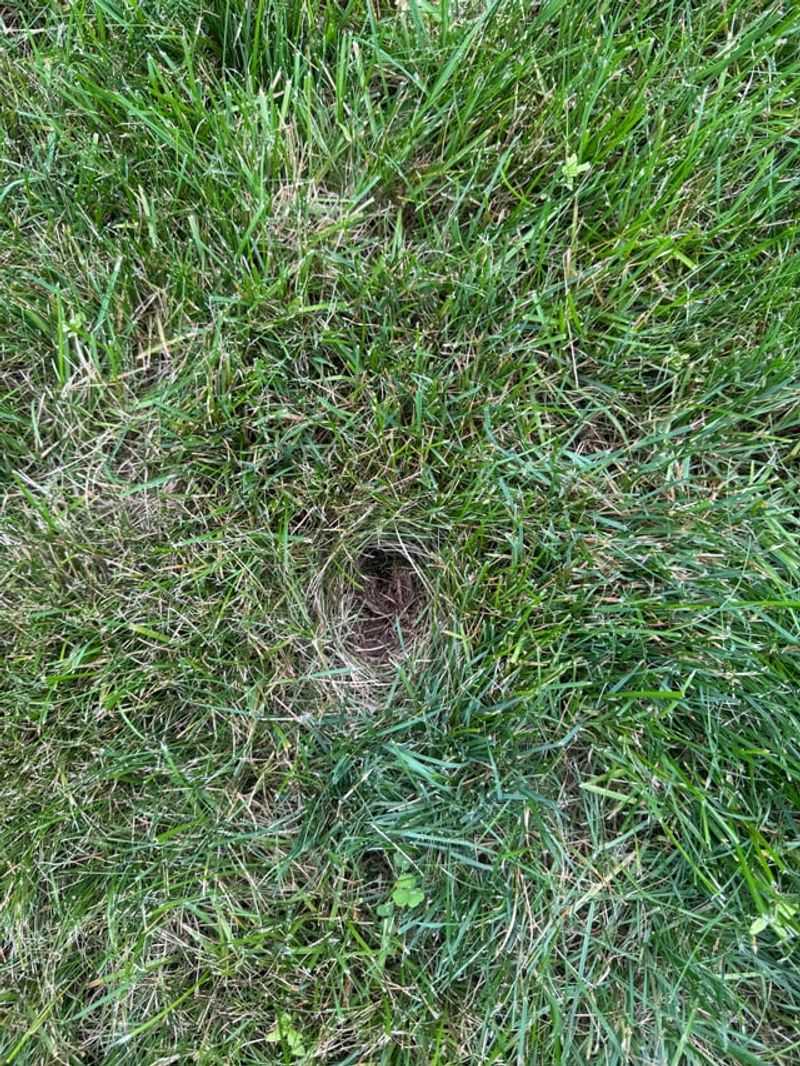
A handful of small holes scattered across the yard is genuinely startling the first morning you find them, but a minor disturbance rarely calls for anything more than straightforward lawn repair. For a small number of divots, the least disruptive response is to rake or scratch the loose soil back into each depression, tamp it lightly with your foot, and water the area.
Healthy, well-established turf can close over shallow damage without any additional help.
Ask Extension guidance on skunk and raccoon lawn damage supports this approach, noting that basic soil and turf repair is often all that is needed when digging is limited. The temptation to reach for a product or call for wildlife removal before assessing the actual extent of the damage can lead to unnecessary expense and disruption, both for the lawn and for the animal.
Reducing one food source also does not guarantee that digging will stop. University of Maryland Extension points out that skunks eat a wide range of prey and may be drawn to a yard for reasons beyond grubs alone.
Addressing a confirmed grub population, if one exists, may reduce the appeal of the lawn as a foraging site, but it is not a reliable way to guarantee the animal moves on entirely.
The most productive frame for minor digging is to treat it as a lawn maintenance task rather than a wildlife emergency. Repair the holes, keep an eye on whether new ones appear, and use that window of observation to gather more information before deciding whether any further step is warranted.
Penn State Extension reinforces that measured, evidence-based responses serve both the turf and the broader yard ecosystem far better than reactive ones.
Confirmed damage may justify treatment, but the label decides how
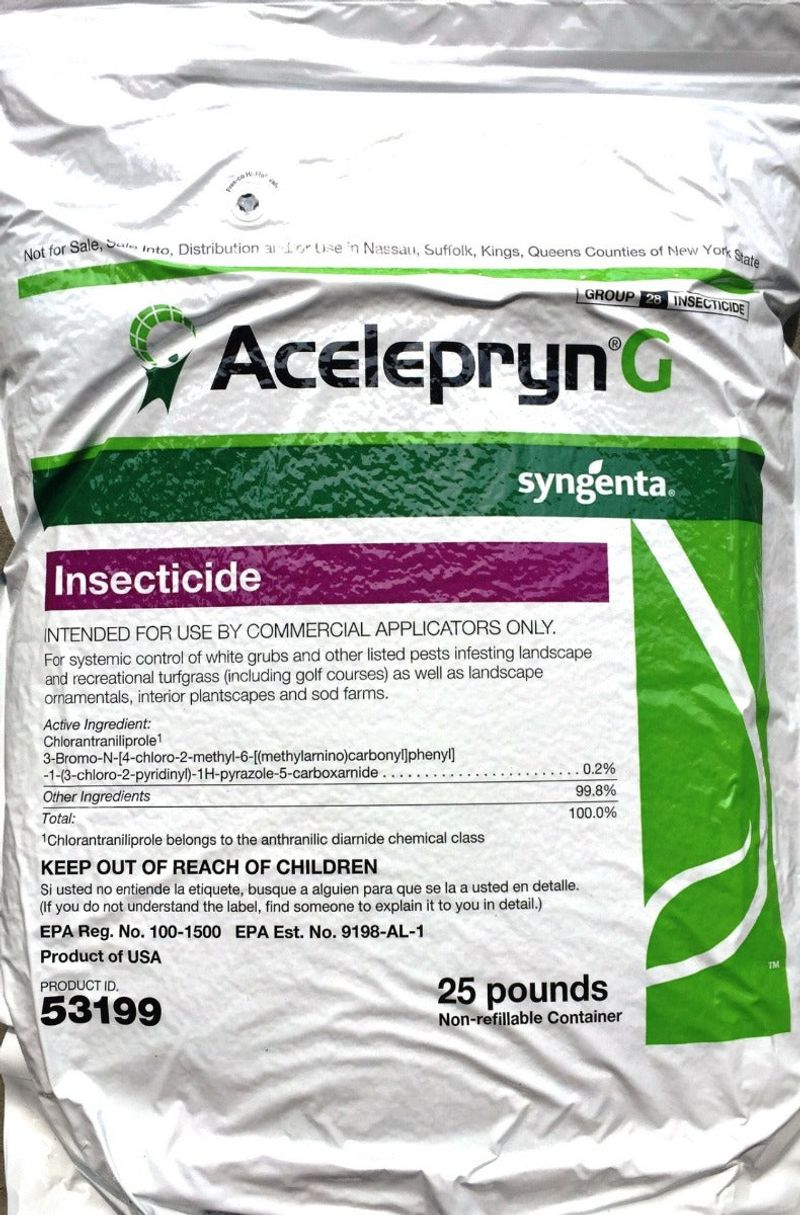
Grub control becomes worth considering only after your inspection confirms a relevant grub population, meaningful turf injury, a reasonable identification of the pest species involved, and a product that is registered for the intended residential-turf use. Reaching for an insecticide because holes appeared in the lawn, without completing that chain of verification, is a step that university guidance consistently cautions against.
Ask Extension’s lawn-digging guidance and University of Maryland Extension both recommend confirming grub abundance before any treatment decision.
North Carolina homeowners who do reach the point of considering a product should start with the NC State agricultural chemicals manual, which lists options for turf insect management. No specific active ingredient or commercial product name should be selected without checking the current label for the identified pest, the intended site, and the applicable residential-turf use classification.
Products differ in timing, permitted application sites, rates, re-entry intervals, and environmental warnings, and those details can change between label versions.
The legal weight of a pesticide label is not a formality. EPA guidance on pesticide labels makes clear that the label is a legally enforceable document, and the EPA Pesticide Product Label System allows homeowners to look up current registered labels before purchasing.
Reading the label before buying, not after, is the correct order of operations.
Broad-spectrum soil insecticides carry risks beyond the target pest. Some formulations raise concerns for aquatic invertebrates if they reach waterways through runoff, and EPA pollinator-protection guidance and the NC Department of Agriculture’s pollinator-awareness brochure both address the need to follow all environmental precautions on the label.
Treating a lawn that does not have a confirmed, damaging grub population removes beneficial soil organisms along with any pest larvae and introduces unnecessary chemical exposure to the surrounding ecosystem.
Make the yard less inviting without blaming the skunk
Skunk activity around a yard is rarely about grubs alone. Garbage cans, outdoor pet food bowls, compost piles, and cluttered areas beneath decks or sheds can all attract foraging wildlife as reliably as a lawn full of invertebrates.
Utah State University Extension’s skunk management guidance recommends securing garbage and compost, removing outdoor pet food before dusk, and clearing debris that could serve as denning cover as practical first steps in reducing skunk presence around a home.
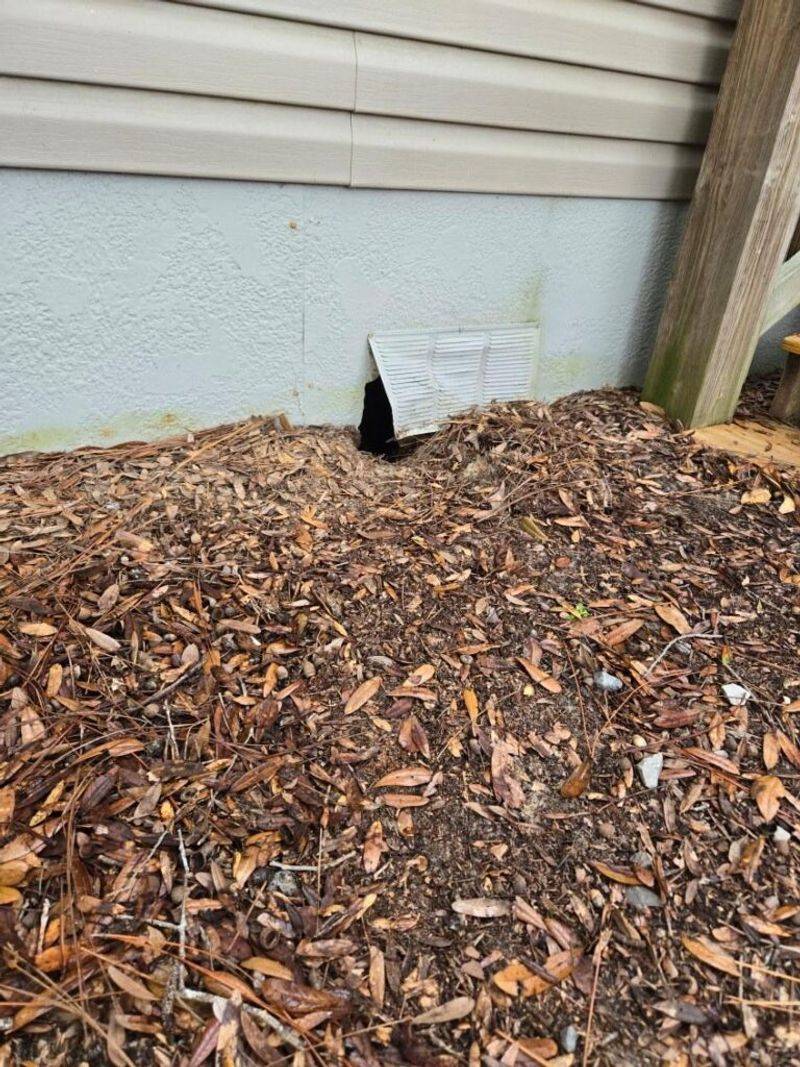
Checking the perimeter of the house matters too. Gaps beneath porches, loose foundation vents, and accessible crawl spaces can all become denning sites.
Penn State Extension and the NC State animal damage control guide both suggest inspecting these openings and using exclusion materials to close them off, which removes shelter opportunities without requiring any direct contact with the animal. Habitat modification of this kind addresses the conflict at its source rather than treating the symptom.
If foraging continues despite those changes, the appropriate next step is professional help, not a do-it-yourself trapping attempt. Skunks can spray, bite, and carry pathogens, and local wildlife regulations may restrict how captured animals can be handled or relocated.
A qualified wildlife-control professional can assess the situation and recommend legal, humane options.
One behavioral note worth keeping in mind: a skunk moving through the yard at dusk or in the early morning is not automatically cause for alarm. Skunks are primarily nocturnal, but some activity around dawn or dusk is normal.
Staggering, paralysis, unusual tameness, unprovoked aggression, or an animal approaching people without hesitation are the behaviors that warrant distance and a call to animal control or your local public-health authority. CDC rabies prevention guidance and CDC information about rabies both clarify that daytime activity alone is not sufficient to diagnose illness; it is the combination of abnormal behaviors that signals a problem.
Read the holes as a clue and let the soil decide
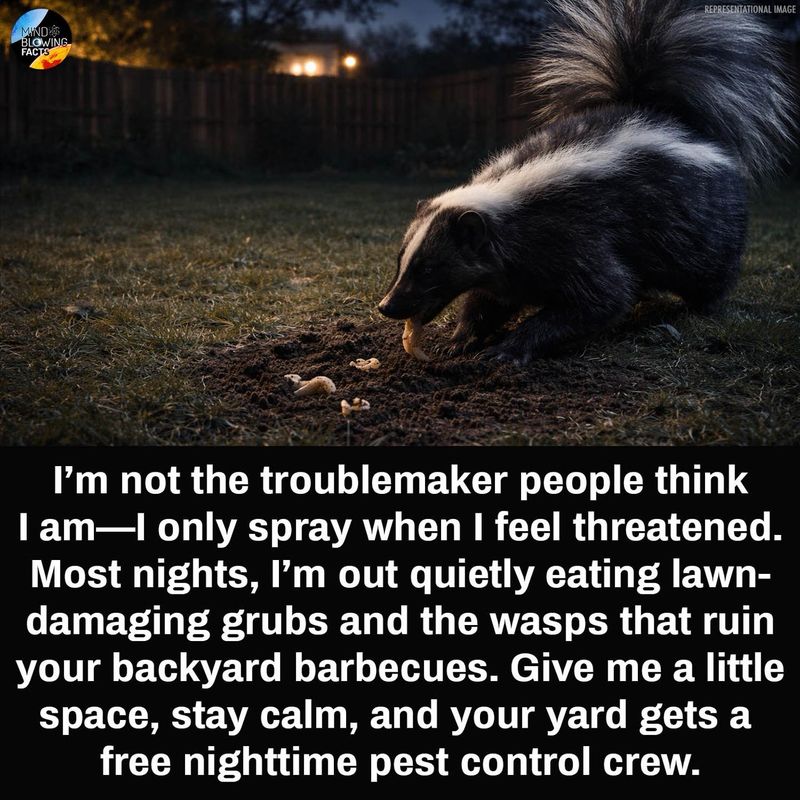
A yard full of small holes is easier to manage once you stop reading it as a verdict and start treating it as a question. The practical path forward runs through observation first: note the pattern, compare hole size and depth with other possible causes, check for tracks or other signs, and then inspect the soil in both disturbed and healthy areas before drawing any conclusions about what is living beneath the turf.
If your samples turn up grubs in numbers that coincide with visible root damage and turf stress, a label-compliant treatment becomes worth exploring carefully. If the counts are low and the grass looks healthy, repair the divots, reduce attractants around the house, and give the lawn time to recover.
Penn State Extension points out that skunks consume many insects and nuisance invertebrates, and University of Maryland Extension reinforces that grub treatment alone does not guarantee wildlife activity will end.
A wildlife-conscious North Carolina yard can address persistent conflict without treating an unconfirmed pest problem or harming the animal responsible. Ask Extension’s lawn-digging resource captures the spirit of that approach well: the holes are a starting point for investigation, not a call to arms.
The soil beneath your lawn holds the real answer, and it is worth taking the time to look.