
Soak These 13 Seeds Overnight Before Planting And Watch Them Sprout Days Sooner (And 5 You Never Should)
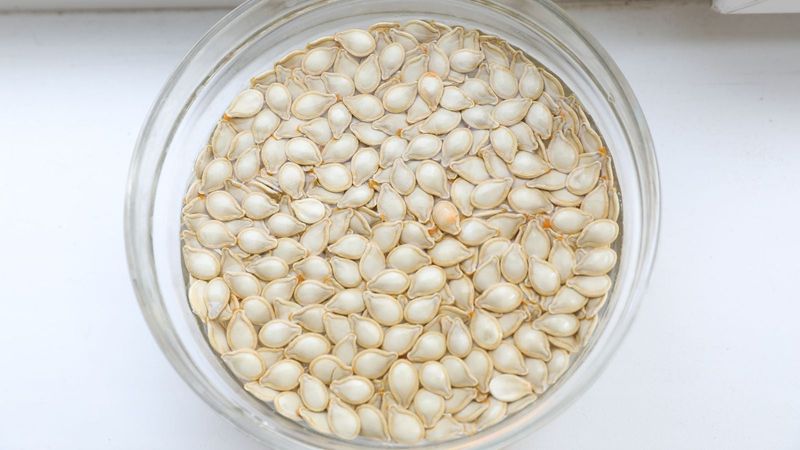
Some seeds wear a coat so tough that water can barely get inside, so they sit in the soil for days doing nothing. A simple overnight soak in a cup of warm water can wake them up and get them sprouting sooner.
But soaking the wrong seeds can turn them into a sticky, clumpy mess that rots before it grows. Here are 13 seeds that love a bath and 5 that should always go into the ground dry.
1. Peas
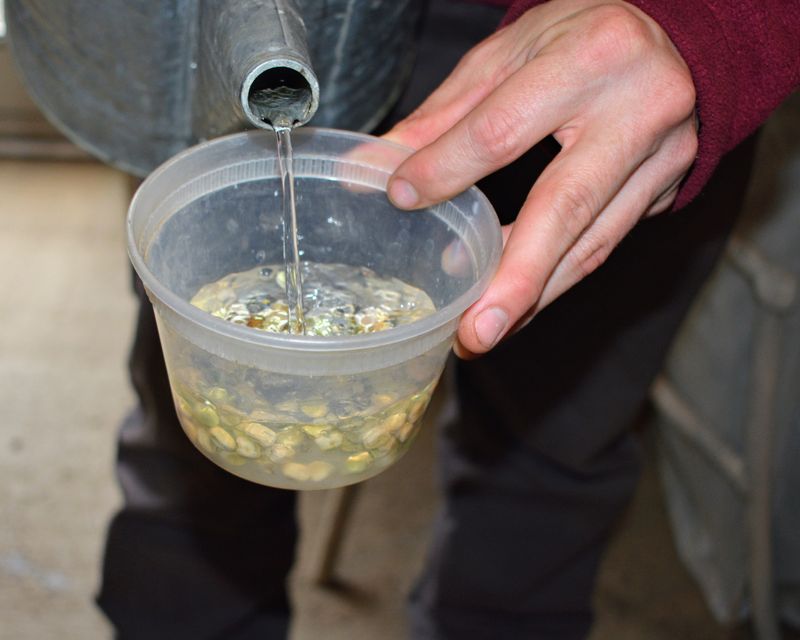
Early spring gardeners know the frustration well: you plant peas in cold soil and then wait, and wait some more. Pea seeds have a hard, wrinkled coat that drinks water slowly when the ground is chilly.
Soaking them in lukewarm water for 8 to 12 hours plumps them up before they ever touch dirt. You will see them double in size, which tells you the embryo inside is awake and ready.
That can shave several days off the wait.
Sweet peas get the same treatment and respond just as well. Plant them right after draining, and keep the soil moist but not soggy.
Skip soaking longer than a day, since peas can split and start to rot if left too long.
2. Beans
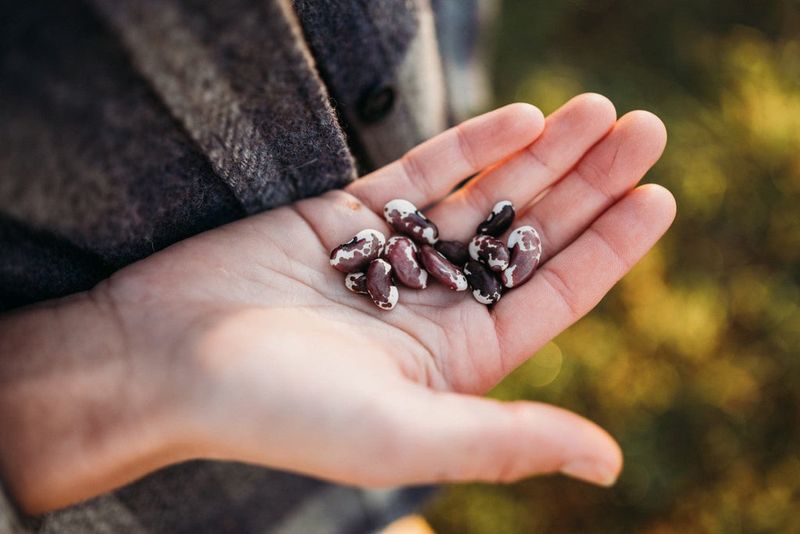
Picture a bean seed as a tiny suitcase packed tight with food for the baby plant. The thick shell keeps everything safe, but it also slows the unpacking once the bean is planted.
A short soak softens that shell and gives the seed a head start, especially when your soil is on the dry side. Bush beans, pole beans, and runner beans all tend to pop up faster after a few hours in water.
Here is the catch, though. Beans are picky about timing, so keep the soak to overnight at most, roughly 8 hours or less.
Oversoaked beans can crack open and break down, and that leaves you with mush instead of sprouts.
3. Cucumbers
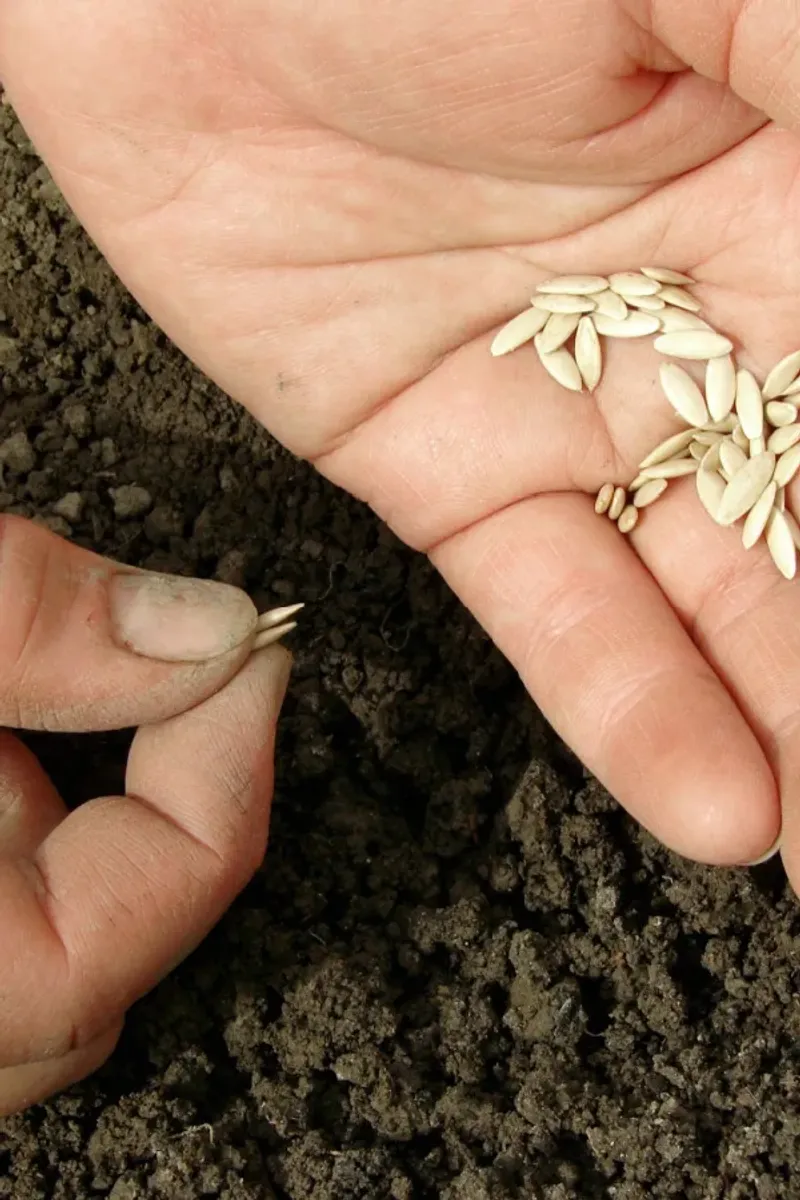
Cucumbers are warm-weather divas. They sulk in cool soil, and a slow start gives pests and damping off more time to cause trouble.
Their flat, pale seeds have a firmer coat than they look. Soaking them for about 6 to 12 hours softens that layer so roots can break free sooner.
Many gardeners notice sprouts in as little as three to five days after a soak.
Use water that feels pleasantly warm on your wrist, not hot. Once the seeds are plump, tuck them about half an inch deep into warm soil.
Your vines will thank you with an earlier start on those crunchy summer harvests.
4. Squash, Pumpkins, and Melons
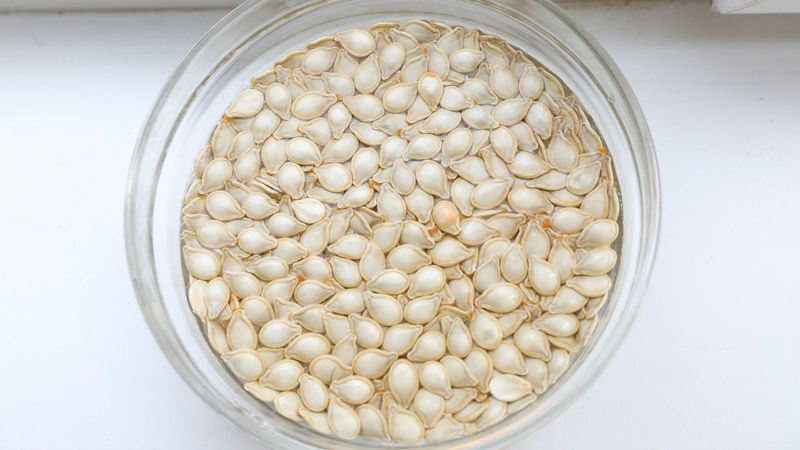
Ever cracked open a pumpkin and noticed how leathery those seeds feel? That thick armor is great for surviving winter in nature, but it slows things down in your garden bed.
Zucchini, butternut squash, pumpkins, watermelons, and cantaloupes all share that sturdy coat. An overnight soak lets water soak through so the seed can start splitting open.
Some gardeners also gently nick the edge with a nail file first, which helps even more.
For short-season areas in the northern US, those saved days really matter. A pumpkin that sprouts a week early has extra time to ripen before frost.
Plant soaked seeds in warm soil, at least 65 degrees, for the best results.
5. Corn
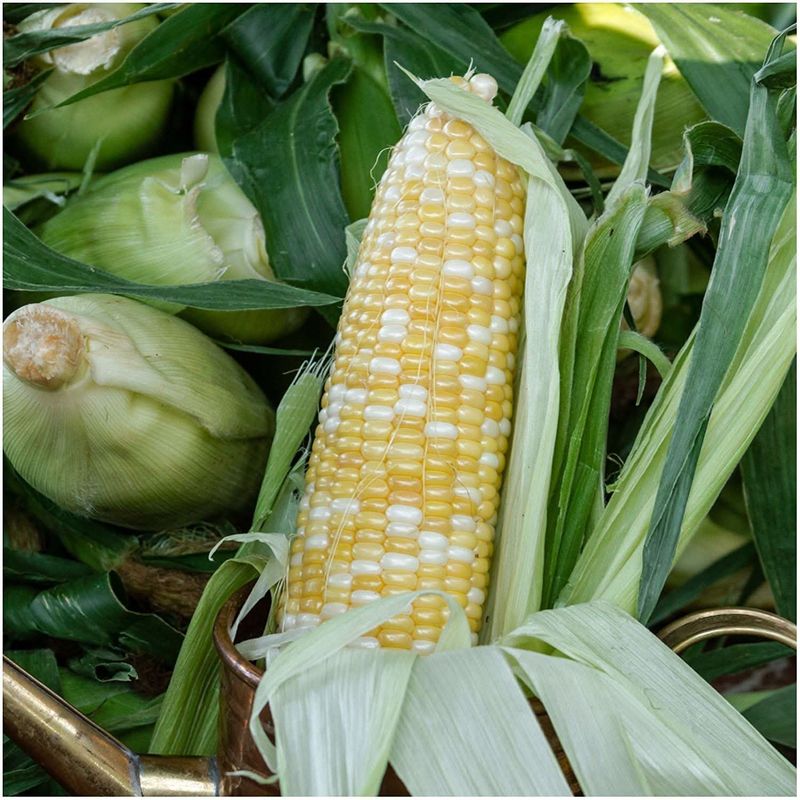
Corn kernels are basically little seed time capsules with a waxy, thick shell. In cool spring soil, that shell can keep them sitting for over a week.
Soaking sweet corn for 8 to 12 hours helps soften the outer layer. That means the shoot can push out faster and stay ahead of hungry birds and seed-eating bugs.
One warning worth repeating: many corn seeds are sold with a colorful treatment on them, often pink or blue. If yours are coated, do not soak them, because water strips away that protective layer.
Plain, untreated seeds are the ones that benefit from a bath.
6. Morning Glories
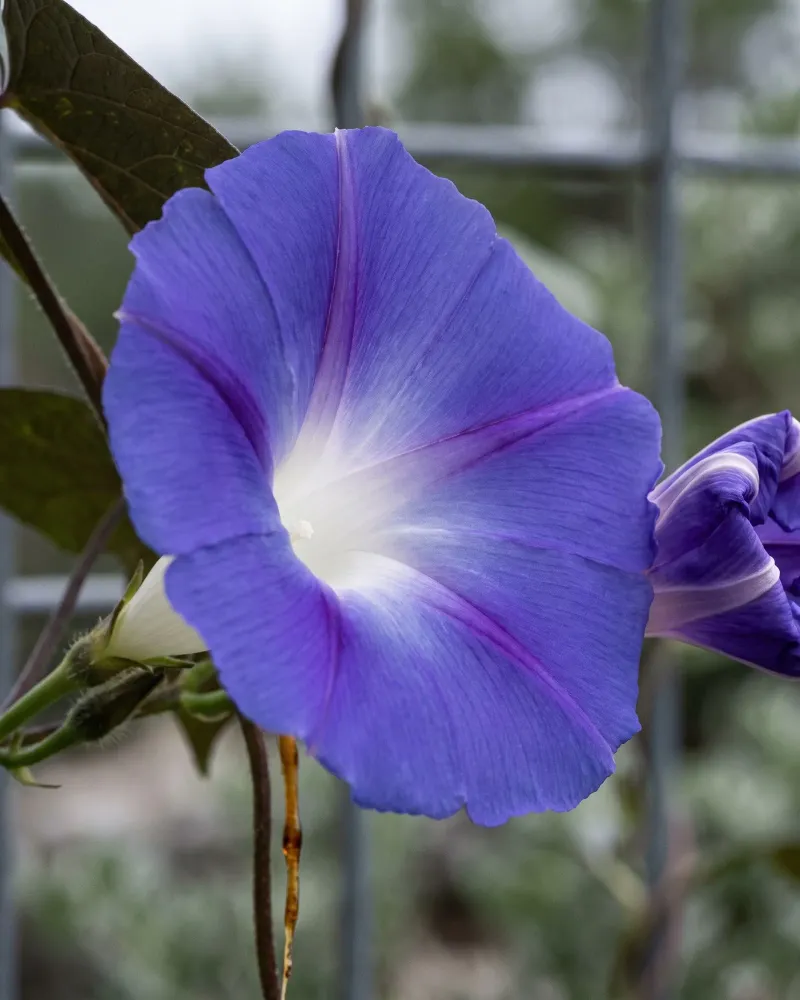
If any seed deserves the title of stubborn, it is the morning glory. Its dark, wedge-shaped seeds have a coat so hard that unsoaked ones can sit in the soil for weeks.
Gardeners have a simple two-step trick. First, lightly rub each seed with a nail file until you see a lighter spot.
Then soak them overnight, and watch them swell to nearly twice their size.
Any seeds that stay small and hard after soaking can get a second nick and another soak. Once planted, sprouts often appear within a week.
Soon after, those twining vines will be racing up your fence with bright trumpet flowers.
7. Okra
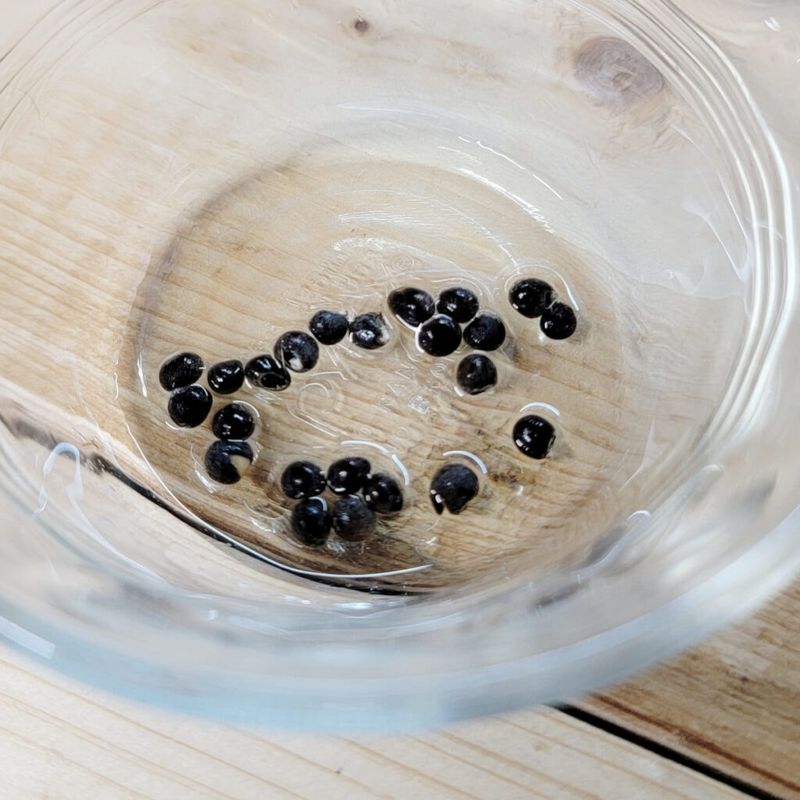
Southern gardeners swear by this one. Okra seeds are small and round, but their shell is surprisingly tough, and dry seeds can take two weeks or more to show up.
A 12 to 24 hour soak changes the game, often cutting germination down to about a week. Some folks even soak them overnight in a thermos of warm water to keep things cozy.
Okra loves heat, so wait until the soil is truly warm before planting. Cold, wet ground after a soak is a recipe for rot.
Get the timing right, and you will be picking tender pods by midsummer.
8. Beets
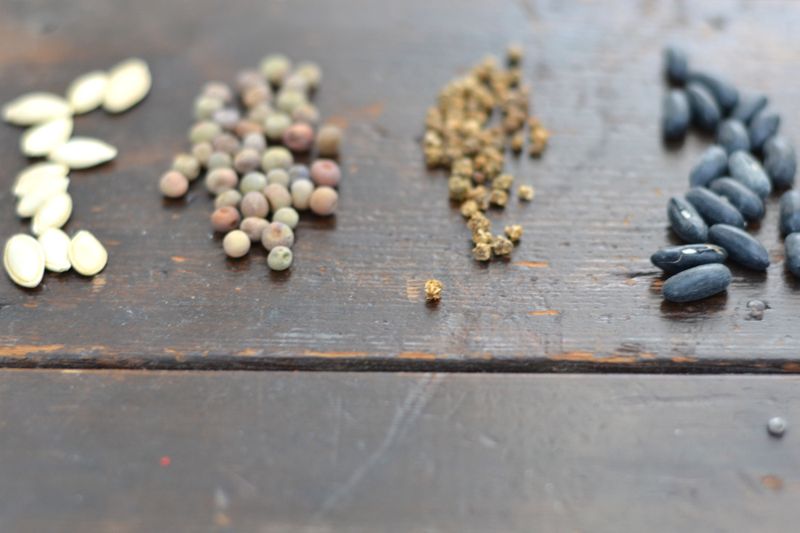
Here is a fun surprise: a beet seed is not just one seed. Each knobby, corky cluster usually holds several seeds packed inside, which is why beets often come up in little groups.
That corky outer shell is very hard and slow to absorb water. Soaking beet seeds for about 8 to 12 hours softens it and can noticeably improve how many actually sprout.
After planting, you may need to thin the clumps to one strong seedling every few inches. Use small scissors to snip extras instead of pulling them.
That way the roots of the keeper stay undisturbed and can grow into nice round beets.
9. Swiss Chard
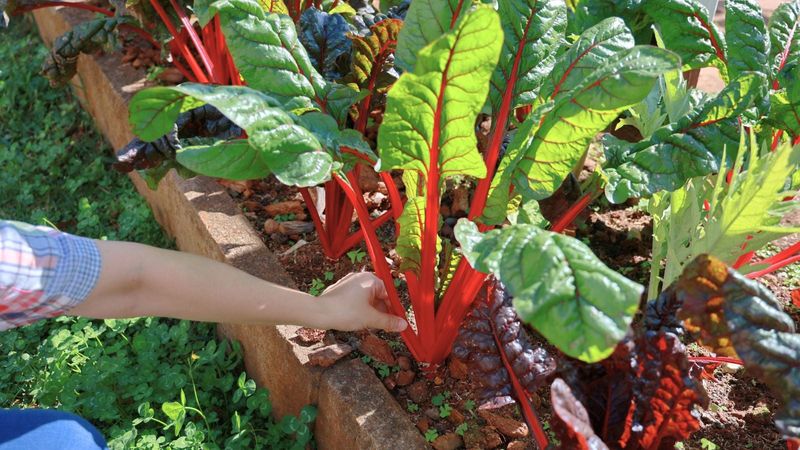
Chard is basically the beet’s leafy cousin, so it makes sense they share the same tough seed design. Those wrinkly clusters look a lot alike, and they behave the same way too.
Give rainbow chard seeds an overnight soak, and they tend to sprout more evenly. Even germination means a tidy row instead of patchy gaps you have to replant.
Chard is forgiving and grows through much of the season across the US. It handles cool spring weather and keeps going through summer heat better than spinach.
A quick soak is an easy way to get those colorful stems growing sooner.
10. Tomatoes
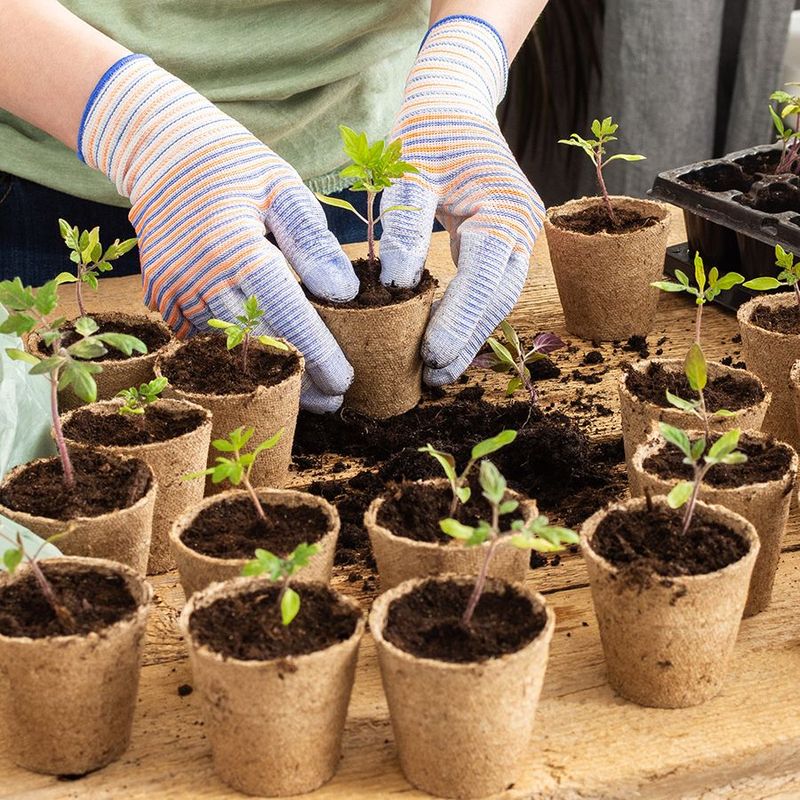
Every late winter, tomato lovers start counting the days until seedlings appear. Anything that gets those first leaves up a little sooner feels like a win.
Tomato seeds are small, so they do not need a long soak. A few hours in warm water, or a short overnight soak, can help them sprout a day or two earlier.
Some gardeners use weak chamomile tea for the soak, though plain water works fine.
Because the seeds are tiny, drain them on a paper towel so they are easier to pick up. Use a toothpick to place one or two per cell.
Keep the trays warm, around 75 to 80 degrees, for the fastest start.
11. Peppers
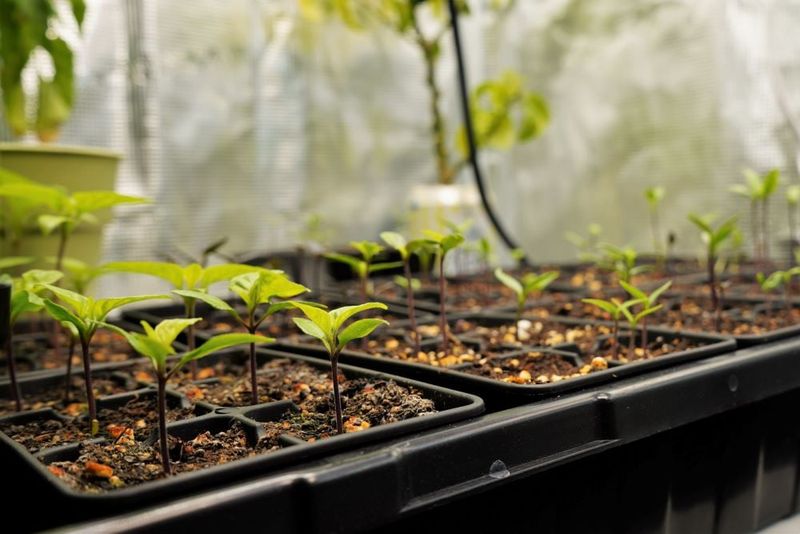
Patience is the number one skill for pepper growers. Hot peppers especially can take two to three weeks to sprout, which feels like forever when you are staring at bare soil.
Soaking pepper seeds for several hours to overnight helps soften their coat and can shorten that wait. Pair the soak with a seedling heat mat, and you have the two best tricks for speeding things up.
Super-hot varieties like habaneros benefit the most. Sweet bell peppers sprout a bit faster on their own, but a soak still helps them come up evenly.
Plant soaked seeds right away, about a quarter inch deep.
12. Nasturtium
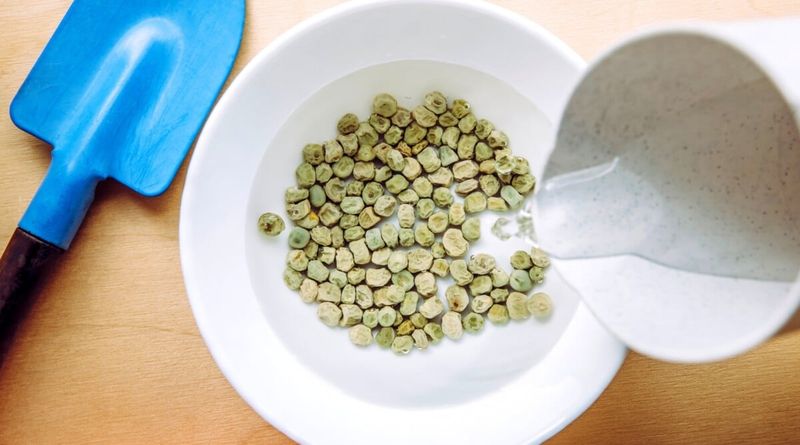
Hold a nasturtium seed and you might think it is a tiny dried walnut. That wrinkled, corky shell protects the seed well, but it also keeps water out.
An overnight soak softens the shell and helps the seed sprout more reliably, often within a week or so. You can also gently scratch the surface before soaking for extra help.
Nasturtiums are a joy for beginners. They bloom in cheerful oranges, reds, and yellows, and both the leaves and flowers are edible with a peppery bite.
Plant soaked seeds directly in the garden after your last frost.
13. Sunflowers
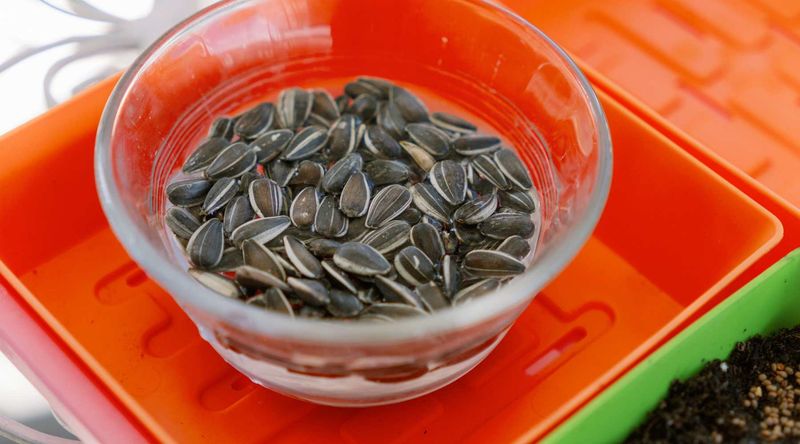
Kids love growing sunflowers, and nothing builds excitement like seeing those big seed leaves pop up fast. A soak can help make that happen sooner.
Large striped sunflower seeds have a firm hull. Soaking them for around 4 to 8 hours softens it so the sprout can push through quickly.
Avoid going much longer, since big seeds can start to rot if left in water too long.
Plant them an inch deep in full sun, and keep the soil moist until they emerge. Just a heads up, birds and squirrels adore sunflower seeds.
Covering the spot with a bit of netting can protect your crop until the seedlings get going.
14. Lettuce (Never Soak)
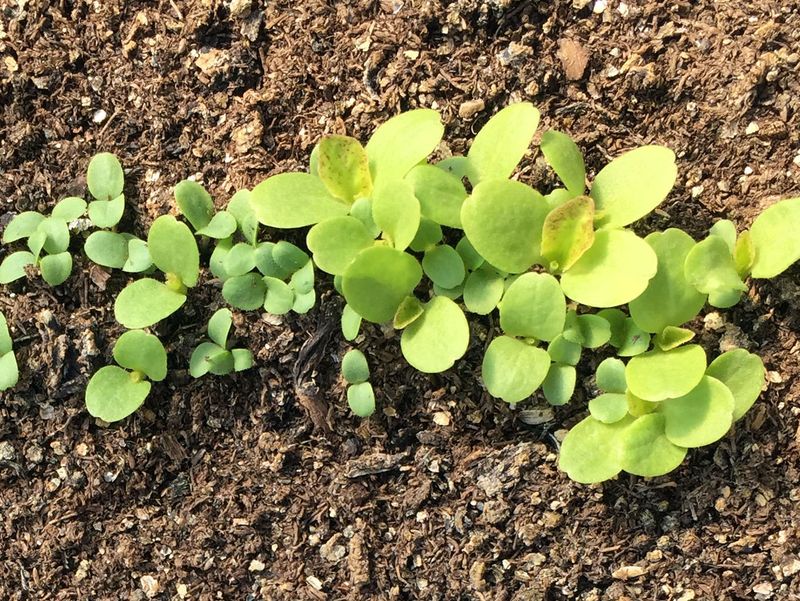
Now for the seeds that should stay dry. Lettuce tops the list because its seeds are tiny, light, and need sunlight to sprout well.
Soak them, and they clump together into a wet blob that is almost impossible to spread evenly. Worse, many varieties should only be pressed lightly onto the soil surface, not buried.
Wet clumps make that tricky.
The good news is lettuce sprouts fast on its own, usually in under a week in cool weather. Simply sprinkle the seeds, press gently, and mist the soil.
Keep the surface damp, and your salad greens will appear soon enough.
15. Radishes (Never Soak)
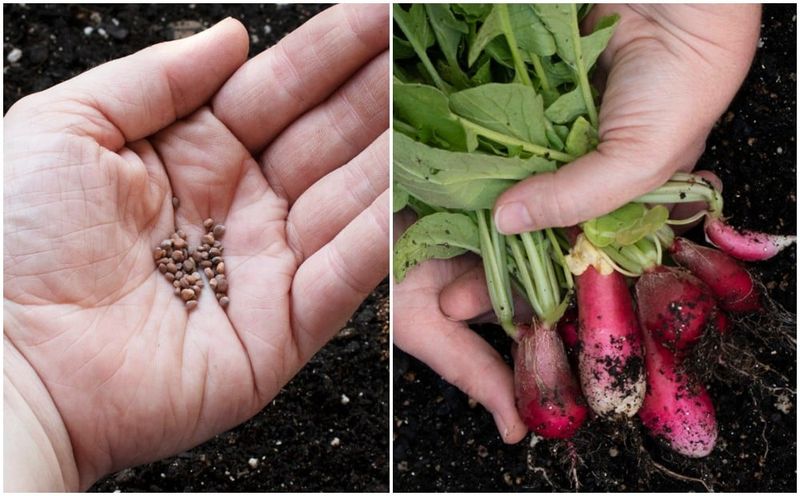
Radishes are the sprinters of the vegetable garden. Many pop up in just three to five days without any help at all.
Soaking them gives you almost nothing in return. Instead, the seeds can develop a slimy coating and stick together.
That makes it hard to space them properly, and crowded radishes often form skinny roots instead of round bulbs.
Sow them dry about half an inch deep and an inch apart. Water well, and you can be crunching on fresh radishes in about a month.
Sometimes the easiest seeds really are best left alone.
16. Carrots (Never Soak)
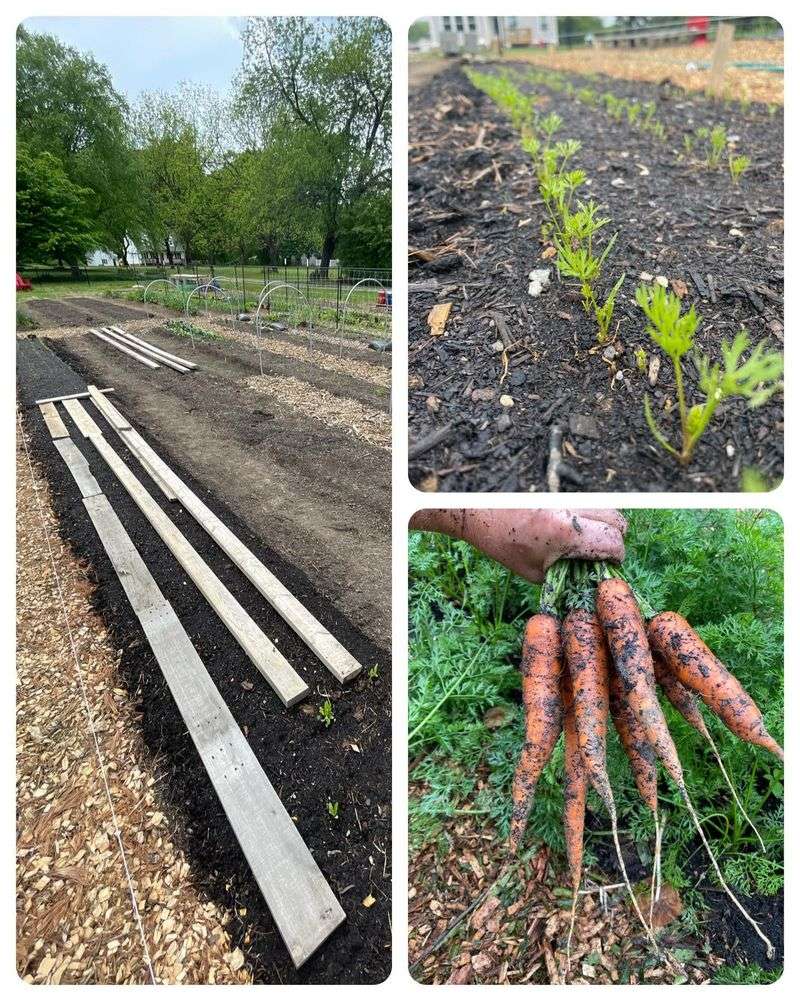
Anyone who has tried to sow carrots knows the seeds are barely bigger than dust. Getting them spread thin is already hard when they are dry.
Once wet, carrot seeds glue themselves together, and you end up dropping a whole clump in one spot. That leads to tangled, twisted roots fighting for space.
Soaking just is not worth the headache.
A better trick is mixing the dry seeds with a little sand before sowing. Then focus on keeping the soil surface moist, since carrots are slow, often taking one to three weeks.
A board or burlap over the row can hold moisture until sprouts show up.
17. Spinach (Never Soak)
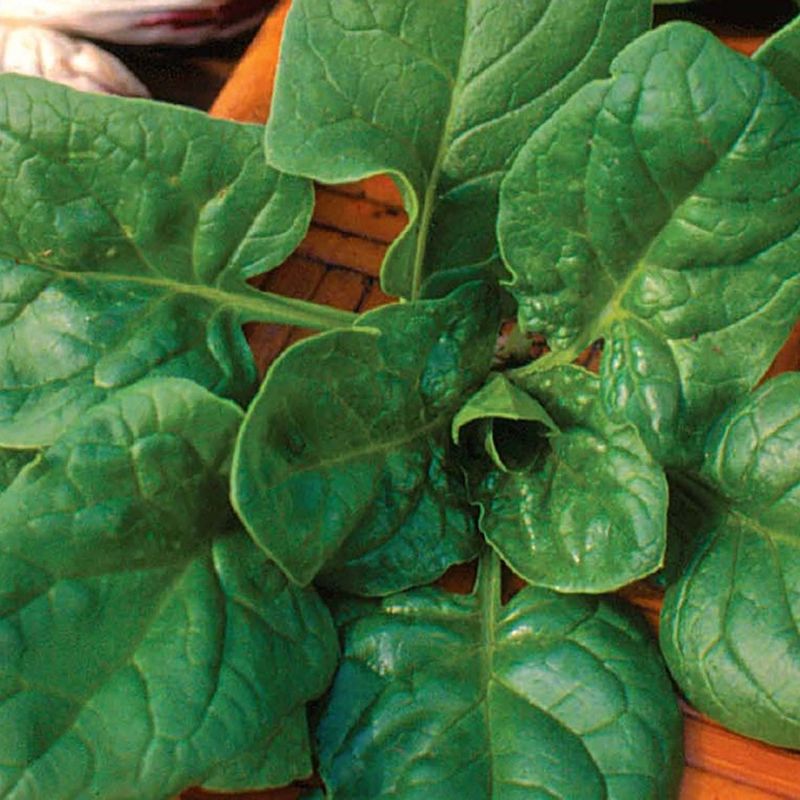
Spinach seems like a good candidate for soaking, since some advice online suggests it. For most home gardeners, though, it causes more trouble than it solves.
The seeds swell quickly and become soft and slippery, which makes them hard to place accurately. In cold, damp spring soil, soaked seeds may also be more likely to rot before they sprout.
Spinach germinates well in cool soil on its own. Sow dry seeds about half an inch deep in early spring or fall.
Keep the bed evenly moist, and you should see leaves within a week or two.
18. Petunias (Never Soak)
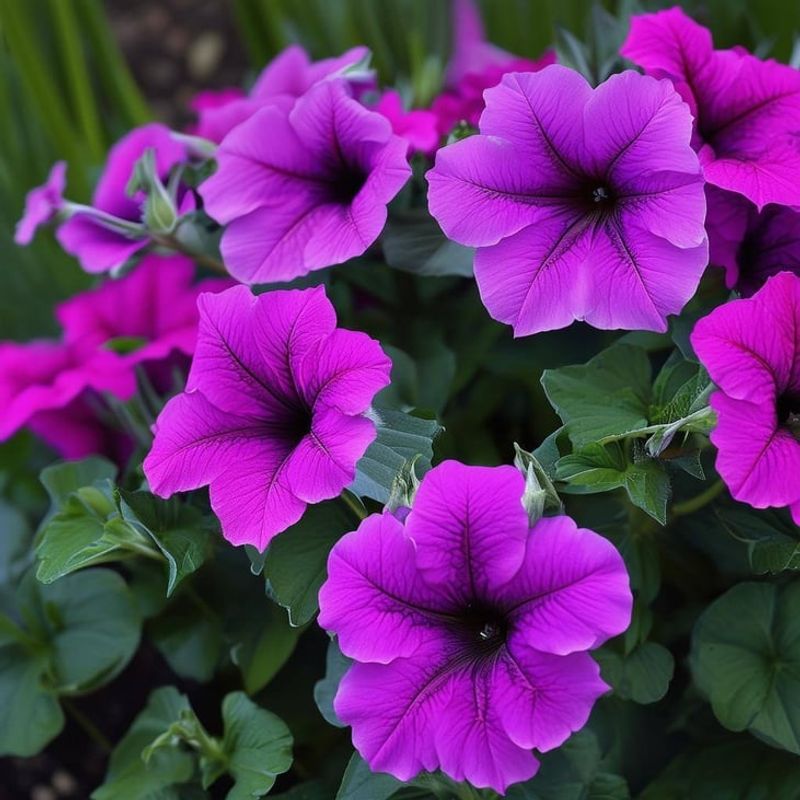
If you have ever opened a packet of petunia seeds, you know they look like specks of pepper. Soaking these tiny seeds is a quick way to lose them for good.
Wet petunia seeds turn sticky and clump, so precise planting becomes nearly impossible. They also need light to sprout, which means they should rest right on top of the soil.
Many are sold as coated pellets, and soaking can dissolve that helpful coating.
Instead, press them gently onto moist seed starting mix and keep them under bright light. Cover the tray with clear plastic to hold in humidity.
Within about a week or two, your future hanging baskets will be on their way, no soaking required.
The takeaway is simple: big, hard-coated seeds love a bath, while tiny, light-loving seeds want to stay dry. Remember that rule, and you will save days and avoid soggy failures every planting season.