
Some Firefly Life Stages May Use Leaf Litter, So Where Should North Carolina Gardeners Leave Fall Leaves?
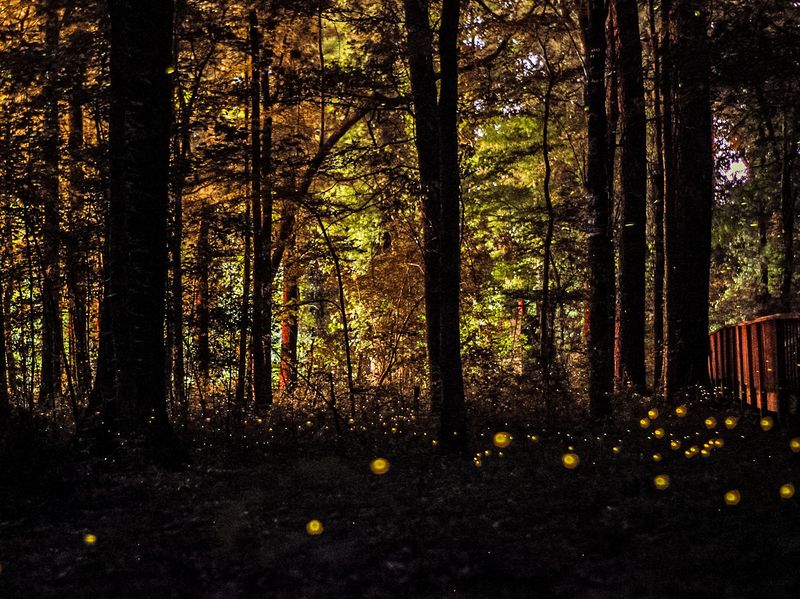
Every June, North Carolina yards fill with blinking lights, but those glowing adults spend most of their lives out of sight. Before they ever flash, many fireflies grow up close to the ground, and some of them may use leaf litter along the way.
That makes your fall raking a real yard-care choice. Here is how to decide which spots can keep their leaves and which should be cleared.
Fireflies spend much of their lives close to the ground
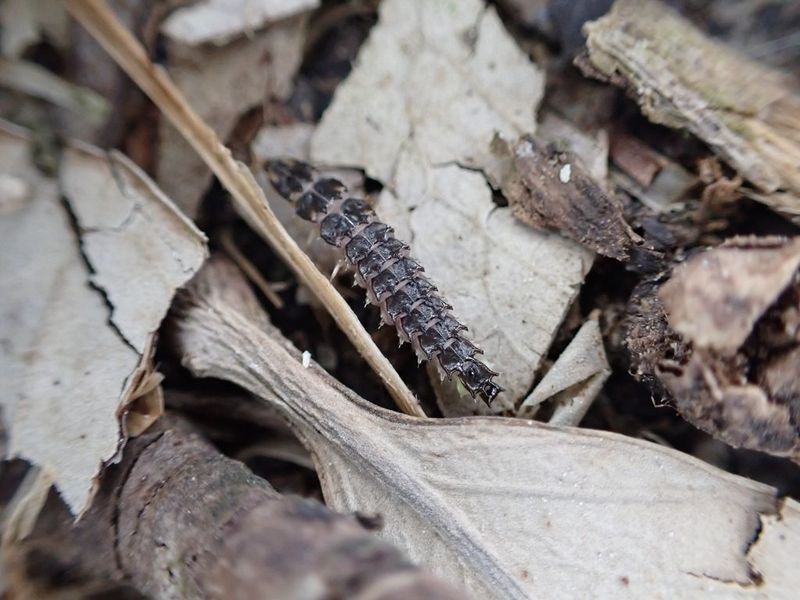
The flashing adults you see on a June evening are only a small slice of a firefly’s life. According to NC State University researchers, many fireflies spend far longer as larvae than they do as flying adults.
The glowing show is brief, while the groundwork takes much longer.
Firefly larvae are hunters. They go after soft-bodied prey such as snails and slugs, which means a healthy larva is quietly doing pest control in your garden beds.
Slugs chewing on your hostas are a meal to them.
Because larvae live low to the ground, the habitat at your feet matters. Conservation guidelines from the Xerces Society point to ground-level places such as leaf litter, moist soil, and rotting wood as spaces where larvae can live.
Raking, blowing, or mowing those spots can disturb them, and animals may be carried off along with the leaves.
Still, firefly species are not all alike. Their schedules differ, and not every species depends on leaves.
Think of leaf litter as one piece of the ground-level habitat that some fireflies may use, not a rule that fits every firefly in every yard from the Piedmont to the coast.
A good starting habit is simply noticing. Look at the damp, shady corners of your yard where soil stays moist and slugs turn up.
Those are the places where ground-dwelling wildlife is most likely to find what it needs, and where a gentler cleanup makes the most sense.
A leaf bed is one possible refuge, not the only one
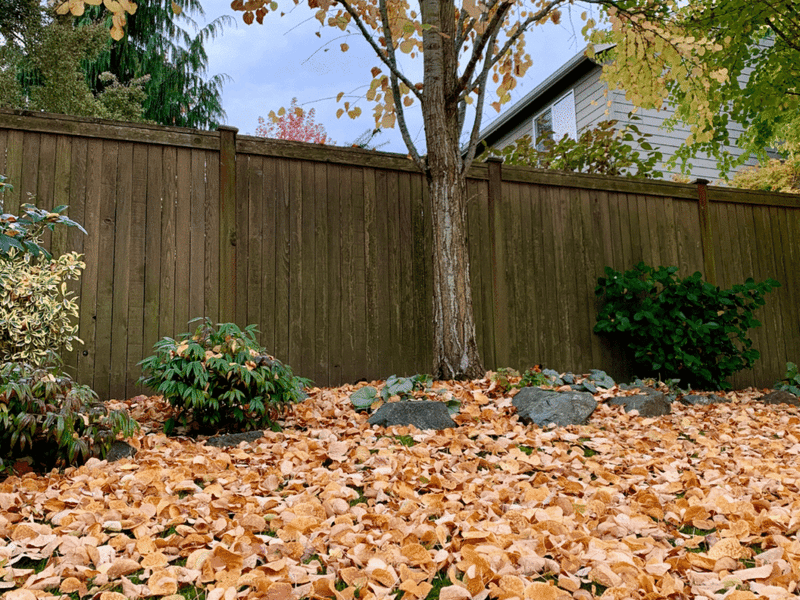
Leaf litter gets a lot of attention, but it is only one of several places fireflies may spend the cold months. Moist soil, bark, and rotting logs can all play a role.
Xerces Society guidance lists these kinds of ground-level habitat together.
The idea that every firefly spends winter as a larva tucked into leaves is too simple. Some species overwinter as eggs, larvae, or pupae, and where they do it varies.
Oklahoma State University Extension notes that firefly life cycles differ from one species to the next. In warmer southern regions, some larvae may even stay active through the winter.
Researchers also say there is still a lot to learn. A peer-reviewed review of firefly larvae calls for more studies, because larvae are hard to find and many species are poorly documented.
Some larvae live underground or are tied to other structures, so a leaf pile is not a guaranteed nursery.
That uncertainty cuts both ways. One October raking session will not necessarily erase the fireflies in your yard, and a thick pile of leaves will not guarantee a light show next summer.
What leaves can do is serve as one useful microhabitat for some life stages.
The practical takeaway is to keep variety. A yard with a bit of leaf litter, some bare moist soil, and an old log offers more options than a yard scrubbed clean from fence to fence.
Where should North Carolina gardeners leave leaves?
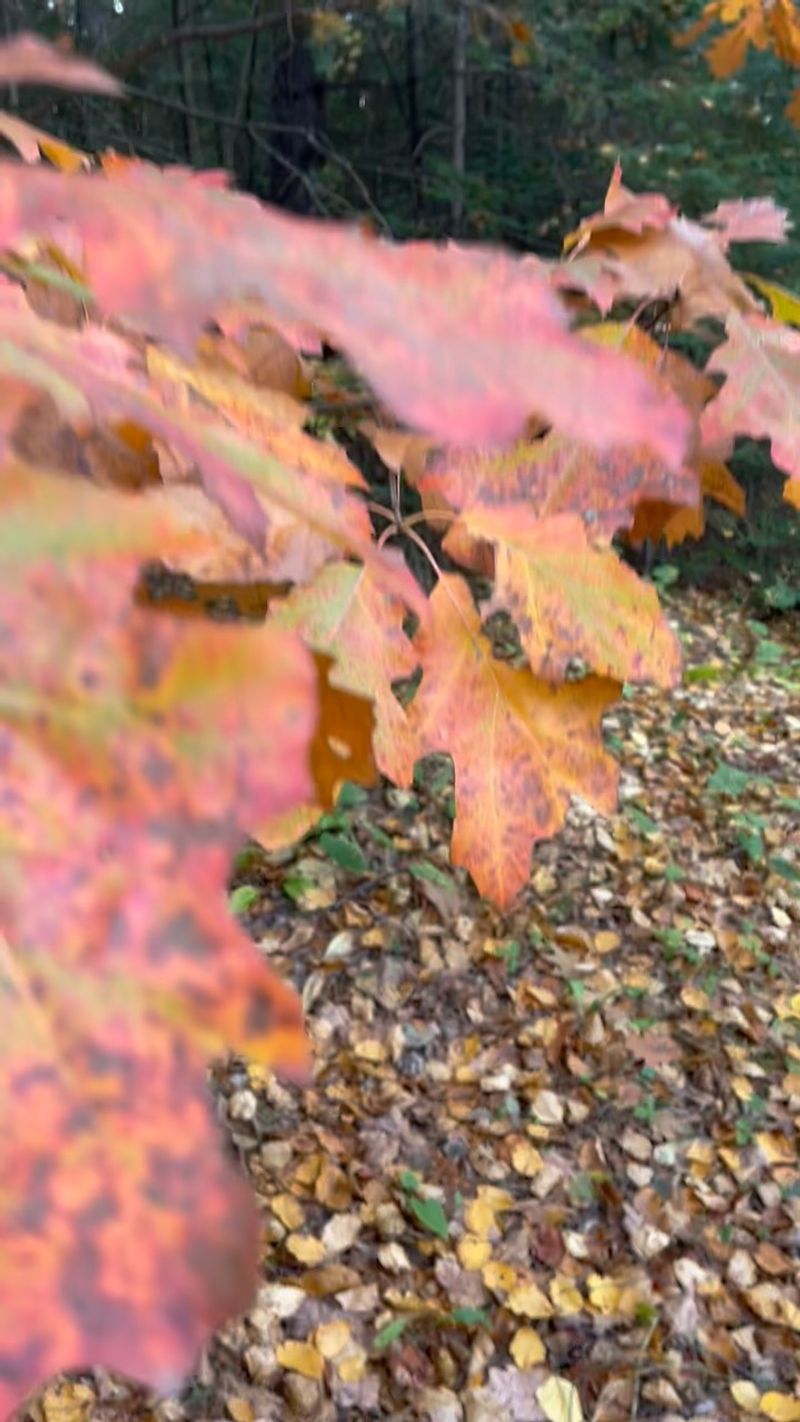
Start by walking your yard and sorting spaces by how much people use them. The best candidates for undisturbed leaves are low-traffic landscape beds and shaded, naturalized patches.
Moist ground that already feels a bit wild, with shrubs, logs, or native plants, is even better, since firefly conservation guidance emphasizes keeping habitat that is already working.
A few clues help you choose. Look for corners along a back fence, the base of a tree grove, or a bed you rarely walk through.
Skip spots next to doors, patios, and the driveway, where you will want a tidier look and clear footing.
Regional context can be helpful, as long as it stays in its place. N.C.
Cooperative Extension in Henderson County describes the Blue Ghost firefly of the western mountains as tied to dark, mature woodland with a high canopy and old leaf litter. That is a specific story about one species in mountain forests.
It does not mean every North Carolina firefly, or every suburban yard, works the same way. A Charlotte flower bed or a Wilmington side yard is a very different place from an old mountain woodland.
If you do leave leaves, treat it as a modest experiment. You are keeping a bit of habitat, not building a guaranteed firefly nursery, and you can adjust next fall based on how the spot looks and how you use it.
Keep turf and travel routes clear
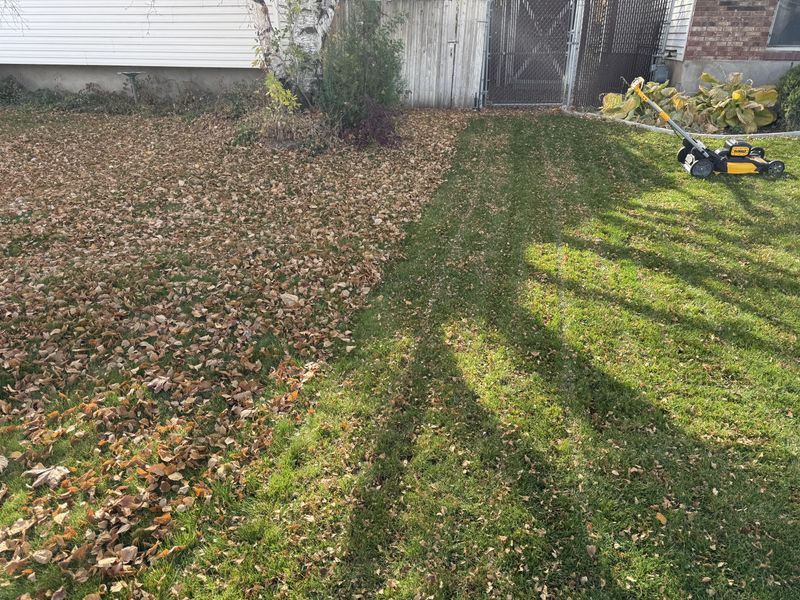
Lawns and garden beds have different needs, and fall leaves are not equally welcome in both. A heavy blanket of leaves can cover grass, block light, and hold moisture against the blades.
Oregon State University Extension explains that a thick leaf layer can smother turf.
The test is simple. If you can still see most of the grass through the leaves, the lawn is probably fine.
If the leaves form a thick mat that hides the turf, it is time to rake, mow them into smaller pieces, or move them to a bed.
There is no special firefly-approved depth to aim for. The useful rule for your lawn is about the grass, not the insects.
Paths and hard surfaces need attention too. Wet leaves on steps, walkways, and driveways get slick, and they can hide uneven spots.
Sweep these areas regularly through the fall so people can move safely.
Moving leaves off the lawn does not have to mean sending them away. You can shift extra leaves into a low-traffic bed or shaded corner, which keeps the grass healthy while still giving ground-dwelling wildlife a little cover.
Tick prevention may change where leaves belong

Wildlife habitat and tick safety do not always point the same direction, so it helps to be direct about the tradeoff. CDC guidance on preventing tick bites recommends removing leaf litter as one way to reduce tick habitat around homes.
That advice matters for anyone with kids, pets, or a yard where people spend time.
Leaving leaves is not risk-free, and it is not right beside every house. Play spaces, patios, pet areas, and well-used paths are the places to keep clear.
Those are the spots where you or your family are most likely to brush against ticks.
If you want to keep some leaf litter, reserve it for less-used areas. A shaded patch at the back of the property or a bed far from where anyone plays is a better fit than a pile beside the back steps.
Distance and separation help. Keeping a cleared, mowed strip between leafy areas and the parts of the yard you use gives you a practical buffer.
Leaf decisions are only one piece of tick prevention. Follow the other CDC steps too, such as checking for ticks after time outdoors and using repellent as directed.
If ticks are a major worry for your household, it is reasonable to clear more leaves and find other ways to help wildlife.
Choose leaf-retention areas deliberately
Think of your yard as zones. Keep some leaves in shaded, low-traffic spots where habitat for ground-dwelling fireflies already makes sense.
Clear turf when leaves form a mat, as Oregon State Extension advises, and clear play areas and paths in line with CDC tick guidance.
Fireflies are never guaranteed, but a small leafy corner costs you very little. Next June, the lawn stays healthy, the paths stay safe, and any glow is a bonus.