
Sourwood: A North Carolina Native Alternative to Bradford Pear With Summer Flowers and Variable Fall Color
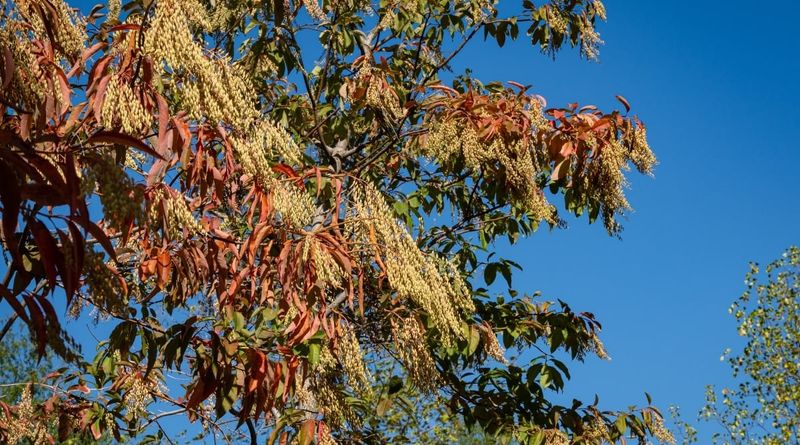
Every fall, North Carolina neighborhoods fill with old Bradford pears, and many homeowners are rethinking them. Sourwood is a native tree that offers a different kind of beauty: dangling summer flowers that insects visit and leaves that turn color in autumn.
It is not a copy of Bradford pear, and it will not fit every yard. Here is how to tell whether it belongs in yours.
Why homeowners look beyond Bradford pear
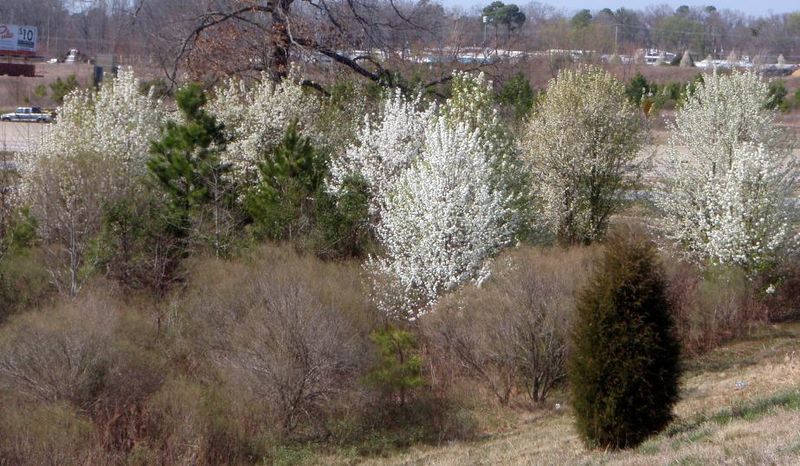
Bradford pear earned its place in suburban yards by blooming white in early spring and growing fast. Today, NC State Extension identifies Callery pear, including Bradford, as invasive in North Carolina.
That means seedlings escape yards and crowd into roadsides, fields, and woodland edges, where they push out native plants that local wildlife depends on.
There is also a structural concern. The branches of these trees form narrow crotches, and those joints are prone to breaking as the tree ages or when wind and ice hit.
That is a risk, not a certainty. Plenty of Bradfords stand for years, but a limb coming down onto a car, fence, or roof is a real possibility worth weighing.
You may have heard that Bradford pears are sterile. That is misleading.
The original Bradford could not pollinate itself when it was the only variety around, but other Callery pear varieties, sprouts from rootstock, and even European pear trees can cross-pollinate with it. The result is viable seed, which birds spread across the landscape.
If you are searching for a replacement, set your expectations early. Bradford is known for flowers in early spring.
Sourwood, a North Carolina native, offers something different: blooms in summer and foliage in fall. It is a trade of seasons rather than a like-for-like swap, and the next sections explain what you gain and what you give up.
Sourwood offers summer flowers and fall foliage
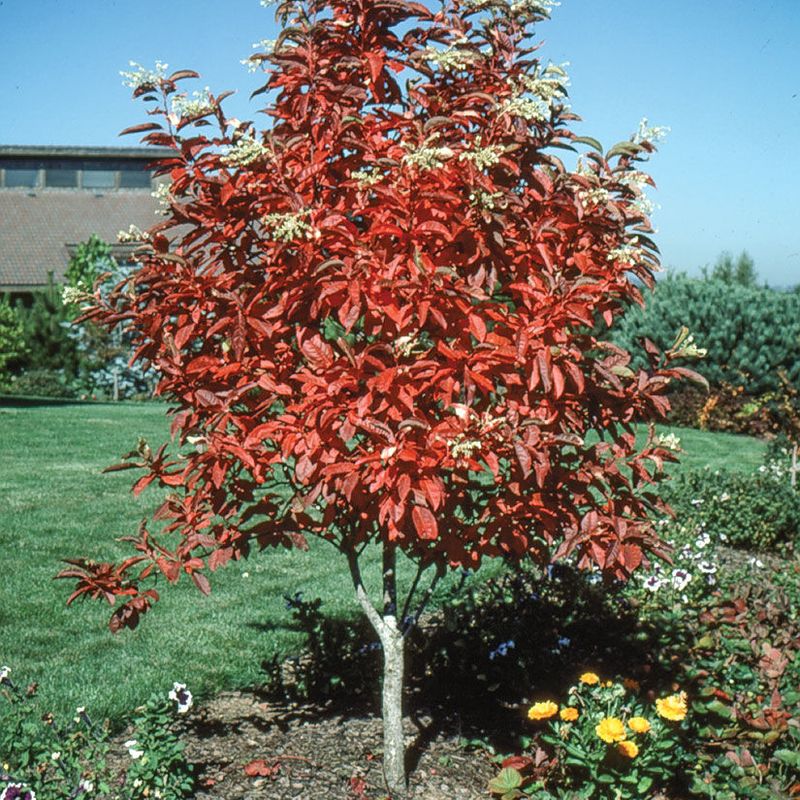
Picture long, drooping clusters of small, creamy white, bell-shaped flowers hanging from the branch tips in midsummer. That is sourwood (Oxydendrum arboreum), a native tree that gives a yard interest well after spring blossoms have faded.
NC State’s Plant Toolbox notes that the flowers attract bees, butterflies, and other insects.
The wildlife value is real but should be described honestly. The U.S.
Forest Service describes the flowers as insect-pollinated and an important honey source in some areas. Bees use the nectar, and that makes sourwood a good addition for a pollinator-friendly yard.
Which insects show up in your yard will depend on your neighborhood and surroundings.
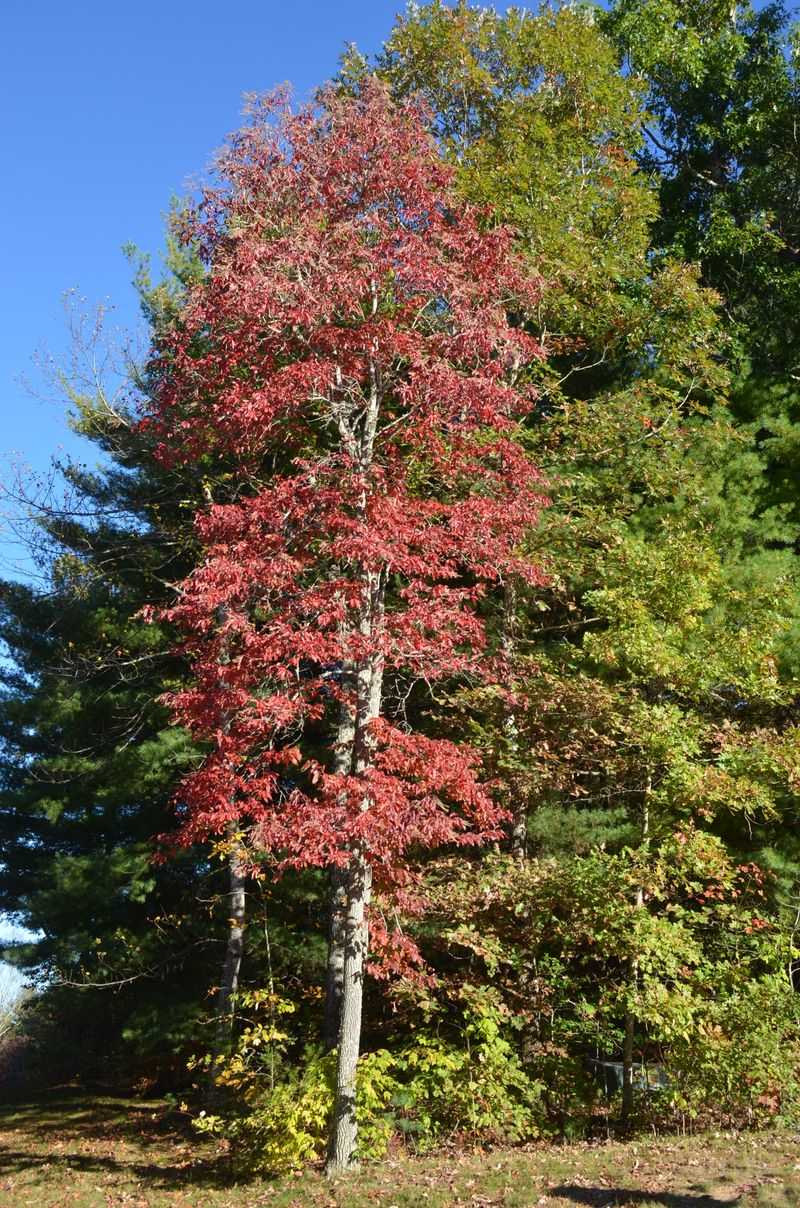
Then comes autumn. Sourwood leaves are usually crimson red, though yellow or purple can also appear.
Color can differ from tree to tree and from year to year, so think of the red as a likely reward rather than a promise.
It also helps to know what sourwood is not. It will not give you Bradford’s early-spring snow of blossoms.
Its payoff is spread across summer and fall, with seed capsules that linger after the leaves drop. For a homeowner who values native plants and a longer season of interest, that is a worthwhile exchange.
Check whether sourwood fits your region
Native does not always mean easy. Sourwood grows naturally across North Carolina, and NC State lists it for the Mountains, Piedmont, and Coastal regions.
The same listing points out that it is less common in low alluvial areas of the Coastal Plain, the flat, floodplain-type ground along rivers and streams.
The state flora adds helpful local detail. Vascular Plants of North Carolina describes sourwood as especially characteristic of the Piedmont and lower Mountains, and scarce in sandy soil.
If you garden on pure sand near the coast, that is a signal to look closely before buying.
So what should you do with this? Treat your county as a starting point and your actual yard as the deciding factor.
A Piedmont lot with heavy clay that stays soggy can be as poor a match as a sandy coastal lot that dries out quickly.
A few quick clues can help. Look at what grows well nearby, especially acid-loving natives like oaks, dogwoods, and blueberries.
Notice where water stands after a heavy rain. Dig a small test hole and watch how fast it drains.
Those simple checks tell you more than any range map can.
Choose a site that meets sourwood’s needs
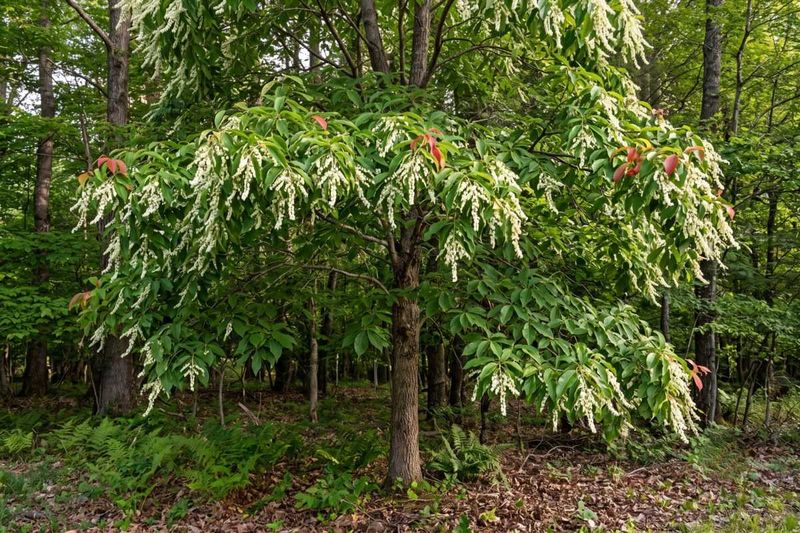
Sourwood does best in acidic, well-drained soil that still stays moist. NC State lists full sun to partial shade as workable exposures.
More sun generally goes along with better fall color, though your results will vary. Avoid spots where water pools or where soil bakes dry in summer.
Urban conditions deserve a careful look. NC State calls the tree intolerant of pollution and urban areas, and Virginia Cooperative Extension similarly warns that it may struggle in polluted city settings.
Treat that as a caution, not a ban. A yard set back from a busy road and away from heavy paving is a better bet than a strip beside a hot parking lot.
Plan for size, too. A typical landscape guide is 20 to 30 feet tall and 10 to 15 feet wide.
That is a small-to-medium tree, suited to many residential lots, but not a hard limit. The state flora describes wild trees that reach about 40 to 50 feet.
Before you buy, read the tag or ask the nursery for the expected mature size of that plant. Then stand in your yard and picture it.
Keep it well away from the house, power lines, septic fields, and driveways, so you never have to prune it hard to make it fit.
Plant a young tree and support establishment
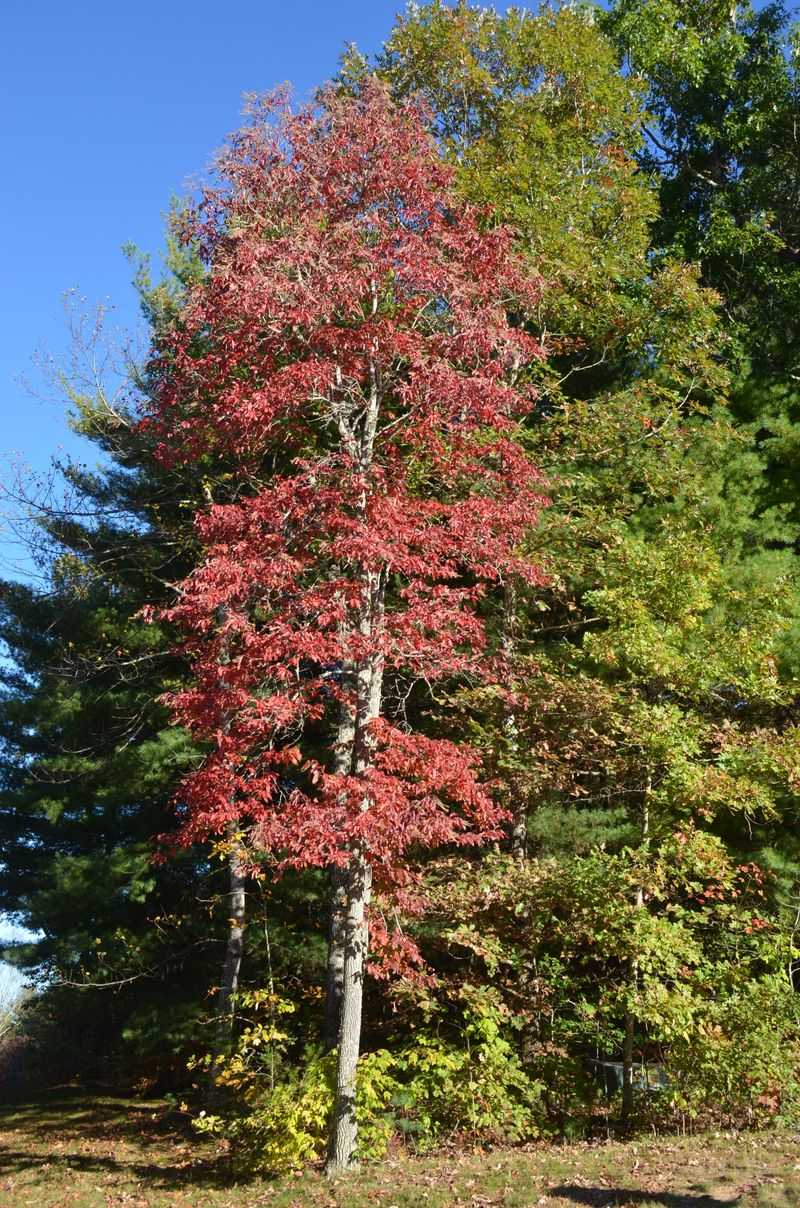
Sourwood is picky about being moved. NC State advises that it does not transplant well and should only be transplanted while young.
So skip the big balled tree and start with a small one. Virginia Cooperative Extension notes that container-grown plants may improve transplant success.
Timing matters as well. The NC State Extension Gardener Handbook gives late fall or early spring as a general good window for container-grown woody ornamentals.
Fall planting also lines up well with the native planting season many North Carolina gardeners already use.
When you plant, dig a wide hole and set the root ball at or slightly above the surrounding grade. Planting too deep is a common cause of struggling young trees.
Backfill with the soil you removed, and water thoroughly once the tree is in.
Spread organic mulch around the tree, but keep it about 6 inches back from the trunk. Piling mulch against the bark holds moisture where you do not want it.
There is no single watering schedule that works for everyone. Check the root ball by feel, and adjust for rainfall and season.
Cooler-season plantings may need water less often than ones put in during warm weather. The goal is a root ball that stays moist, not soaked and not dry.
Plan carefully when removing an established pear
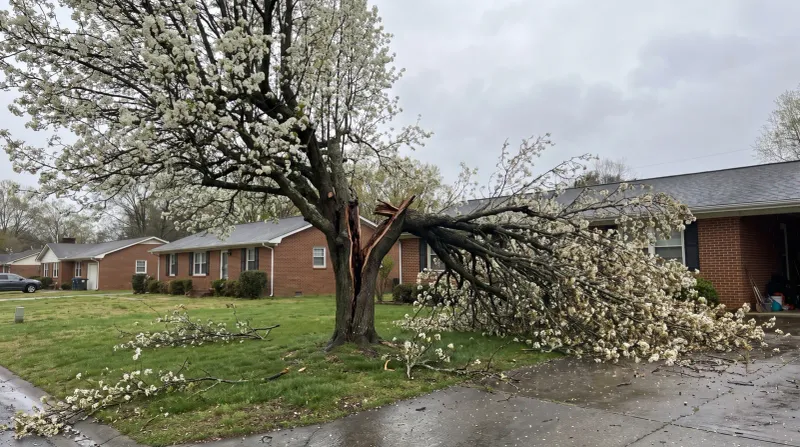
Already have a Bradford pear? Cutting it down is a sensible step, but it may not end the story.
NC State notes that Callery pear can resprout, so a stump left alone may send up new shoots.
Large trees near homes, fences, and utility lines can be risky to take down. For urban settings, NC State recommends contacting a certified arborist.
A professional can handle the tree safely and talk with you about how to deal with resprouting afterward.
If herbicides come up in those conversations, the rule is simple: use any product strictly according to its current label. Labels spell out where and how a product can be used, and they exist to protect you, your neighbors, and nearby plants.
It also helps to look around the yard after removal. Seedlings of Callery pear can pop up where birds have dropped seed, so watching for young sprouts is part of being a good steward.
Removing the parent tree is a strong start, and ongoing attention keeps the work from being undone.
Wait to choose your replacement until the pear is gone and the area has been checked for sprouts. That gives you time to evaluate the open space with fresh eyes.
Choose sourwood for the right yard, not a guaranteed show
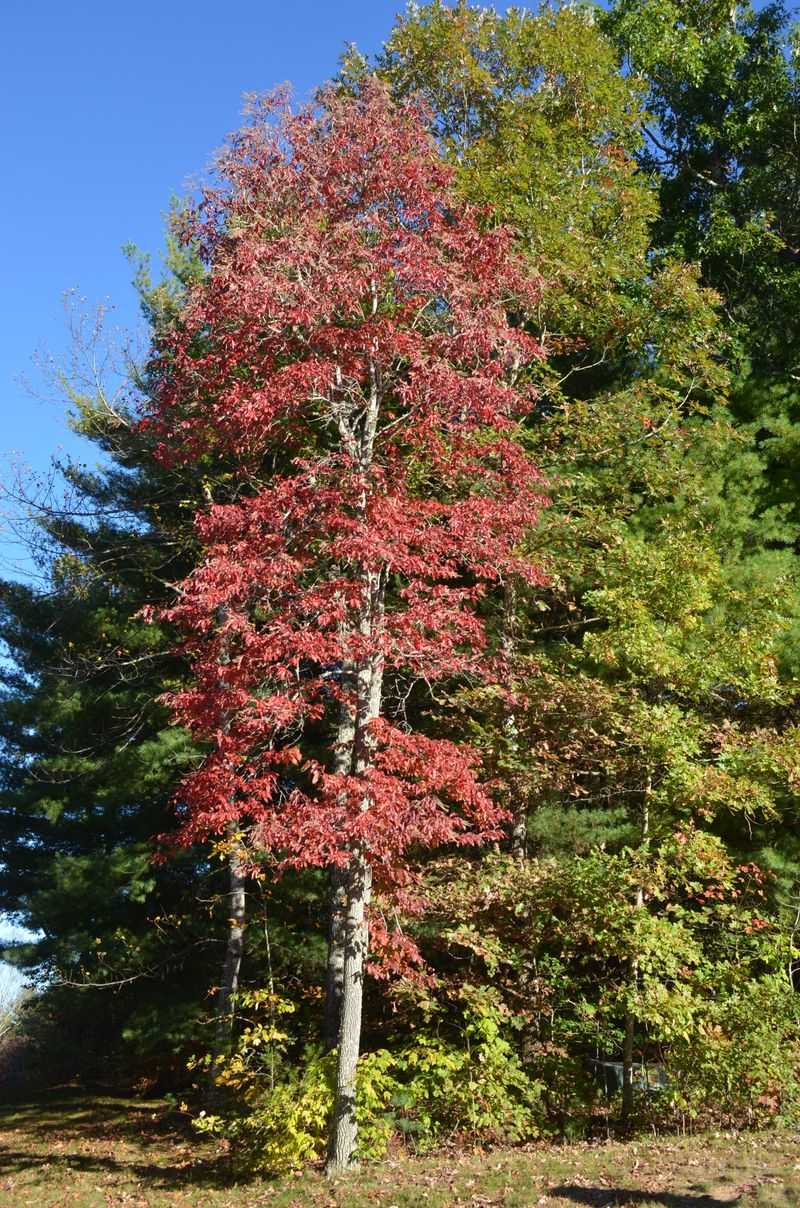
Sourwood suits yards with acidic, well-drained, moist soil, enough sun, and room for a tree that may reach 20 to 30 feet. Check your drainage, exposure, and nursery size tag first, and remember that native status across the state does not guarantee a good match.
Expect summer blooms instead of the early-spring show of Bradford pear, fall color that varies, and some leaf and seed capsule cleanup.
A good tree for the right spot is worth the wait.