
Don’t Pack Away Your Flower Seeds Yet – These 9 Go In The Ground Now For Earlier Spring Blooms
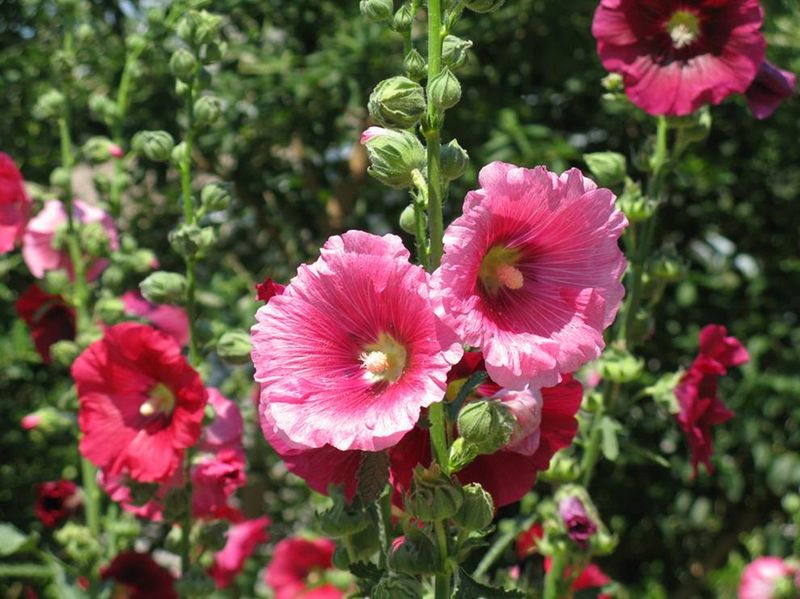
That half-used seed packet in your garage might be worth more right now than it will be next April. Many flowers actually want to spend the winter outside in cold, damp soil, because that chill wakes them up and tells them when to sprout.
Seeds you scatter this fall can grow strong roots early and bloom weeks ahead of anything you plant in spring. Here are nine easy flowers to sow now, plus simple tips so your seeds don’t go to waste.
1. Poppies
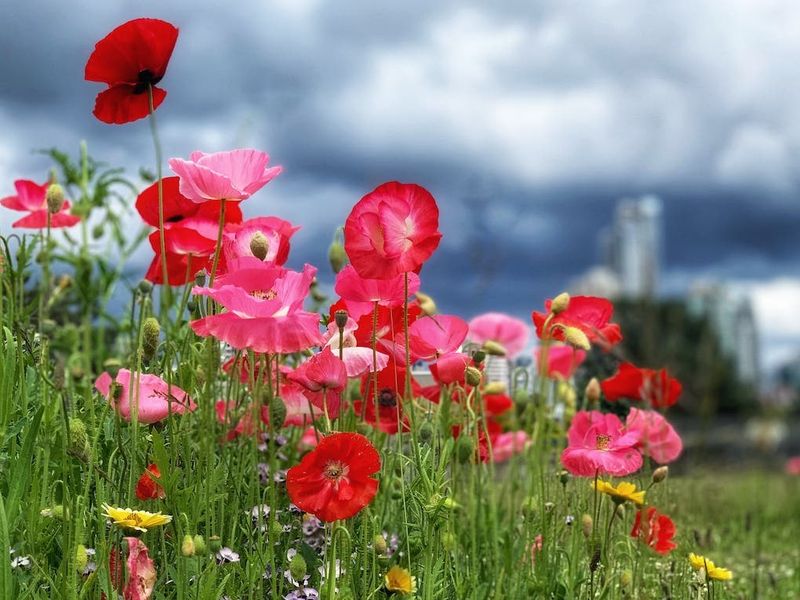
Poppies have a stubborn streak. Try to start them in pots and move them, and they often sulk or flop because they hate having their roots disturbed.
Fall sowing solves that problem completely. Scatter Shirley, California, or breadseed poppy seeds right where you want them to bloom, press them onto the soil, and skip covering them, since they need light to sprout.
Winter freezing and thawing settles them in for you.
Come spring, the young plants are already rooted and ready, so they flower earlier than spring-sown seed. One tip that saves a lot of worry: mix the tiny seeds with a little sand before scattering so you don’t dump them all in one spot.
2. Larkspur
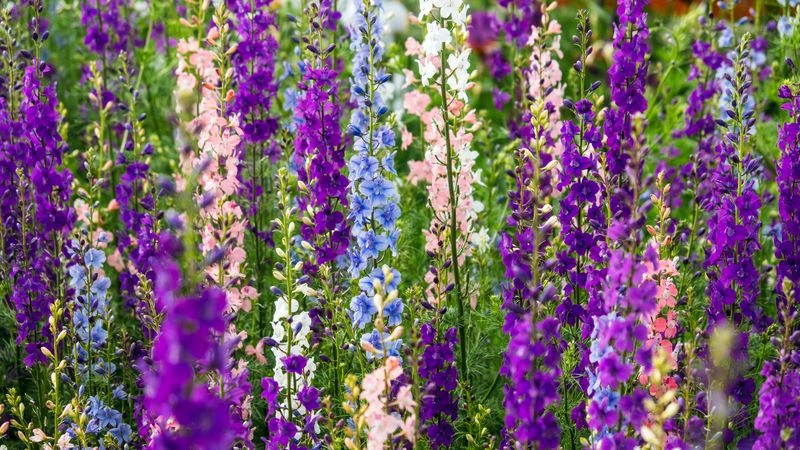
Ask cut-flower growers about their easiest spring bloomer and larkspur comes up again and again. The catch?
It barely sprouts in warm soil, which is why so many spring plantings fail.
Larkspur seed actually needs a cold spell to germinate well. Sow it in fall, cover it lightly with about an eighth of an inch of soil, and let winter do the work.
Seedlings may pop up before frost and sit quietly all winter, and that is completely normal.
By late spring you get tall spikes of purple, pink, and white that look great in a vase. Plant in full sun and give it a spot where it can stay put, since it dislikes transplanting too.
3. Bachelor’s Buttons
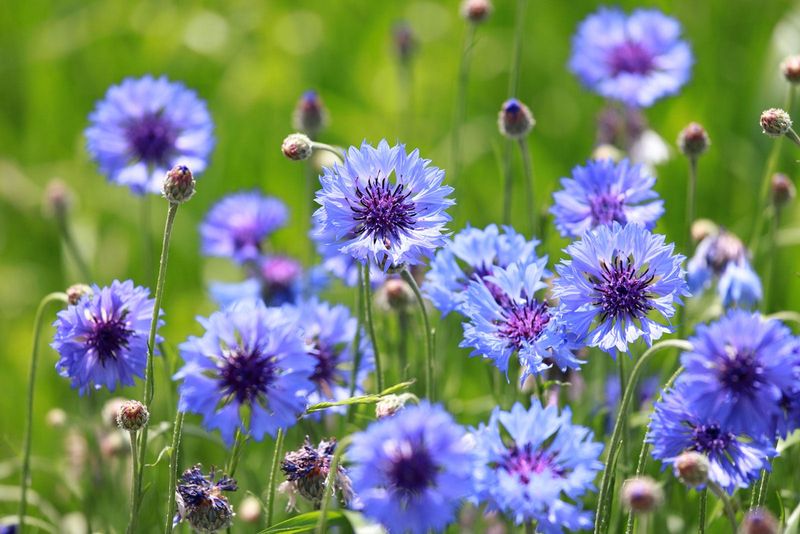
Few blues in the garden are as true as a cornflower. Old European farmers saw them so often in grain fields that the name cornflower simply stuck, since corn meant grain back then.
Those field roots explain why bachelor’s buttons are so tough. They handle cold soil, poor soil, and forgetful gardeners with ease.
Sow the seeds about a quarter inch deep in fall and they will often be among the first flowers blooming next spring.
Keep picking the blooms and the plants keep making more. Bees love them, and you can save a few dried flower heads for next year’s seed.
4. Calendula
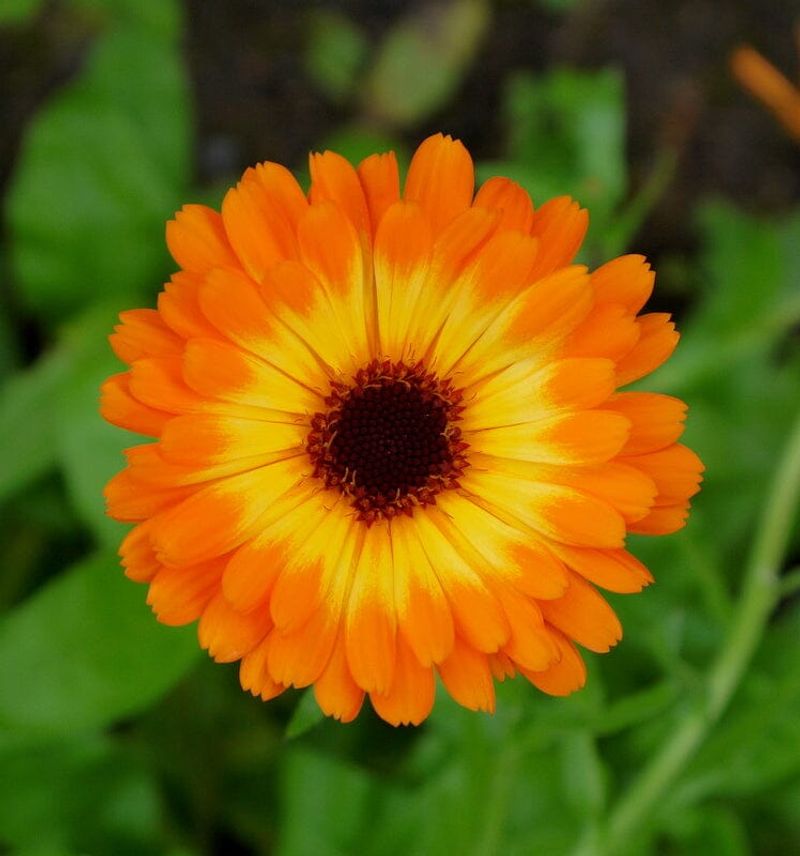
If you have ever been nervous about growing anything from seed, start here. Calendula is about as forgiving as flowers get, with big, curved seeds that are easy to handle and quick to sprout.
It also loves cool weather, which makes fall sowing a natural fit. In mild-winter areas, you may see blooms through much of winter.
In colder regions, seeds wait in the soil and burst up early in spring with cheerful orange and gold petals.
Cover the seeds with about a quarter inch of soil and give them full sun. Calendula can slow down in summer heat, so the earlier start gives you a longer show before it fades.
5. Sweet Peas
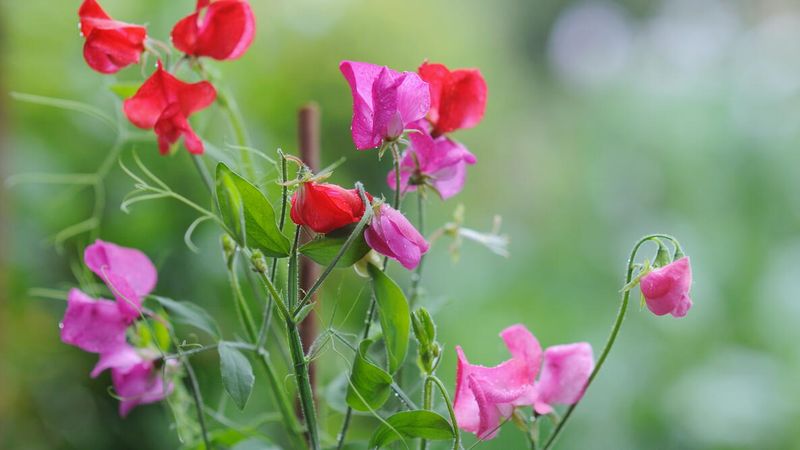
Grandma’s garden fence probably smelled like these. Sweet peas have a perfume you can catch from several feet away, and one small bunch can scent a whole kitchen.
The big frustration with spring-planted sweet peas is heat. They often stop blooming right when they get going.
Fall sowing helps them build deep roots so they flower sooner and hold on longer before warm weather shuts them down.
In mild-winter areas, sow them straight into the ground near a trellis. In colder zones, many gardeners start them in pots in a sheltered spot like an unheated garage or cold frame.
Soaking seeds overnight before planting may help them sprout faster.
6. Love-in-a-Mist
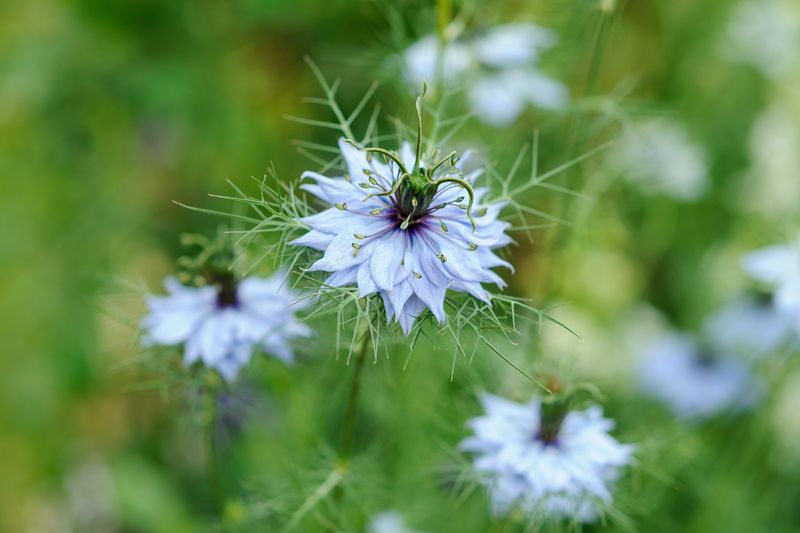
Picture a flower wrapped in its own lacy green veil. That airy look is how nigella earned the name love-in-a-mist, and it never fails to get questions from visitors.
It is also one of the lowest-effort flowers on this list. Scatter the seed in fall, press it into the soil, and walk away.
Nigella grows a long taproot and resents being moved, so sowing in place is the best way to grow it.
After the sky-blue and pastel blooms fade, puffy striped seed pods appear that look wonderful in dried arrangements. Leave a few on the plant and it will happily reseed for next year.
7. Black-Eyed Susans
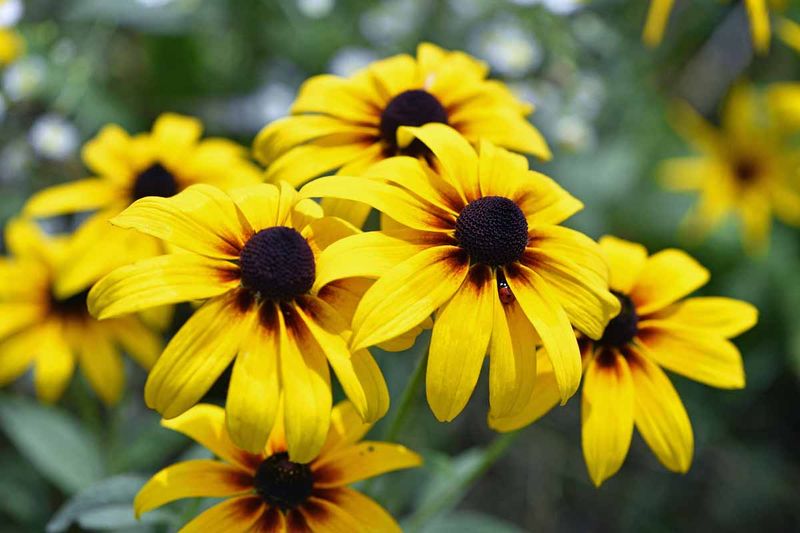
Sunny, sturdy, and almost impossible to discourage, black-eyed Susans are the friend who shows up no matter the weather. They are native to much of the US and handle heat and dry spells better than many showy flowers.
Seeds benefit from a winter outdoors, which helps break their natural dormancy. Sow them on the surface in fall, press them in lightly, and let the snow and rain settle them.
Expect bold golden blooms from late spring into summer. They are a smart pick if your petunias tend to fry in hot afternoon sun, since these keep going where others give up.
8. Purple Coneflower
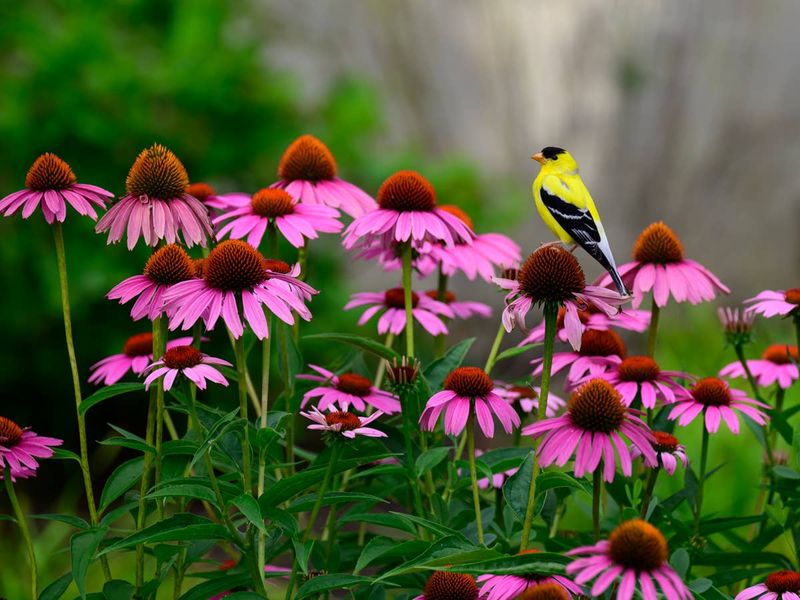
Plenty of gardeners buy coneflower seed in spring, plant it, and see almost nothing come up. The seed was not bad.
It simply never got the cold treatment it needs.
Fall planting fixes that for free. A winter in cold, moist soil breaks the seed’s dormancy so it sprouts on its own schedule in spring.
Cover the seeds very lightly and mark the spot so you don’t weed out the seedlings by mistake.
Patience pays here. First-year plants may be small, but once established, coneflowers return for years and pull in butterflies and bees.
Leave the seed heads in fall and goldfinches may stop by for a snack.
9. Hollyhock
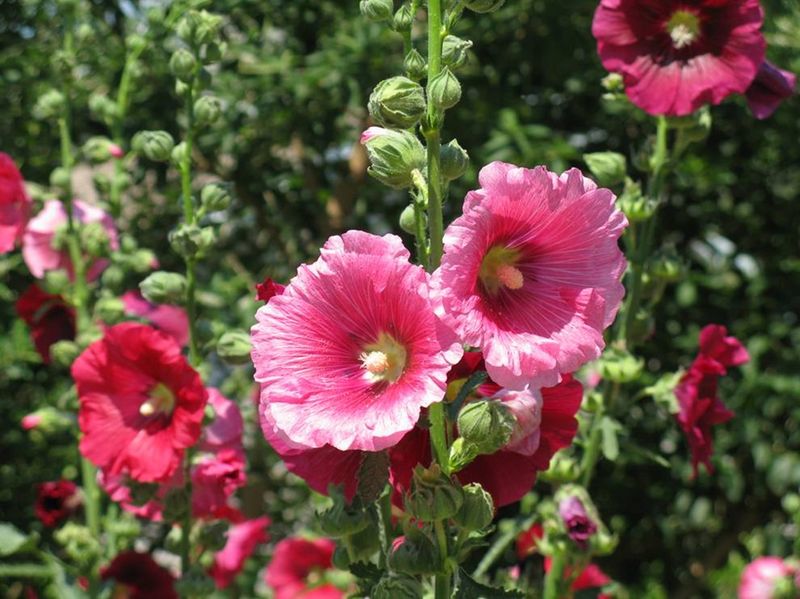
Tall hollyhocks towering over a fence feel like a step back in time. Yet many people plant them and wonder why they got only leaves the first year.
Most hollyhocks are biennials, which means they grow leaves in year one and bloom in year two. Sowing in fall gives them a head start on that clock, so plants are stronger and more likely to flower sooner.
Plant seeds about a quarter inch deep in full sun with good drainage, since soggy soil can lead to rot.
Give them room for air to move between plants, which can reduce rust spots on the leaves. Let a few flowers set seed and new plants will keep appearing year after year.