
Squirrels Digging Up Your Fall Bulbs Hate These 9 Kitchen Scents – Here’s Where To Use Each One
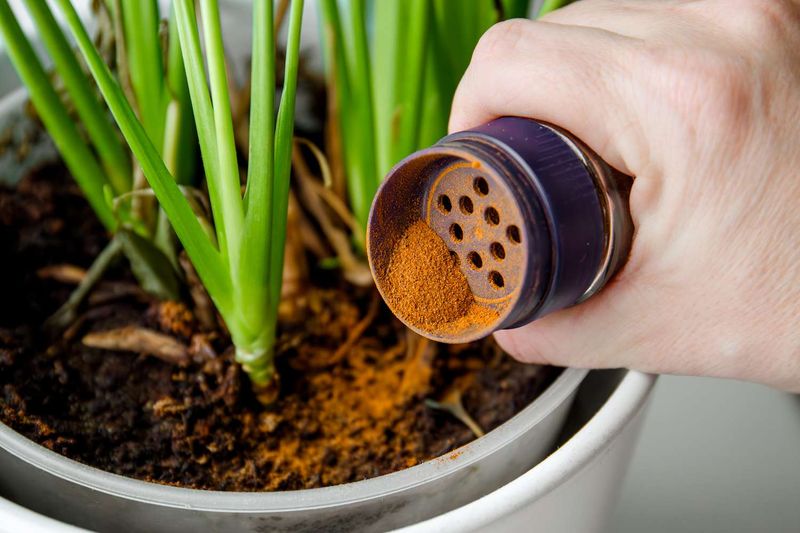
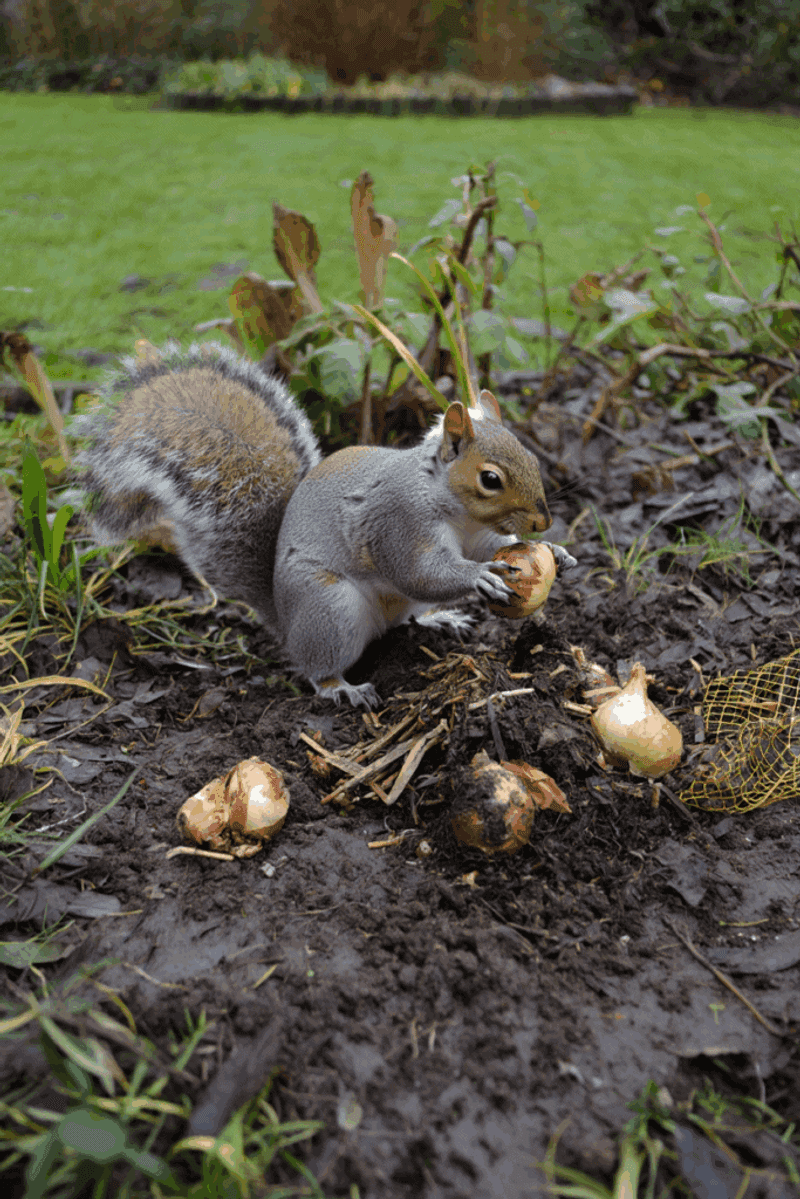
You spent a whole afternoon tucking tulip and crocus bulbs into the ground, and the next morning you find little holes and empty papery shells. Squirrels have a powerful nose, and freshly turned soil practically sends them an invitation.
The good news is that the same nose can work against them, because a few strong smells from your kitchen may help keep them away. Here are nine scents to try, plus exactly where each one works best.
1. Cayenne Pepper
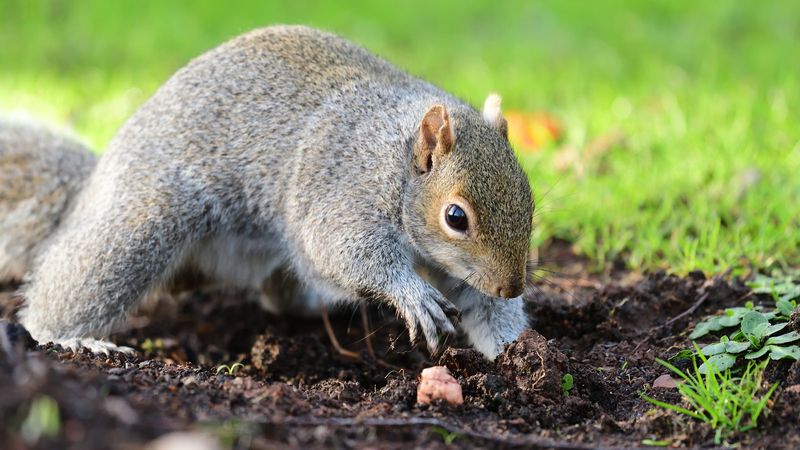
Picture a squirrel sniffing your tulip bed, then sneezing and backing away. That little scene is why cayenne tops so many gardeners’ lists.
Capsaicin, the compound that makes peppers hot, irritates a squirrel’s nose and paws without causing lasting harm.
Sprinkle a generous layer right over the soil after you plant bulbs, focusing on the freshest dirt, since that is what squirrels target first. Chili powder and red pepper flakes work too if that is what you have in the pantry.
Prefer a spray? Mix about 1 ounce of hot sauce or cayenne with 4 cups of water and 3 drops of dish soap, then mist the planting area.
Wear gloves, keep it away from your eyes, and reapply after rain or watering, because the heat washes out fast.
2. Garlic Powder
Garlic lovers, rejoice. The pungent smell you enjoy in pasta sauce comes from allicin, and squirrels find it about as appealing as a skunk.
Dust garlic powder across bulb beds and around the edges of planting areas. For something punchier, crush a few fresh cloves into a diluted apple cider vinegar spray and apply it to the soil surface.
Here is a clever bonus trick. Plant actual garlic cloves around the border of your bulb bed in fall, and you get a living deterrent that may help discourage digging all season, plus a harvest next summer.
3. Used Coffee Grounds
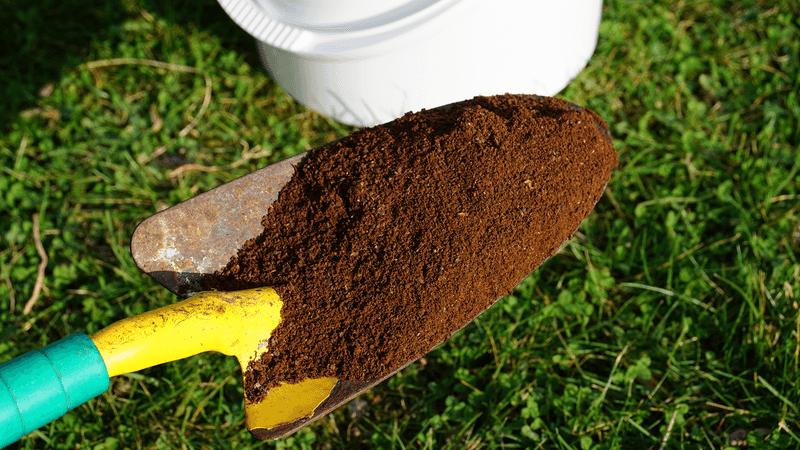
Your morning cup can pull double duty. Squirrels have sensitive noses, and the strong, bitter aroma of used coffee grounds tends to turn them off.
Scatter a thick layer over freshly turned soil where bulbs went in, and around spots where you see squirrels hanging out. Think of it as recycling with a purpose.
The scent fades, so plan to refresh grounds about once a week or after a heavy rain. Want extra kick?
Stir in some chili powder or red pepper flakes before spreading. Just keep the layer thin enough that it does not form a crust that blocks water.
4. Peppermint Oil
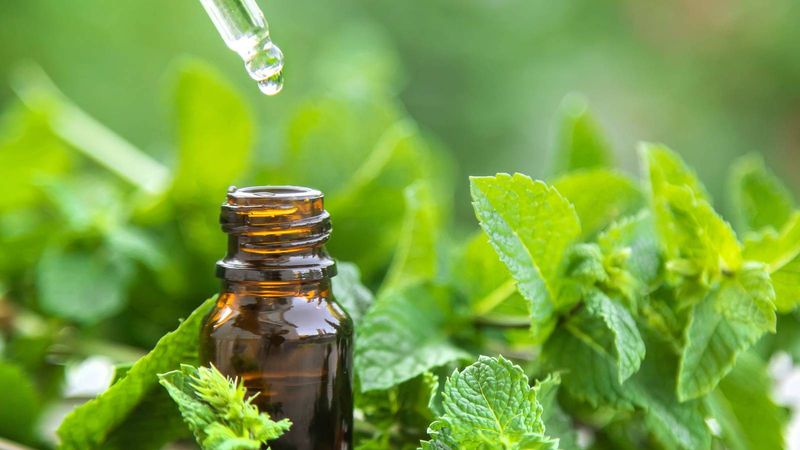
To you, peppermint smells fresh and clean. To a squirrel, it is a blast so intense it can scramble the signals it uses to find buried food.
Soak cotton balls in peppermint oil and tuck them near your bulb plantings, or place a few drops directly on the soil surface. Cotton balls are handy for pots and small beds where you want the scent concentrated.
For bigger spaces, add several drops to a spray bottle of water, with a splash of apple cider vinegar if you like, and mist the garden perimeter. Refresh every few days, since essential oils evaporate quickly in sun and wind.
5. Cinnamon
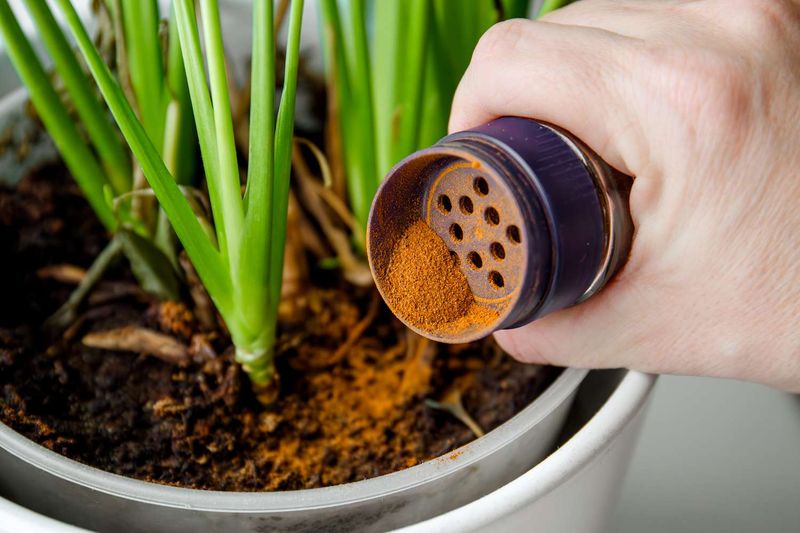
Cinnamon might be the coziest-smelling squirrel stopper around. It makes your patio smell like a bakery while sending the bushy-tailed crowd elsewhere.
It shines in containers. If squirrels keep raiding your potted tulips or hyacinths, dust the soil surface liberally with ground cinnamon right after planting and again after each watering.
You can also sprinkle it around flower beds and tree bases. Bulk cinnamon from a warehouse store keeps the cost down, which matters since you will be reapplying often.
6. Apple Cider Vinegar
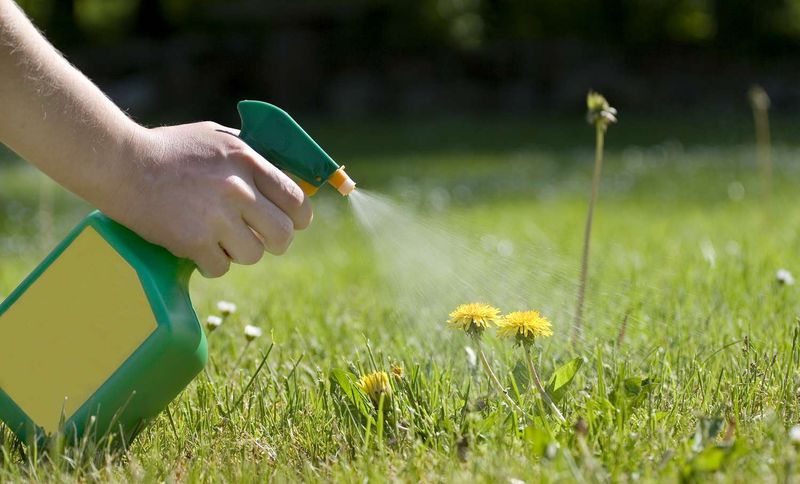
Sharp, sour, and impossible to ignore. Vinegar’s smell is one squirrels would rather avoid, and it is probably already in your cupboard.
Mix one part apple cider vinegar with three parts water in a spray bottle. White vinegar works too, usually at equal parts with water.
Toss in crushed garlic if you want a stronger blend.
Spray around the perimeter of the bed rather than soaking plant leaves, since vinegar can burn foliage. Treat it like an invisible fence line, and redo it after rain.
7. Human or Dog Hair
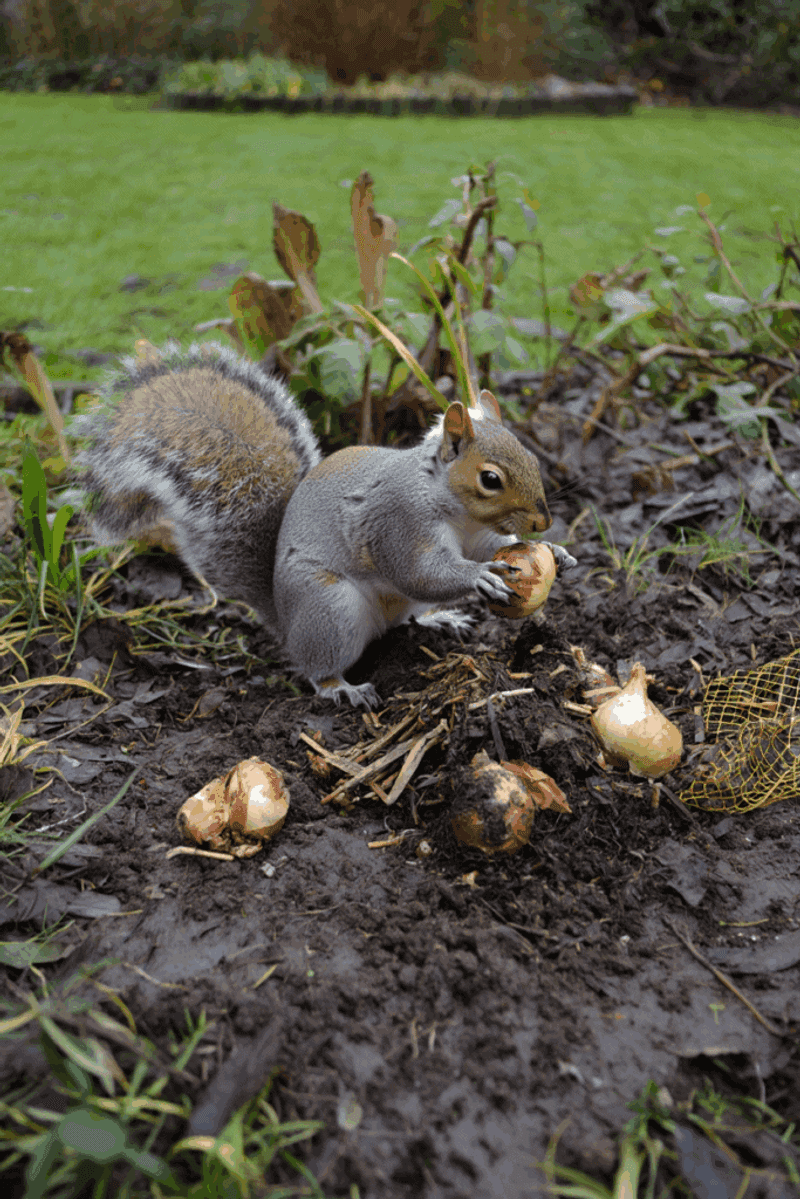
Here is one your hairstylist can help with. Squirrels are prey animals, and the scent of people or dogs may signal danger nearby.
Save clippings from haircuts or fur from brushing the dog. Lightly work them into the top inch of soil as you plant bulbs, or scatter them across the bed afterward.
It costs nothing and breaks down slowly, adding a little nitrogen as it goes. Many salons will gladly hand over a bag if you ask.
8. Irish Spring Soap
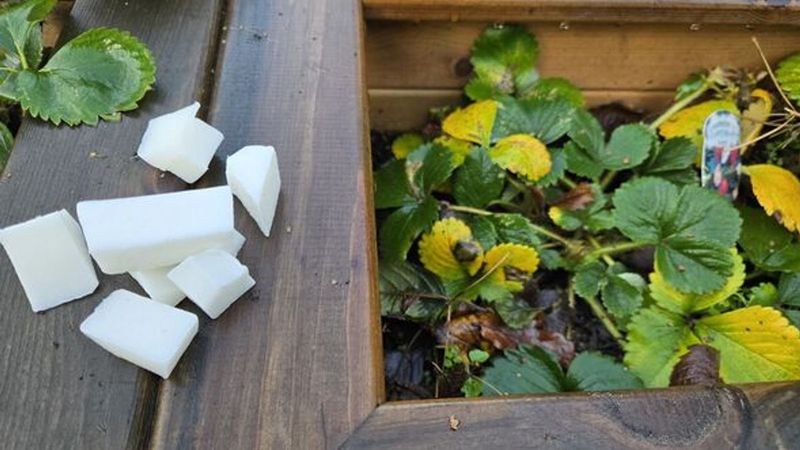
Grandma’s laundry-room trick has earned a cult following among gardeners. Irish Spring has a strong, perfumy scent that many people say keeps critters guessing.
Try pushing half a bar onto a wooden dowel and staking it near the planting area. Or grate the soap and scatter shavings into pots and over beds where bulbs are buried.
Results vary from yard to yard, so treat it as one layer of defense, not a guarantee. Avoid heavy use in vegetable beds, since soap residue is not something you want near food crops.
9. Blood Meal
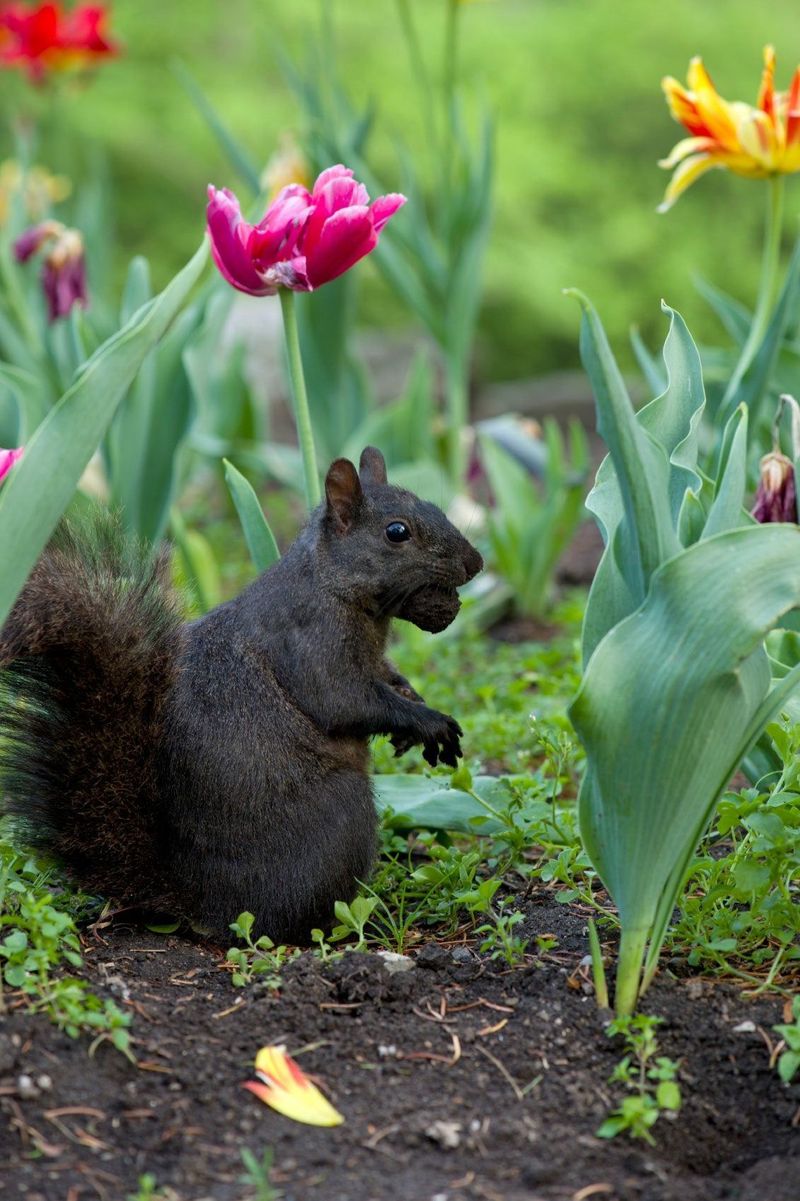
Blood meal is the heavy hitter on this list. Its strong odor may suggest predators to squirrels and also masks the tempting smell of the bulbs themselves.
Mix a little into the soil covering your bulbs at planting time, or sprinkle it over the surface and inside pots. Reapply after rain to keep the scent working.
One caution. Blood meal is a rich nitrogen fertilizer, so go light to avoid overfeeding, and keep it away from curious dogs who may dig for the smell instead.
Your best plan is mixing two or three of these scents and refreshing them often, so squirrels never get comfortable in your bulb beds.