
Stink Bugs at Your Window Screens in Fall: Seal Entry Points and Remove Indoor Bugs
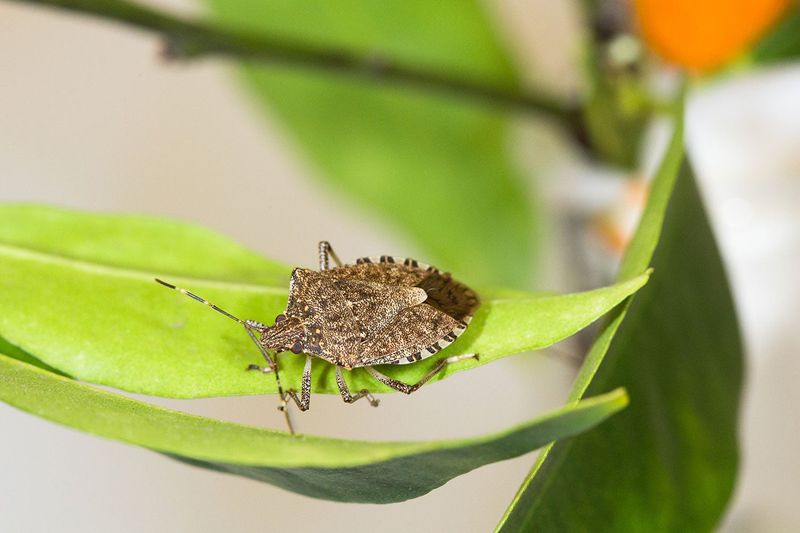
Fall brings a wave of brown marmorated stink bugs to window screens, porches, and sunny walls. A popular claim says a cheap kitchen spray can keep them off your screens, but the research-based guidance does not back that up.
What does help is simple: close the gaps they use to get inside, then remove any bugs that make it in. Here is how to do both without making a stinky mess.
Brown marmorated stink bugs seek shelter as fall approaches
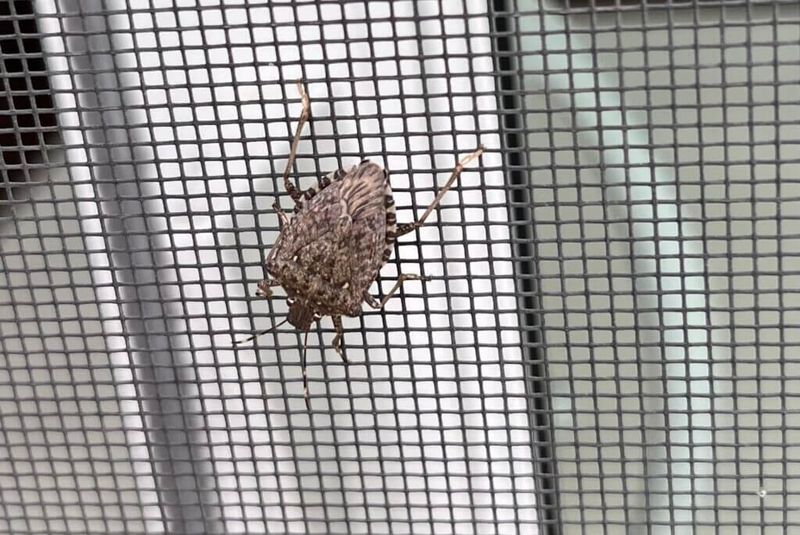
Late summer and fall bring a change in behavior for adult brown marmorated stink bugs. According to UC IPM, they look for protected places to spend the winter, and buildings fit the bill.
That is why you may spot them clustered on sunny siding and window screens just as the weather cools.
They can slip in around windows, doors, vents, and other small gaps. Cornell IPM describes the same pattern of adults moving toward shelter.
Once inside, they tend to settle into hidden spots and may wander into living areas on warm days.
One caution before you blame every bug you see: people use the name stink bug for several species. The National Pesticide Information Center notes that more than one kind lives in the United States and suggests confirming identification.
The fall indoor-shelter habit described here is specific to brown marmorated stink bugs, so a green or differently shaped bug in your tomato patch may behave differently.
It also helps to treat two jobs separately. Keeping bugs from getting in is prevention, and it involves your screens and the cracks in your house.
Dealing with bugs that are already in the living room is removal, and it calls for a different set of tools. The next sections take them in that order.
A soapy-water trap is not a screen spray
Here is the claim to set aside gently: a two-ingredient kitchen spray that keeps stink bugs off your screens. The guidance reviewed for this article does not show that any homemade spray works as a barrier at windows or stops bugs from coming in.
It is an easy idea to believe, because the ingredients are cheap and already in your cabinet.
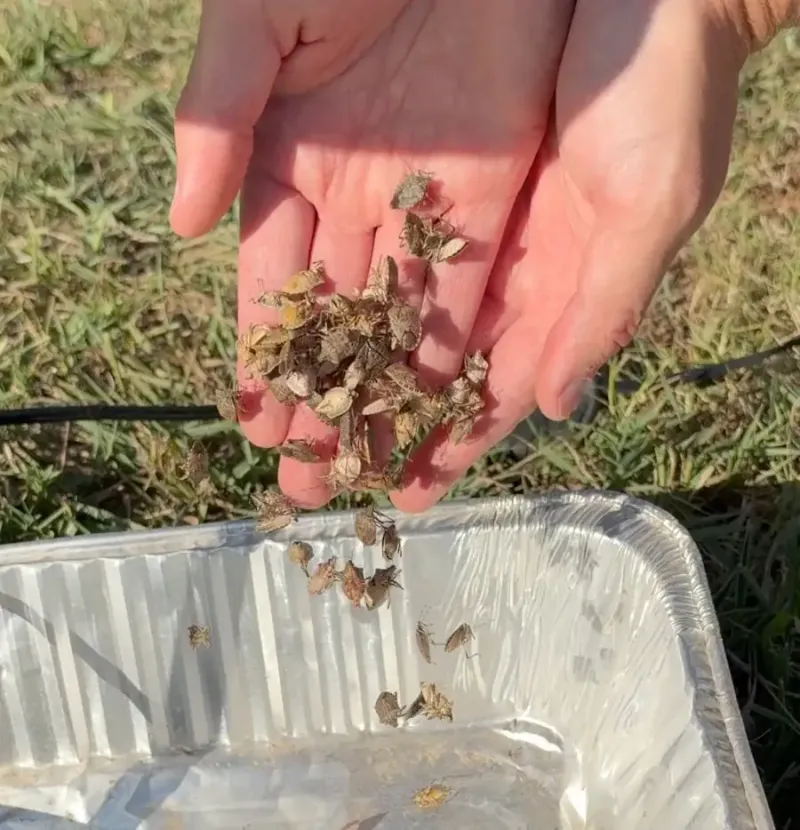
The kitchen method that does have documentation is a trap. UC IPM describes a pan of water with a few drops of dish soap, set in a dark room with a light aimed at it.
Bugs already indoors are drawn toward the light, fall in, and drown.
Notice what that setup does and does not tell you. It catches bugs that are already inside your home.
It says nothing about whether spraying soapy liquid on a screen would turn bugs away or stop them from entering.
A recipe is not proven just because it uses familiar ingredients. Soap, water, and vinegar are safe to have around, yet that does not make them a tested bug barrier.
If you want to try the trap, a baking dish, water, a few drops of dish soap, and a lamp are all it takes, and you can use it in a spare room or hallway where bugs tend to gather.
Repair screens and seal openings before seasonal entry
Exclusion is the best-supported way to cut down on stink bugs getting in. Start with your screens, since a torn or loose screen is an open door.
Repair small holes or replace damaged screens, and check that frames fit snugly.
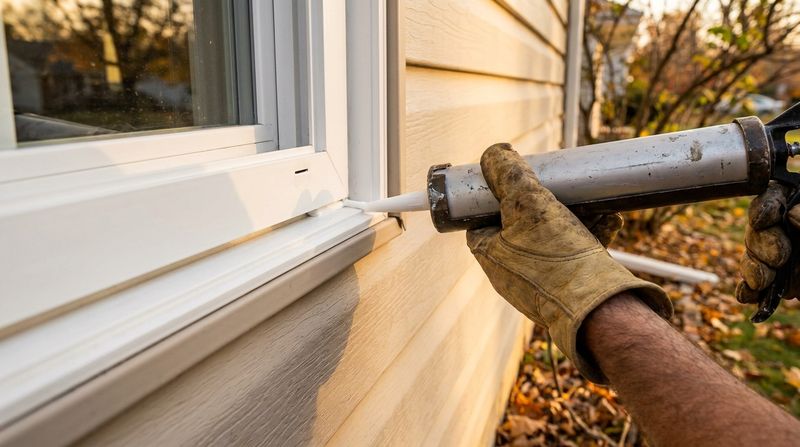
Then walk around the house looking for gaps. UC IPM points to openings around windows, doors, utility lines, vents, and air conditioners.
Caulk or sealant works for cracks and gaps, while weather stripping and door sweeps help at the bottoms and edges of doors.
Timing matters here. NC State Extension advises finishing exclusion work before stink bugs try to return, which it puts in late August.
It also warns that sealing a house in fall, winter, or early spring may trap bugs that are already inside.
So if you are reading this in the middle of fall, use the same steps with that caveat in mind. Sealing still blocks new arrivals, but some bugs may already be indoors, and they will need to be removed by hand rather than sealed in.
This guidance does not offer a treatment for wall voids, so there is no spray or trick to recommend for bugs hiding behind walls.
Even careful sealing is not a guarantee of a bug-free home. It is simply the step that most reliably lowers the number of bugs that find a way in.
Remove indoor bugs without crushing them
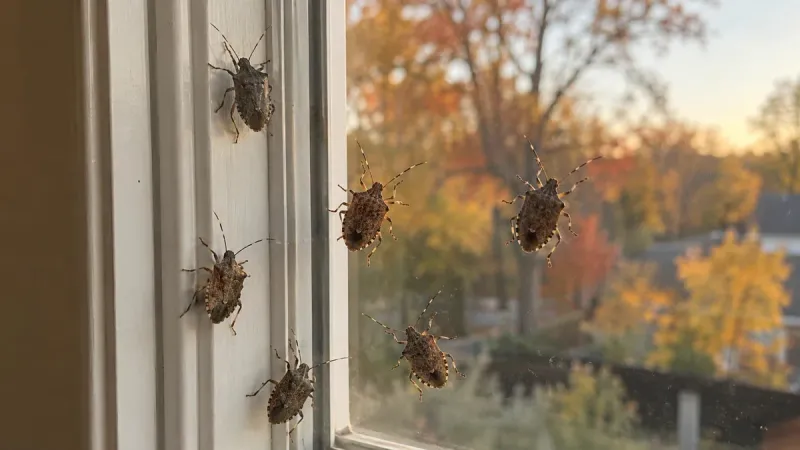
When a stink bug turns up on your curtain, your first instinct might be to swat it. Resist that urge.
UC IPM recommends capturing or vacuuming them, because crushing or agitating them can release an unpleasant odor.
A vacuum is quick when several bugs gather at one window. NC State Extension notes that a dedicated vacuum may help, so the smell does not linger in the machine you use for the whole house.
For just one or two bugs, a cup and a piece of paper work well. Slide the paper under the cup, carry it outside or drop the bug into a container of soapy water.
There is a skin reason to be careful as well. Cornell IPM notes that handling crushed bugs can cause contact dermatitis, which is a skin rash.
Otherwise, indoor brown marmorated stink bugs are mostly a nuisance. UC IPM says they do not bite, sting, damage structures, or reproduce inside buildings.
That means there is no need to panic when you find a few, and removal can be done calmly at your own pace. These steps handle the bugs in your rooms, while the light trap from earlier is a separate tool and sealing is the prevention piece.
Homemade mixtures and indoor sprays have limits
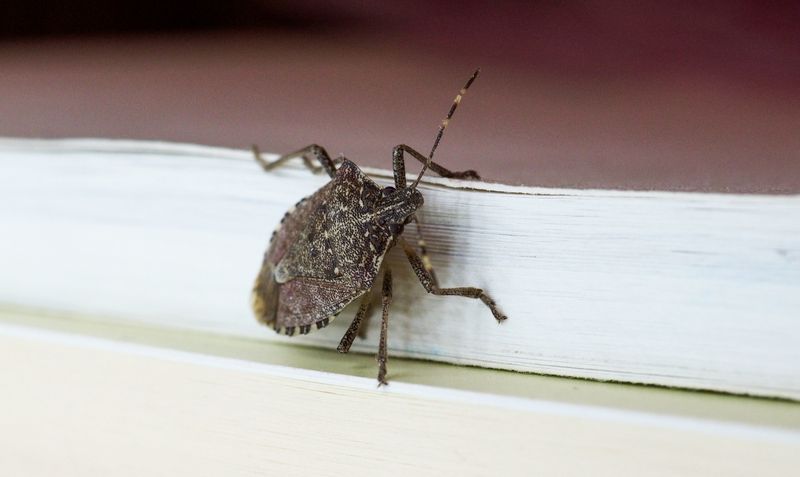
Sprays are tempting when bugs are crowding your windows, but they have clear limits here. UC IPM and the National Pesticide Information Center both say indoor insecticide sprays are generally ineffective for this problem.
UC IPM adds that outdoor applications may give only temporary deterrence, and that sealing the structure works better.
Household mixtures come with their own concerns. A vinegar, dish soap, and water recipe shows up in some lifestyle articles as a home remedy, but it is not a researched way to keep stink bugs out.
Colorado State Extension says homemade soap mixtures are not consistently formulated or tested and are not recommended for insect control. It also notes that dish detergents can harm plants, soil, and waterways.
If you grow tomatoes, hydrangeas, or geraniums near the house, that matters. UF/IFAS cautions that vinegar can injure plant tissue and that household mixtures lack research-based directions.
A spray aimed at a screen can drift onto nearby leaves.
Natural does not automatically mean safe or effective. UC IPM advises against recommending homemade pesticides because they lack labels with tested use and safety directions.
If you do choose a registered pesticide, EPA safety tips say to follow the label and use the product only for the pests and sites it lists.
Choose exclusion for prevention and removal for indoor stragglers
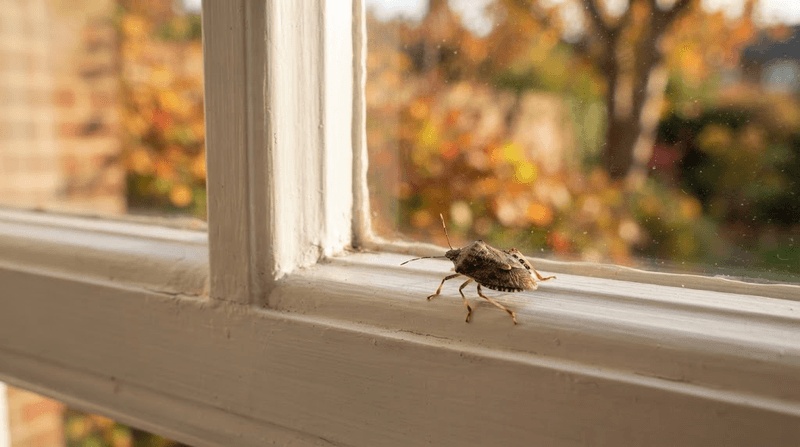
Start with the house itself: fix screens and seal gaps, ideally before the late-summer return that NC State describes. Skip the kitchen spray as a barrier, and use a vacuum or cup for any bugs already indoors.
No single step promises a bug-free home, but together they keep the problem small.
The screen does the keeping out, and your hands do the cleaning up.