
That Native Serviceberry In Your North Carolina Yard Ripens Sweet Berries Birds Strip Before You Do
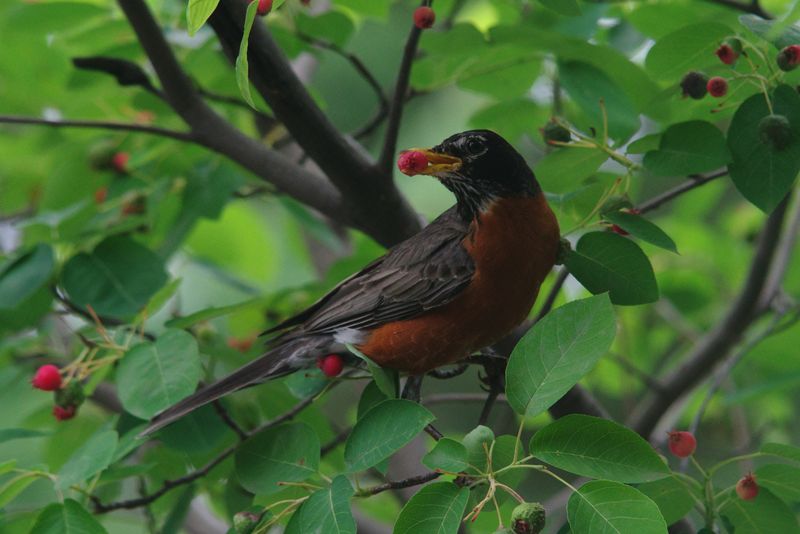
A serviceberry growing in your North Carolina yard can offer something rare in a residential garden: edible fruit that ripens in late spring or early summer, right alongside a parade of songbirds competing for the same harvest. Several native Amelanchier species are well suited to different parts of the state, from the mountains down to the Coastal Plain, and each one brings its own timing, flavor, and wildlife appeal.
Knowing which species you have, when its fruit actually matures, and how to get your share before the birds do makes all the difference between a rewarding harvest and an empty branch.
North Carolina has more than one serviceberry
Walk into a North Carolina nursery and ask for a serviceberry, and you may leave with any one of several related native plants. The name “serviceberry” covers multiple species in the genus Amelanchier, and the differences between them matter more than most gardeners realize, especially when you are counting on fruit.
For mountain gardeners, the best-documented regional fit is Allegheny serviceberry, Amelanchier laevis. NC State Extension’s plant profile for A. laevis describes it as mountain-native, growing as a small tree or multistemmed shrub typically reaching 15 to 25 feet, with edible berries that commonly mature in June.
The fruit is generally regarded as flavorful, which is part of why birds find it so quickly.
Piedmont and Coastal Plain gardeners have a different primary option: shadblow serviceberry, also called Canadian serviceberry, Amelanchier canadensis. NC State’s profile for A. canadensis places this species in those lower regions and documents fruit that typically turns dark purplish-black from May into June, making it one of the earliest edible native fruits available in those parts of the state.
A third native species, downy serviceberry or Amelanchier arborea, grows throughout North Carolina and is a common sight at nurseries. However, NC State’s profile for A. arborea describes its fruit as maturing from late summer to fall in some published windows, which makes it a poor fit for anyone expecting a reliable early-summer crop.
It is also worth knowing that nurseries sometimes sell downy serviceberry under the label A. canadensis, even though the two species differ botanically and geographically.
Common names like “Juneberry” or “shadbush” can apply to more than one species, so the safest approach is to confirm the botanical name on the plant tag or ask the nursery directly. Growth form can vary too: some plants sold as serviceberries are tidy small trees, while others spread into large multistemmed shrubs depending on species, pruning history, and how root suckers have been managed.
Knowing exactly what you have sets realistic expectations for fruit timing, flavor, and how aggressively the local birds will arrive.
Flowers and fruit bring wildlife to the yard
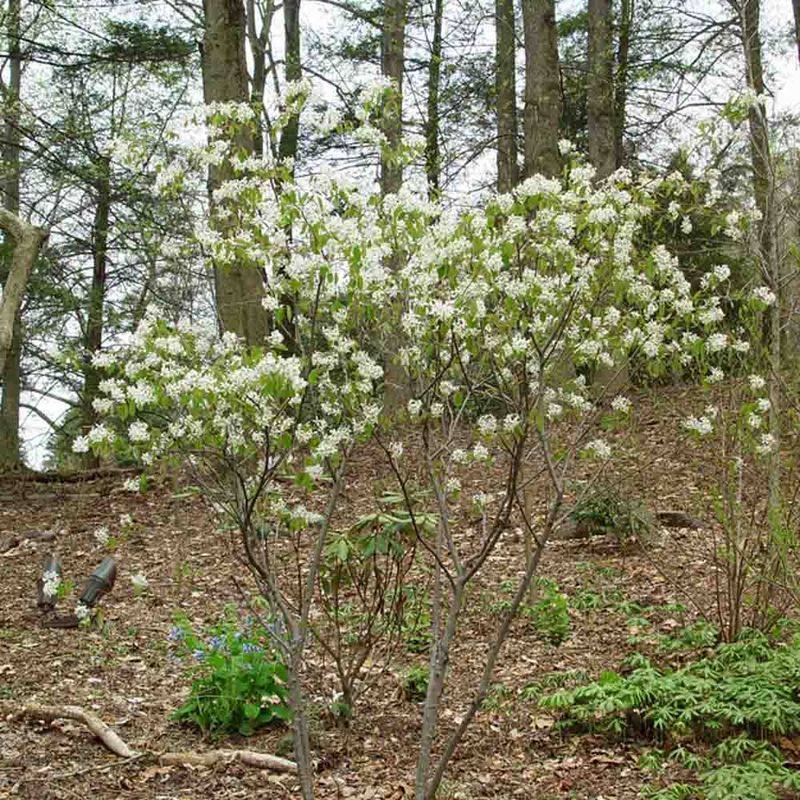
Before the fruit appears, the flowers announce the season. Serviceberries bloom early, often while many other trees are still bare, producing clusters of delicate white blossoms that attract native bees, early-season pollinators, and occasionally butterflies looking for nectar after a long winter.
That early bloom is part of what makes the plant genuinely useful rather than merely decorative.
The wildlife value extends well beyond pollinators. USDA Forest Service documentation for the Amelanchier genus reports that at least 40 bird species eat serviceberry fruit, along with numerous mammals.
In a North Carolina yard, that can translate to robins foraging through the canopy, cedar waxwings arriving in loose flocks, and rose-breasted grosbeaks pausing on their migration. Chipmunks and gray squirrels are also reliable visitors when the fruit ripens.
That wildlife activity is part of the plant’s appeal, but it is also the reason a homeowner hoping to taste the harvest needs to pay attention. Iowa State Extension’s serviceberry guide notes that birds and wildlife devour the berries in summer and that the sweetest, darkest fruit tends to disappear first.
How quickly that happens in any particular yard depends on local bird populations, what else is fruiting nearby, and how large the crop is in a given year.
Serviceberries can also serve as larval host plants for certain butterfly species, adding another layer to their ecological contribution. NC State’s Canadian serviceberry profile specifically notes the plant’s value for pollinators and wildlife beyond just fruit consumers.
One well-placed serviceberry can function as a small hub of activity from early spring through midsummer, offering something useful to a range of yard visitors without requiring the homeowner to do much beyond providing a good site and a watchful eye during harvest season.
Use fruit color instead of a statewide calendar
Marking a single date on the calendar and expecting ripe serviceberries statewide is a recipe for disappointment. Fruit timing shifts with species, elevation, weather, and the specific microclimate of your yard, so the most reliable ripeness signal is the fruit itself rather than any fixed week.
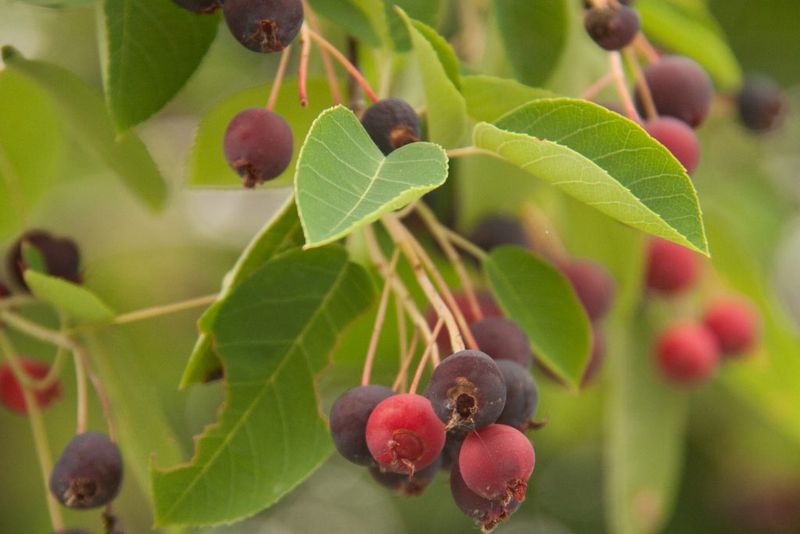
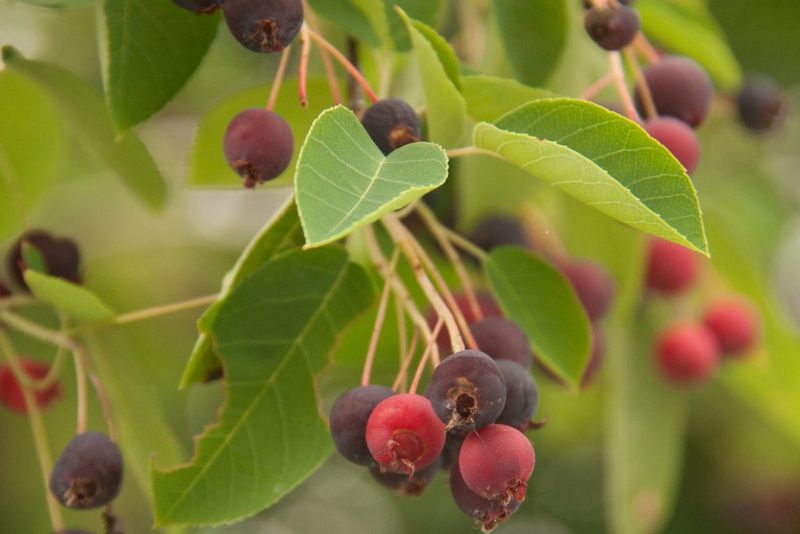
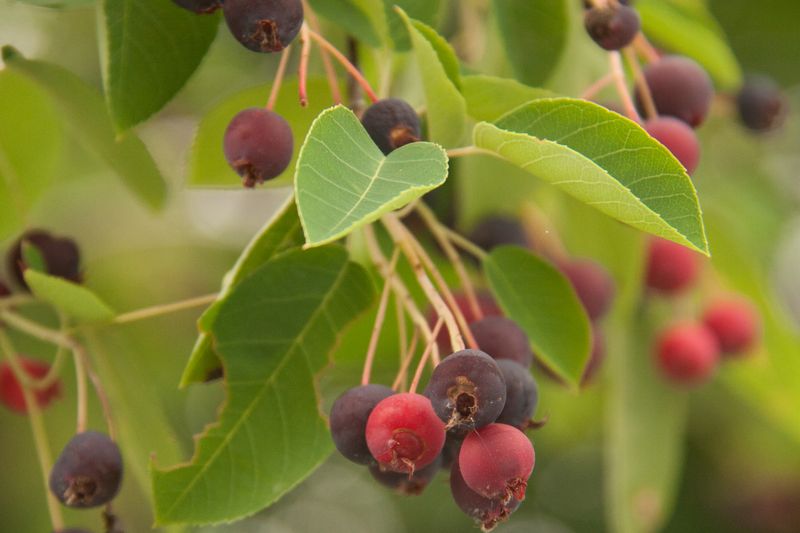
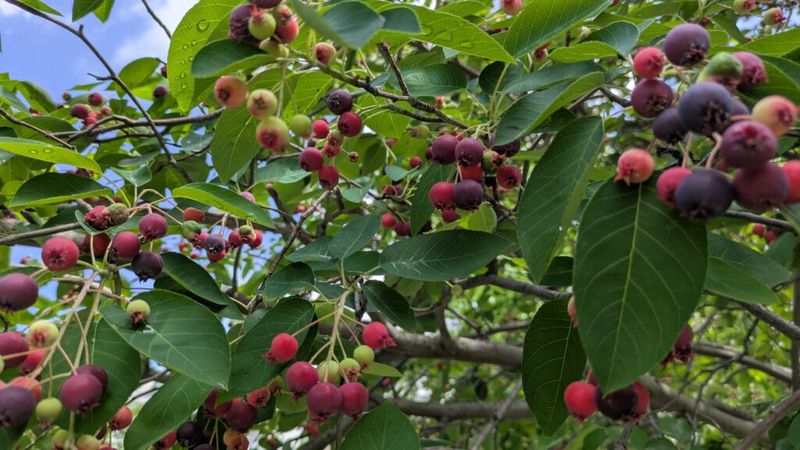
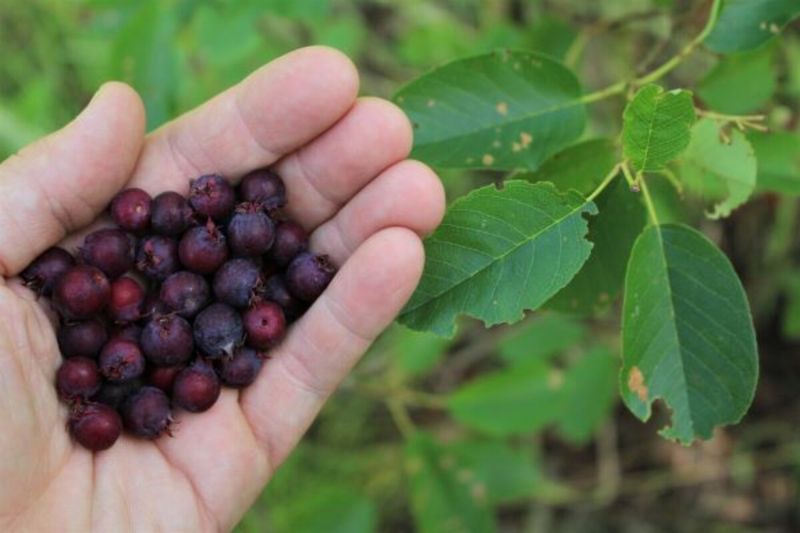
The general color progression follows a predictable arc. Fruit starts green, shifts to red or reddish-orange as it develops, and then deepens to purple, reddish-purple, or blue-black when it is ready.
Waiting until most of the fruit cluster has reached that darker end of the range, and the berries feel slightly soft when gently pressed, gives you the best combination of flavor and yield before birds claim their share.
Regional timing varies meaningfully across the state. NC State’s profile for Allegheny serviceberry documents June fruit maturity for mountain plants.
The Canadian serviceberry profile places fruit ripening from May into June for Piedmont and Coastal Plain plants. Those windows can shift earlier or later depending on spring temperatures and rainfall, so a warm March may push fruit forward by a week or more in lower elevations.
Downy serviceberry adds another wrinkle. NC State’s A. arborea profile describes its fruit as maturing from late summer to fall in some references, and USDA Forest Service information for the species gives a broader southern fruiting window of June through August.
Anyone growing downy serviceberry should not assume an early-summer harvest and should watch the fruit directly rather than relying on timing guides written for other species.
One more botanical detail worth knowing: serviceberry fruit is technically a pome, in the same structural family as apples and pears, not a true berry. Iowa State Extension confirms that darker fruit is sweeter and can continue to ripen slightly after picking, which means harvesting a day or two before peak darkness is a reasonable strategy when birds are already circling.
Softness combined with color, not color alone, is the most dependable guide.
Harvest what ripens before wildlife claims it
Getting your share of the harvest starts with one non-negotiable step: confirming that the plant in your yard is actually a serviceberry species whose fruit is documented as edible. Extension guidance on wild fruit identification is consistent on this point: do not eat fruit from an unidentified plant based only on color or a general resemblance to blueberries.
If you did not plant the tree yourself and cannot verify the botanical name, check with a local extension office or a knowledgeable nursery before tasting anything.
Once you have confirmed the species, the harvest sequence is straightforward. Wait until most of the fruit cluster has darkened to purple, blue-black, or a similarly deep shade and yields slightly to gentle pressure.
Iowa State Extension notes that darker fruit tends to be sweeter and may continue to ripen a little after picking, so harvesting just before full peak color is a practical option when bird pressure is building.
Penn State Extension recommends picking in the morning after dew has dried and before afternoon heat softens the fruit further. Wash the berries promptly and either refrigerate or cook them the same day for the best quality.
Serviceberry fruit works well fresh or cooked. NC State’s downy serviceberry profile lists raw and cooked use, plus jam, jelly, and pie applications.
Penn State also mentions crisps and sauces as good uses. One practical note: the small seeds inside the fruit are noticeable in cooked preparations and may affect texture in jams or pies, so some cooks prefer to strain them out.
Flavor varies by species. A. laevis is generally considered to produce tastier fruit than downy serviceberry, whose flavor Penn State characterizes as less impressive.
Managing expectations by species helps avoid disappointment if your tree turns out to be A. arborea.
A separate caution applies to anyone with livestock nearby. Extension experts note that serviceberry leaves and green fruit can be harmful to livestock when consumed in quantity.
Keep this plant out of direct grazing areas and do not offer unripe plant material to animals. This concern does not apply to ripe fruit consumed by people in ordinary amounts, which extension sources consistently treat as edible.
Protect part of the crop with wildlife-safe netting
Sharing some of the harvest with birds is part of what makes a serviceberry worth growing in the first place. The goal for most homeowners is not to exclude wildlife entirely but to protect a manageable portion of the crop, enough for a pie or a jar of jam, without turning the yard into a bird-exclusion zone.
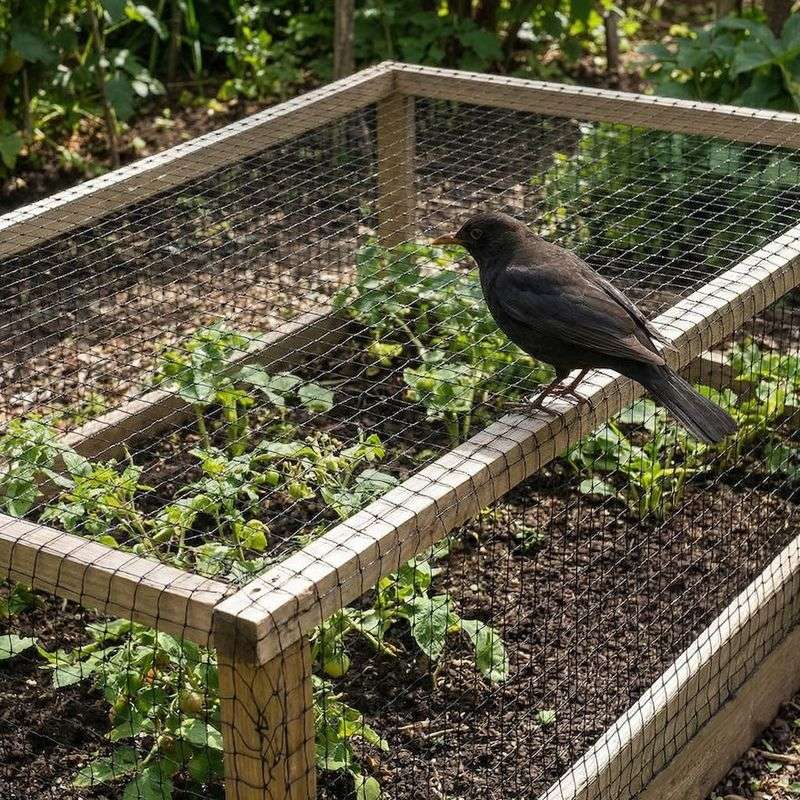
Physical exclusion with properly installed netting is the most effective option available to a home gardener. Oregon State Extension’s guide to managing bird damage in fruit crops identifies netting or full physical exclusion as the most reliable method for reducing bird losses and confirms that the approach is feasible at residential scale.
The key word is “properly installed.” Netting that sags, pools, or has loose loops around the edges can trap birds and other small wildlife, causing serious injury.
To use netting safely, drape it taut over the fruiting portion of the plant and secure all edges firmly at the base so birds cannot push underneath. Check the netting at least every day or two for any animal that may have become entangled, and remove or reposition it as soon as the fruit you are protecting has been harvested.
Leaving loose netting in place after the crop is gone creates a hazard with no benefit.
Improvised approaches such as reflective string, sticky deterrent products, chemical repellents, noisy devices, or loosely draped fabric are not recommended here. These methods either fail to protect the crop reliably, create risks for wildlife, or both.
Netting, installed correctly and monitored consistently, is the one method that offers a genuine trade-off: you protect a small share of the fruit while the rest of the plant remains available to the birds and mammals that depend on it.
Give the plant a site that supports fruit and habitat
A serviceberry placed in the right spot will reward you with flowers, fruit, and wildlife activity for decades. Placed in the wrong spot, it may limp along with poor fruit set, disease pressure, or both, which can make it feel like the birds are getting nothing worth eating either.
Serviceberries generally perform best in full sun to part sun. Iowa State Extension’s serviceberry guide notes that plants in shadier locations tend to produce less fruit, so a spot that receives at least four to six hours of direct sun daily gives you a meaningful advantage during harvest season.
Soil should be moist but well drained; soggy roots invite disease, and prolonged drought stresses the plant enough to reduce fruit quality and quantity.
Disease is a realistic part of growing serviceberries, particularly in humid North Carolina summers. NC State’s Canadian serviceberry profile lists rust, leaf spot, fire blight, and wet-weather fruit rot as potential problems.
None of these are reasons to avoid the plant, but they do mean that a single poor fruit year may reflect weather conditions or a disease cycle rather than a permanent problem with the planting.
NC State’s downy serviceberry profile notes that the plant can grow 15 to 25 feet tall and may spread into a large multistemmed form if root suckers are left in place. Giving it enough room from the start, away from structures and power lines, means less corrective pruning later and a healthier canopy that supports both fruit production and bird perching.
Thinking of the plant as a habitat feature rather than purely a fruit producer helps set the right expectations. The early white flowers support native bees when little else is blooming.
The branching structure provides nesting sites and cover. Even in a year when disease or drought reduces the fruit load, the plant is still doing meaningful ecological work.
Site it well and manage it lightly, and it will return the favor across many seasons.
Share the harvest without surrendering every berry
Pulling a modest harvest from a serviceberry in your North Carolina yard is genuinely achievable, but it works best when you go in with accurate expectations rather than the hope of an unlimited supply. Match the species to your region first: Allegheny serviceberry for the mountains, Canadian serviceberry for the Piedmont and Coastal Plain.
Verify the botanical identity before eating any fruit, follow the color and softness of the fruit rather than a fixed statewide date, and harvest promptly once most berries have darkened.
If birds and mammals are clearing the crop faster than you can pick, taut, secured netting over a small portion of the plant is the one reliable tool for protecting a share. Check it daily and remove it when you are done.
Leave the rest of the tree open, because the birds eating alongside you are part of the point.
A serviceberry earns its place in a North Carolina yard well before a single berry ripens, through early flowers, pollinator support, and the kind of layered habitat that most ornamental trees never provide. The fruit is a bonus worth chasing, and the competition for it is a sign the yard is working exactly as it should.