
That Weed You Keep Pulling From Your Garden Beds Hides A Root Worth More Than Most Crops You Plant
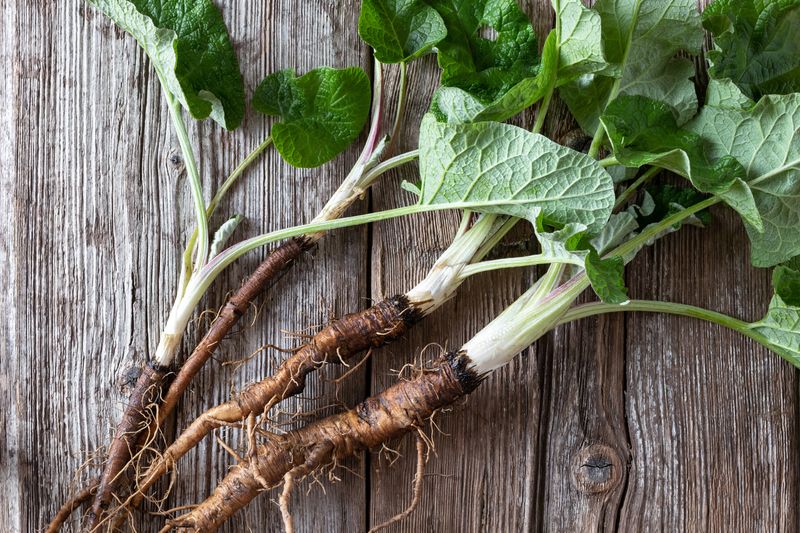
Some of the plants you yank out of your beds have relatives that show up on dinner plates. Burdock is a good example, because a cultivated form is sold as a root vegetable called gobo.
But a tall, leafy weed in your yard is not automatically a tasty crop, and some claims about its root are bigger than the facts. Here is what is known, what is not, and how to handle the idea safely.
The title cannot identify the weed in your garden
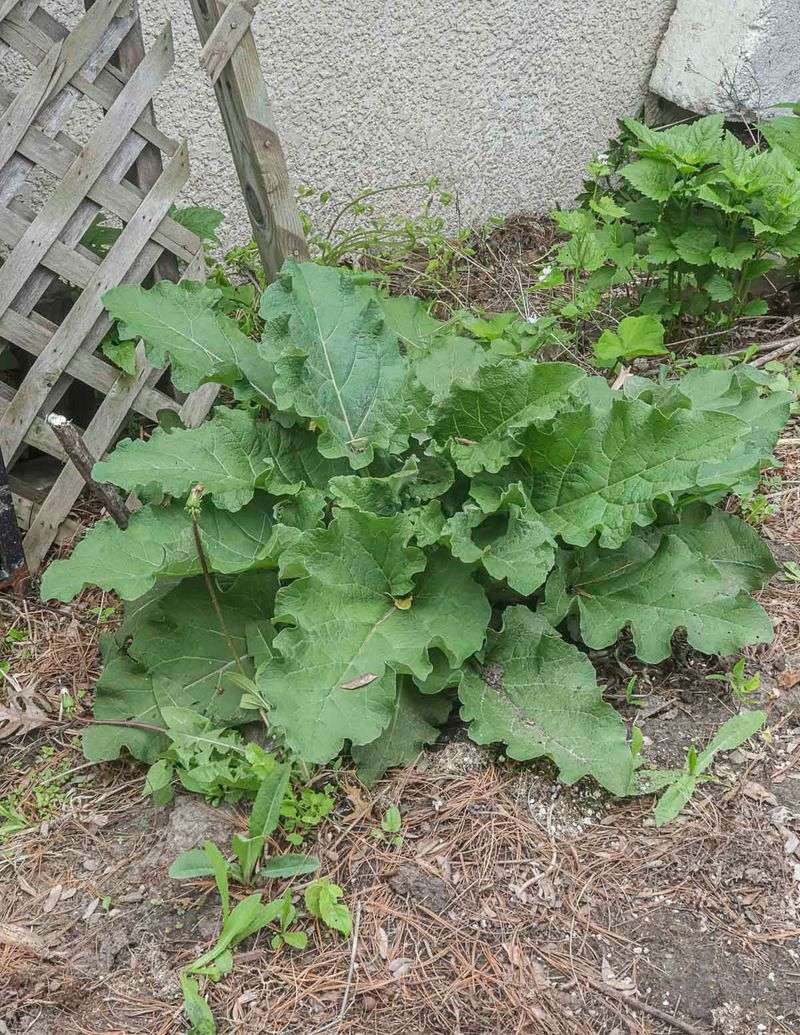
Plenty of weeds could fit the title, but burdock is the likeliest one behind the edible-root idea. Dandelions also have edible roots, and Oregon State Extension notes they are sometimes roasted for a coffee-like drink.
Still, burdock is the plant most tied to a prized root vegetable, so it is our focus here.
A headline or a quick description cannot tell you what is growing in your bed. Only a careful look at the actual plant can do that, and even then you should treat the result as a starting point.
Many plants have big leaves and thick roots.
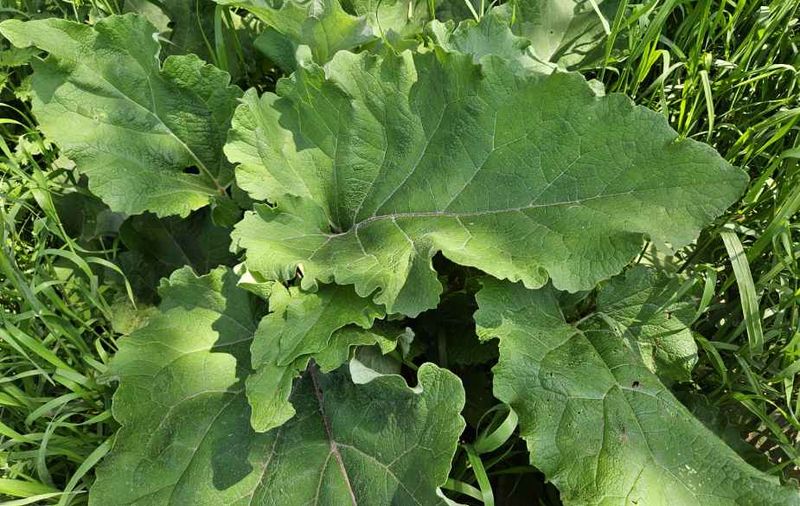
Common burdock gives some clues. North Carolina Extension describes it as a biennial.
In its first year it forms a low rosette of leaves. In its second year it sends up a flowering stalk and produces hooked burs, and it grows a large taproot.
Those features are context, not a test you can pass by eyeballing one plant. A rosette in April could be burdock, but it could also be something else.
Treat burdock as a possibility for your garden, not a given.
Cultivated gobo has a market, not a proven price advantage
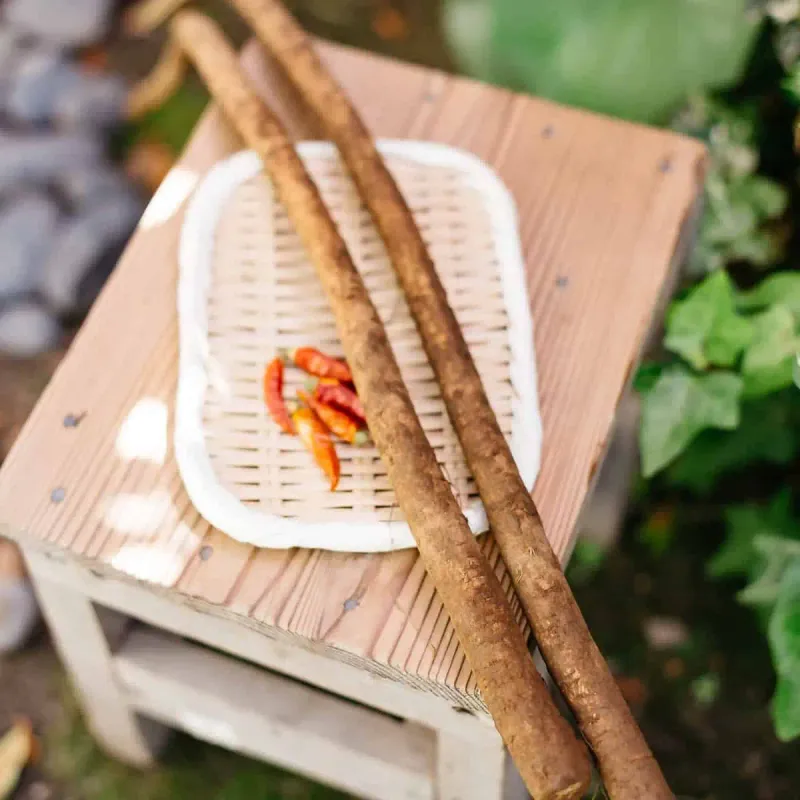
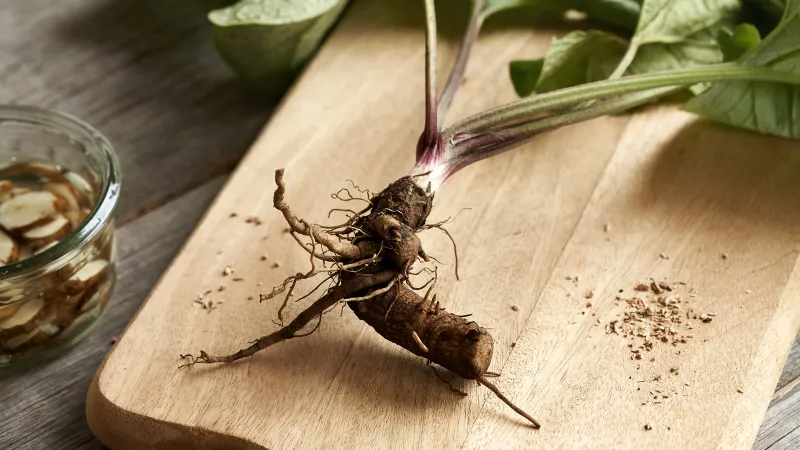
Walk into an Asian grocery and you may find long, thin brown roots bundled together. That is gobo, the cultivated burdock root.
USDA inspection instructions treat burdock root as a market vegetable, and it is grown in places such as Japan, Hawaii, and California.
Gobo comes from great burdock, Arctium lappa. The weed most gardeners meet in the United States is often common burdock, Arctium minus.
They are close relatives, but they are not the same plant for kitchen purposes.
UF/IFAS describes the wild species as only slightly comparable to the cultivated crop. So a wild root may not be big, tender, or market quality, and you cannot count on it.
The title also says this root is worth more than most crops. Nothing reviewed backs that up, because there is no price comparison.
What is documented is a culinary and commercial market for cultivated burdock root, and that is a smaller claim than the headline makes.
Cultivating a root crop is different from pulling a weed
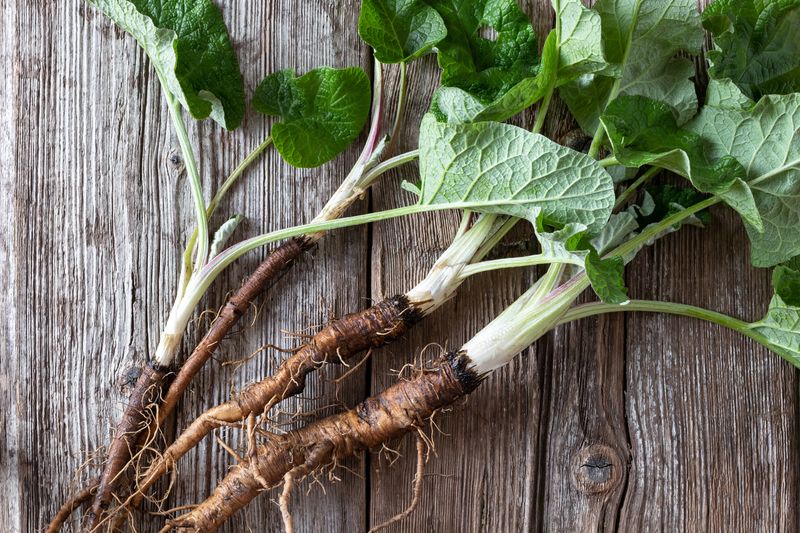
Growing gobo on purpose takes planning that a weed never gets. UF/IFAS guidance describes cultivated roots as long and slender.
It recommends deeply prepared soil so those roots can stretch straight down.
The same guidance says mature roots may be ready about two and a half months after planting. That timing belongs to cultivated plants grown under the conditions it describes.
Your own results could differ with soil, weather, and variety.
Soil prep is the practical lesson. Loose, deep soil gives a root room, while compacted beds tend to give you stubby or twisted roots in many crops.
If you want to try gobo, a raised bed or a well-loosened row is the sort of setup the guidance points toward.
None of this predicts what a wild burdock will do. A plant that sprouted on its own in packed soil may have a tough root, and you cannot tell when it is ready by counting weeks.
Treat the timeline as a guide for planted gobo only.
Do not eat an unidentified garden weed
The safest way to enjoy burdock root is to grow it from seed that is labeled as a food crop. That way you know what you planted and where it grew.
It beats guessing about a plant that popped up on its own.
If you are tempted by a wild plant, slow down. Mississippi State Extension advises using multiple identification guides and avoiding places that may have chemical or industrial contamination.
A single photo or a short description is not enough.
Think about the site, too. A bed or lawn edge that was sprayed with herbicide, or that sits near industrial ground, is a poor place to harvest anything you plan to eat.
Washing should not be treated as a fix for contamination you cannot see.
The rule is simple. If you are not sure what the plant is, do not eat it.
Pull it, compost it where appropriate, and put your effort into a crop you grew yourself.
Traditional use does not prove a health benefit
Burdock root has a long reputation in folk remedies, so it is easy to assume it must be good for you. Food use and medicine are two different things, though.
Being edible does not mean a plant treats any condition.
The European Medicines Agency looked at the research in its assessment of Arctium lappa root. It found no controlled clinical studies of burdock-root preparations.
It concluded they can be considered only for traditional use.
In plain terms, centuries of use tell us people have tried it, not that it works. Lab findings are also a long way from proof in people.
Nobody should count on burdock root to treat or prevent skin, urinary, digestive, or other problems.
If you have a health concern, a doctor is the right place to start. Burdock can be a vegetable on your plate without carrying a medical promise.
Its burs are one reason gardeners remove it
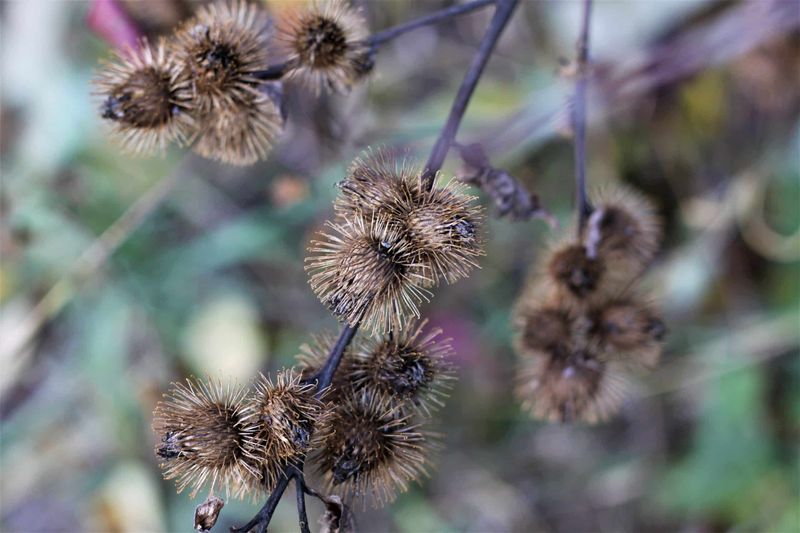
Anyone who has picked burs off a sweater or a dog knows why burdock gets pulled. North Carolina Extension describes common burdock as invasive and hard to get rid of once it is established.
Its hooked burs cling to clothing and animals, which helps it spread.
That is a specific concern about common burdock, not every burdock plant. Still, a second-year stalk loaded with burs can seed a whole corner of the yard.
Pulling rosettes early, before flowering, keeps the problem small.
Gobo has real culinary value, and cultivated burdock root has a place in the market. That does not make every wild burdock worth keeping, and it does not make one safe to eat.
A weed with a famous cousin is still a weed in the wrong spot.