
The North Carolina Native Plants That Fill The Shady Gap Behind Your Shed So Weeds Never Move In
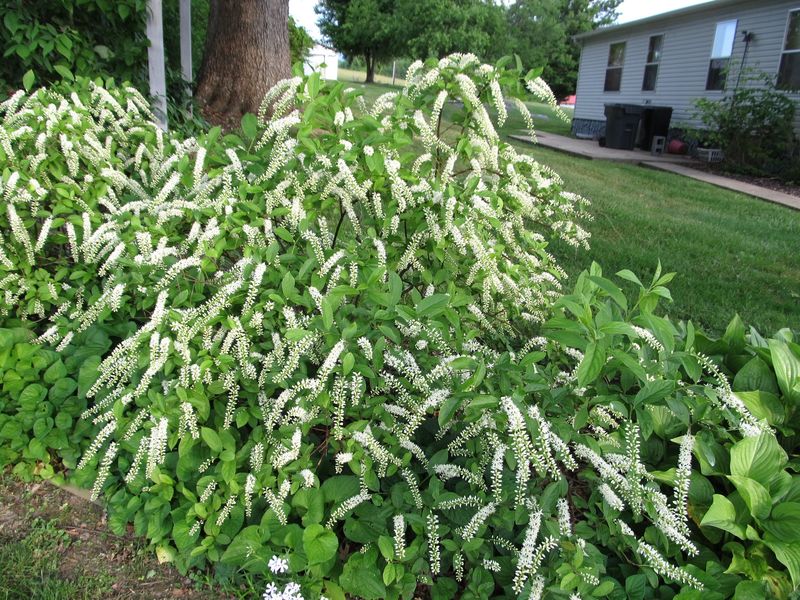
That narrow, shady strip behind your shed is a magnet for trouble, from Japanese stiltgrass to creeping English ivy. Bare dirt in a forgotten corner is basically an open invitation for weeds and invasives to settle in.
The good news is that North Carolina has plenty of tough native plants that love shade and knit together into a living carpet. Plant the right ones, and that gap turns into a tidy patch that feeds butterflies, shelters box turtles, and leaves no room for weeds.
1. Allegheny Spurge (Pachysandra procumbens)
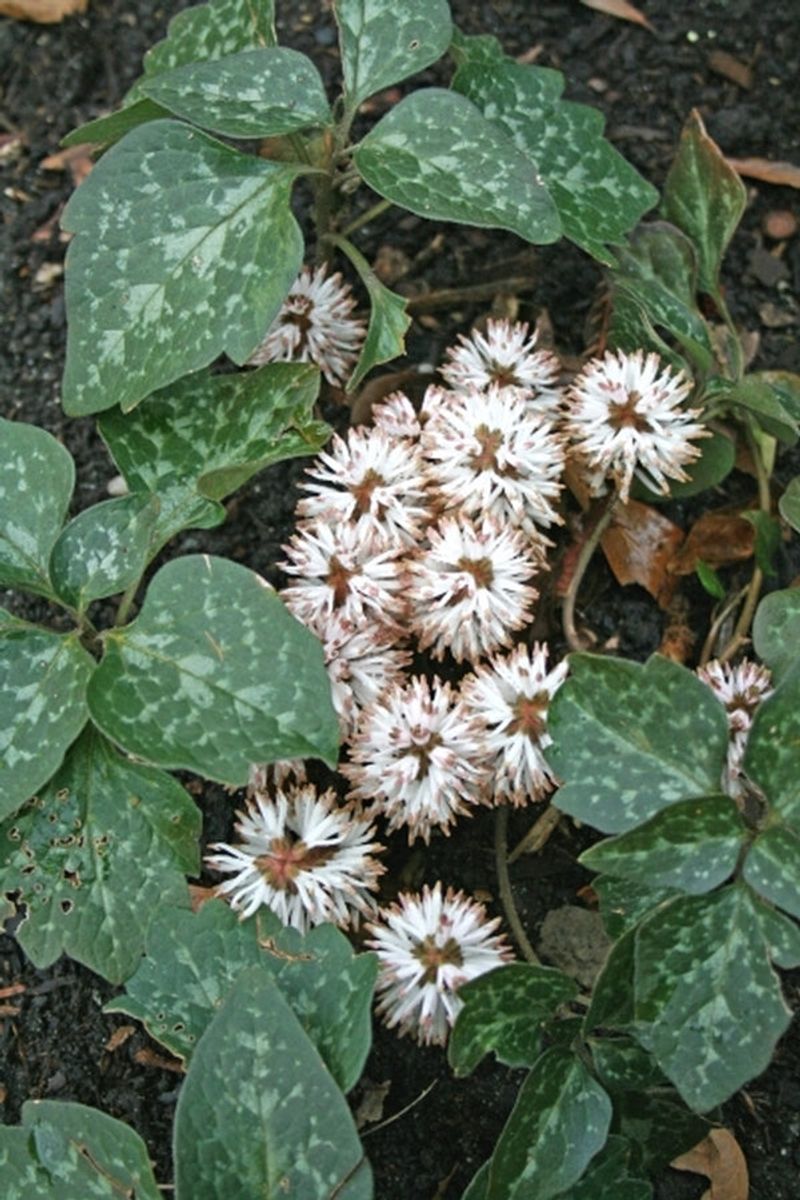
Plenty of NC yards still have a patch of Japanese pachysandra left over from a previous owner. Allegheny spurge is the homegrown cousin that does the same job without escaping into the woods next door.
Its silvery, mottled leaves form a low, slow-creeping mat that shades out weed seeds once it fills in.
Patience pays off here. Plants spread gradually the first two seasons, so tuck them about 12 inches apart and mulch with shredded leaves between them.
By year three, the strip behind your shed should be a solid, quiet carpet.
It grows from the mountains to the Coastal Plain, which makes it one of the safest bets on this list. In early spring, small fuzzy white flower spikes appear before the new leaves, giving early native bees a welcome snack.
2. Wild Ginger (Asarum canadense)

Lift a heart-shaped leaf in April and you might spot a strange maroon flower hiding right at soil level. Wild ginger keeps its blooms low so ground beetles and flies can find them, a quirky little secret most neighbors never notice.
Above that hidden flower, the broad leaves overlap into a thick green quilt that blocks sunlight from weed seeds. It loves part to full shade and steady moisture, so it shines if your shed roof drips runoff into that back gap.
Bonus for butterfly lovers: wild ginger can serve as a host plant for the pipevine swallowtail. Water it well the first summer, and it will reward you with a fast-filling patch that looks like it has always been there.
3. Christmas Fern (Polystichum acrostichoides)
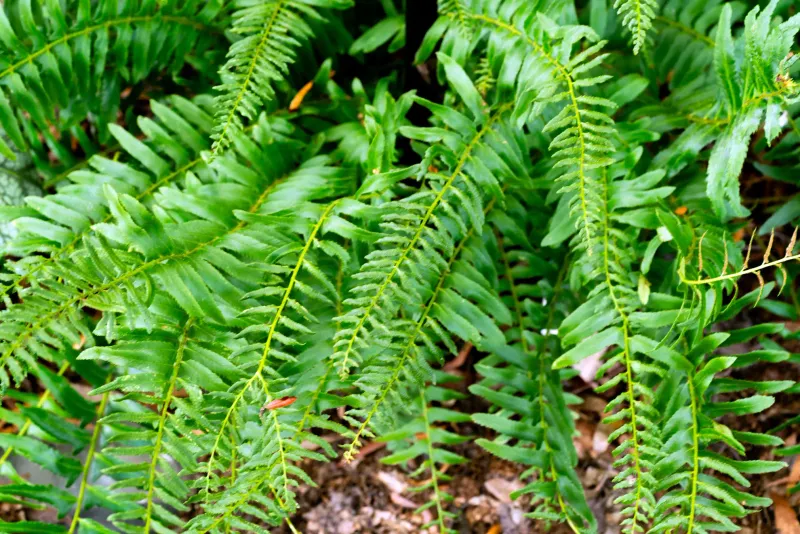
Dry, rooty, dark, and ignored. If that describes the space behind your shed, meet the fern that does not care.
Christmas fern handles dry deep shade, even under big oaks where almost nothing else survives.
Its leathery fronds stay green straight through a North Carolina winter, which is how it earned its name. Early settlers reportedly cut the fronds for holiday decorations.
That year-round cover matters, because winter is when bare soil gets claimed by chickweed and henbit.
Set clumps about 18 to 24 inches apart and fill the spaces between with a lower groundcover like green-and-gold or foamflower. The fallen fronds also create damp leaf litter where box turtles and salamanders like to rest during hot afternoons.
4. Green-and-Gold (Chrysogonum virginianum)
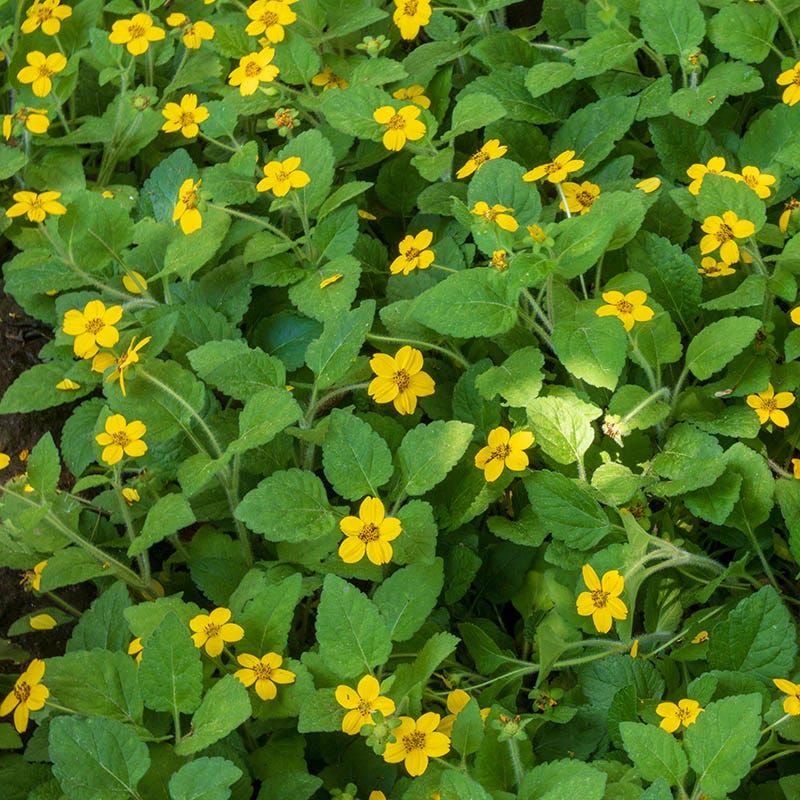
Picture a cheerful mat of yellow stars blooming from spring into early summer, right where you used to pull weeds every weekend. Green-and-gold is that plant, and it is native to the Piedmont, Coast, and mountains.
It works best at the bright end of the shade spectrum, like the corners of your shed that catch a few hours of morning sun. Average to dry soil suits it fine.
Deer usually leave it alone, a big win in suburban Raleigh or Asheville.
Runners root as they go, filling gaps quickly. Small native bees and hoverflies visit the flowers, and the foliage stays mostly evergreen in milder parts of the state.
5. Creeping Phlox (Phlox stolonifera)
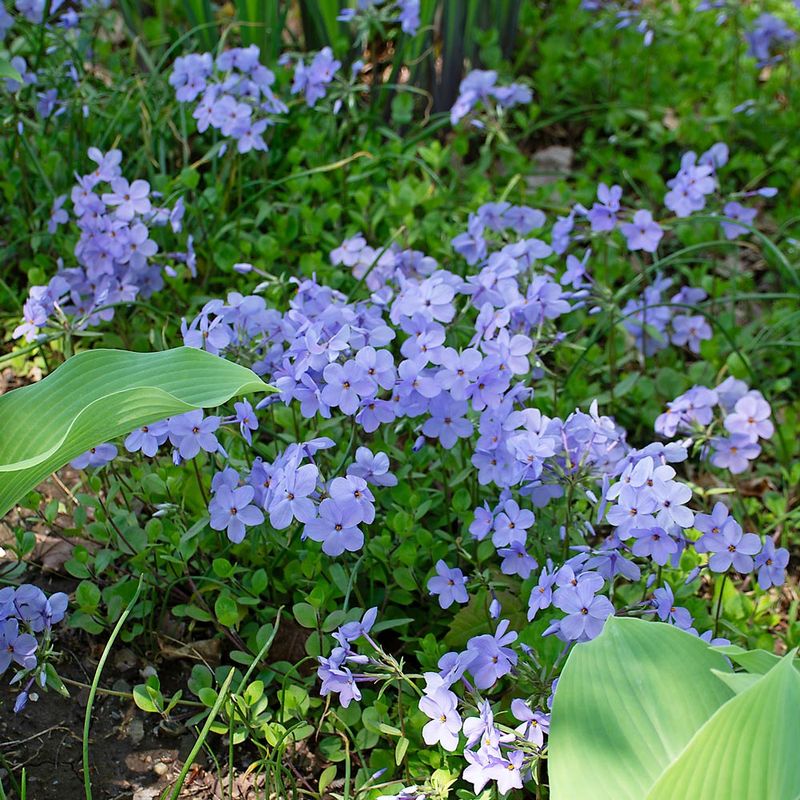
Here is the swap that makes the biggest visual splash. If a nandina hedge is crowding your shed, consider replacing it with creeping phlox.
Nandina berries can be toxic to birds like cedar waxwings, while this native carpet only gives.
Each spring it bursts into lavender, pink, or white blooms that bumblebees and butterflies flock to. The rest of the year, semi-evergreen foliage hugs the ground and crowds out sprouting weeds.
Stolons creep across the soil and root at the joints, so a few starter plants can cover a surprising area. Give it humus-rich soil and dappled shade, and trim back any browned stems after flowering to keep the mat dense.
6. Foamflower (Tiarella cordifolia)
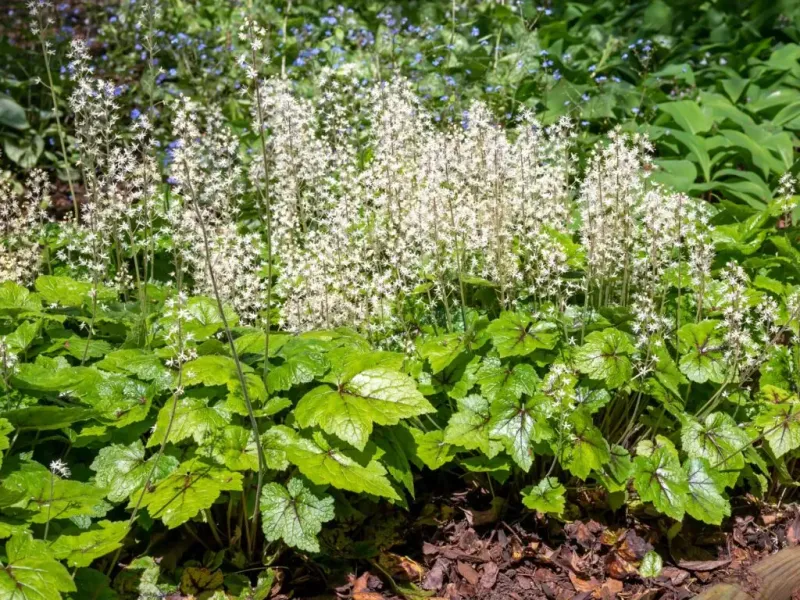
Walk a shaded trail in the Blue Ridge in April and you will see foamy white spikes rising above lobed leaves. That woodland moment can happen behind your shed too.
Foamflower spreads by runners into a soft carpet, perfect for moist, shady soil rich in leaf litter. The frothy blooms feed early native bees when little else is flowering.
In fall, many plants pick up bronze or burgundy tints.
Mix it with ferns or wild ginger for layered texture. Keep it watered through its first July heat wave, and it settles in nicely.
7. Pennsylvania Sedge (Carex pensylvanica)
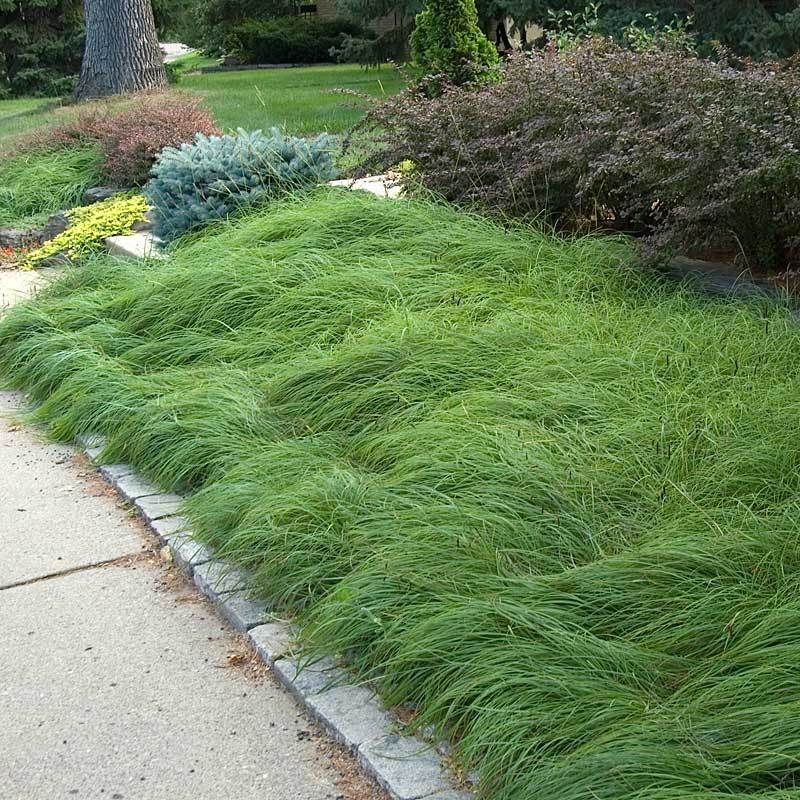
Hate the idea of mowing a weedy strip you can barely reach? Pennsylvania sedge looks like a soft, flowing lawn but almost never needs a mower.
The fine, arching blades grow in shaded sites with moist soil and help hold the ground in place where roof runoff can wash it away. Deer tend to skip it.
Some skipper butterflies use it as a caterpillar host plant.
Plant plugs about 8 to 12 inches apart, and the gap will fill in within a couple of seasons. It is also a smart swap for spreading liriope, an aggressive spreader many NC yards are trying to get rid of.
If you want the strappy look, the sedge delivers it without the takeover.
8. Native Violets (Viola spp.)
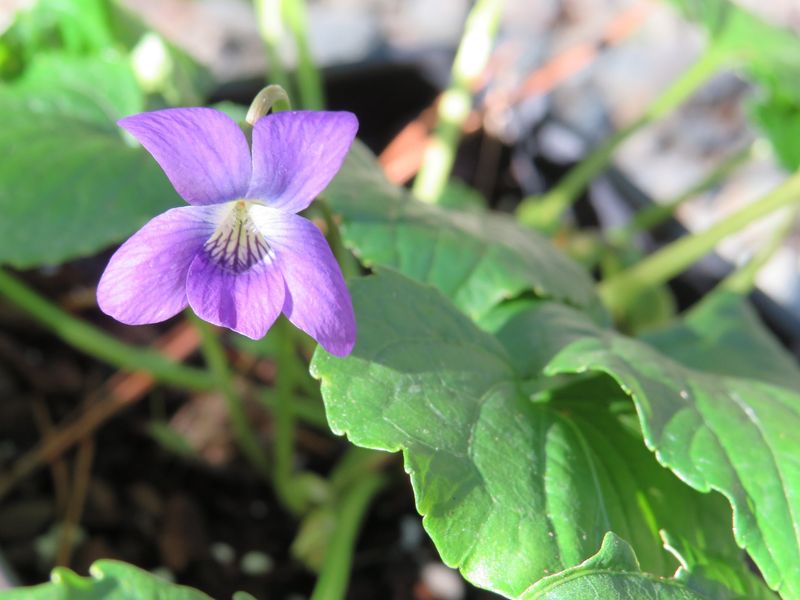
Some folks spray violets out of their lawns. Butterfly lovers plant them on purpose.
Native violets are host plants for fritillaries, including the great spangled fritillary that floats through NC gardens in summer.
Their heart-shaped leaves and purple spring flowers fill shady, moist to average soil with almost no effort. Early native bees appreciate the blooms when spring is just getting started.
Violets reseed happily, which is exactly what you want in a gap where weeds would otherwise sprout. If you see leaves chewed down in late summer, smile.
That is fritillary caterpillars eating dinner, and the plants bounce back.
9. Partridgeberry (Mitchella repens)
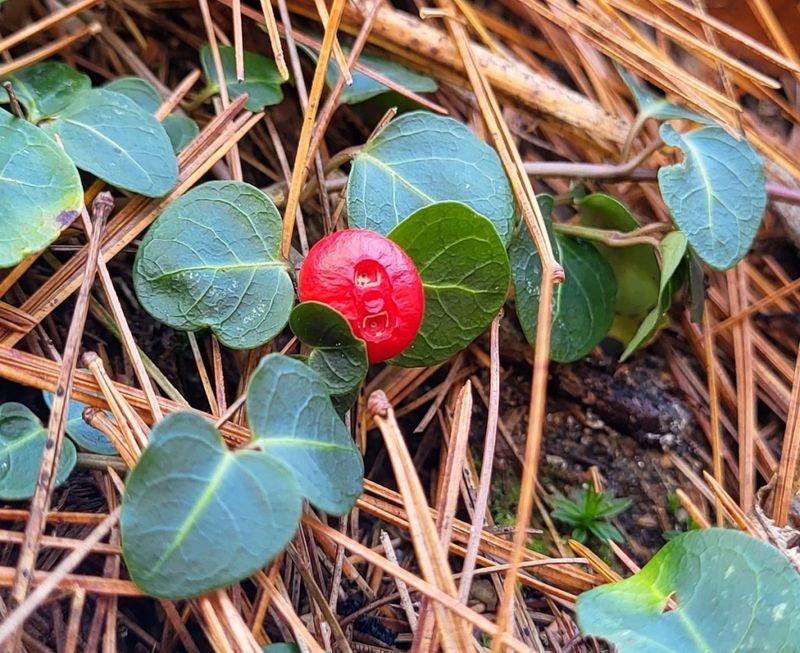
Barely an inch tall, partridgeberry is the smallest plant here, but it might be the most charming. Glossy round leaves trail along the ground, and bright red berries can hang on for months.
Each berry forms from two twin flowers that fuse together, leaving two tiny dimples on every fruit. Ruffed grouse, wild turkeys, and even box turtles have been known to nibble them.
It loves mostly shady spots with acidic soil, the kind you often find under pines. Use it to stitch together the spaces between ferns and stepping stones.
It grows across the Piedmont, mountains, and Coastal Plain.
10. Virginia Sweetspire (Itea virginica)
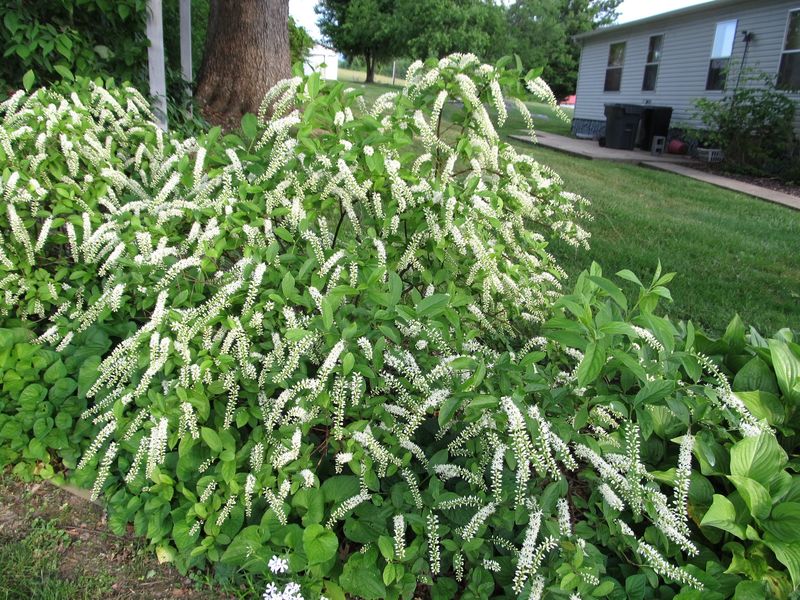
Every layered shade planting needs a backbone, and Virginia sweetspire fills the role beautifully. Grow it along the shed wall to soften the siding and shade out weeds below.
In late spring, arching white flower spikes smell sweet and draw bees and butterflies. Come fall, leaves turn rich red and purple, often hanging on into winter.
Sweetspire suckers slowly into a thicket, acting almost like a tall groundcover. It tolerates wet soil, so it fits soggy Coastal Plain yards.
Use it instead of privet or burning bush, both invasive in NC.
Plant it this fall with the groundcovers above, and next spring that forgotten gap should be a healthy, weed-free habitat.