
Storing Daffodil Bulbs Near Your Onions This Fall Is A Kitchen Mix-Up Waiting To Happen
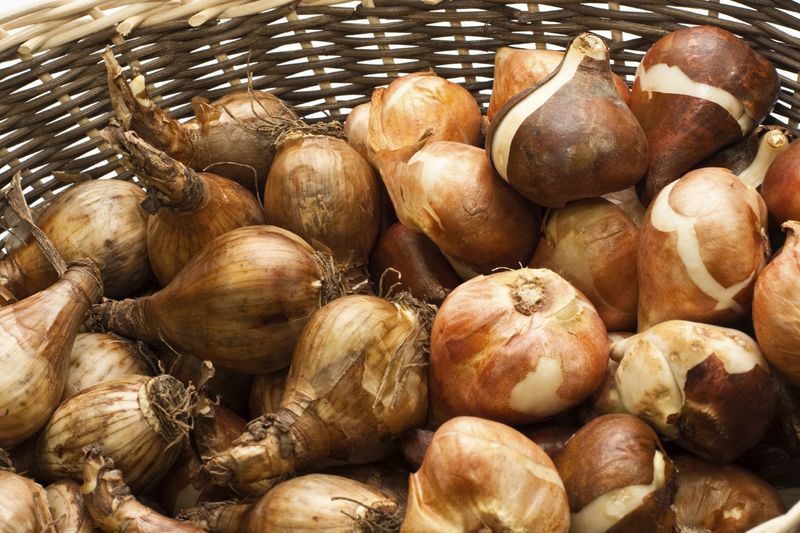
Fall is when many gardeners dig, sort, and tuck away spring bulbs. If your daffodil bulbs end up in the same pantry, basket, or garage shelf as your onions, a mix-up becomes possible.
Daffodil bulbs are toxic, and a little planning keeps them far from the dinner table. Here is how to store them safely and when you can skip digging them up at all.
Daffodil bulbs can be mistaken for onions
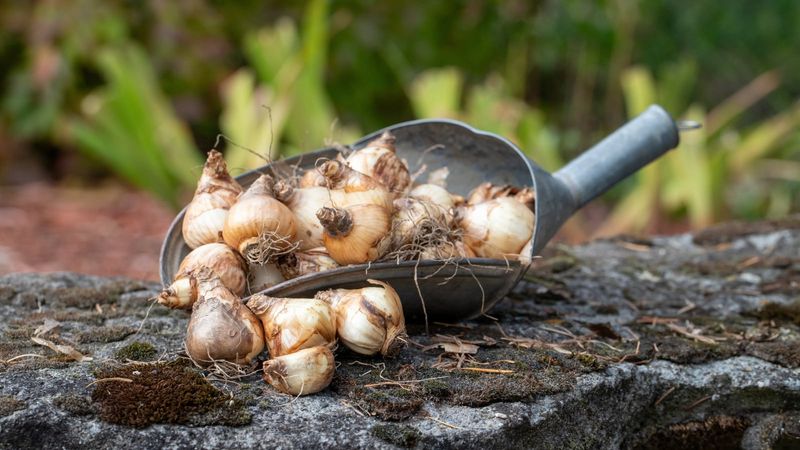
Poison experts have seen it happen: someone mistakes a daffodil bulb for an onion. Poison Control notes that a daffodil bulb looks like an onion, and Queensland’s Poisons Information Centre warns that the two are sometimes confused when kept together.
A UK poison-service review, presented in a conference abstract, also described bulbs being mistaken for onions. That review covered enquiries sent to a poison service, so it shows the mistake can happen.
It does not tell us how often it happens.
There are differences. A daffodil bulb lacks the sharp onion smell, and it will not make your eyes water when cut.
Still, do not treat smell or looks as a safety test. A bulb sitting in a bag or bin with food is the real problem, because it invites a quick grab on a busy evening.
Think of this as a small storage habit rather than a big worry. Most gardeners will never face a mix-up, and a simple system for keeping bulbs apart keeps it that way.
The bulb carries the greatest toxic risk
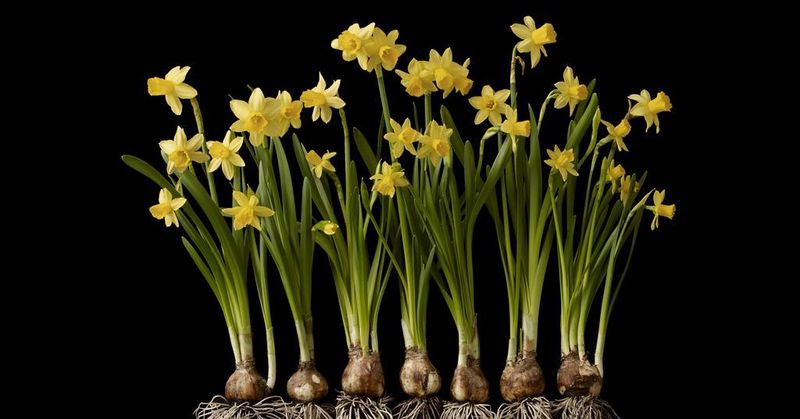
Every part of a daffodil contains a toxin called lycorine, and the bulb holds the most. That is the same part that looks like a kitchen staple, which is why it gets special attention.
Poison Control says eating daffodil can cause nausea, vomiting, abdominal pain, and diarrhea, and the bulb can irritate the mouth and throat.
Poison Control also says symptoms are usually not life-threatening and often pass within hours. That is reassuring, but an ingestion still deserves a call for advice.
The UK review mentioned earlier gives some perspective. Of 233 daffodil-related enquiries from 2007 to 2013, 48 involved cooking mistakes.
In that group, none had severe toxicity, 28 percent had minor stomach effects, and less than 1 percent had moderate toxicity. Those numbers describe cases reported to a poison service, not a prediction for every exposure.
Handling matters a little too. Daffodil sap can irritate skin, so gloves are a sensible choice when you dig, divide, or cut stems.
Cooking does not make a mistaken bulb safe
Some people assume heat fixes everything. With daffodil bulbs, that is not a safe bet.
Hong Kong’s Centre for Health Protection says in a public health notice that serious poisoning may occur after eating raw or cooked Narcissus bulbs.
That is a practical warning from a health agency. It is not a lab test of how lycorine behaves at a certain temperature, so there is no exact cooking number to quote.
What you can take from it is simple: boiling, roasting, or sauteing does not turn a mistaken bulb into food.
The same agency looked into a family poisoning involving Narcissus leaves in a dish. That was a leaf case, not a cooked bulb case, but it shows why no part of this plant belongs in the kitchen.
Keep ornamental bulbs out of food storage
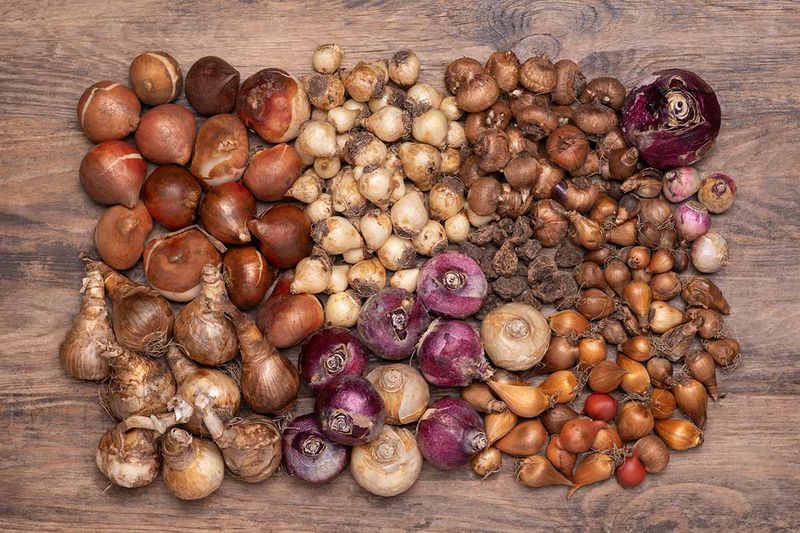
Separation is the easiest fix. Put daffodil bulbs in a clearly labeled, non-food container, and keep it in a different spot from your onions and other produce.
A garage shelf, shed, or basement cabinet works well, as long as the label is big and plain, such as “Daffodil bulbs – not food.”
This advice comes from documented kitchen mistakes. Queensland poison experts warn about bulbs being confused with onions, and the UK case review found culinary errors among its enquiries.
No one has tested a specific box or bag design, so the point is the habit of labeling and distance, not any one container.
Tell everyone in the house where the bulbs live, especially anyone who cooks or helps with groceries. A quick mention saves a lot of guessing later.
Do not count on a bulb’s look, smell, or a trip through the pan as backup.
Most daffodils do not need to be dug up for winter
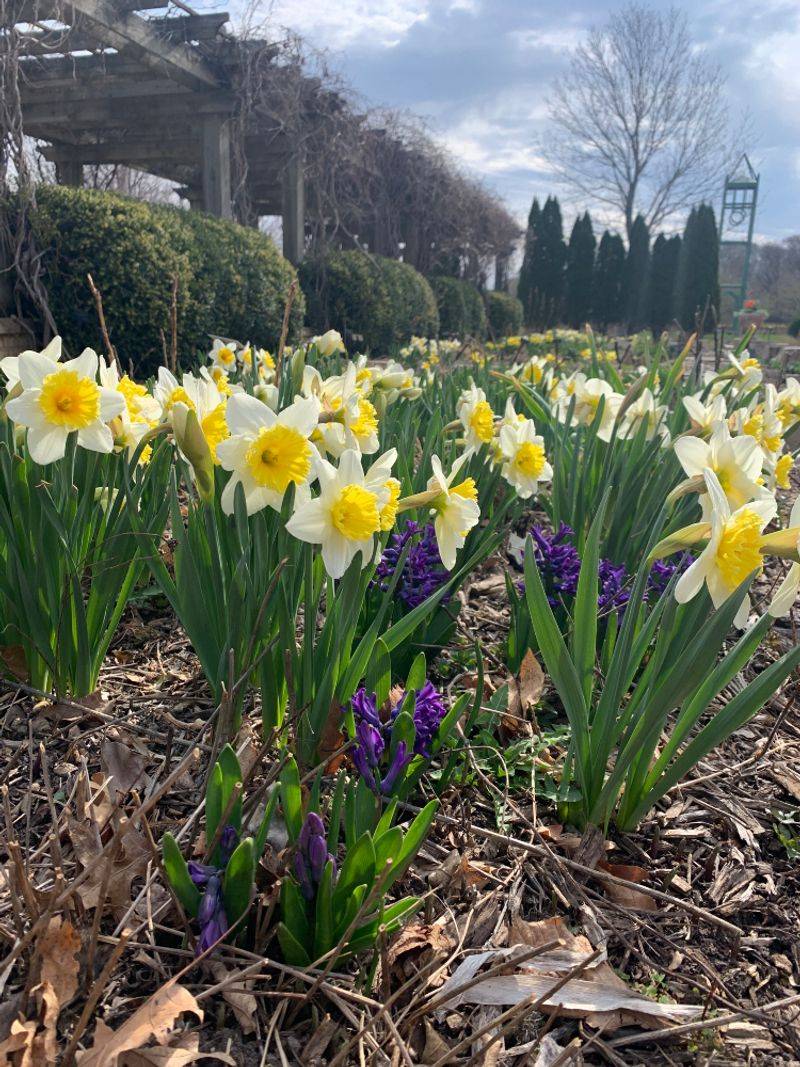
Good news for busy gardeners: your established daffodils can stay put. Lifting is only a choice for moving a clump or dividing crowded bulbs, not a yearly winter chore.
Leaving them in the ground also means there are no bulbs to store near the kitchen at all.
If you do lift them, Iowa State University Extension says daffodils can be dug and replanted after the foliage dies back, or moved in fall. When bulbs must wait until fall planting, Iowa State advises drying them for 2 to 3 weeks, then storing them in mesh bags in a cool, dry place at about 50 to 65 degrees F.
Pick a storage spot that is not your pantry, fridge produce drawer, or onion basket. Add a label to the mesh bag so anyone who finds it knows what it holds.
Then plant them in fall and let spring do the rest.
Get poison guidance promptly after a suspected ingestion
If someone may have eaten part of a daffodil bulb, act calmly and quickly. Have them rinse their mouth and sip water or milk, as Poison Control advises.
Next, call Poison Control at 1-800-222-1222 or use webPOISONCONTROL online. Do this right away instead of waiting to see whether symptoms get worse.
The experts will ask about the amount, the person’s age and size, and any symptoms, then tell you what to do.
Get medical evaluation for severe throat pain, trouble swallowing, or drooling. Not every case needs the same level of care, and many people only need advice and watching at home.
The call is how you find out which group you are in.
Keep the leftover bulb or a photo of it handy when you call. A clear label on your storage box also helps you answer questions fast.
A phone number saved in your contacts can turn a stressful moment into a short, manageable one.