
The Everyday Yard Chores That Hurt North Carolina Box Turtles More Than Any Predator

Raccoons and foxes get the blame, but the biggest danger to a North Carolina box turtle might be parked in your garage. The Eastern box turtle has been our state reptile since 1979, and its numbers are slowly dropping.
Many of those losses happen during ordinary weekend chores like mowing, raking, and digging. The good news is that a few small changes in your routine can turn your yard into a safe home instead of a hidden hazard.
1. Mowing Without a Walk-Around First
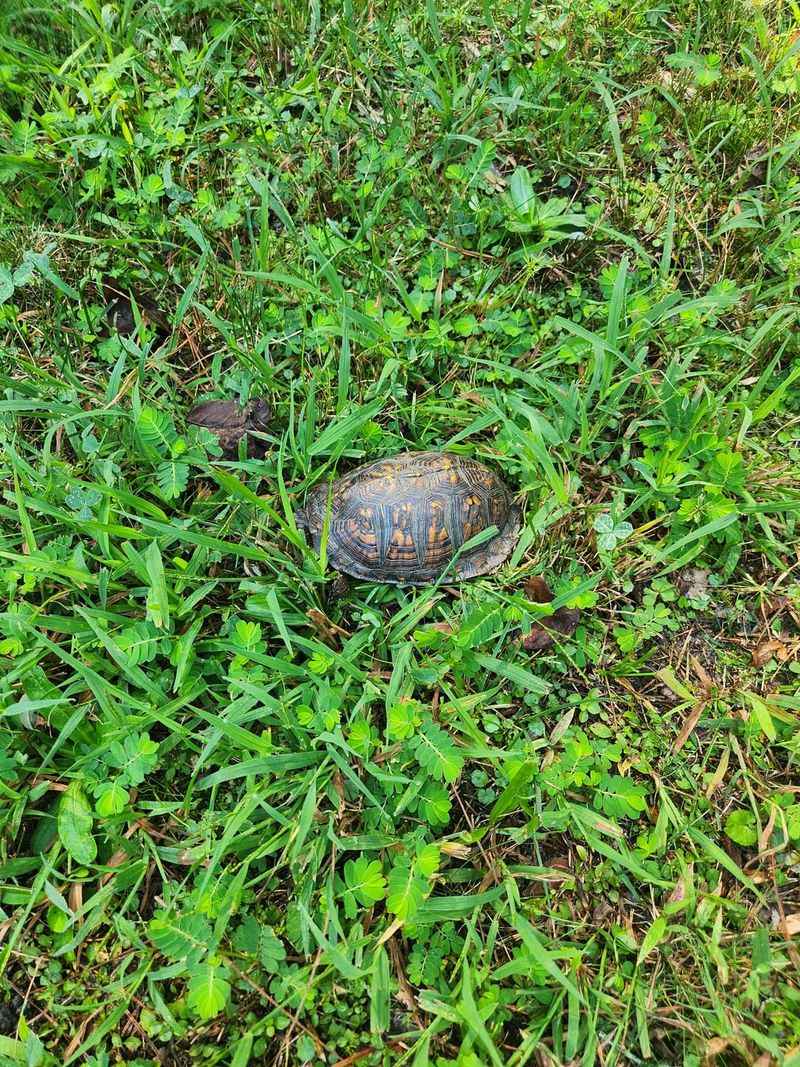
Picture a brown, domed shell sitting perfectly still in a patch of tall grass. Now picture it from behind a roaring mower.
Box turtles blend in so well that most homeowners never see them until the blades hit.
Mowers and string trimmers are a leading cause of injury and death for box turtles in residential yards. A turtle’s defense is to pull in and wait, which works against a hawk but fails against steel blades.
Shells crack, and many injured turtles never recover.
The fix takes about five minutes. Before you start the engine, walk slowly around the yard, checking fence lines, shrub edges, woodpiles, and leaf drifts.
If you spot a turtle, let it wander off on its own.
Timing helps too. Midday on dry days is often when turtles tuck into shade, and mowing slower near cover gives you more time to notice them.
2. Trusting a Turtle-Safe Blade Height
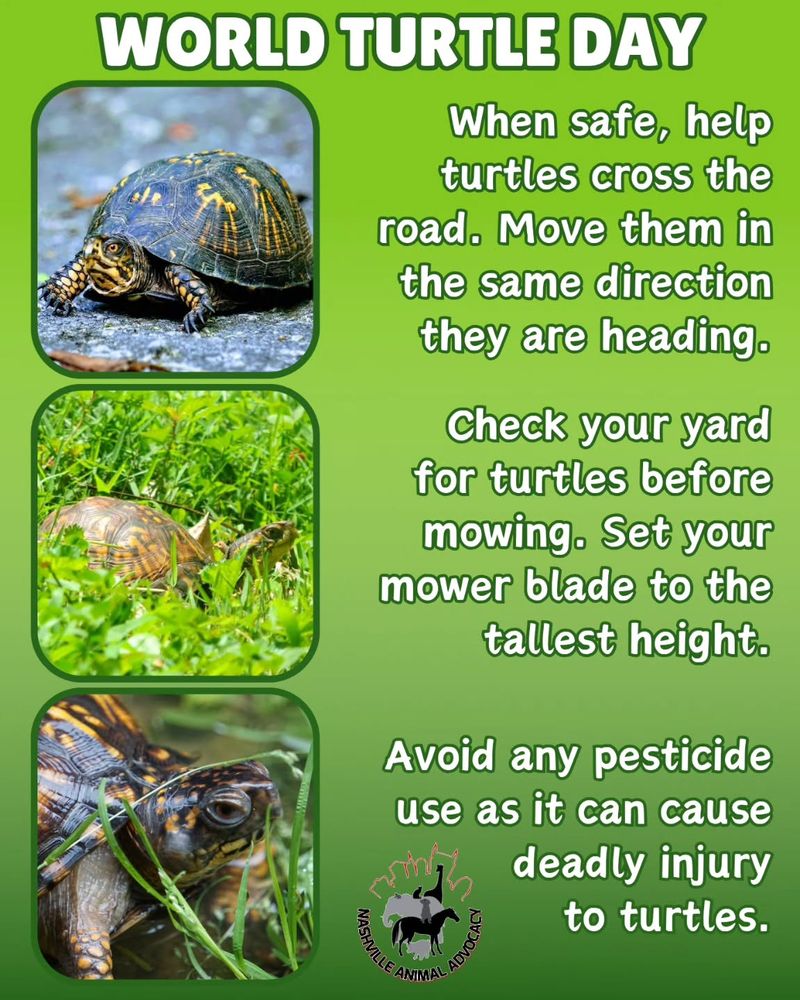
Plenty of folks raise their mower deck and call it a day, believing a taller cut keeps turtles safe. It sounds smart.
Sadly, no blade height reliably clears a turtle shell.
Adult box turtles can stand several inches tall, and younger ones hide deep in thatch. A higher setting may reduce some risk, but it never replaces actually looking.
Set your mower to suit your grass, usually around 2.5 to 3 inches for common NC grasses in fall.
Think of blade height as a lawn-care choice, not a wildlife plan. Your eyes are the real safety feature.
3. Raking Every Last Leaf
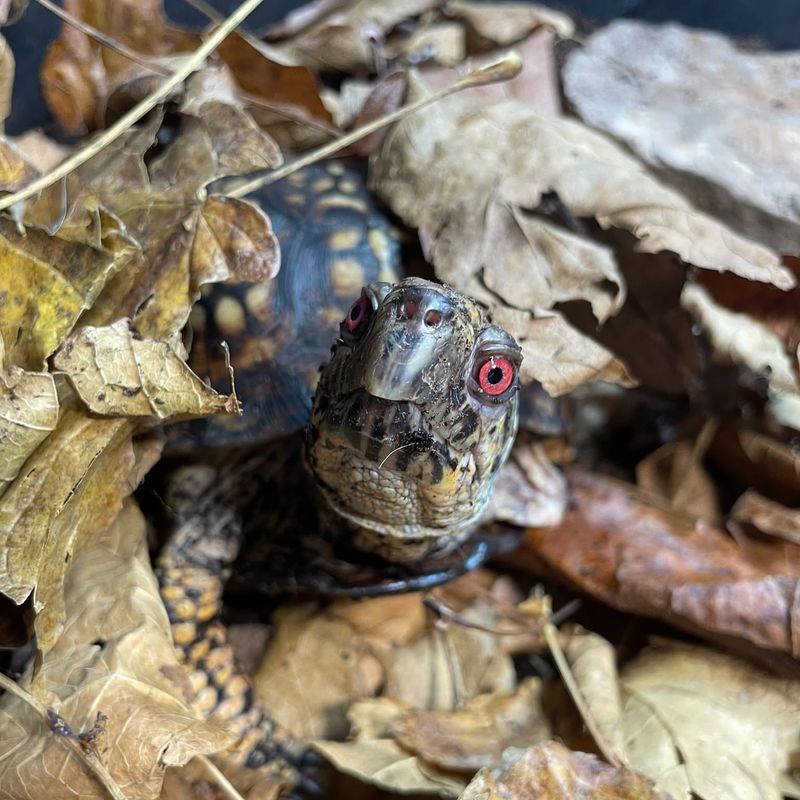
Grandma probably raked her yard bare every November, and the neighbors admired it. Box turtles, though, would have filed a complaint.
Leaf litter is their blanket, pantry, and hiding spot all rolled into one.
Turtles burrow into soil and leaves to ride out winter. Strip that cover away and they face harsh cold and fewer places to hide.
Leaves also hold the worms, slugs, and beetles turtles love to eat.
You don’t have to give up a tidy lawn. Rake leaves off the grass and into beds, around tree trunks, or along fence lines a couple of inches deep.
Leave one quiet, leafy patch near woods or shrubs, and save big cleanup for warm spring days after turtles wake up.
4. Shredding Leaves With the Mower

Mulch-mowing leaves feels like a win. Free fertilizer, no bags, done by lunch.
Yet that fluffy leaf pile may already have a tenant.
Turtles crawl into leaf drifts for warmth and shelter, especially as fall nights cool down in the Piedmont and mountains. Running a mower through a pile gives them zero chance.
They can’t hear the danger coming in time to escape.
If you love mulching, rake leaves into a thin layer first and check as you go. Better yet, move whole leaves straight into beds where they can break down slowly and keep shelter in place.
5. Tilling and Deep Digging in Quiet Corners
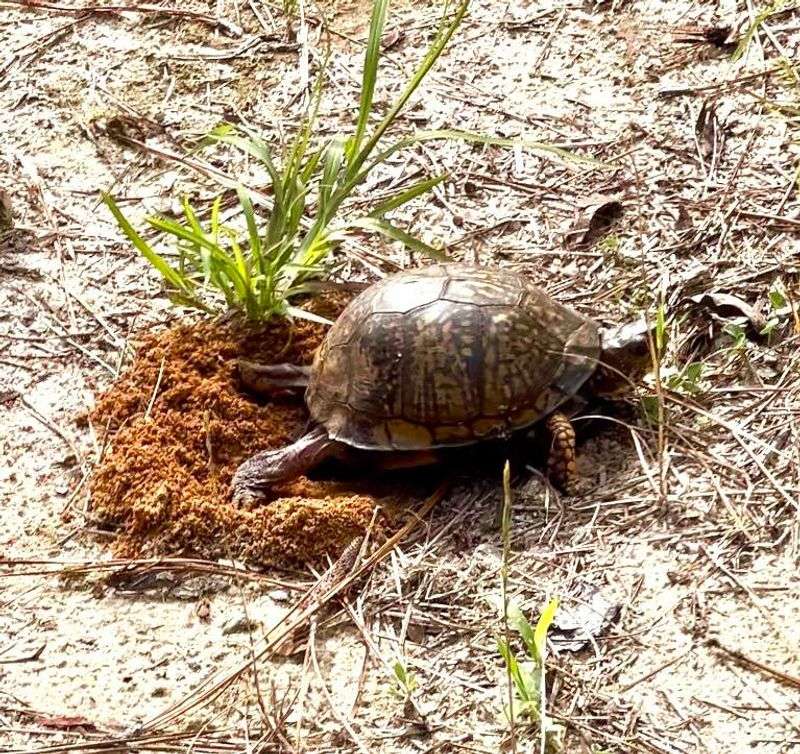
Here’s a fact that surprises many gardeners: a box turtle may spend months a few inches underground. In winter they dig down to wait out the cold.
In summer, females bury eggs in soft, sunny soil.
A tiller can’t tell a garden bed from a turtle bedroom. Deep digging, grading, and stump removal can crush adults or wipe out a whole nest.
Fall is especially risky, since some hatchlings stay in the nest until spring.
Before heavy digging, scan for soft depressions, deep leaves, or spots where you’ve seen turtles. Route new planting to beds you’ve already worked.
Leave those undisturbed, leafy corners alone when you can.
6. Clearing Brush Piles and Fallen Logs

That messy brush pile you keep meaning to haul off? To a box turtle, it’s a five-star hotel.
Logs and brush stay cool in summer and sheltered in winter.
Moving them carelessly can expose a turtle to predators and weather, or even crush one. Rolling a big log may also uncover a nearby nest.
If a pile must go, take it apart slowly by hand and check underneath each layer. Even better, keep one small pile tucked in a back corner.
It’s a bonus for wrens, toads, and salamanders too.
7. Spraying Pesticides and Weed Killers

Scientists call box turtles an indicator species. In plain words, a turtle’s health shows how healthy your yard really is.
When turtles struggle, something in the environment is usually off.
Pesticides and herbicides can harm turtles even at low levels. Research links some chemicals to weakened immune systems, serious infections, and trouble processing vitamins.
Turtles also eat the insects and slugs that chemicals target, so poison travels up the food chain.
Cut back where you can, and skip broad-spectrum sprays near places turtles forage. Hand-pull weeds and lean on NC natives like black-eyed Susan and wild strawberry, which turtles happily nibble.
A healthier yard feeds everyone.
8. Putting Up the Wrong Fence
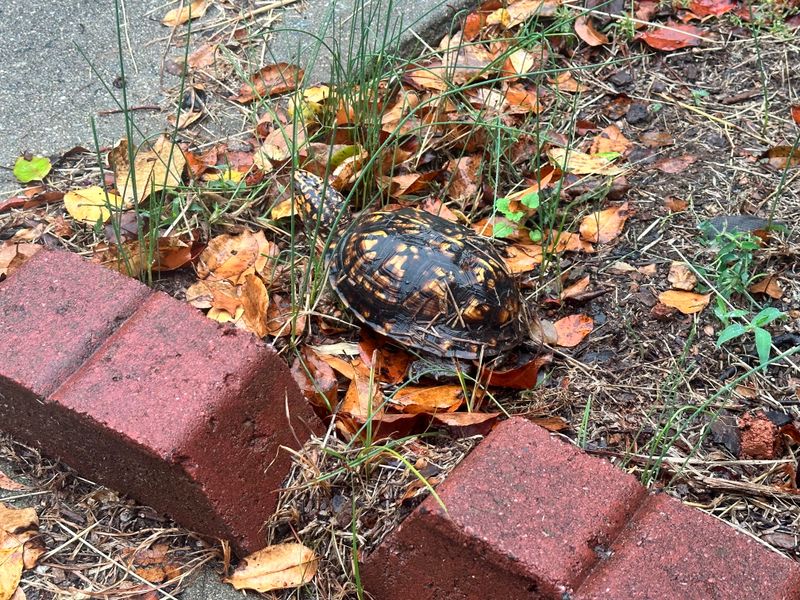
Chicken wire keeps rabbits out of the lettuce. Unfortunately, it can also become a trap.
Turtles push their heads through small mesh openings and get stuck, unable to back out.
Solid fences cause other trouble by cutting turtles off from parts of their home range. Pools and steep-sided ponds without barriers can lead to drowning.
Choose fencing that lets turtles pass or guides them safely. Make sure pools are fenced, and add a ramp or sloped edge to ponds.
Walk your fence line after rain, when turtles roam most.
9. Moving a Turtle to a Safer Spot

You find a turtle by the driveway and carry it to the back woods to keep it safe. Kind gesture.
Big mistake.
Eastern box turtles live in a home range usually under two acres and know it by heart. Move one, and it will often try to walk home, crossing roads and strange ground along the way.
Many relocated turtles die trying.
Leave it be. If a turtle is truly in danger, like on a road, move it the shortest distance possible in the direction it was heading.
Never take one indoors or to another property, since removing turtles from the wild is unlawful in North Carolina.
10. Spring Cleanup Too Early

The first warm weekend in March sends everyone outside with rakes and blowers. Box turtles, though, run on their own calendar.
Many stay tucked underground until soil steadily warms.
Spring is when turtles emerge, roam, and look for mates, making it the highest-risk season for yard work. A sleepy turtle just waking up moves slowly and can’t dodge tools.
Wait for consistently warm days before big cleanup, usually April in the Piedmont and later in the mountains. Clear beds in sections, checking as you go.
A slower spring routine may help more turtles reach summer.