
The Hard-To-Find North Carolina Native Shrubs That Serious Gardeners Say Are Worth Hunting Down
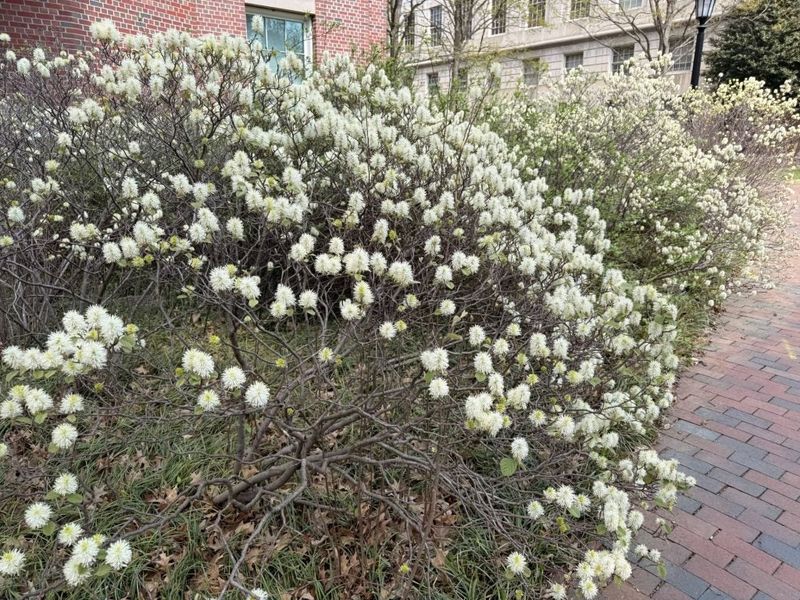
Some of the best shrubs for a North Carolina yard aren’t sitting on the shelf at the big-box garden center. Serious gardeners drive across the state to track down these native plants because they feed songbirds, shelter pollinators, and replace invasive troublemakers.
Each one earns its spot by doing real work for the wildlife you love, from goldfinches to butterflies. Here are seven native shrubs worth the hunt for any Piedmont, Coastal Plain, or mountain gardener.
1. Pink-Shell Azalea (Rhododendron vaseyi)
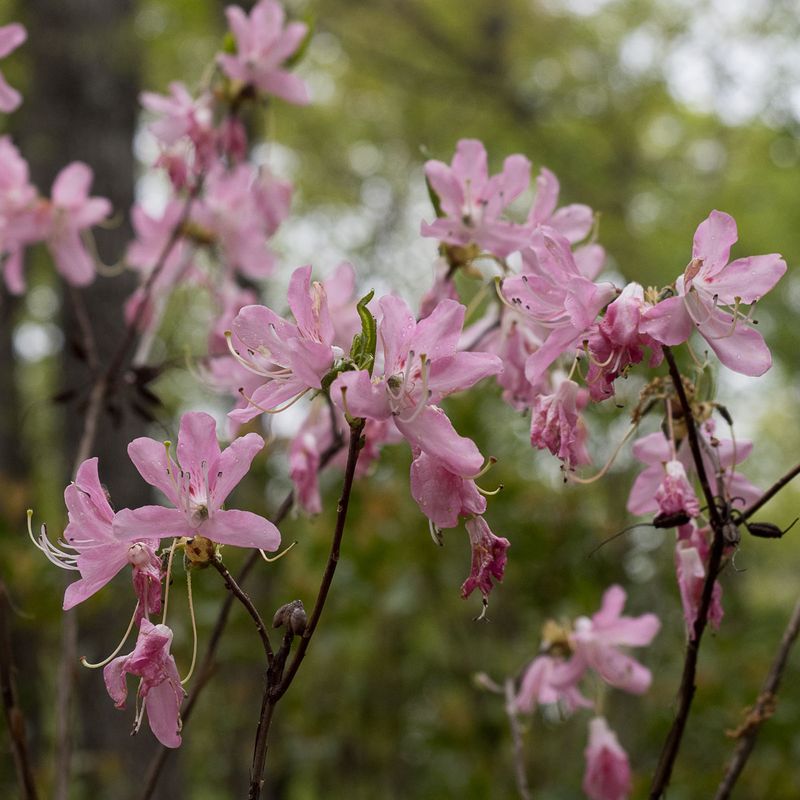
Picture shell-pink blossoms floating on bare branches before a single leaf unfurls. That early show is what makes the Pink-Shell Azalea a treasure for mountain gardeners who don’t mind chasing rarities.
Native only to a small stretch of the North Carolina high country, this shrub thrives along streambanks and cool, shaded slopes. It wants acidic soil and steady moisture, so Blue Ridge yards suit it far better than a hot Coastal Plain lot.
Beyond the flowers, it offers early-season nectar when pollinators are just waking up, and its branches give songbirds a spot to perch and nest. Because true seed-grown plants are scarce, your best bet is a specialty native nursery like Carolina Native in Burnsville.
Snag one and you’re growing a piece of NC that most folks will never see in the wild.
2. American Smokebush (Cotinus obovatus)
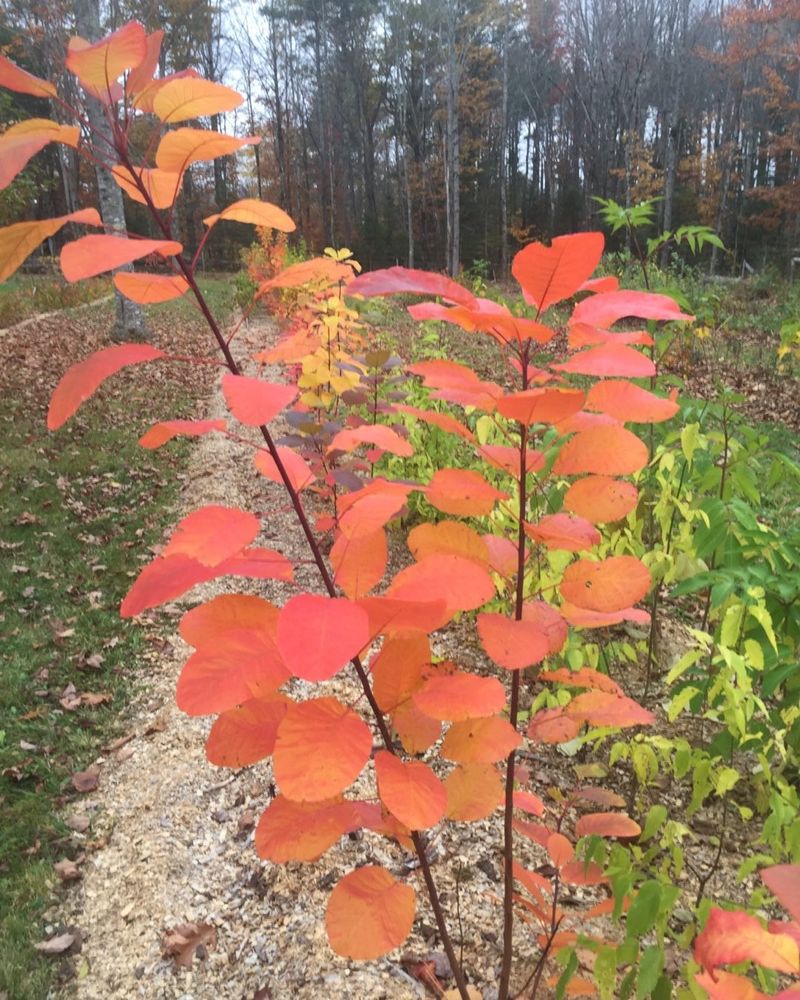
Here’s a shrub with a survival story. American Smokebush was harvested so heavily in the 1700s for the yellow dye in its wood that it nearly vanished, which is a big reason it’s tough to find in cultivation today.
The name comes from the hazy, smoke-like clusters that appear after the blooms fade, giving the plant a soft, dreamy look all summer. Come fall, the leaves catch fire with orange, red, and purple tones that outshine plenty of showier imports.
Unlike the common non-native smokebush sold at most garden centers, the American species is a true native that belongs in NC soil. It handles dry, rocky ground well, making it a smart pick for a sunny Piedmont slope where other shrubs sulk.
Track one down and you’re rescuing a plant that history almost erased.
3. Honeycup (Zenobia pulverulenta)
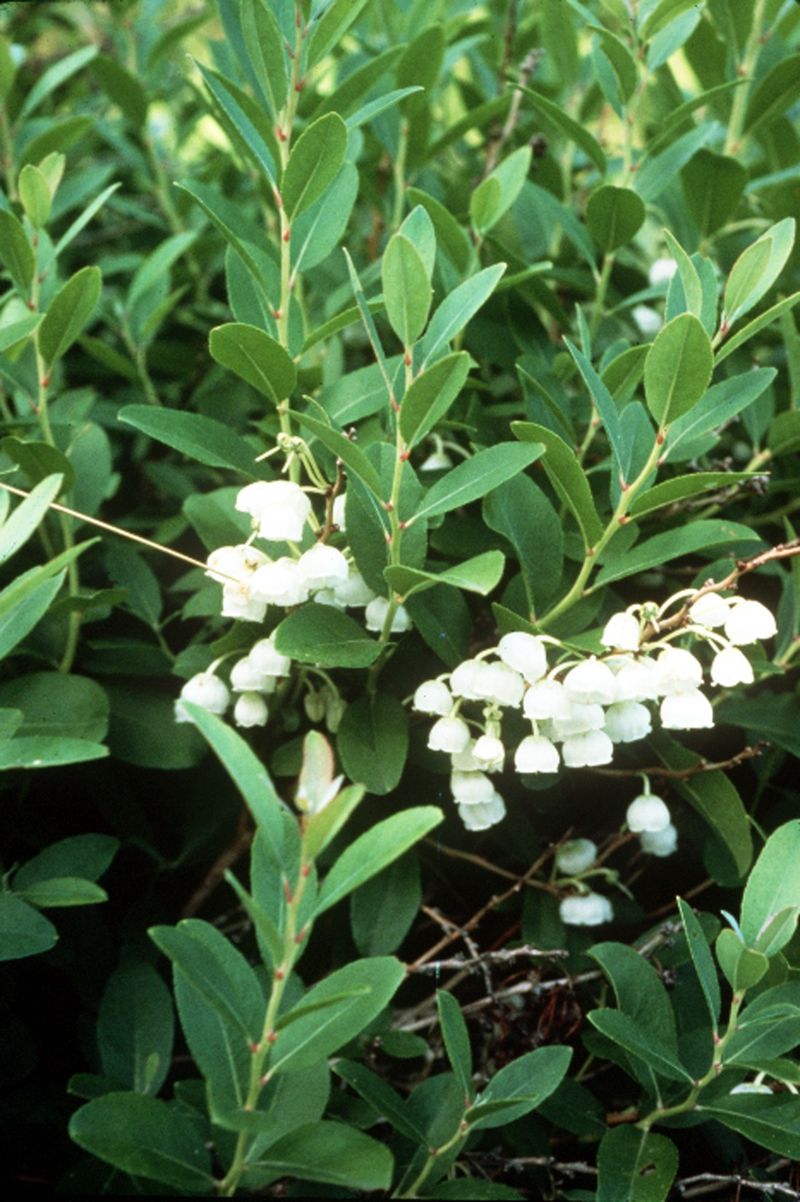
Few shrubs pull off frosty blue foliage and dangling white bells at the same time, but Honeycup manages it with quiet style. Gardeners who spot it in bloom rarely forget the dusty, glaucous leaves paired with those nodding flowers in late spring.
A Coastal Plain native, Zenobia loves dappled woodland light and the moist, acidic soils found across eastern North Carolina. It stays compact and semi-evergreen, so it fits tidy borders without swallowing the space.
The bell-shaped flowers ring the dinner bell for native bees looking for early nectar. You almost never see Honeycup at a chain store, which is exactly why native-plant folks prize it.
Check nurseries that specialize in Coastal Plain species, and you’ll add a shrub that feels rare and looks it.
4. Sweetshrub / Carolina Allspice (Calycanthus floridus)
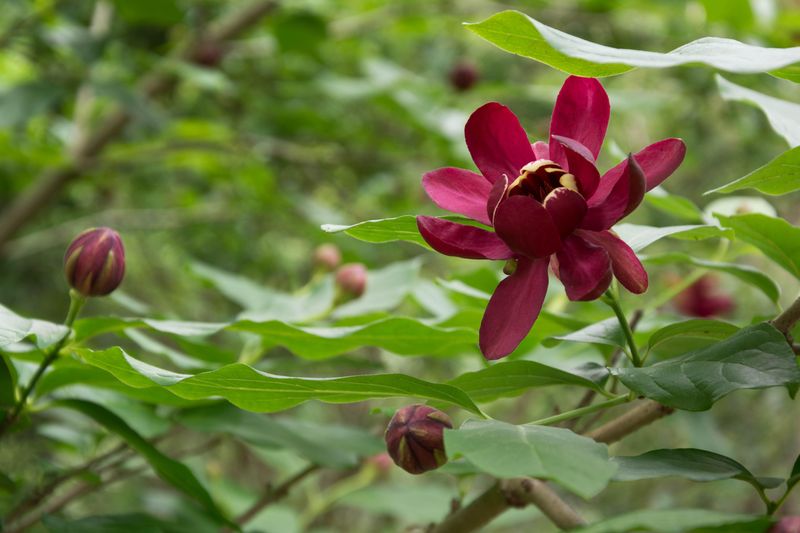
Crush a leaf or lean into a bloom and you’ll catch a scent somewhere between ripe strawberries and spiced fruit. Carolina Allspice earns devotion for that fragrance alone, and the moody maroon-red flowers seal the deal.
Blooms open in spring and often keep showing up sporadically through summer, so the color and perfume stick around. Butterflies drop by for the flowers, and deer tend to leave the whole shrub alone, which is a gift in browse-heavy neighborhoods.
Fun bit of trivia: the old name allspice comes from settlers who used the aromatic bark as a substitute for cinnamon and cloves. It’s adaptable across the Piedmont and mountains, happy in sun or part shade.
Not every garden center stocks it, but any serious NC gardener will tell you it’s worth asking around for.
5. Winterberry (Ilex verticillata)
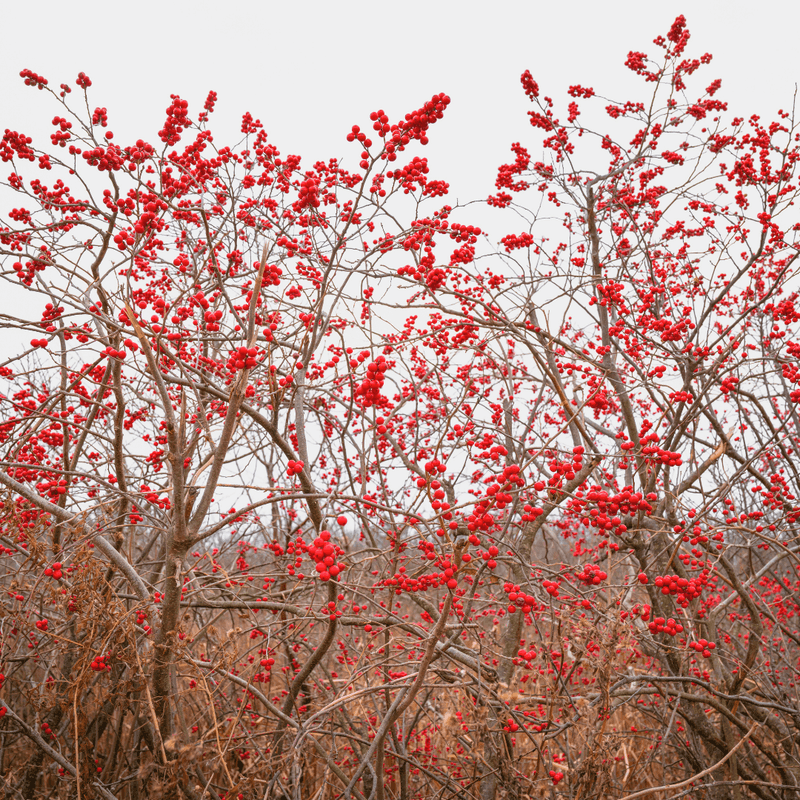
When the yard goes gray in January, Winterberry lights it up with clusters of scarlet berries clinging to bare stems. Cardinals, robins, and cedar waxwings flock to those fruits when other food has run out, making this deciduous holly a lifeline for winter birds.
Here’s the catch worth knowing: you need both a male and a female plant for berries to form, so buy them as a pair. Once set, the shrub shrugs off wet soil, salt, and deer browsing, which makes it forgiving across all three NC regions.
Best of all, Winterberry is the go-to native swap for burning bush, that invasive shrub still sold too often. Instead of feeding an ecosystem-choker, you’re feeding your neighborhood’s overwintering birds.
That’s the kind of trade a good steward makes without hesitation.
6. Buttonbush (Cephalanthus occidentalis)
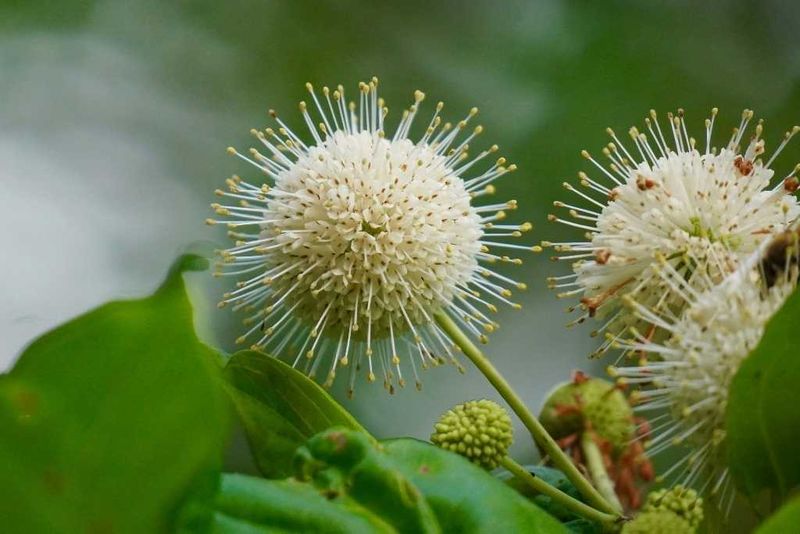
Ever seen a flower shaped like a tiny fireworks burst? Buttonbush produces perfectly round, spiky white orbs from June through August, and pollinators absolutely swarm them.
Bees, butterflies, and beneficial insects treat the fragrant blooms like a summer buffet, while the seeds later feed waterfowl and songbirds. It’s one of the few shrubs that grows in all three NC regions and actually welcomes soggy ground, so those wet corners where nothing else thrives become an asset.
Plant it along a pond edge, a rain garden, or a low spot that puddles after storms. Buttonbush turns a drainage headache into a pollinator magnet.
Gardeners who care about supporting native insects seek it out precisely because it handles the tough, wet spots most shrubs refuse.
7. Summersweet / Sweet Pepper Bush (Clethra alnifolia)
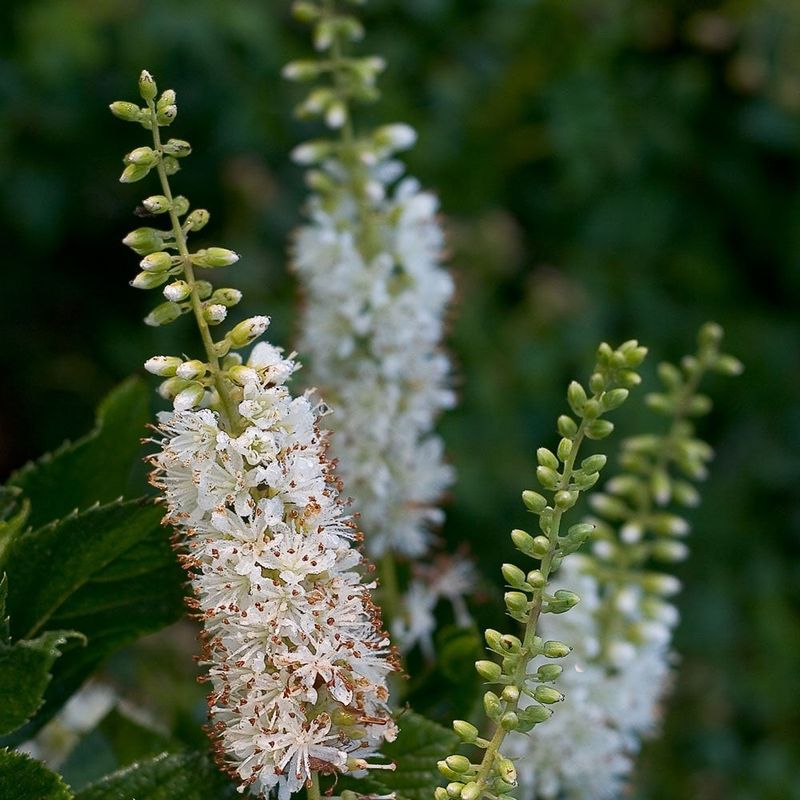
On a muggy July afternoon, Summersweet fills the air with a honeyed perfume you can smell from across the yard. Bumblebees, sweat bees, and even hummingbird moths crowd its upright white flower spikes, turning a quiet corner into a humming hotspot.
Shade and damp soil, the very conditions that stump many bloomers, are exactly where Clethra shines. It rewards patient gardeners with fragrant summer flowers and warm yellow foliage come fall.
The real reason serious NC gardeners hunt it down is as a replacement for the invasive butterfly bush, which offers nectar but does nothing to feed native caterpillars. Swap in Summersweet, or its cousins Buttonbush and Virginia Sweetspire, and you support the whole food web instead of just the passing adult butterflies.
It’s a small change with an outsized payoff for your yard’s ecosystem.